
Hough holds command at Interlagos
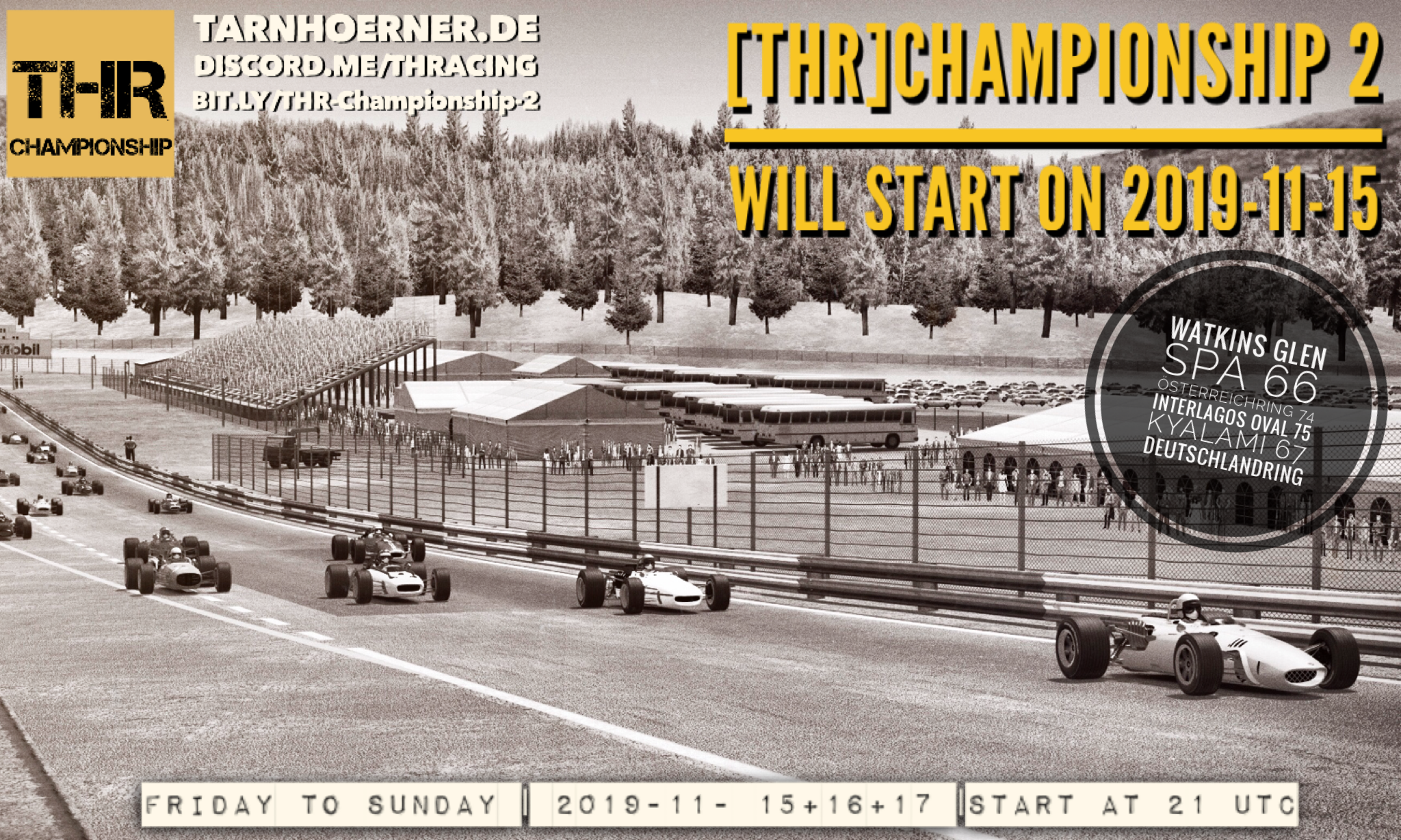
Ted Hough led every lap of the first race at Interlagos to win for Ferrari. Behind him, pitman and Willian sustained the closest contest among the leading finishers, the Lotus driver securing second place by less than a second.
A steady hand at the front
There was a clear distinction between the business of winning this race and the contest which supplied much of its interest. Ted Hough kept his Ferrari 312 at the head of the field throughout the 24 laps; behind him, the question of precedence between a Lotus and another Ferrari remained much less comfortably settled.
Ted Hough led at the completion of the opening lap and retained that position on every subsequent circuit. His was a victory founded not merely upon speed but upon an unusually even succession of laps. Once the opening circuit was past, there was little variation in his pace. The race had a fixed point at its head while the more closely disputed business developed behind.
This also brought a change of winner in the Championship. pitman had won the preceding race, but here the Lotus 49 driver had to be content with second. The distinction belonged to Ted Hough, whose uninterrupted tenure of the lead gave Ferrari the principal result of the first race of the meeting.
Lotus and Ferrari in close company
pitman and Willian provided the sustained contest. Willian's Ferrari 312 held the advantage over the Lotus during the opening part of the race, but neither driver could establish much separation from the other. From the second lap onwards they remained within two seconds throughout their long pursuit, making this a contest of rather different proportions from the unchanging order at the front.
By the end of the eighth lap the two were virtually together, less than a twentieth of a second separating them. Willian still held the advantage then, and continued to do so through lap ten. Before half-distance, however, pitman moved ahead. He was in front of Willian by the completion of lap eleven and retained the advantage thereafter.
That change settled their eventual order, but it did not dispose of the contest. Willian remained close during the second half, and pitman had no substantial cushion over the Ferrari. The Lotus driver finished second, with Willian third, the official margin between them just 0.657 seconds after both had completed the full 24 laps.
It was a useful result for pitman after his preceding victory, though the character of this race was quite different: instead of taking the leading honours, he had secured the better of a prolonged and closely matched encounter. For Willian, third place left Ferrari represented twice on the podium.
The Honda's progress checked
Further down the order, Waffles was classified tenth after completing 17 laps, a modest return which concealed a more promising opening in the Honda RA300.
Ninth at the end of the first lap, Waffles had advanced to sixth by lap ten and held that position through lap thirteen. There had been steady progress rather than a single sudden rise, and the Honda had established itself well clear of its eventual classification.
The fourteenth lap changed the picture. It took Waffles more than five minutes, against a recent lap pace of about 53 seconds, and he was tenth at its completion. His recorded distance subsequently extended to 17 laps, but the earlier advance had been reversed. It was one of the race's marked changes of fortune, in contrast with the settled course of the winning Ferrari.
Ted Hough added the fastest lap to his victory, recording 49.770 seconds. First throughout the 24 laps and quickest over one, he had supplied both measures of Ferrari's success at Interlagos.