Waffles Sets the Terms
Two opening victories gave Waffles command of the DRM Revival championship, and second place in the concluding race confirmed a title earned by speed and sustained results. Valentin Knechtel remained the closest challenger, while Matias Estrela recovered from an unpromising opening to take Division 2.
A short season, a clear distinction
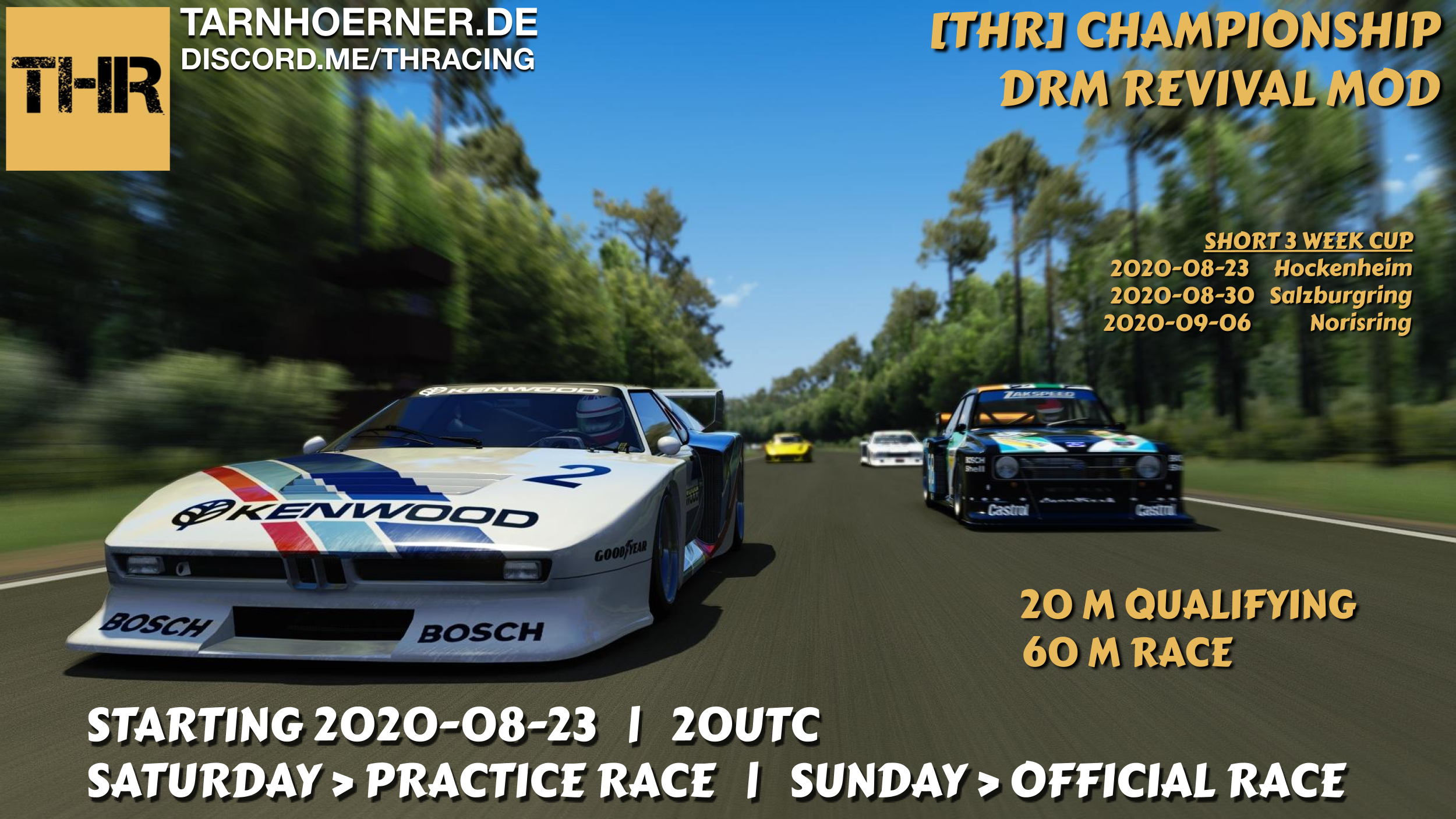
Between Hockenheim on 23 August and the Norisring on 6 September, the DRM Revival championship allowed little time for a campaign to find its shape. Three races constituted the season, and every result counted. An early advantage could therefore carry considerable weight, but there was equally little room to absorb a poor afternoon. The distinction was eventually drawn between the driver who remained at the front throughout and opponents whose strongest performances were less evenly distributed.
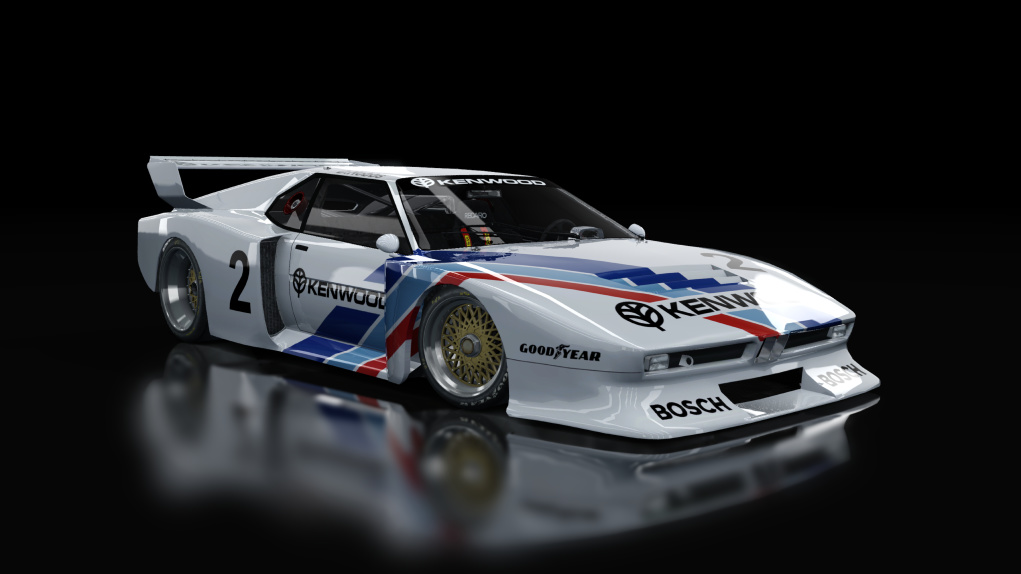
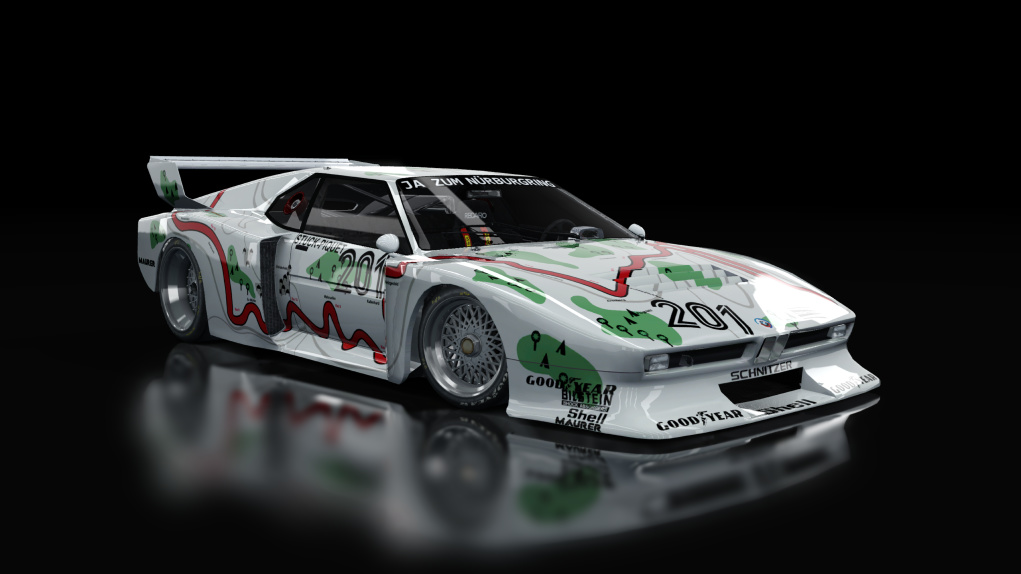
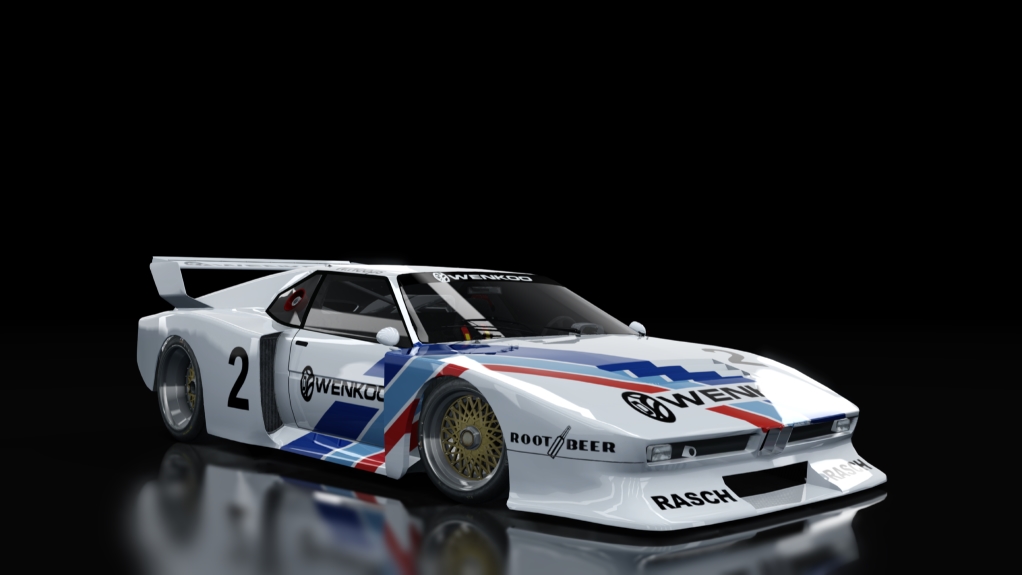
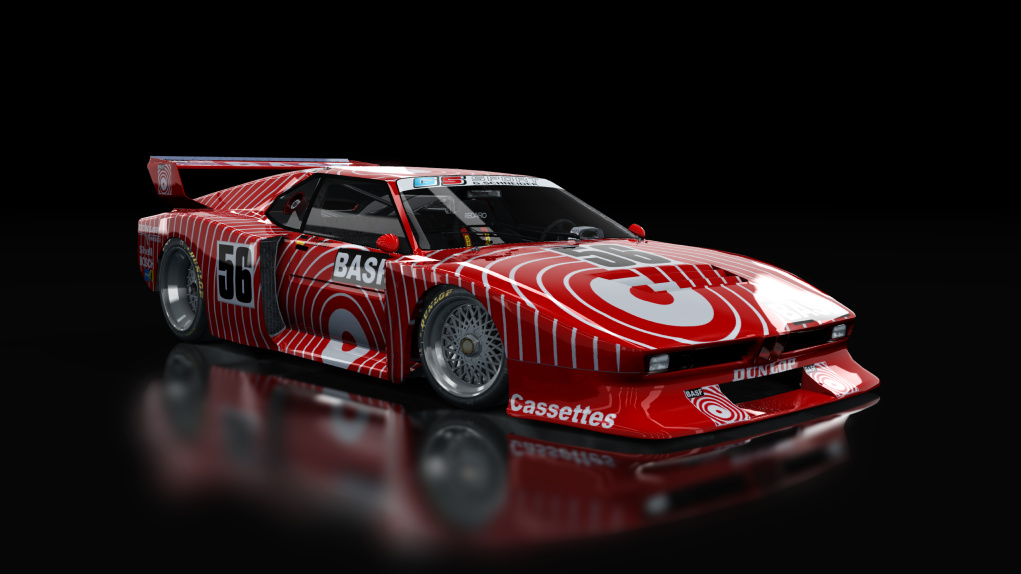
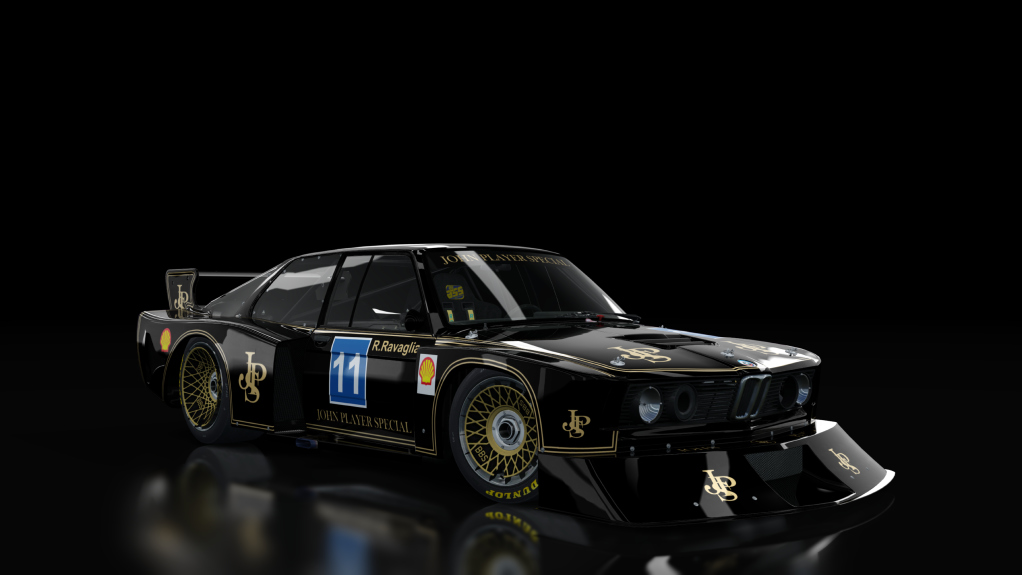
Waffles supplied the standard in the BMW M1 Turbo DRM '81. The opening victories were followed not by a retreat into the order but by another substantial result. Two wins and one second place gave the champion three top-two finishes from three starts, a compact record with no weak result to qualify it. Nor was this merely an exercise in collecting points: Waffles recorded the fastest lap in every race.
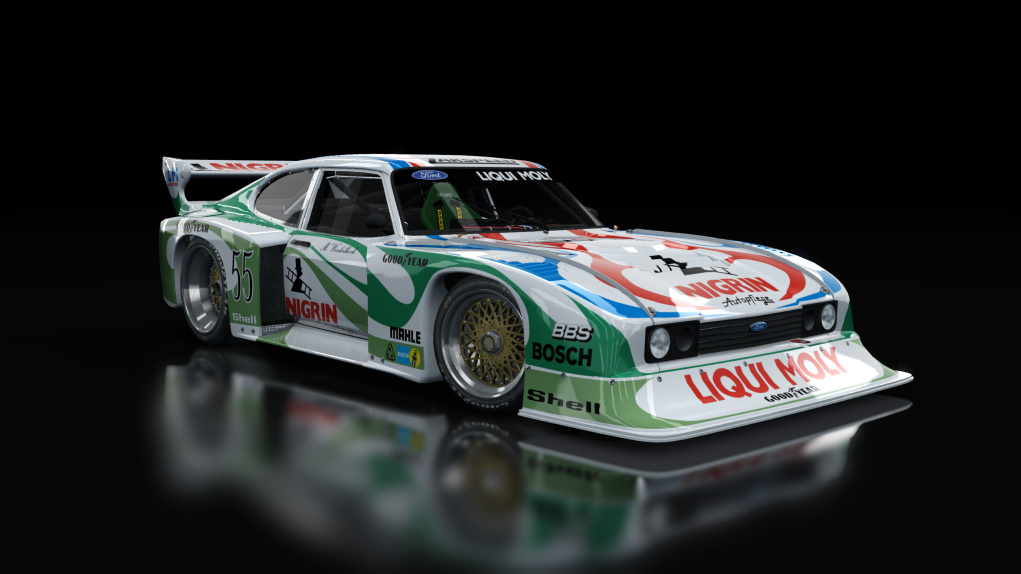
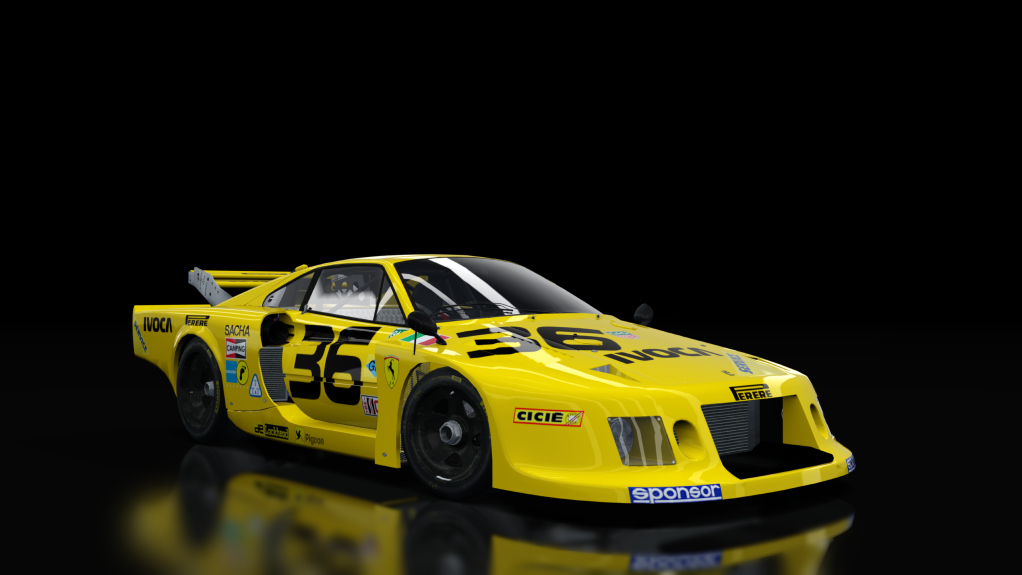
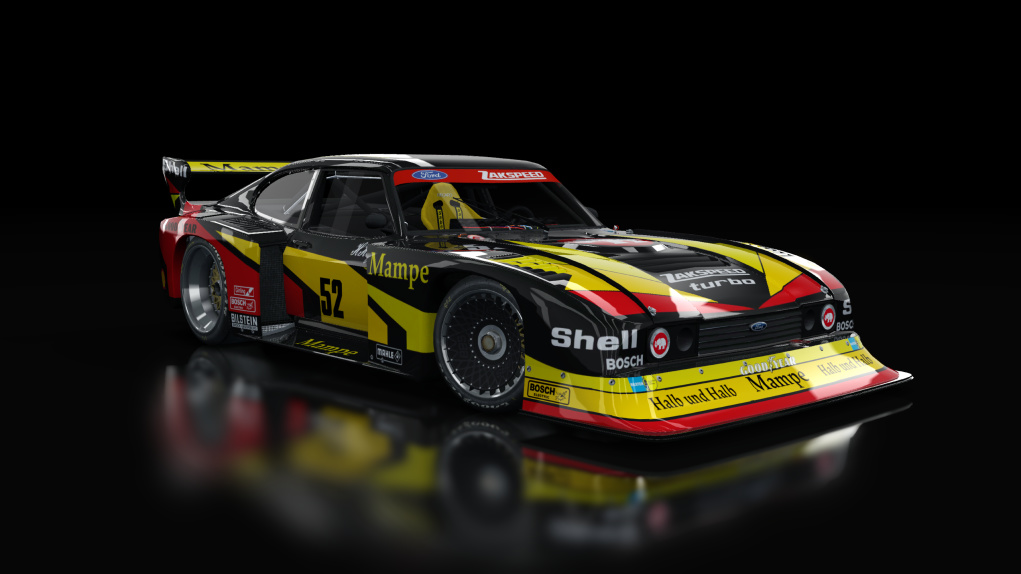
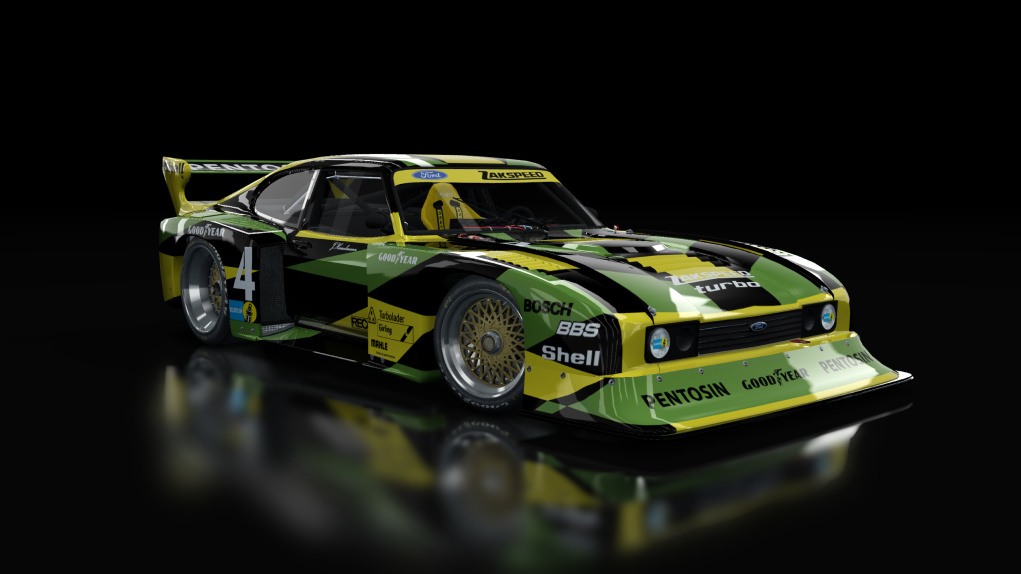
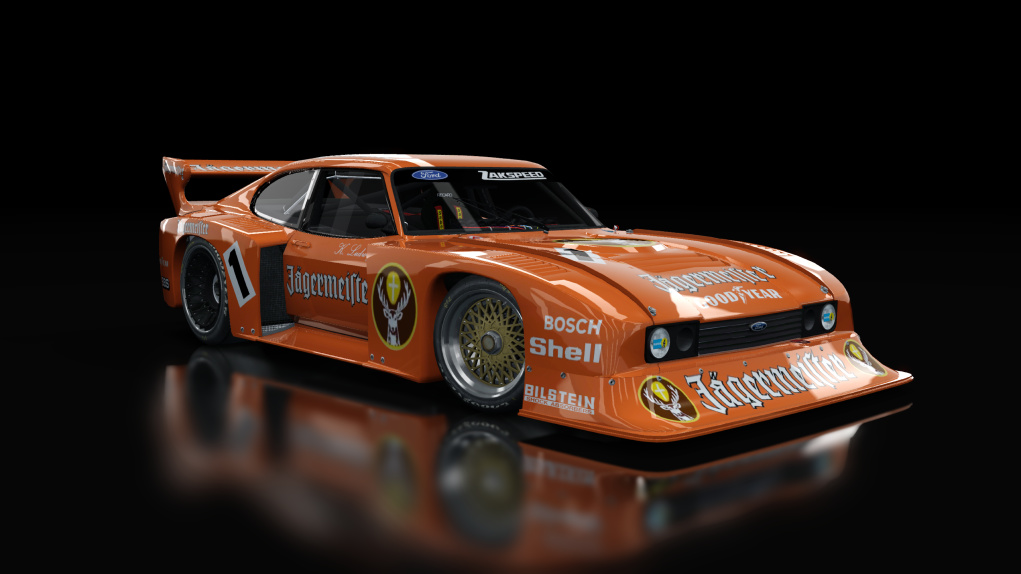
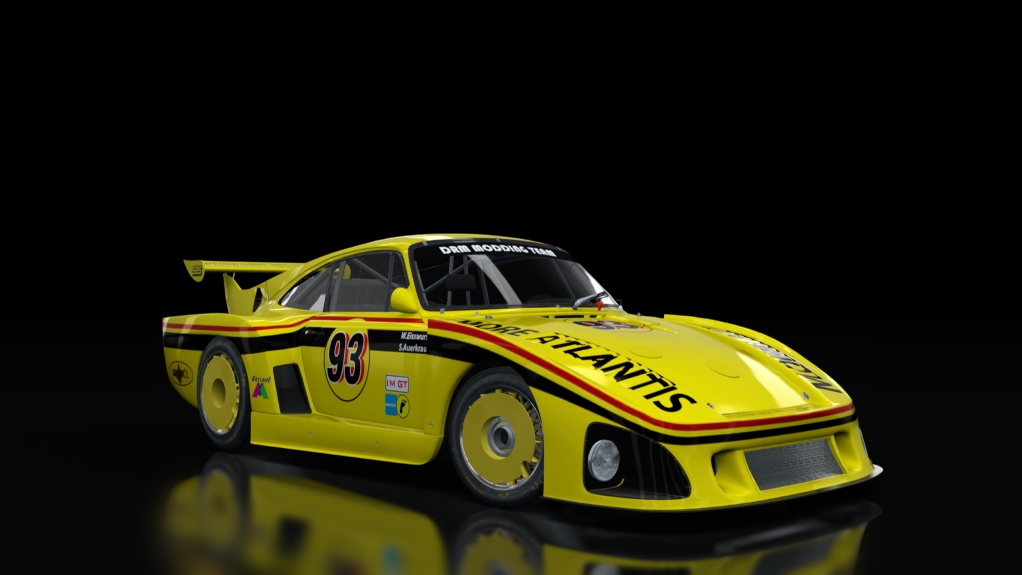
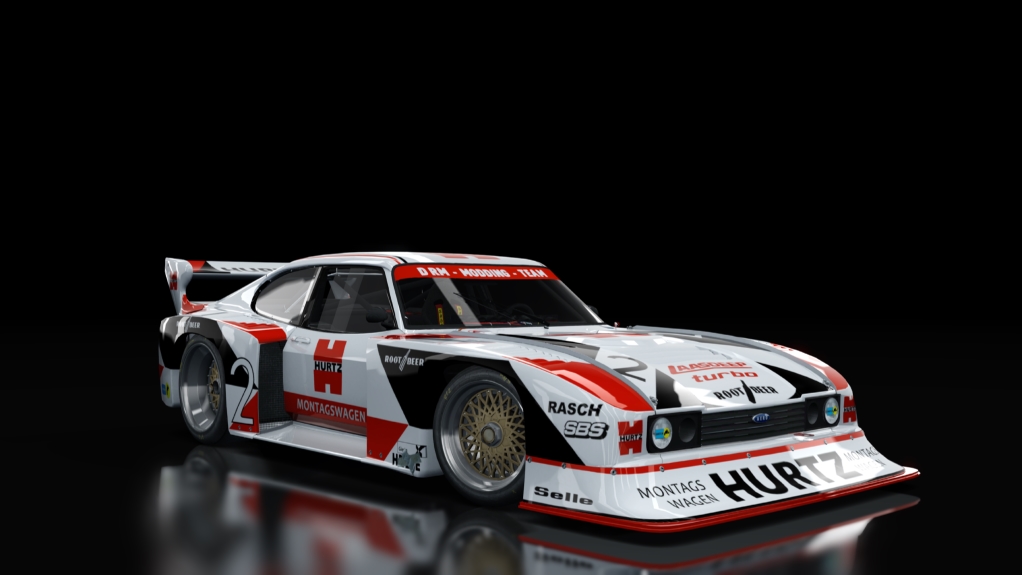
The opposition had substance. Valentin Knechtel's Ford Capri Turbo DRM '80 Zakspeed was prominent from the beginning, while Simo Dalby brought the Ferrari 308 GTB Turbo DRM '81 into the leading championship positions. Later arrivals altered the order at the front without displacing the established leader. The principal story was thus not a succession of changes at the head of Division 1, but the way Waffles progressively strengthened a lead that nobody succeeded in taking away.
The advantage takes shape
Hockenheim established the principal relationships. Waffles won over the full 31 laps, Valentin Knechtel finished second and Simo Dalby third. BMW, Ford and Ferrari consequently occupied the opening podium, and the same drivers formed the leading championship trio. Waffles had 26 points, Valentin Knechtel 23 and Simo Dalby 20. The advantage was modest enough to leave the contest open in character, but the BMW had already supplied both the winning result and the fastest lap.
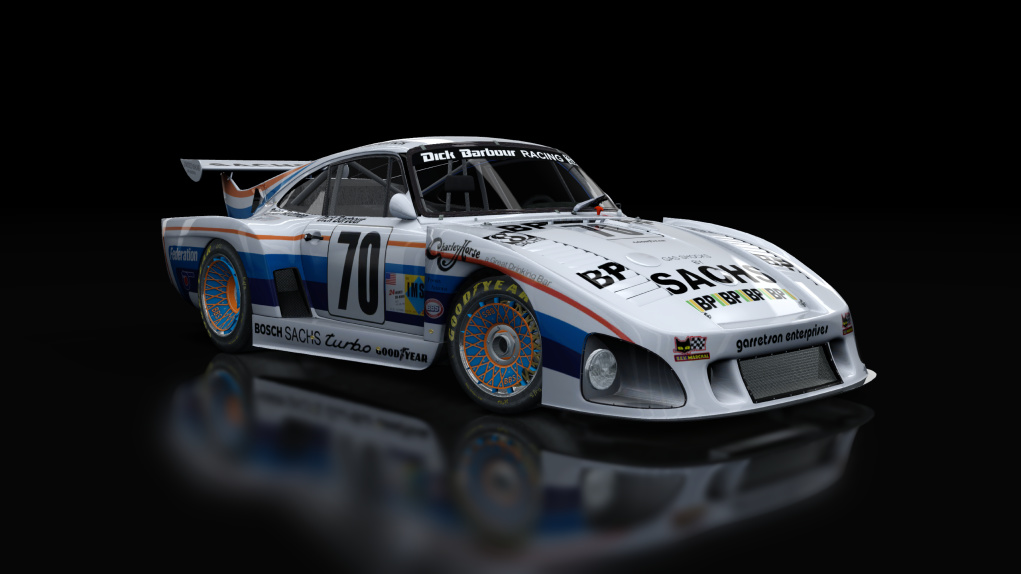
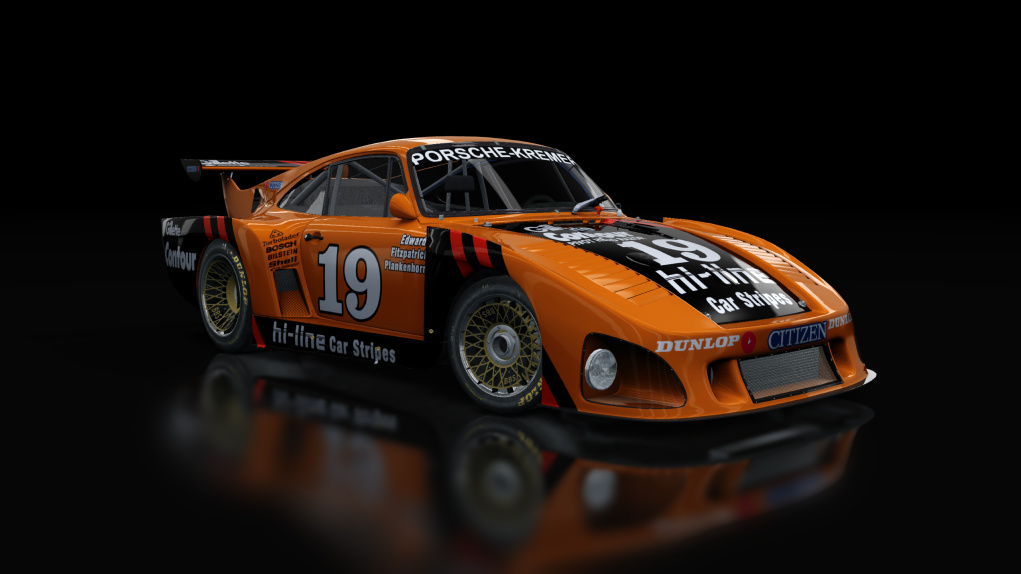
The important development came when that opening success was repeated at Salzburgring. A single victory might have remained an isolated advantage; a second consecutive win made Waffles the continuing reference. The BMW completed the 43-lap distance ahead of Konstantin Koval, whose Porsche 935 K3 DRM '79 JOEST took second place. Konstantin Koval's appearance mattered beyond the distinction of his own result, for it placed another car between the leader and the most persistent challenger.
Valentin Knechtel was classified third after completing 42 laps. That preserved a place among the leading results, but it did not preserve the earlier proximity in points. After Salzburgring, Waffles led Division 1 on 52 points, with Valentin Knechtel second in the Championship on 43, nine points behind. Simo Dalby, classified seventh in the race after completing 42 laps, remained third in the Championship on 35 points, 17 behind the leader.
This was the decisive middle phase of the campaign. Waffles had converted the opening promise into two consecutive victories, while neither of the nearest championship rivals had improved upon his Hockenheim placing. Valentin Knechtel had maintained a podium presence; Simo Dalby had lost ground. With one round remaining, the pursuit had become more demanding even though the order of the leading three had not changed.
A different winner, the same authority
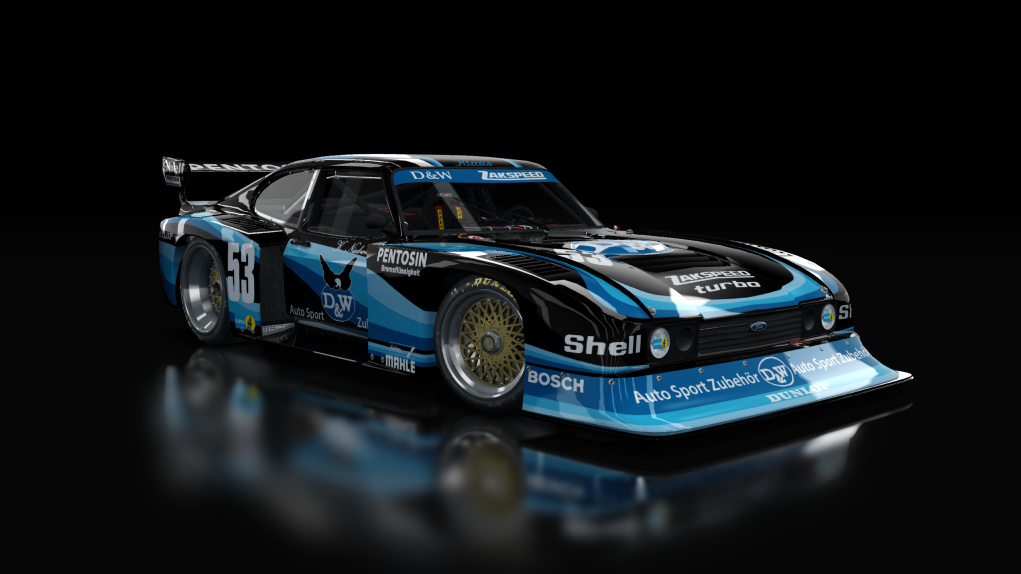
The Norisring brought the change of race winner that the opposition had been seeking, but it did not bring a change of championship leader. Duderei won in the Zakspeed Capri, completing all 66 laps ahead of Waffles. Michal Janak finished third in another Capri. Ford had a strong conclusion to the series, occupying the places on either side of the champion on the final podium.
Duderei's victory was a notable advance from Salzburgring, where the Porsche had been classified fifth after completing 42 laps. The change to the Ford was accompanied by the strongest result of that two-start Division 1 campaign. It carried Duderei to fourth in the final Championship with 43 points and ensured that the season would not be remembered simply as an uninterrupted series of BMW victories.
For Waffles, however, second place was a convincing conclusion rather than a narrow escape. The BMW again completed the full distance and again recorded the fastest lap. Its unbeaten run had ended, but its presence at the front had not. The final total of 75 points left Waffles 22 clear of Valentin Knechtel, a margin which expressed the difference between an unbroken sequence of top-two results and a challenge that faltered at the last meeting.
Valentin Knechtel was classified 13th at the Norisring after completing 33 laps. That result sharply reduced the return from a campaign which had begun with second place and continued with a third-place classification. It also left the runner-up position under much closer pressure than before. Simo Dalby was classified fifth after completing 65 laps, recovering ground after Salzburgring and ending the season on 51 points. Valentin Knechtel retained second in the Championship on 53, just two points ahead.
The final Division 1 order therefore preserved the opening meeting's leading trio, but concealed a considerable change in their relative security. Waffles had drawn away; Valentin Knechtel and Simo Dalby had converged. The champion's advantage and the narrow separation of the principal pursuers were equally characteristic of the completed season.
Estrela turns Division 2
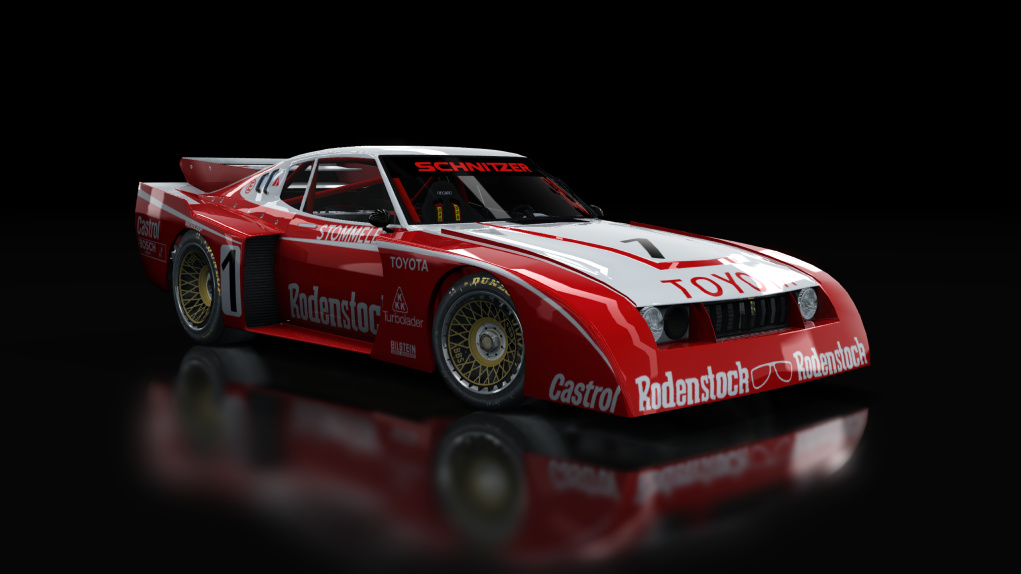
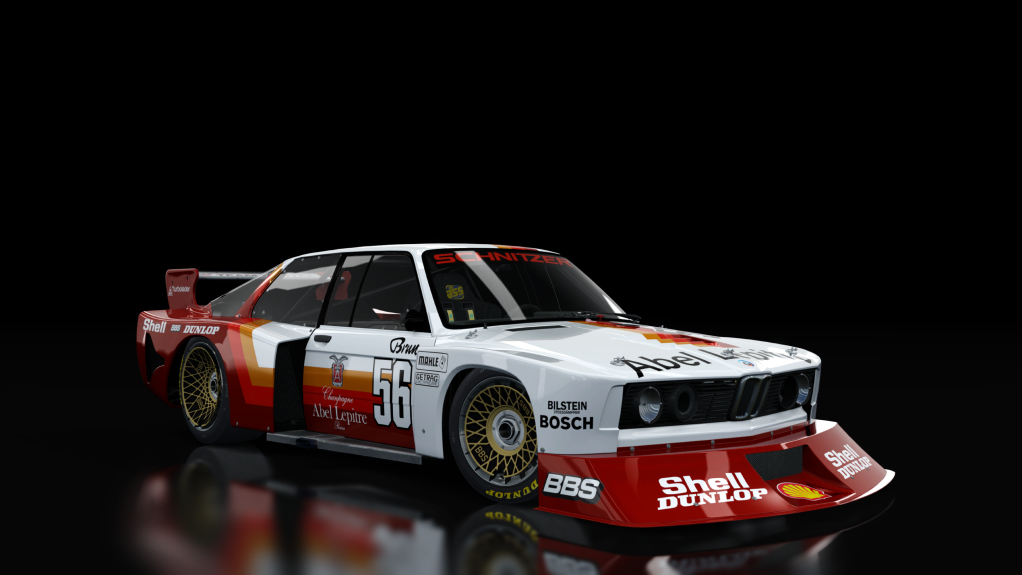
Division 2 followed a different course, with an actual change of championship leader and a particularly marked recovery by Matias Estrela. At Hockenheim, JirkaS was classified ninth overall after completing 29 laps in the BMW 320i Turbo DRM '80 Schnitzer. Matias Estrela, driving the same model, was classified 12th after completing 16 laps. JirkaS consequently led the division on 26 points, three ahead of Matias Estrela.
The reversal at Salzburgring was substantial. Matias Estrela was classified fourth overall after completing 42 laps, a result which placed the Division 2 BMW well up the combined order. It was the outstanding overall classification of Matias Estrela's season and the performance around which the class campaign turned. With JirkaS absent from that race, Matias Estrela took the championship lead on 49 points; JirkaS remained on 26.
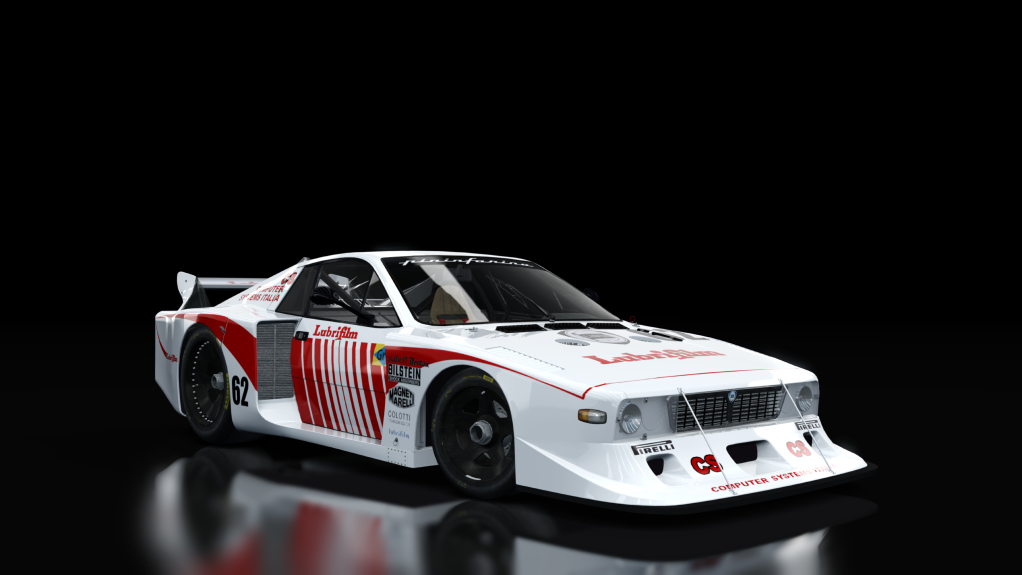
There was no corresponding reversal at the final meeting. Matias Estrela was classified tenth overall at the Norisring after completing 61 laps and concluded the season with 75 points. JirkaS remained second in Division 2 with 26. Willian, in the Lancia Beta Montecarlo Turbo DRM '80, was classified 12th overall after completing 59 laps and took third in the final divisional standings on 23 points.
Matias Estrela's title rested on participation throughout the series as well as the strong Salzburgring showing. The opening deficit was overcome at the next opportunity, and further points were added at the conclusion while the early leader's total remained unchanged. It was a different championship pattern from Waffles' immediate command: recovery first, then consolidation. Both routes produced a champion on 75 points, though the circumstances behind those totals were quite distinct.
What the order concealed
The variety of machinery was more than a matter of appearance. The final Division 1 championship podium comprised Waffles' BMW, Valentin Knechtel's Ford and Simo Dalby's Ferrari. Across the races, the Capri accounted for four podium appearances and the M1 for three. Simo Dalby's Ferrari result at Hockenheim and Konstantin Koval's Porsche result at Salzburgring supplied the other two appearances. Ford's wider podium presence was noteworthy, but it was Waffles who concentrated the strongest results into a single championship campaign.
That distinction also explains the position of the principal rivals. Valentin Knechtel's two podium classifications provided the foundation for second in the Championship, despite the reduced distance at the final race. Simo Dalby's opening third place remained the Ferrari driver's sole podium result, but the later points were sufficient to keep third in the final table. Duderei supplied the late victory without having a full season of results behind it, while Konstantin Koval's second place came from a single start.
There was no need for discarded scores to separate these different campaigns. All three rounds counted, leaving the final table to reflect both the quality of the best performances and the results surrounding them. In that comparison Waffles had the clearest claim: outright pace was repeatedly converted into substantial points, and the arrival of a new winner at the last round did not interrupt the work of completing the championship.
The Norisring honours belonged to Duderei, but the Division 1 season belonged to Waffles, whose early advantage endured as the race order changed. Valentin Knechtel finished second in that division, with Simo Dalby third. Matias Estrela's recovery gave Division 2 its own distinct story, ending with the title ahead of JirkaS and Willian in second and third. Even a three-round Championship had rewarded more than one kind of successful season.