Shepherd's Eagle Sets the Measure
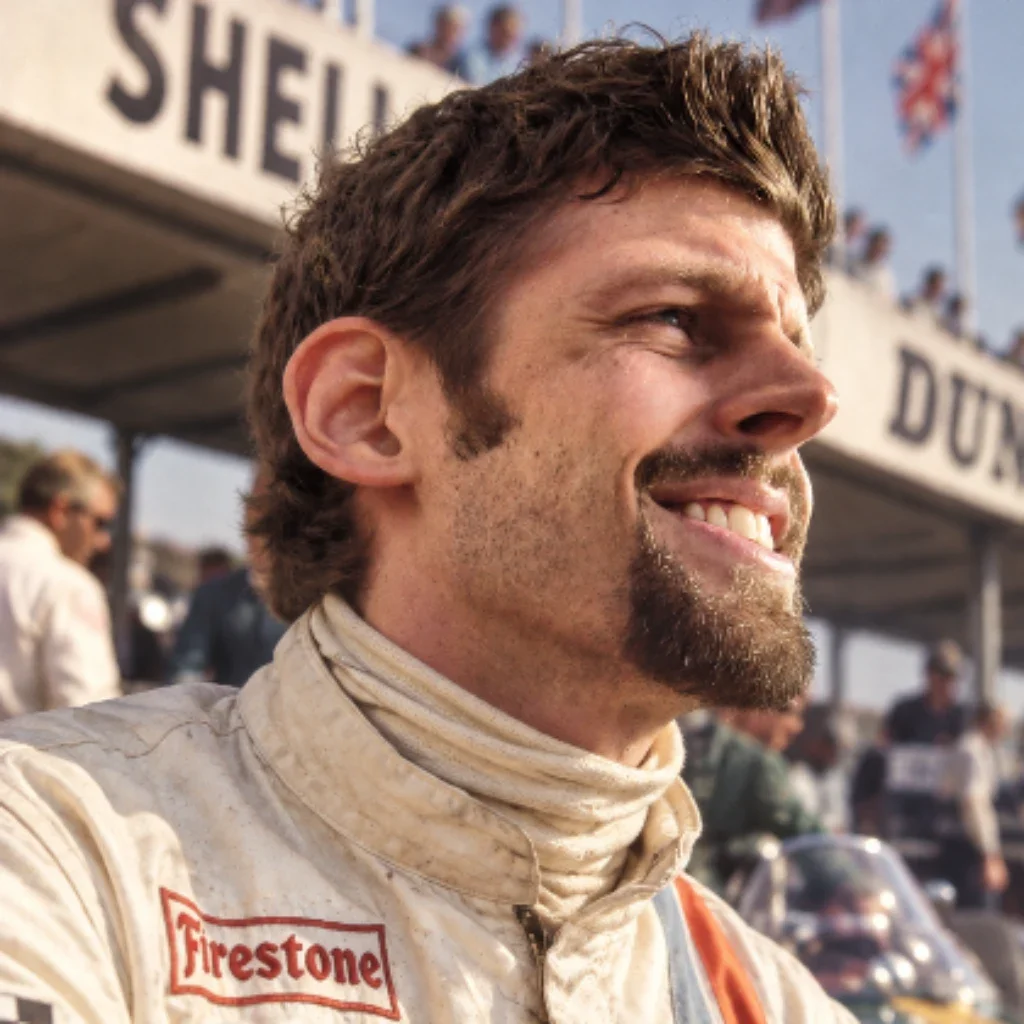
Mac Shepherd made the fourth GPL Throwback Championship his own through sustained speed and an exceptional rate of success. Behind him, pitman's patient Lotus campaign withstood Nat Stevenson's late advance, while a changing company of challengers gave the season considerably more variety than the champion's winning record might suggest.
A standard established early
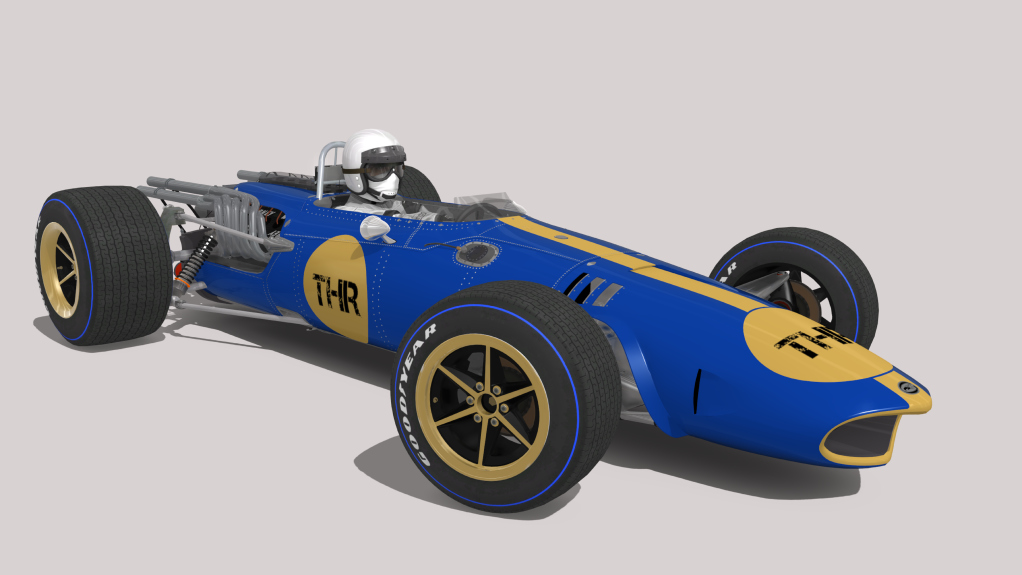
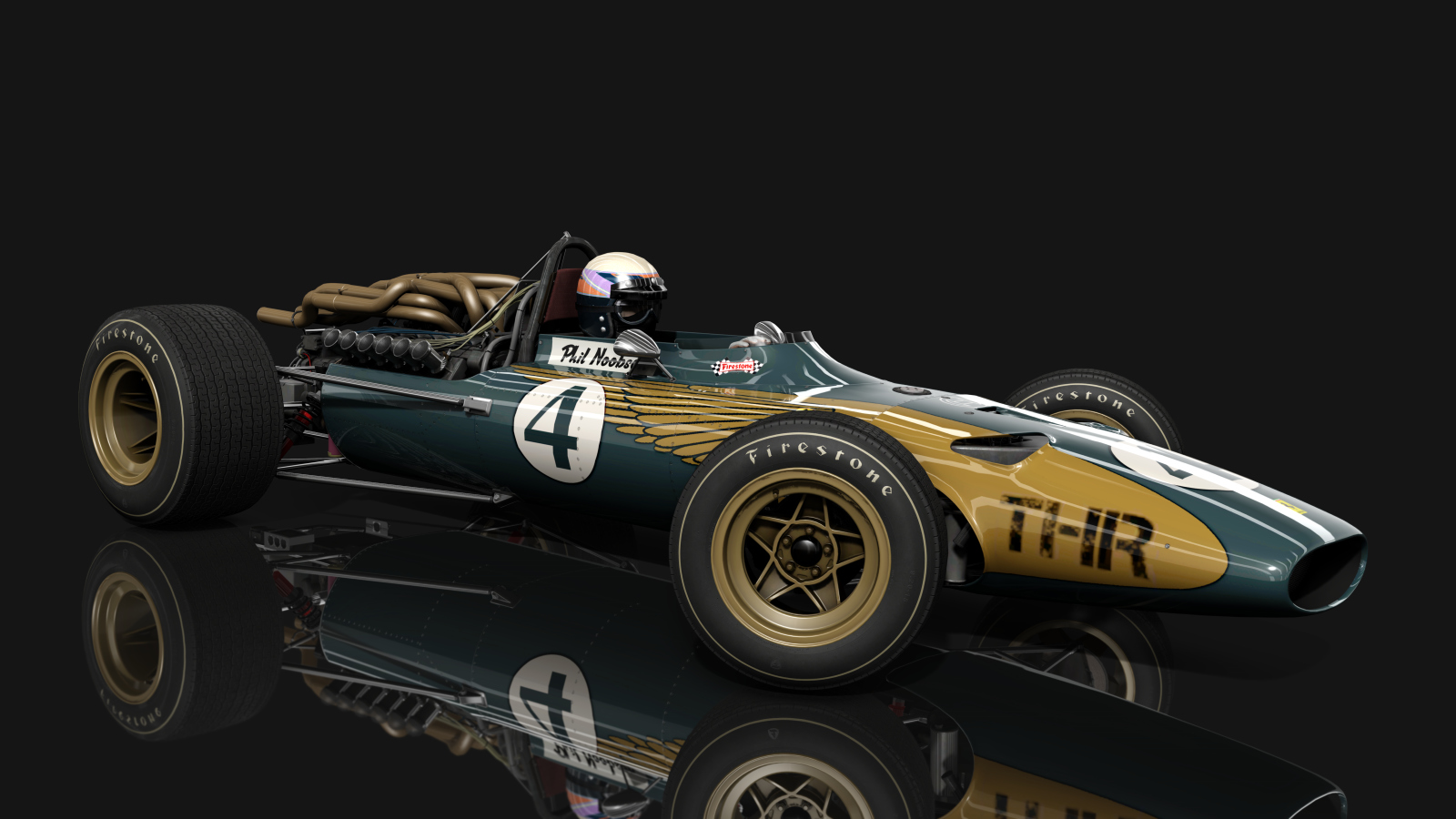
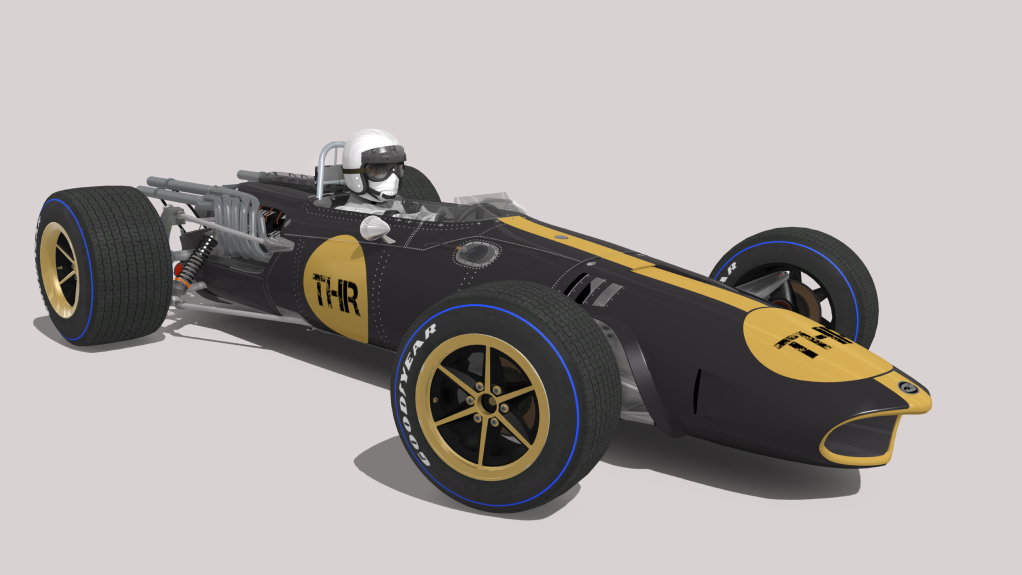
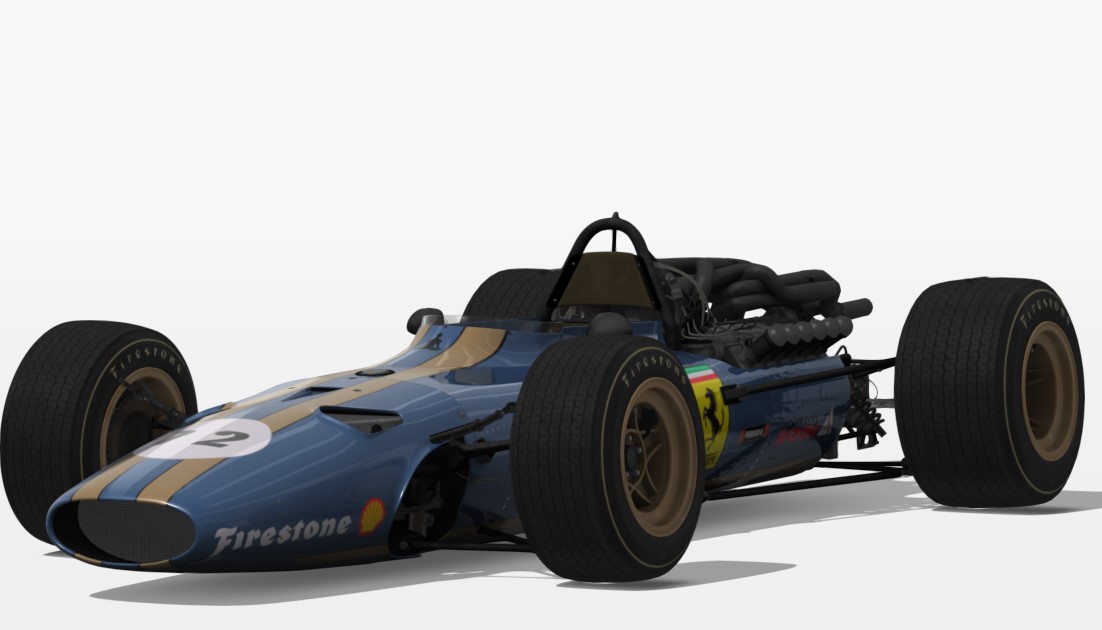
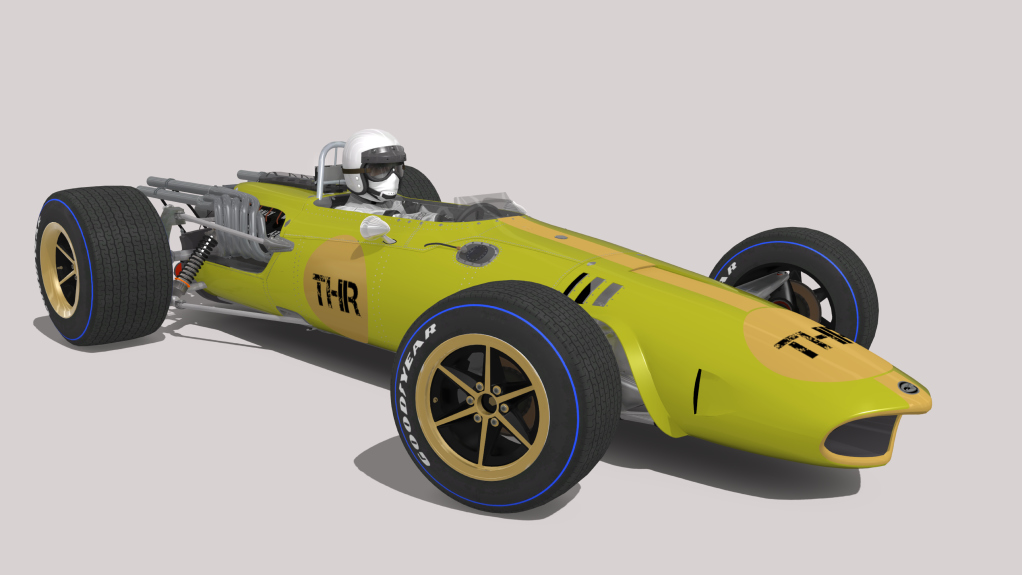
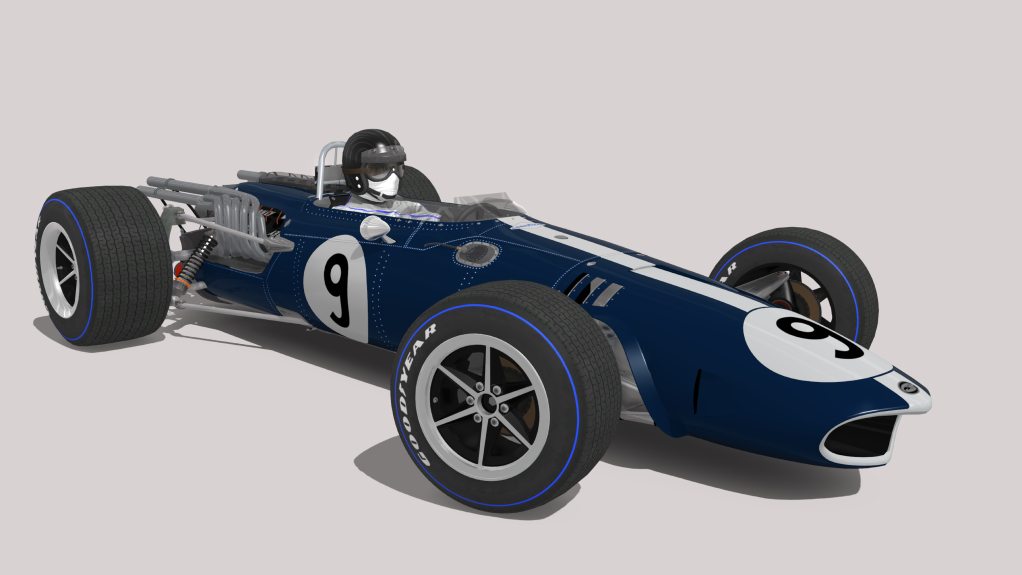
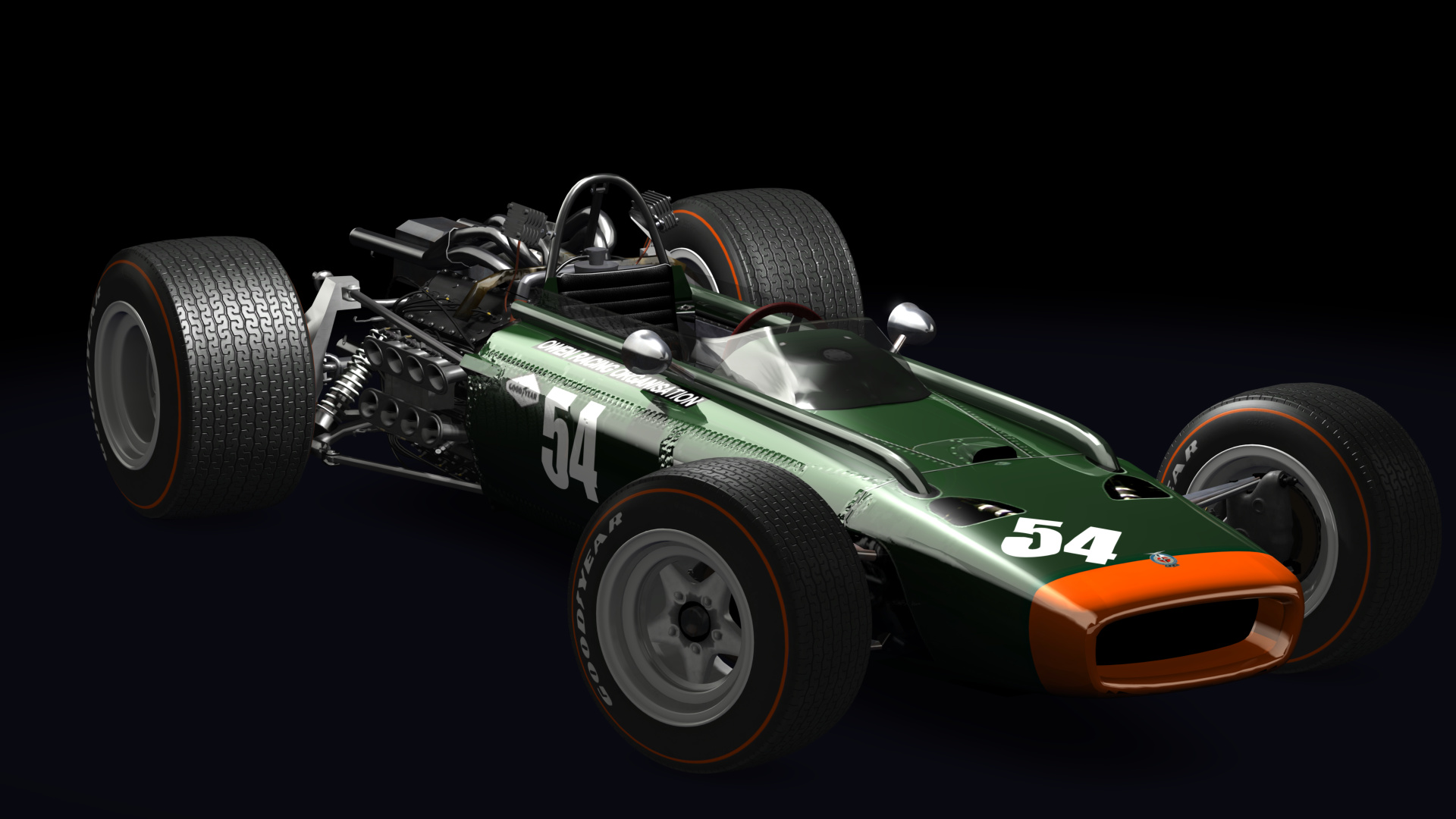
There are Championships won by rescuing an uncertain campaign, and others won by establishing a standard which the opposition cannot sustain. GPL Championship 4 belonged firmly to the latter kind. Across eleven meetings and twenty-two races, Mac Shepherd's Eagle T1G supplied the central reference. Rivals could interrupt its progress, sometimes most effectively, but none assembled a comparable season.
The final figures were substantial: fourteen victories and four second places, eighteen top-two results in all. Yet the character of the Championship lay as much in the distribution of those results as in their number. Shepherd laid down his strongest work early and through the middle of the programme. When the closing meetings brought more varied results, the body of the campaign already carried considerable weight.
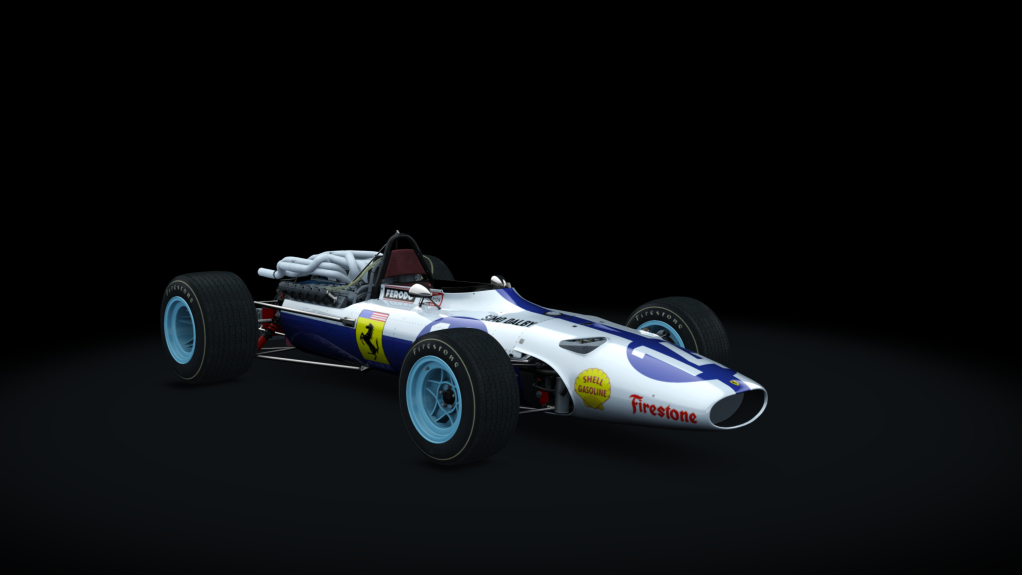
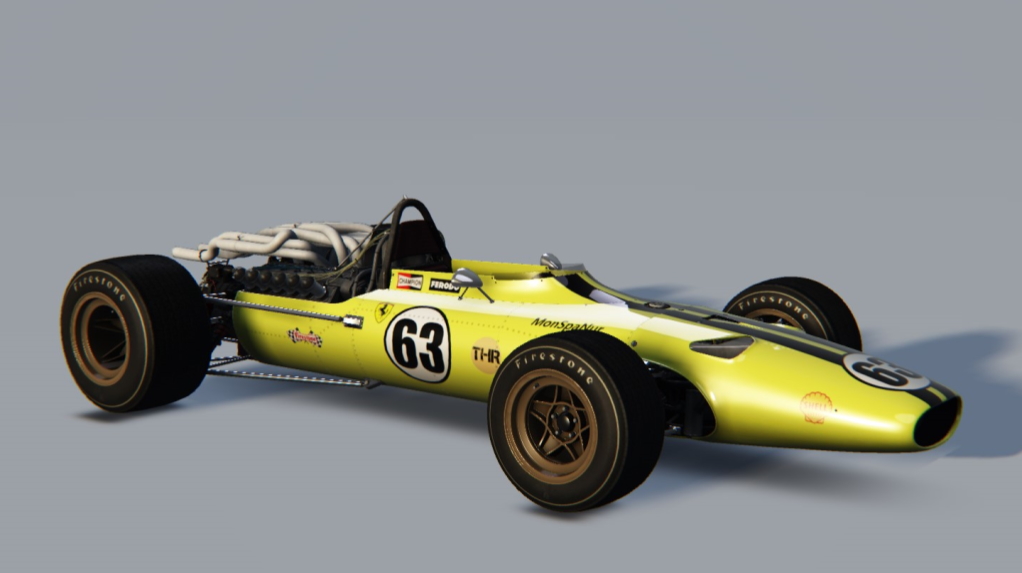
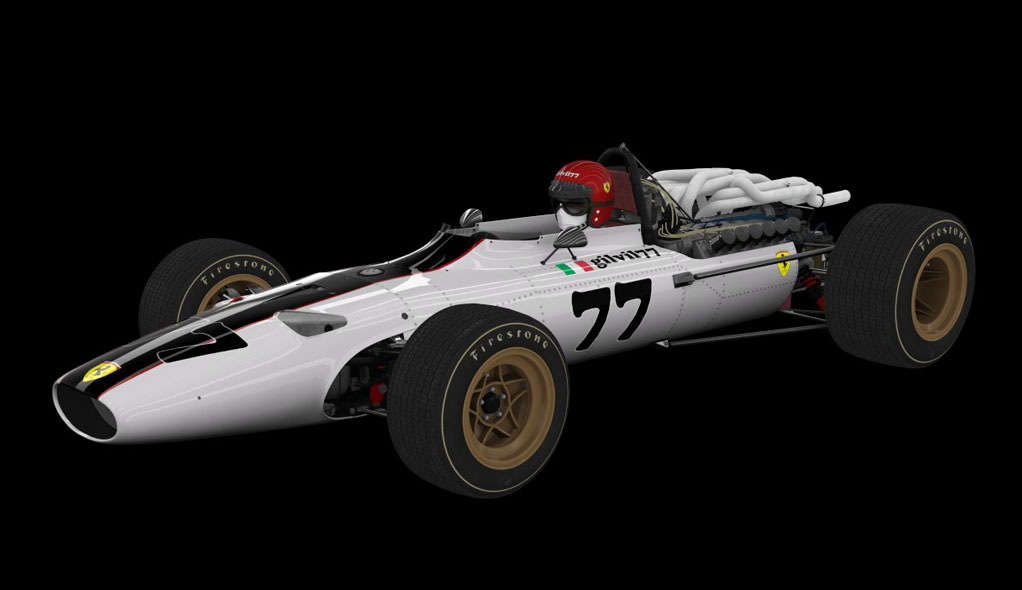
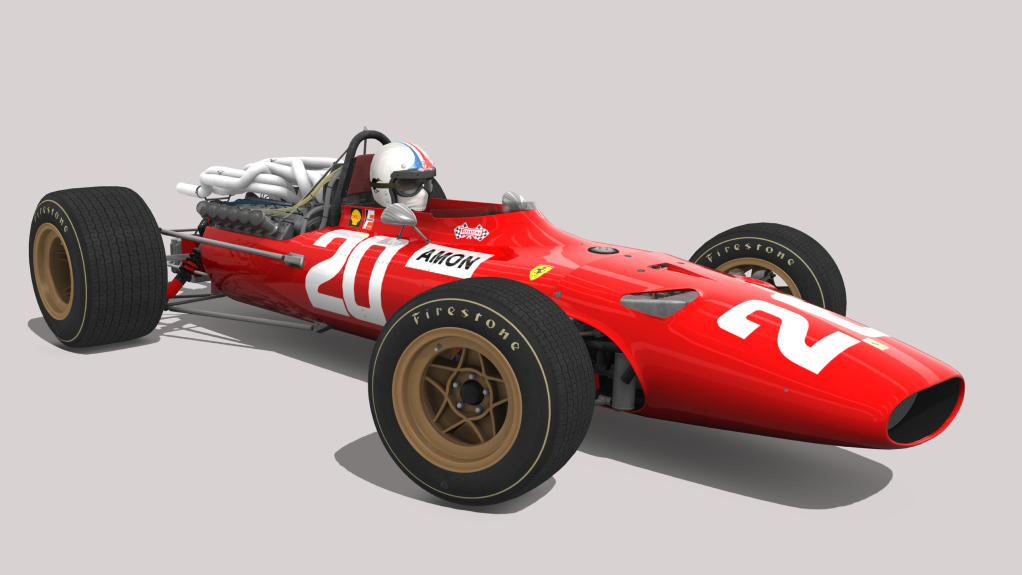
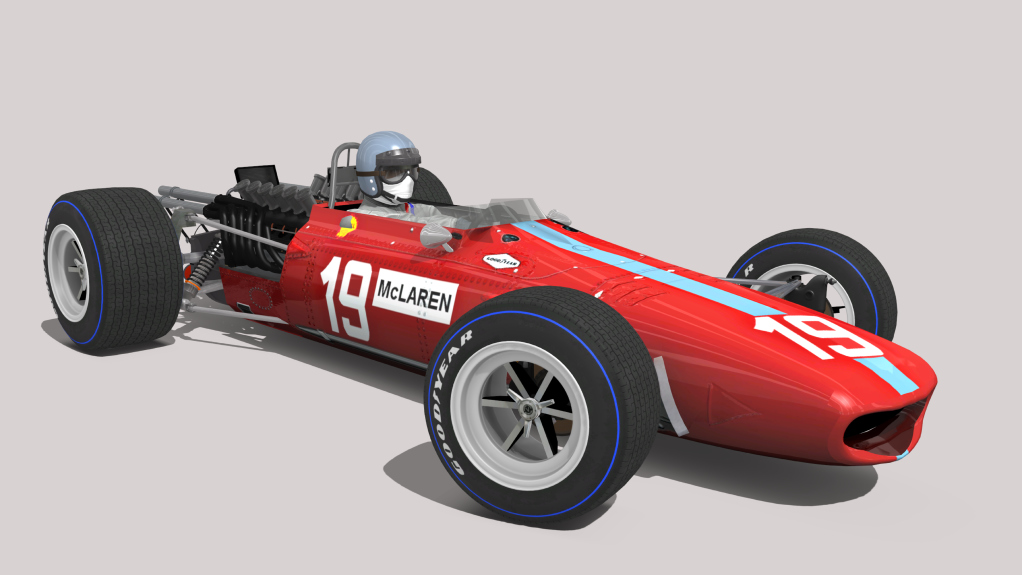
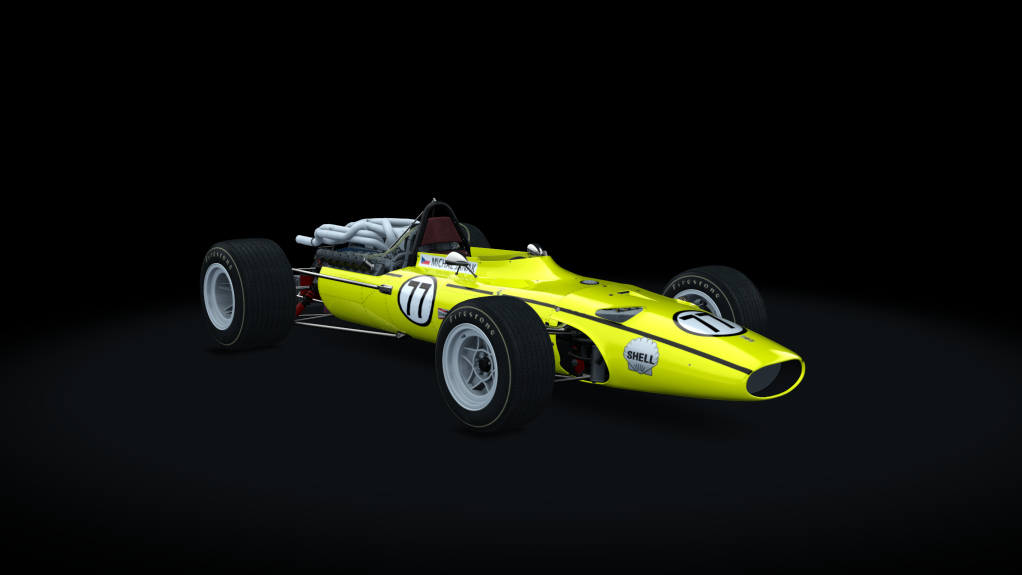
Kyalami established the pattern without quite defining the eventual opposition. Shepherd won both races, while Michal Janak's Ferrari 312 and Nat Stevenson's Eagle exchanged second and third places. It was an orderly opening among the leading three, but not a reliable forecast of the final Championship order. Janak's contribution would remain confined to that meeting; Stevenson would have to recover from a less productive passage before becoming a regular presence near the front again.
Monaco reinforced Shepherd's authority. He took both victories, with Franglais second in each race in another Eagle. Those results put Franglais second in the Championship on 76 points, six behind the leader. It was an early reminder that the table and the racing did not always tell their stories at the same volume. With each driver's poorest meeting excluded, the counted standings could look close even when the sequence of race victories was decidedly one-sided.
The opposition finds its shape
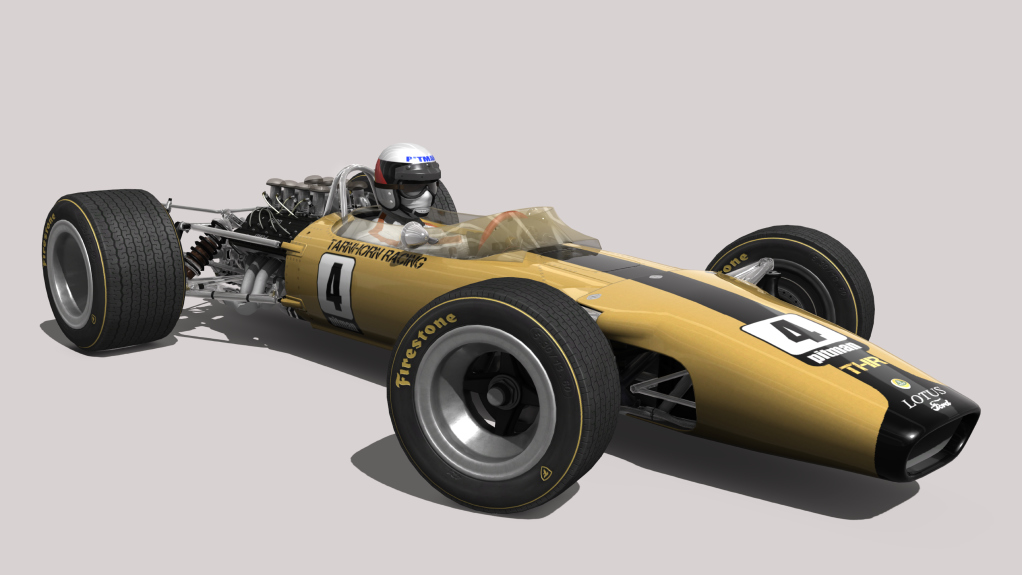
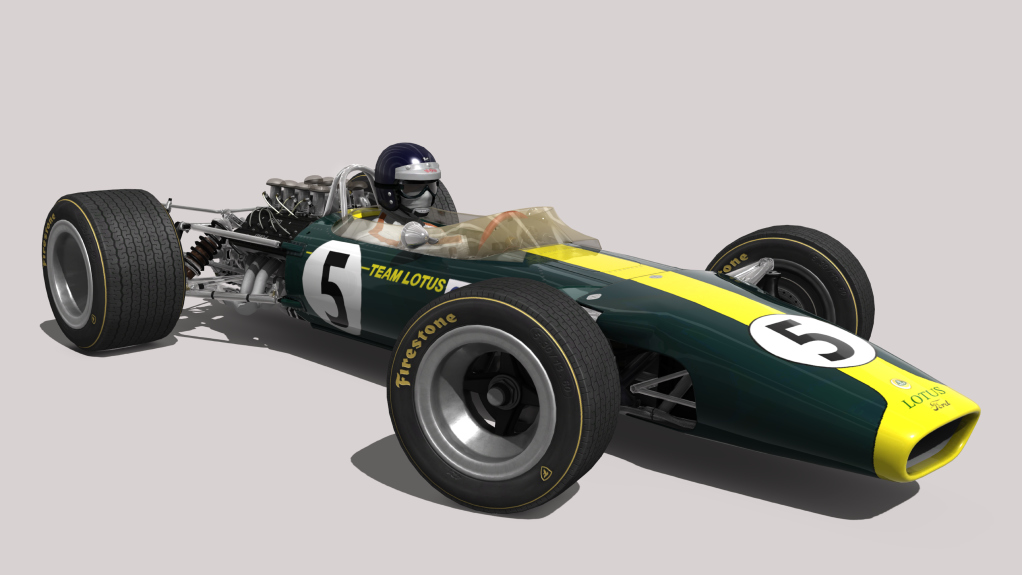
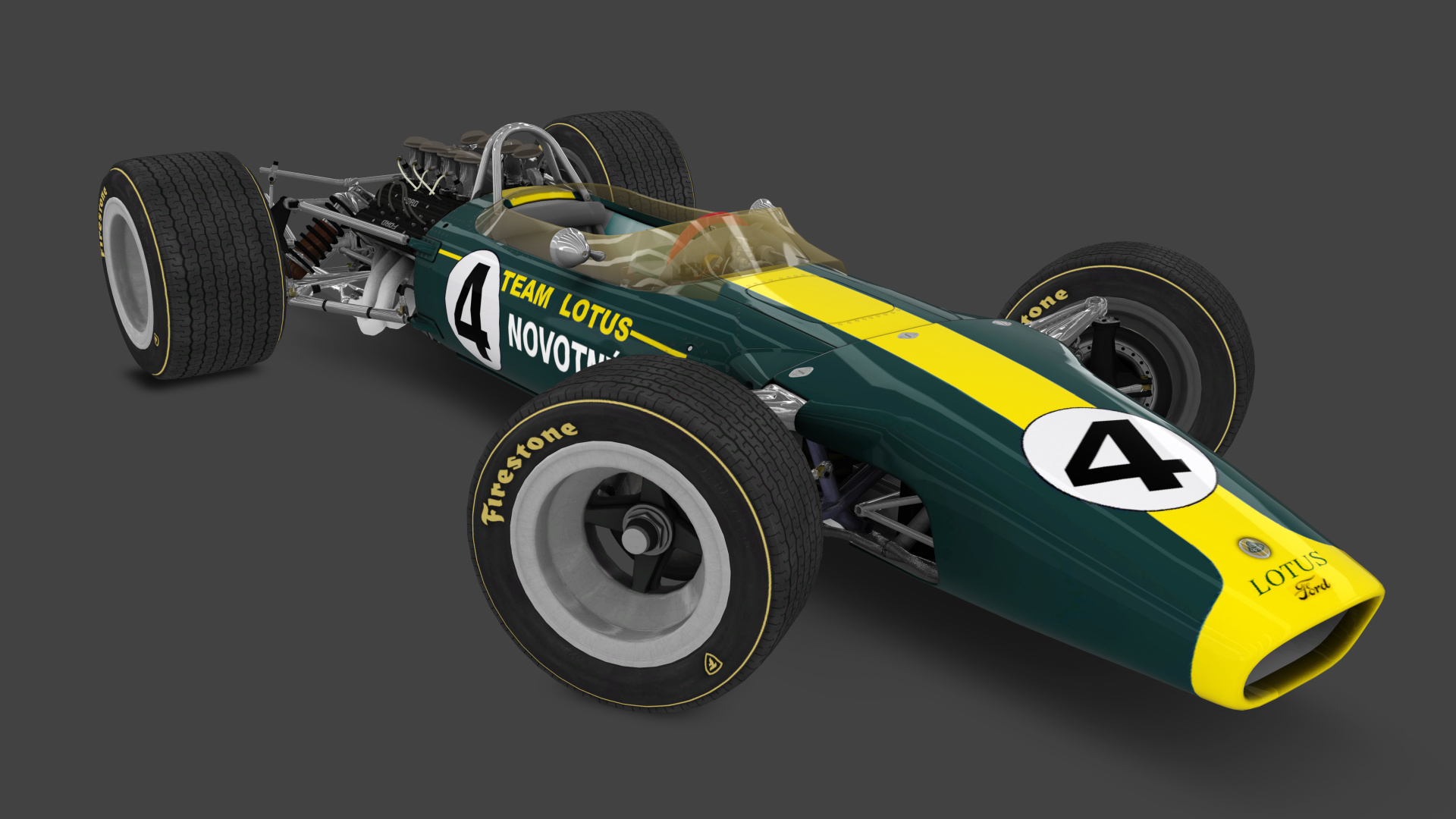
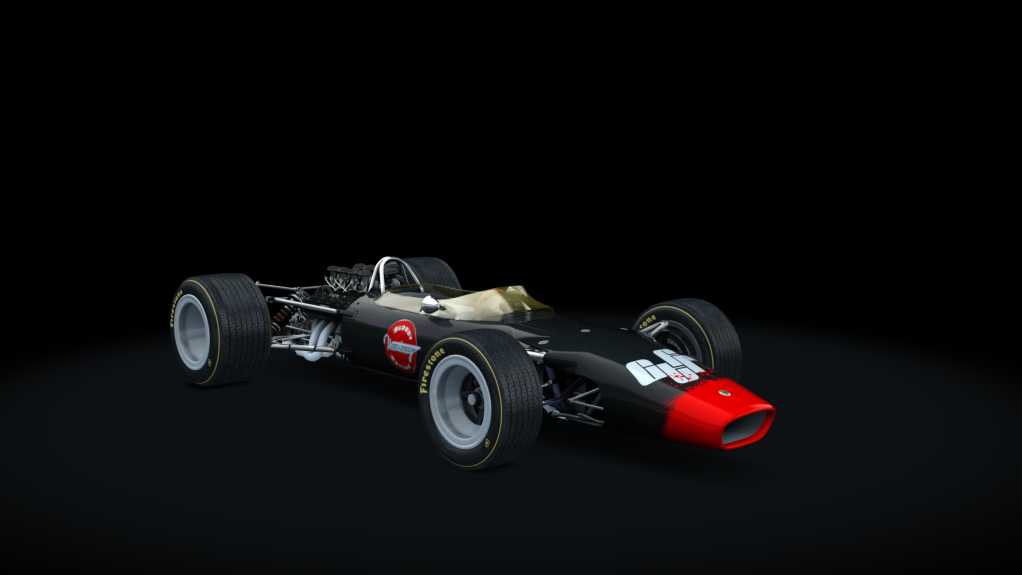
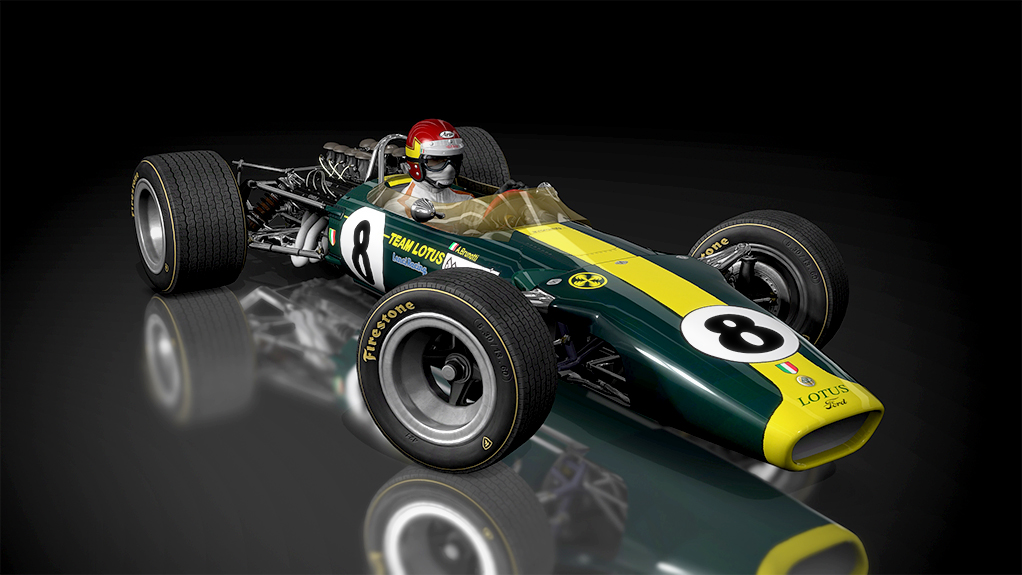
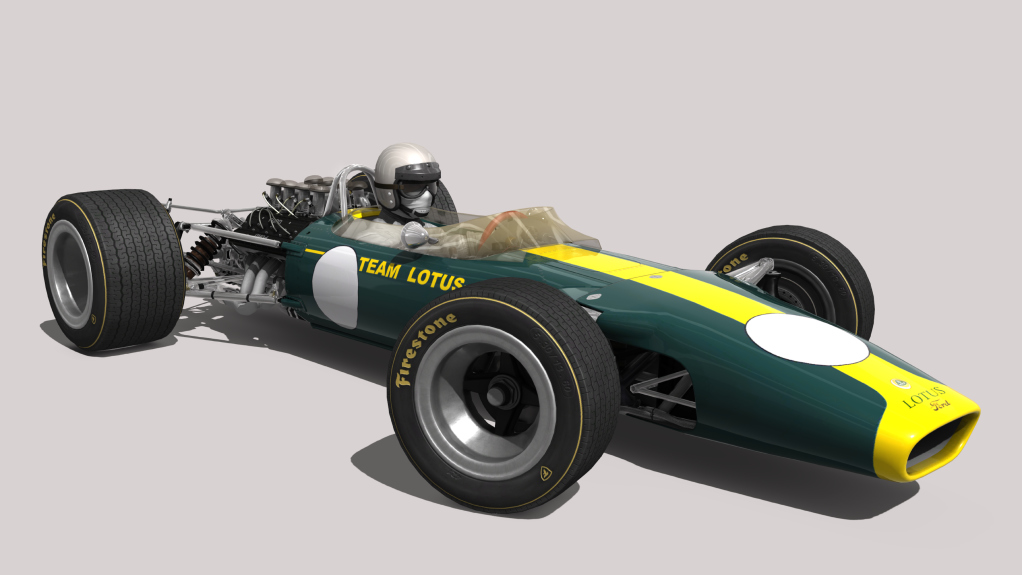
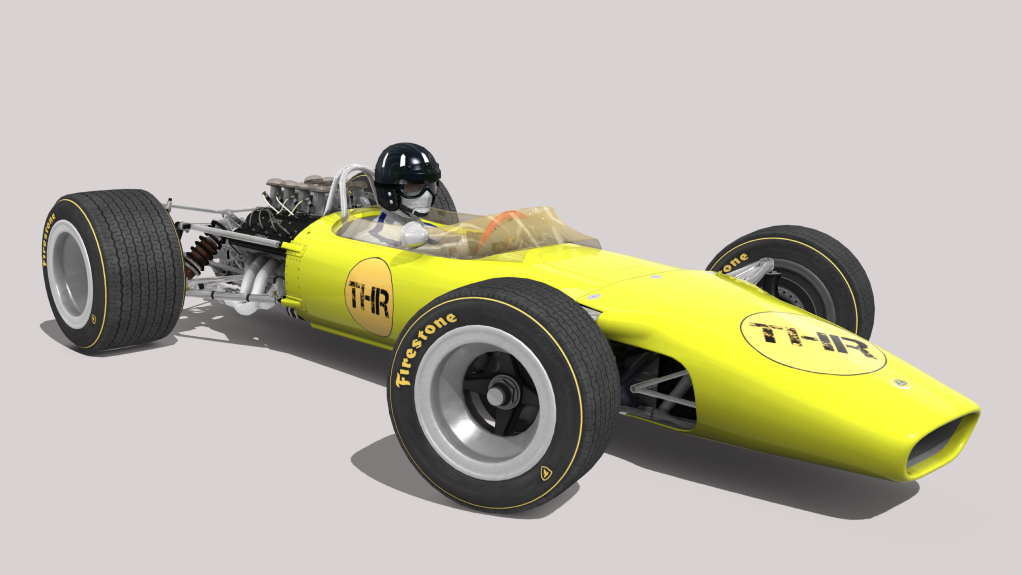
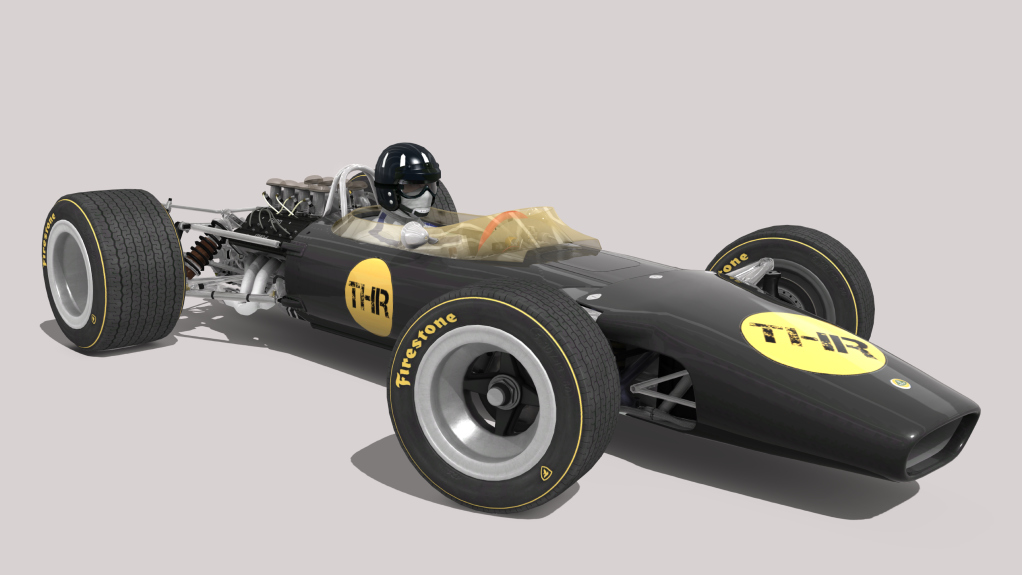
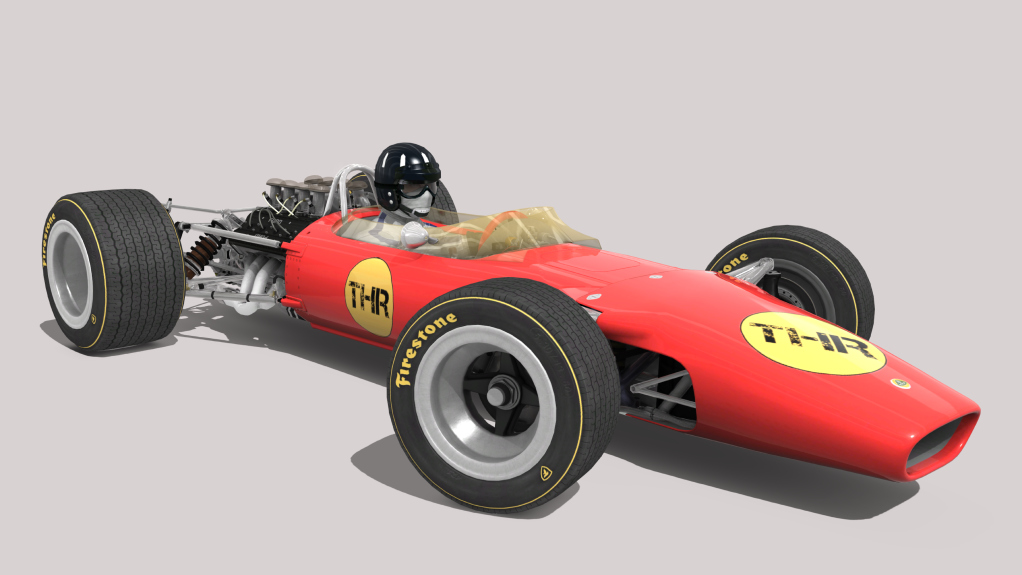
The first important interruption came at Zandvoort. Shepherd won the opening race, but pitman answered in the second, bringing the Lotus 49 home ahead of the Eagle. Together with third place in the first race, that victory gave pitman's challenge a firmer identity. After the meeting he stood second in the Championship on 141 points, 23 behind the leader.
This was not the beginning of a sustained exchange of victories. It was, rather, the point at which the season's most durable pursuer emerged. Pitman's eventual strength would lie in repeated useful scores and a readiness to return to the leading places after less satisfactory outings. His Zandvoort success supplied the distinction of a victory, but the Championship position had to be maintained by much longer work.
Joni Lindholm presented a different sort of opposition at Spa. His Lotus finished second to Shepherd in the opening race and won the second, with Shepherd runner-up. Lindholm could therefore meet the Eagle on unusually favourable terms over a complete meeting. The significance for the title, however, was limited by the intermittent nature of his appearances. He was a formidable race opponent without becoming the season-long counterweight to the eventual champion.
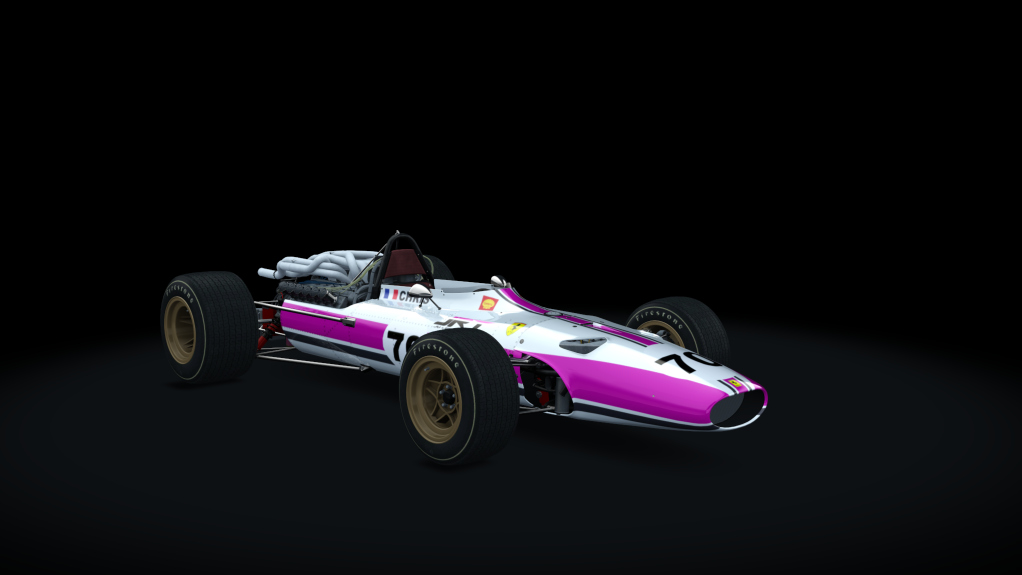
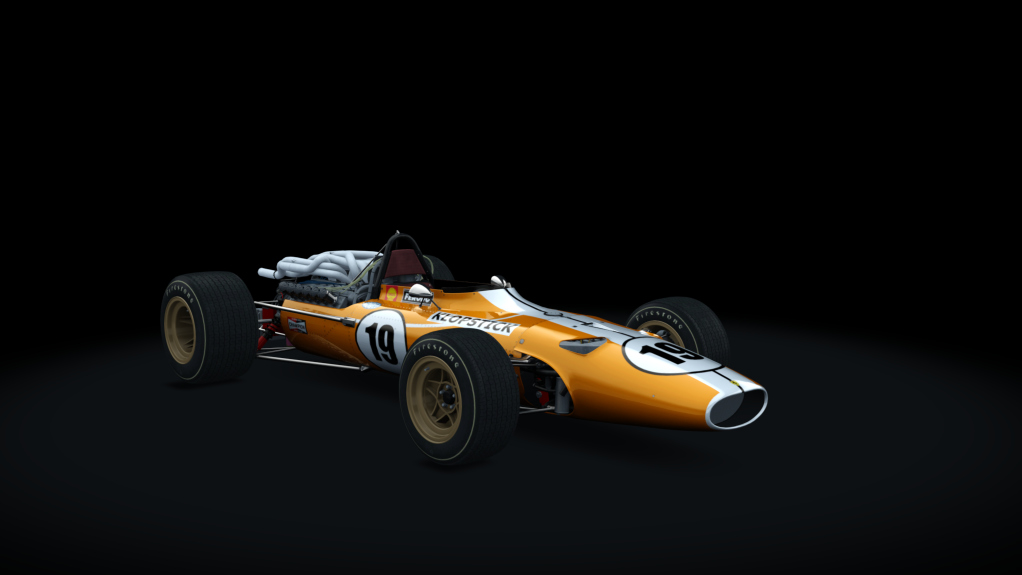
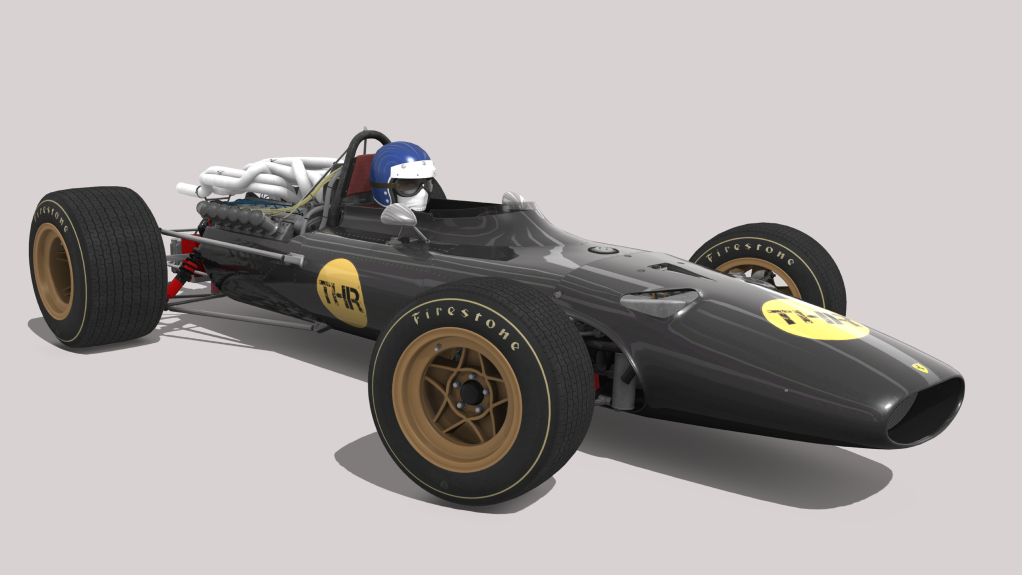
Phil Noobson was meanwhile bringing his Ferrari into the broader Championship argument. Third in Spa's opening race was followed by second in the first race at Rouen. After Rouen he occupied third in the Championship on 245 points, 25 behind pitman. The developing order now had a recognisable shape: Shepherd setting the pace, pitman the established pursuer, and Noobson gathering enough points to hold a prominent place without matching the leader's winning frequency.
The middle of the season decides the character
Rouen, Silverstone and the Nordschleife formed the decisive passage in Shepherd's campaign. He won both races at each meeting. The opposition changed, the circuits changed and the calendar crossed into a new year, but the identity at the head of the results remained constant.
At Rouen, Andi Stangl gave another Eagle a strong afternoon with third and second places. At Silverstone, Fred Bawden's Lotus finished second in both races. These were worthwhile performances, but neither altered the larger direction. Shepherd was not depending upon one principal rival having a bad meeting. He continued to win against whichever challenger happened to be strongest on the day.
The Nordschleife double made that distinction especially clear. Vesa Tolonen's Lotus took second and third, while Stevenson returned to second place in the later race. Shepherd nevertheless left the meeting with six consecutive victories, his cumulative record then standing at twelve wins and two second places from fourteen starts. There had been no result outside the leading pair.
Pitman remained second in the Championship after the Nordschleife, on 392 points and 97 behind the leader. That widening deficit was the telling consequence of the middle-season run. A sound campaign could preserve position against the rest, but it could not keep close company with such frequent victories.
Noobson still held third in the Championship on 357 points. His Ferrari's steady accumulation had carried him beyond several more conspicuous occasional performers. Yet the hierarchy was becoming less secure behind pitman. Stevenson was finding stronger results again, and the final portion of the season would ask more of Noobson than the middle-distance consistency which had served him so well.
A wider contest, and Stevenson's return
Mosport changed the texture of the racing without reversing the established Championship trend. Shepherd won the opening race but finished fourth in the second, which went to Matt O'Brien's Ferrari. The champion's results were no longer confined to the leading pair, and Ferrari had a victory to set beside its earlier supporting successes.
Stevenson made better use of the meeting as a whole, finishing third and second. This was the more important sign for the closing Championship positions. His recovery was becoming a sequence rather than an isolated result, and the points lost during his absences from Zandvoort and Spa were now being answered by regular appearances near the front.
For pitman, Mosport was a poor return: fourteenth and fifteenth in the races. The dropped-score rule had a direct effect here, with his 43-point meeting becoming his discarded result. He remained second in the Championship on 448 points, although the deficit to the leader had reached 120. The rule softened the cost of a bad meeting; it did not erase the advantage created by Shepherd's earlier victories.
Monza supplied a compact illustration of the season's balance. Shepherd won the first race and finished fourth in the second, while Lindholm returned to win the later race in his Lotus. Stevenson took second in the opening race, and pitman third. There was now ample competition for individual honours, but Shepherd's principal rivals were not collecting victories often enough to disturb the larger account.
Watkins Glen gave Stevenson's recovery its clearest expression. He won the first race ahead of Shepherd and finished second to Emil Andersson's Lotus in the second. After the meeting Stevenson was third in the Championship on 527 points, 48 behind pitman. The latter had added third and sixth places in the races and retained second in the table on 575 points, 139 behind the leader. The closing interest lay increasingly in how much ground Stevenson could recover, rather than in any demonstrated reversal at the head of the Championship.
The closing account
Mexico belonged to Stevenson. He won both races, giving his late-season advance a properly emphatic conclusion. Shepherd was classified twelfth in the opening race after completing eleven of the twelve laps, then recovered to finish second in the later contest. Even on this less satisfactory meeting, the Eagle retained its speed: Shepherd recorded the fastest lap in each race.
Pitman finished third in Mexico's opening race, another useful result in the campaign which secured the runner-up position. The official final order placed Shepherd first with 781 points, pitman second with 635 and Stevenson third with 609. The two Eagles thus enclosed the Lotus in the leading three, with 146 points separating champion and runner-up and 26 separating the principal pursuers.
The completed season gave each campaign a distinct character. Shepherd's winning frequency was decisive. Pitman's victory and seven third places amounted to eight podium results, but his second place in the Championship also reflected the value of taking part throughout the programme. Stevenson recorded three victories, all late in the season, and his recovery could not wholly overcome the earlier interruption to his scoring.
The poorest-meeting exclusion remained part of that final reckoning. Pitman discarded Mosport, while Stevenson's discarded event was his non-scoring Zandvoort absence. These were different applications of the same rule, and neither changed the essential judgement of the season: the champion had combined speed and sustained success more effectively than his pursuers.
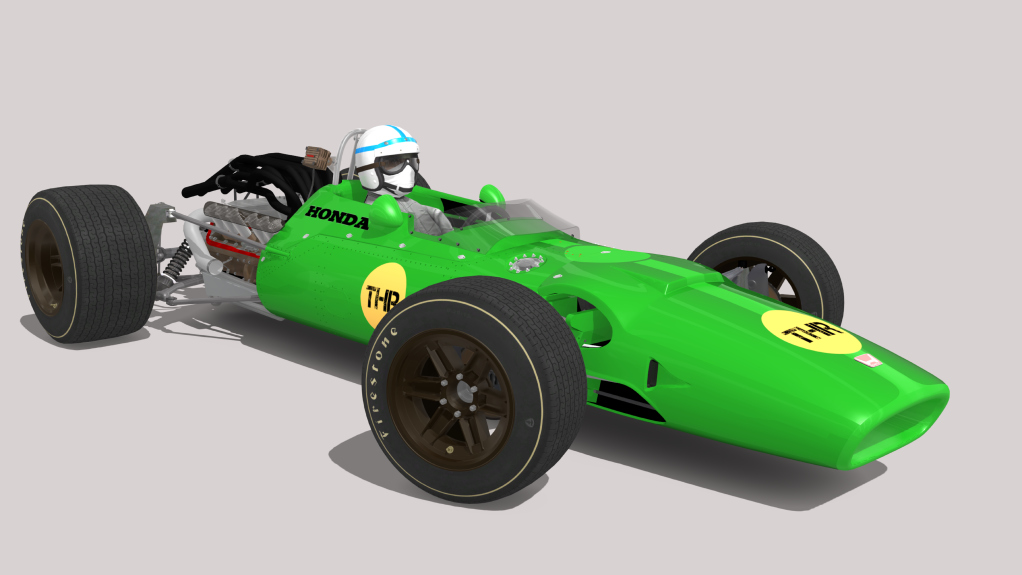
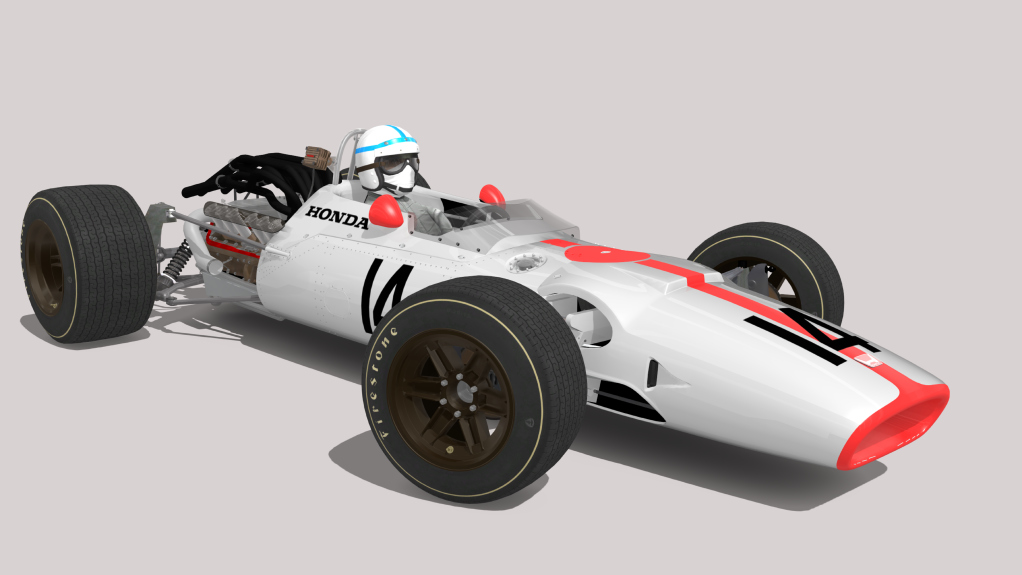
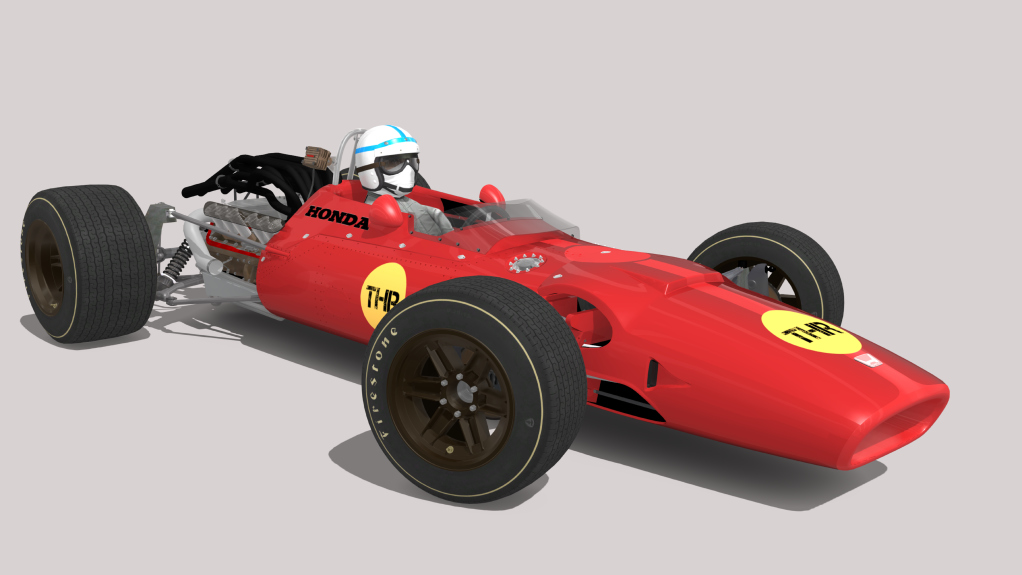
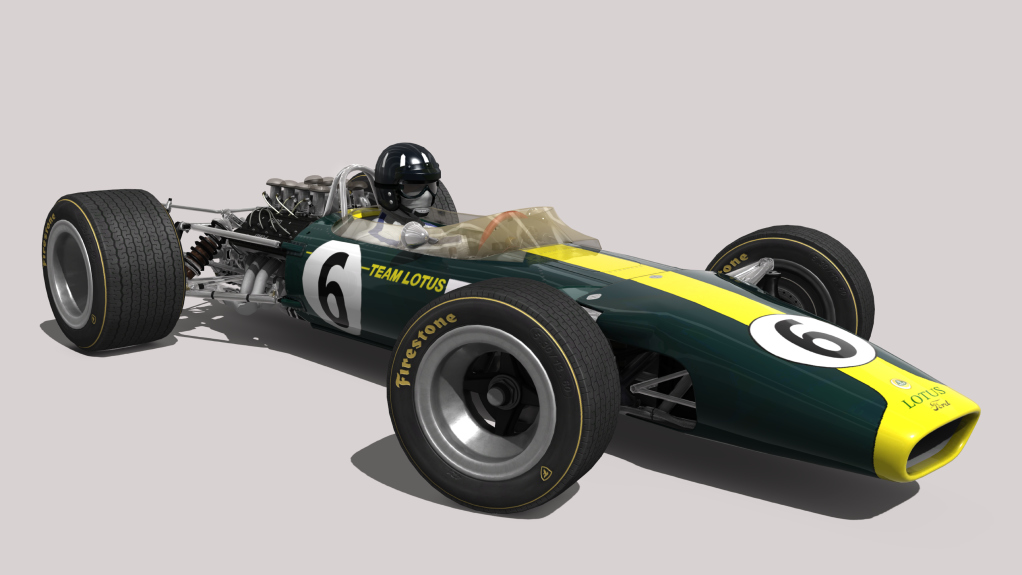
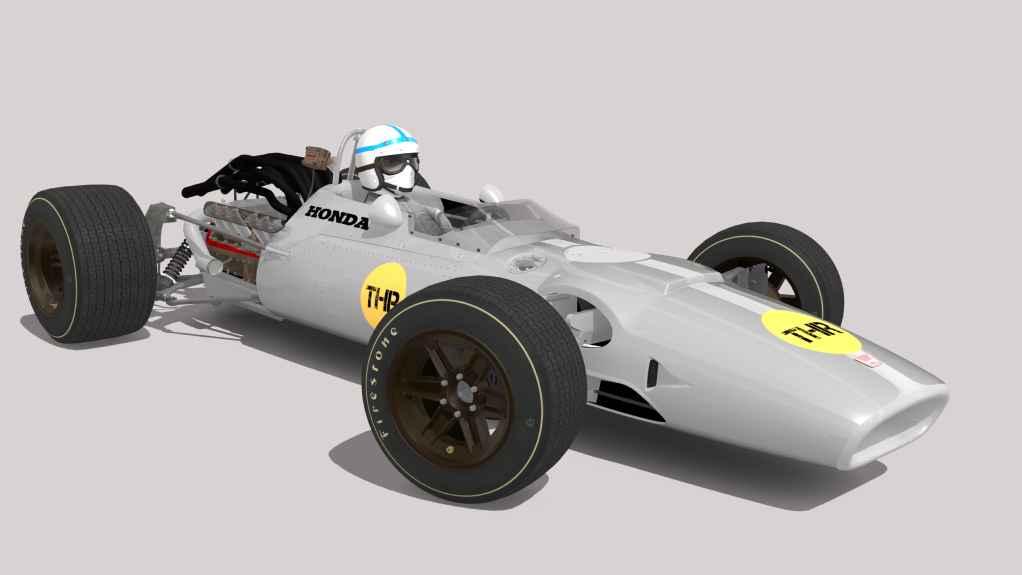
There were smaller distinctions worth preserving. Chris. finished second in Mexico's opening race and took fourth in the final Championship with 563 points, narrowly ahead of Noobson's 560. Stefano Zanella's later work in the Honda RA300 brought third places in the second races at Watkins Glen and Mexico, adding variety to a season whose podium appearances were most frequently supplied by Eagles and Lotuses. Formula 2 honours went to Tron Li in the Matra-Ford MS7, with 82 points.
None of these achievements requires enlargement to retain its merit. They gave the Championship its breadth: a close Ferrari reckoning behind the leading three, occasional winners capable of checking the favourite, and a late challenger who ended the season in winning form.
Stevenson had the last victories, and pitman the satisfaction of a well-earned second place in the Championship. Shepherd had the greater prize. His Eagle had made success habitual when the season was still taking shape, and the later variety served chiefly to show how exacting that earlier standard had been.