Zanella Prevails on Equal Terms
Stefano Zanella took the NA 660 Championship with four victories, but no points to spare. Franglais matched his 199-point total after a campaign of sustained front-running, and it required a forceful late recovery to put Zanella at the head of the official final classification.
A championship in miniature
The NA 660 Championship compressed its business into eight races, arranged in four double-race rounds at Vallelunga over two days. There was little time for an advantage to acquire permanence. An opening victory could establish a favourite, a modest pair of results could remove him from the lead, and a succession of places near the front could prove as valuable as the occasional win. Yet the eventual champion supplied the decisive qualification: when the season reached its closing stages, he began winning repeatedly.
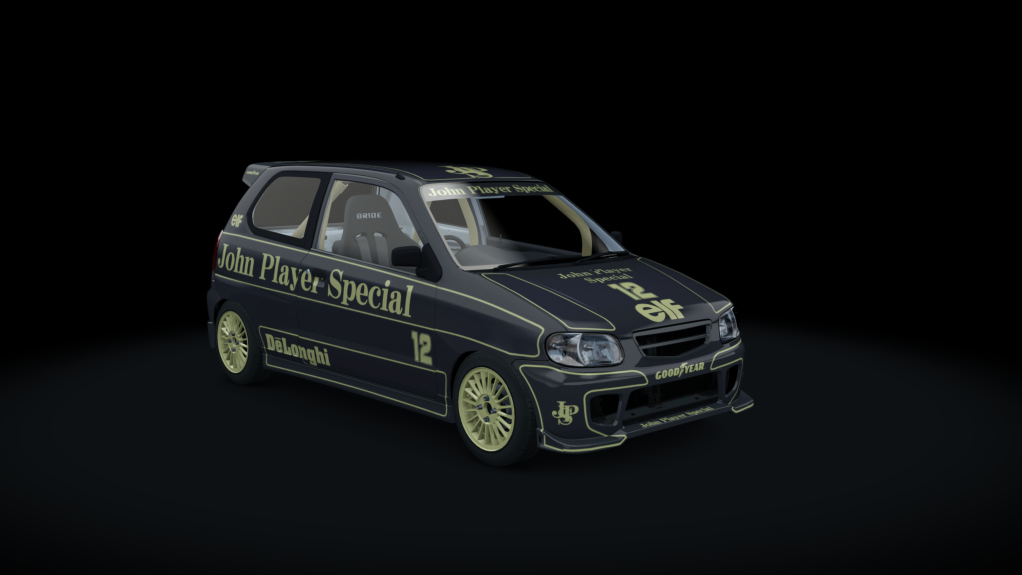
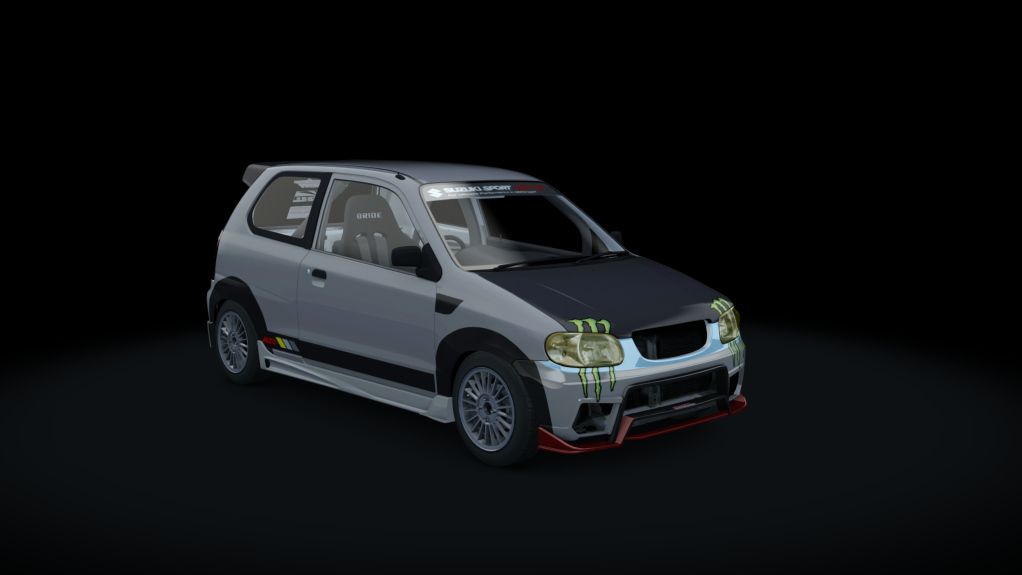
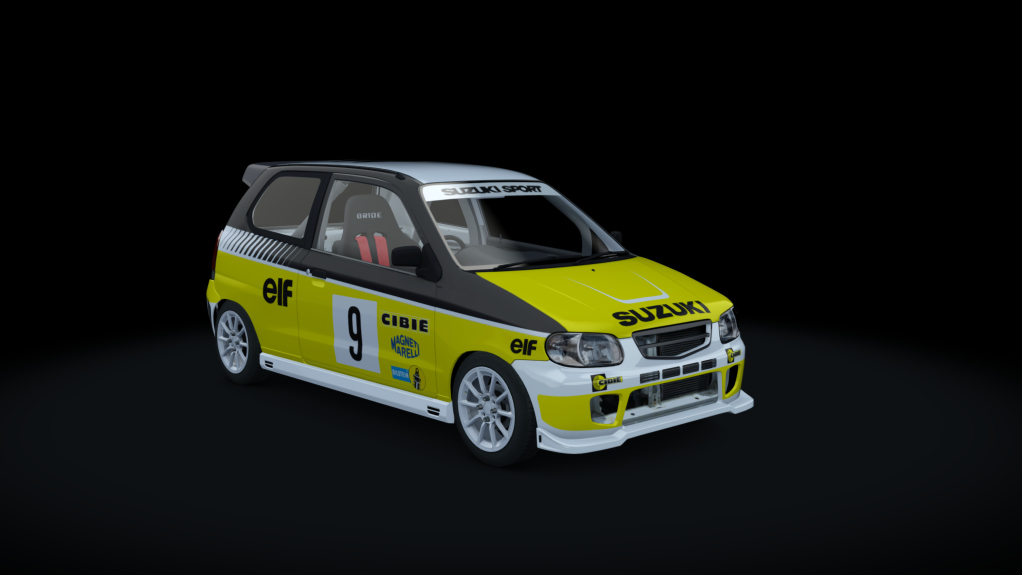
Stefano Zanella's opening success contained an early indication of that capacity. Coming from the back of the grid, he won the first race in his Linea Sports, with Fred Bawden second and Valentin Knechtel third in a Mustang. The margin between the leading pair was scarcely more than a fraction of a second. It was a victory earned against close opposition, not an announcement that the remainder of the meeting would fall readily into place.
Indeed, Harry Gillman immediately offered another interpretation of the form. Fastest in the opening race, he won the second, while Duderei took second place in a Mustang and Franglais finished third. Stefano Zanella's fourth place was sufficient to preserve the Championship lead after the opening round: 51 points against Harry Gillman's 48, with Fred Bawden third in the table on 46.
Those figures described a closely grouped opening rather than a settled order. Linea Sports had won both races, but Mustang drivers had appeared on both podiums. More importantly for the eventual title fight, Franglais had begun gathering points without yet providing the conspicuous result that usually draws attention to a championship challenge.
The lead changes hands
The second round unsettled both the sporting and the points order. Ted Hough won its opening race in a Mustang, ahead of Harry Gillman and Franglais. The result reinforced Harry Gillman's credentials, but it also showed the value of Franglais's less conspicuous accumulation. Third place, following third in the preceding race, kept him close to the head of affairs while others alternated between stronger and weaker returns.
The next race belonged to pitman, whose Mustang victory changed the appearance of a campaign that had begun well down the order. Franglais finished second and Fred Bawden third. Ted Hough, by contrast, was classified 12th after completing one lap, a sharp change of fortune from his victory in the earlier race. Mustang had now answered the opening Linea Sports successes with two victories of its own; after four races, the marques were level on wins.
For the Championship, however, the significant work had been done by Franglais and Harry Gillman. They shared the lead after the second round on 95 points. Franglais had reached that position without a victory, his record comprising one second place and two thirds from four starts. Harry Gillman had a win and a second place, supported by the pace that had already made him a prominent figure in the opening exchanges.
Stefano Zanella had meanwhile recorded seventh and fourth places in the two races. He stood third in the Championship on 90 points, five behind the joint leaders. The deficit was modest, but the change in direction was plain. The opening winner was no longer setting the terms, and his rivals were collecting the better results.
This proved to be the high point of Harry Gillman's title involvement. He did not contest the remaining four races, leaving his total fixed at 95. Fred Bawden's programme also ended after the opening half. Their absence altered the contest materially, but Franglais still had to convert his promising position into a stronger advantage.
Franglais establishes the advantage
The third round was the point at which Franglais's challenge acquired both a victory and a substantial lead. He won its opening race in the Linea Sports, with Valentin Knechtel second and Duderei third. Stefano Zanella's sixth place made this an especially useful result for the new leader: the driver who had begun the Championship in front was again outside the leading group, while Franglais had added first place to his already productive collection of results.
There was pace behind the points. Franglais set the fastest lap in that race and repeated the distinction in the second. Yet the latter contest also supplied the turn on which Stefano Zanella's recovery rested. After spending much of the race in a contest with Duderei, Stefano Zanella converted fourth place into victory on the final lap. Franglais, who had led from the opening circuit, finished second, with pitman third.
For Franglais, a win and a second place made an excellent round. For Stefano Zanella, the second race prevented the weekend from slipping further away and restored the winning habit at precisely the useful moment. It was not yet enough to regain the lead. After the third round, Franglais headed the Championship on 152 points, with Stefano Zanella second on 139, a deficit of 13. Valentin Knechtel stood third on 127.
The distinction between the leading campaigns was now well defined. Through six races, Franglais had one victory, two second places and two thirds. Stefano Zanella had two victories but no other podium placings. One driver had built his position through frequent high returns; the other had won at the beginning and then, after a less profitable middle passage, found a way back to first place.
With every round counting, the less successful results remained part of the reckoning. Stefano Zanella could not erase his earlier seventh or sixth places. His recovery had to be made on the road, while Franglais entered the final pair of races with a useful advantage already earned.
The closing counterstroke
Stefano Zanella answered with his strongest round. He led every lap of the penultimate race and finished ahead of Franglais, with Duderei third. The two Linea Sports drivers were closely matched on their best laps, but the race result went to the challenger. It was a direct answer to the Championship leader, rather than a gain made while Franglais was absent from the front.
The finale required a different sort of effort. Starting from the back, Stefano Zanella worked his way into contention and took the lead on the penultimate lap. He won ahead of Valentin Knechtel and pitman; Franglais took fifth place. The closing pair of victories completed three successive wins for Stefano Zanella and brought his season total to four.
At the conclusion, Stefano Zanella and Franglais were level on 199 points. The official final classification placed Stefano Zanella first and Franglais second. There was no points margin with which to express the difference between them, and little reason to diminish either campaign merely to make the verdict seem simpler.
Stefano Zanella had won half the races, including the final three. Franglais's completed record contained one victory, three second places and two thirds. Both had four top-two results in total, though they had reached that figure in markedly different ways. Stefano Zanella's strength was the concentration of victories when his challenge most needed them; Franglais's was the repeated collection of places immediately behind the winner.
The late reversal therefore did not render the earlier contest irrelevant. It made those earlier results matter more. Stefano Zanella's opening win and the points gathered during his quieter races remained in the final total, just as Franglais's patient progress had provided the advantage which the champion spent the closing round overcoming.
Mustang's substantial part
Although the title was settled between two Linea Sports drivers, Mustang occupied a substantial place in the season. Valentin Knechtel secured third in the final Championship on 175 points. His opening third place was followed by less rewarding results, but second place in the fifth race and another second in the finale gave his campaign a stronger latter half. He did not win, yet his sustained participation and three podium results produced a clear place behind the title pair.
The contest immediately below him ended with another equality. pitman was fourth in the official standings and Duderei fifth, both on 166 points. Their seasons had different shapes. pitman's victory in the fourth race transformed an unpromising opening sequence, and third places in the sixth race and the finale supported that recovery. Duderei's second place in the opening round was followed by third places in the fifth and seventh races. Each ended with three podium results, and neither allowed the championship's principal story to become an exclusively Linea Sports affair.
Behind them, klopstick took sixth in the Championship on 151 points without a podium appearance. Fourth place in the fifth race was the best result of a campaign sustained by regular points rather than a single outstanding afternoon.
The final leading three thus comprised two Linea Sports drivers and Valentin Knechtel's Mustang. Across the races, Linea Sports collected six victories to Mustang's two. That was a clear advantage for the marque, but the championship itself remained far less easily divided.
Stefano Zanella's title rested on a recovery made before the opportunity disappeared. Runner-up Franglais had established a persuasive claim through regularity and victory; Zanella replied by turning the closing races into an unbroken sequence of wins. Valentin Knechtel completed the Championship podium in third. Equal points left the verdict unusually close, but the manner of Zanella's return to the front gave this brief Championship its lasting shape.