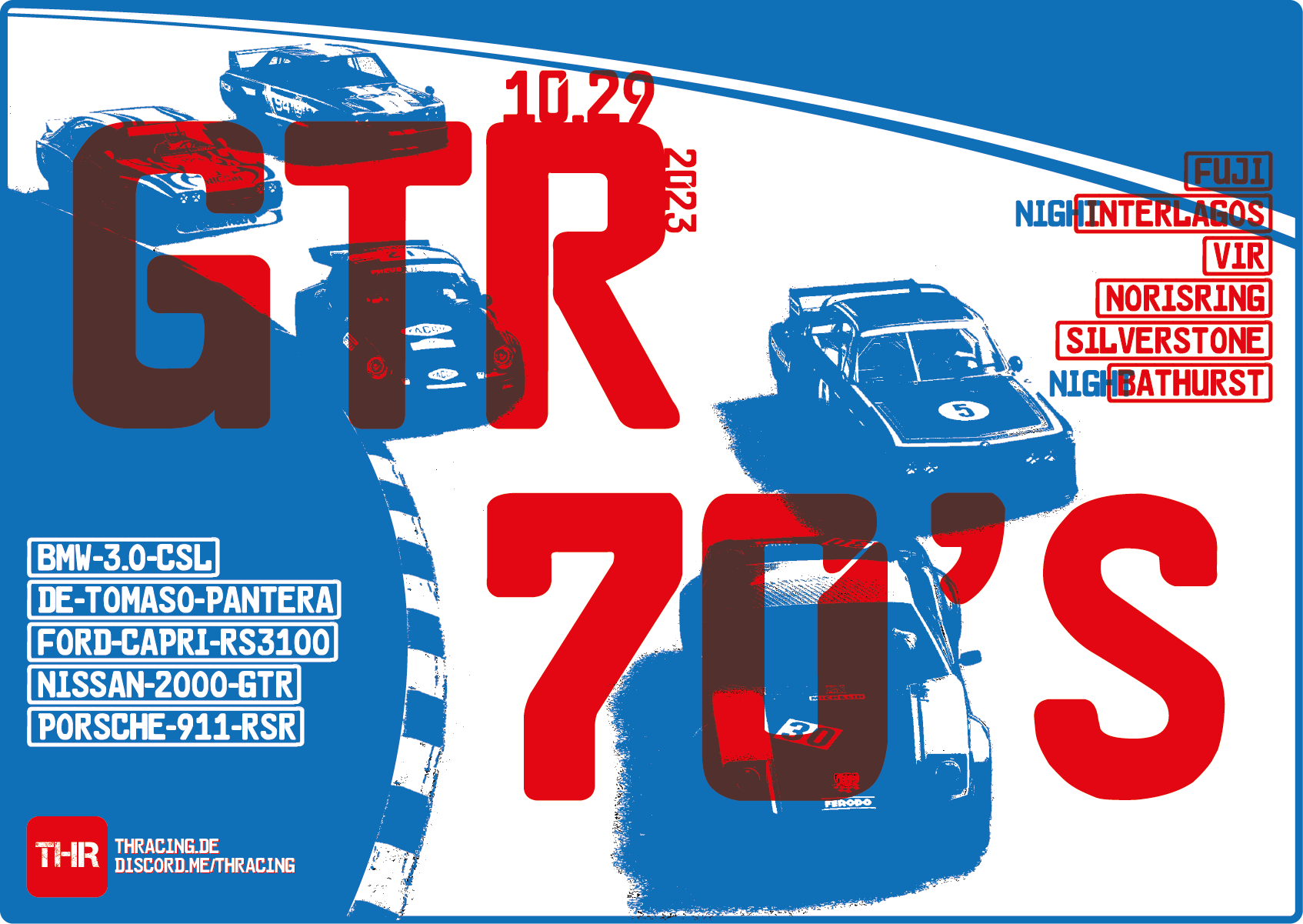
FMG's Four-Win Foundation
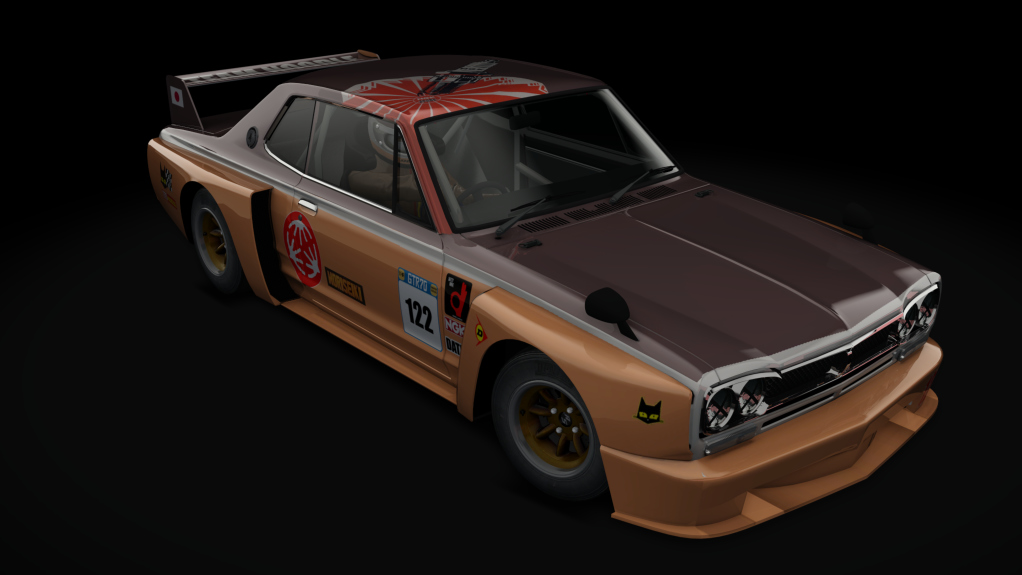
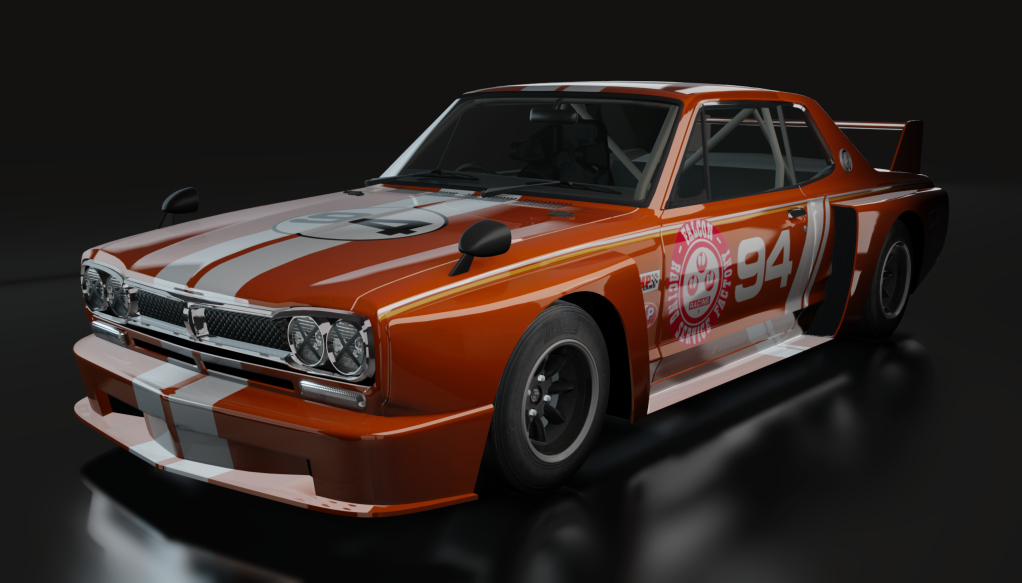
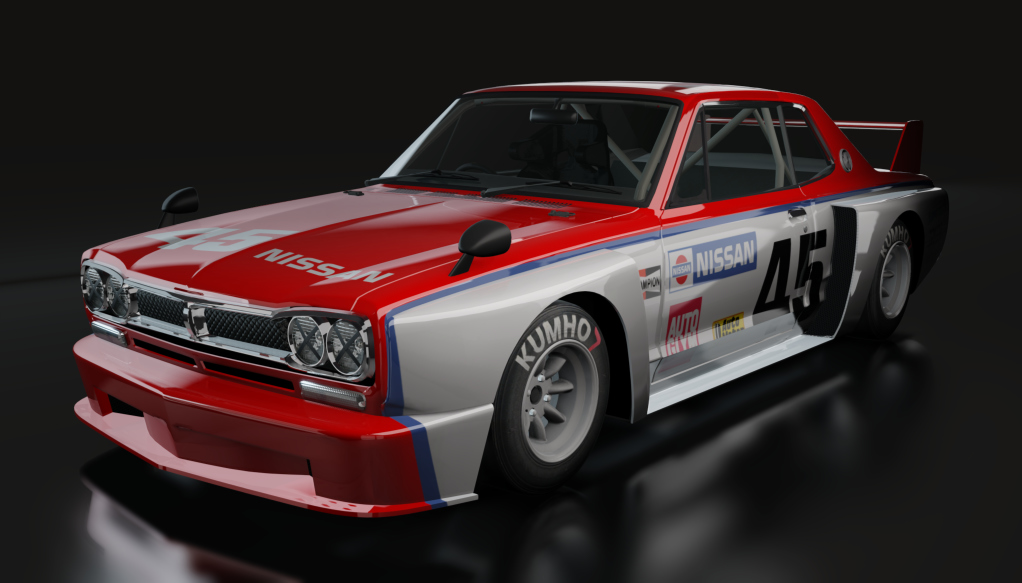
Four successive victories gave FMG (Tim Muttram) the substance of the GTR 70s Championship. His Nissan was beaten in the closing rounds, but the advantage survived both a changing order among the pursuers and a poor final classification at Bathurst.
A lead that never changed hands
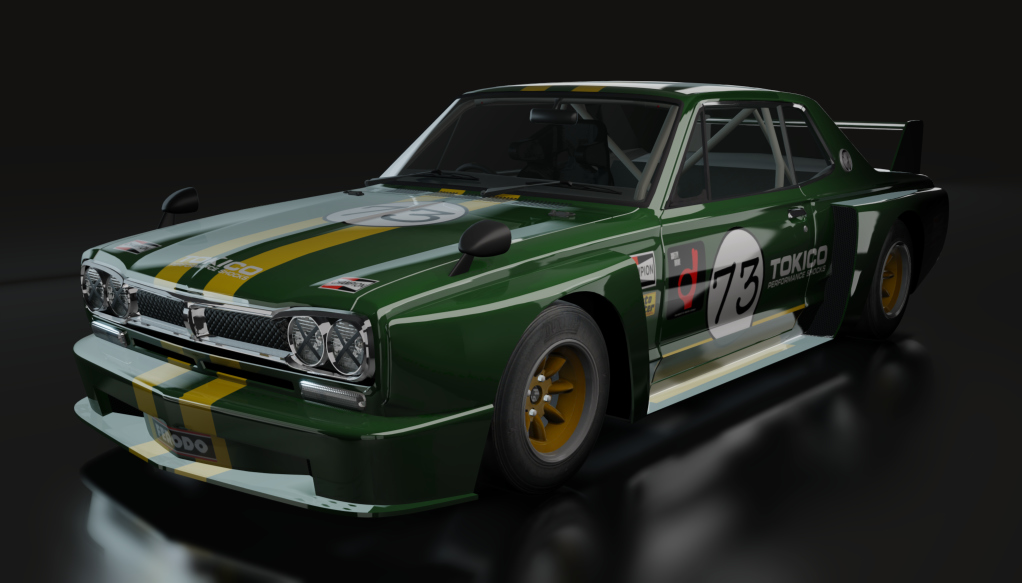
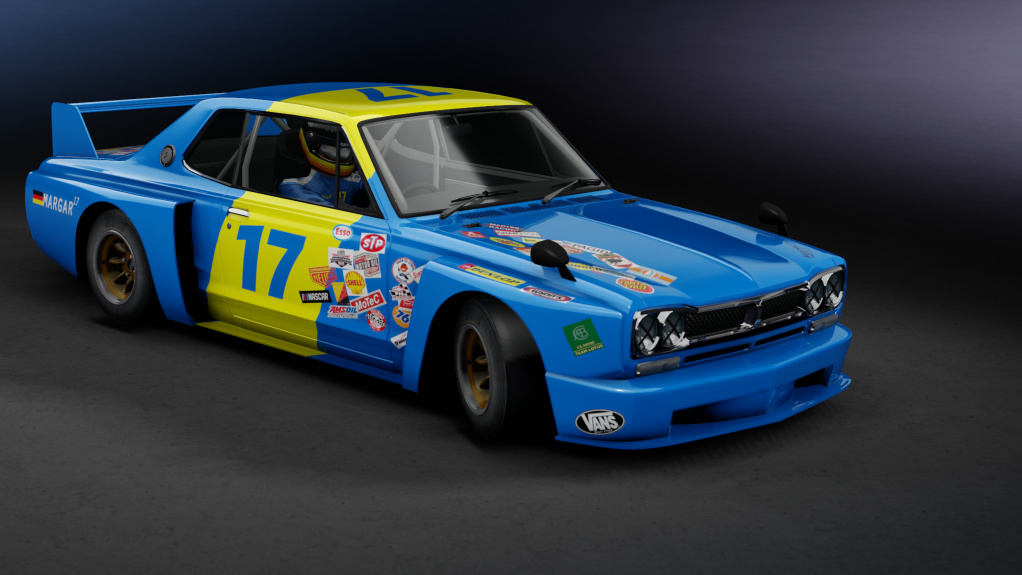
The GTR 70s Championship was won in its opening movement, though its final shape took rather longer to emerge. Across six rounds, from Fuji in October to Bathurst in February, FMG remained at the head of the table. Behind him, the identity of the nearest challenger changed repeatedly. That distinction mattered: while the opposition divided the places immediately below the winner, the Nissan GT-R 2000 accumulated a succession of victories which no rival could match.
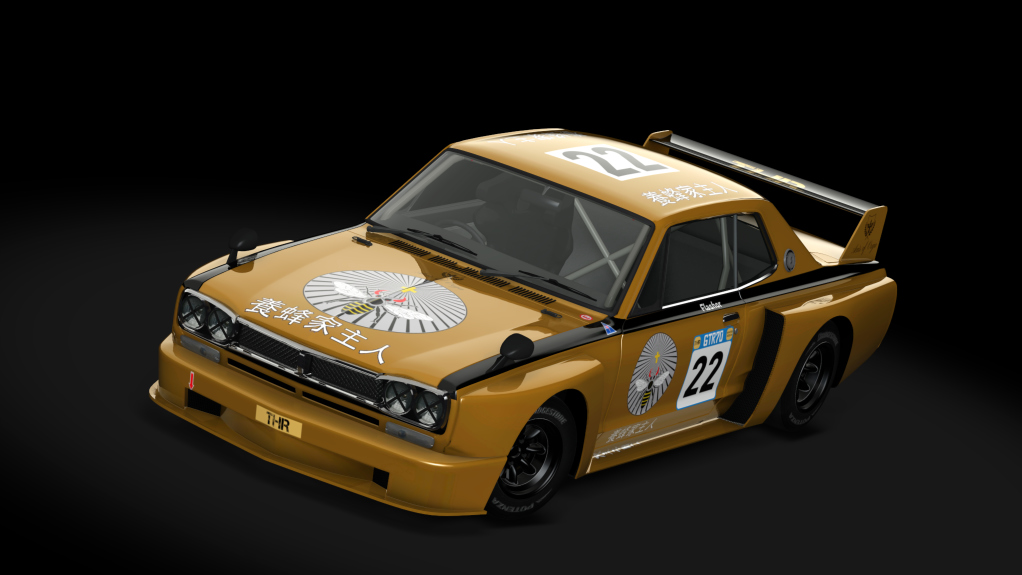
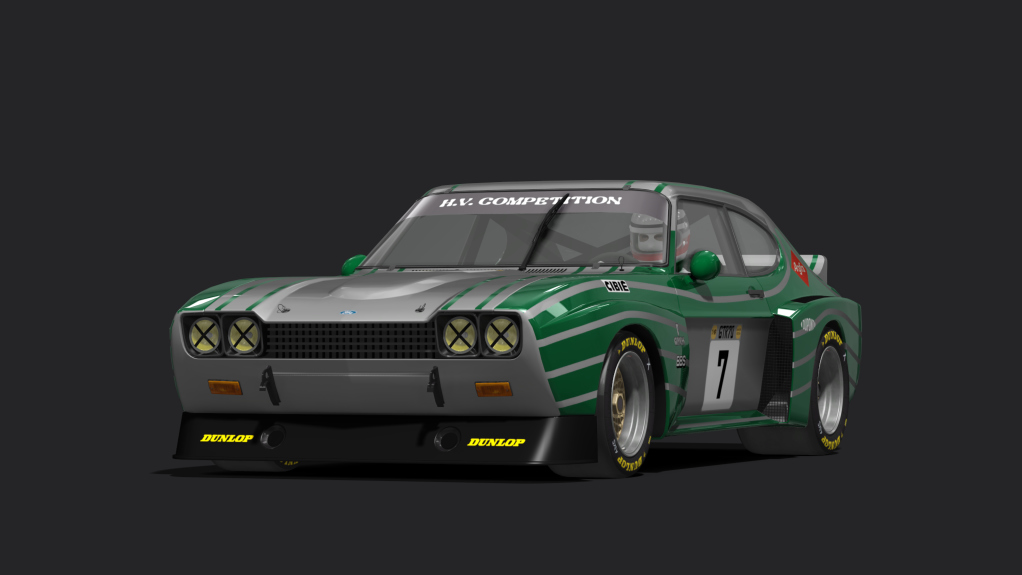
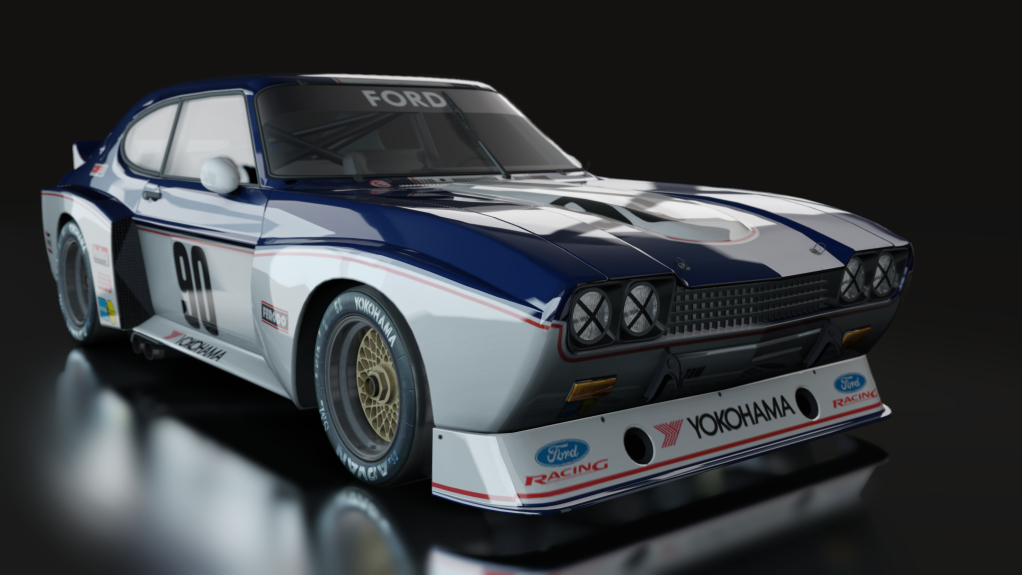
There was nothing inevitable about that pattern when the cars assembled at Fuji. Adam Keefe's Ford Capri RS3100 finished second and set the fastest lap, while Flashor brought another Nissan into third. FMG had come from sixth on the grid to win, an opening result which established his effectiveness over a race distance without suggesting that the others lacked speed. Keefe, in particular, had offered a credible answer to the Nissan on the stopwatch.
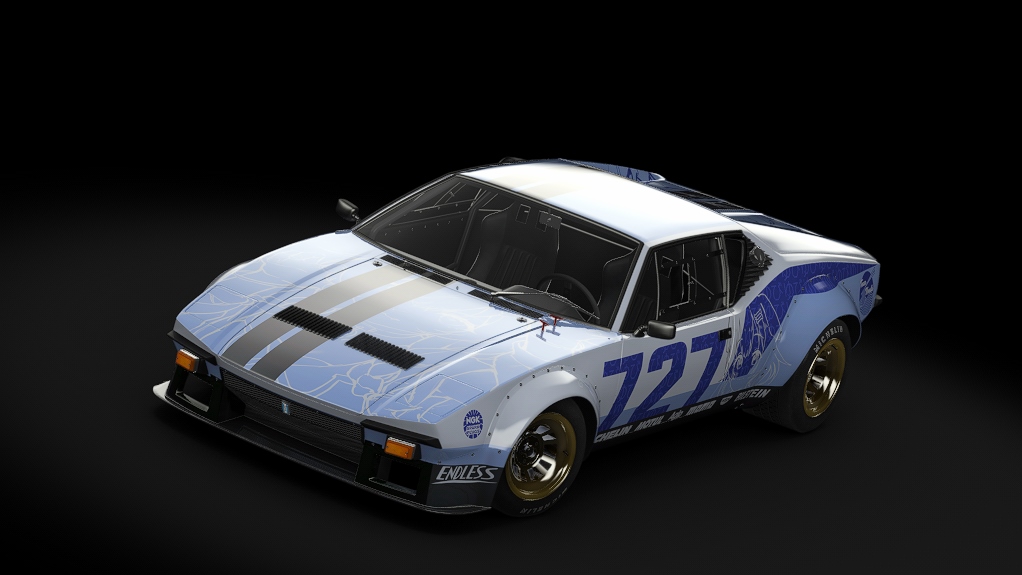
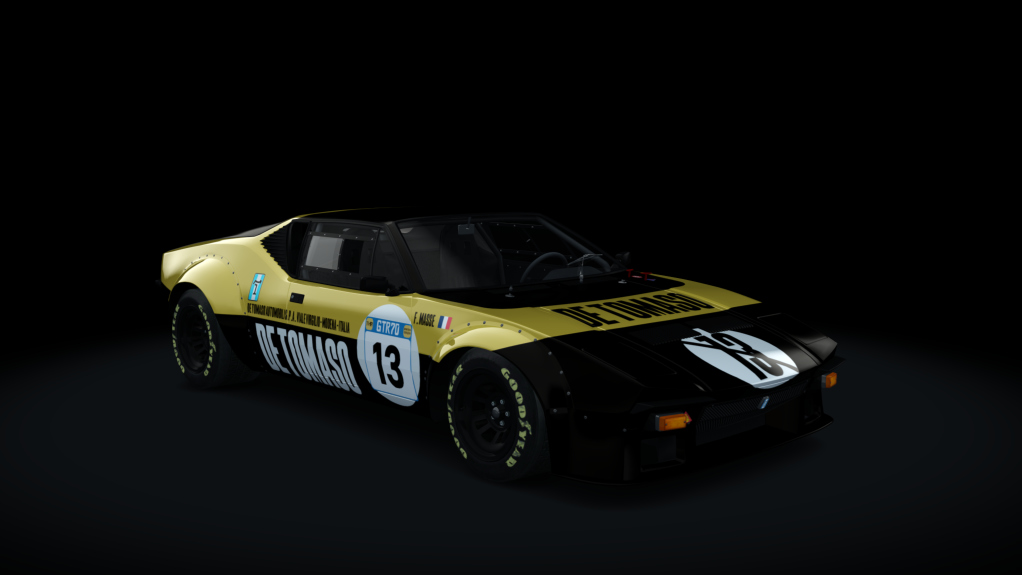
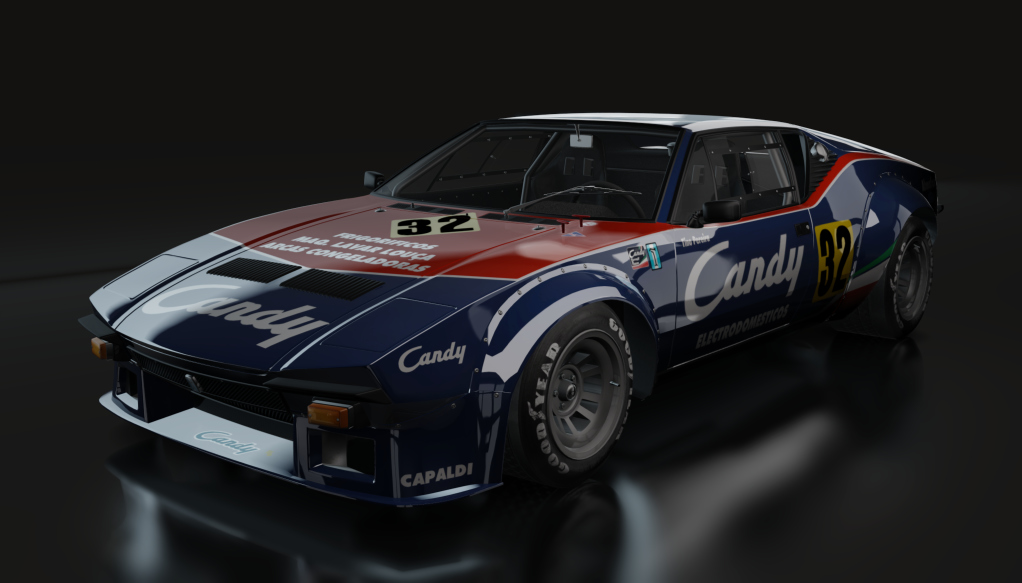
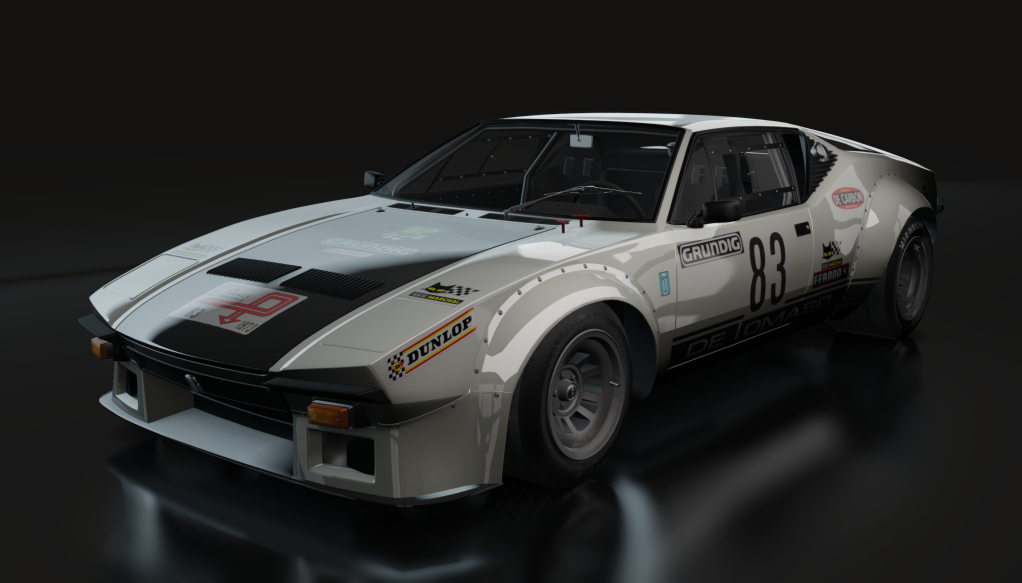
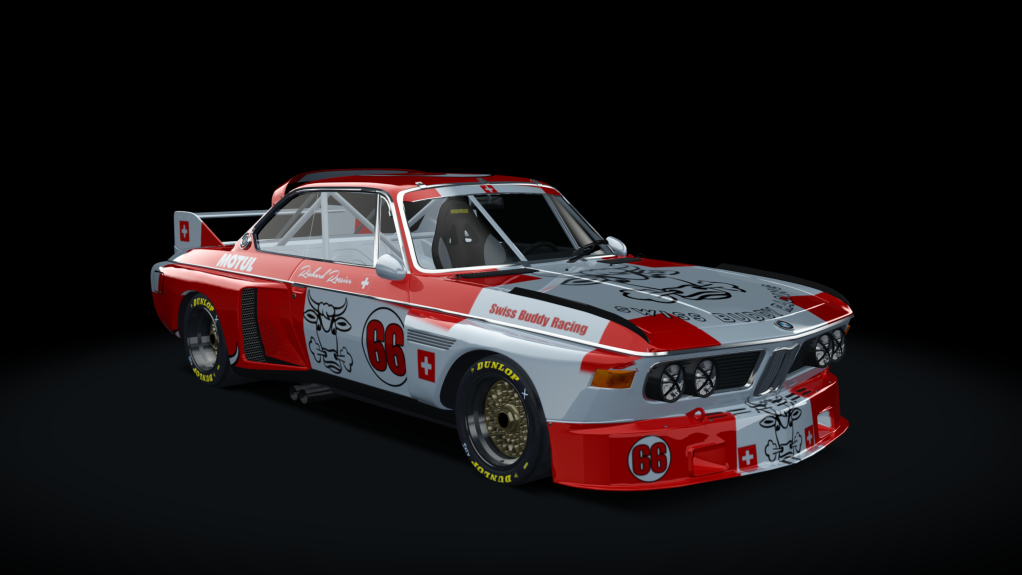
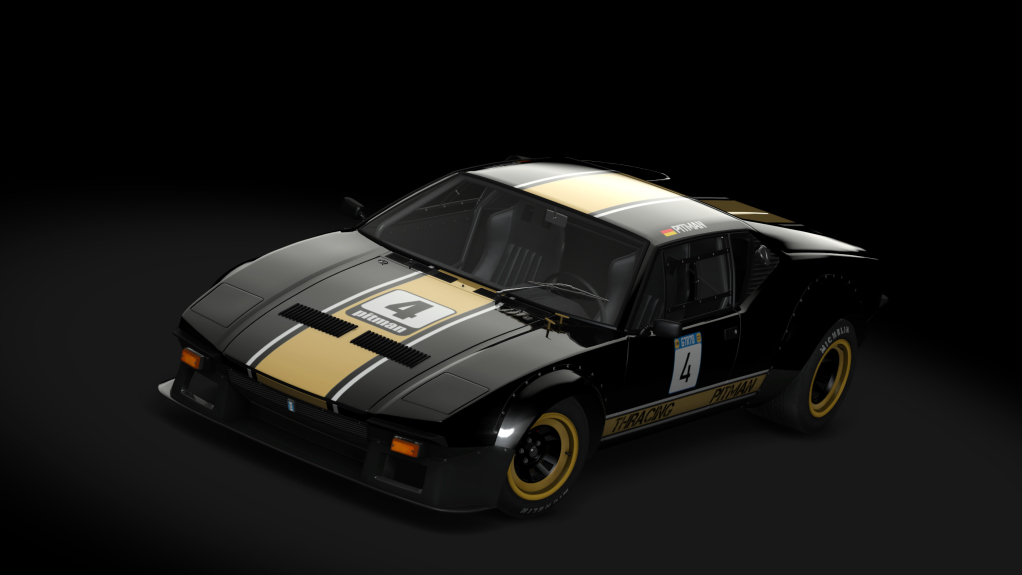
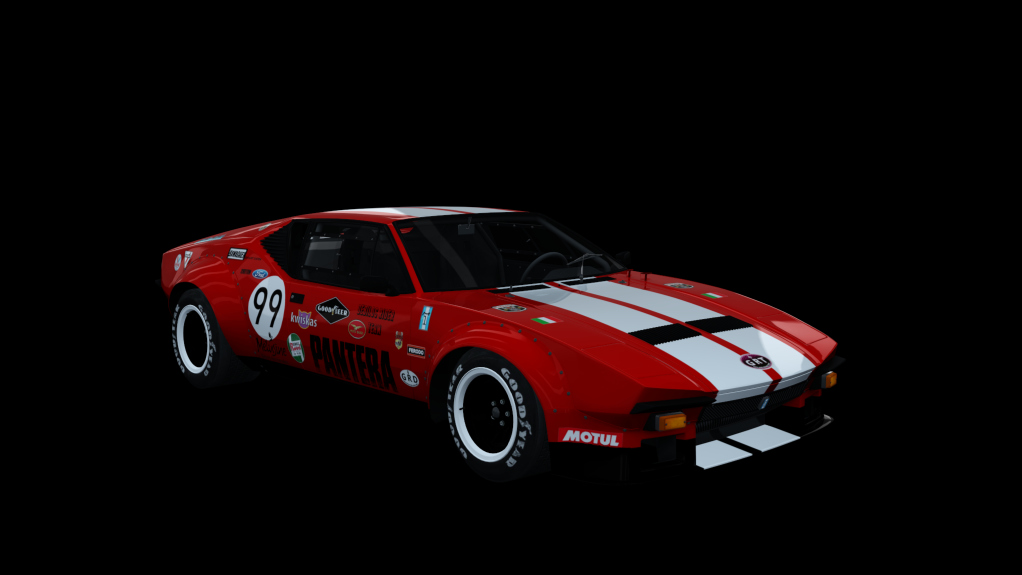
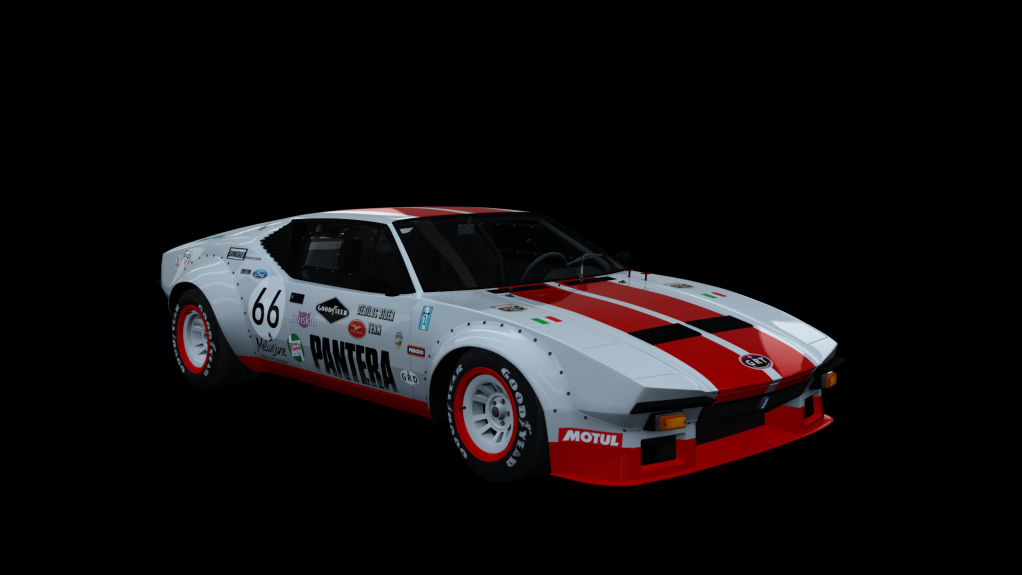
Interlagos made the distinction between speed and results more pronounced. FMG recovered the lead from SDH-M - Happykojot before the final third of the race and took another victory, this time accompanied by fastest lap. The Detomaso Pantera Gr4 finished second, with Valentin Knechtel third in the BMW CSL 3.0. The leading Nissan had now beaten different cars and different immediate opponents at the opening two meetings.
Yet the points table remained close. After Interlagos, FMG led on 40 counted points, with SDH-M - Happykojot and Keefe sharing second in the Championship on 37. The rule discarding each driver's poorest event was already influencing the account: FMG had earned 80 points, but his Fuji victory was then the discarded result. Two wins therefore appeared in the table as one counted score. The narrow margin was real under the regulations, but it did not fully convey the strength of his start.
The pursuit takes shape
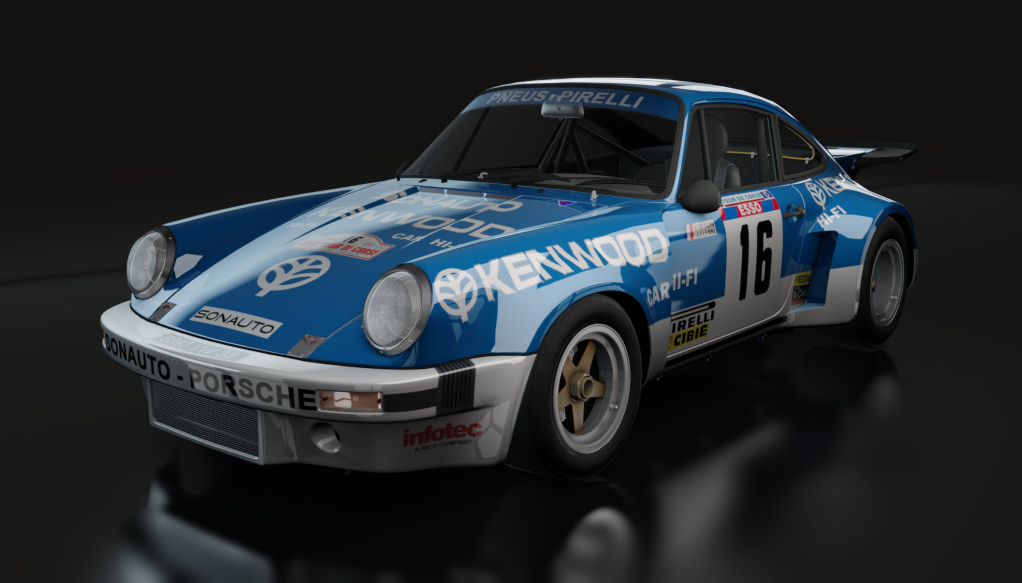
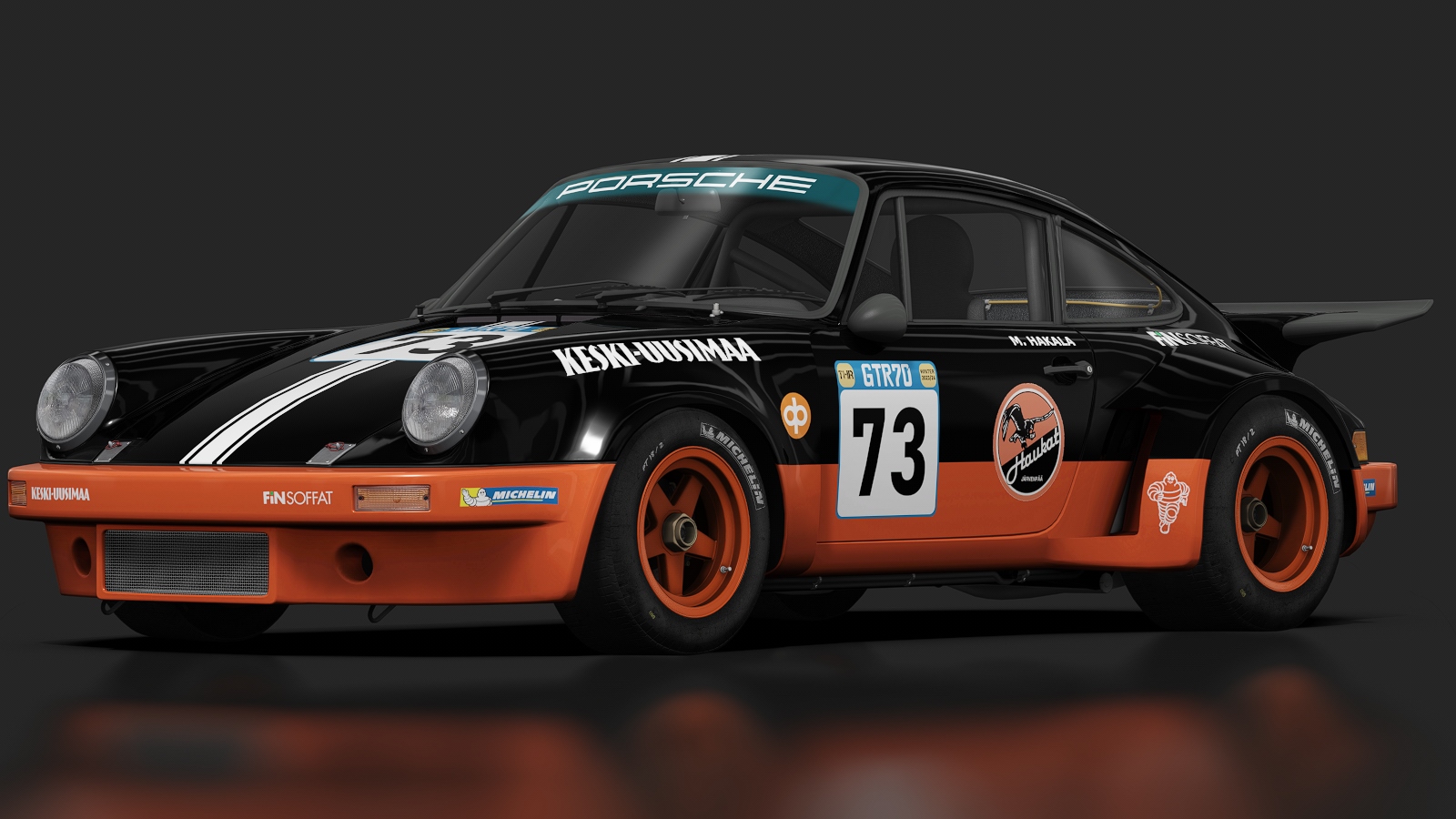
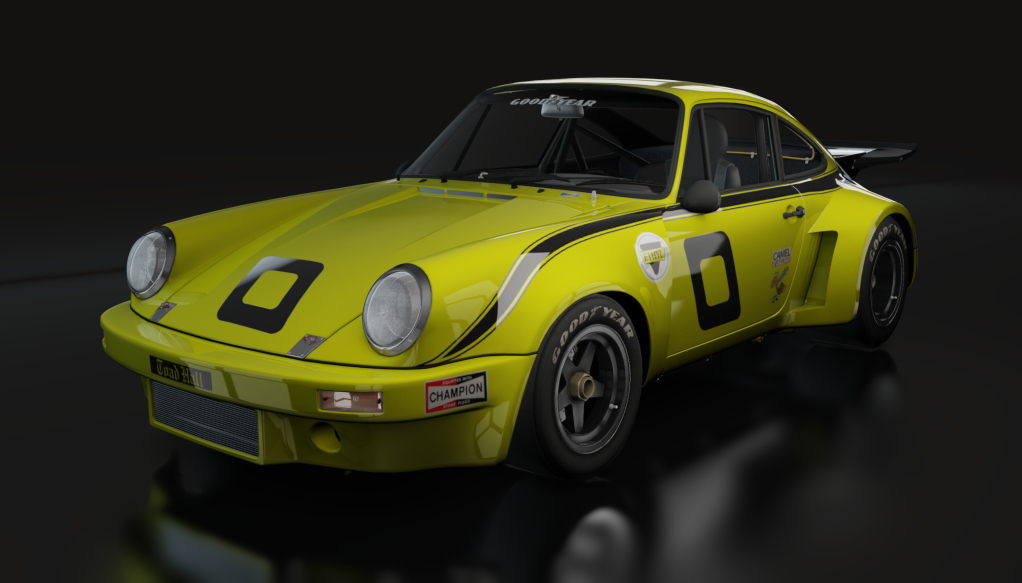
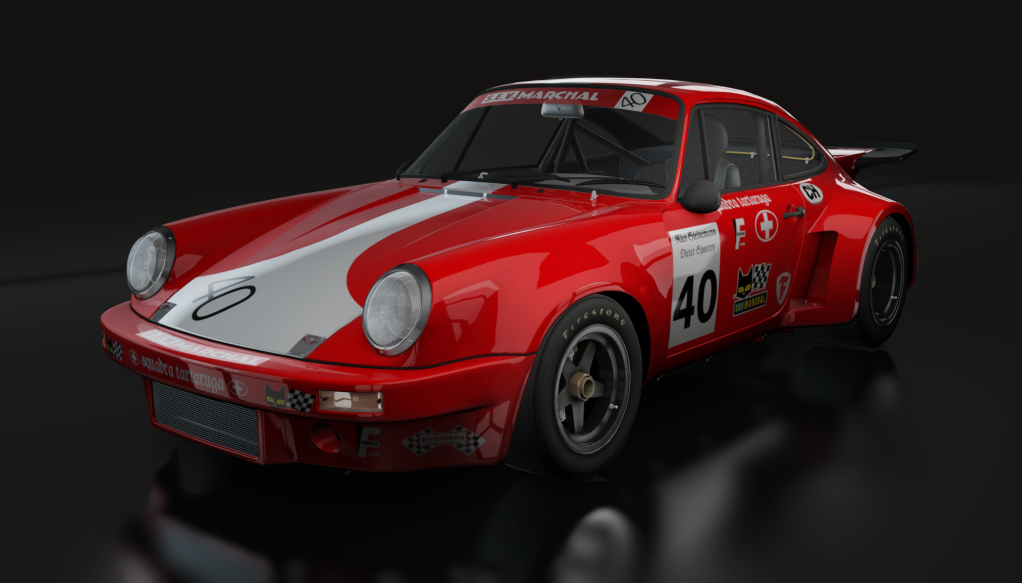
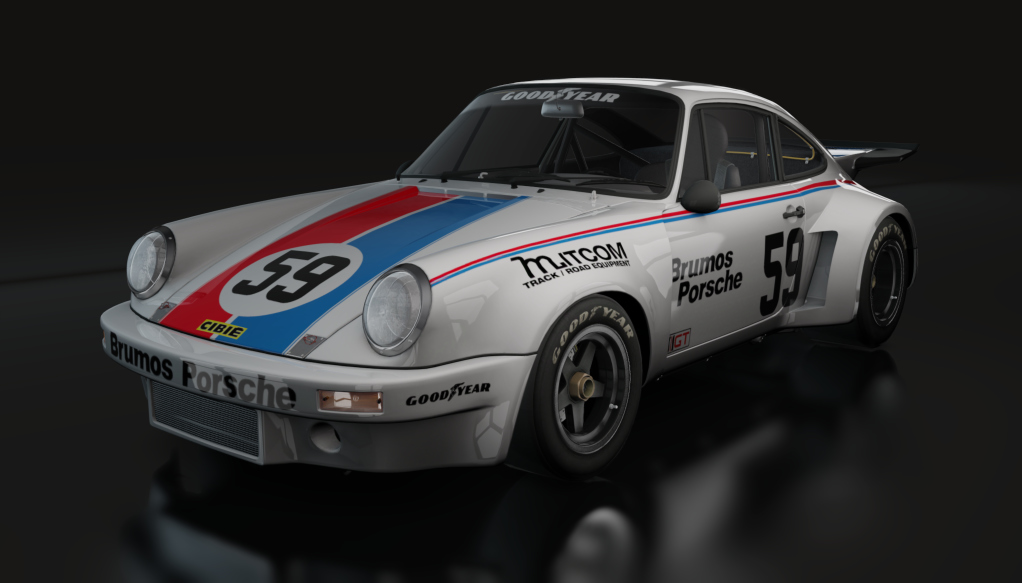
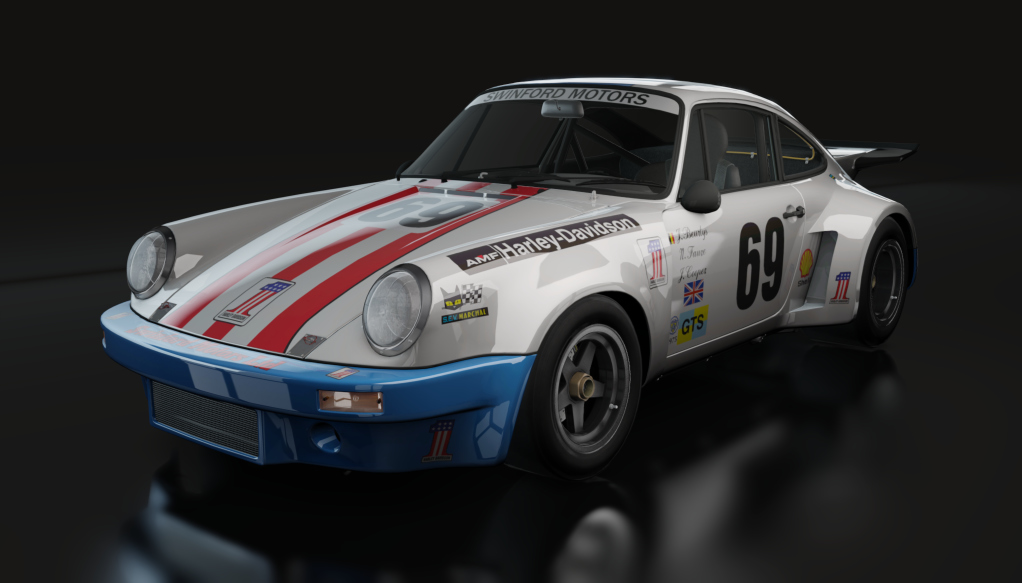
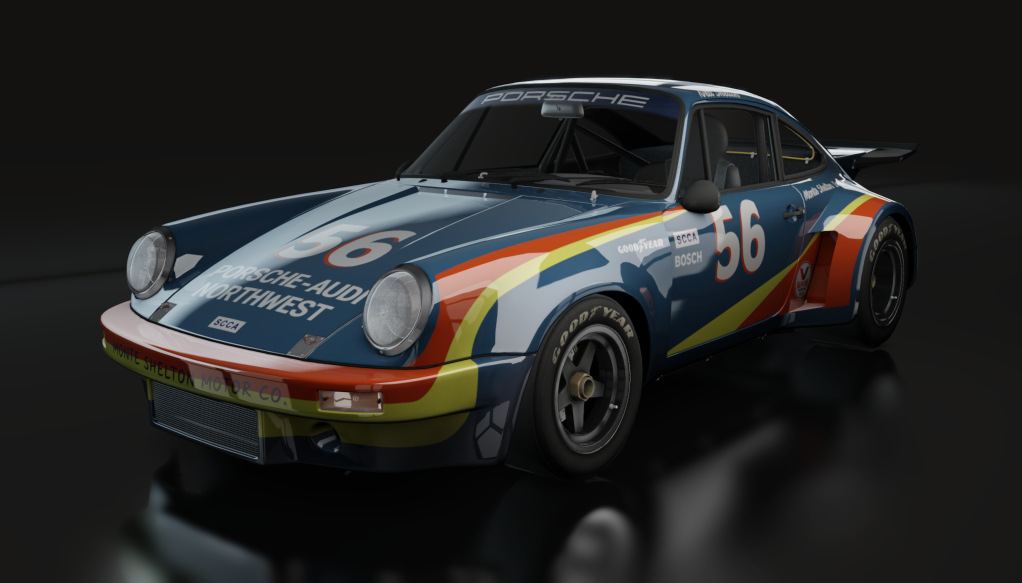
The central phase of the season supplied a more sustained challenger in Tyler Van Beek. His opening race had yielded little encouragement: at Fuji he was classified 18th after completing two laps. Sixth place in the Interlagos classification began the repair, but it was the Porsche 911 RSR '74's appearance immediately behind FMG at VIR that changed the character of his campaign.
VIR was not a simple procession for the leader. The race leadership remained unsettled beyond half-distance, and a late change secured second for Van Beek. Flashor finished third and set fastest lap, another reminder that FMG's winning sequence did not rest upon an unchallenged monopoly of outright pace. Nevertheless, it was FMG who collected the victory. For Flashor, the podium restored some of the ground lost with 11th place at Interlagos; for Van Beek, it opened a productive run.
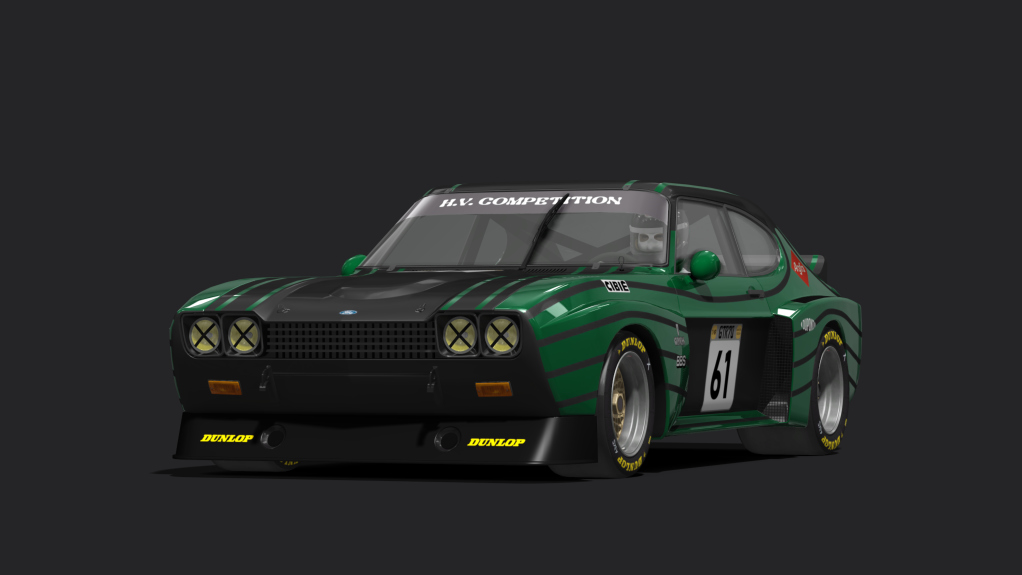
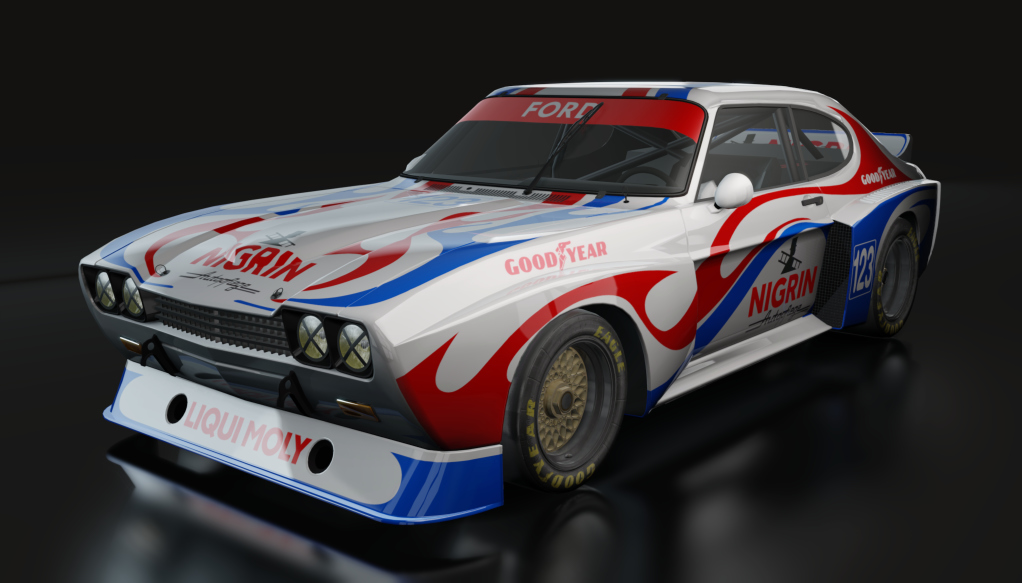
Norisring gave that run greater weight. FMG led all 63 laps, but Van Beek remained a threat towards the end and recorded the fastest lap. Their finishing order repeated VIR: Nissan first, Porsche second. It was FMG's fourth consecutive victory and Van Beek's second consecutive second place. Felix789, making his first Championship appearance of the season, finished third in a Capri and introduced another name capable of disturbing the established order.
After Norisring, FMG led the Championship with 120 counted points. Van Beek had moved into second in the Championship on 103, 17 points behind, while Flashor was third in the table on 97. The Porsche driver's recovery was substantial, but its limitation was equally plain. He had twice occupied the place nearest to FMG without taking points from him through a victory of his own.
The discarded scores also gave their positions different foundations. FMG was still leaving out the 40 points from Fuji; Van Beek was discarding his zero from the same event. The leader's total thus contained less of his actual scoring than the pursuer's. Meanwhile, SDH-M - Happykojot's eighth place at Norisring became his discarded result. His challenge had not disappeared, but it now required a recovery in form as the Championship paused before its final pair of races.
The Capri breaks the sequence
When racing resumed at Silverstone in February, the opposition finally interrupted FMG's run. The result came not from one of the drivers already nearest him in the Championship, but from Felix789. His Norisring podium had been a useful introduction; victory at Silverstone, from sixth on the grid after a prolonged three-car contest, made the Capri a more consequential presence.
SDH-M - Happykojot finished second, ahead of FMG in third. The Nissan driver had recovered from an unsettled race and still set fastest lap, but the winning sequence was over. Silverstone was therefore a genuine change in the competitive order, rather than merely an unusual name appearing near the front. Felix789 had converted his opportunity while two of the principal Championship figures occupied the remaining podium places.
The scoring consequences were less straightforward than the race result. FMG's 34 points for third became his current discard, bringing the earlier Fuji victory back into his counted total. He left Silverstone leading the Championship on 160 points. SDH-M - Happykojot and Van Beek, fifth in the race classification, were tied for second in the Championship on 133, each 27 points behind the leader.
Thus the afternoon on which FMG was beaten also left him with a larger advantage over his nearest pursuers than he had held after Norisring. The rule had the effect that his poorest result could be set aside while four victories formed the whole of his counted score. SDH-M - Happykojot's return to second place in the race restored his position among the leading pursuers, but neither he nor Van Beek had yet supplied the winning result that distinguished the Nissan driver's campaign.
Bathurst separates the pursuers
Bathurst produced another winner outside the season-long contest. Jayden HW, in his sole Championship start, recovered the lead on the third lap and won in a Porsche, also setting fastest lap. His intervention ensured that the final race would not simply confirm the hierarchy established over the preceding months.
For the Championship's leading pursuers, the important order lay immediately behind him. SDH-M - Happykojot finished second and Van Beek third, settling their contest in the Pantera driver's favour. Having arrived level on counted points, they left separated by three: SDH-M - Happykojot took the Championship runner-up position with 170, and Van Beek was third with 167.
FMG's own final race was markedly less satisfactory. He was classified 14th after completing 25 of the scheduled 26 laps. It was a sharp departure from his earlier results, but the Championship account absorbed it. Bathurst's 21 points became his final discarded score, and the Silverstone third place returned to the reckoning. His official total was 194, giving him the title by 24 points over SDH-M - Happykojot.
The distinction between the final race and the completed season could scarcely have been clearer. Bathurst belonged to Jayden HW; the Championship belonged to the driver whose earlier results had given him the stronger body of work. FMG's closing classification did not erase the value of the opening four meetings, nor did it turn a season built upon victories into one decided merely by survival.
The measure of the season
FMG's completed record comprised four wins and one third place, five podium appearances in all. SDH-M - Happykojot's three second places made him a persistent opponent, particularly in the closing phase, while Van Beek combined two seconds with a third. Their equal podium totals concealed different campaigns: the Pantera driver renewed his challenge late, whereas the Porsche driver's principal advance came through the middle rounds after his costly opening classification.
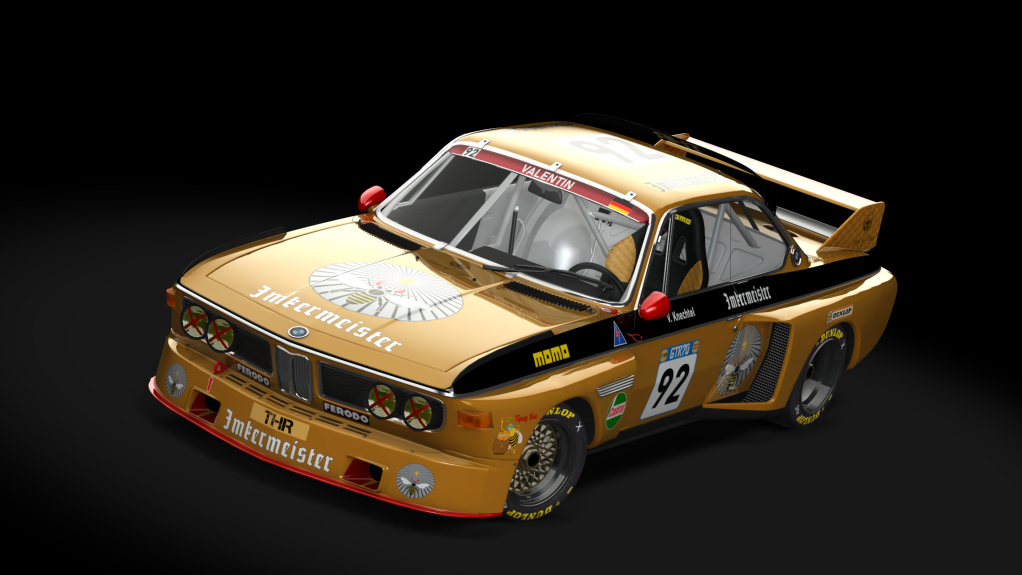
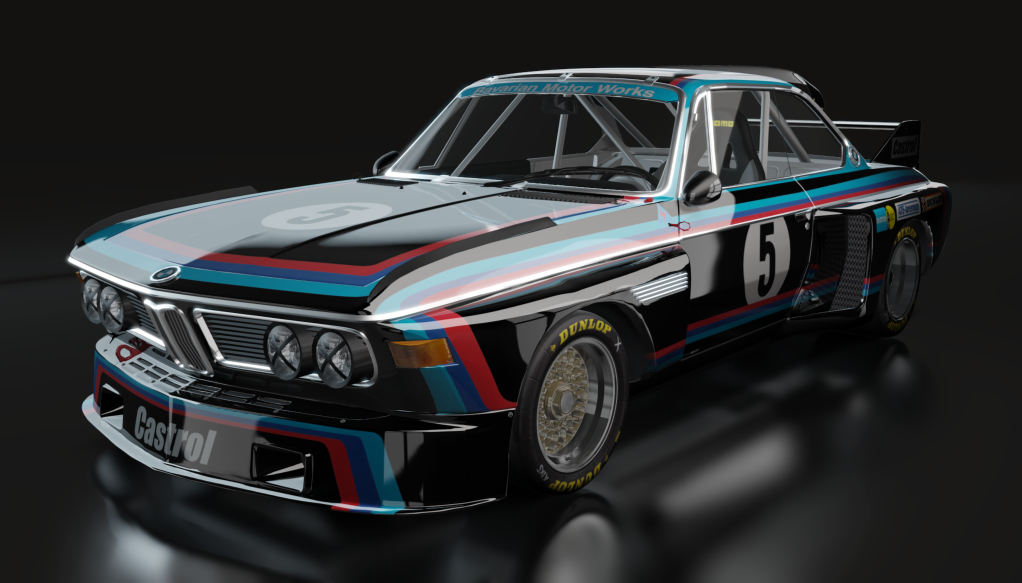
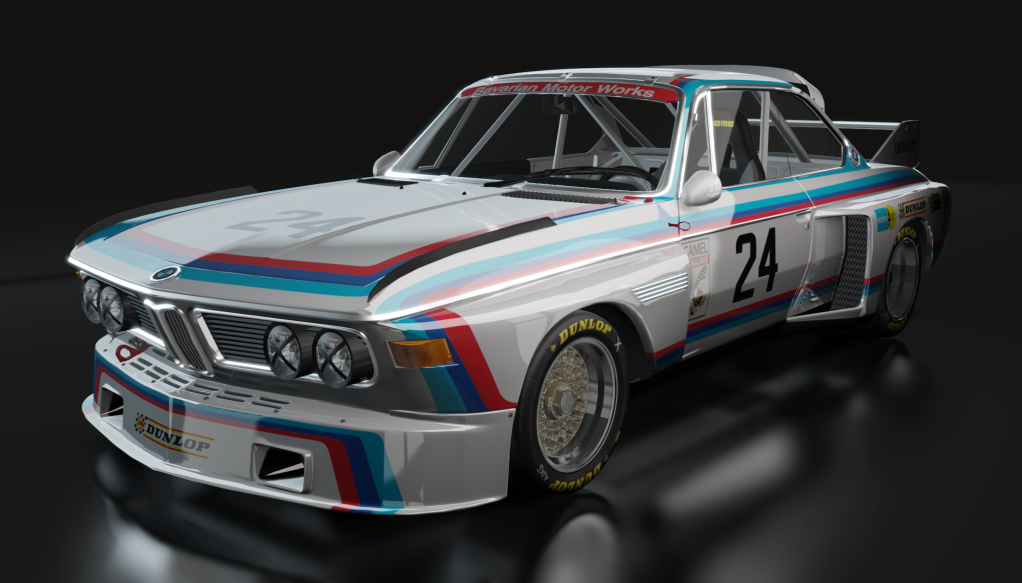
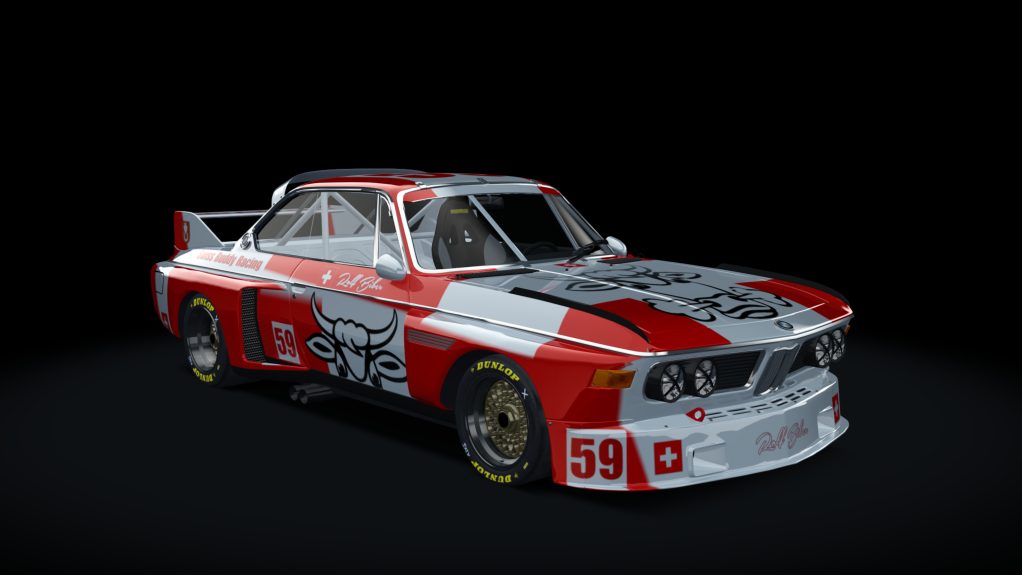
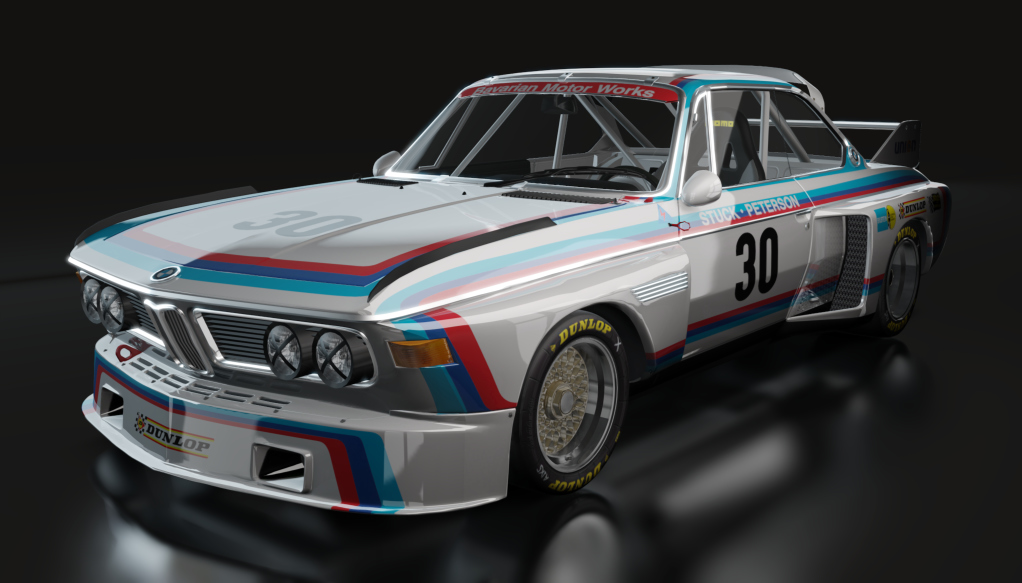
Knechtel offered a quieter but notably even alternative. His race classifications never fell outside third to fifth, and the BMW's third place at Interlagos was the marque's only podium of the season. He took fourth in the final Championship with 157 points, ahead of Flashor on 150. Flashor's two third places showed the Nissan's possibilities beyond the champion, but the less productive Interlagos and Bathurst results checked his progress.
Keefe's early promise did not develop into a full-season challenge. His Fuji second place remained his podium result, and he did not contest the final two rounds. Felix789 followed the opposite course, arriving late and making an immediate impression with a third place and a victory during three appearances. Together, their contributions gave the Capri a significance which could not be judged from the final leading drivers alone.
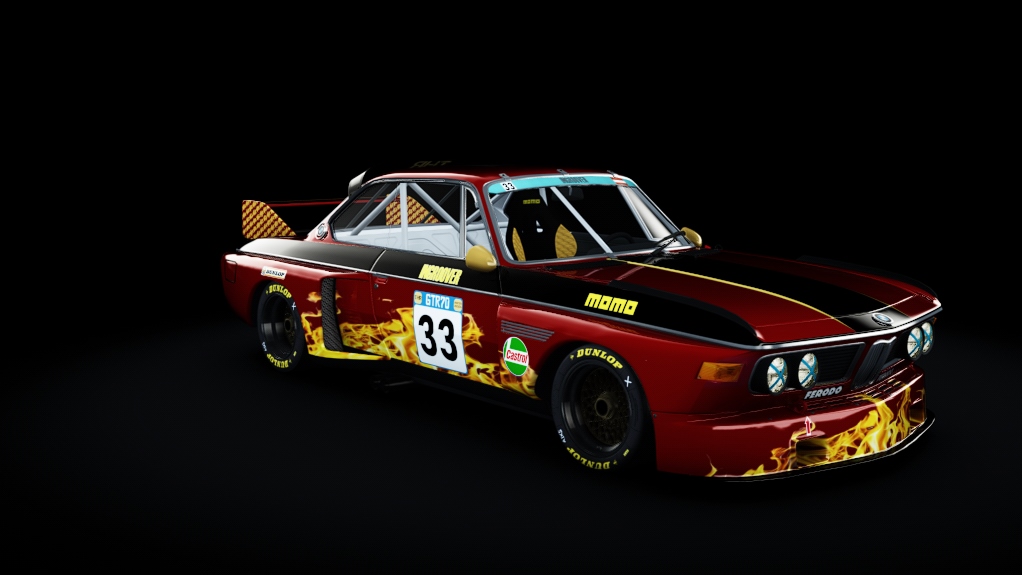
The final Championship top three represented three different cars: FMG's Nissan, SDH-M - Happykojot's Pantera and Van Beek's Porsche. Team Noodle nevertheless secured the leading two drivers and won the teams' Championship with 364 points, ahead of Axis of Orga's 307 and H. V. Competition's 255. It was a broad success for the winning team, but an individual title founded on a very particular achievement: FMG kept winning while the order behind him remained unsettled.
The later victories of Felix789 and Jayden HW gave the season a less predictable conclusion than its opening had promised. FMG retained the greater prize through repeated success against changing opposition, despite an unadorned final outing. HappyKojot ended as runner-up, with Tyler Van Beek completing the Championship podium in third. When the final discard was made, FMG's earlier advantage remained decisive.