Stevenson's Speed, Shepherd's Challenge
Nat Stevenson won the GPL 1500cc Championship by combining an exceptional opening with an unbroken presence on the podium. Mac Shepherd brought the contest back into question with a change of car and two timely victories, while Willian gave Porsche a substantial part in the season's closing argument.
A lead earned, then defended
A short championship leaves little room for a slow beginning, but it can also make an early advantage look more secure than it is. Across four double-header meetings, this contest passed from apparent certainty to renewed competition before settling in favour of the driver who had established its original terms. Stevenson supplied the opening speed, Shepherd the principal challenge, and the distinction between them was ultimately as much a matter of sustained results as of outright pace.
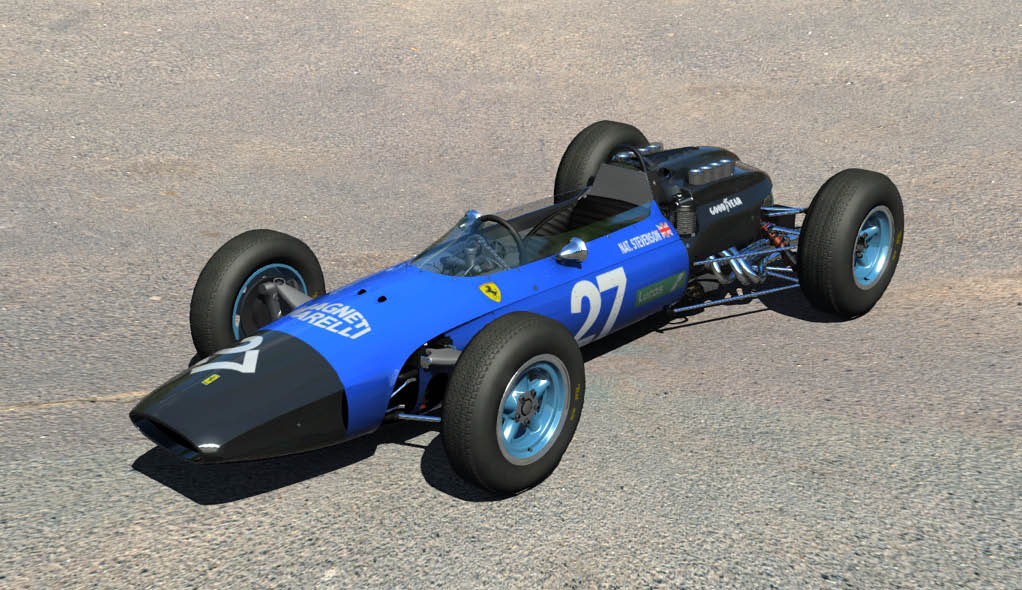
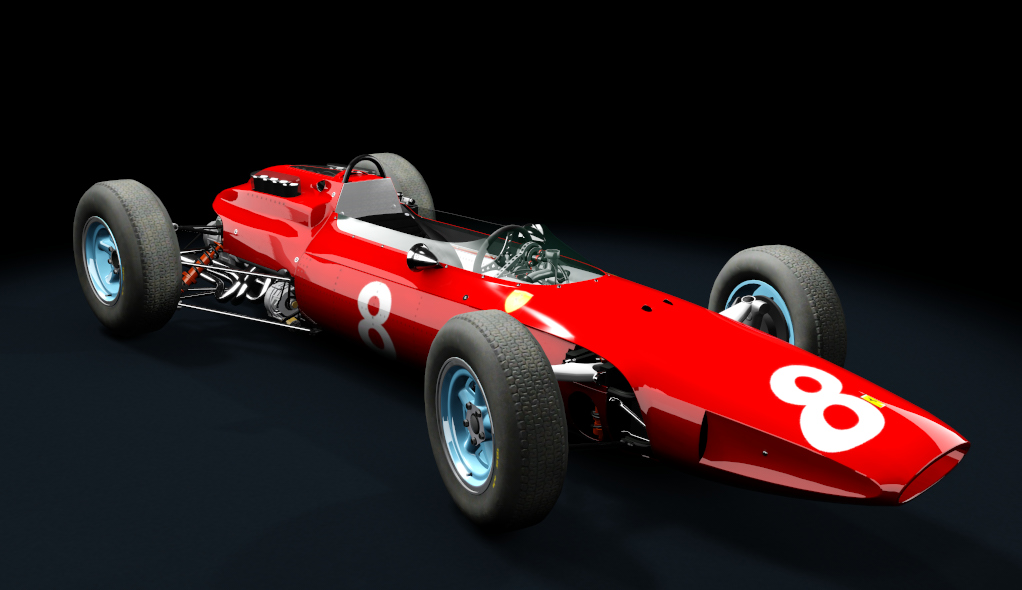
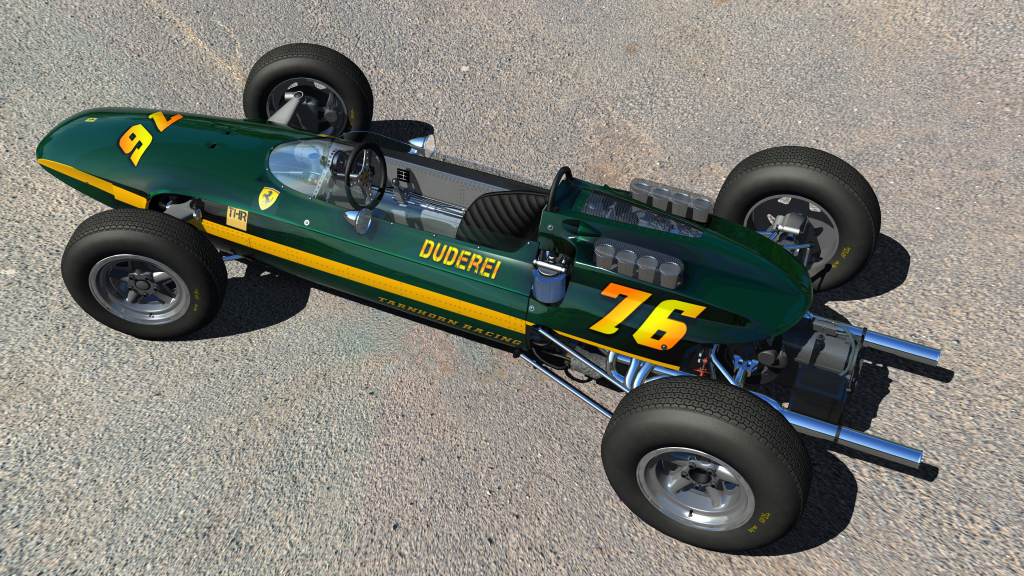
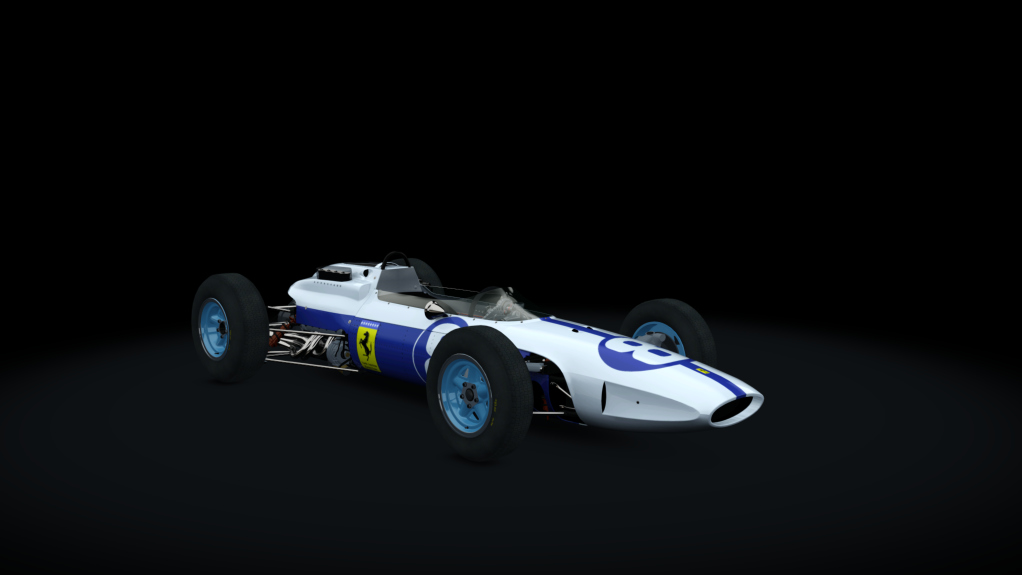
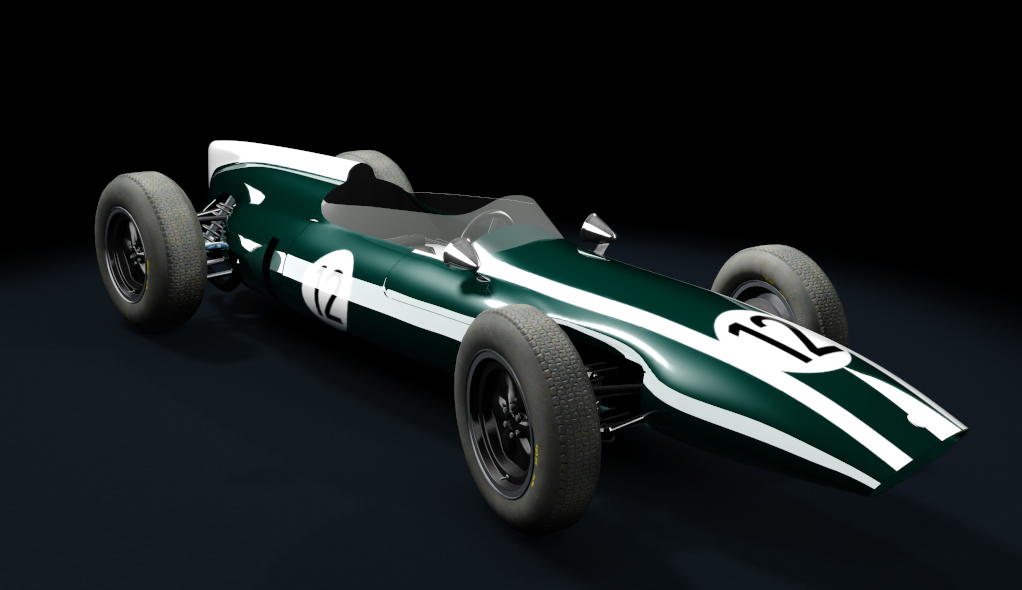
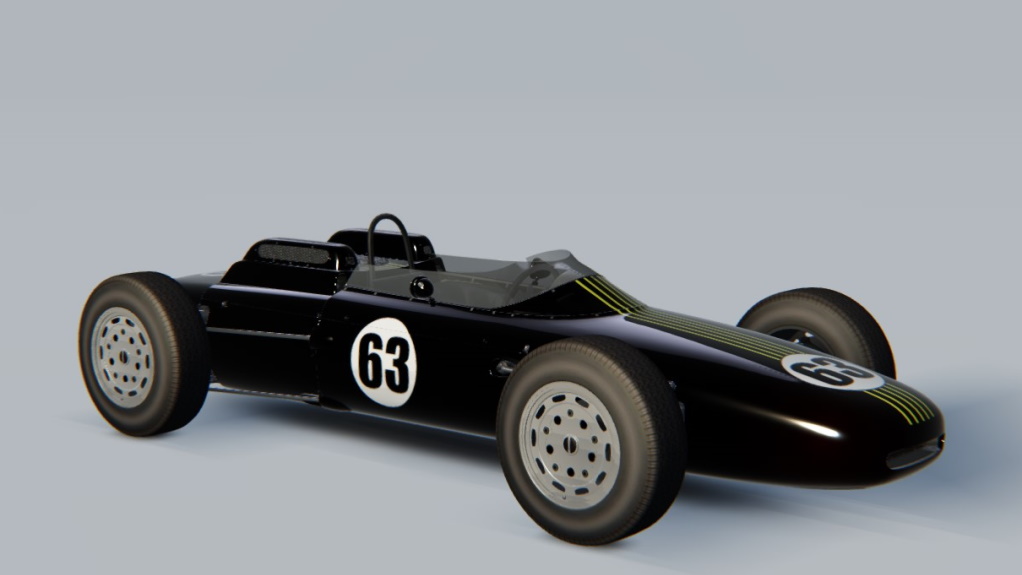
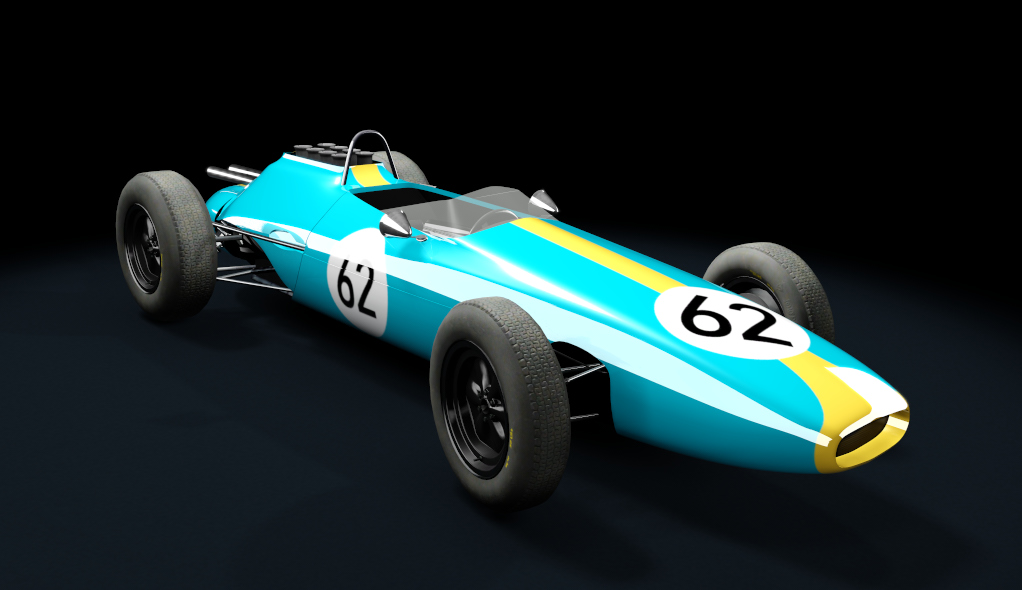
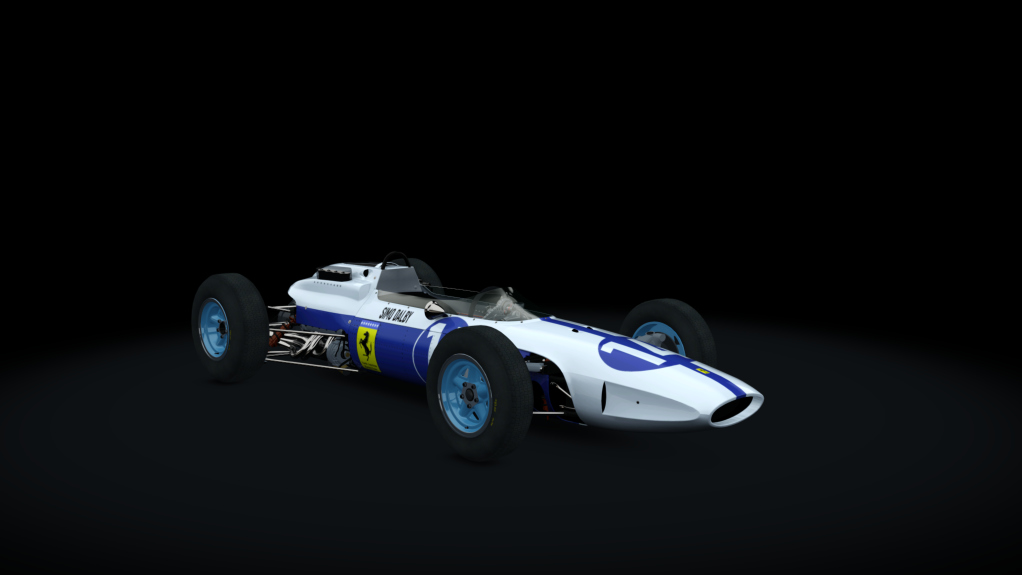
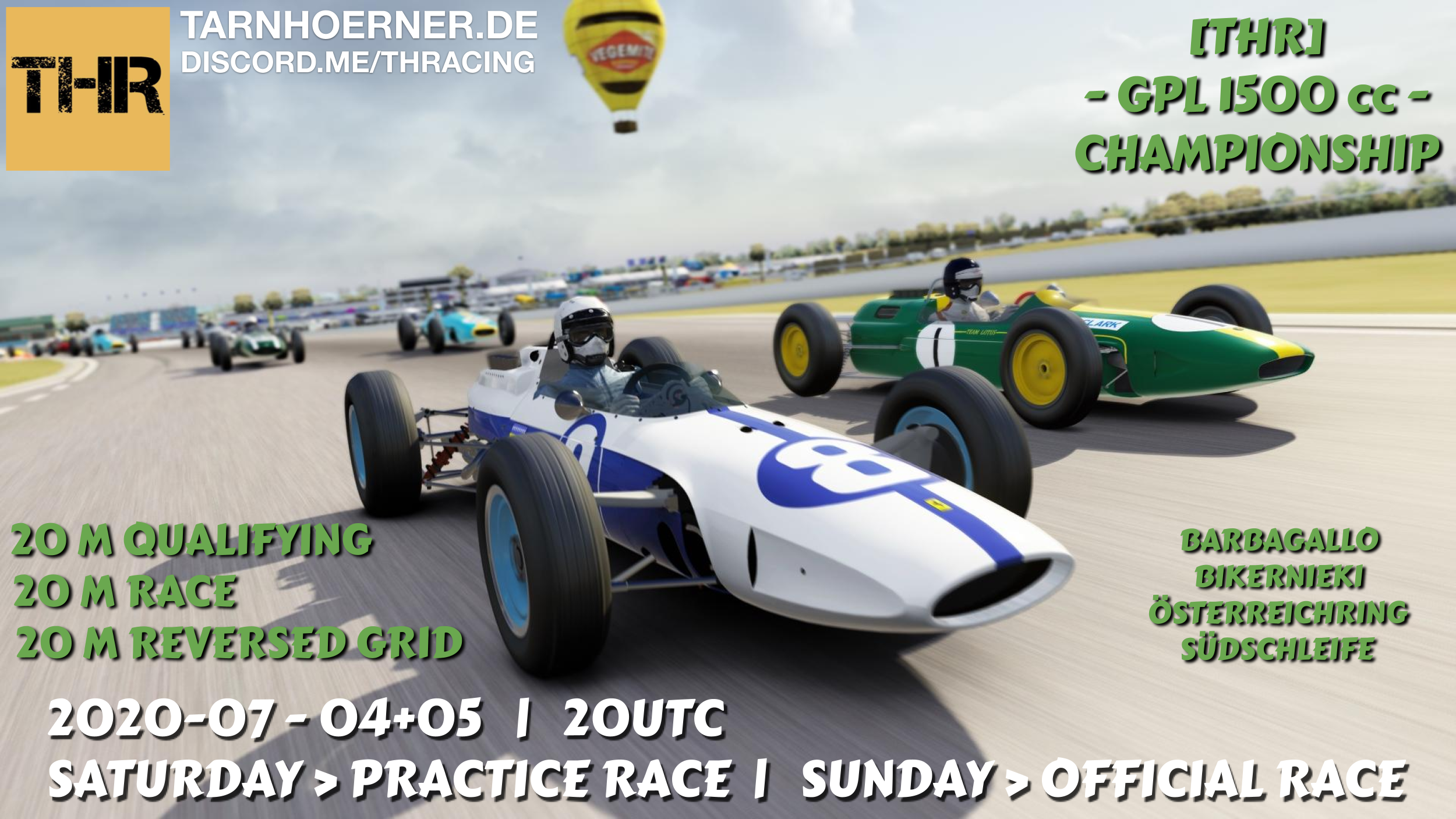
The Ferrari 158 remained Stevenson's instrument throughout. Shepherd began with the Lotus 25 and subsequently took to a Ferrari himself, a change which accompanied the sharpest reversal in the competitive order. Behind them, the struggle for third in the Championship was less settled, reflecting both changes in attendance and a marked improvement in Willian's fortunes with the Porsche 804.
Stevenson led the Championship after every meeting. That fact should not obscure the movement within it. His advantage expanded during the opening half, contracted at the penultimate round, and grew again at the last. The title was not won simply by collecting an early reserve of points; it also required him to remain productive when another driver had found the greater speed.
The opening advantage
Barbagallo established the principal pairing immediately. Stevenson won both races, with Shepherd finishing second in each. The Ferrari also set the fastest lap on both occasions. It was a persuasive beginning, though the points margin remained modest: Stevenson left with 70 points against Shepherd's 64. Two victories had established superiority on the road without putting the Lotus driver very far away in the Championship.
There was useful variety behind them. Ted Hough finished third in the opening race in another Lotus 25, while Harry Gillman brought his Cooper T55 home third in the second. Gillman consequently held third in the Championship on 52 points. His result would also remain the Cooper's only podium appearance of the completed season, a small but distinct achievement in a campaign increasingly shaped by Ferrari and, later, Porsche.
Bikernieki made the opening advantage more substantial. Stevenson again won both races and again recorded both fastest laps. By the end of the meeting his sequence stood at four consecutive victories, and his Championship total had reached 140 points. Shepherd was second in the table on 121, now 19 points behind rather than six.
The difference lay not merely in Stevenson's repetition of the Barbagallo performance, but in the interruption to Shepherd's own pattern. The Lotus was classified fifth in the first Bikernieki race before Shepherd returned to second place in the next. Duderei, meanwhile, finished second and third in a Ferrari, and Owen P took third in the opening race to complete a Ferrari sweep of that podium.
The wider table offered a different lesson in consistency. Matias Estrela stood third in the Championship after Bikernieki with 99 points, despite having no podium result. His classifications had remained within the first six across the opening four races. While Stevenson and Shepherd contested the leading places, steady accumulation still carried considerable weight behind them.
The challenger changes the terms
Spielberg altered the character of the championship. Shepherd appeared in a Ferrari 158 and won both races, setting the fastest lap in each. The driver who had spent the opening half pursuing Stevenson now supplied the pace to which the leader had to respond. Ferrari's winning sequence continued, but its authorship had changed.
Stevenson's answer was less conspicuous than his opening victories and scarcely less important. He finished second in the first race and third in the second. There was no collapse in his scoring when his winning run ended, and Shepherd's double success therefore reduced the advantage rather than removing it. After Spielberg, Stevenson still led the Championship on 201 points, with Shepherd second on 191. The deficit had narrowed to ten points with the final double-header remaining.
This was the season's decisive change of momentum. Shepherd had converted his challenge from repeated second places into victories, while Stevenson had shown that a meeting without a win need not be a poor meeting. Each now had five top-two results from six starts, but Stevenson's additional third place preserved a podium record in every race to that point. The contest had become appreciably closer without the Championship lead changing hands.
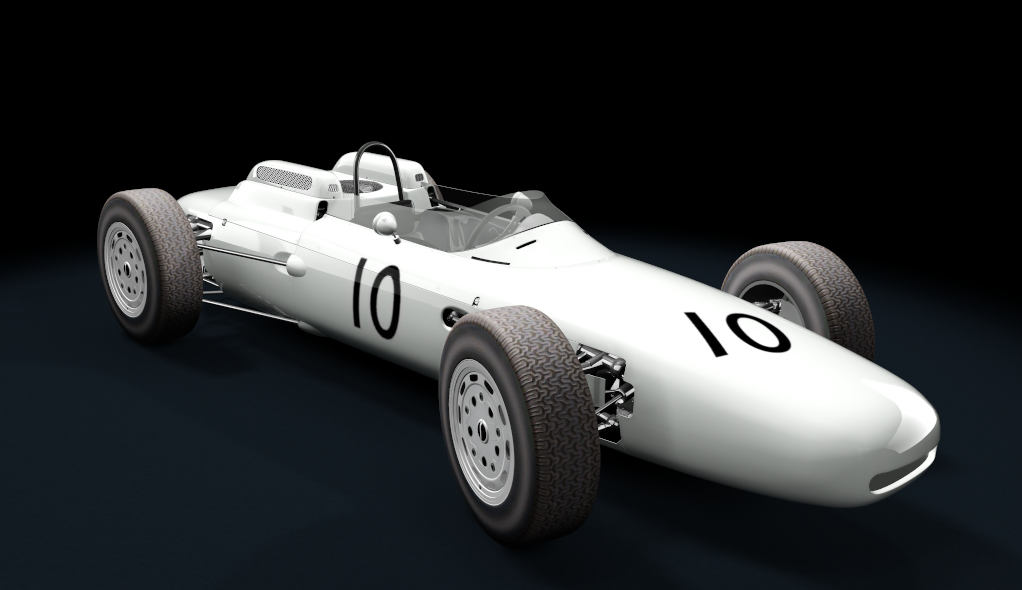
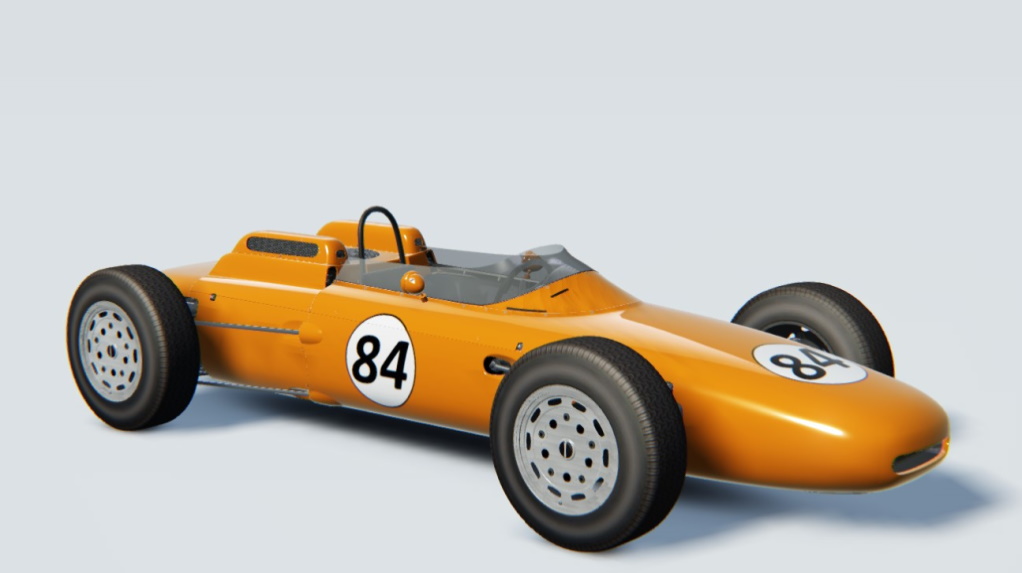
Willian also emerged as a consequential presence. In the Porsche 804 he finished third in the opening Spielberg race and second in the next, placing ahead of Stevenson in the latter. These were results of a different order from his Barbagallo classifications in the Cooper: eleventh after completing 18 laps in the first race, and tenth after 13 laps in the second. He had not started at Bikernieki. His return therefore introduced a fresh influence near the front rather than merely extending an established pattern.
Duderei, classified fourth in both Spielberg races, moved into third in the Championship on 135 points. Yet the Porsche's new prominence suggested that the order below the leading pair was far from settled.
The Eifel answer
The final meeting at the Eifel Sudstrecke brought the distinction between speed and reward into particularly clear view. Shepherd recorded the fastest lap in both races, but neither result matched his Spielberg victories. Stevenson, by contrast, returned to winning in the opening race and thereby answered the most serious pressure of his season with another success.
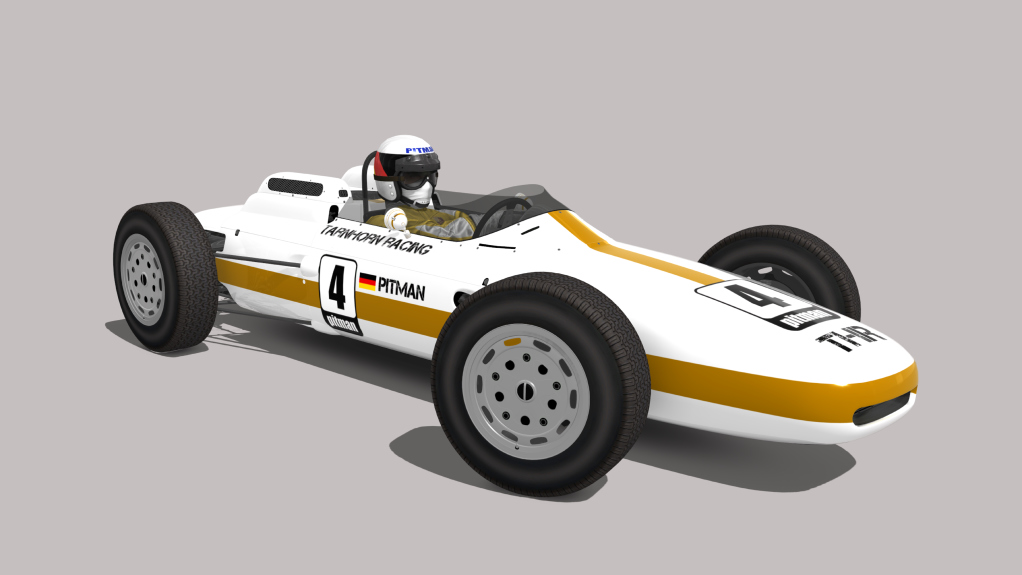
Nicholas C. finished second in a Porsche 804, with Willian third in another. Shepherd finished fourth. The opening race had thus placed both Porsches between the Championship rivals, and the order gave Stevenson the stronger result at the very moment when Shepherd had been seeking to continue his recovery.
The last race belonged to Willian. His Porsche victory was followed by Oleg Capovani's Ferrari in second and Stevenson's in third. Shepherd was classified fourth after completing four of the seven laps. His fastest lap remained a measure of the speed available, but the shorter completed distance and fourth-place classification brought his campaign to an end without another podium.
Capovani's second place was a substantial recovery within the meeting. In the opening race he had been classified sixth after completing one lap; in the second he completed the full distance and secured his season's podium result. He would take fourth in the final Championship on 146 points.
For Willian, the closing victory completed a much broader recovery. His four starts over the latter half of the season had all produced podiums, culminating in a win rather than another supporting place. He rose to third in the final Championship with 164 points, giving Porsche a place alongside the two Ferrari-mounted title rivals in the concluding order.
Stevenson finished the season with 265 points to Shepherd's 243, a margin of 22. The leader had not merely preserved the ten-point advantage carried from Spielberg; he had enlarged it through a victory and a third place while his principal challenger remained outside the podium positions.
The measure of the champion
Stevenson's completed record explains the title more plainly than any isolated performance: five victories, one second place and two thirds from eight starts. He completed the full distance in every race and occupied a podium place each time. The early victories supplied the foundation, but the lesser places were never low enough to leave the Championship exposed for long.
Shepherd's two victories and three second places made him a substantial opponent. His season contained both the patience of the opening pursuit and the force of the Spielberg response. What it lacked was the champion's uninterrupted level of return. Even when Shepherd possessed the fastest lap at the final meeting, Stevenson secured the more valuable race results.
The cars gave the season a recognisable progression. The Lotus was prominent in the opening contests, Shepherd's Ferrari transformed the challenge at Spielberg, and Willian's Porsche became an increasingly important competitor in the latter half. Ferrari nevertheless won seven of the eight races, with Porsche taking the remaining victory. That numerical advantage did not make the racing a single unchanging story: the identity of the quickest Ferrari driver changed, and the Porsche eventually displaced both leading men from the top step.
Willian's third in the Championship was accordingly more than a distant place behind the title contest. It rewarded a genuine late-season advance and ensured that the final honours reflected something beyond the opening hierarchy.
Nat Stevenson was a convincing champion because his speed did not require the season to remain entirely on his terms. Mac Shepherd changed those terms at Spielberg and ended as runner-up, while Willian completed the Championship podium in third. The Porsches complicated the finale further, yet Stevenson continued to bring the Ferrari home among the leading three. In a compact Championship, that refusal to concede a poor result proved the soundest advantage of all.