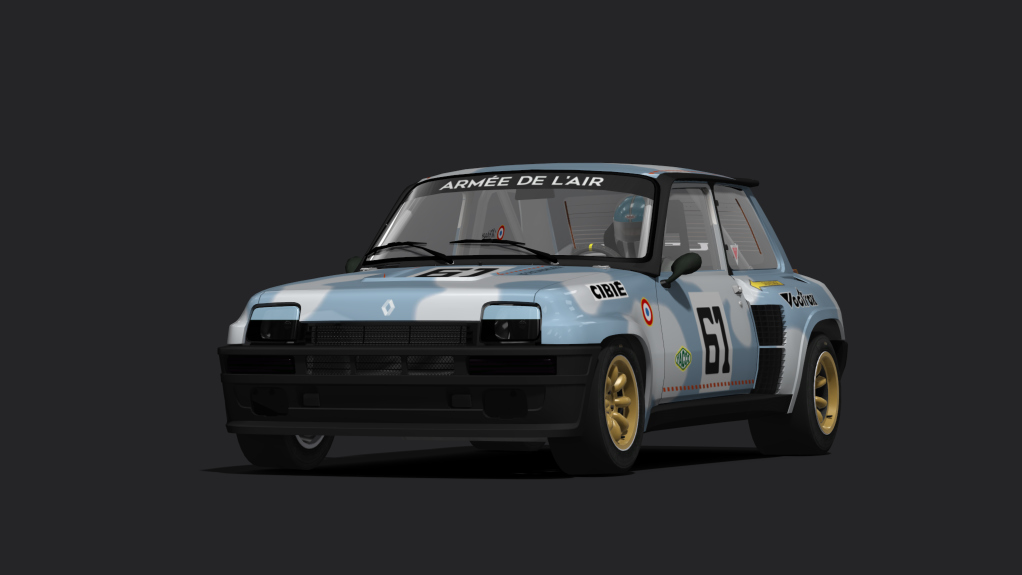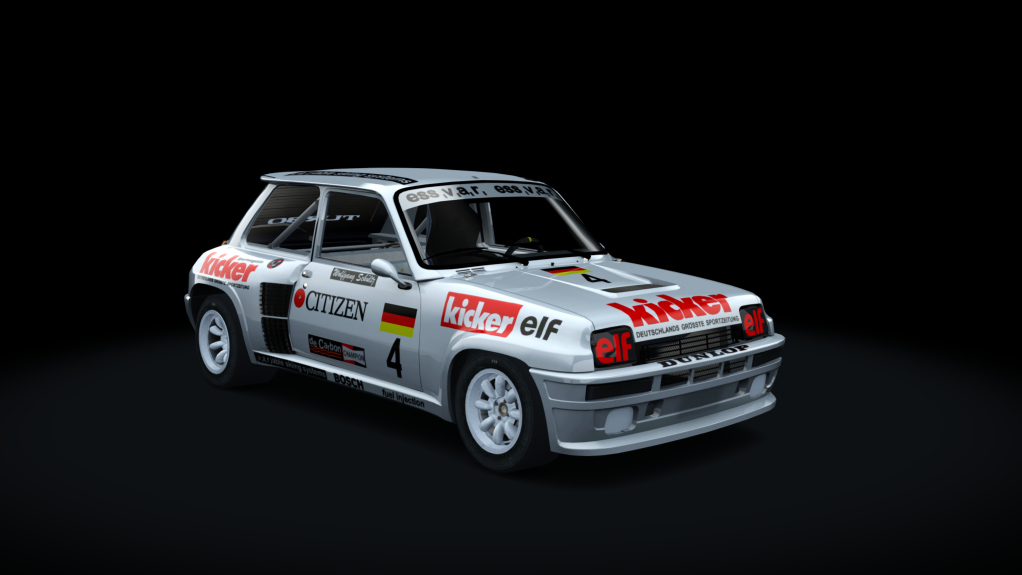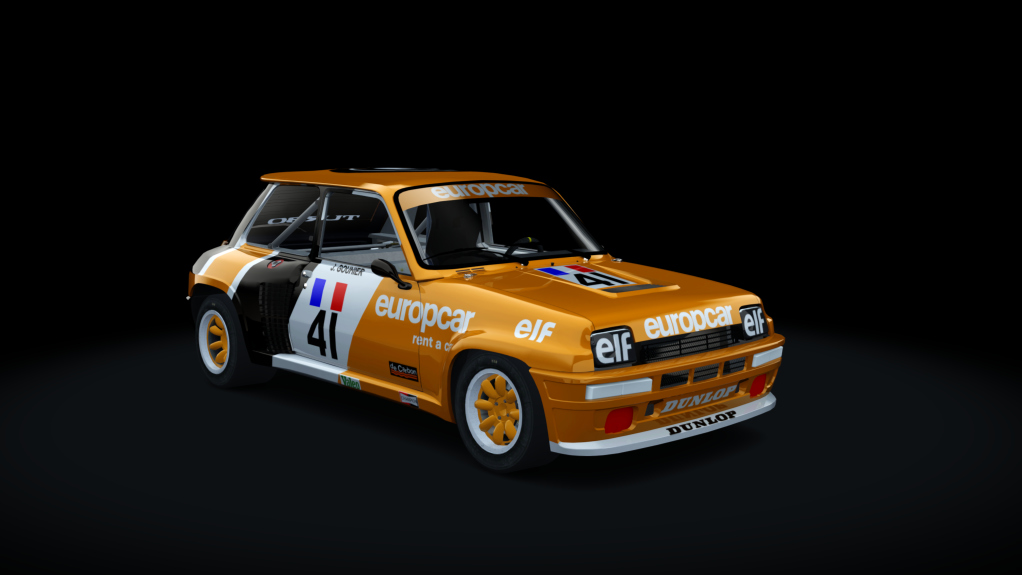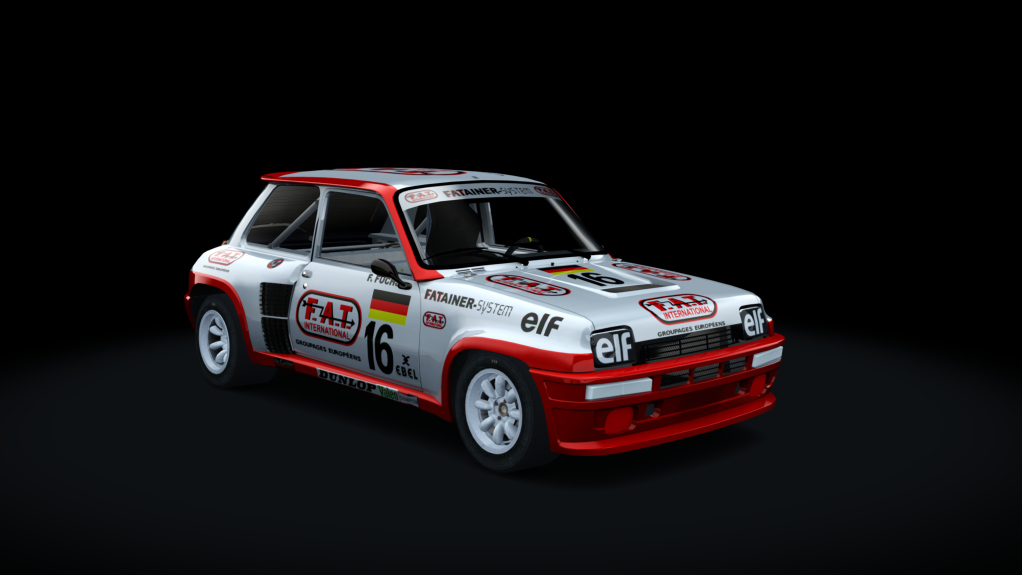
Bondurant Wins the Argument
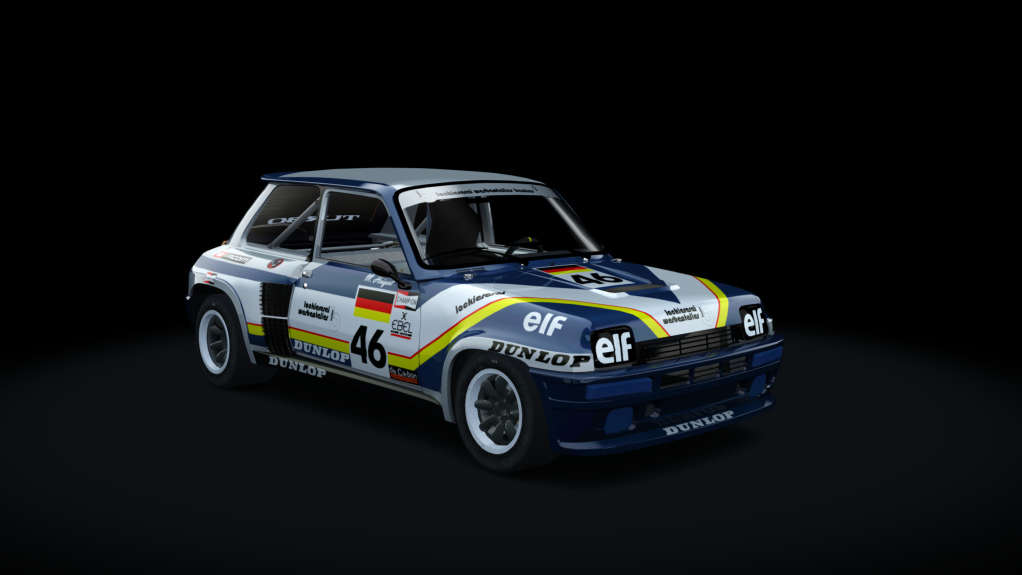
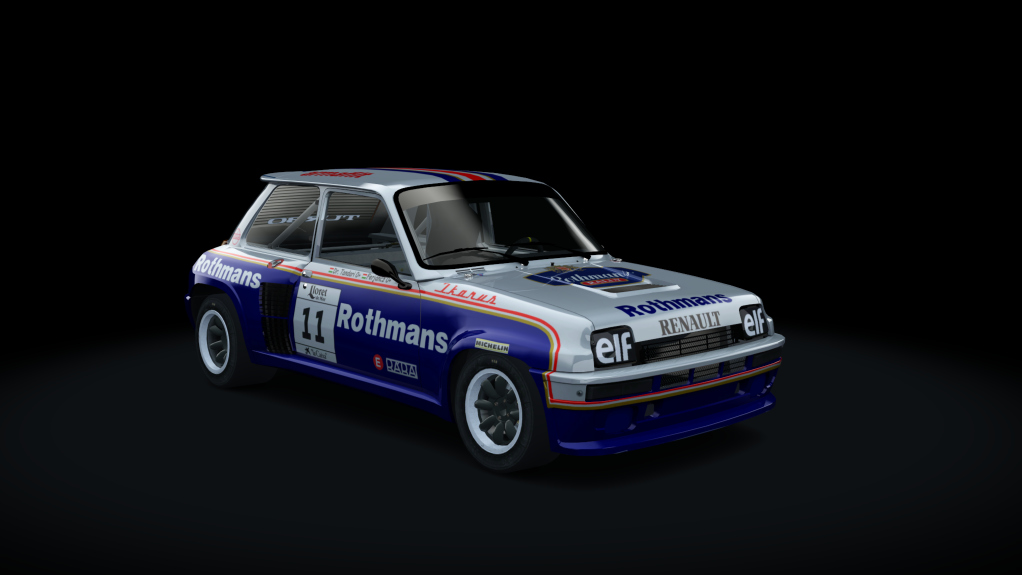
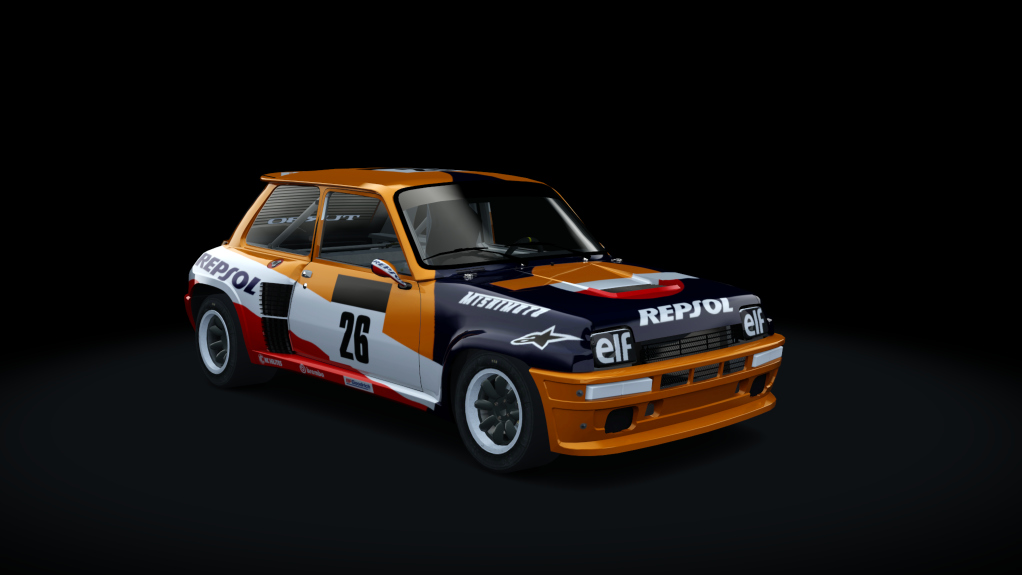
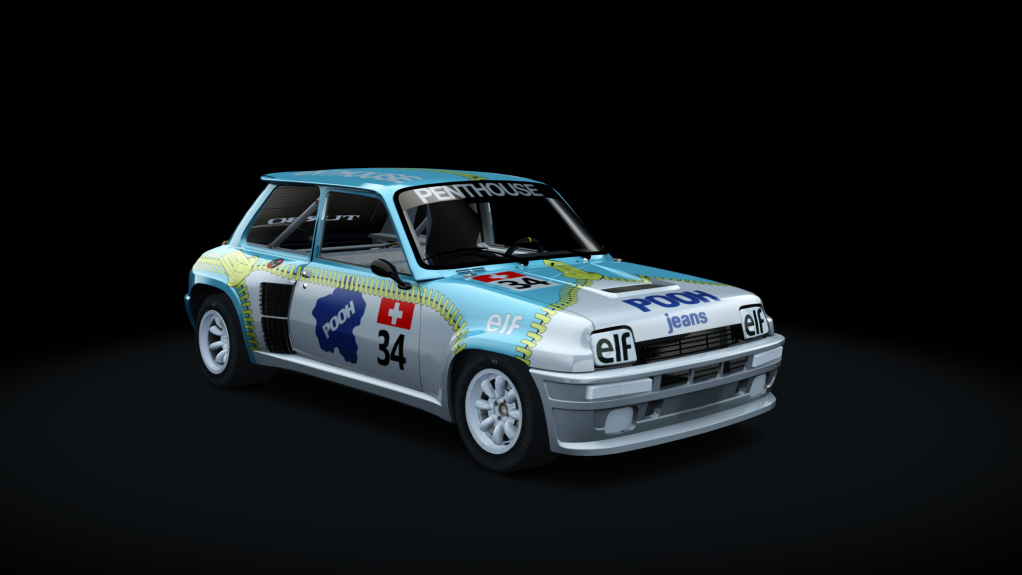
The Renault R5 Cup rewarded neither its early leader nor its most frequent winner. Across four meetings and eight races, Pete Bondurant built his championship upon a productive middle season, then withstood a late challenge which left him just five points clear.
An uncertain order
There was no shortage of speed in the Renault R5 Cup, but speed and championship authority were seldom quite the same thing. FMG established the early standard, Adam Celárek made a habit of winning the second race of a meeting, and Valentin Knechtel became an increasingly substantial threat. Bondurant's distinction was to put together the results which connected one meeting to the next. His championship was made principally between the opening disappointment and the final uncertainty.
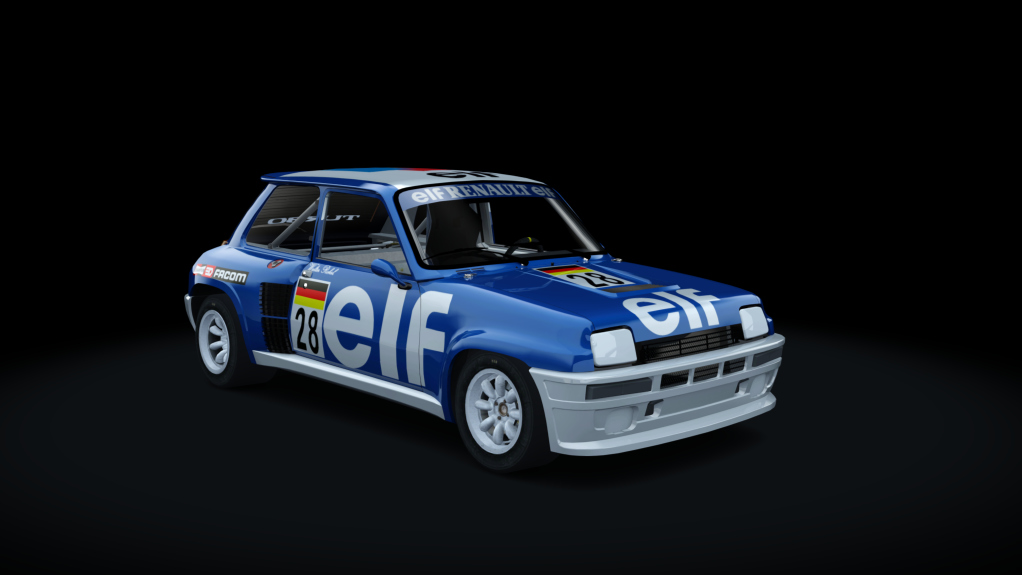
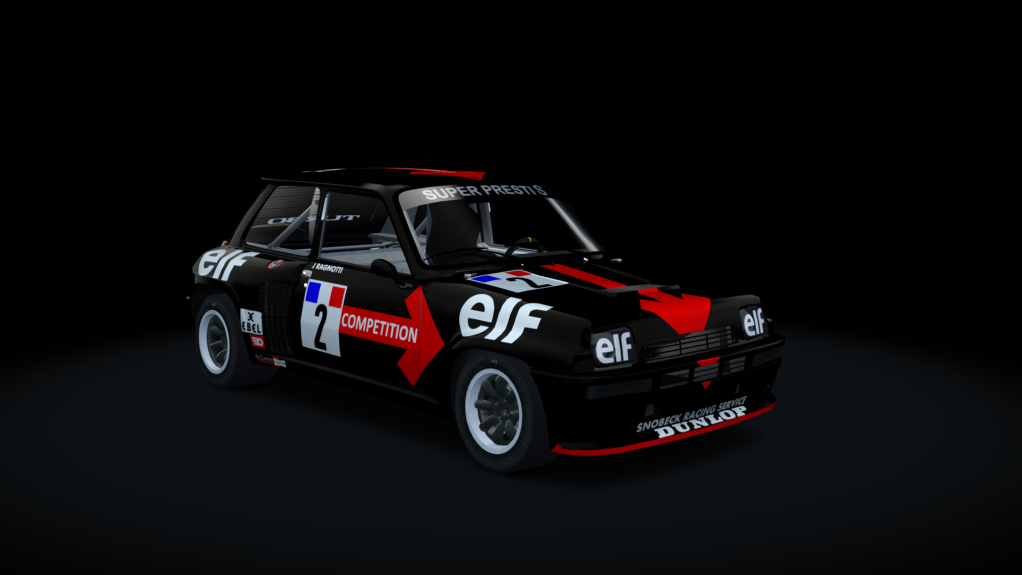
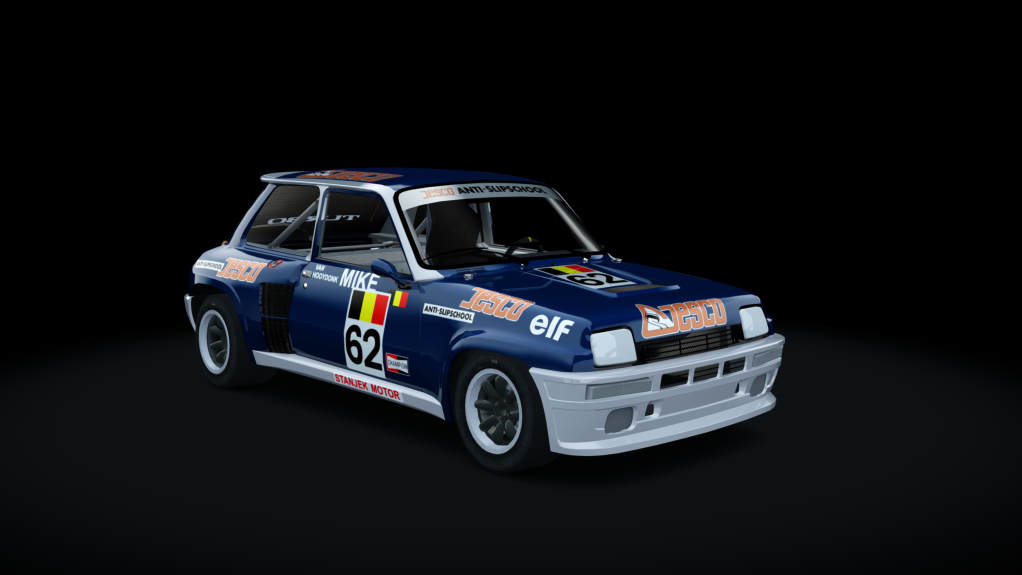
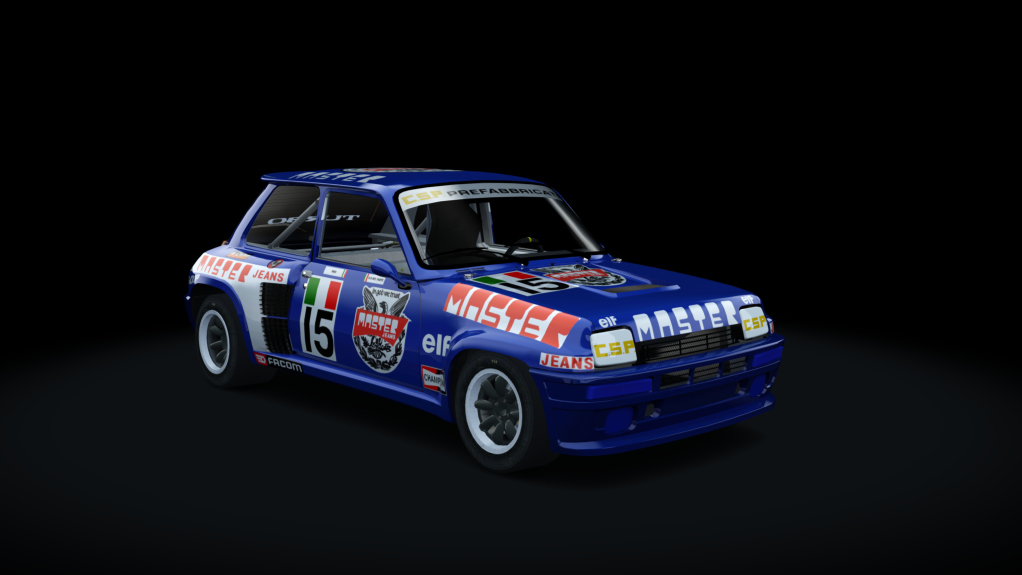
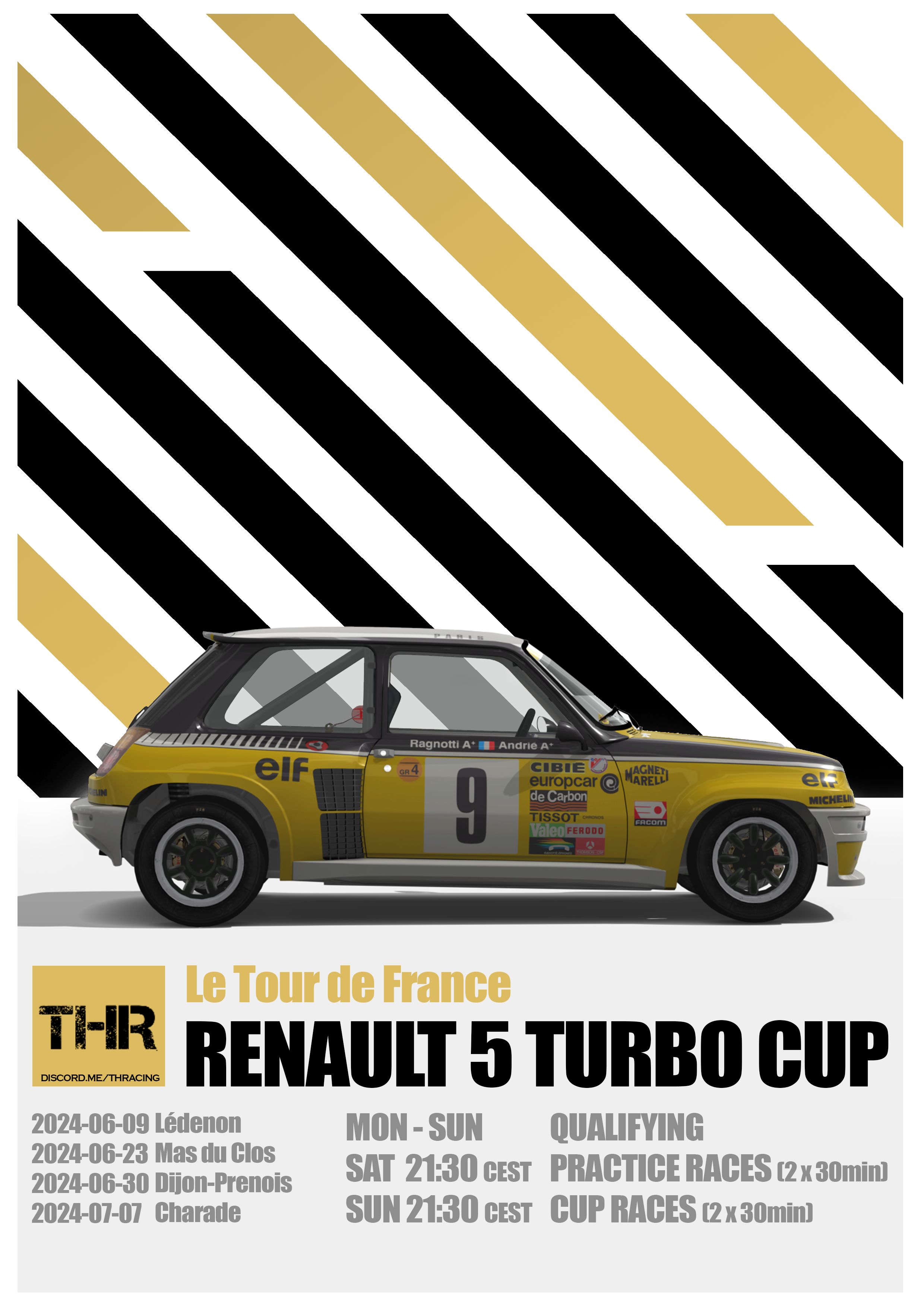
The Renault 5 Turbo Europa Cup provided the common machinery for a short season in which a missed meeting could alter the table considerably. With two races at each of four rounds, there was room to recover from an indifferent result, but little opportunity to leave a substantial part of the programme unanswered. Every event counted. The distinction between occasional success and sustained accumulation would become one of the season's governing themes.
Ledenon initially offered several possible interpretations. FMG won the opening race ahead of Florian Masse and Knechtel, then took seventh in the second. Nat Stevenson, fourth in the first race and second in the next, emerged level with FMG at the head of the Championship on 68 points. Celárek stood third on 67, having answered eighth place in the opener with victory in the second race. The leading three were separated by a single point, but had arrived there by markedly different routes.
Bondurant's fifth and eighth places attracted less attention than those performances. They were useful rather than imposing results, and gave little indication that his Renault would eventually occupy the leading position in the final table. Knechtel's third and fourth places, meanwhile, established a more even opening pattern. Before the season had properly settled, it had already supplied both the spectacular recovery and the quieter accumulation which would distinguish its principal characters.
The middle ground becomes decisive
Mas Du Clos brought Bondurant into the foreground without dislodging FMG. Victory in the opening race, followed by third place in the second, changed the scale of his campaign. After Ledenon he had been among those collecting respectable places; now he had shown that he could win and support that success with another substantial result at the same meeting.
FMG nevertheless left with the stronger championship position. Second in both races, he moved to 142 points, with Bondurant second in the Championship on 131. Knechtel stood third on 123 after fifth and seventh places in the races. FMG's advantage over Bondurant was 11 points, and his two second places offered a persuasive continuation of the pace shown at the opening round. At this stage, his combination of a victory and repeated appearances near the front made him the natural reference for the opposition.
The meeting also demonstrated how abruptly a promising campaign could lose continuity. Stevenson was classified tenth in the opening race after completing 11 of the scheduled 21 laps, then won the second. It was a considerable reversal within a single evening, but Mas Du Clos proved to be his last championship appearance. Celárek, so close to the leaders after Ledenon, was classified 13th after completing one lap of the opening race and did not contest the second. Masse was classified 12th after completing three laps, likewise without a second-race result.
Those interrupted programmes mattered beyond the individual disappointments. The men capable of winning were not necessarily the men adding to their accounts at every opportunity. Bondurant, by contrast, had taken a sizeable step forward at precisely the point when several rivals' seasons became less complete.
There was another, less conspicuous, development at Mas Du Clos. Two fourth places for al supplied the foundation of a campaign which would eventually carry him into the final Championship top three. Max Solmyr also made a useful advance with third place in the opening race and fifth in the second. Neither displaced the leading argument, but both showed the value of a productive pair of results.
Dijon changes the leadership
Dijon-Prenois was the decisive change of direction. FMG did not appear, and the championship lead passed to Bondurant. Yet this was not a meeting in which the new leader swept aside the field. He was second in both races, beaten first by Knechtel and then by Celárek. The importance lay in the repetition: two strong results, without the interruption which had checked several of the other fast men.
Bondurant left Dijon leading the Championship on 205 points. Knechtel, whose victory was followed by fourth place in the second race, stood second on 194. Thus the 11-point margin which had separated Bondurant from FMG after Mas Du Clos now separated Bondurant from his nearest pursuer in the opposite direction. The names and the order had changed; the advantage remained modest.
Knechtel's meeting gave the closing stages their principal challenger. His opening victory was accompanied by fastest lap, while the fastest lap of the second race also belonged to him despite his fourth place. That combination supplied a useful distinction between his performance and his return. He had the pace to win, but Bondurant had taken second place twice and consequently left with the lead.
Celárek's victory restored the winning form interrupted at Mas Du Clos. Fourth in the first race and first in the second was a substantial recovery, though it did not undo the cost of the preceding meeting. Flashor, third in both Dijon races, had now recorded three consecutive third places across his own race appearances. He was becoming a regular presence behind the winners, even if his absence from Mas Du Clos had limited the championship return.
Al's two sixth places brought him to third in the Championship on 172 points. His position was not founded on podium appearances, but on continuing to collect results while others missed races. Dijon therefore sharpened two separate stories: Bondurant and Knechtel were now the leading pair in the table, while al's less conspicuous campaign had acquired considerable substance.
Charade leaves little in hand
Bondurant arrived at Charade with an advantage, not a comfortable conclusion. Knechtel, entered there as ValentinK, won the opening race, with Bondurant second and Celárek third. The challenger had taken the victory, but the leader's answer was again a second place. It was the sort of result upon which Bondurant's season had come to depend: not the largest return available, but a strong answer to a rival's success.
The closing race was less orderly for the Championship leader. Celárek won, FMG returned to second place, and Flashor took third. ValentinK was sixth in the race and Bondurant ninth. There was no final flourish from the eventual champion; the work already done had to bear the weight of a comparatively poor last result.
It did so, narrowly. Bondurant's final total was 268 points, against ValentinK's 263. The five-point margin preserved the order established at Dijon, although the last meeting had reduced the separation. No discarded results complicated the reckoning. The whole campaign remained in the account, including Bondurant's modest opening and his ninth place in the final race.
Celárek supplied the closing meeting's strongest winning statement. Third in the opener and victorious in the second, he ended his season with three victories and fourth place in the Championship on 212 points. His ability to win was beyond dispute. What his campaign lacked was the uninterrupted sequence of useful returns which had carried Bondurant to the title. The difference between winning races and winning this Championship was particularly clear in their final positions.
The value of a complete campaign
Bondurant's completed record comprised one victory, three second places and one third place, giving him five podium appearances. Those results were concentrated in the stretch from Mas Du Clos to the opening race at Charade. That was the substance of his championship: a sustained period of high returns, sufficient to withstand a weaker conclusion.
Behind the leading pair, al secured third overall on 225 points without a race podium. His season was a useful counterpoint to the more conspicuous successes around him. Celárek had the victories, FMG had an early championship lead and four top-two results from six starts, and Flashor accumulated four third places. Al nevertheless occupied the third position in the final table through the cumulative value of his eight-race programme.
FMG ended sixth overall on 207 points, two behind Solmyr. His return to second place in the final race underlined that the speed which had established the early lead had not disappeared. The missing Dijon meeting, however, had broken the continuity of his challenge. Solmyr's fifth place overall gave lasting value to his productive Mas Du Clos meeting, while Flashor's repeated podium appearances yielded eighth in the Championship.
There was a separate reward for Celárek's successes. Side Heart Motorsports won the teams' Championship with 353 points, comprising his 212 and Jordi Sumoy's 141. SG Stern placed second on 263, with lonely al team third on 225. The drivers' title had gone to Bondurant, but the season's honours were not confined to his garage.
The R5 Cup was settled by a small margin and a substantial body of useful work. Pete Bondurant made his strongest period count, took the lead when the opportunity came and retained enough of it through an uncomfortable final race. ValentinK ended as runner-up, with al third in the final standings. It was a Championship earned across the season rather than claimed in a single afternoon.