Shepherd's Championship, Won in the Middle Distance
Four successive victories gave Maddie Shepherd command of the Formula 1 Championship, but margar17's persistent challenge kept the points closer than the succession of winners might suggest. Across six rounds and changing machinery, speed had to be renewed rather than merely preserved.
A season of changing instruments
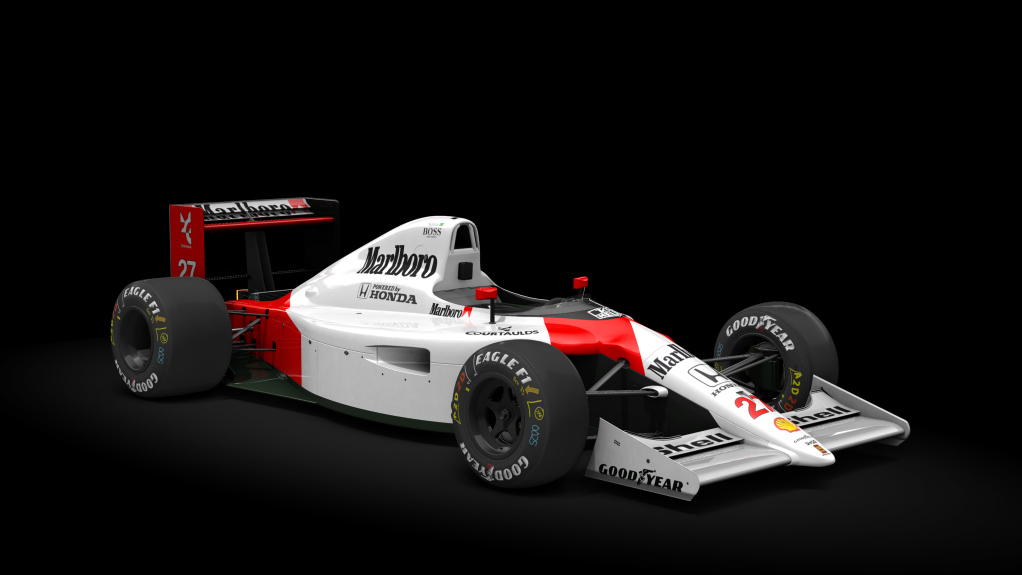
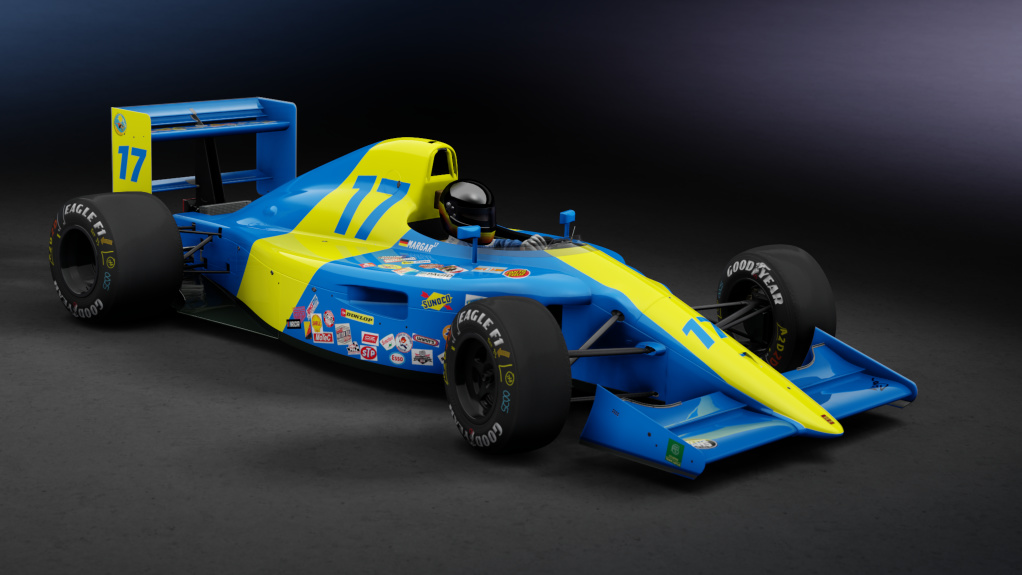
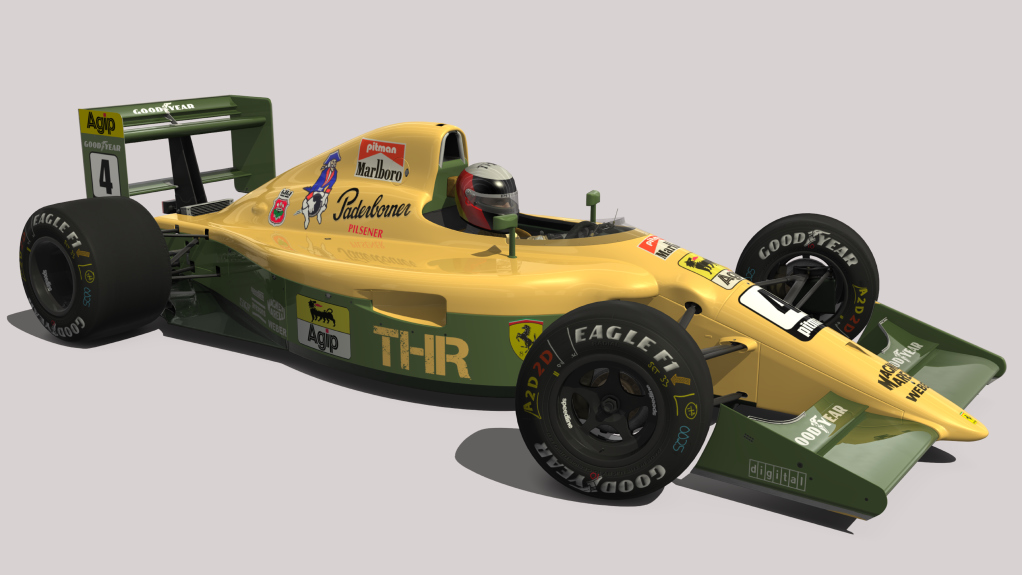
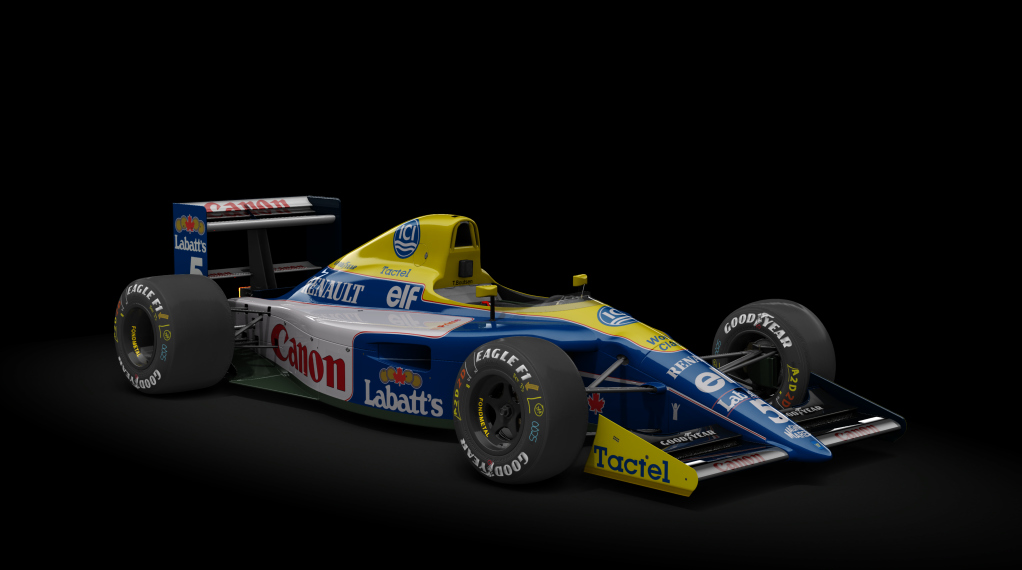
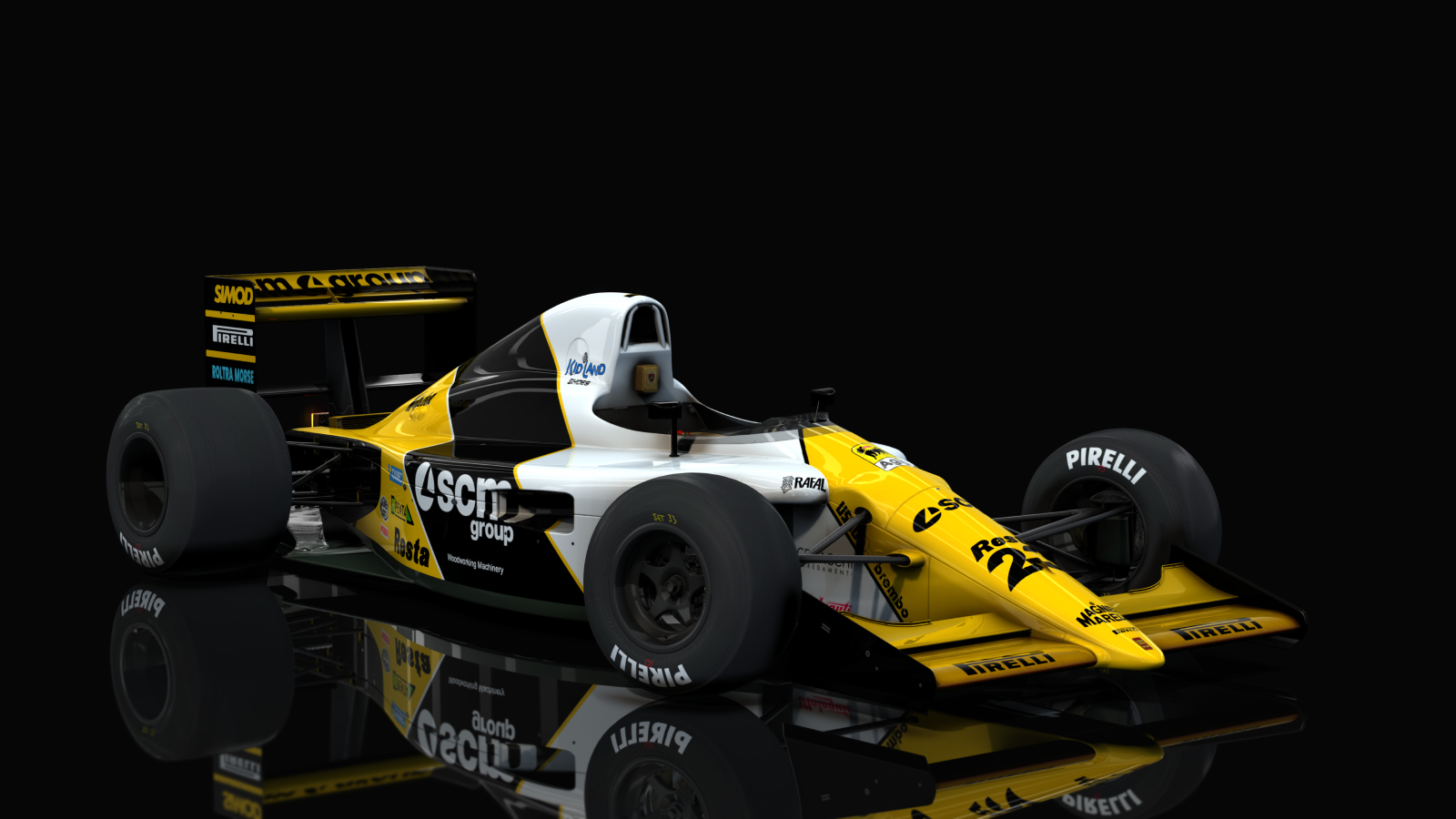
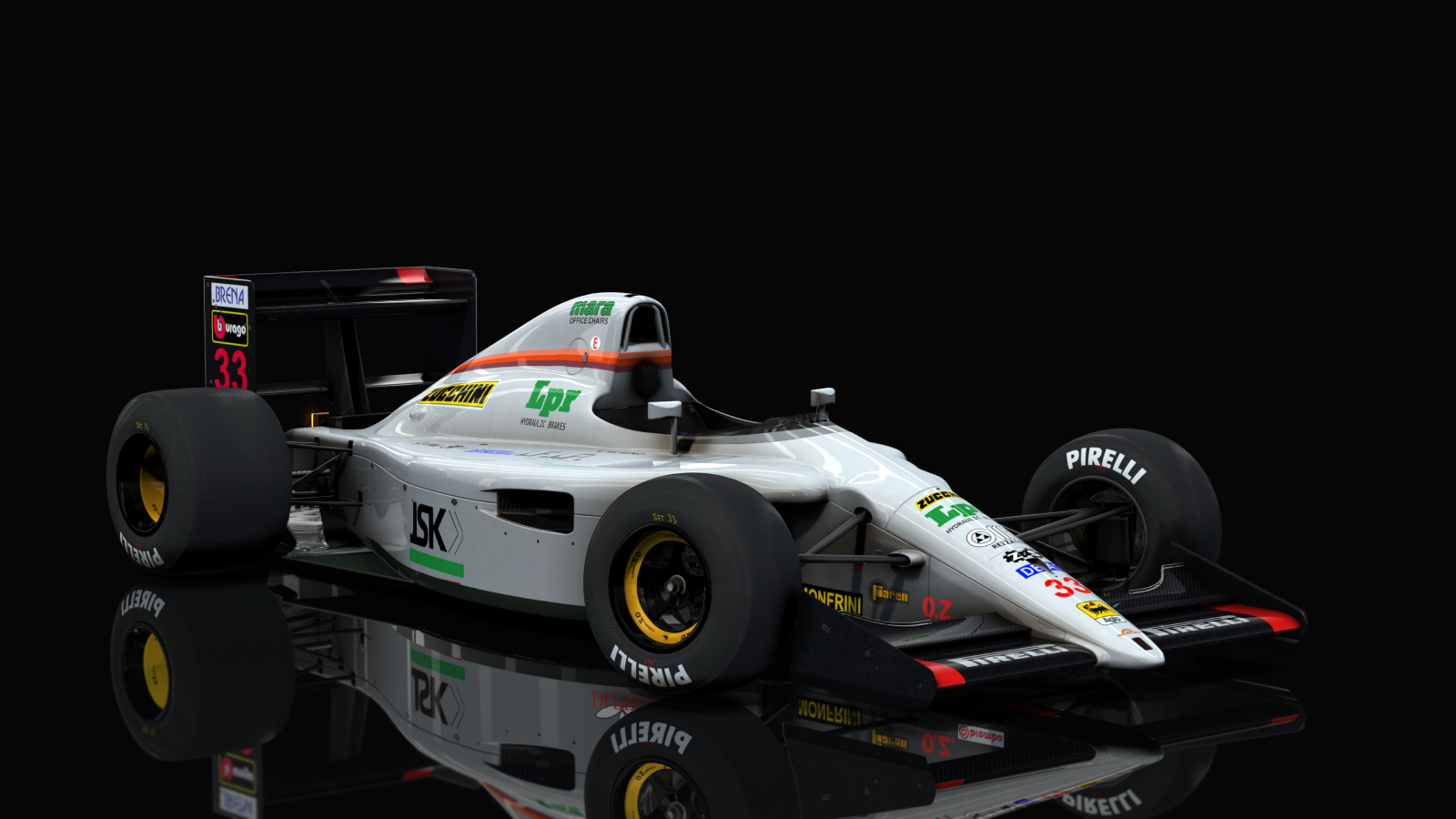
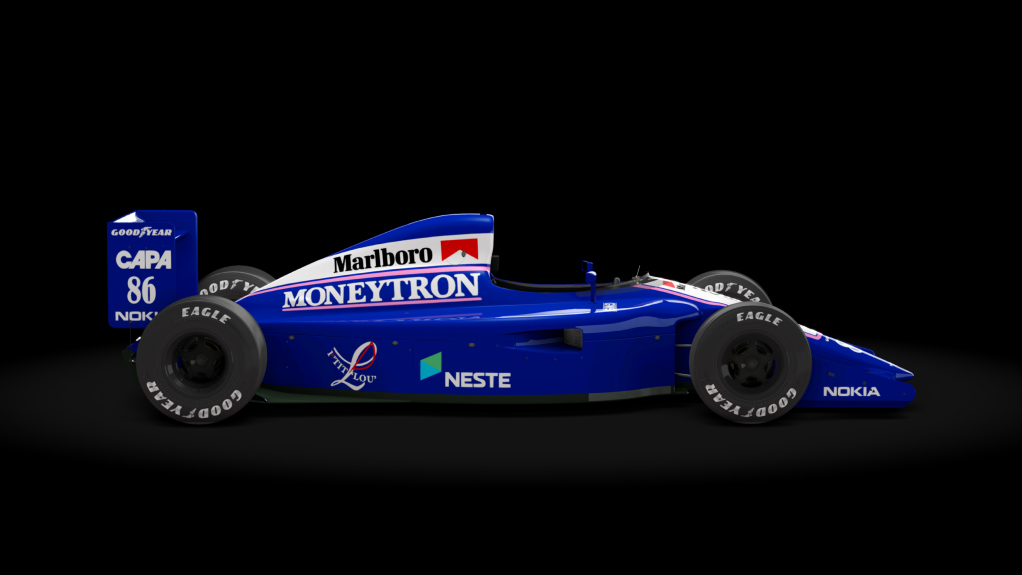
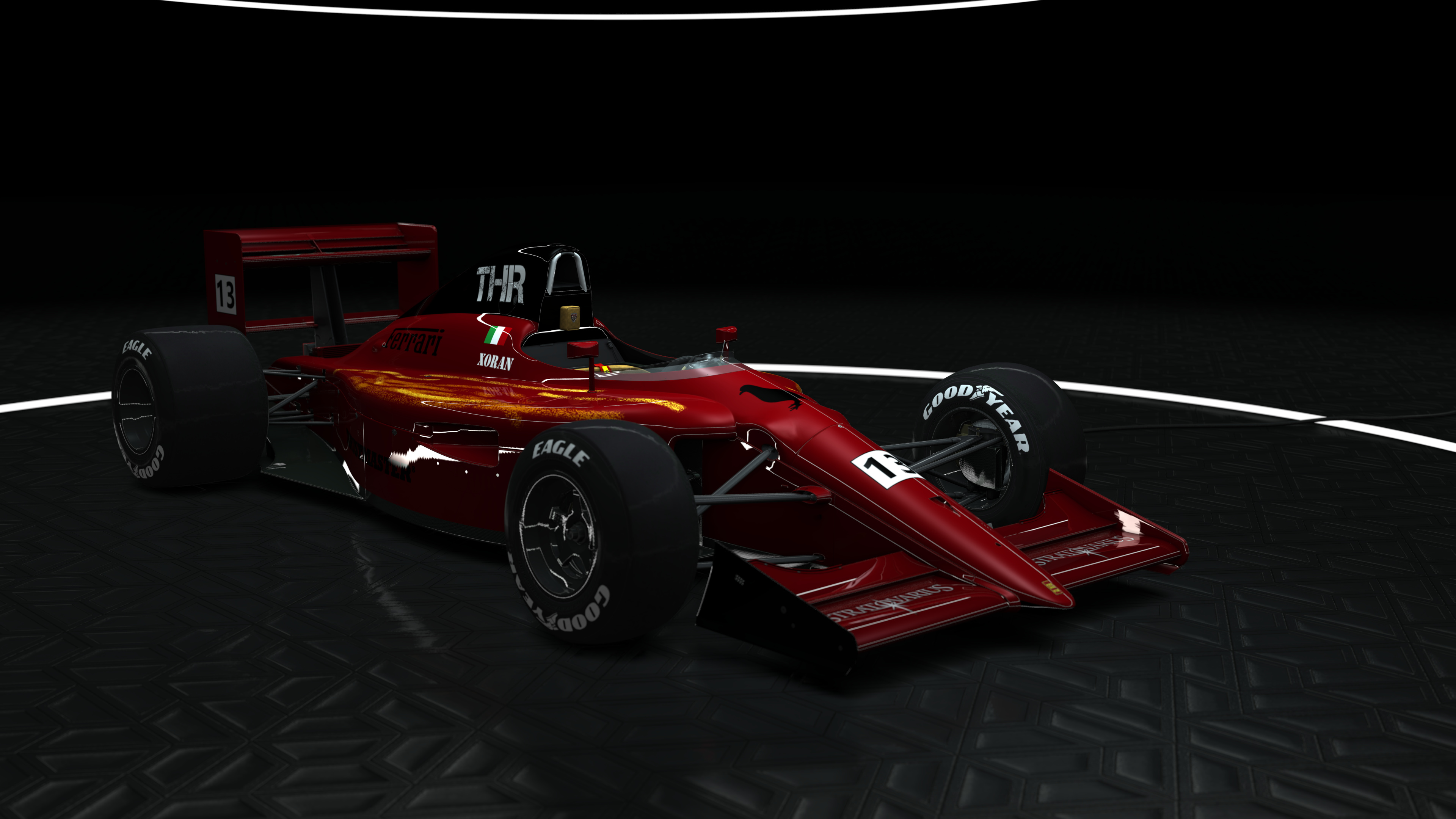
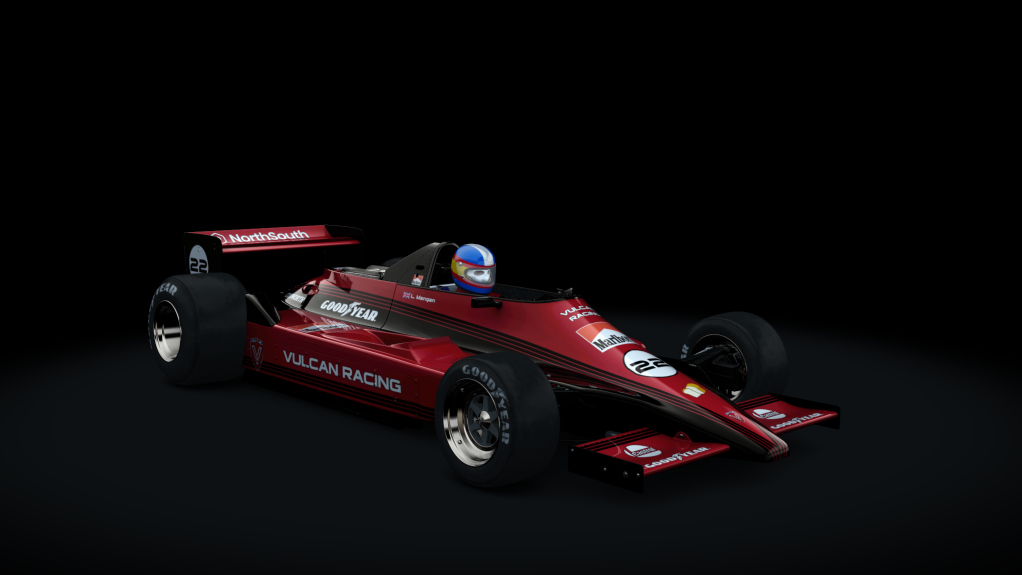
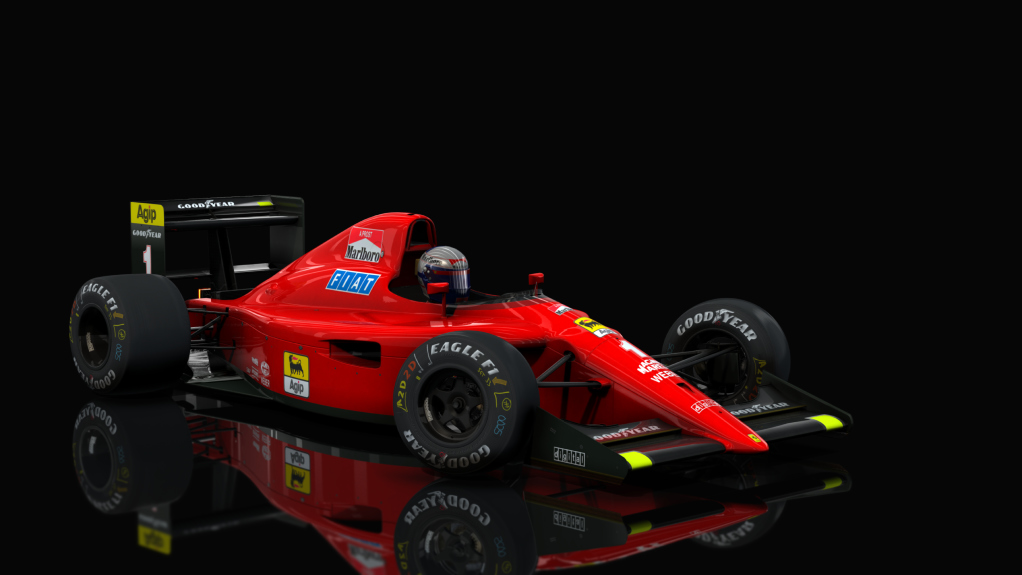
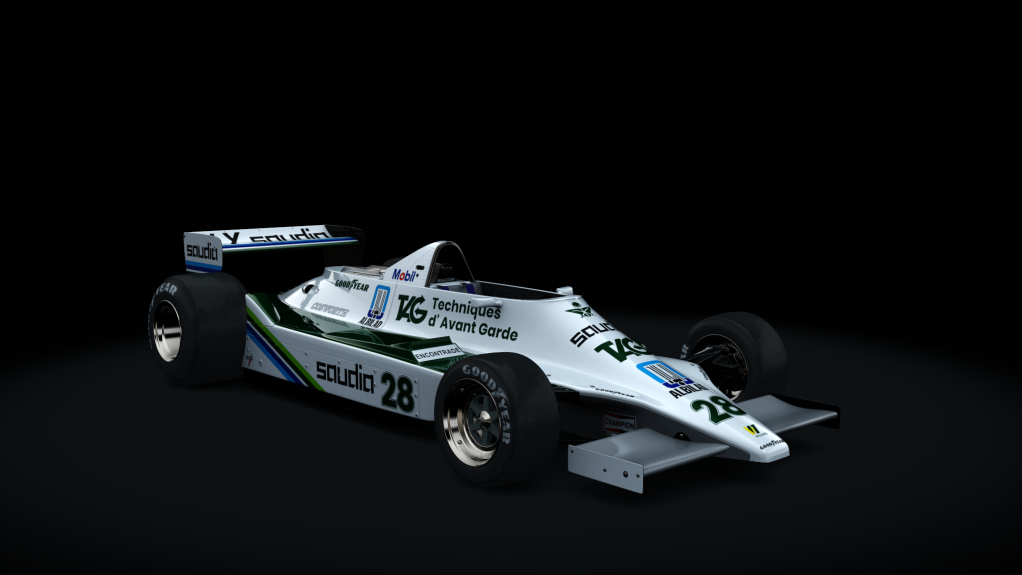
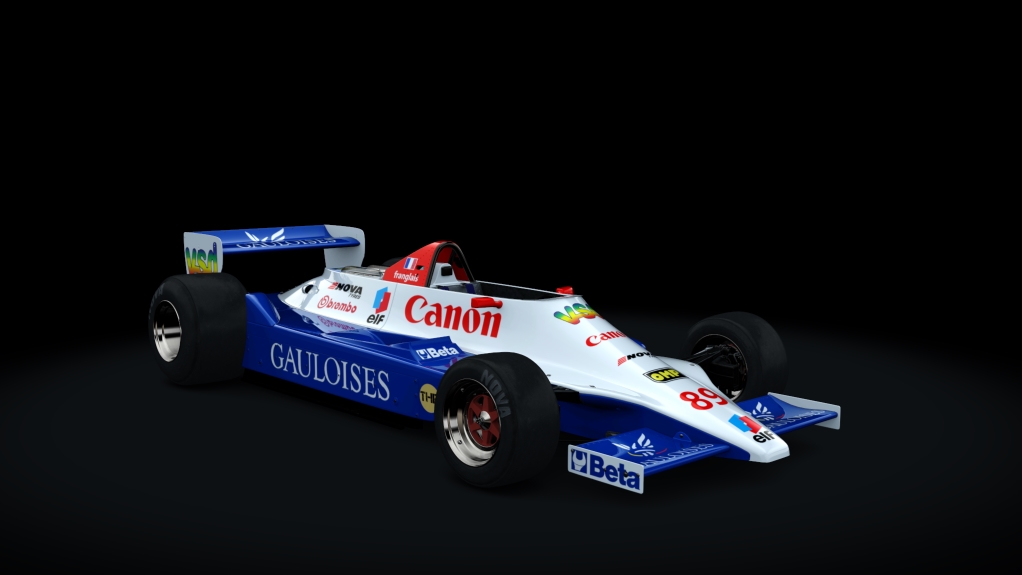
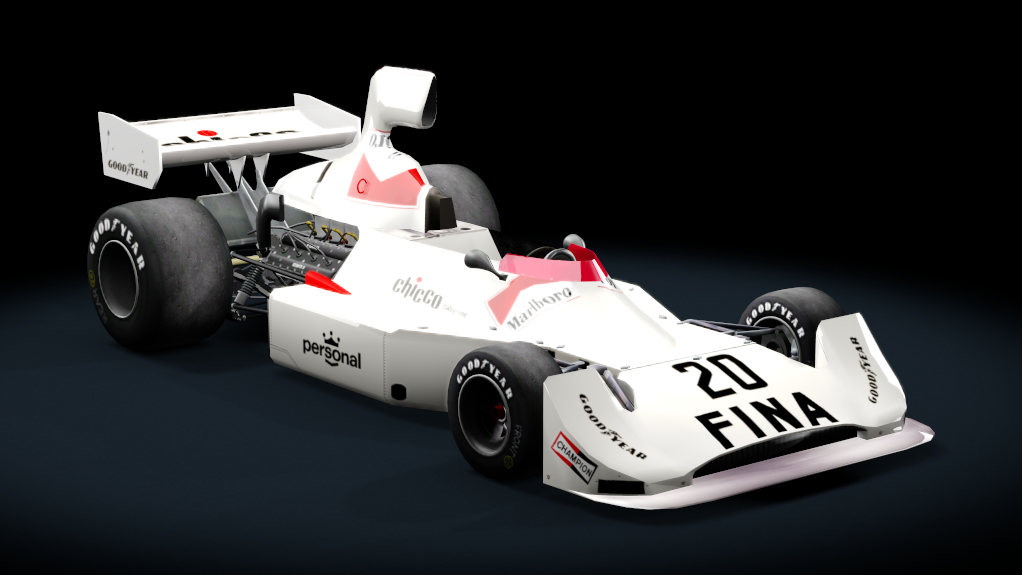
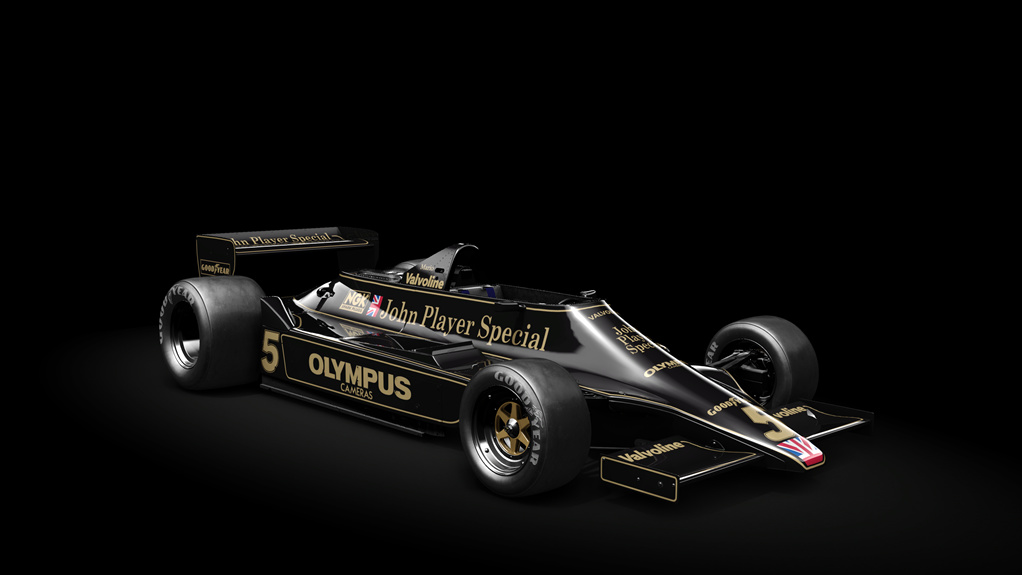
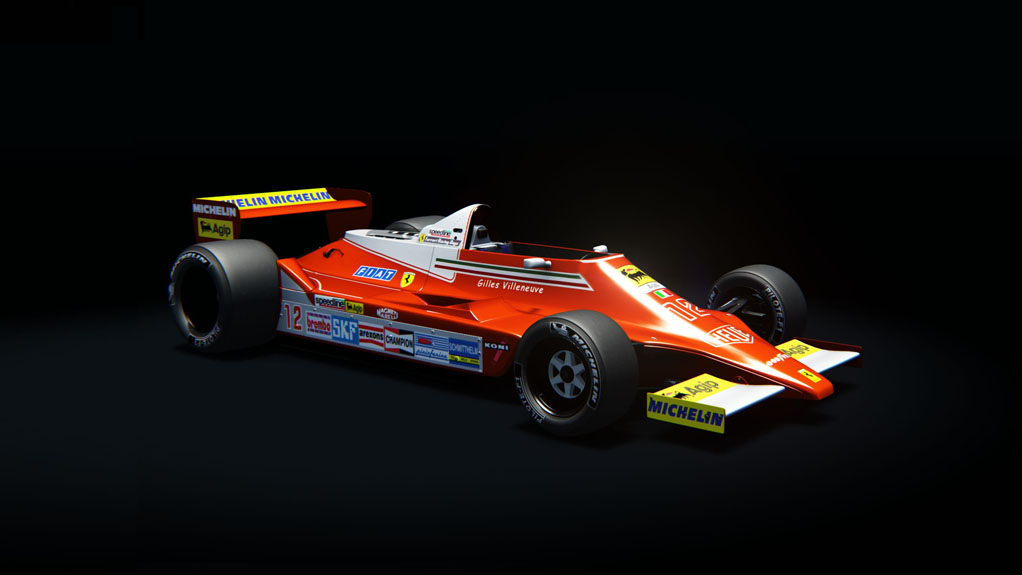
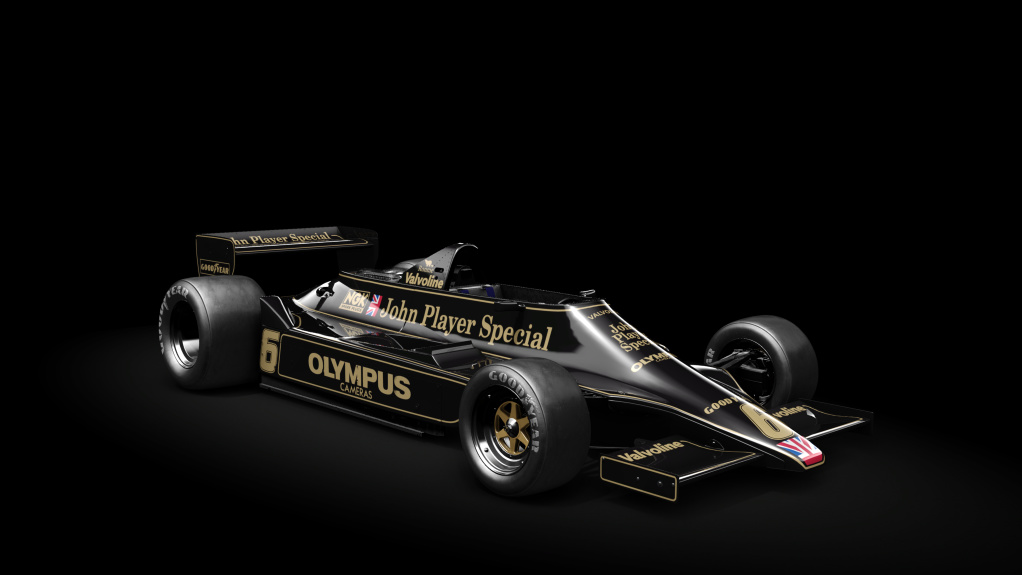
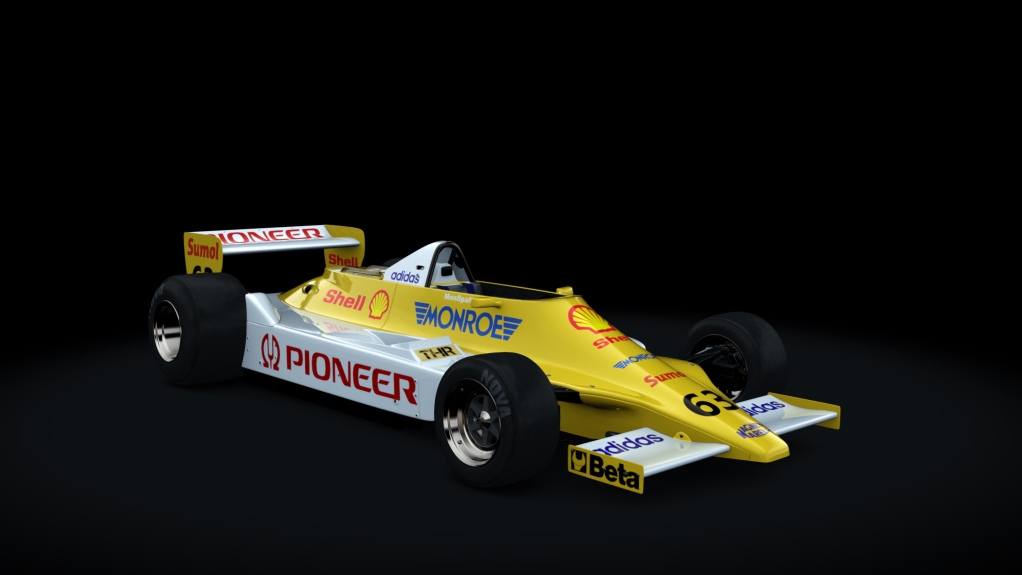
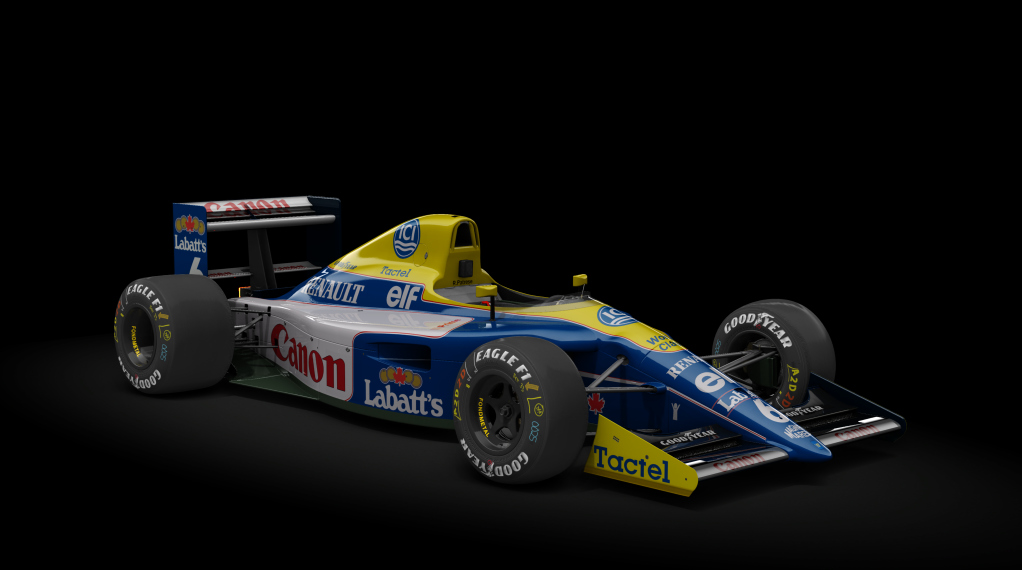
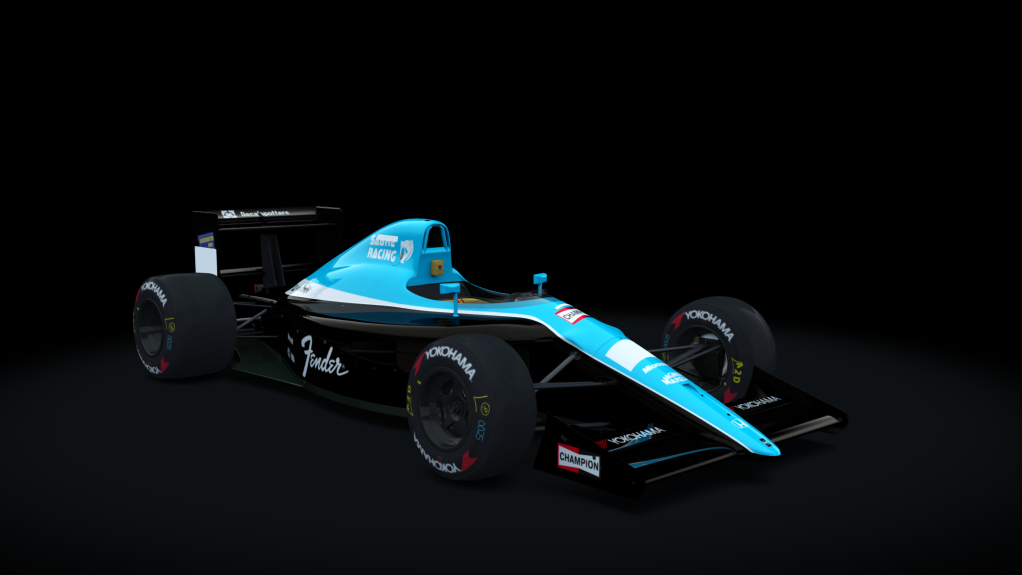
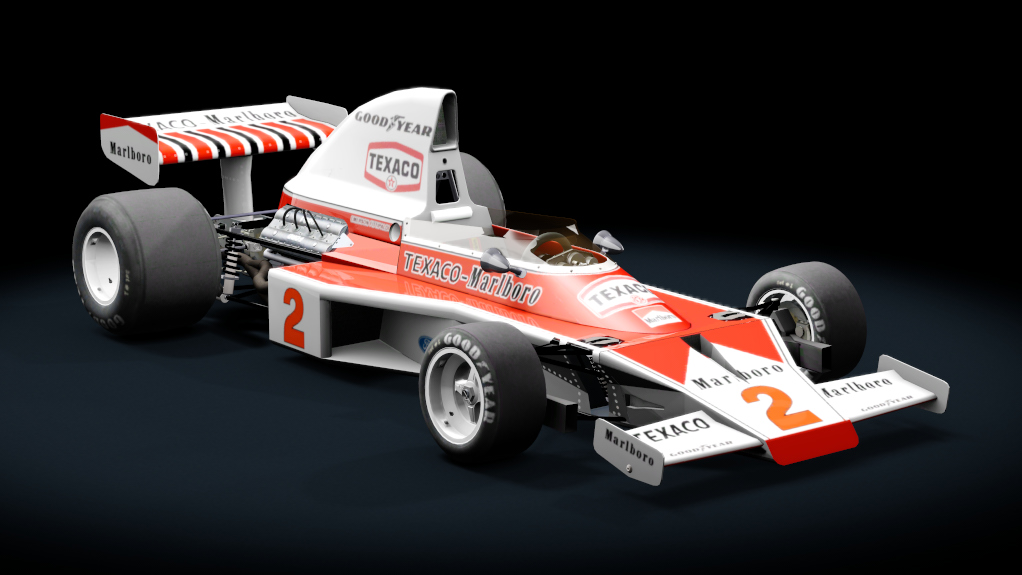
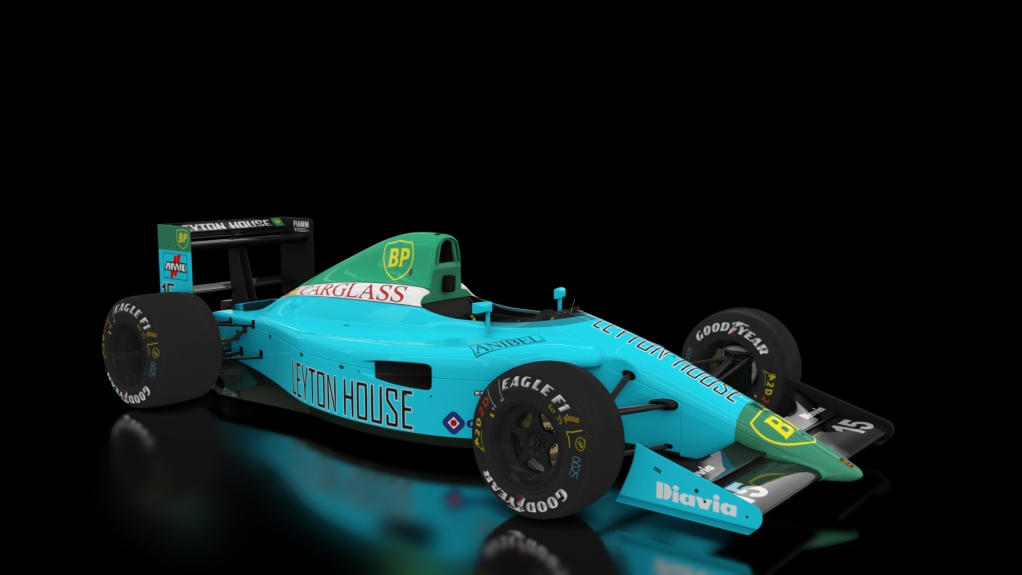
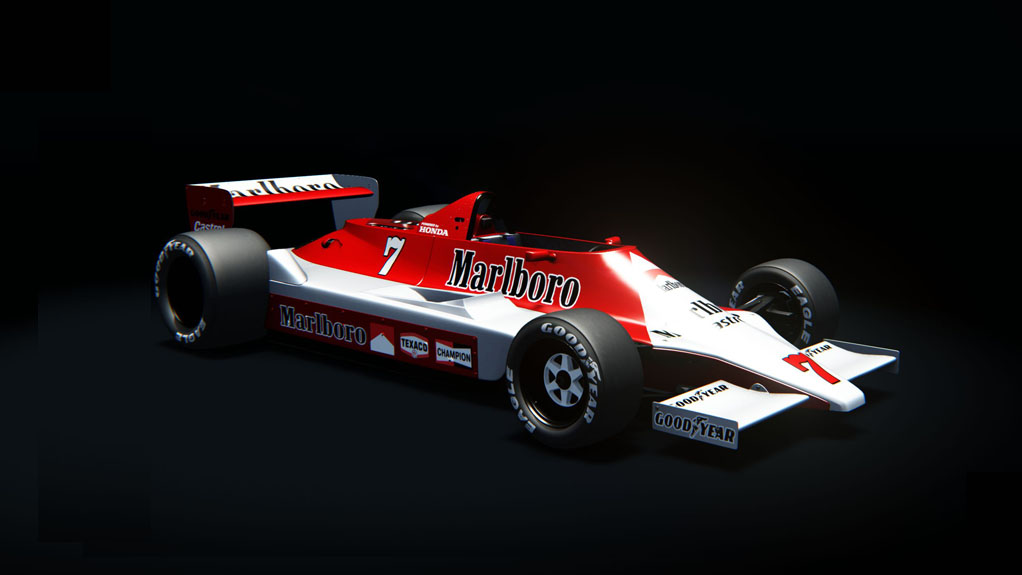
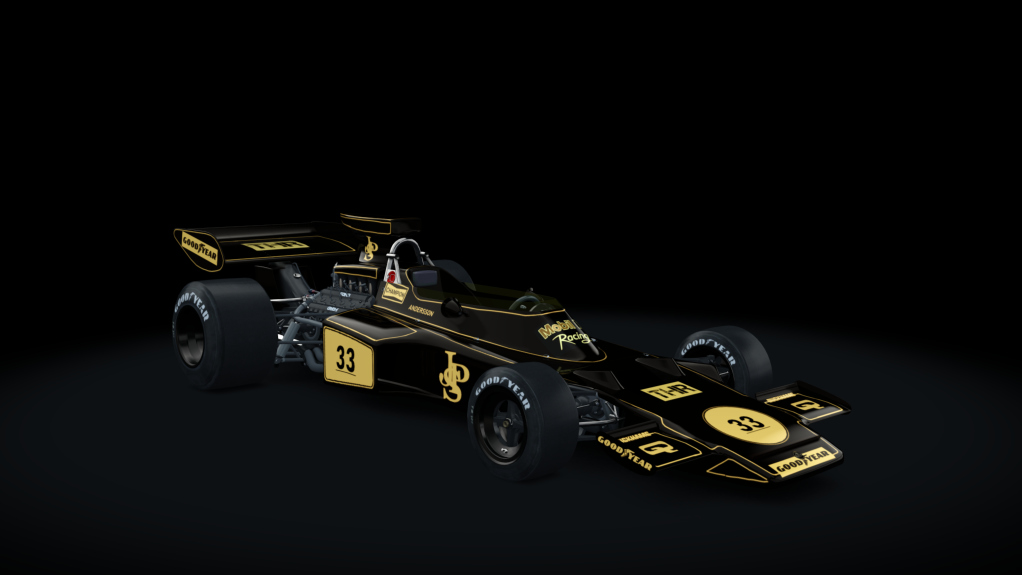
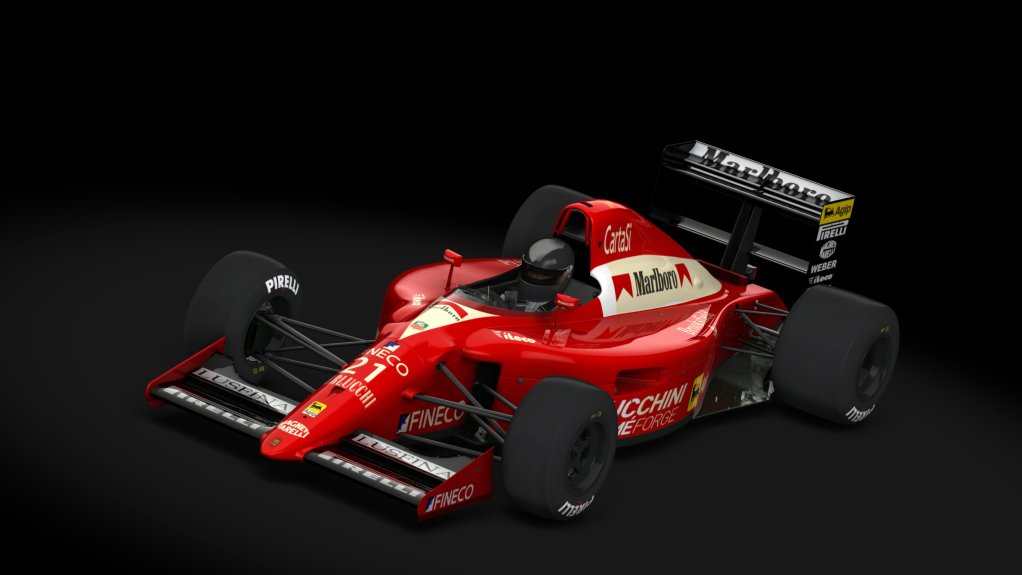
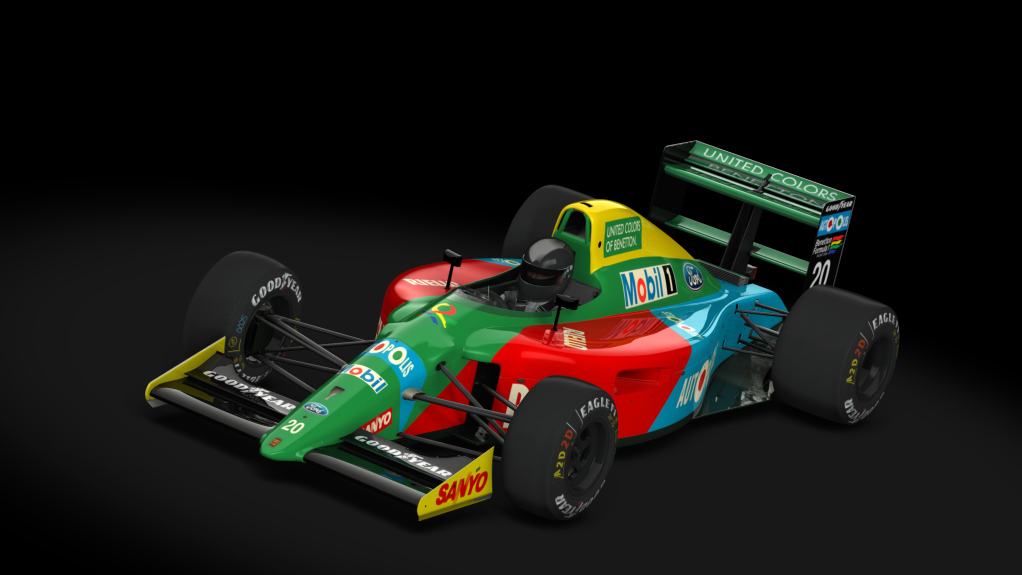
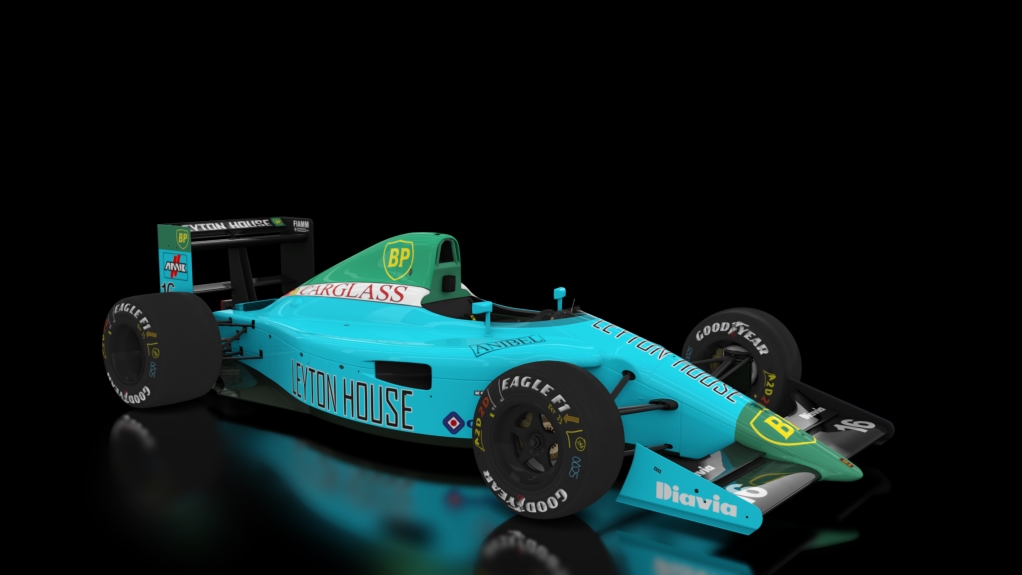
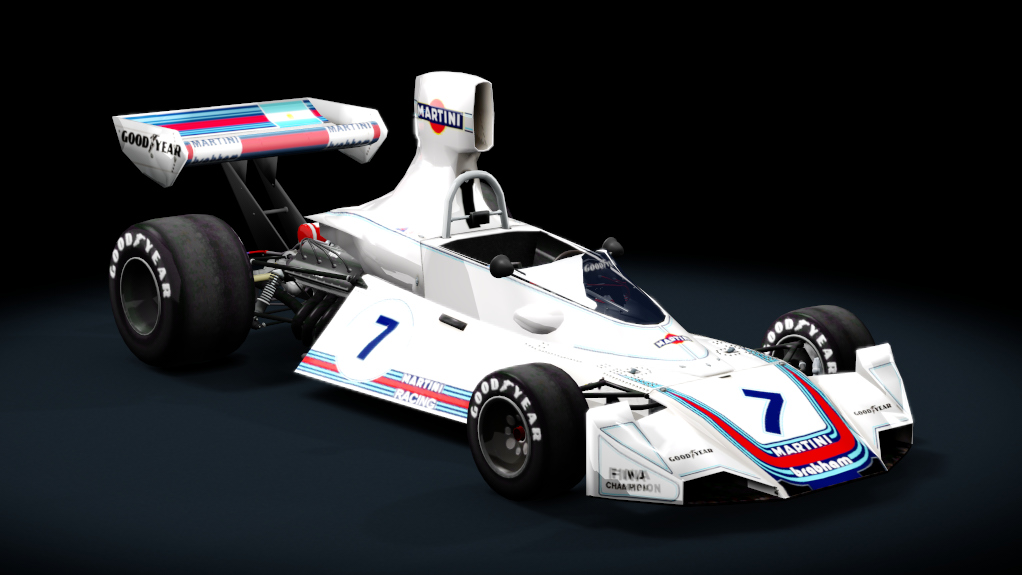
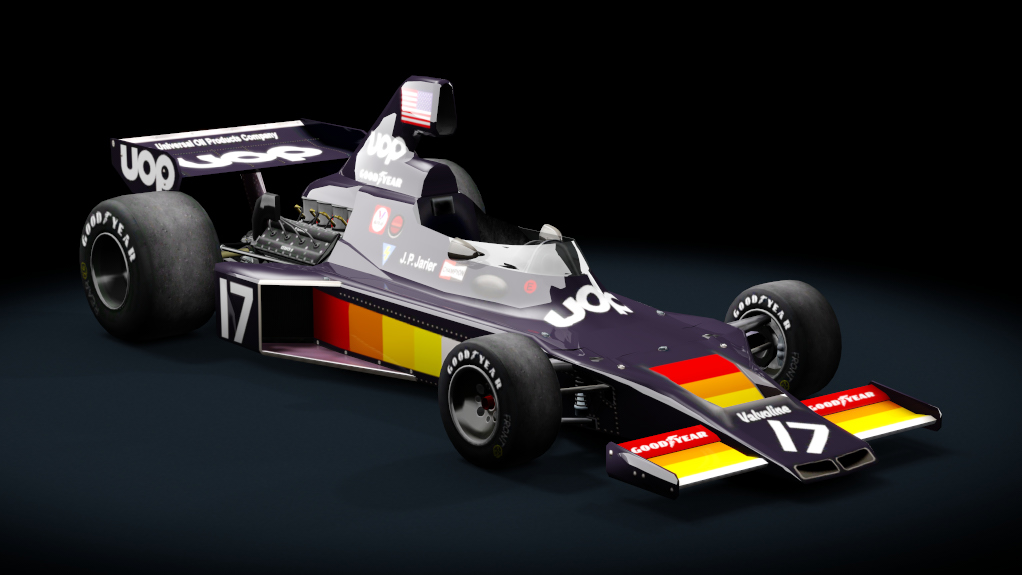
There was no single car in which to settle comfortably for this Championship. The opening meetings offered the variety of Ferrari, Tyrrell, Williams and Hesketh; the middle pair brought the Formula RSS 1979 V8, and the closing races the Formula RSS 1990 V12. Familiarity could therefore be only a temporary advantage. The enduring quality was the driver's ability to carry a standard of performance from one machine to the next.
Maddie Shepherd did this more convincingly than anyone. The completed season yielded four victories and one second place, five top-two results in all. Yet the title was not simply a procession of winning afternoons. margar17 began as the leader and remained a remarkably difficult opponent to dislodge, answering much of Shepherd's winning form with second places. The distinction was that Shepherd repeatedly converted pace into victory, while the challenger increasingly had to be content with limiting the loss.
The scoring gave that contest a particular shape. Each driver's poorest event was discarded, leaving five results to count from the six-round season. This was not a detail to be considered only when the last race was over. It affected the standings as the season developed, sometimes concealing a disappointing afternoon and sometimes restoring an earlier result to the reckoning. The race order and the Championship order consequently told related, but not identical, stories.
Ferrari's opening advantage
Imola established margar17 as the initial reference. Victory in the Ferrari, with pitman finishing second in another Ferrari and Nat Stevenson third in a Williams, gave the opening meeting a clear complexion. Shepherd finished fourth in the Tyrrell P34, but set the fastest lap. There was already a distinction between the speed available and the result secured: the eventual champion had shown the former without yet obtaining the latter.
For margar17, the opening was valuable not merely as a victory but as a result that would remain in the counted score. Pitman's second place also acquired lasting importance. It supplied a substantial foundation for a campaign which would require recovery rather than continue at quite the same level.
The balance changed at Sandevoerde. Shepherd won in the Hesketh, while margar17 finished second. After the discarded results were allowed for, they shared the Championship lead on 39 points. Shepherd's Imola score was omitted at that stage; margar17's second-round score was the one set aside. Thus the Ferrari driver's win and second place did not produce a counted advantage over Shepherd's fourth place and win.
That equality was a useful warning against reading the table without its qualifications. margar17 had made the stronger opening across the two races, but Shepherd had already obtained a victory of equal scoring value. The Championship had moved from an apparent Ferrari advantage to a contest between two drivers whose best result was now the same.
Pitman's position was less comfortable. At Sandevoerde, pitman was classified 12th after completing 42 of the 45 laps. The discarded-score rule kept that result out of the counted total, but it could not make the afternoon a continuation of Imola's promise. Shepherd had found winning form; pitman now had to rebuild.
The middle races establish command
The Oesterreichring and Donington meetings were the decisive middle passage. With the Formula RSS 1979 V8 now in use, Shepherd's advantage survived the change of machinery and became a repeated result rather than an isolated success.
At the Oesterreichring, Shepherd won and set the fastest lap, with margar17 finishing second. This gave Shepherd two successive victories and sole possession of the Championship lead, on 78 counted points against 75. The margin was small, but the direction was significant. margar17 had reached the halfway mark with a win and two second places, three top-two results, yet was now pursuing a driver who had won the last two races.
Donington gave the contest a sharper edge. Shepherd completed the full 60 laps to win again. margar17 was classified fifth after completing 58 laps, while Liam Mangan was classified second and Jack Q third, each after 59 laps. The principal challenger had, for once, been displaced from the immediate pursuit by other drivers.
Even so, the Championship damage was moderated by the scoring. Donington became margar17's discarded event, bringing the earlier Sandevoerde second place back into the counted total. Shepherd left with 117 points and margar17 with 111. Three successive victories had therefore produced a lead of six points, not the broad separation that a glance down the winners' column might have suggested.
This was the central tension of the season. Shepherd was establishing a clear superiority in victories, while margar17's earlier work and regular presence near the front kept the title contest within reach. Donington mattered because it demonstrated both sides at once: the leader's capacity to impose a result, and the challenger's ability to absorb a weaker classification without losing contact in the standings.
Shepherd also set the fastest lap at Donington. Taken with the Oesterreichring performance, this supported the impression that the middle-season victories were built on a genuine pace advantage. The Championship lead was narrow; the sporting initiative was much less evenly divided.
The contest behind the leaders
The supporting struggle was not merely decorative. Mangan and Jack Q intervened at the very meeting where margar17's run near the front faltered, and their performances gave the middle of the season a depth which the title narrative alone would miss.
Jack Q finished third at the Oesterreichring, then was classified third at Donington after completing 59 laps. Those consecutive third-place classifications formed the strongest passage of a season that ultimately brought fourth in the official Championship on 143 points. It was a substantial return from five starts, and sufficient to remain ahead of Rolf Biber in the final order.
Mangan's Donington result was the high point of a shorter campaign. After that meeting, Mangan shared third place in the Championship with pitman, both on 93 points and 24 behind Shepherd. There were no further starts for Mangan, so that promising position could not be developed. Nevertheless, the second-place classification stood as a meaningful interruption of the established order, rather than a minor result on the edge of the title fight.
Pitman's recovery was more sustained. At Donington, pitman was classified fourth after completing 59 laps, and at Suzuka was classified third after completing 36 of the 37 laps. The latter result restored a place among the leading three in a race for the first time since Imola. It also strengthened a Championship campaign which, after the opening promise and the Sandevoerde setback, had become a matter of gathering useful results without matching Shepherd's winning pace.
Biber's late form deserves notice for a different reason. At Suzuka, Biber was classified fourth after completing 36 laps; at Gilles Villeneuve, fifth after 45 of the 46 laps. Those results helped secure fifth in the official Championship with 141 points, close behind Jack Q. Biber's contribution to the upper order was built without a podium classification, a quieter contrast to the more conspicuous achievements ahead.
The last change of machinery
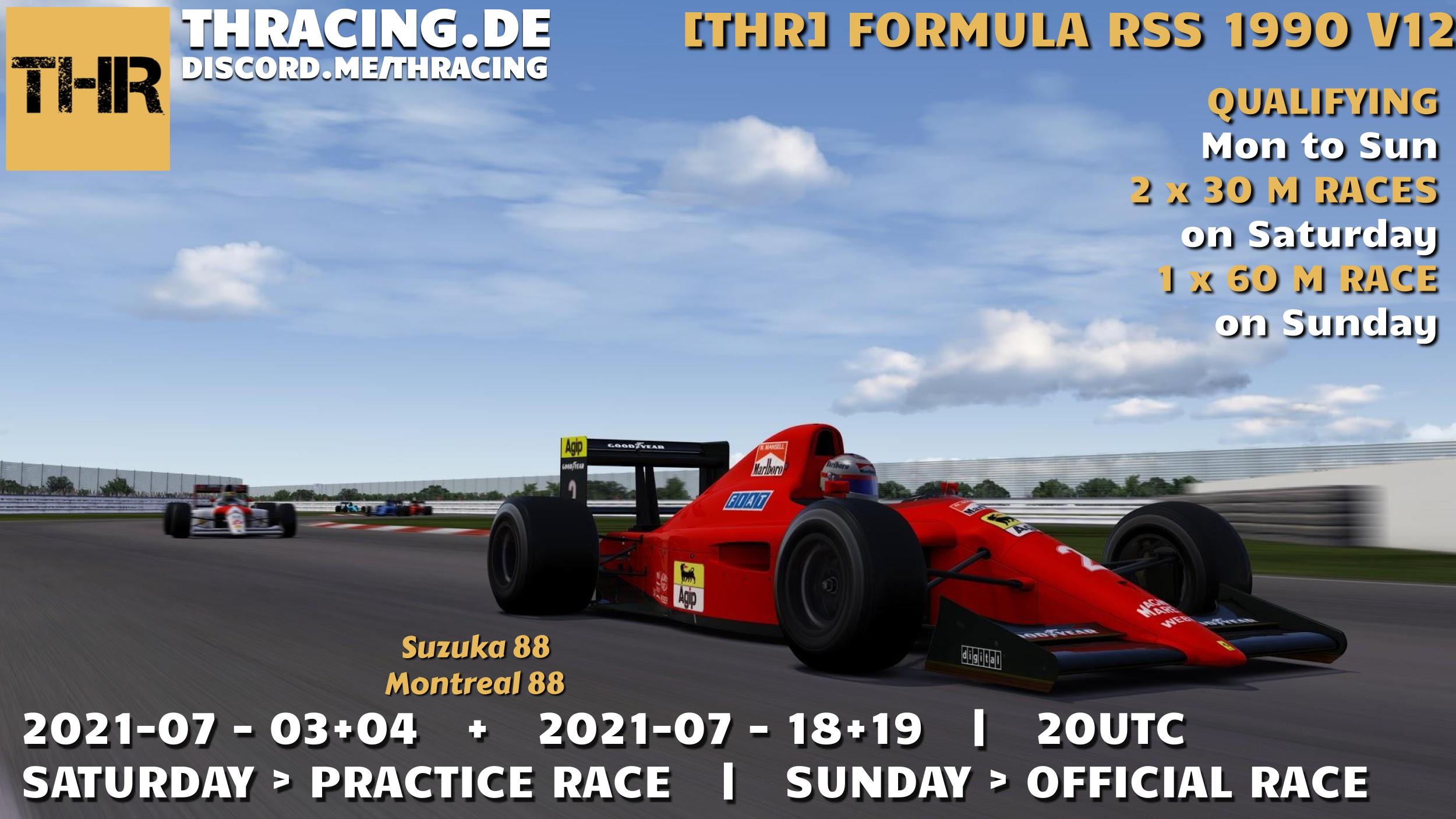
Suzuka provided the final test of whether Shepherd's form belonged chiefly to the middle-season car. The answer was plain. In the Formula RSS 1990 V12, Shepherd won again and set the fastest lap, while margar17 finished second. The machinery had changed; the leading order had not.
After Suzuka, Shepherd had four consecutive victories and led the Championship with 156 counted points. margar17, on 147, was nine points behind. Both had accumulated four top-two results by then, but their composition explained the difference in authority: Shepherd's were four wins, margar17's one win and three second places. The challenger had maintained an excellent standard, but had not found a repeated answer to Shepherd's victories.
The final meeting at Gilles Villeneuve supplied a fresh winner rather than a reversal of that relationship. Sam Carpenter won on a single Championship appearance, with Shepherd finishing second and Fred Bawden third. Bawden also set the fastest lap. It was a notable closing contribution from two drivers whose seasons consisted of this meeting, and it prevented Shepherd's winning sequence from extending to the finish of the calendar.
For the title, however, Shepherd remained ahead of the principal rival in the race classification. margar17 was classified fourth. The leader's sequence of victories ended, but the underlying advantage was preserved by another result near the front.
The official final Championship awarded Shepherd 190 points, margar17 177 and pitman 153. Shepherd's discarded result was Imola; margar17's was Donington; pitman's was Sandevoerde. The rule removed a different weak point from each campaign, but the remaining shape of the contest was clear. Shepherd had assembled the stronger body of leading results, margar17 had sustained the closest challenge, and pitman's recovery had secured third overall.
The distinction of Maddie Shepherd's title lay in continuity through change. An opening fourth place gave way to winning form through successive changes of car, before a second place in the final race completed a season of exceptional strength near the front. Runner-up margar17 made that superiority work for its reward, with pitman completing the Championship podium in third. Shepherd repeatedly found the result the closest rival could not quite match.