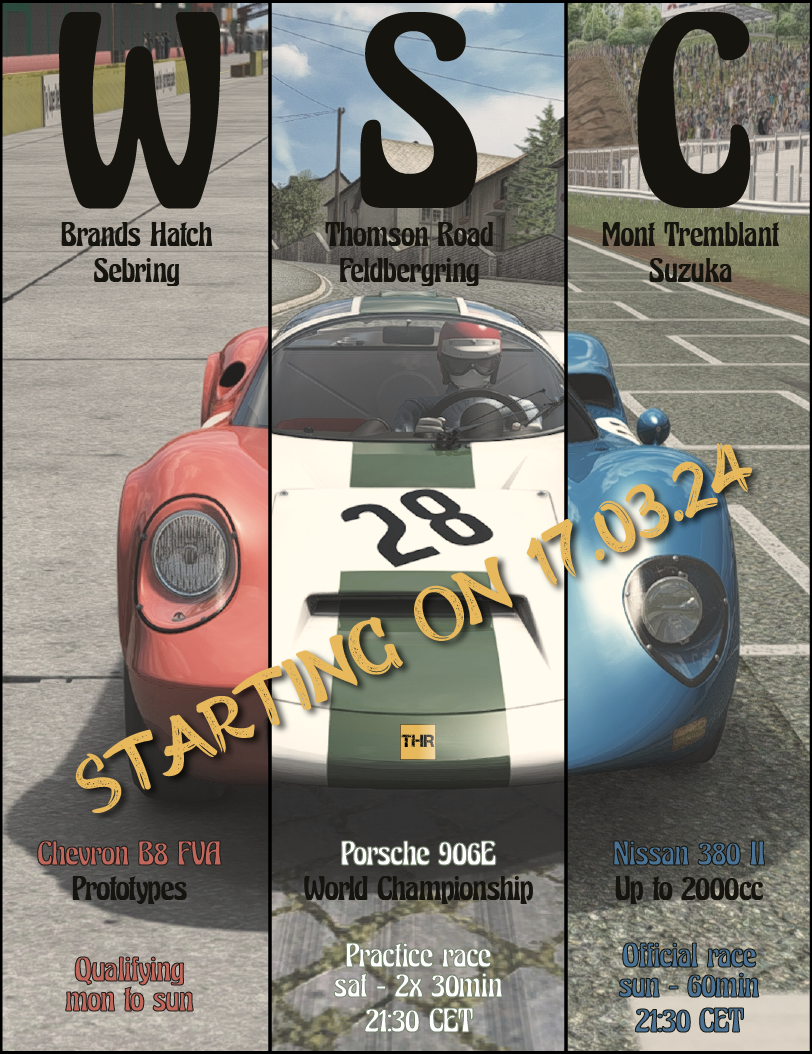
Knechtel Prevails by Two Points
Valentin Knechtel took the WSCP2 - Top Cup through sustained scoring and a timely final flourish. FMG carried the lead into Suzuka, while Felix789 brought Porsche into the reckoning, in a Championship whose race winners and principal title rivals were not always the same men.
An opening without a settled order
Six rounds proved sufficient to give this Championship several distinct characters. Chevron set the early standard, Nissan took command of the middle races, and Porsche supplied the final winner. Beneath those changes ran a closer argument about the value of a victory, the accumulation of useful places and the influence of a discarded score. Knechtel eventually reconciled those demands better than his opponents, but nothing in the opening phase suggested that the title would settle comfortably into his keeping.
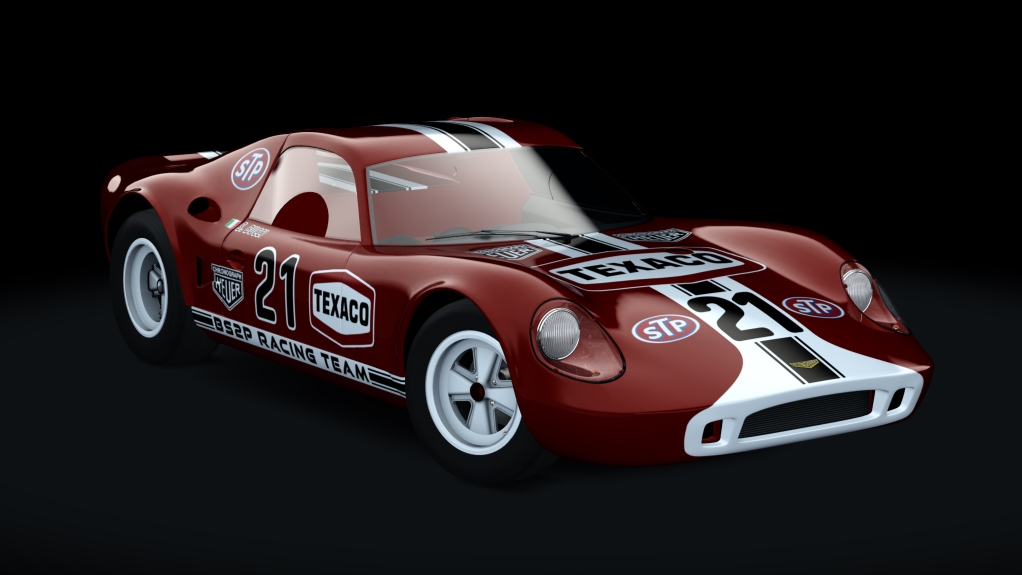
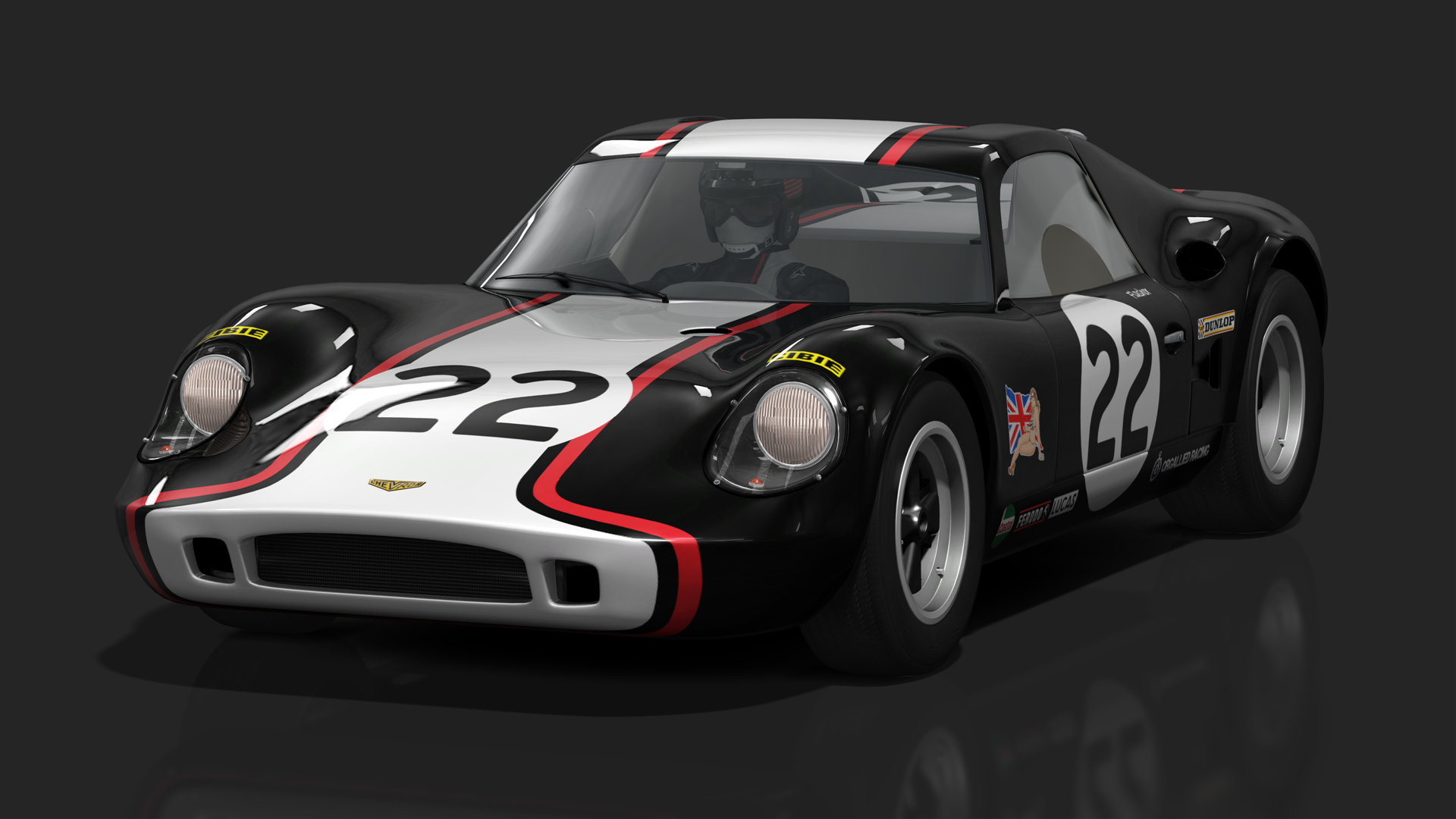
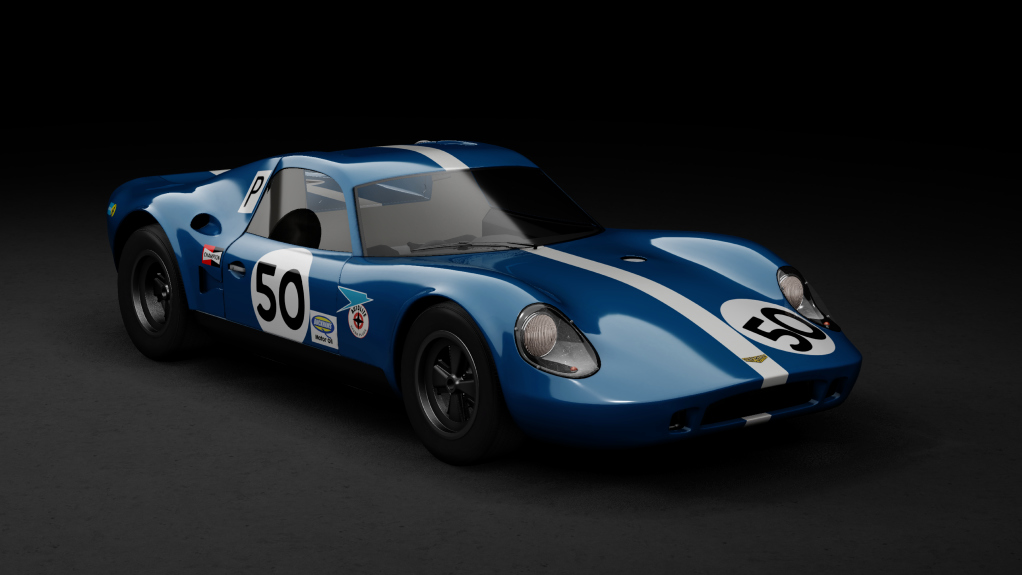
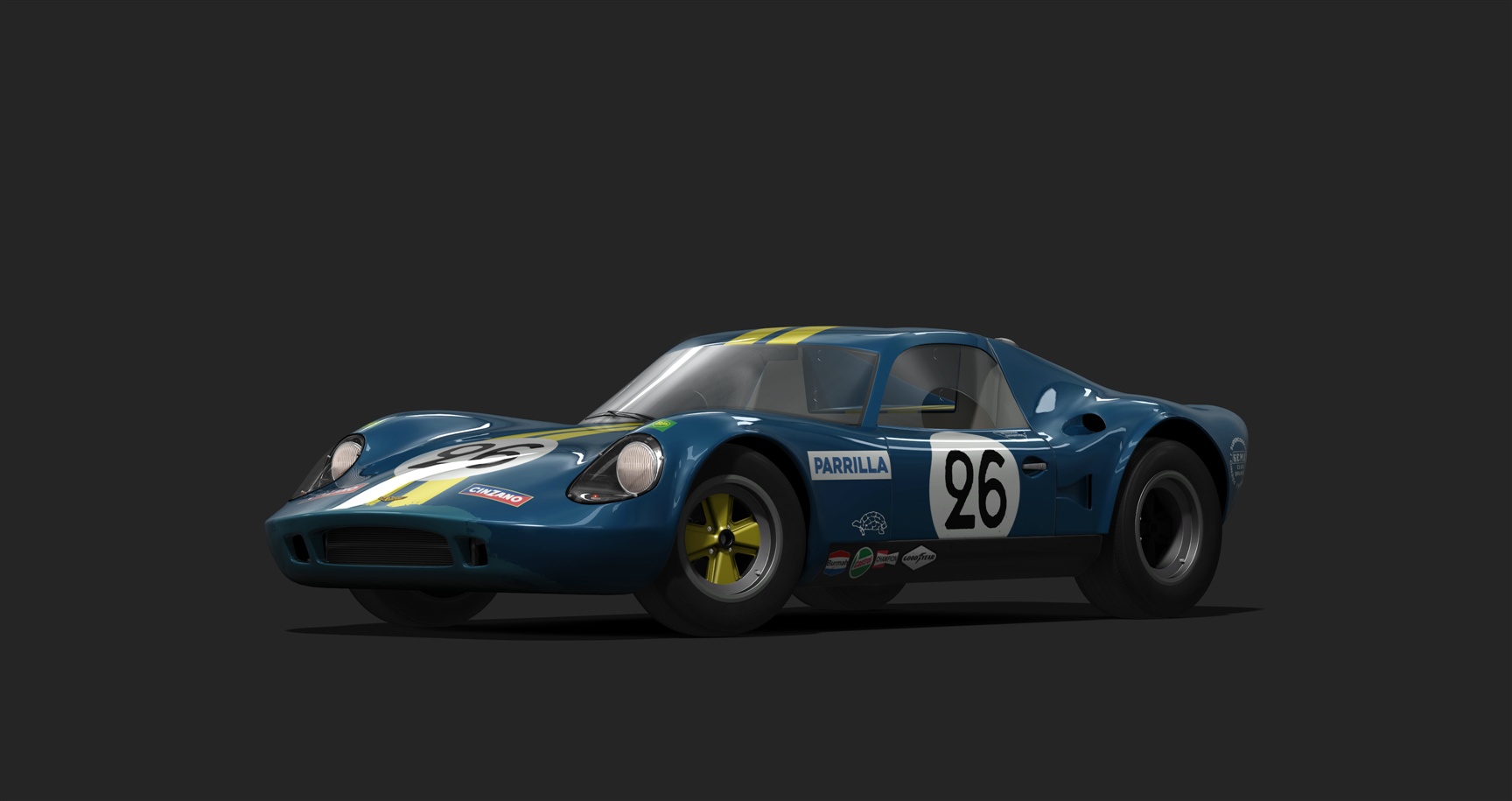
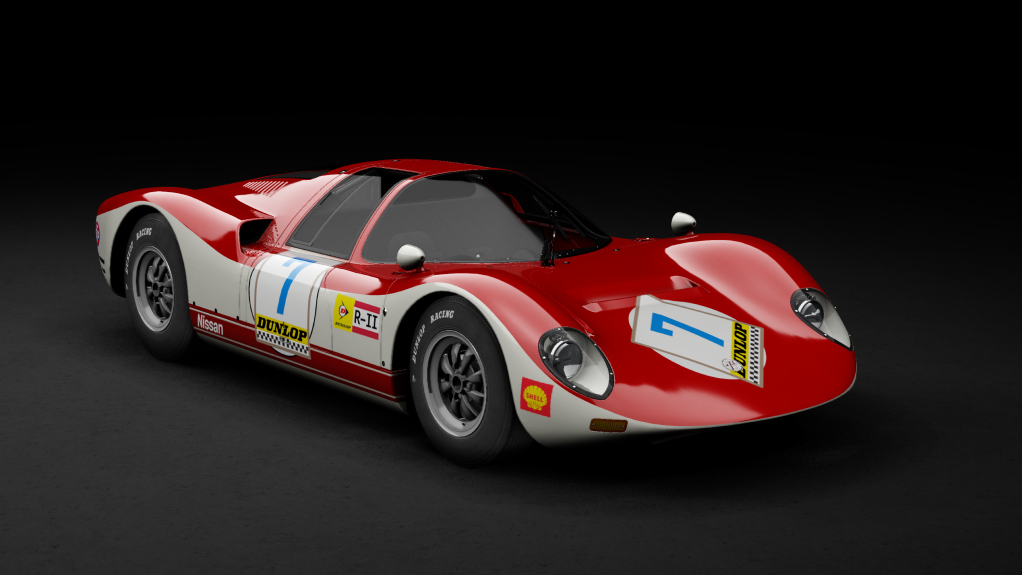
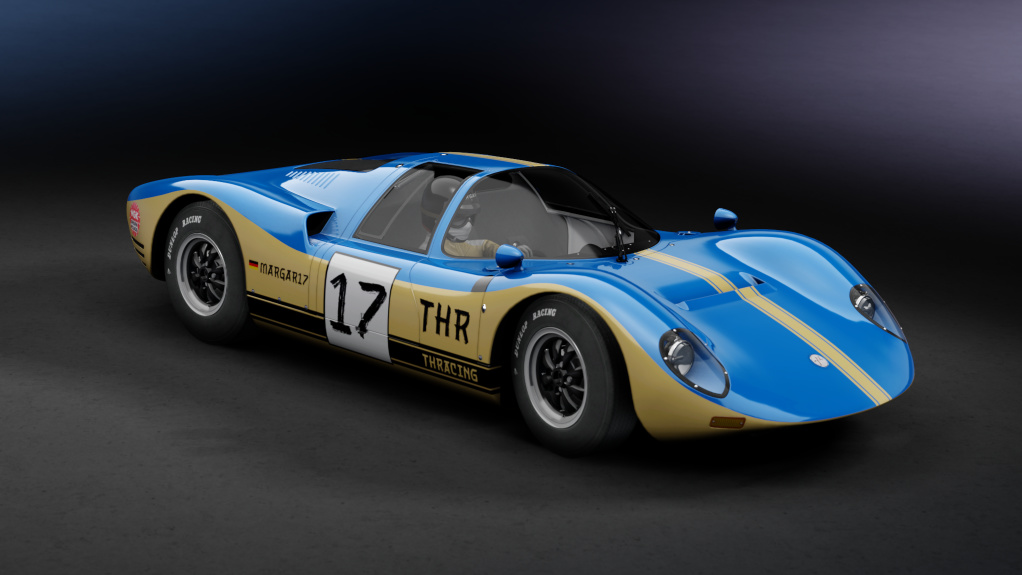
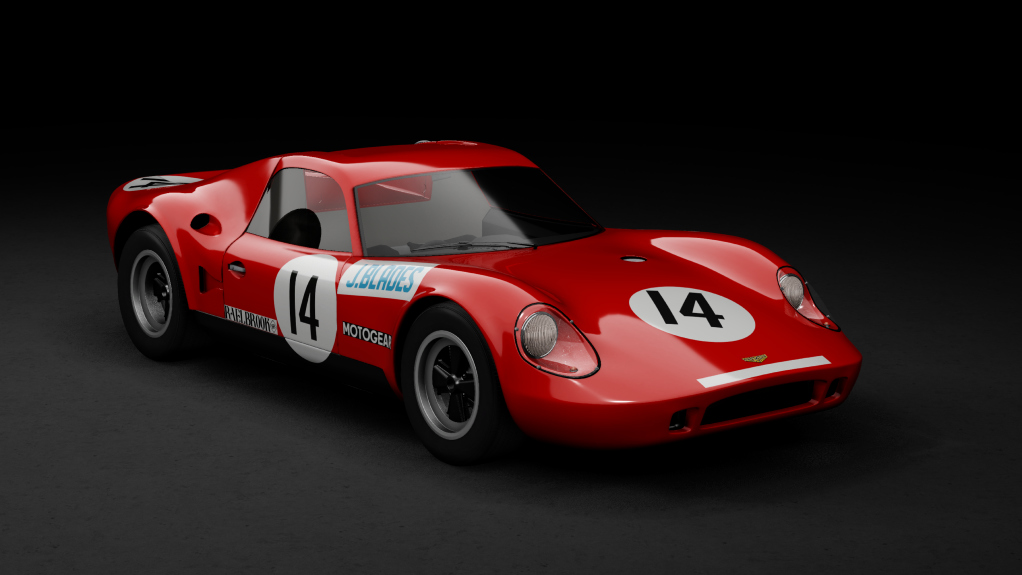
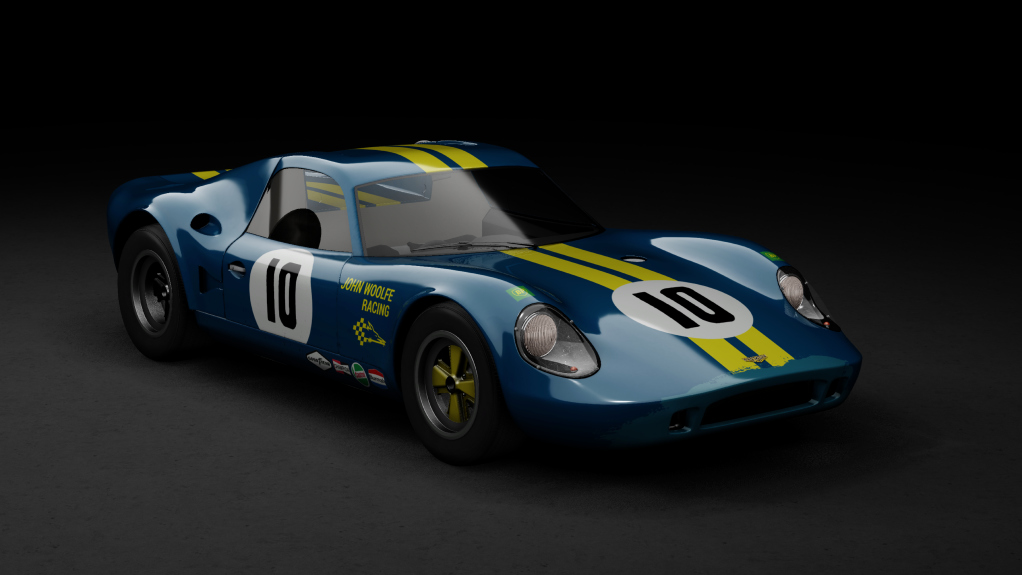
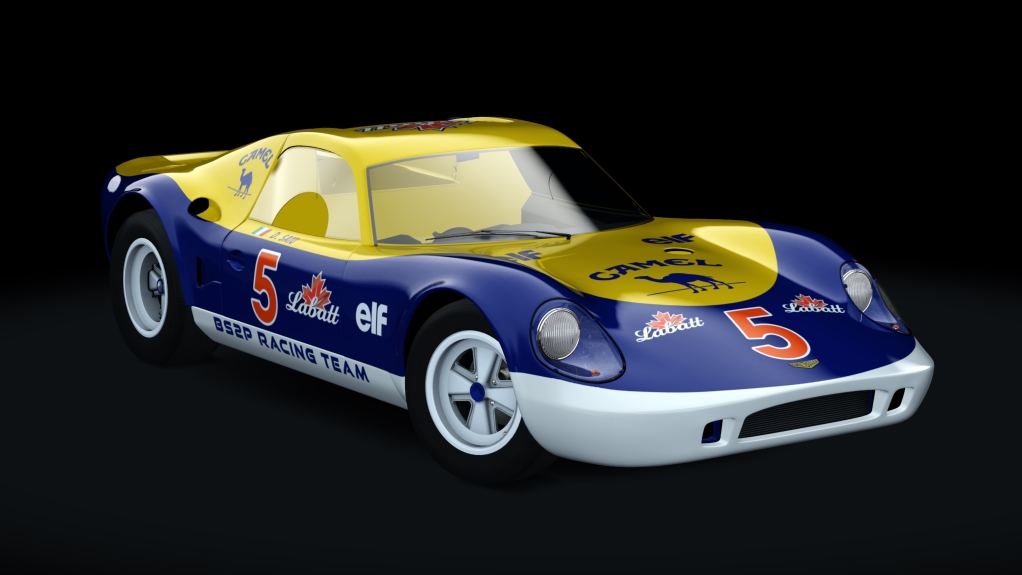
Adam Keefe began with victory in a Chevron B8 FVA at Brands Hatch, ahead of Parrilla in another Chevron, with FMG third in the Nissan R380 II. Keefe led throughout the race, establishing a convincing benchmark rather than merely collecting the opening points. Knechtel finished fourth and recorded fastest lap: an indication of speed, certainly, but not yet the result around which a Championship could be built.
Sebring supplied that result. Knechtel won, again with every lap led, while Nick Wu took second and Parrilla third to complete a Chevron sweep of the podium. The marque had won both opening races, though with different drivers. Knechtel now shared the Championship lead with Keefe on 40 counted points, his Brands Hatch score being the one set aside at that stage.
The early table required some care in the reading. One poorest event was discarded for each driver, leaving five results to count over the completed season. Thus a strong opening appearance could retain considerable influence while regular competitors were already surrendering a useful score. Keefe made no further starts, and Parrilla's programme ended after Sebring. Their early authority was genuine, but the lasting contest would be conducted by those who continued.
Campbell changes the terms
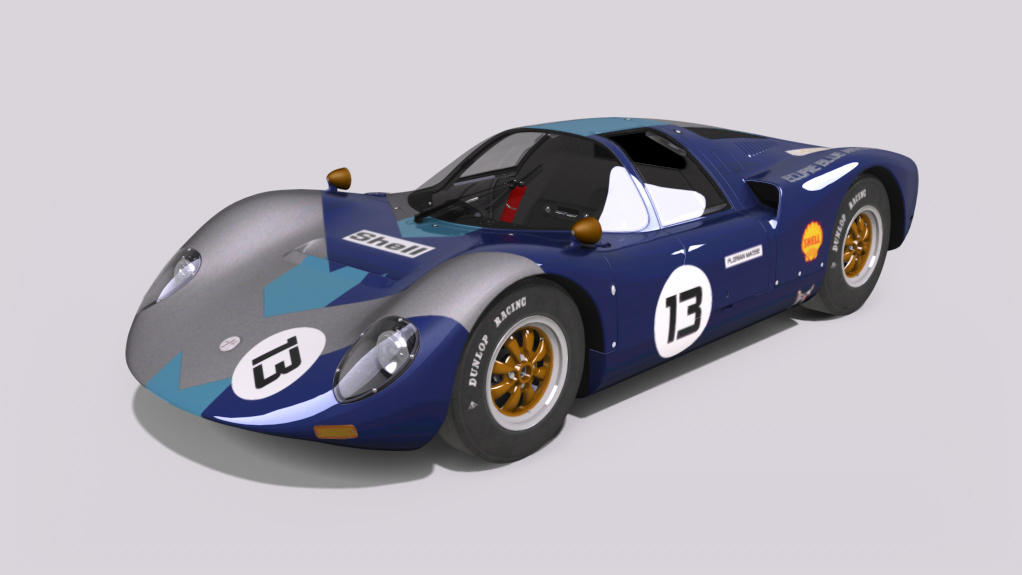
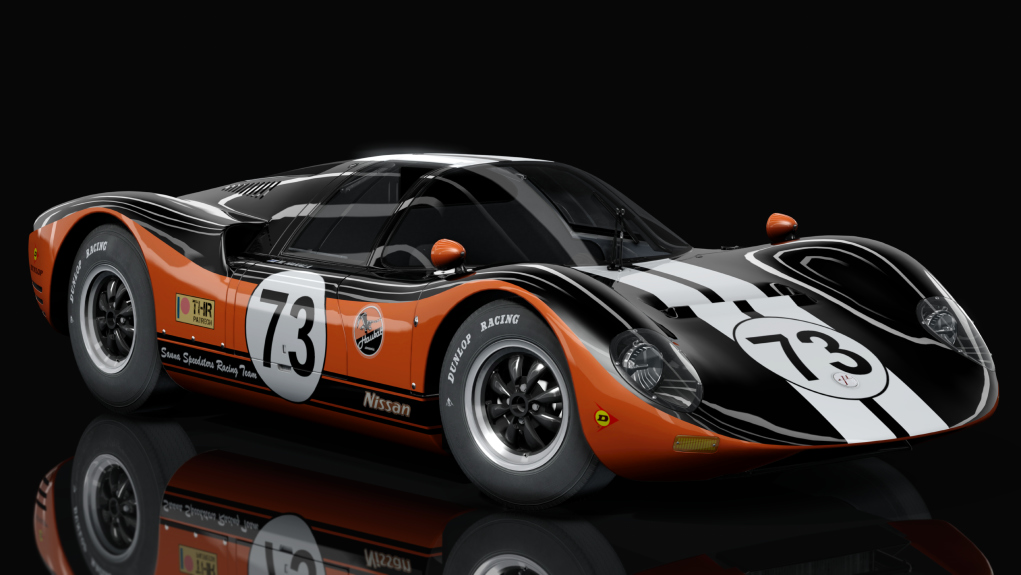
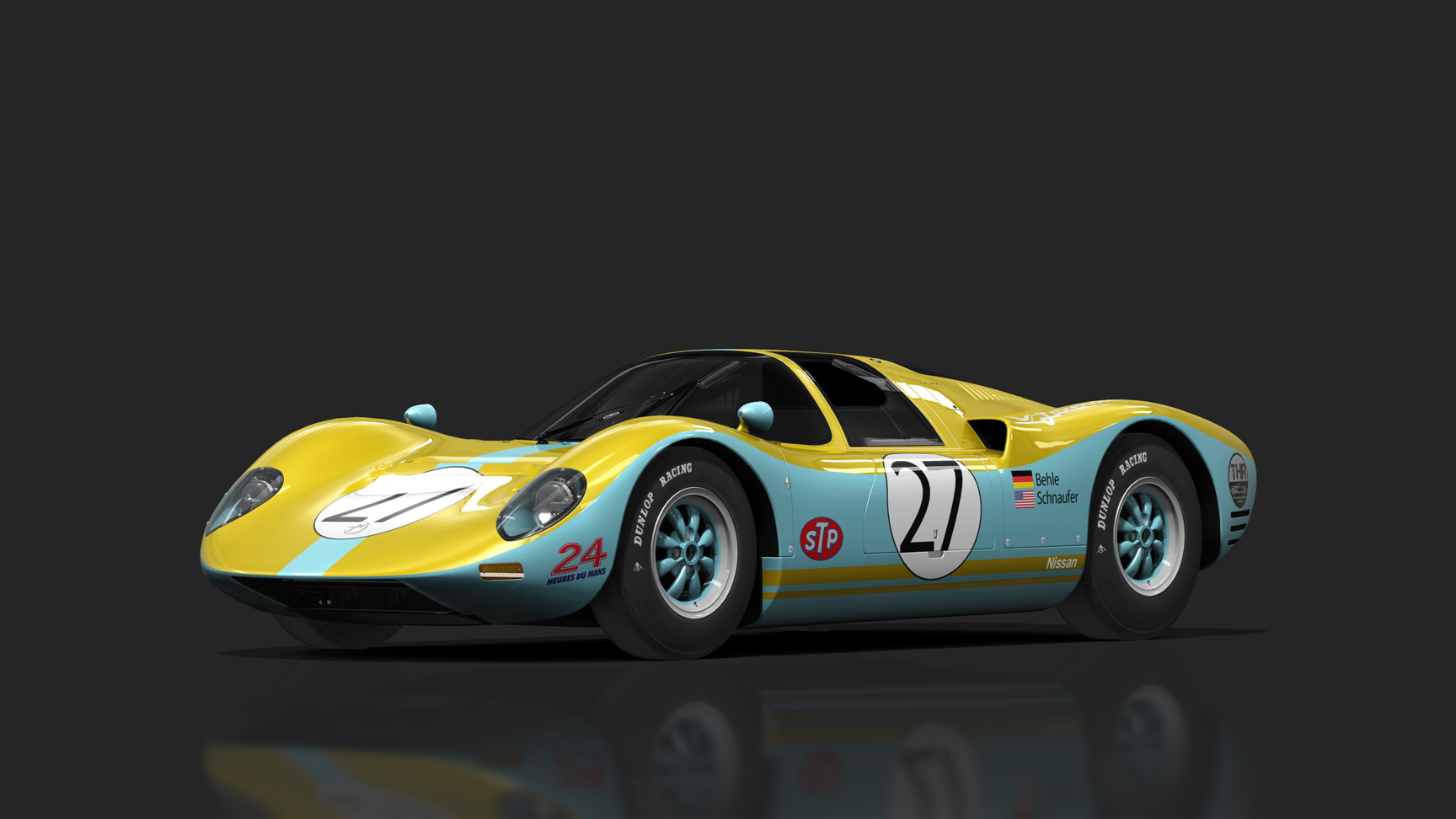
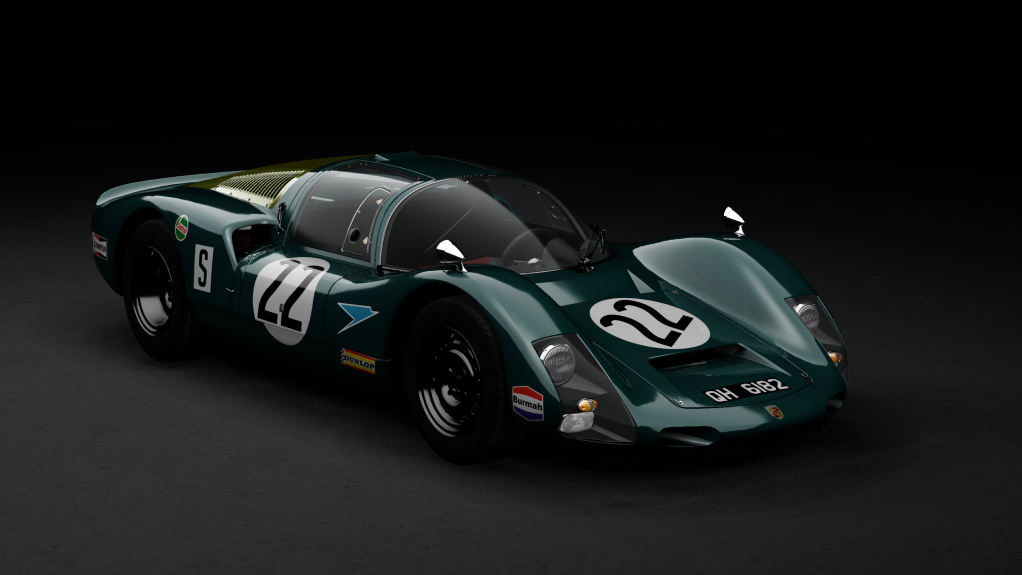
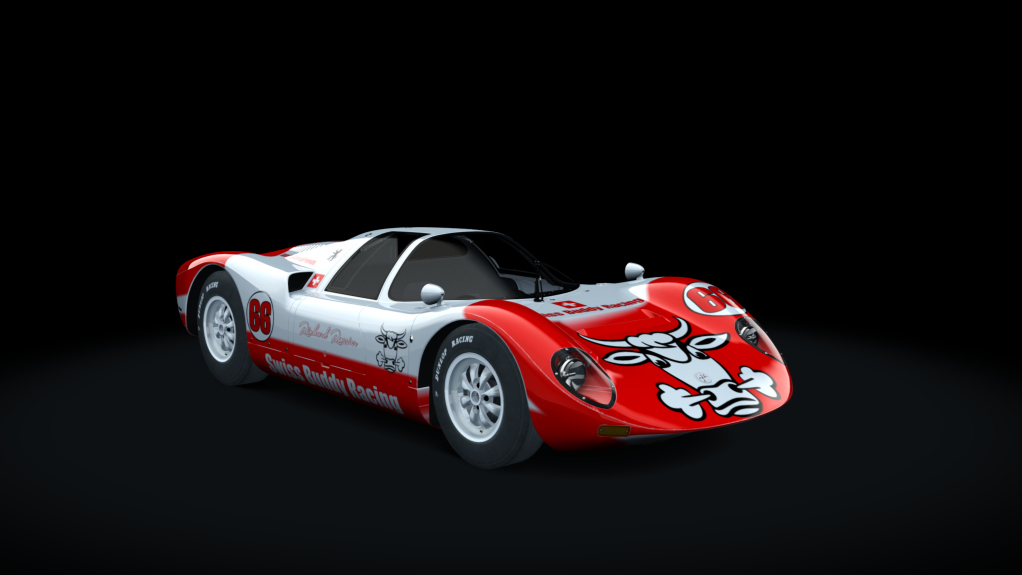
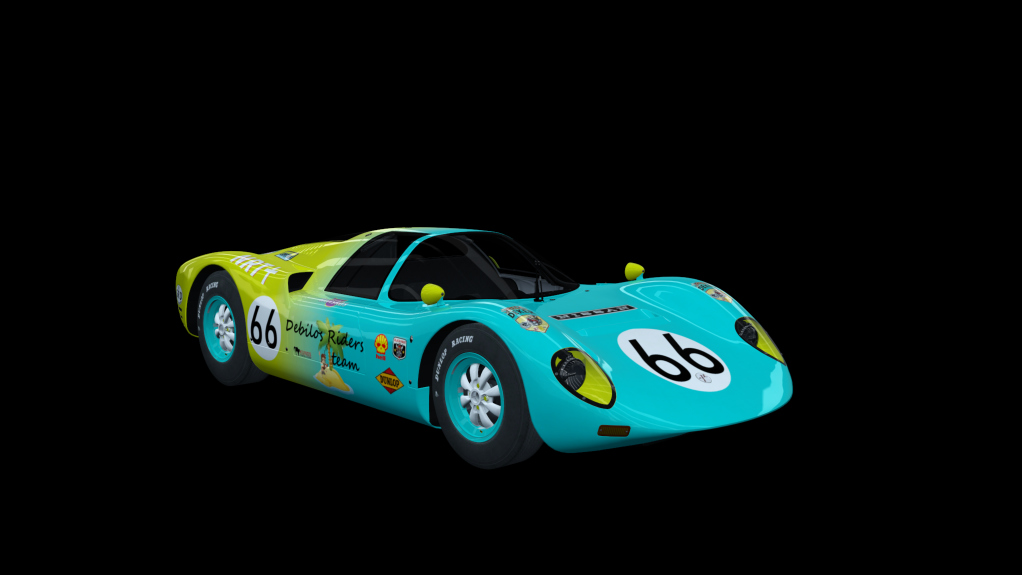
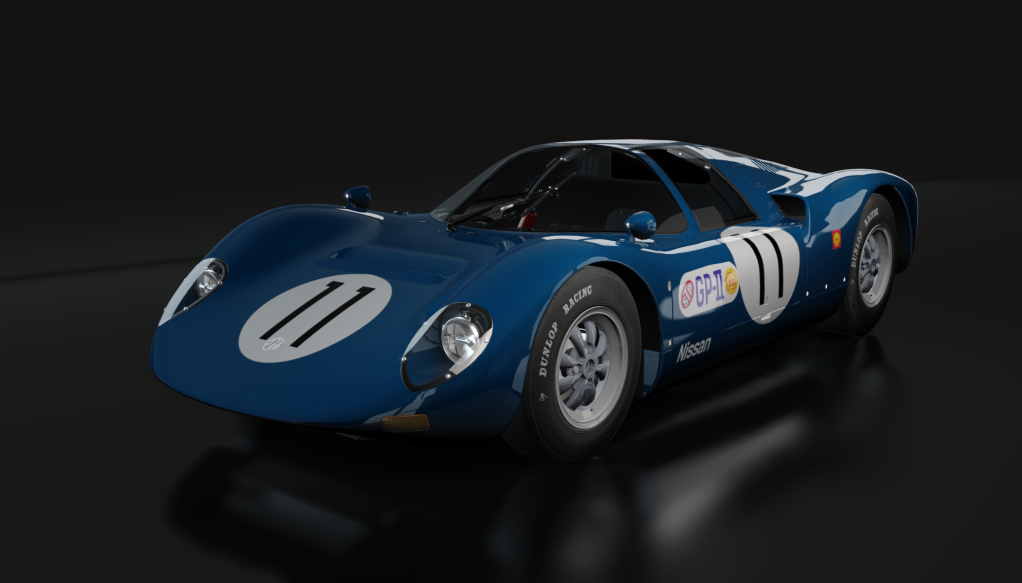
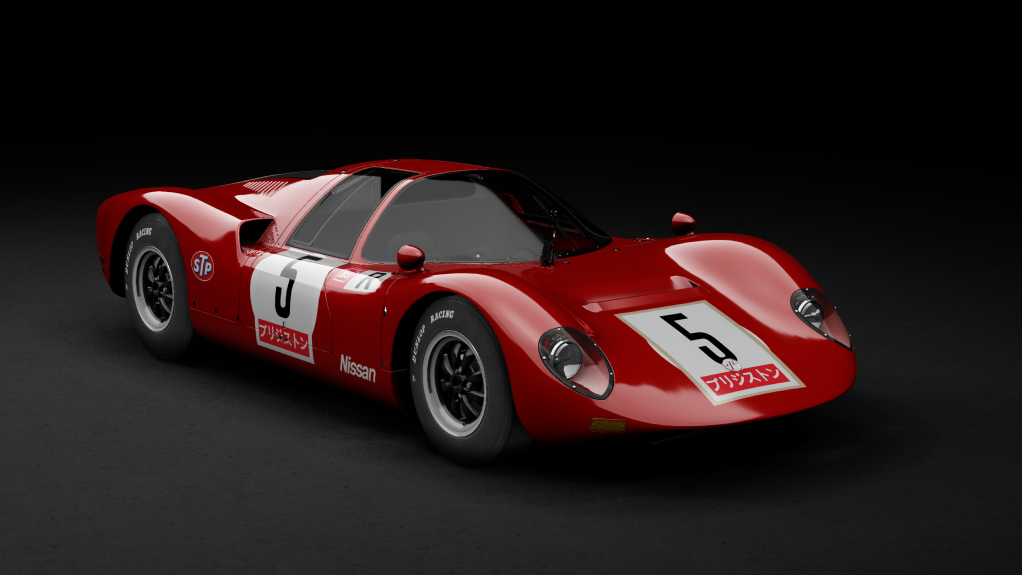
The arrival of Sean D Campbell at Thomson Road altered the racing more abruptly than it altered the Championship. His Nissan won on its first appearance of the campaign, with FMG second and Felix789 third in the Porsche 906 Carrera. Chevron's early monopoly of victories had ended, and the established points contenders had acquired a formidable obstacle between themselves and the winner's award.
For FMG, second place was particularly valuable. After Thomson Road he shared the Championship lead with Knechtel and Parrilla, all on 71 points. Knechtel was sixth in the race, with that 29-point result now discarded; FMG was still setting aside his own 29 points from Sebring. Their counted totals met, although the paths by which they had arrived there were quite different.
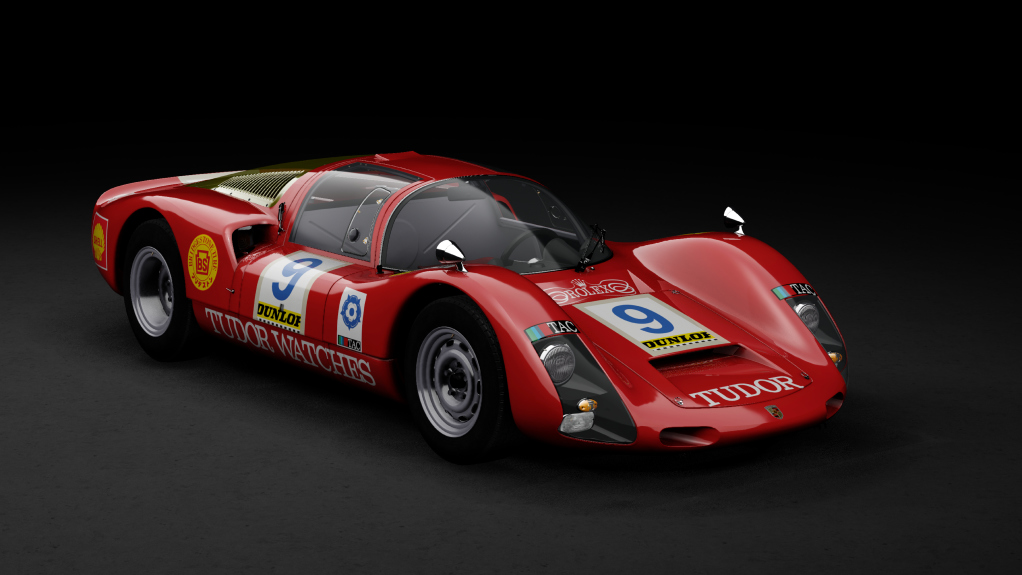
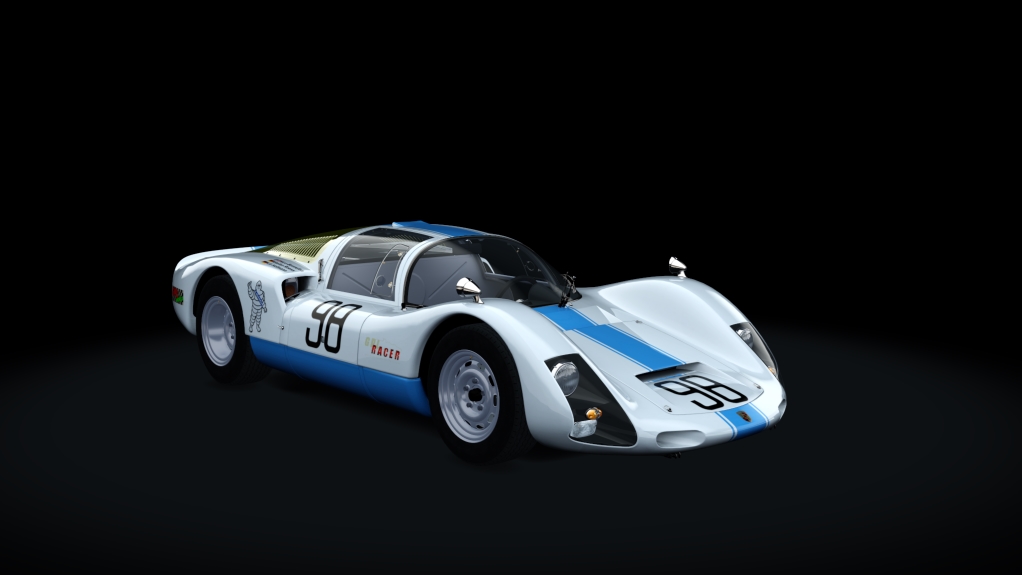
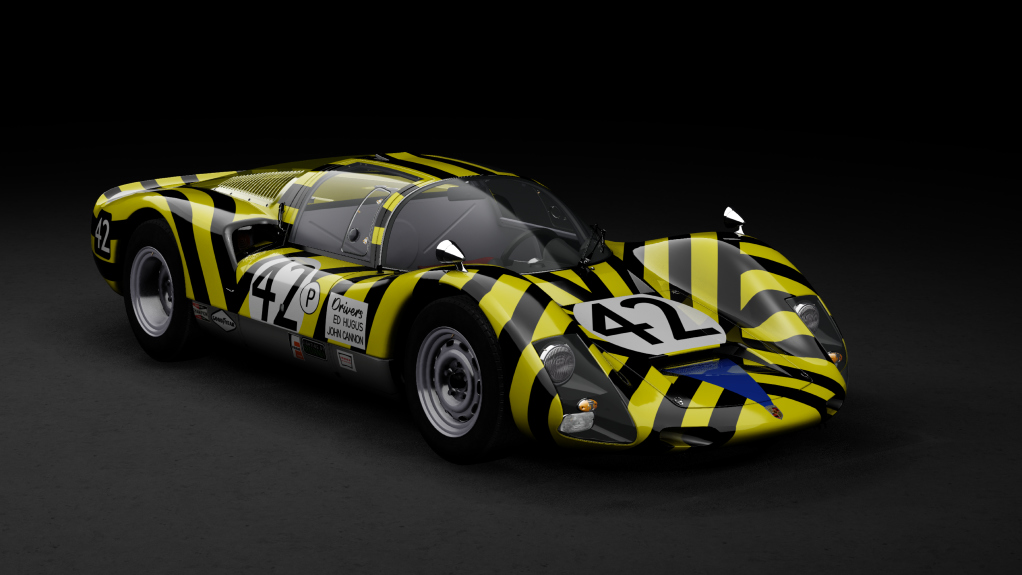
Felix789's podium also carried more significance than an isolated third place. At Sebring he had been classified 22nd after completing only two laps, scoring nothing. That result remained his discard, and Thomson Road provided a substantial recovery without erasing the need for further gains. Porsche had a place in the leading argument, but not yet the sustained sequence to match its promise.
Feldbergring confirmed that Campbell's success was no passing interruption. He won again, this time leading throughout and setting fastest lap. FMG finished second for the second successive round, while Adam Celárek (Adam Celarek) completed an all-Nissan podium. The balance between the cars had plainly shifted: Nissan now matched Chevron's two victories, and Campbell was responsible for both of its successes.
The Championship benefit, however, fell most immediately to FMG. He emerged from Feldbergring alone at the head of the table on 108 points, six ahead of Knechtel, who was fourth in the race. Celárek stood third in the Championship on 93. FMG had found a productive answer to Campbell's pace: if victory remained beyond reach, second place was steadily building a lead.
The advantage contracts
Mont-Tremblant brought the central themes together. Campbell won for the third successive round, but Felix789 kept the Porsche in contention to the flag and finished second. Knechtel took third. FMG, seventh in the race, retained the Championship lead, though his advantage had dwindled to a single point: 137 against Knechtel's 136. Felix789 moved into third in the Championship on 128, nine points behind the leader.
The discarded-score calculation was no minor detail here. FMG's 28 points from Mont-Tremblant became his poorest result and were set aside, bringing his Sebring score back into the reckoning. Knechtel continued to discard Thomson Road. Both men had accumulated 165 points before deductions, but their different discarded scores left FMG narrowly ahead. The rule had the effect that the table could not be read simply by adding the latest race awards to the previous totals.
Knechtel's third place was a necessary change of direction in the sporting, rather than mathematical, sense. The middle races had brought him useful points without a return to the podium; now he had stopped FMG's advantage from growing and reduced it sharply. There was no need for an extravagant recovery. The Chevron remained close enough for a measured improvement to matter.
Felix789, meanwhile, had supplied the strongest challenge to Campbell at Mont-Tremblant and put a second podium into his season. His campaign was acquiring pace at the right end of the calendar. Campbell had reached three victories from three starts, yet the season-long contest still favoured those with a broader body of results. Winning races and winning this Championship had become related but distinctly separate occupations.
Suzuka settles the argument
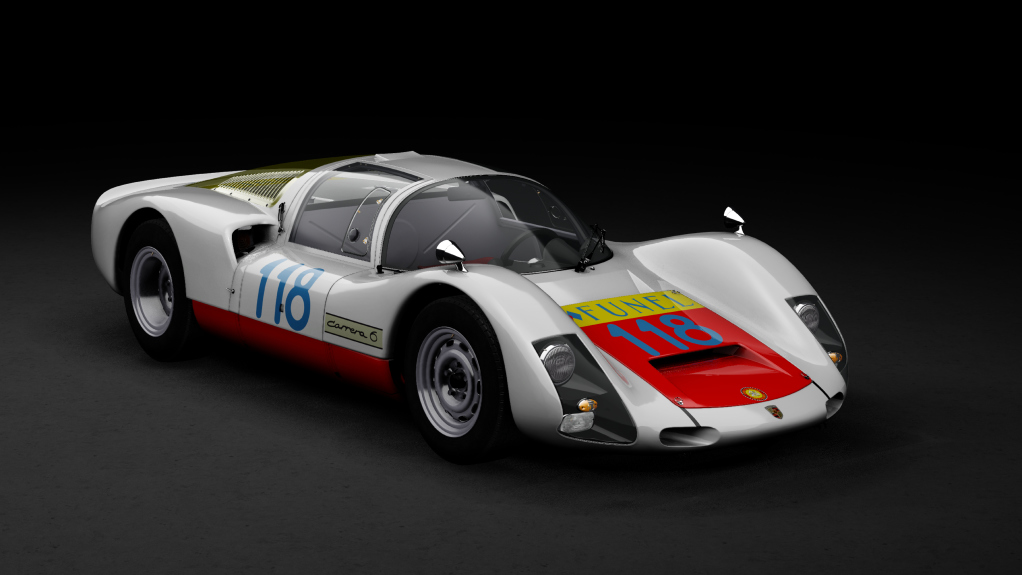
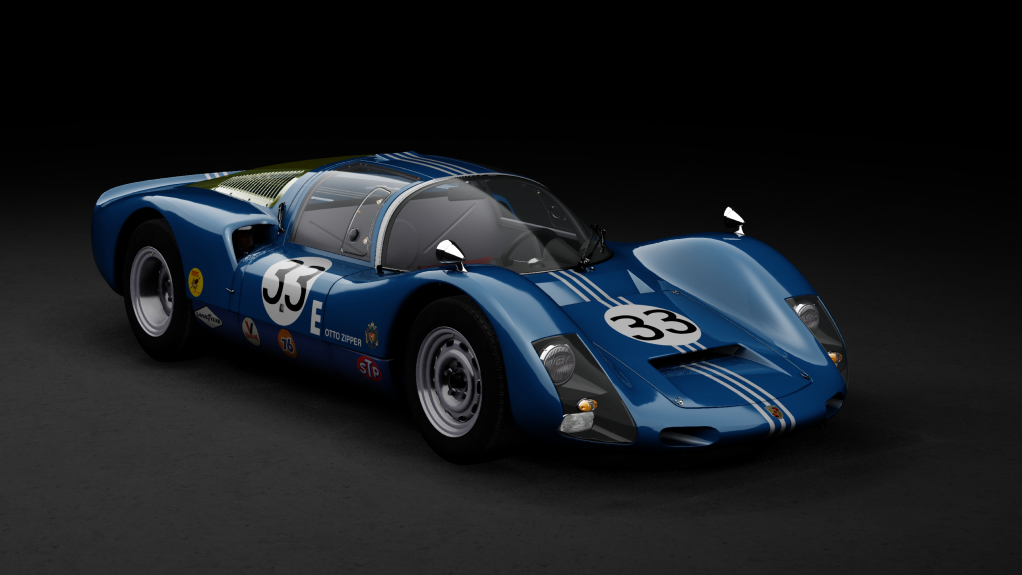
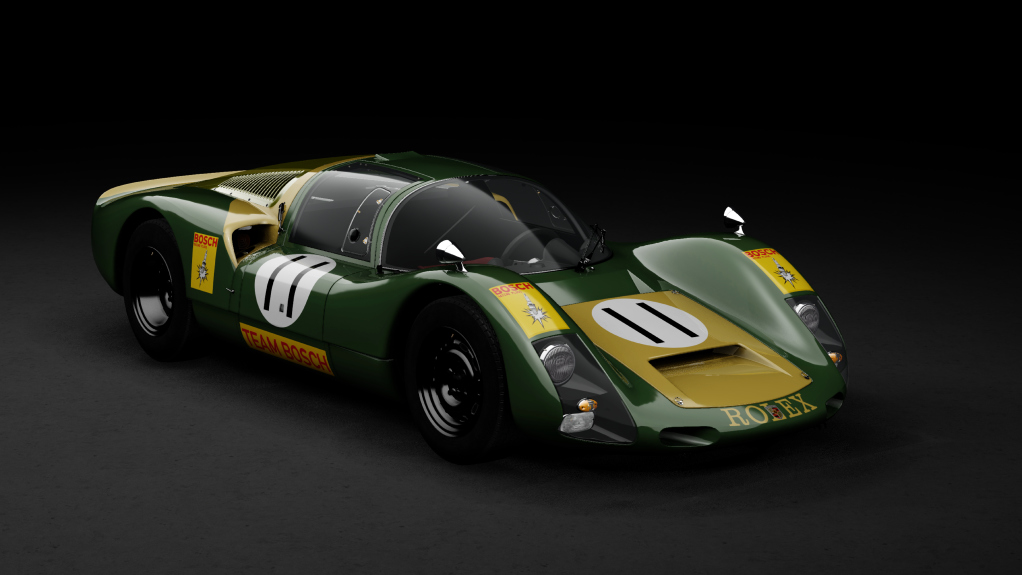
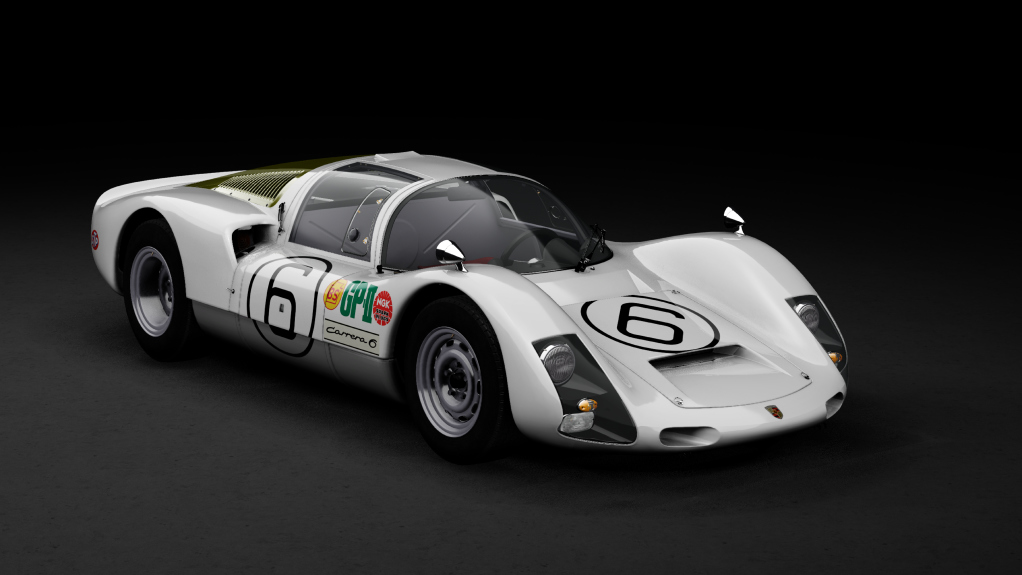
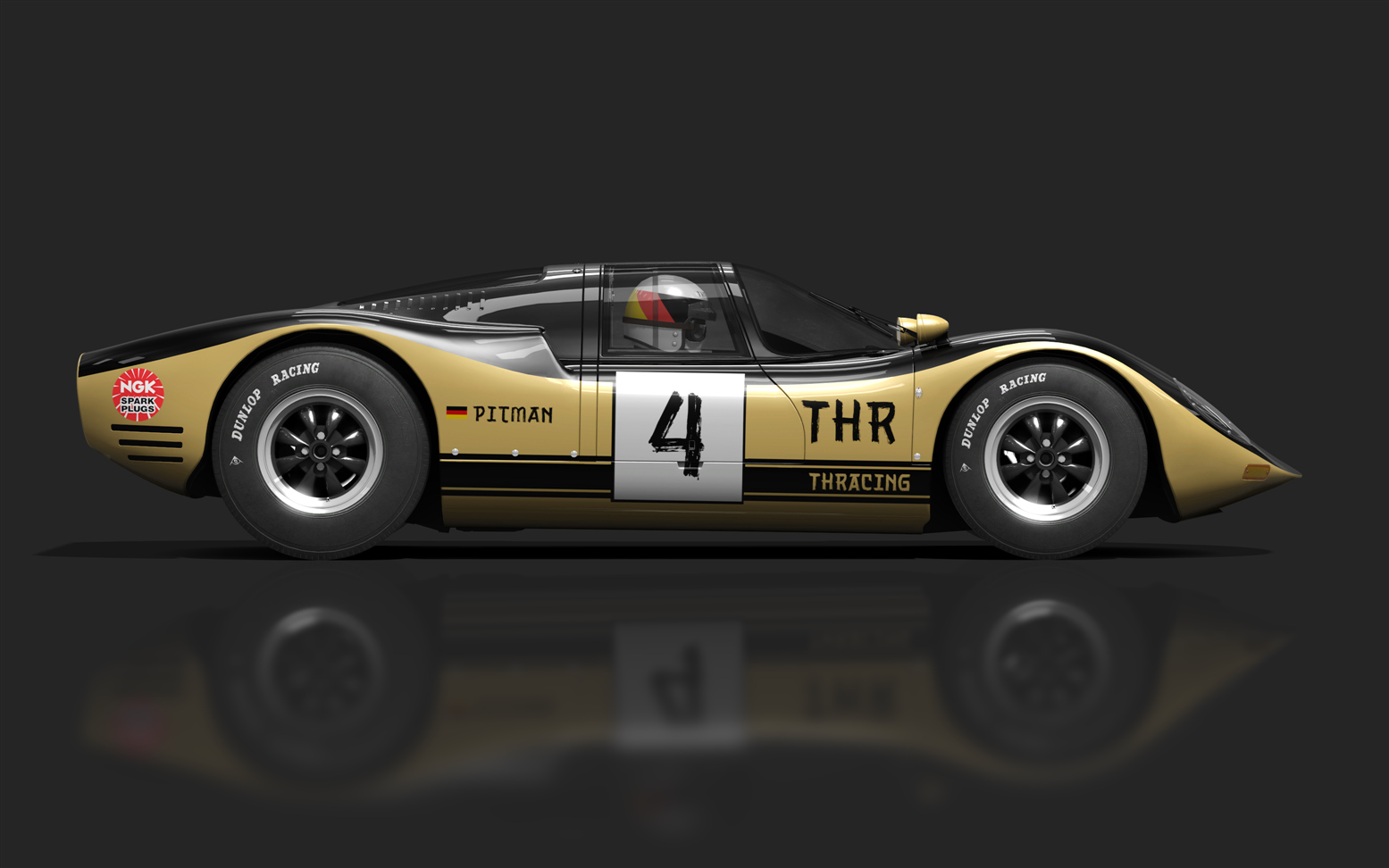
Suzuka gave Felix789 the victory towards which his later performances had been tending. He won in the Porsche and set fastest lap, completing a closing pair of results that made his third place in the final Championship a substantial achievement rather than a reward for attendance. The last race also brought all three eventual Championship leaders onto the same podium, each in a different make of car.
Behind the winning Porsche, the decisive business was settled between Knechtel and FMG. A late exchange left the Chevron ahead, and Knechtel finished second with FMG third. The order reversed their positions in the Championship: Knechtel was champion on 173 points, FMG runner-up on 171, and Felix789 third on 168. After the lead had narrowed to one point before the finale, a place on the road separated the principal rivals at its conclusion.
The completed figures explain the narrowness without diminishing the champion. Knechtel's season contained one victory, one second place and one third place. FMG collected two seconds and two thirds, four podiums in all, but no victory. Felix789 matched Knechtel's distribution of one win, one second and one third. There was no overwhelming numerical superiority among the leading three; the distinction lay in the quality of the full set of counted scores.
Knechtel discarded his 29 points from Thomson Road, leaving 173 from a raw total of 202. FMG discarded the 28 from Mont-Tremblant, leaving 171 from 199. Felix789's zero at Sebring remained his discarded result, and his 168 points all counted. The official order therefore reflected both the races themselves and the scoring terms under which the season had been contested.
More than the title fight
Campbell's campaign remained the season's striking alternative story. Three starts produced three victories, yet his final place was seventh on 120 points. He had controlled the middle of the racing calendar without assembling the results needed to occupy the same ground in the final table. His presence nevertheless shaped the title contest throughout that phase, repeatedly leaving the regular contenders to dispute the places behind him.
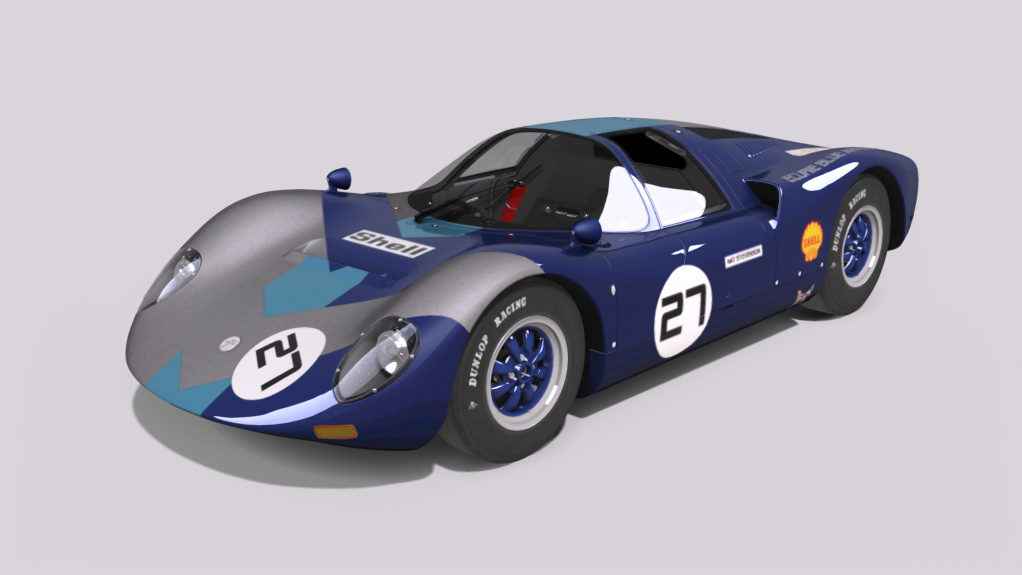
Nathaniel Stevenson (Nat Stevenson) offered the contrasting example. Without a podium, he secured fourth in the final Championship on 150 points. His results stayed within a comparatively narrow range, and fourth at Mont-Tremblant was his best placing. In a season containing several impressive but abbreviated programmes, his continued scoring deserved recognition of its own.
The cars, too, left a balanced impression. Nissan accounted for eight podium appearances, Chevron seven and Porsche three, with Felix789 responsible for all of Porsche's visits. The final drivers' podium represented Chevron, Nissan and Porsche in that order. No single marque could claim to have supplied every answer, and no single style of campaign explained every success. The distinction between Campbell's concentrated winning form, FMG's repeated podiums and Knechtel's stronger closing position gave the season much of its substance.
Valentin Knechtel was a worthy champion, combining his Sebring victory with dependable scoring and the decisive second place at Suzuka. Runner-up FMG sustained the contest through four podiums and missed the title by two points, while third-placed Felix789 crowned his late advance with Porsche's final-round victory. It was a season in which pace changed hands, but the Championship belonged to the driver who made the most complete account of it.