The Porsche Holds Its Ground
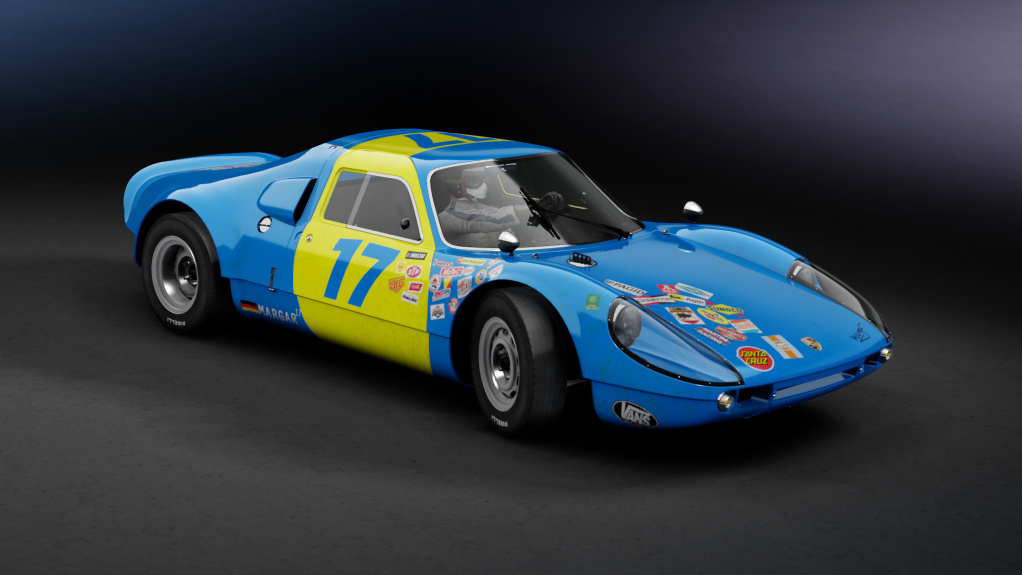
margar17 won the ACL GTC Championship I by nine points, but the narrowness of the final margin conceals the strength of the campaign. Against the Cobras of Flashor and Mark Zeidler, and the increasingly persuasive Mercedes-Benz of Valentin Knechtel, the Porsche driver remained the constant reference through a season of changing challengers.
A lead shared, but never surrendered
There was no shortage of variety in the ACL GTC Championship I. Its six rounds produced quite different winners and brought several distinct cars to the front. Yet beneath that changing surface lay a remarkably continuous Championship story. From the opening victory at Monaco to the final reckoning at Fuji, margar17 was never displaced from the head of the points table. Rivals drew level, and later rivals reduced the advantage, but nobody established a lead over the Porsche driver.
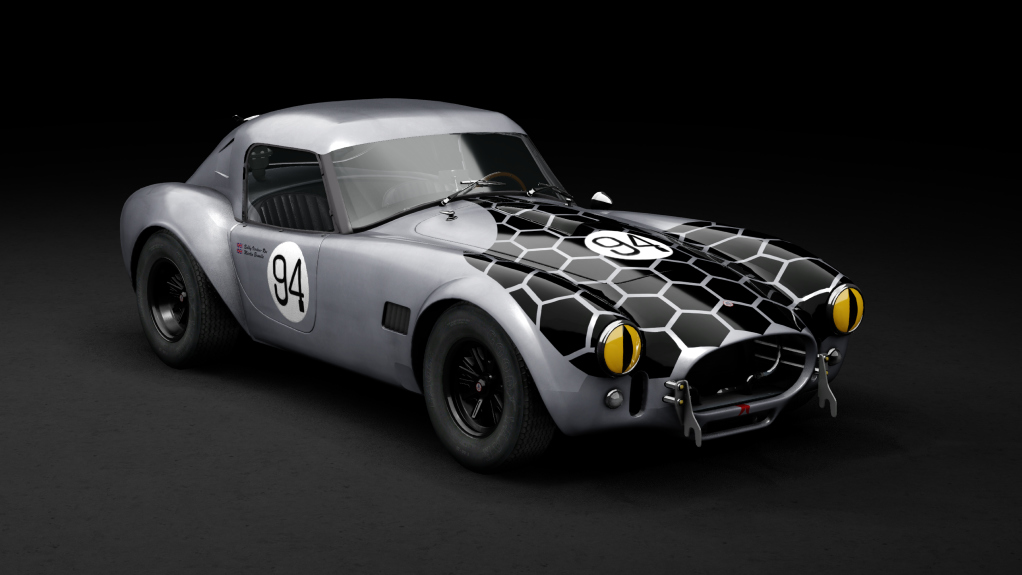
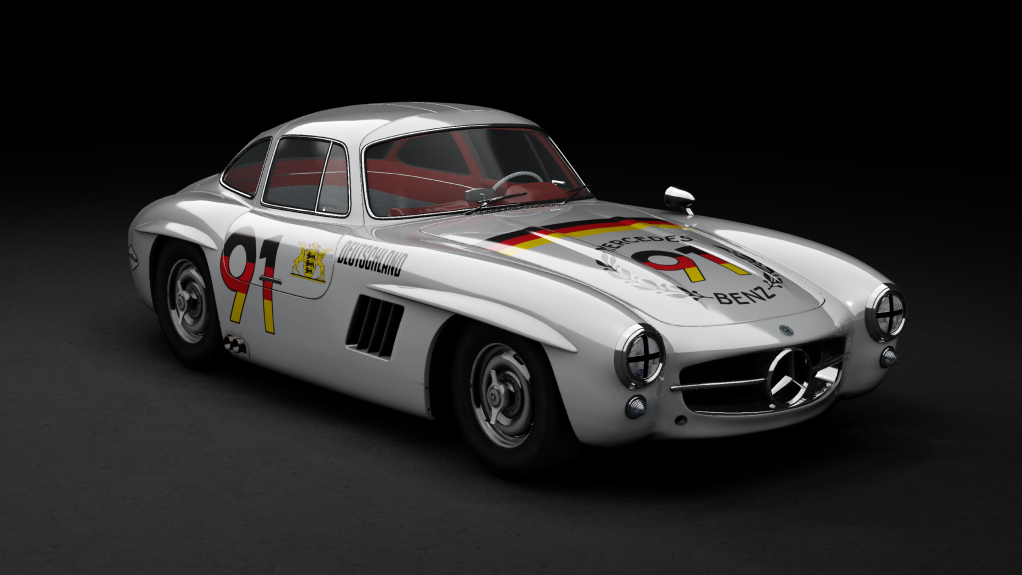
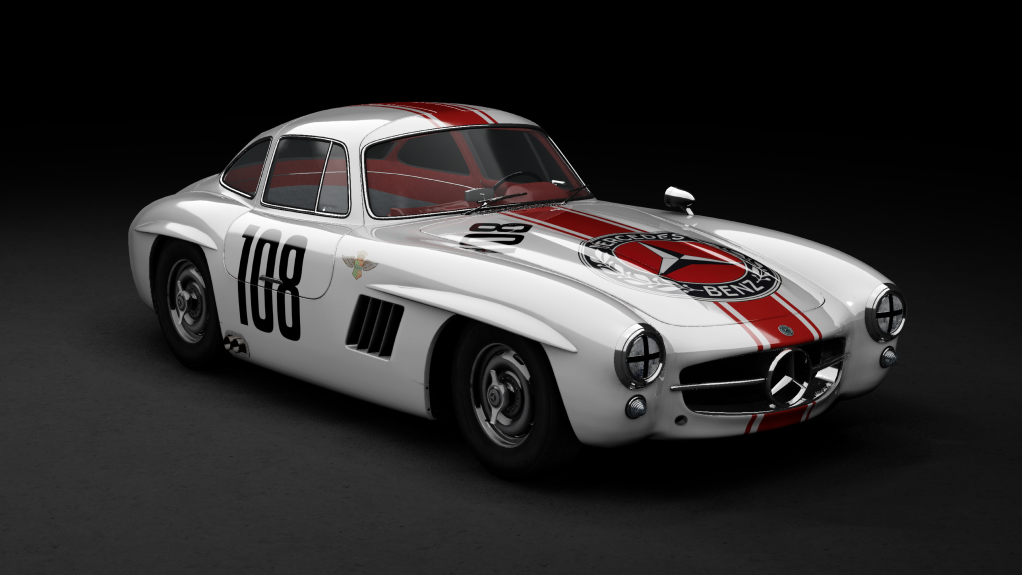
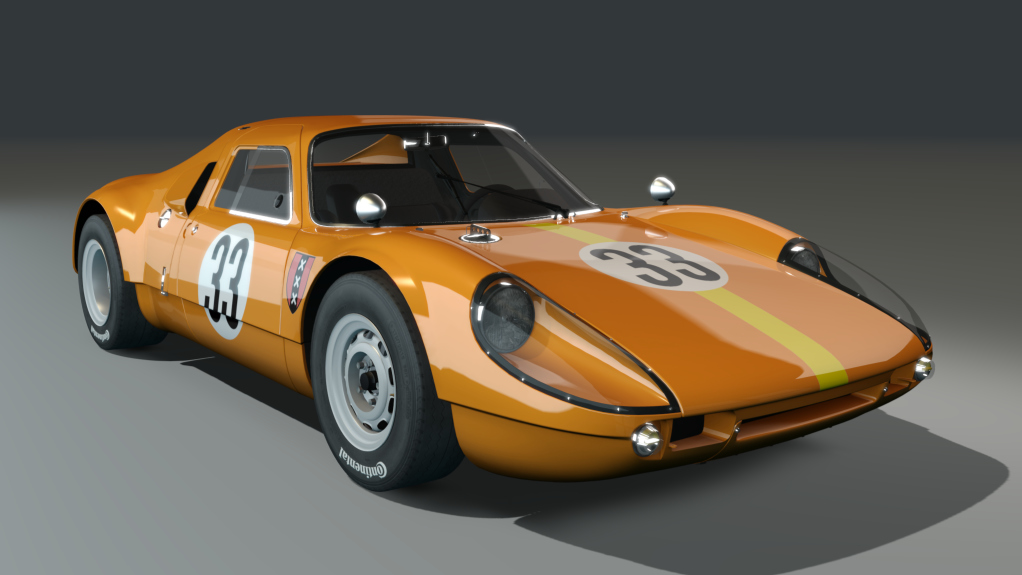
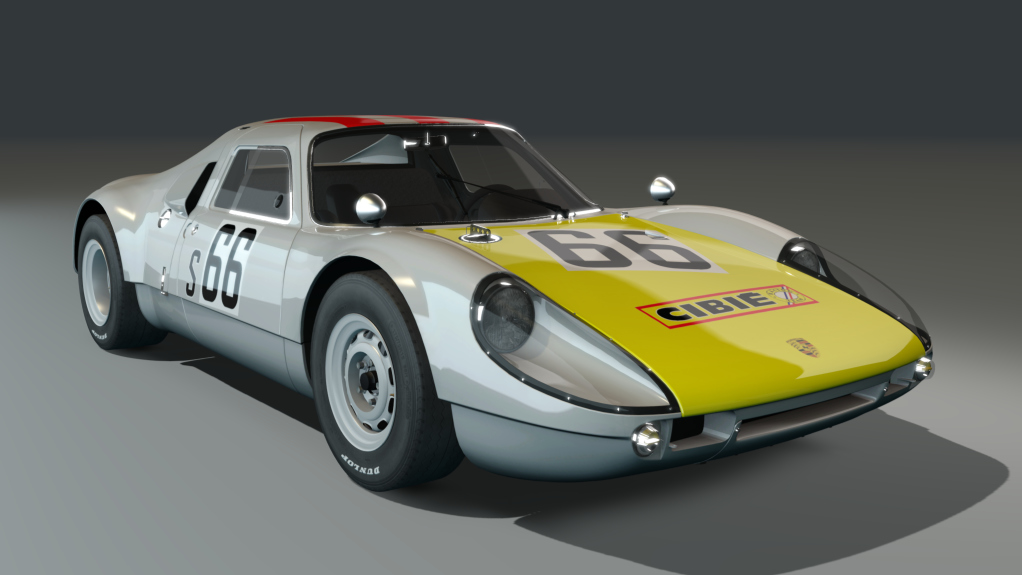
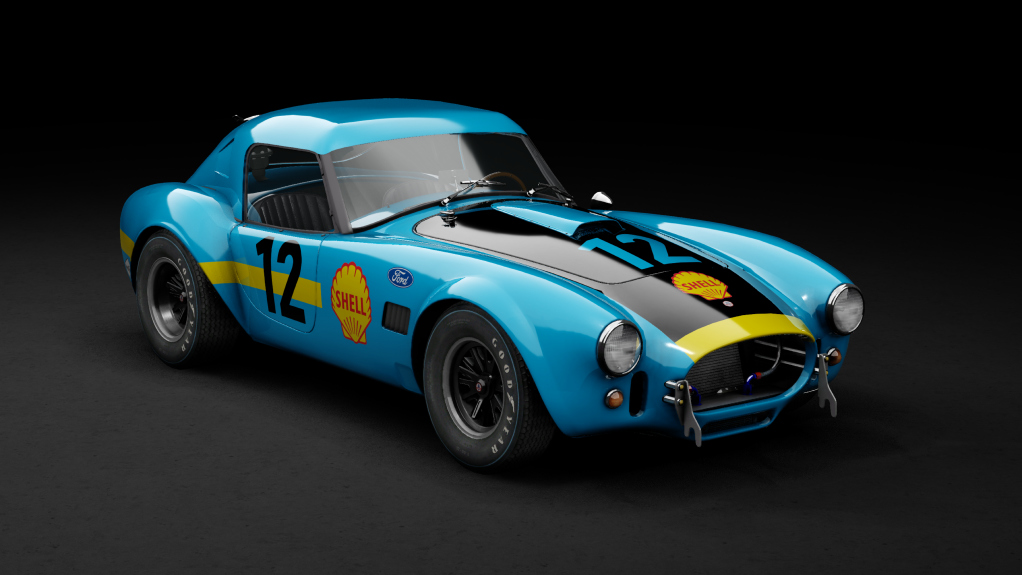
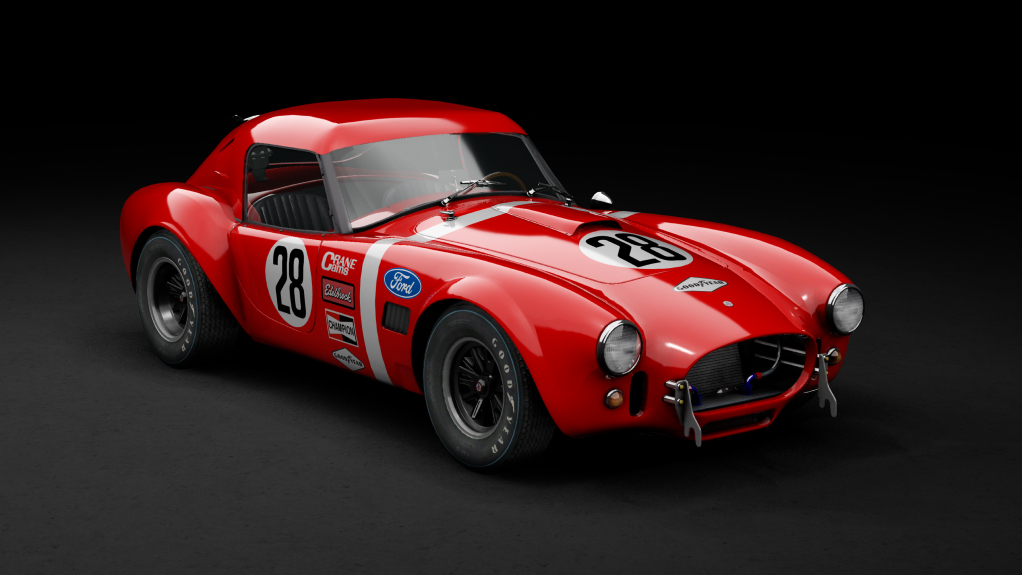
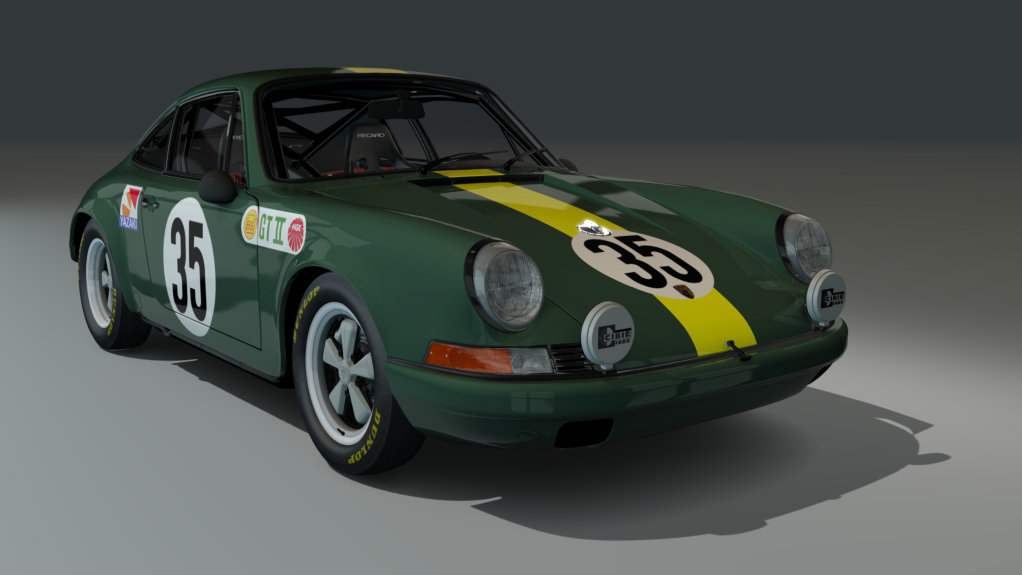
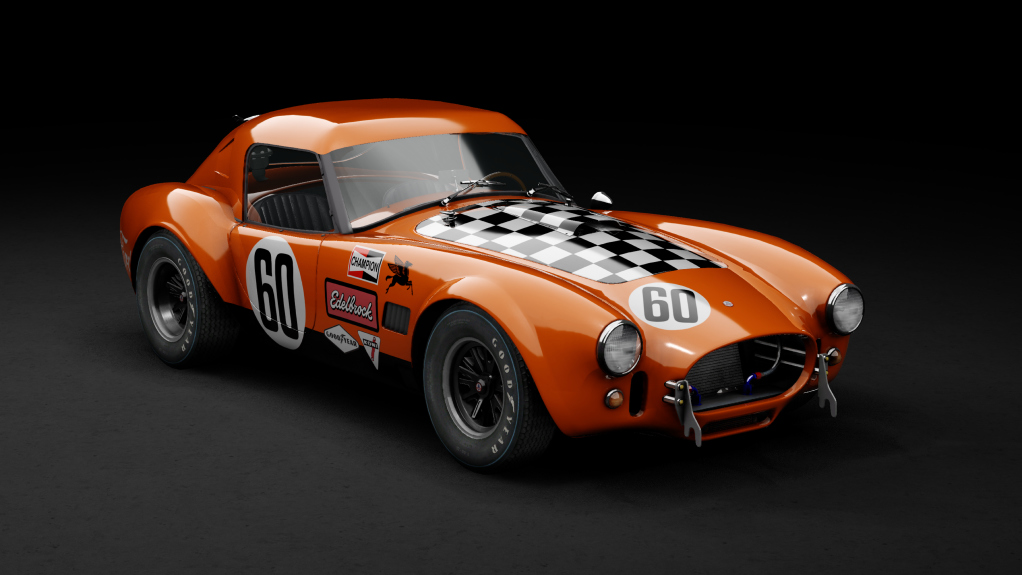
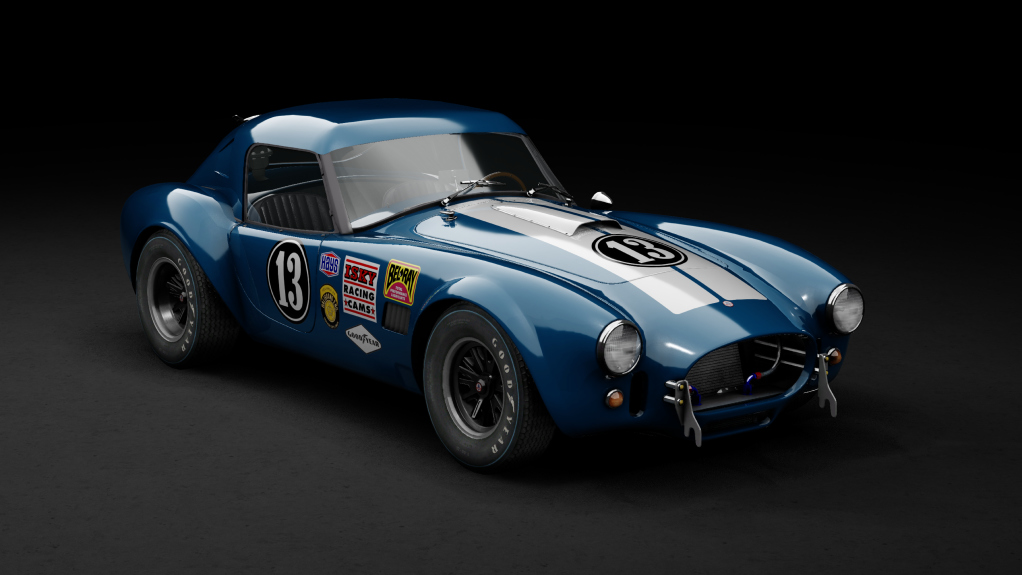
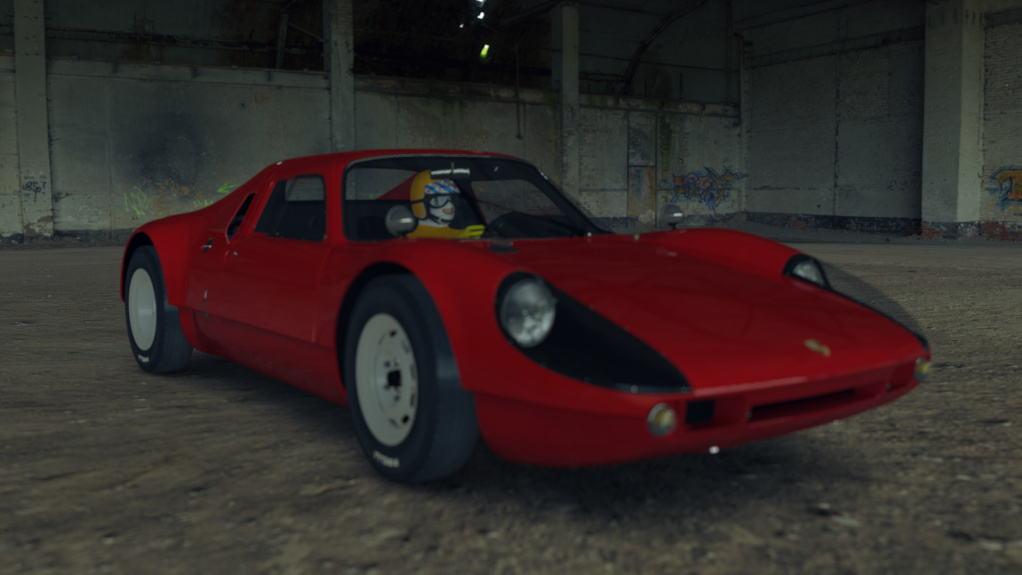
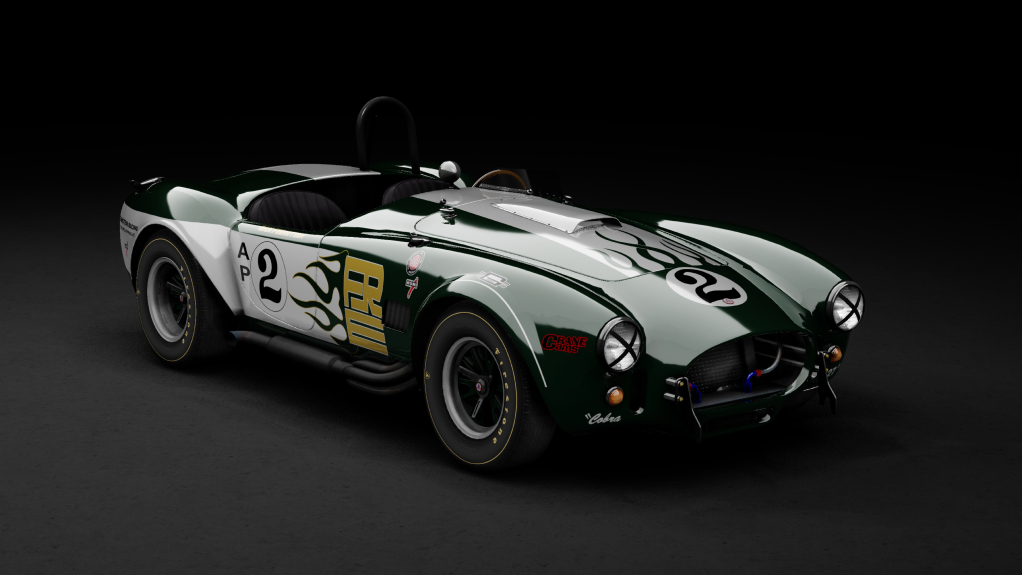
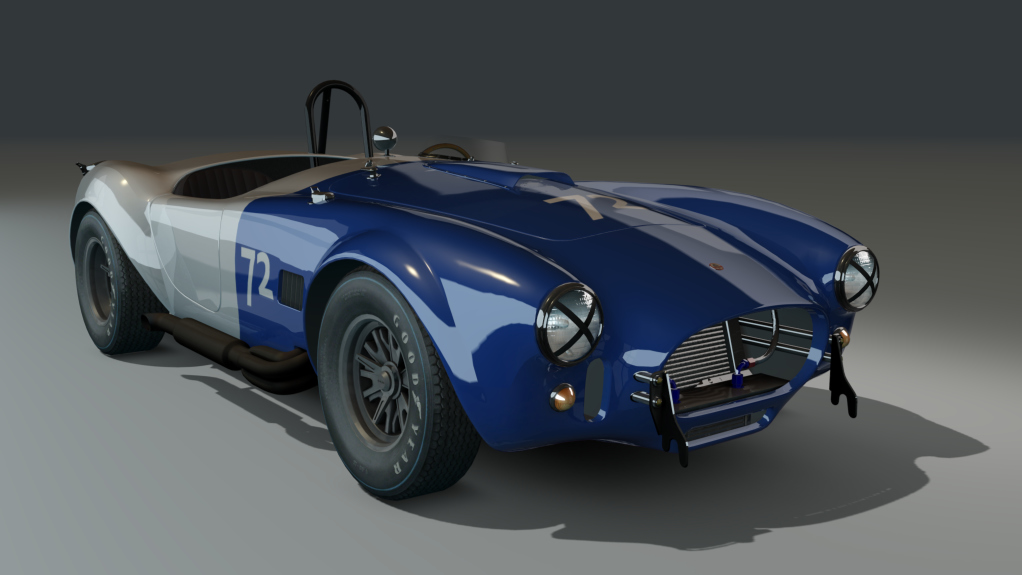
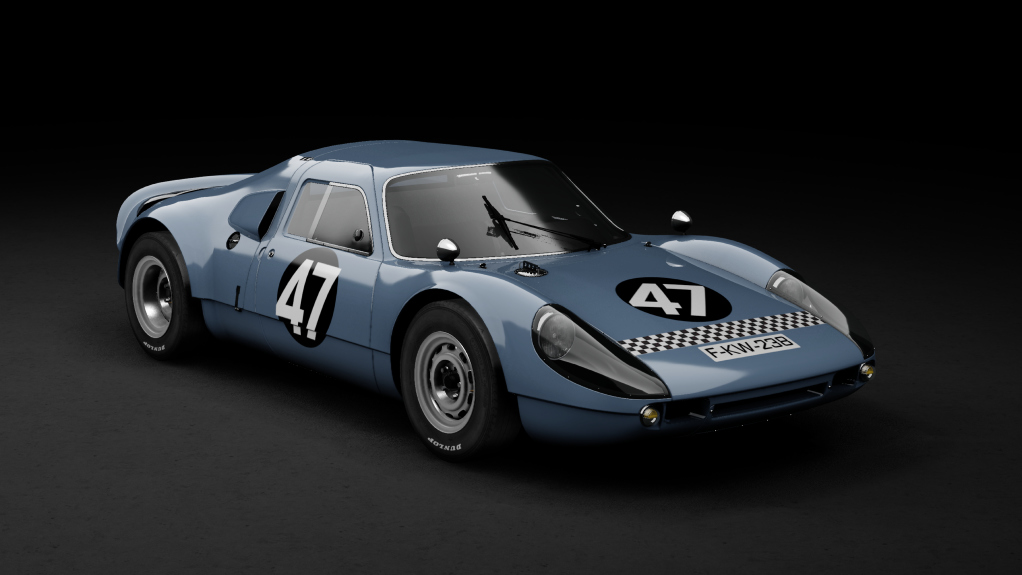
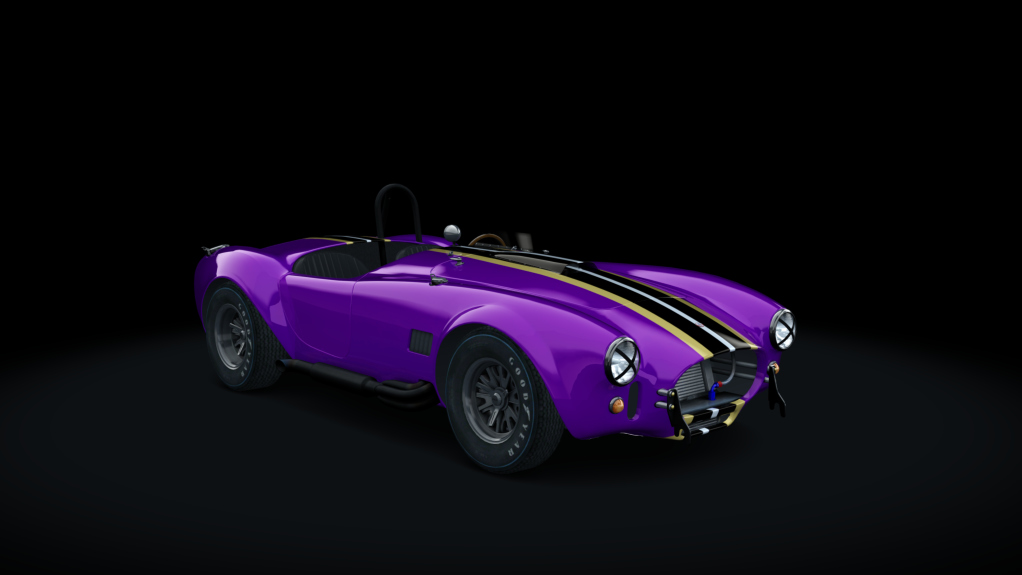
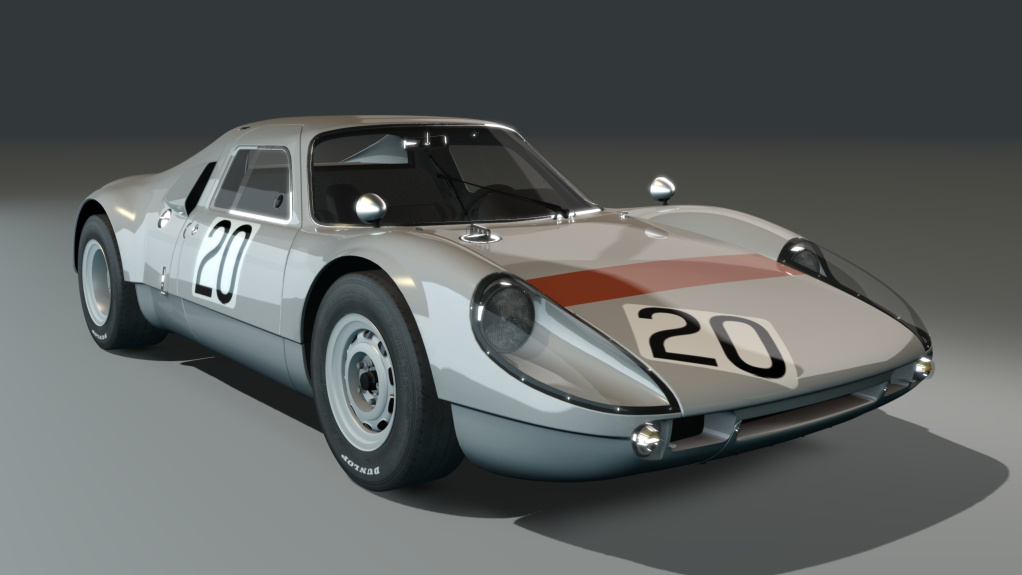
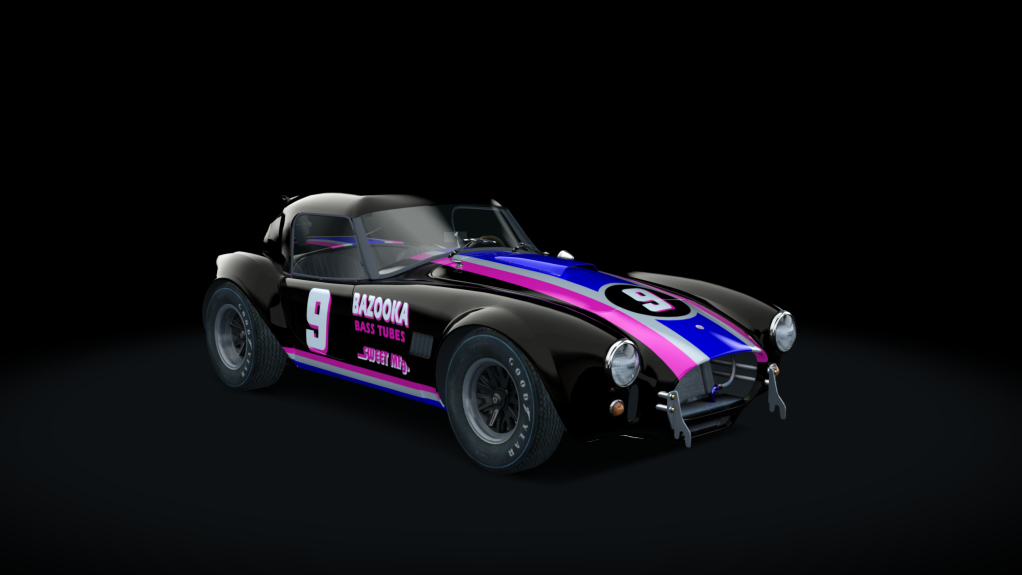
Monaco supplied the first indication of that authority. In the GTC60 Porsche 904/6, margar17 won and set the fastest lap, ahead of Nik Likar and Flashor in their GTC60 Shelby Cobra 289 Hardtops. It was a useful opening distinction: the Porsche had secured the victory, while two Cobras had demonstrated that their challenge would not depend upon a single driver. Valentin Knechtel, classified fourth in the Mercedes-Benz, was already close enough to deserve attention.
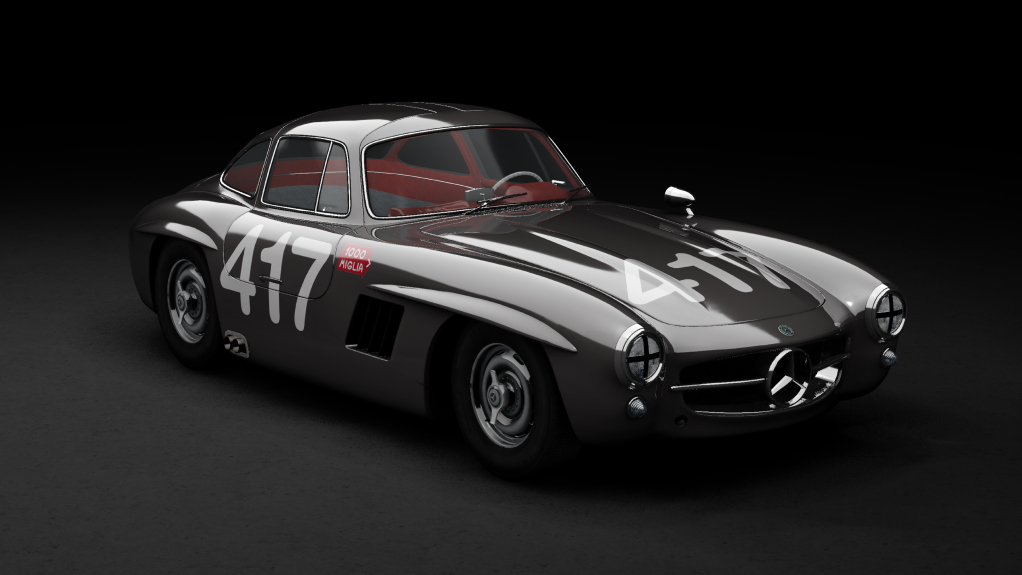
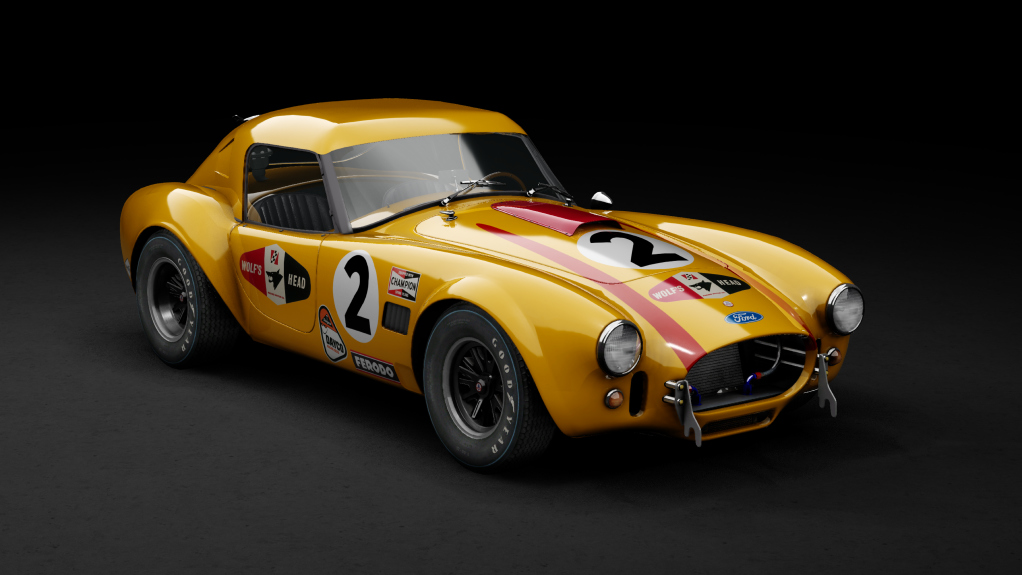
The balance altered at Watkins Glen. Flashor won, Mark Zeidler finished second in another Cobra, and Knechtel brought the GTC60 Mercedes-Benz 300SL home third. margar17 was classified sixth. The early Championship now had a different appearance, though not quite the one a simple addition of race scores would have suggested.
One result was to be discarded from each driver's account. After Watkins Glen, Flashor's Monaco score was excluded, while margar17's sixth-place score from the American round was set aside. The two therefore shared the Championship lead on 38 points. Flashor had answered the Porsche's opening victory directly, but the discarded-score calculation had already become part of the contest. The table measured the strongest retained results, rather than merely the accumulation of every Sunday.
Spa changes the challenger
Spa was the first substantial turning point. Zeidler followed his Watkins Glen second place with victory, while margar17 finished second and Evgeny Morozov took third in a Mercedes-Benz. Zeidler's intervention was brief in the context of the completed season, but at this stage it was anything but peripheral. His two appearances had yielded a second place and a win, and he now shared the Championship lead with margar17 on 73 points.
Flashor's Belgian result gave the scoring rule a more consequential part to play. He was classified 22nd after completing nine of the race's 15 laps. That result became his discarded score, replacing Monaco in that role. His earlier third place consequently returned to the counted total, leaving him third in the Championship on 70 points, only three behind the joint leaders. Spa had been a poor race for him, but its immediate effect upon his Championship position was contained.
For Knechtel, who did not start at Spa, the same rule worked differently. His zero-point absence became the discarded event, allowing his Monaco and Watkins Glen scores to count together. He had 61 points retained. The circumstances were distinct, but both drivers remained close enough for the next phase to matter greatly.
The Porsche's position was the less complicated one. Second place at Spa restored margar17 to the front of the racing order after Watkins Glen, and the American score remained the discard. Zeidler had matched the points total, not broken the continuity of the Porsche campaign. With Zeidler making no further starts, the second half of the season would be shaped by the sustained efforts of Flashor and Knechtel rather than by the driver who had drawn level in Belgium.
The January balance
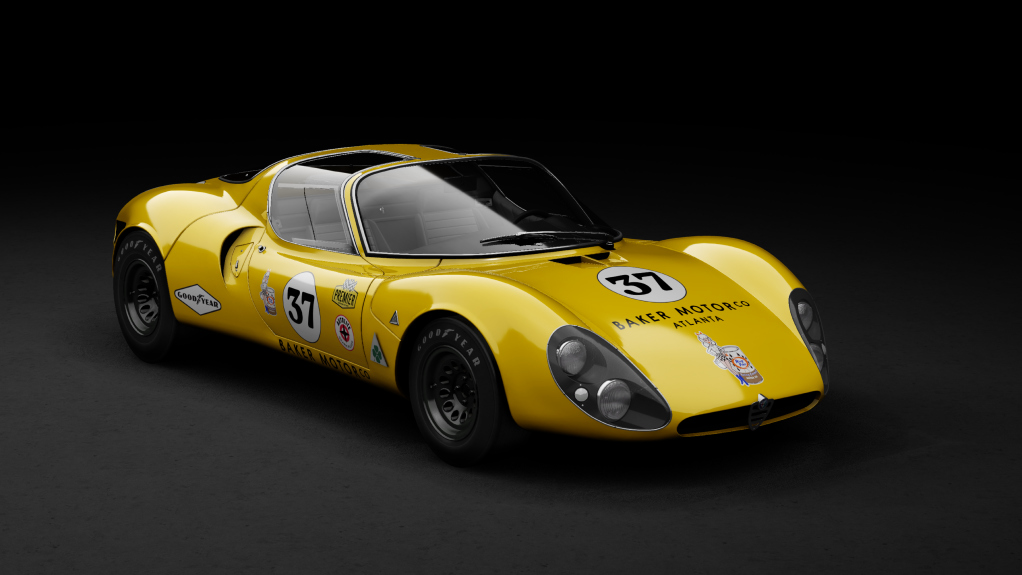
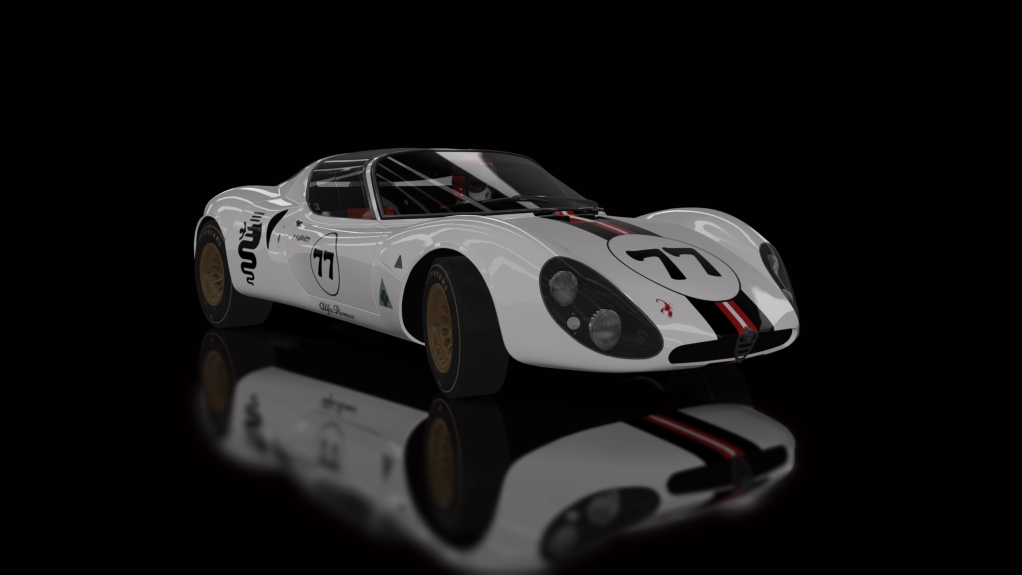
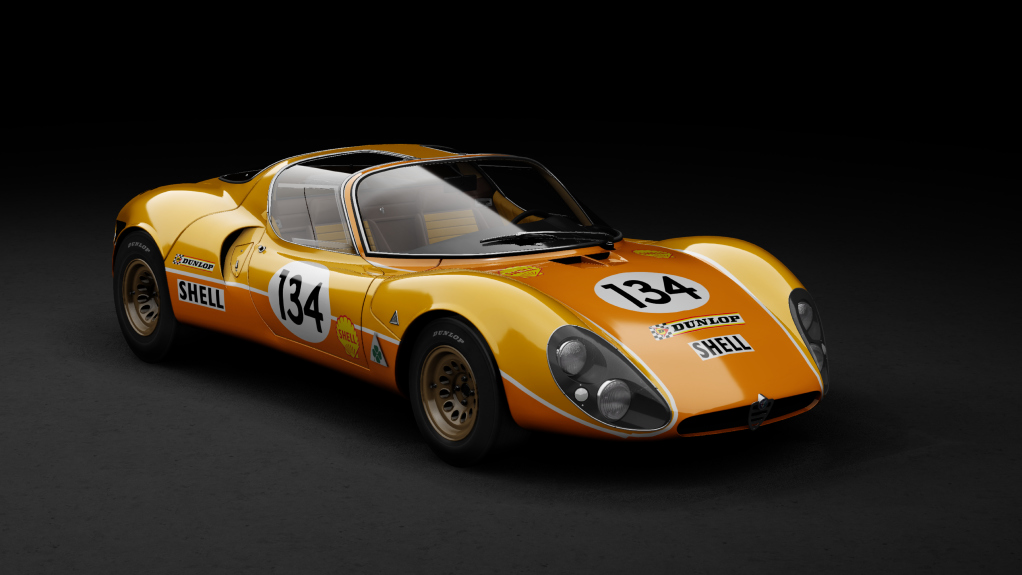
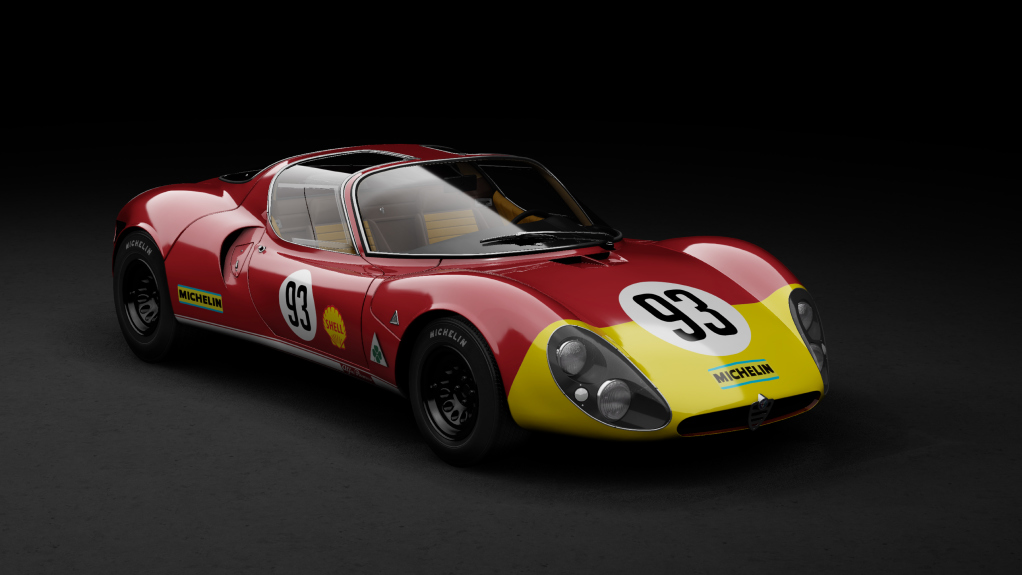
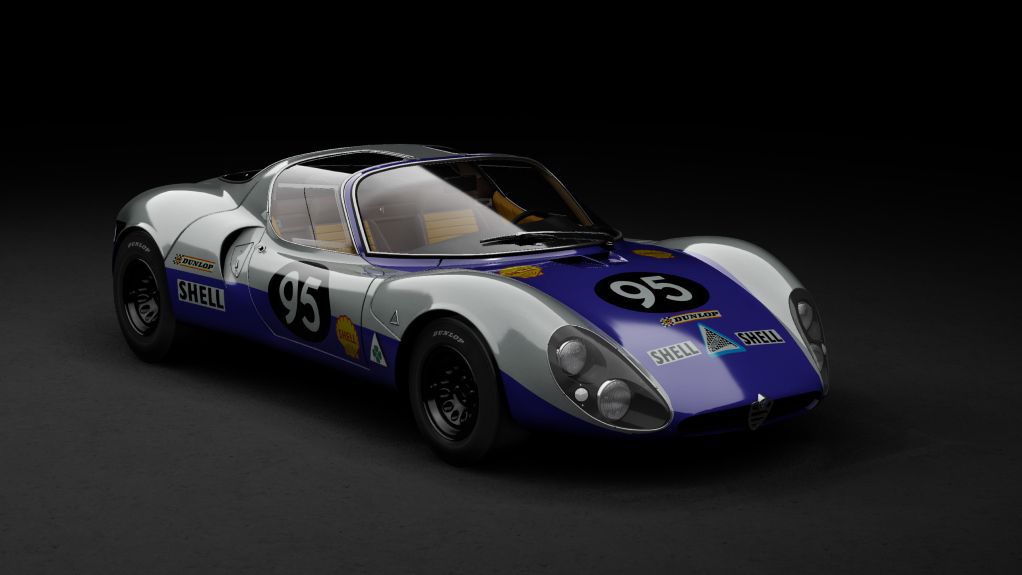
The resumption in Mexico brought Knechtel decisively into the foreground. He won, margar17 finished second, and Andi Stangl took third in the GTC60 Alfa Romeo 33 Corsa. Flashor was classified fourth. The Mercedes-Benz had converted its earlier promise into a victory, but the Porsche driver again occupied the place immediately behind the winner.
That second place was important beyond its immediate points value. At Mexico, margar17 had recorded two successive second places and had three top-two results in total from four starts. The Championship lead was now his alone: 108 points against the 99 shared by Flashor and Knechtel. Neither pursuer had been allowed a clear passage towards the title. When one rival advanced, the Porsche was generally close enough to limit the gain.
The distinction between the two challenges was also becoming clear. Flashor had the Watkins Glen victory and was rebuilding after Spa. Knechtel had missed Belgium but had placed his Mercedes-Benz among the leading runners whenever he appeared. Their scores were equal after Mexico, although their routes to that equality had been quite different.
Deutschlandring then gave margar17 the result which most firmly shaped the final approach. The Porsche won ahead of Knechtel and Flashor, putting all three principal protagonists on the same podium and in an order favourable to the leader. Knechtel set the fastest lap, a useful indication that the Mercedes-Benz challenge had lost none of its speed, but it was margar17 who secured the larger Championship return.
With one round remaining, margar17 led on 146 points. Knechtel stood second in the Championship on 134, twelve points behind, while Flashor was third on 131, fifteen behind the leader. The Porsche driver had two wins and two second places from five starts. More telling than the bare total was the timing: after the lesser Watkins Glen result, the next three races had brought second, second and first. The advantage taken to Fuji had been built while the opposition was itself scoring strongly.
Fuji belongs to Kraus
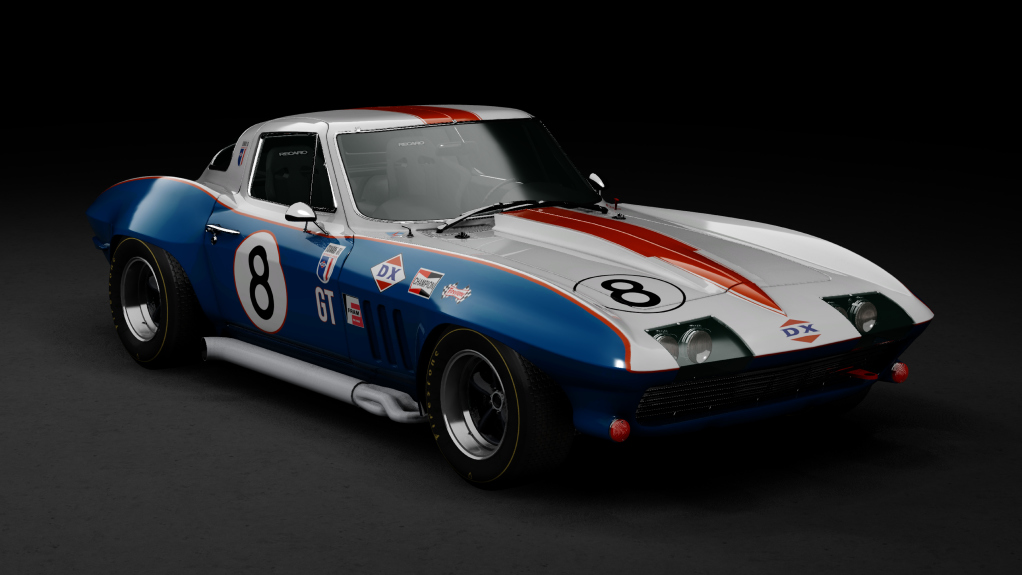
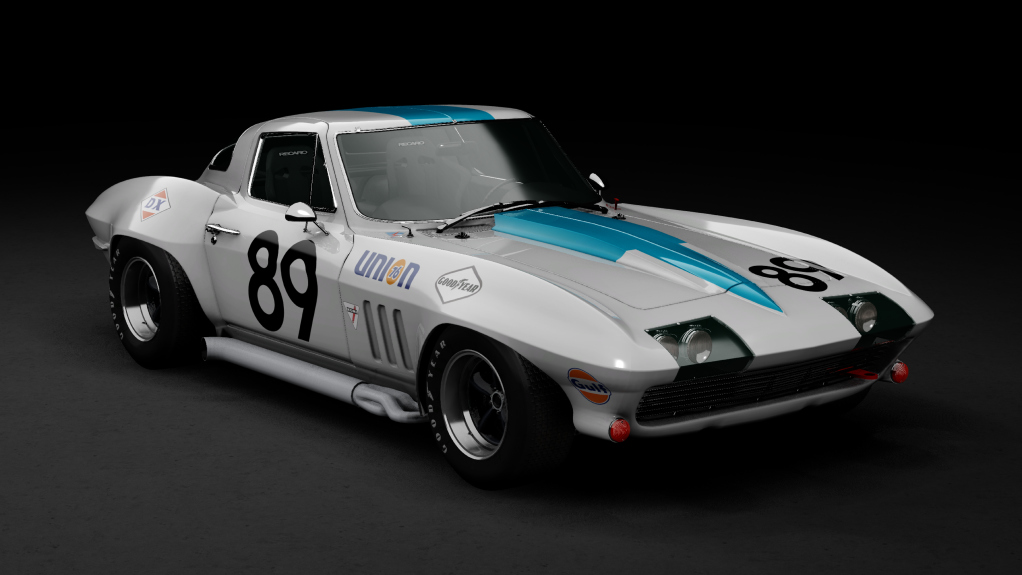
The final race did not belong to any of the three men at the head of the Championship. Philip Kraus won in the GTC60 Chevrolet Corvette 1967 and set the fastest lap, giving the closing round its own identity rather than merely serving as an appendix to the title contest. It was a substantial achievement for a driver whose appearances had been intermittent and whose season had not previously brought a podium.
Behind him, Flashor finished second and Knechtel third. margar17 was classified fourth. Both principal pursuers had placed ahead of the Porsche, but neither had removed the advantage established before the final round. The title went to margar17 with 175 points. Flashor and Knechtel each had 166, with the official final order placing Flashor second and Knechtel third.
The final discarded results explain the accounts without diminishing the champion's work. margar17 excluded the 27 points scored at Watkins Glen; Flashor excluded the 11 from Spa; Knechtel's discarded event remained his zero-point Spa absence. The rule thus removed a worthwhile sixth-place score from the champion's total, a much smaller return from Flashor's, and no scored points from Knechtel's. Even after those different deductions, the Porsche retained a nine-point margin.
There was no need for a final victory to give the campaign its authority. margar17's two wins and two second places made four top-two results across the completed Championship. Flashor had one win, one second and two thirds; Knechtel had the same numerical distribution. Each had repeatedly appeared at the front, but the Porsche driver's greater weight of first and second places provided the stronger foundation.
The strength beneath the title fight
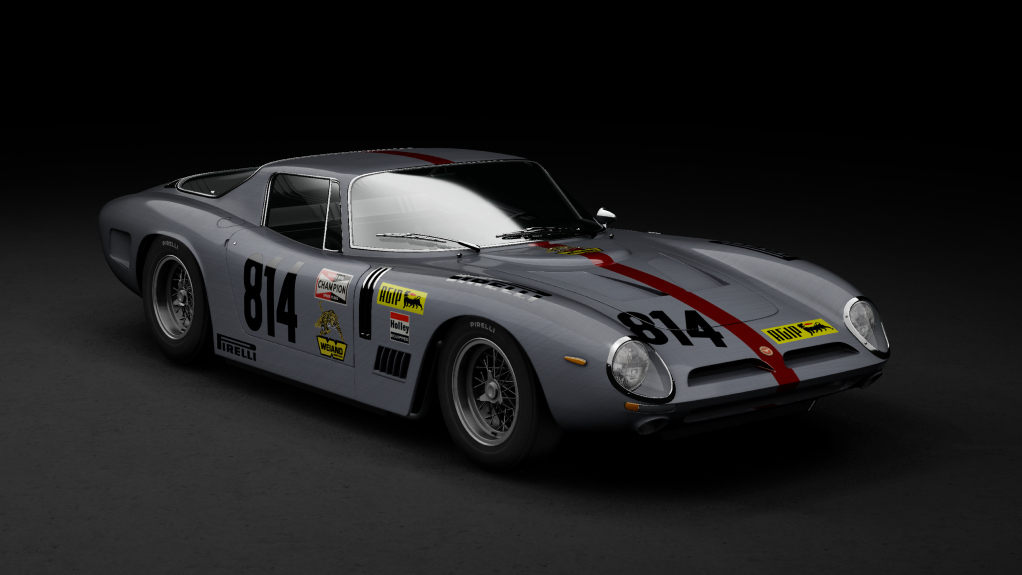
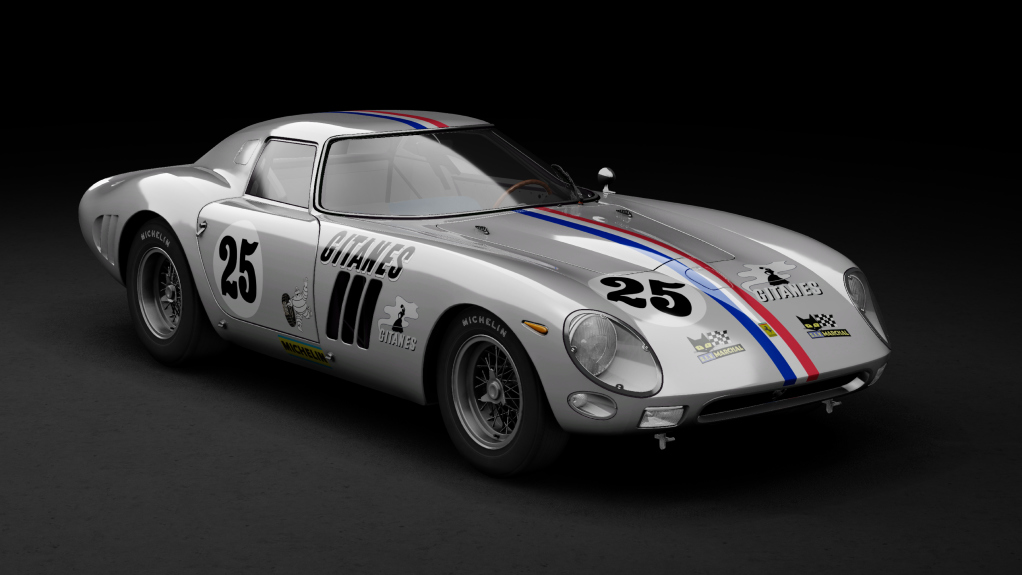
The final Championship podium represented three different cars: Porsche, Shelby and Mercedes-Benz. That was a fair expression of the season's competitive character, though not a complete measure of the marques' presence. The Cobra Hardtop accounted for seven race-podium appearances, the Mercedes-Benz for five and the Porsche for four. All four Porsche appearances belonged to margar17. The champion's campaign was therefore less a matter of numerical support from similar cars than of repeatedly placing his own car where it counted.
Stangl's fourth place in the final Championship gave the Alfa Romeo a distinguished position behind the leading trio. His Mexican third place was the high point of a season which had begun with fifth-place classifications in both opening rounds. Fuji was less rewarding: he was classified 23rd after completing 13 of 31 laps. That became his final discarded result, and he retained fourth in the Championship on 137 points.
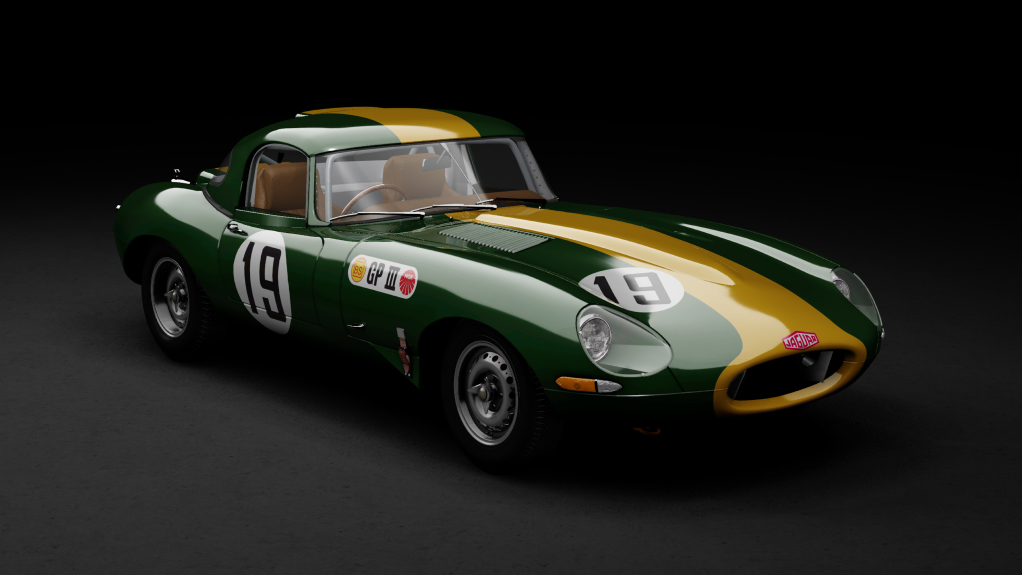
Morozov's fifth place overall, on 130 points, rested upon a useful recovery and several strong later results. Third at Spa supplied the podium, while his fifth-place classification at Deutschlandring and sixth at Fuji reinforced the account. Maddie Shepherd, sixth in the official standings on 129 points, offered another kind of merit in the GTC60 Jaguar E-type Lightweight. Classified fourth at Deutschlandring, Shepherd also set the fastest lap at Spa, showing that the Jaguar's pace could reach beyond its usual position in the order.
These performances gave the Championship substance beyond the immediate title argument. Zeidler had altered its early direction, Stangl had brought the Alfa Romeo onto the podium, and Kraus had taken the final victory away from the established leaders. The champion had not prevailed against an unchanging opposition. He had answered successive challenges from different quarters.
The lasting impression is of a title won by maintaining a high standard while the identity of the nearest challenger changed. Flashor recovered, Knechtel gathered force, and others intervened decisively in individual races. margar17 supplied the more complete campaign: victories when the opportunity was there, valuable second places when another car prevailed, and enough in reserve to withstand a final afternoon on which both principal rivals were ahead.