Knechtel's Long Pursuit
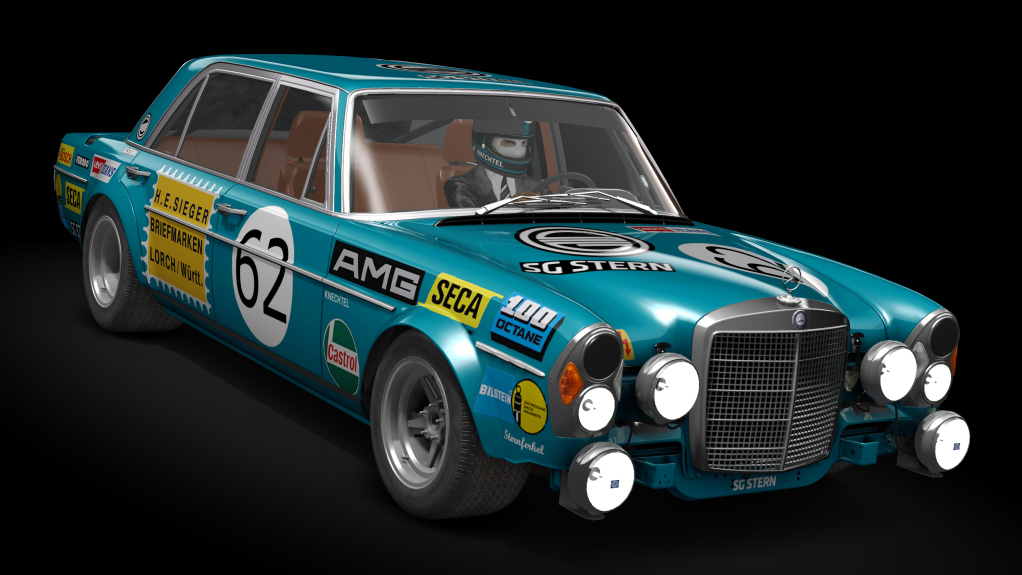
Mac Shepherd supplied the opening authority, but Valentin Knechtel made the sustained advance that settled the TCL 70s Championship. In Class B, Nik Likar built a less conspicuous but equally substantial campaign, keeping his advantage through the closing rounds.
The Porsche sets the measure
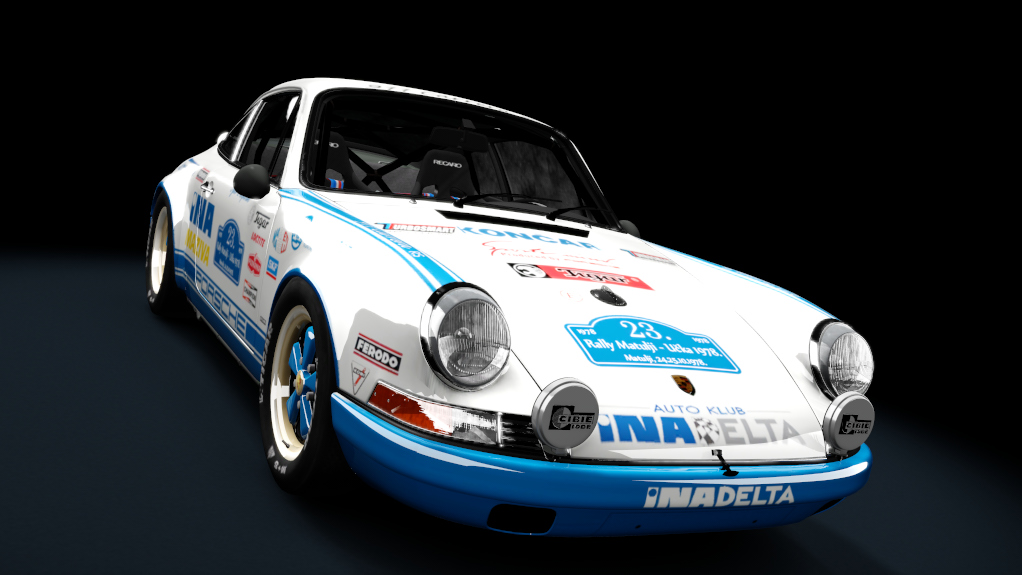
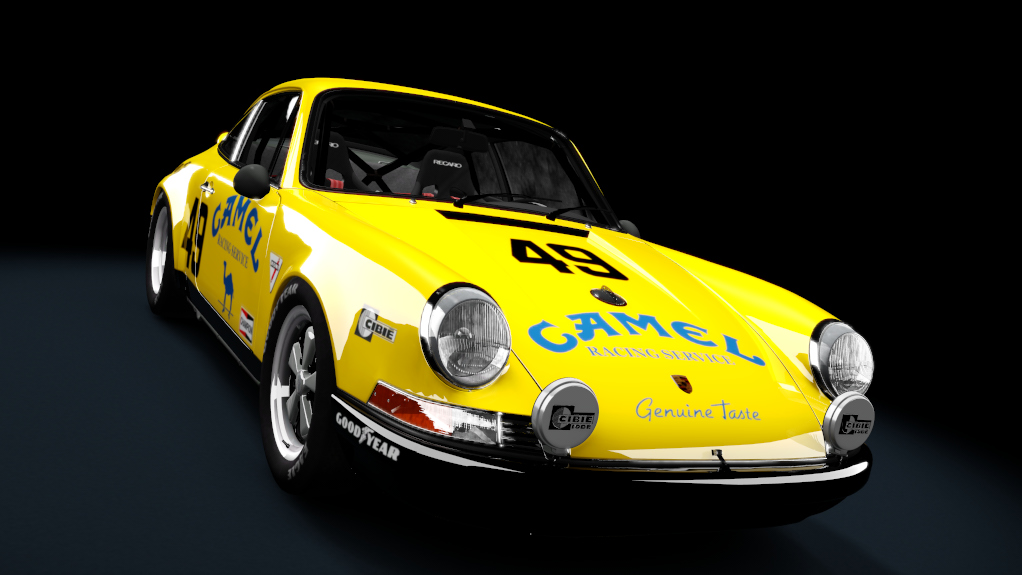
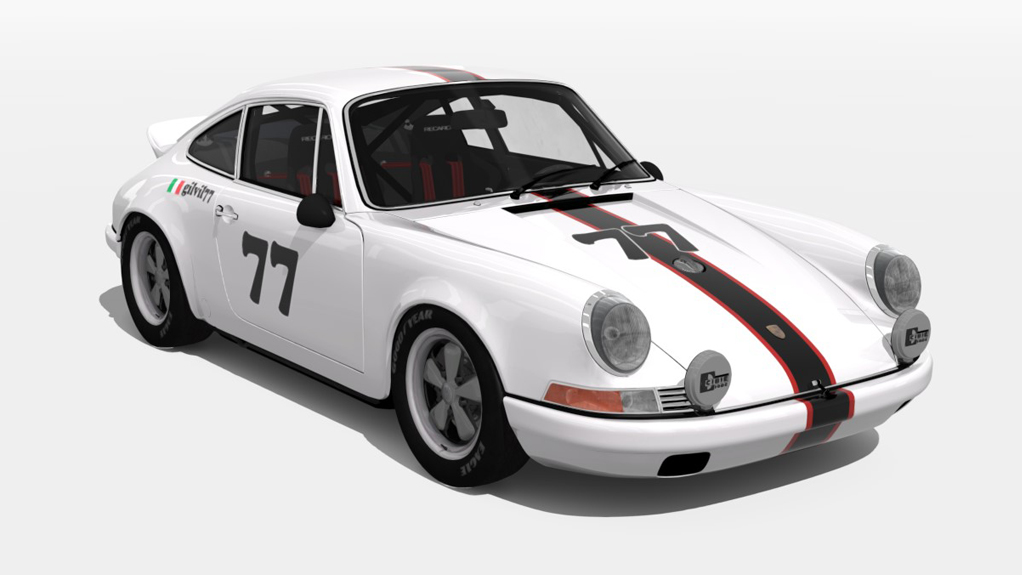
The season began with an apparent certainty and ended with a different champion. Across eleven meetings and twenty-two races, the balance moved from the Porsche 911RS 2.7 to the AMG 300 SEL 6.8 'Rote Sau', though the Championship changed hands much later than the race results began to suggest. Shepherd's early command was real. So, eventually, was Knechtel's capacity to remain near the front whatever the identity of the winner.
At Kyalami, Shepherd won both races and set the fastest lap in each. Nat Stevenson took second in the opening race, while Michal Janak occupied that position in the second. Monaco brought another pair of Shepherd victories, with Stevenson second on both occasions. There was no need to search for subtleties in the opening form: the Porsche driver had established the standard, and his nearest regular pursuer was driving the same model.
The scoring nevertheless required some care in reading the table. Each driver could discard one meeting, leaving ten to count over the completed season. After Monaco, Shepherd's four victories had produced 124 points before deductions, but his counted total was 62, with Kyalami then discarded. Stevenson stood on 56 counted points. The rule had the effect that an emphatic opening on the circuit appeared as a much narrower advantage in the Championship.
Knechtel had not yet made a comparable impression. His opening results lay outside the podium places, and the stronger part of his campaign was still to come. Zandvoort supplied the change in direction. Shepherd won the opening race, but Knechtel took the second, with Shepherd second and Stevenson third. Sebastian Holler had also announced himself by taking second in the opening race and recording its fastest lap. The AMG challenge now had more than one source.
The middle season changes its character
Spa made the altered order unmistakable. Holler won both races, Knechtel finished second in each, and Mueesli completed both podiums. The same three AMG drivers occupied the same positions twice, a much more persuasive answer to the opening Porsche successes than an isolated victory would have been.
Yet Shepherd retained the Championship lead. His Spa results became his discarded meeting, and the table placed him on 183 counted points, with Knechtel and Stevenson sharing second on 153. This was an important distinction between the direction of the racing and the position of the title. The opposition had acquired the initiative, but Shepherd still possessed the better accumulation.
Rouen checked the impression that the season might now pass entirely into AMG hands. Holler won the opening race from Knechtel and Shepherd; Shepherd answered by winning the second from Holler. Knechtel's second-race classification was ninth overall. After the meeting, Shepherd led the Championship on 239 points against Knechtel's 200, while Stevenson had slipped to third on 196. The leader had responded at precisely the moment when a response was useful.
Thereafter Knechtel's pursuit became more regular. At Silverstone he followed Holler home in the opening race and won the second, while Shepherd secured third and second. The Porsche driver was still collecting substantial results, not merely living upon his opening advantage. But the balance was becoming less comfortable.
The Nordschleife reinforced that tendency. Holler won both races, Knechtel took both second places, and Shepherd's third and fourth overall left him leading the Championship on 339 points to Knechtel's 315. Holler had risen to third in the table on 284. His speed was beyond dispute; the difficulty was that his campaign had begun at Zandvoort, with the opening meetings already gone.
From pursuit to possession
The January resumption at Mosport did not immediately dislodge Shepherd. He won the opening race, with Knechtel second and Stevenson third. The second race went to vanderspeed, giving Porsche another success, while Knechtel again finished second and Stefan Roess took third.
For the Championship, those repeated second places mattered more than their modest appearance might suggest. After Mosport, Knechtel had four consecutive second-place results and stood on 371 counted points, twenty behind Shepherd's 391. He had not needed to win either Canadian race to reduce the deficit. Holler's absence from the meeting, meanwhile, interrupted the progress he had made before the break.
Monza Junior was the sharper turning point. Knechtel won both races and set the fastest lap in each. Shepherd was fourth overall in the opening race, then was classified 27th in the second after completing one lap. The consequences were substantial, although the discarded-score calculation softened them. Monza Junior became Shepherd's discarded meeting at that stage, replacing Spa. He retained the Championship lead, but only by 434 points to 433.
That single point was the remaining separation before Watkins Glen. Shepherd did not take part there, while Knechtel and Holler exchanged first and second places. Knechtel emerged as Championship leader on 492 counted points, twenty ahead of Shepherd's 472. The change of discarded result was again material: Shepherd's zero at Watkins Glen replaced Monza Junior, bringing the earlier meeting back into his counted total. His absence therefore did not leave the table entirely stationary, but it did surrender the lead.
Mexico confirmed the new order. Knechtel won the opening race ahead of Stevenson and Holler, then finished second to Holler in the concluding race. Shepherd's classifications of fifth and thirteenth overall offered no comparable reply. The official final standings awarded Knechtel the Class A Championship with 551 points, Shepherd second with 510 and Stevenson third with 456. The champion had taken possession late, then closed the matter without a late reversal.
Likar's steadier command in Class B
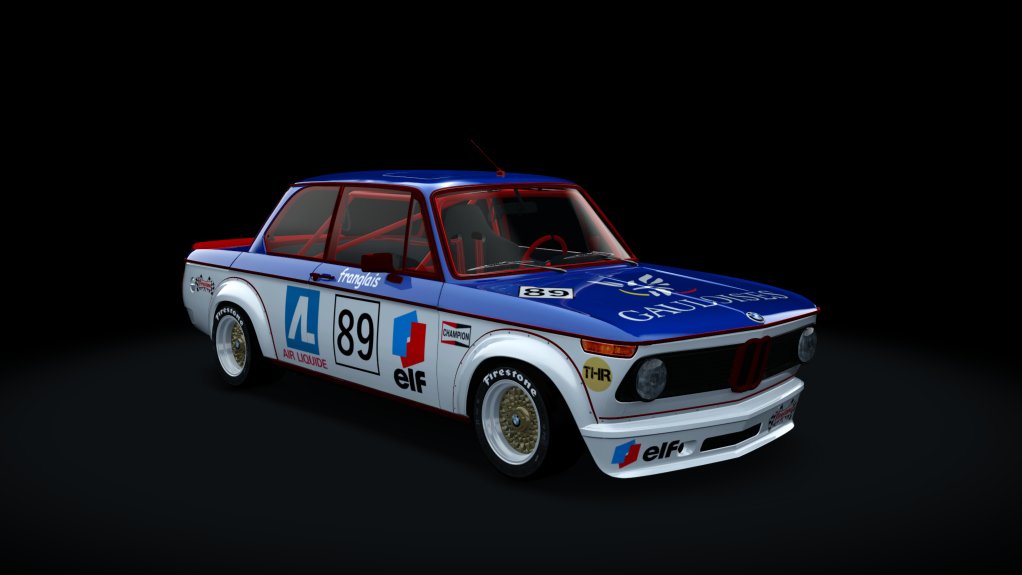
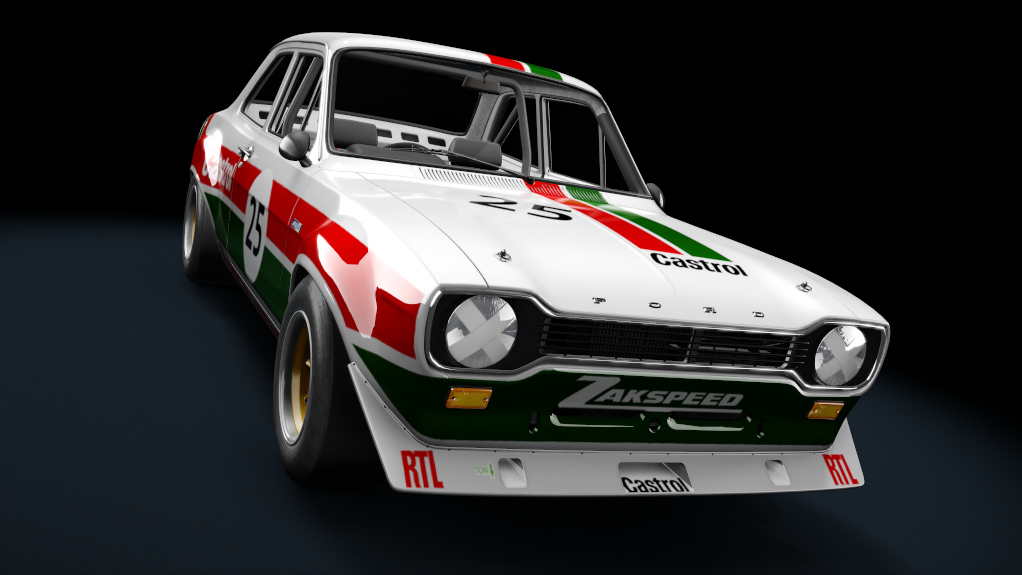
Class B developed along a different line. Its early leadership changed more readily, but once Likar moved ahead he remained the reference point. His season included both Ford Escort and BMW 2002 machinery, while Doenerfan, his principal pursuer, campaigned the BMW.
Doenerfan led after Kyalami, with Likar close behind. At Monaco, Sendgineer moved to the head of the class table on 56 counted points, ahead of Likar's 53 and Doenerfan's 52. Zandvoort then put Likar in front. His fifth and eighth overall classifications helped establish a Class B total of 112 points, four ahead of Doenerfan and nine ahead of Sendgineer.
The subsequent contest was sustained rather than spectacular. Likar's margin over Doenerfan remained small through the European middle meetings. After the Nordschleife it was ten points, 316 to 306, and there was little justification for treating the order as settled. Likar's strength lay in repeatedly adding useful scores rather than allowing a difficult meeting to become a prolonged loss of ground.
Mosport extended his advantage to seventeen points. Monza Junior brought a different kind of protection for Doenerfan: he did not participate, but the zero became his discarded meeting, restoring his previously excluded Monaco score to the counted total. After Monza Junior, Likar led on 413 points to 395. Here, as in Class A, the movement of the discard was part of the Championship story, not merely an adjustment to be made at the end.
Watkins Glen gave Likar a more substantial cushion. His seventh and ninth overall classifications left him on 463 Class B points, thirty ahead of Doenerfan. Mexico still demanded a recovery within the meeting: Likar was classified 19th in the opening race after completing eight laps, before taking sixth overall in the second. His final Championship total was 511, against Doenerfan's 486.
Behind them, margar17 made a worthwhile advance from a campaign that began at Zandvoort. Two fifth-place overall classifications at the Nordschleife and fourth overall in Mosport's opening race showed the substance behind that rise. Third in the final Class B standings on 456 points was a sound return. Stavros Koudounas had occupied third in the class table through much of the middle season, but his campaign ended at Monza Junior.
What the completed season revealed
Knechtel's title was not founded upon the largest collection of victories. Holler won eight races, Shepherd seven and Knechtel six. What distinguished the champion was the breadth of his high results: six victories and ten second places gave him sixteen top-two results in total, with seventeen podium appearances. Shepherd's corresponding totals were nine top-two results and twelve podiums.
The final discard also gives the achievement its proper scale. Knechtel relinquished forty points from Kyalami, while Shepherd's excluded meeting was his non-appearance at Watkins Glen. Even after surrendering a scoring event, Knechtel held the official advantage. His Championship was more than the consequence of a rival missing a meeting.
Holler remained a formidable racing presence despite ending fourth in Class A on 452 points, four behind Stevenson. Fourteen podium appearances from sixteen starts explained how forcefully he could alter the complexion of a meeting; the gaps in his programme explained why those performances did not produce the title. Stevenson, without a victory but with eight podium appearances, secured third through the longer accumulation.
There was distinction farther down the order without any need to enlarge the roll of contenders. Andi Stangl collected three third places, while Duderei returned to the podium in the final race at Mexico. Such results gave the leading group depth, even as the Championship's central argument narrowed.
The lasting impression is of two champions who understood the value of a season rather than a single afternoon. Valentin Knechtel's Class A title came after an opening phase commanded by runner-up Mac Shepherd, with Nat Stevenson third in the final standings. In Class B, Nik Likar established his authority early and preserved it ahead of Doenerfan and margar17, second and third respectively. Knechtel and Likar had taken different routes to the same reward: making their strongest work endure.