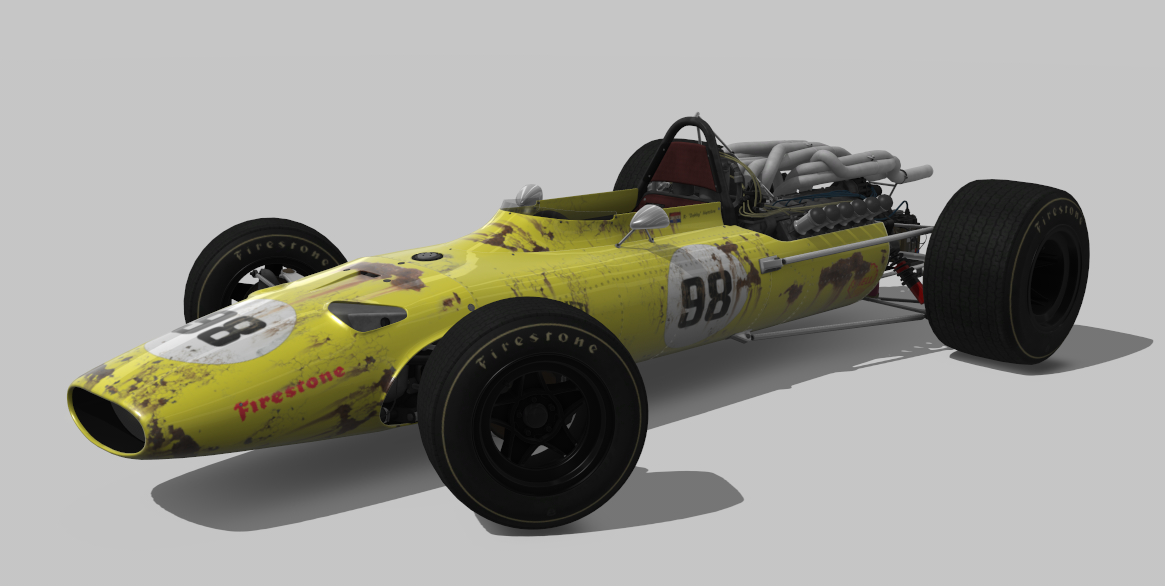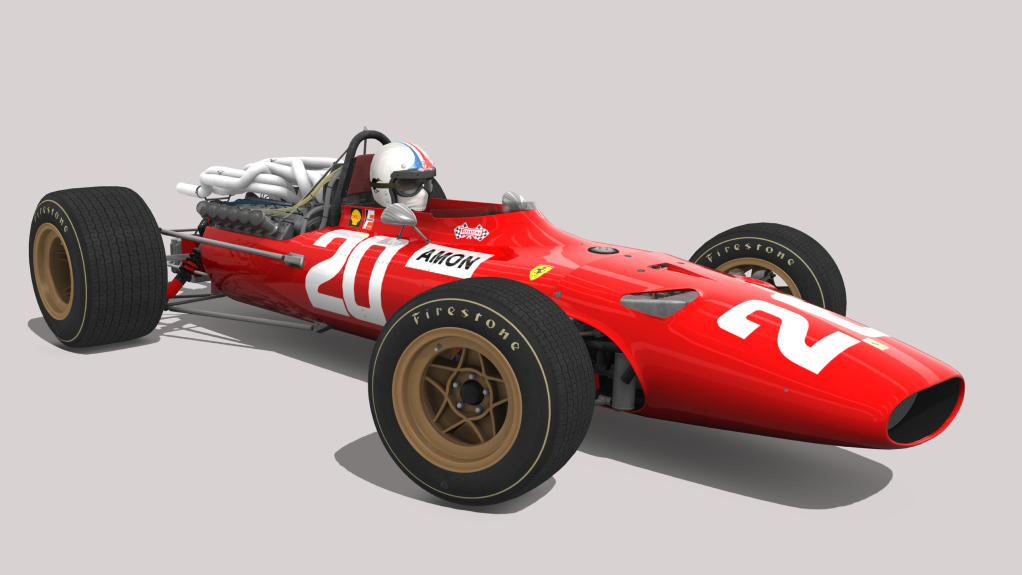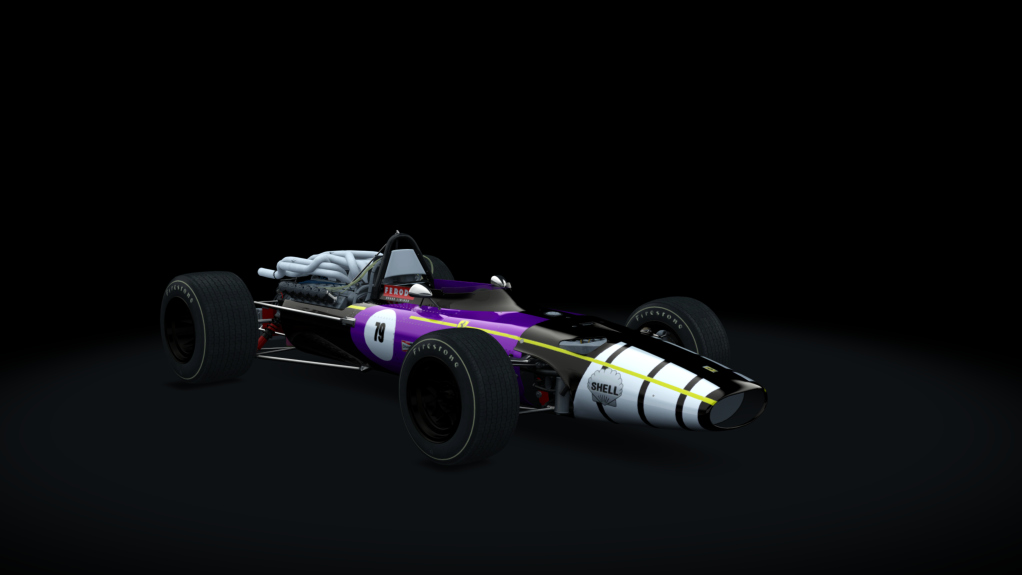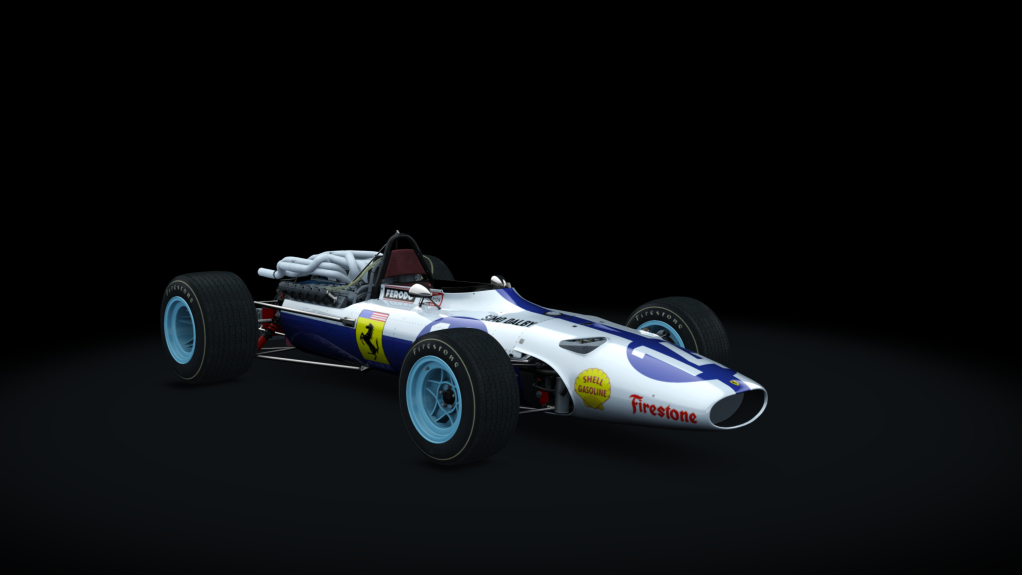
Porcu by a Point
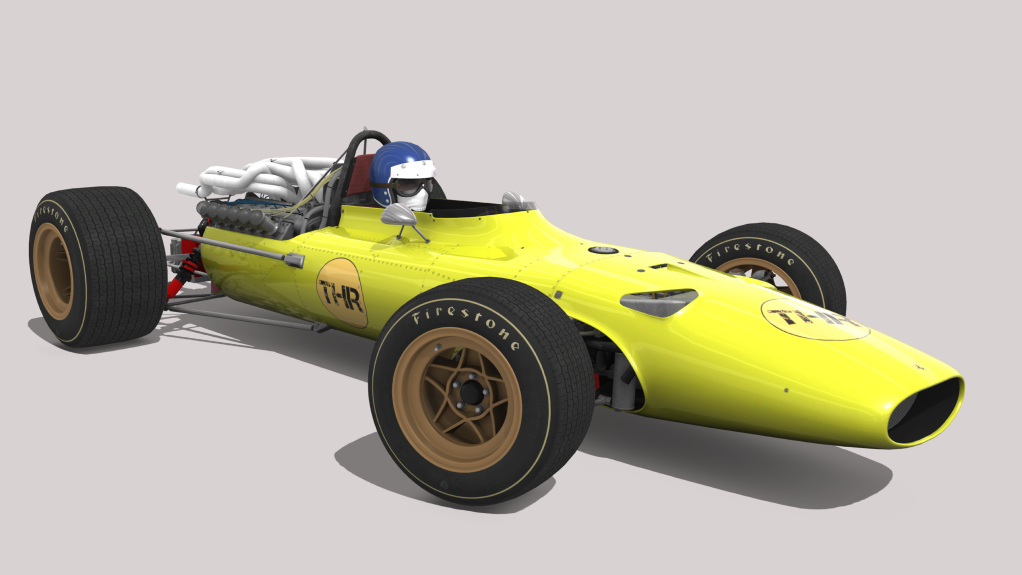
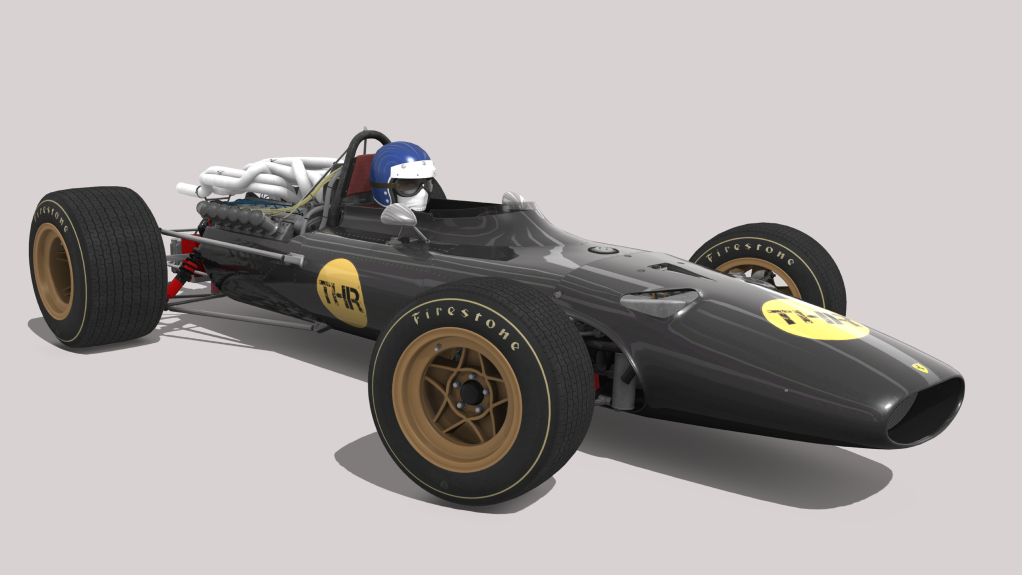
Four victories gave Simone Porcu the stronger winning record, but GPL Championship 5 was never comfortably his. Maddie Shepherd led through the middle of the season and won its final race, leaving the Lotus driver champion by the narrowest of margins.
A championship of changing proportions
There was nothing generous about the final reckoning. Simone Porcu took GPL Championship 5 with 264 points to Maddie Shepherd's 263, a distinction small enough to give almost every important result a retrospective weight. Yet this was not a championship settled merely by the accumulation of minor advantages. Its character changed markedly during the nine rounds: Lotus established the opening terms, Shepherd took command with the Honda, and Porcu recovered the initiative through a concentrated sequence of victories late in the season.
The contrast between the principal opponents was not simply speed against regularity. Porcu could recover lost ground with considerable force, while Shepherd's challenge included victories as well as repeated second places. Behind them, pitman remained close enough for much of the campaign to make the contest a three-sided affair in practical, if not mathematical, terms. The rule allowing each driver to discard one poorest result further complicated the apparent movement of the table. A disappointing afternoon did not always produce an immediate loss of counted points, and the identity of the discarded result could change as the season proceeded.
Lotus sets the terms
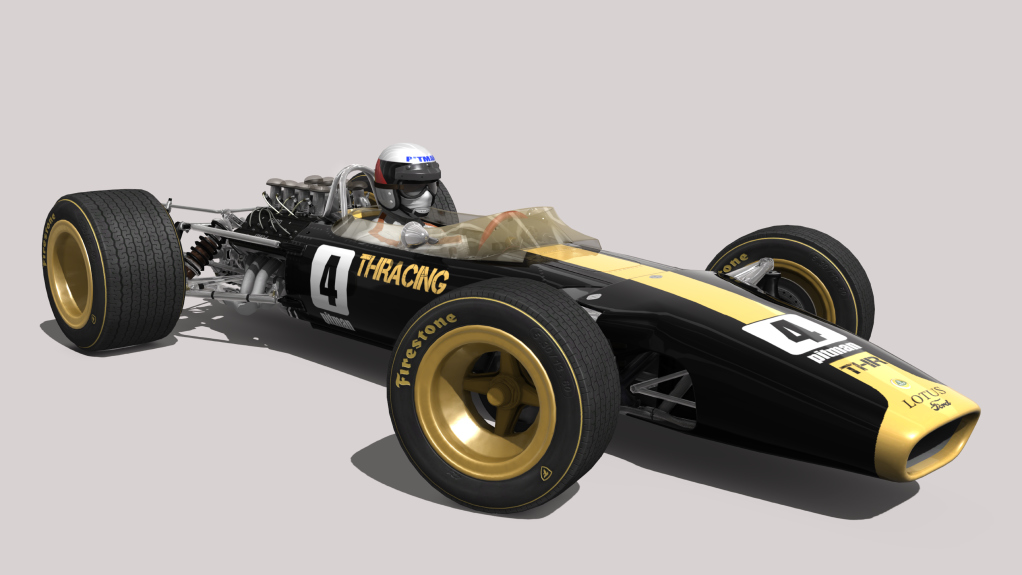
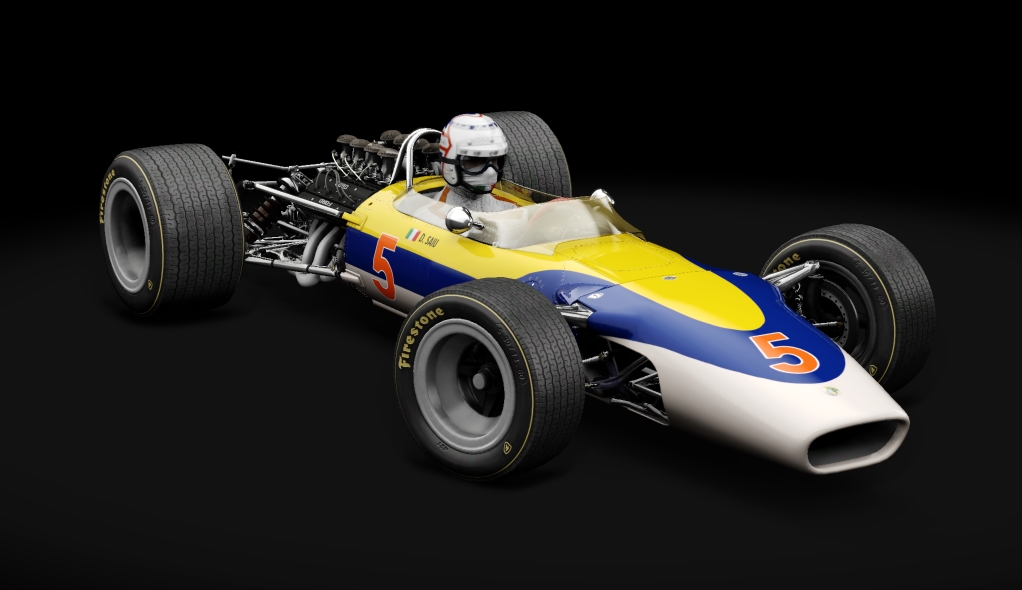
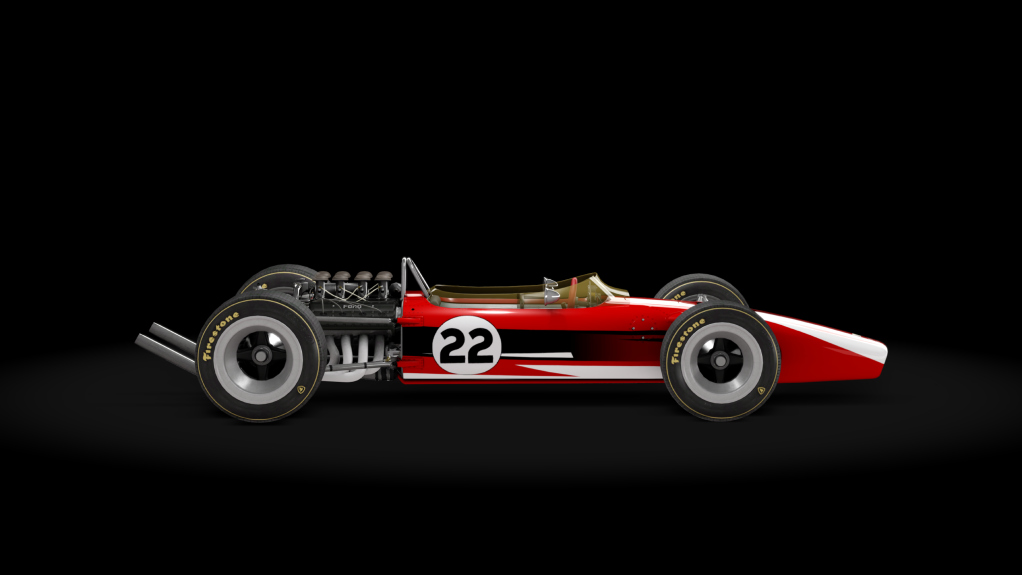
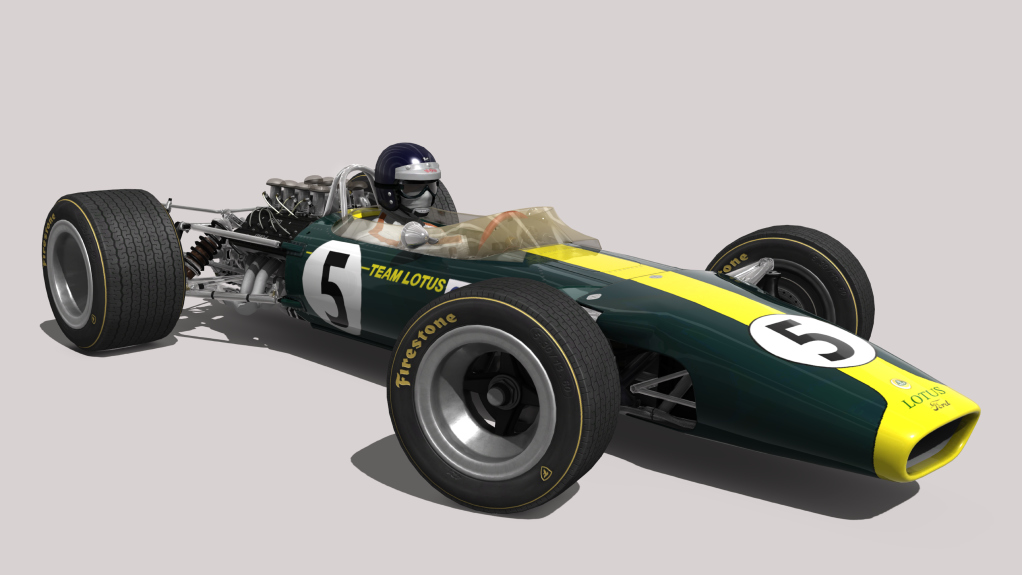
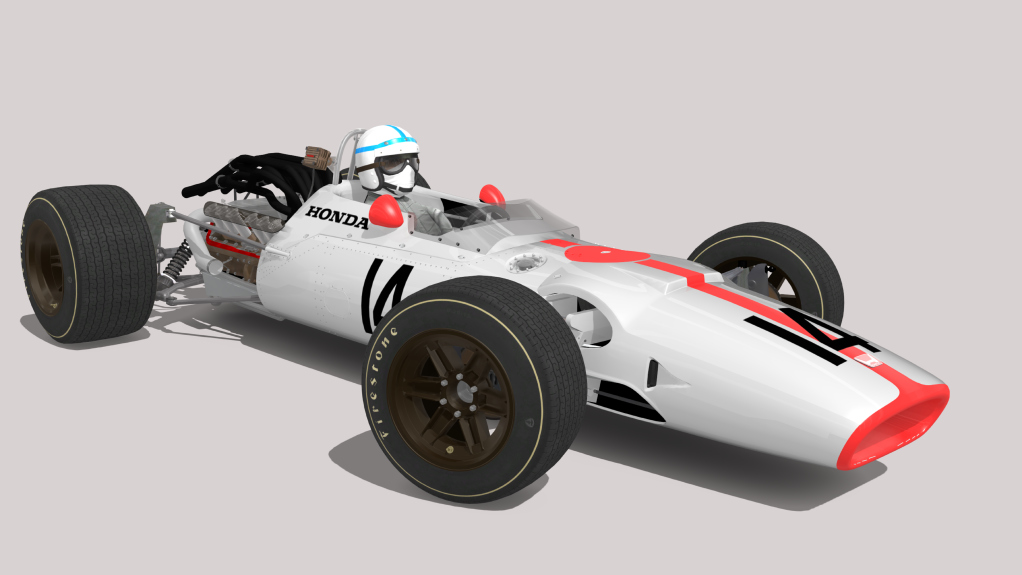
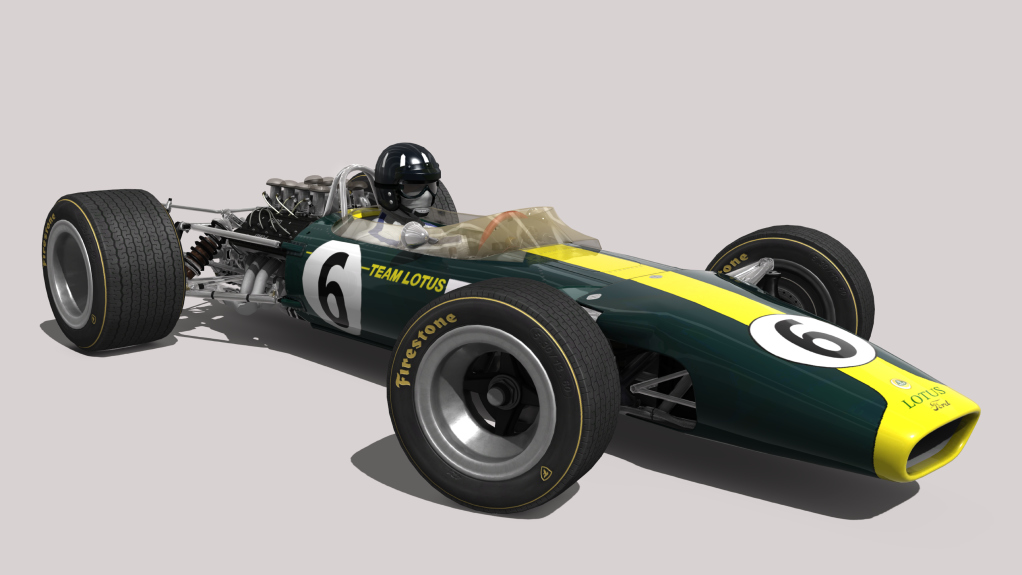
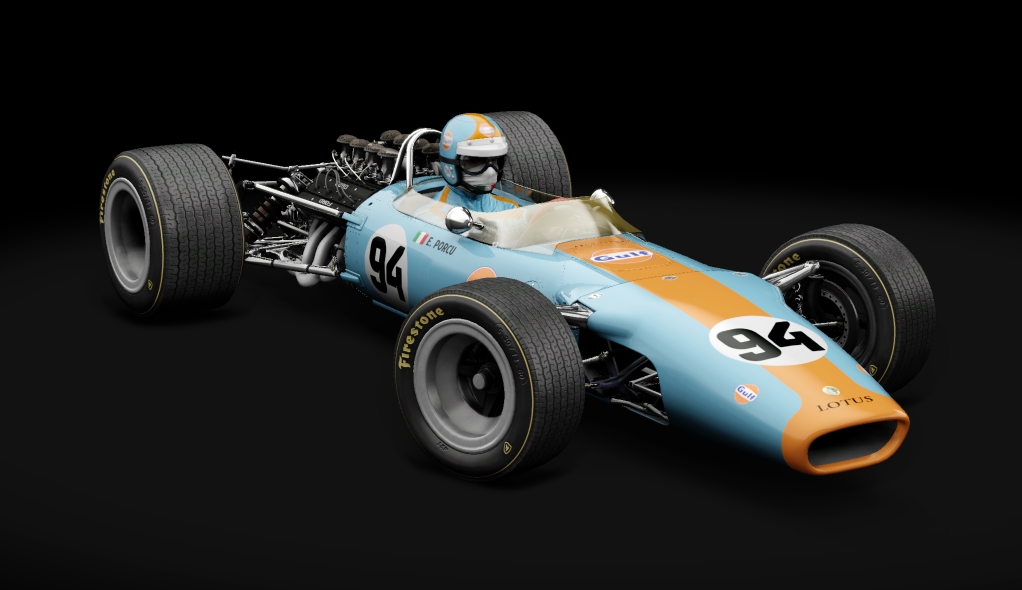
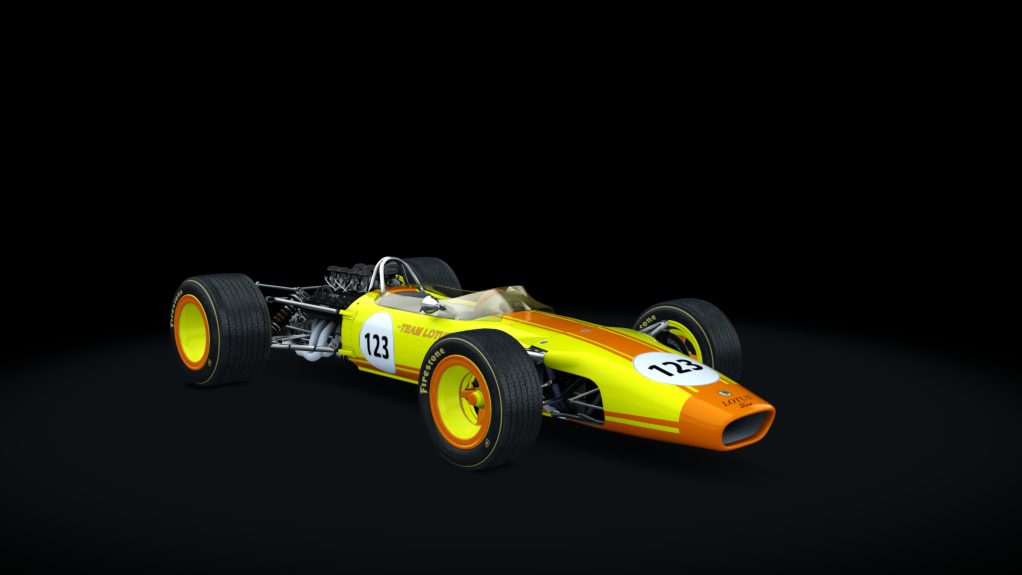
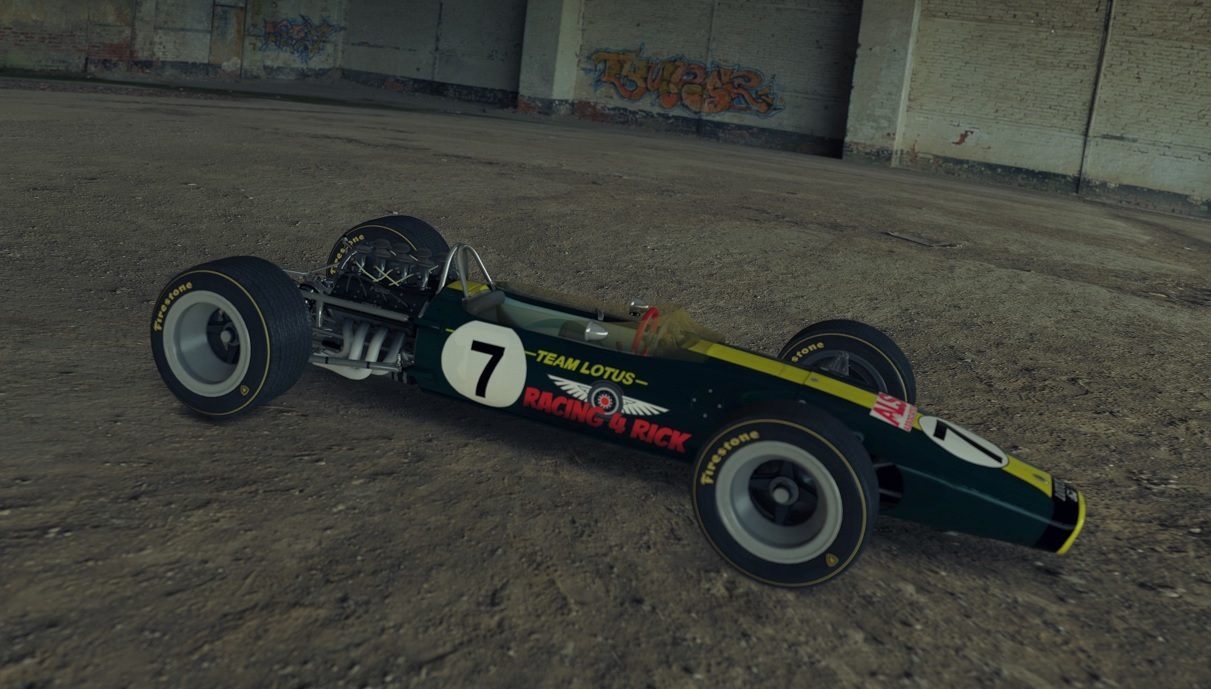
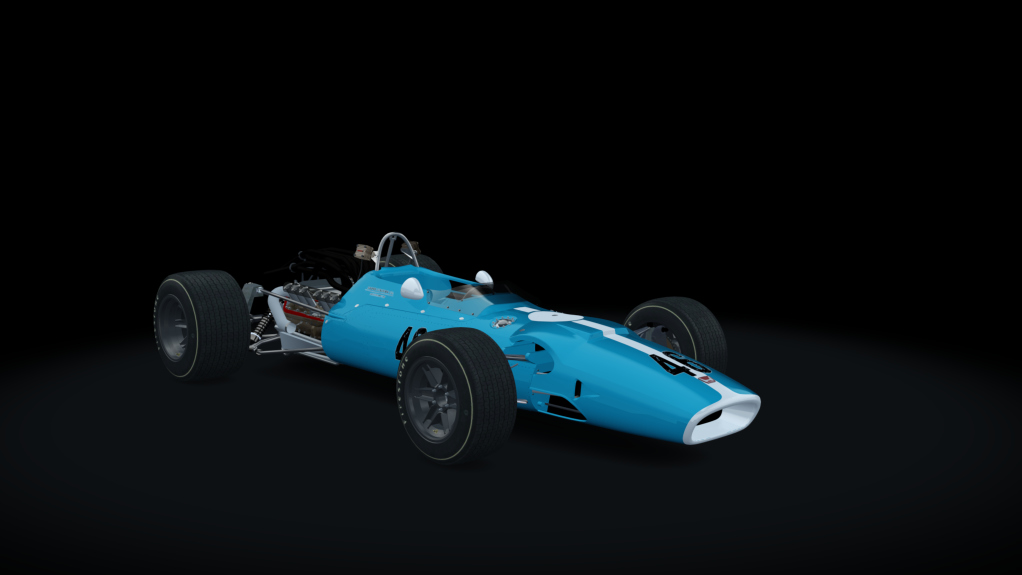
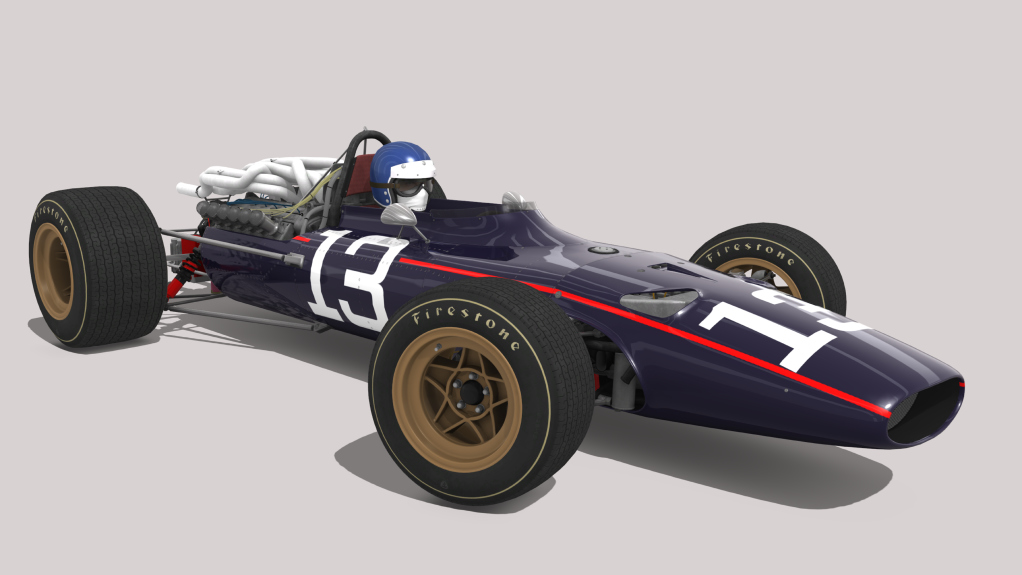
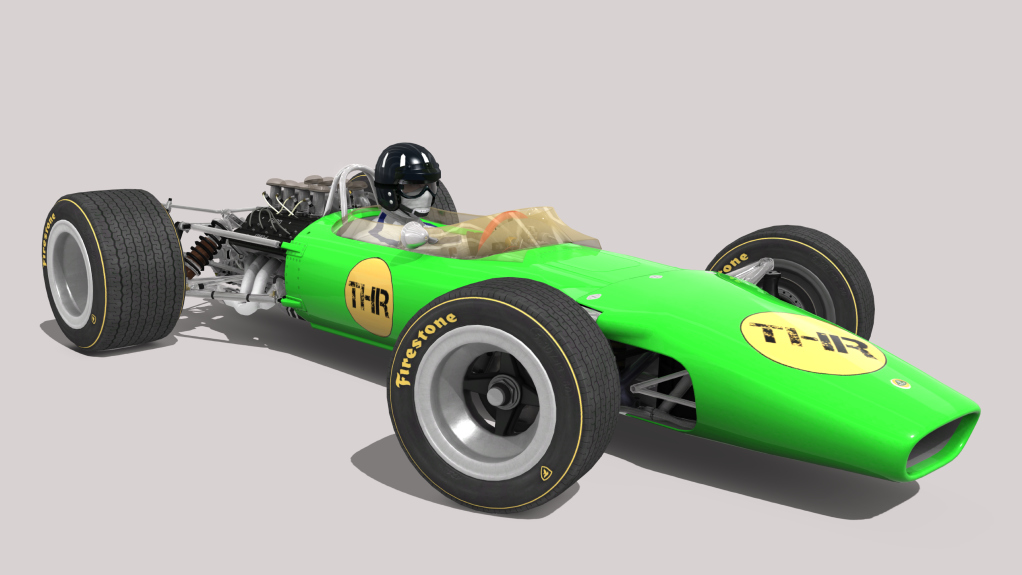
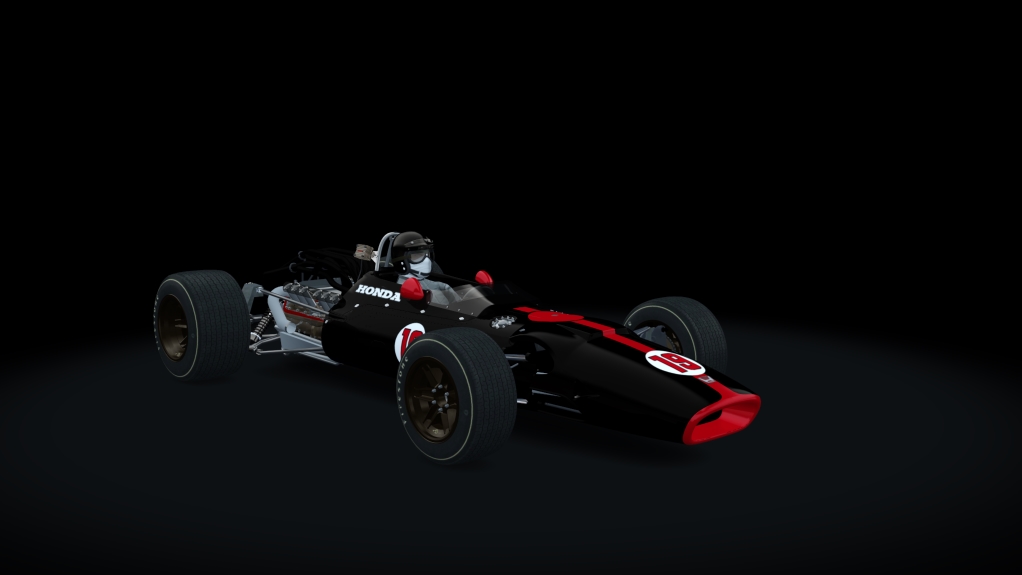
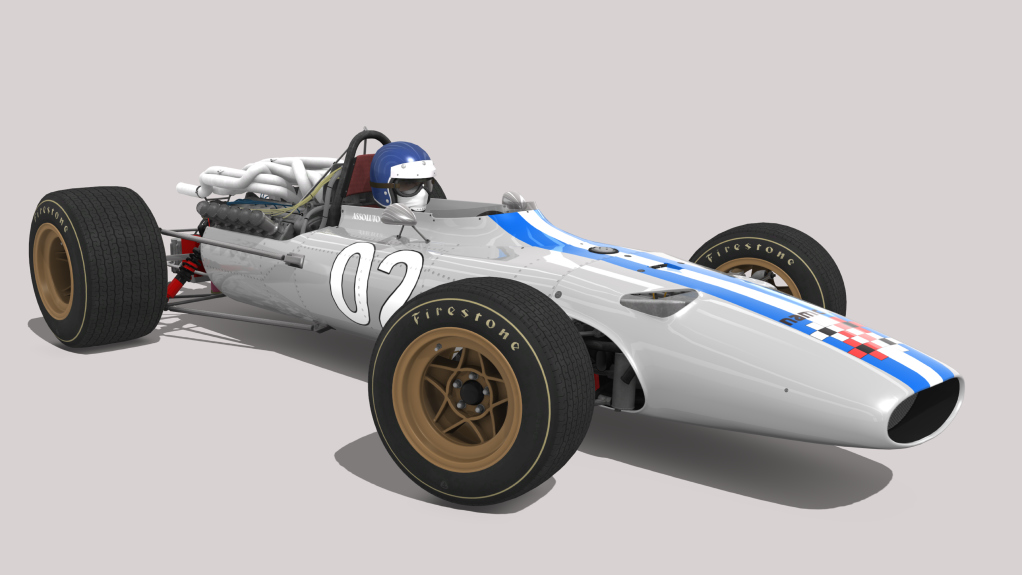
Porcu's opening victory at Monza in the Lotus 49 supplied the first indication of the strength that would eventually win the title. Shepherd finished second in the Honda RA300, with pitman third in another Lotus. The eventual leading three were thus present at the front from the outset, although the order was far from settled.
Sandevoerde gave pitman an emphatic reply. Victory ahead of Davide Saiu and Porcu made it a Lotus sweep of the podium and brought pitman level with Porcu at the head of the Championship, both on 38 counted points. Their results had been complementary: each had a victory and a third place, with the lesser score discarded at that stage. It was an unusually neat opening balance, and one which prevented Porcu's Monza success from becoming an early monopoly.
Saiu's second place also demonstrated that the Lotus challenge extended beyond the two drivers sharing the Championship lead. For Shepherd, however, the second meeting was less rewarding: classified sixth after completing 44 of the 45 laps, the Honda driver had to look elsewhere for the next advance. That response came promptly, and it altered the direction of the season rather more substantially than the opening Lotus results had suggested.
The Honda interval
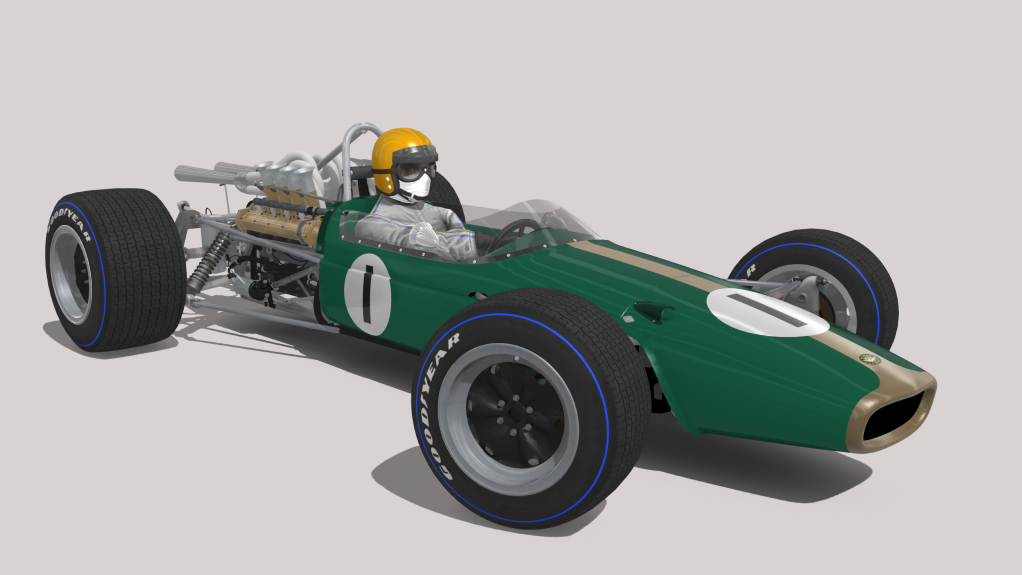
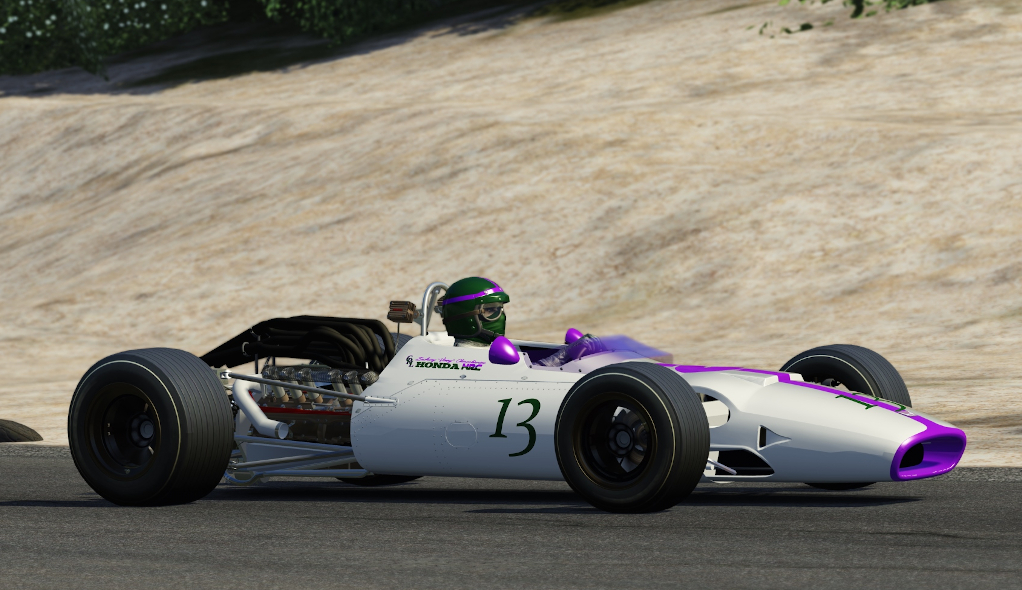
Bremgarten was the first decisive change of leadership. Shepherd won in the Honda, while Porcu did not start, and emerged with 73 counted points against the 70 shared by Porcu and pitman. The discarded-score rule softened Porcu's absence by replacing an earlier scoring result with the zero from Bremgarten as his omitted event. It did not, however, prevent Shepherd from taking the lead.
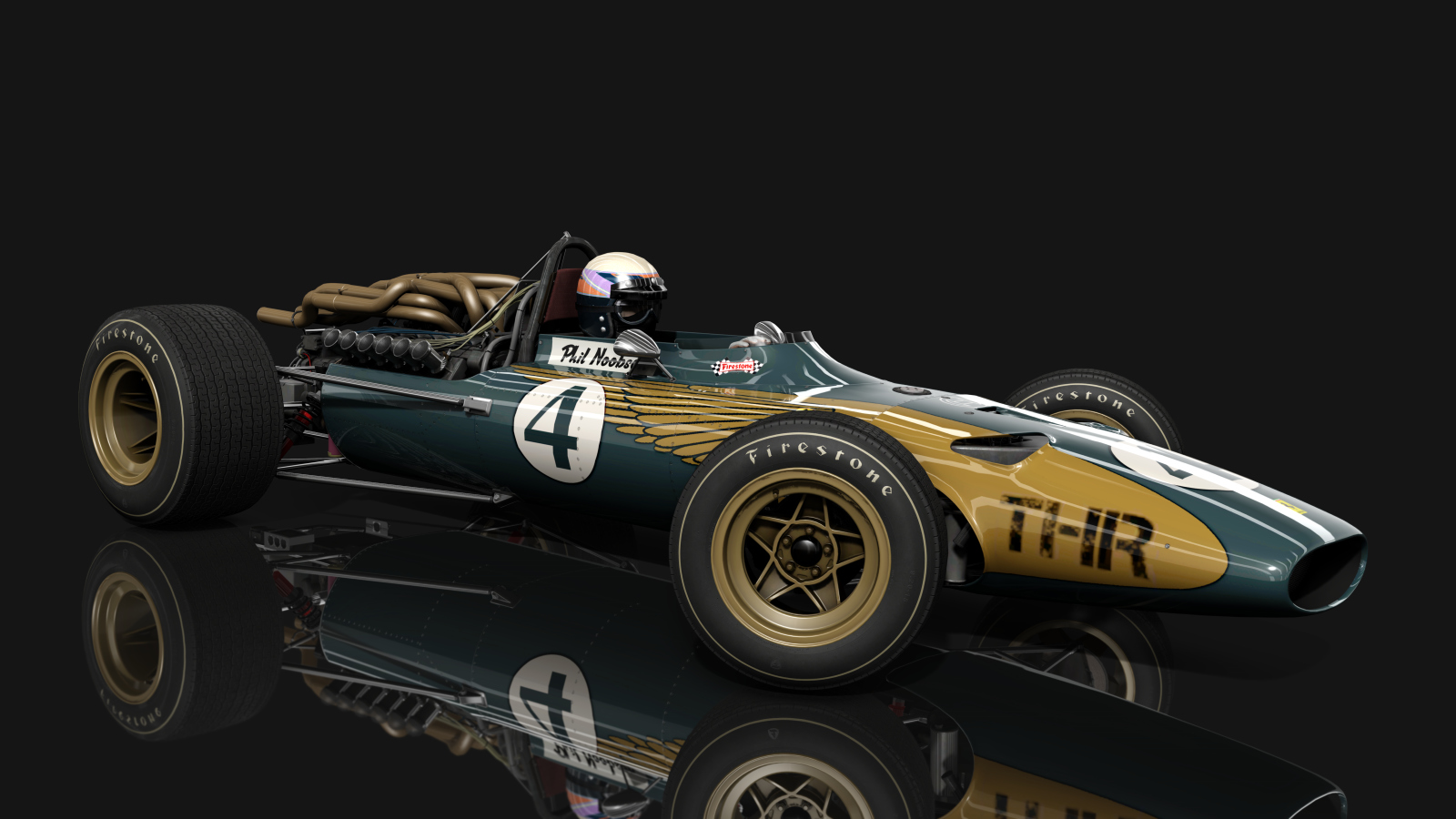
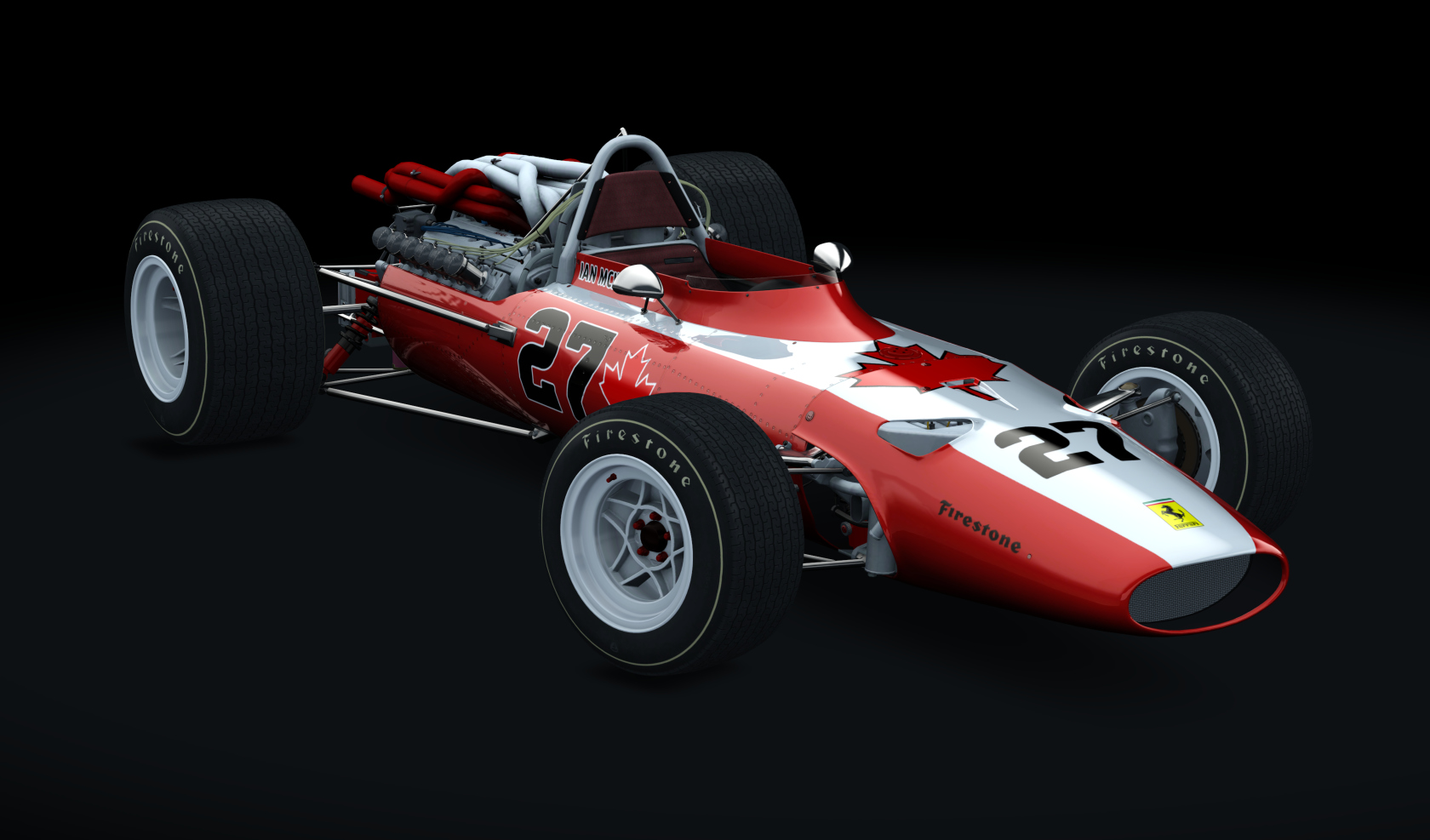
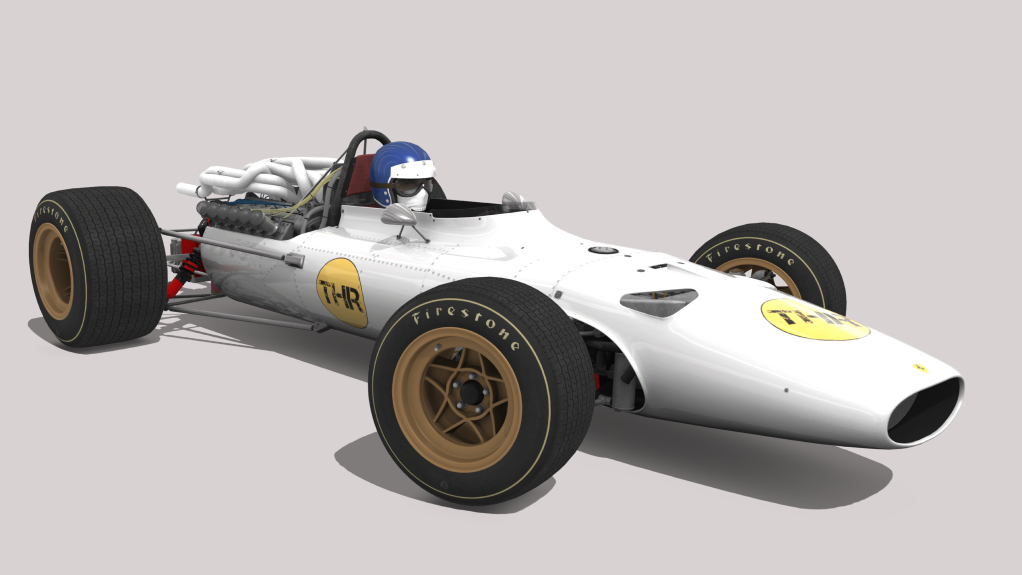
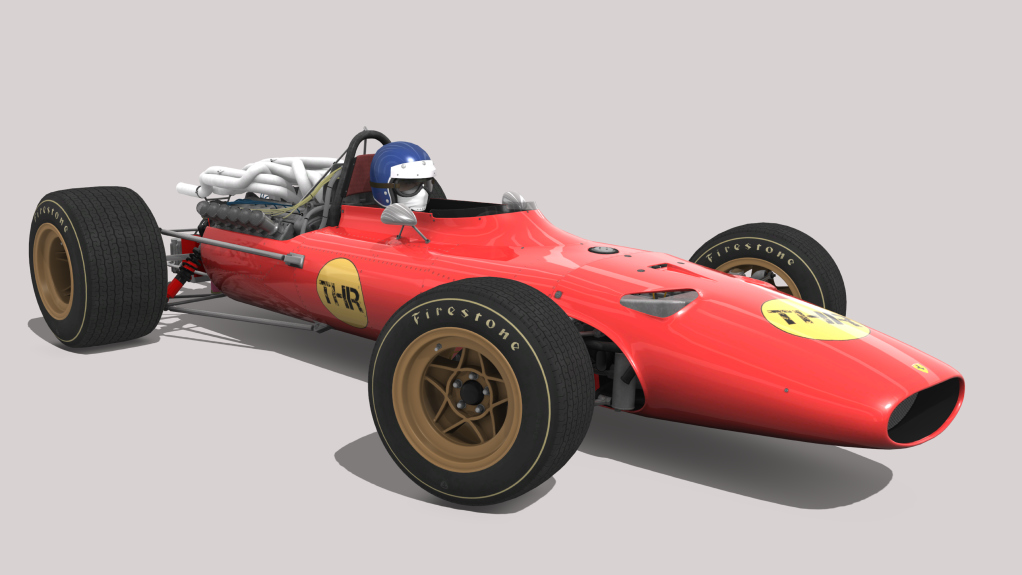
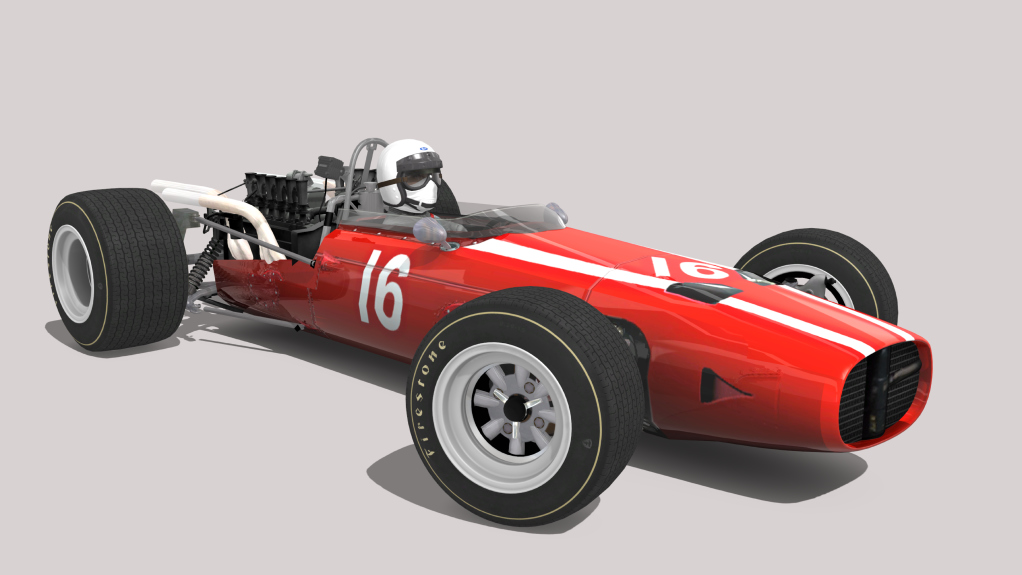
The victory was important in another respect. With gilvil77 second and Phil Noobson third in their Ferrari 312s, the front of the field no longer looked like a private Lotus preserve. Different combinations could take points from the leading contenders, and the races immediately ahead confirmed it.
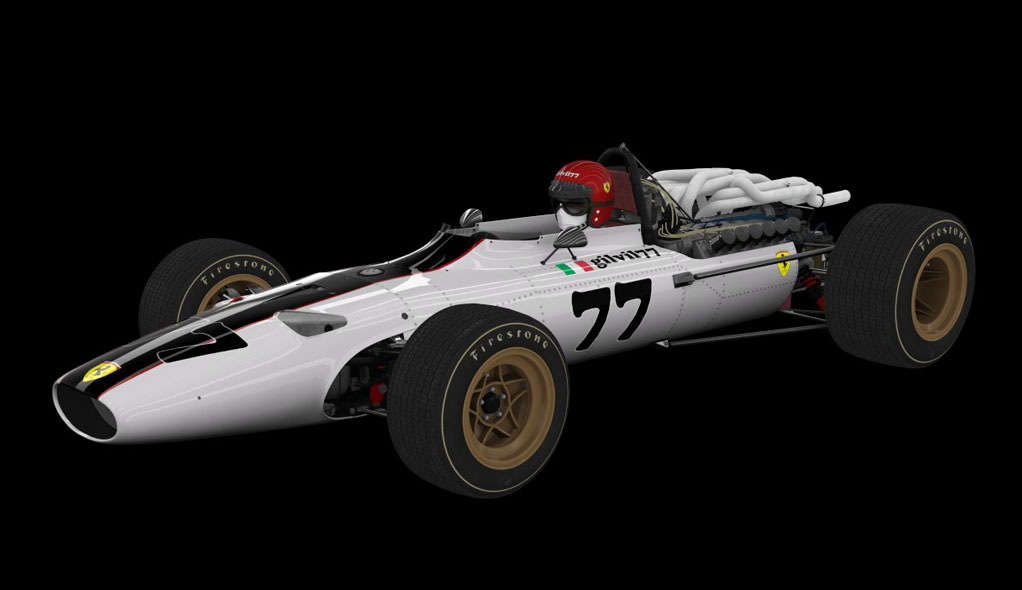
At Monaco, Philip Kraus won in a Honda, with Shepherd second. For Shepherd, that was a valuable continuation of the Bremgarten gain rather than an isolated result: the Championship lead now stood at 108 points to pitman's 99. Meanwhile, Porcu was classified 11th after completing 41 of the 43 laps. His opening authority had become a recovery task. Gilvil77's third place in the race also carried the Ferrari driver to third in the Championship, on 93 points.
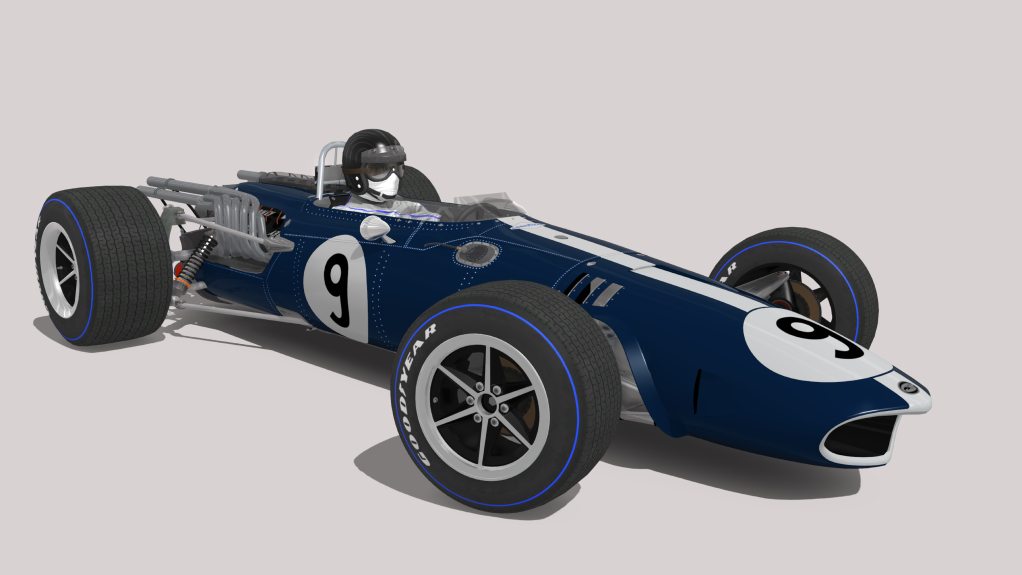
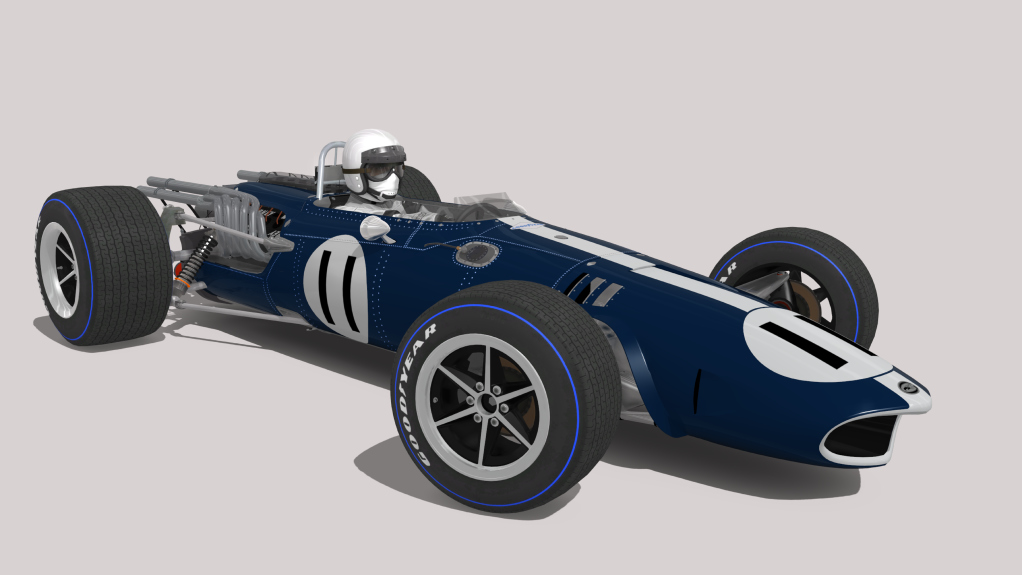
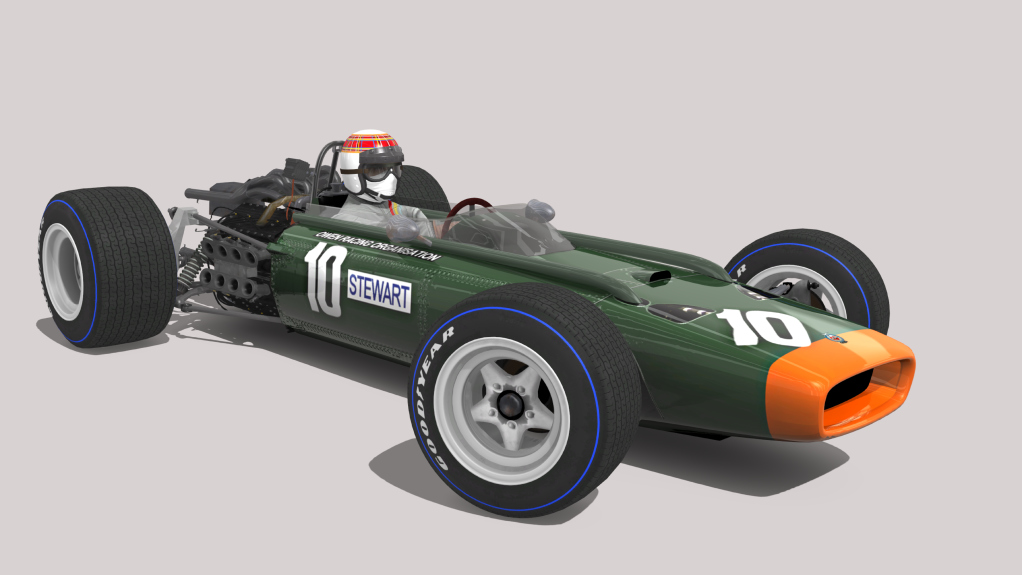
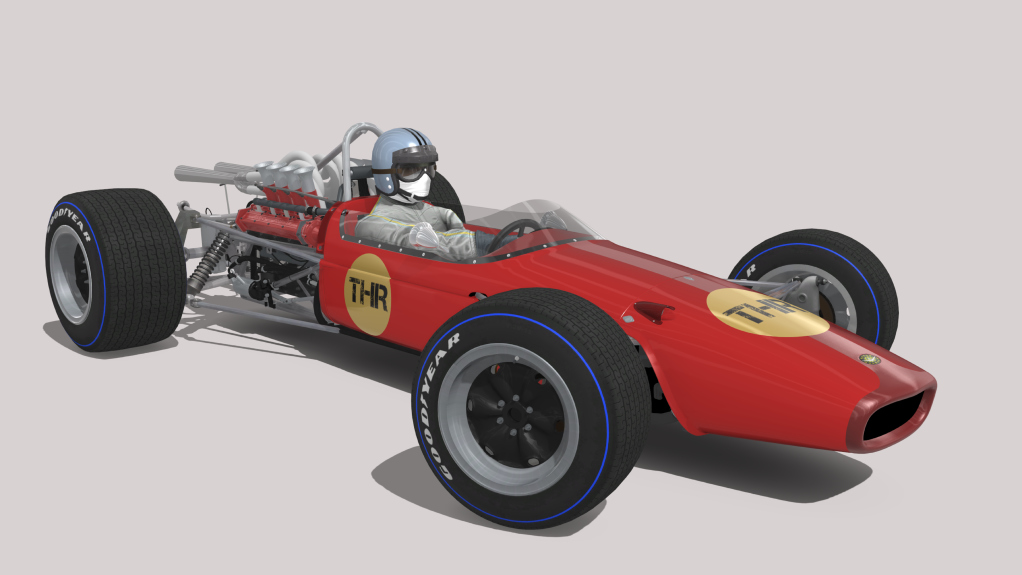
Watkins Glen then introduced another winner, Mark Zeidler in the Eagle T1G. Kraus finished second and Porcu third, the latter result beginning to repair the damage. Shepherd was classified sixth after 55 of the 56 laps, but retained the Championship lead. Porcu was third in the table on 124 points, 11 behind Shepherd. The deficit was not imposing, but it had become clear that the Monza winner could not rely on the others merely exchanging results. He would have to take the larger scores himself.
The recovery becomes an offensive
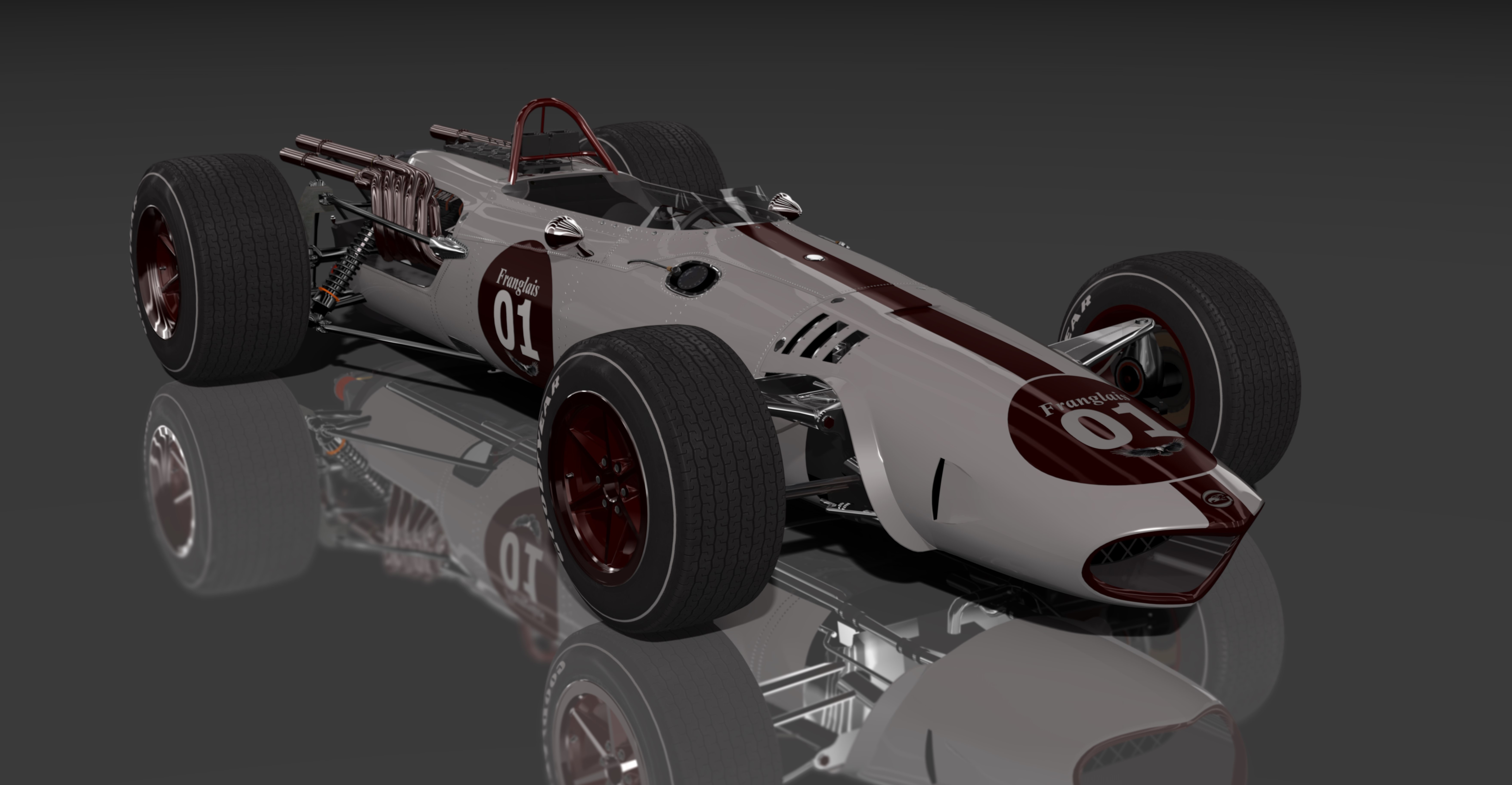
Spa supplied the answer. Porcu won, franglais finished second in an Eagle, and pitman took third. Shepherd finished fifth, enough to preserve the Championship lead but not its previous dimensions. The table now read Shepherd 163, Porcu 162 and pitman 160. With three points covering the leading three, the championship had been compressed into a very different shape from the one seen after Monaco.
Porcu's victory mattered beyond the immediate arithmetic. The third place at Watkins Glen had restored a foothold; Spa converted it into a direct challenge. Pitman's place on the podium was equally pertinent. His campaign had not depended upon repeated victories, but he continued to collect results which kept him involved while the balance shifted between the two drivers ahead.
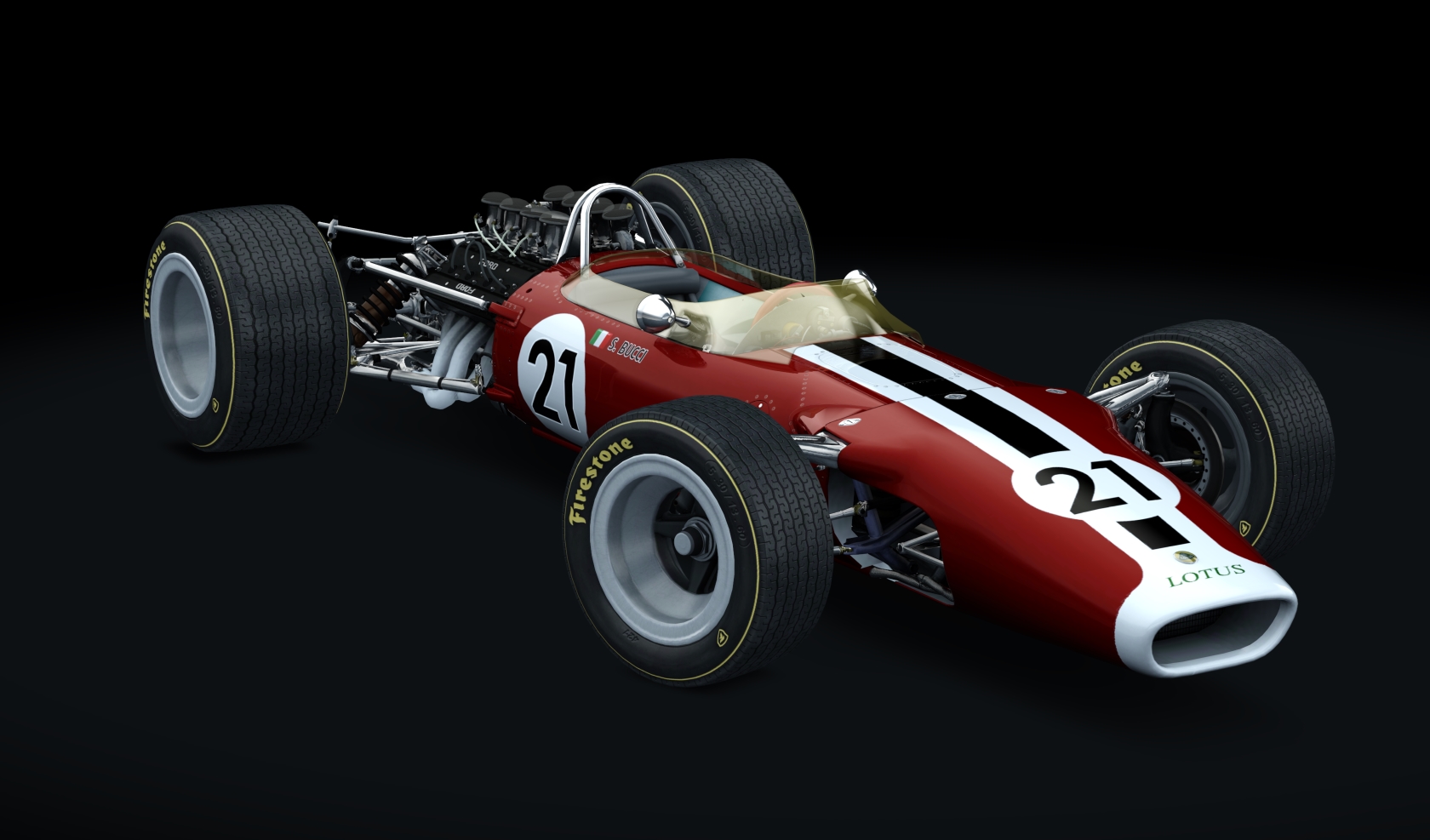
Mexico was the point at which Porcu regained the lead outright. He won again, with Shepherd second and Stefano Bucci third. Shepherd's result was a strong defence, but it could not quite hold the Championship order: Porcu now led by 200 points to 198. Pitman, fifth in the race and third in the Championship on 188 points, was beginning to lose ground to the greater rewards being gathered at the front.
The significance of this phase lay in its concentration. Porcu had not gradually worn down Shepherd's advantage through a succession of modest improvements. Successive victories had first removed nearly all of the deficit and then reversed it. Shepherd remained close, but was now answering the Lotus driver's results rather than setting the pace of the Championship.
Deutschlandring and the discarded score
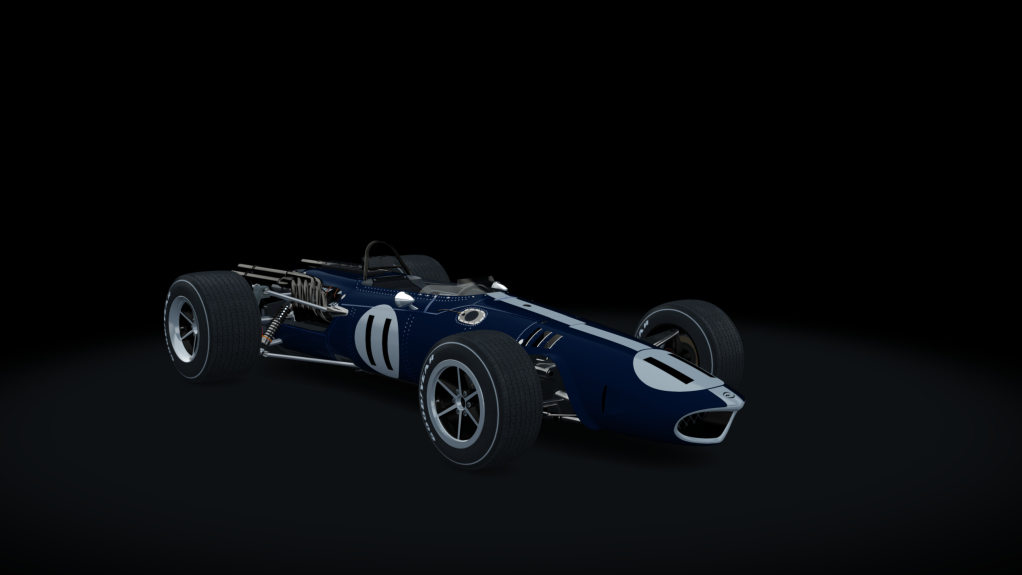
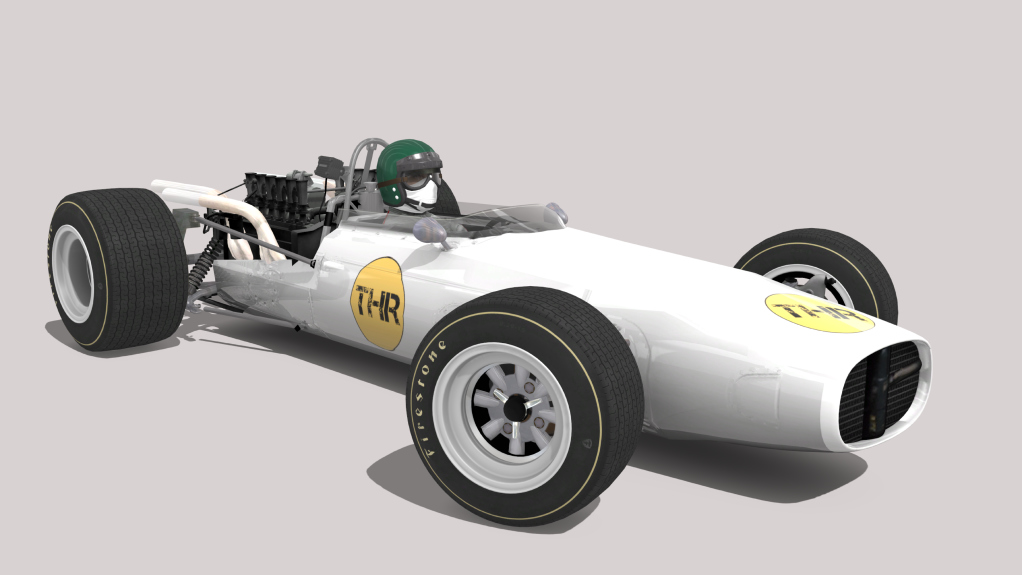
Deutschlandring deepened that change. Porcu won for the third consecutive round, bringing his record at that point to four victories and six podium appearances. Noobson finished second for Ferrari and Bucci third for Lotus, while Shepherd's move to an Eagle T1G brought a disqualification rather than a score.
The Championship consequence was substantial, though less straightforward than a simple zero might suggest. Shepherd's Deutschlandring result became the discarded event, replacing the 27-point Sandevoerde score which had previously been omitted. Those earlier points returned to the counted total. Thus Shepherd left the penultimate round on 225 points, 13 behind Porcu's 238, rather than suffering the full apparent effect of the disqualification in the counted standings.
That was the clearest demonstration of the rule's influence on the title fight. It did not remove the setback, but it changed its scale. Porcu had established a useful advantage, not a comfortable conclusion. His run of victories had given him control of the table; Shepherd still had the opportunity to make the final meeting count heavily.
For pitman, classified fifth in the race, the table remained respectable but less promising: third in the Championship on 216 points. The regular collection of points had sustained his season, yet it was no longer matching the pace of Porcu's winning sequence.
Those who shaped the contest
The supporting performances were more than background decoration. Kraus's Monaco victory and second place at Watkins Glen placed another Honda ahead of the regular title contenders during the middle phase. His season ultimately contained one victory and two second places from six starts, a record of considerable effectiveness whenever his campaign came together.
Zeidler's Watkins Glen victory gave the Eagle a success of its own, while franglais's second place at Spa intervened directly between Porcu and pitman. Such results ensured that the title rivals could not expect the places immediately behind a winner to fall automatically to one another.
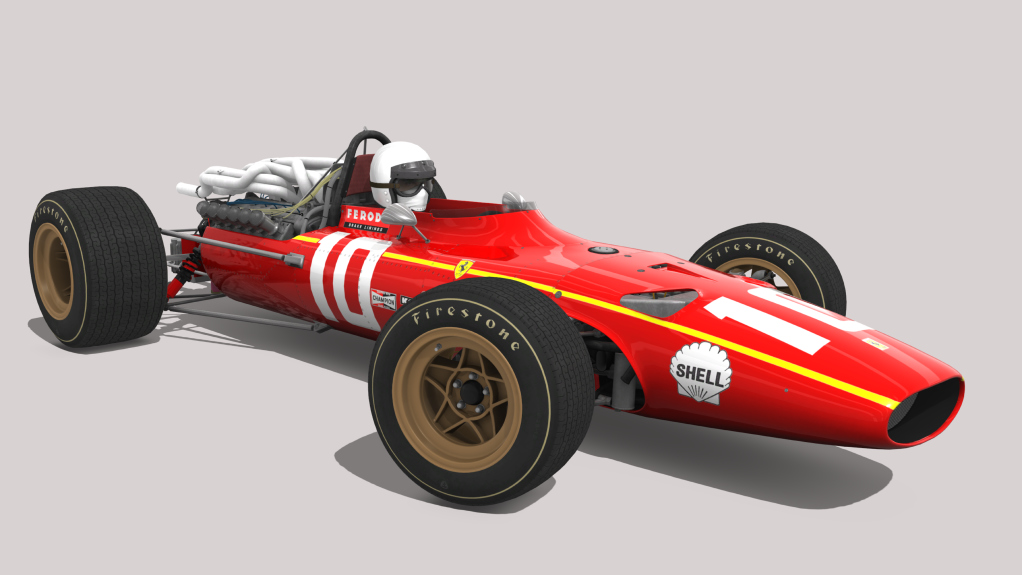
Ferrari's contribution was less conspicuous in victories but important in the wider order. Gilvil77's strong Bremgarten-Monaco sequence established an early claim among the leading scorers. Noobson's Deutschlandring second place provided a later answer. In the official final classification, Noobson took fourth in the Championship with 212 points, just ahead of gilvil77 on 211.
Bucci's improvement was the most sustained late advance outside the title contest. Third places at Mexico, Deutschlandring and Fuji made a clear departure from his earlier results. He ended the season sixth in the Championship on 209 points. It was a productive closing sequence, and at Fuji it would also place his Lotus between Shepherd's winning Eagle and Porcu.
Fuji leaves no spare margin
Shepherd made the final race a proper reply to Deutschlandring. Victory at Fuji came with Kraus second in another Eagle and Bucci third. Porcu was classified fourth, ahead of pitman in fifth. The late Lotus winning sequence was over, and the challenger had secured the strongest possible race result.
The official final classification nevertheless left Porcu champion by one point. His completed season comprised four victories and two third places; Shepherd's two victories and three second places amounted to five top-two results in total. Neither record can be dismissed as a product of mere attendance. Porcu's distinction was the capacity to turn the recovery into a run of wins, while Shepherd combined the long middle-season lead with a final success that left almost nothing between them.
Pitman took third in the Championship with 244 points. His final discarded result remained Watkins Glen, worth 25 points, while Porcu's omitted event was the non-start at Bremgarten and Shepherd's was the Deutschlandring disqualification. The final leading three therefore represented two continuing Lotus campaigns and Shepherd's passage from Honda to Eagle, rather than a single-marque procession.
Porcu's title rested on the sharpest sustained winning spell of the season, but its margin denied him any appearance of ease. Shepherd won the last race and pressed the matter to a single point; pitman gave the contest its durable third presence. It was a championship in which command had to be regained, and then defended to the end.