Cerny by a Point - A Touring-Car Championship of Small Margins
Jaroslav Cerny took the 2024 THRacing Tourenwagen Meisterschaft for MK-Motorsport with 176 points, one ahead of both Stijn Scheffers and Adam Celárek. Across six rounds, outright success changed hands often enough; the distinction lay in what each man could preserve between his better afternoons.
The value of fourth place
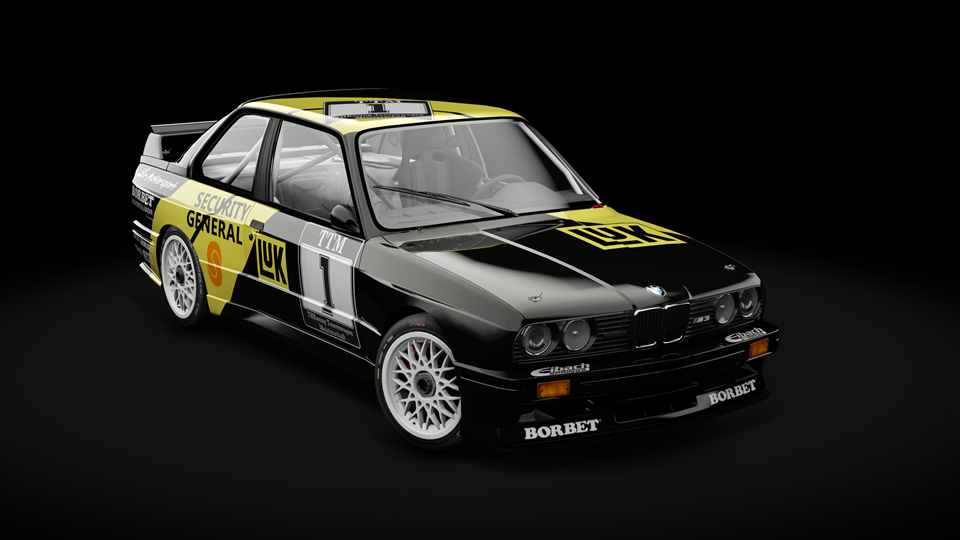
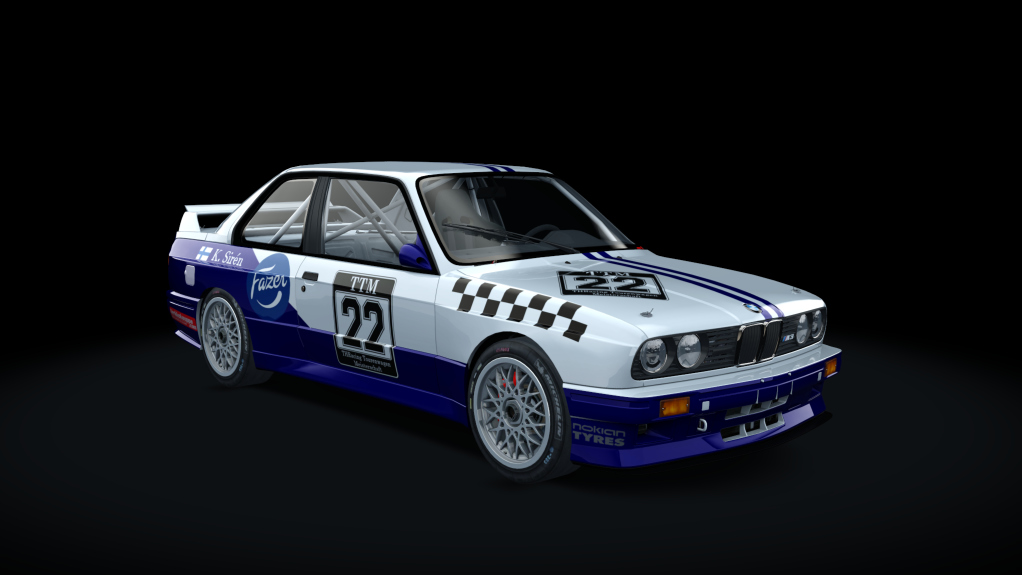
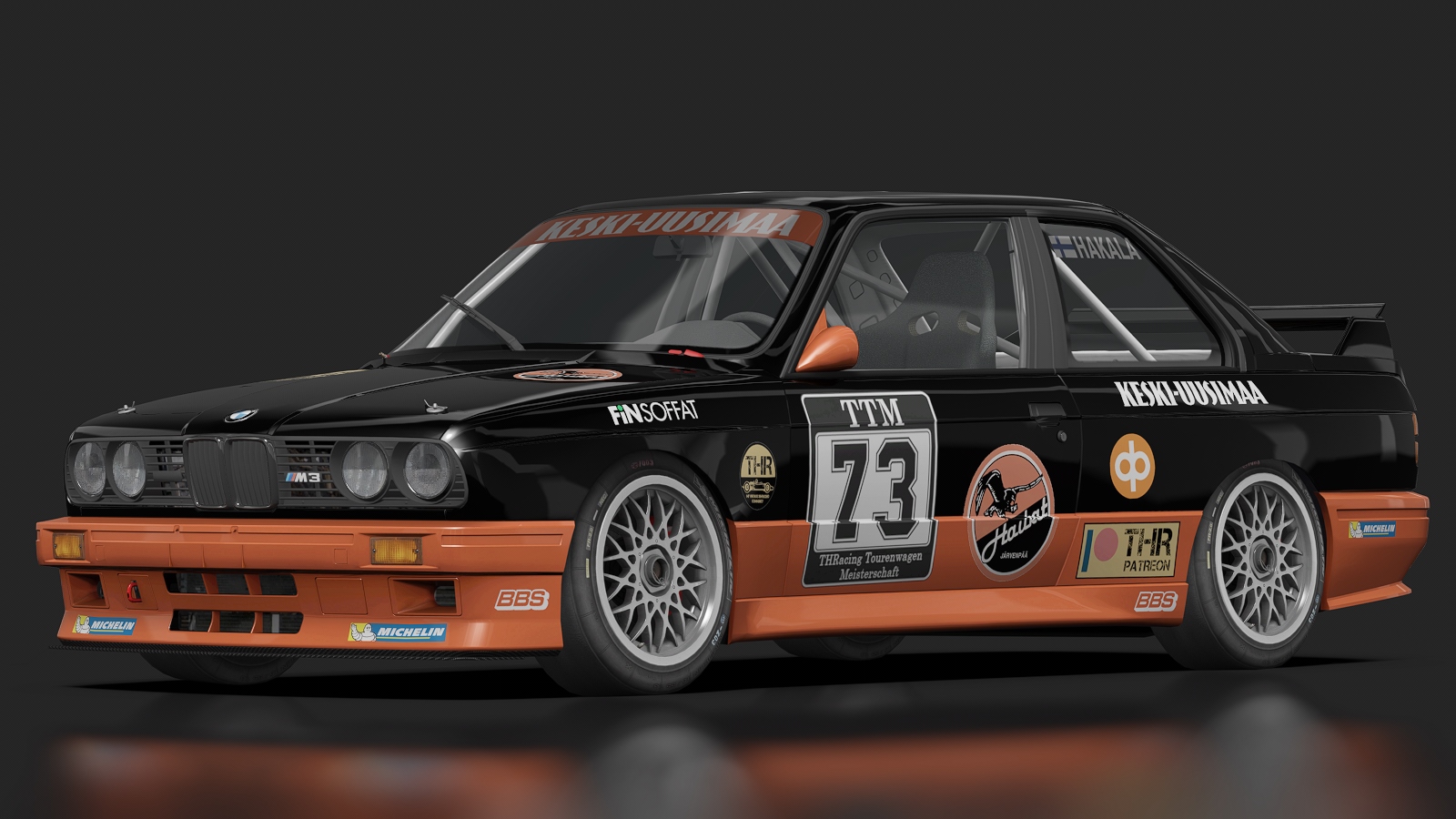
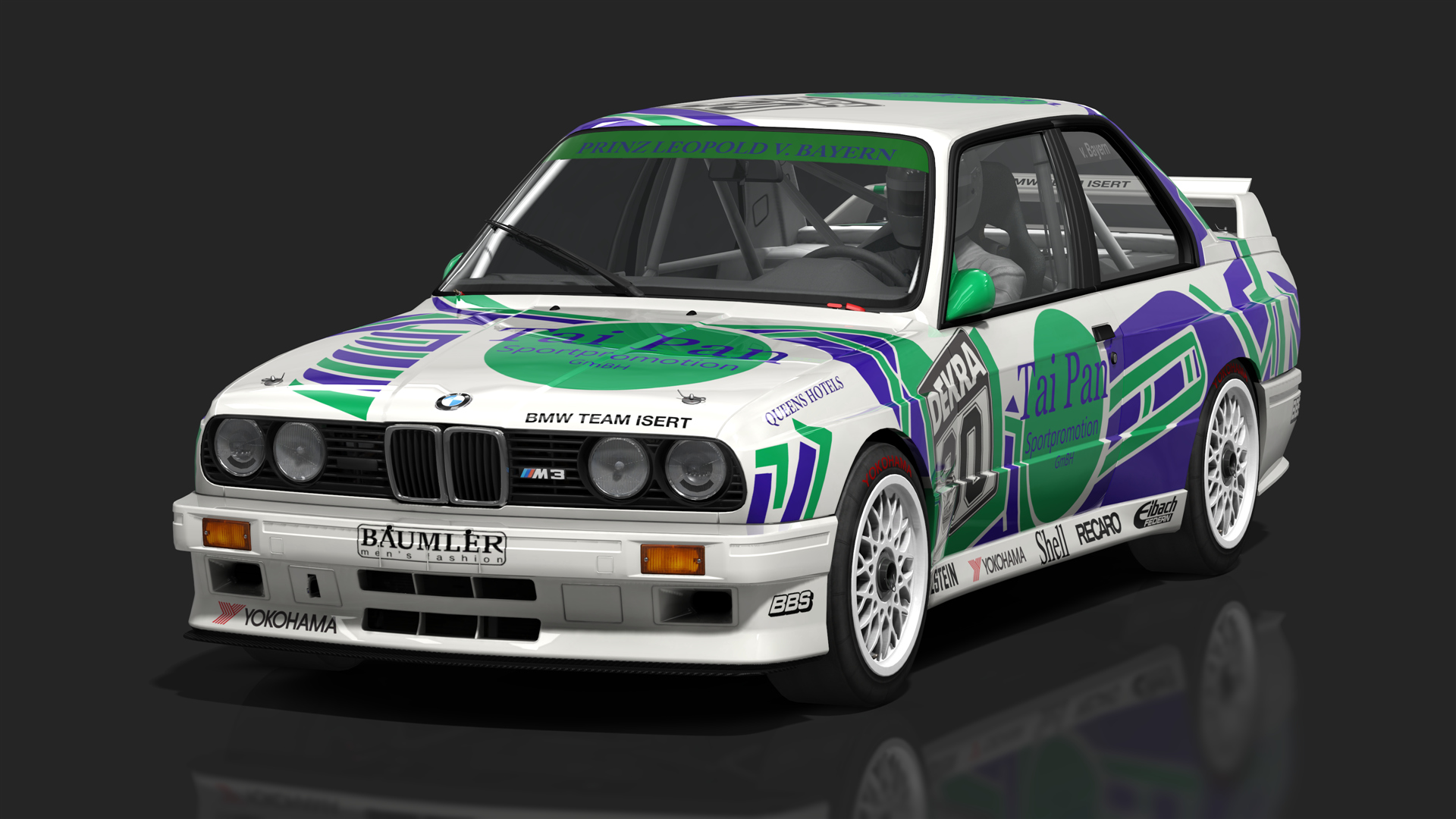
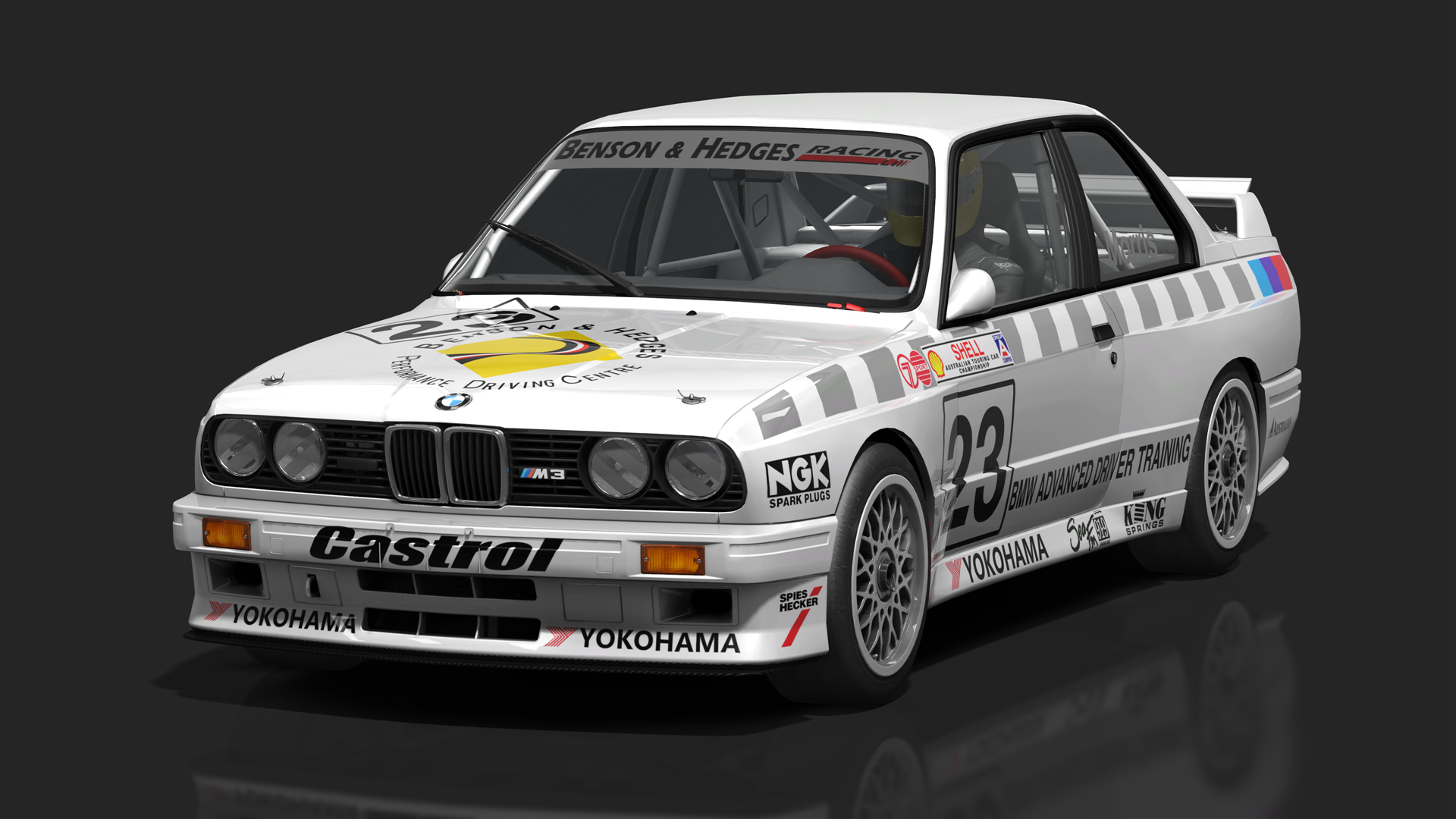
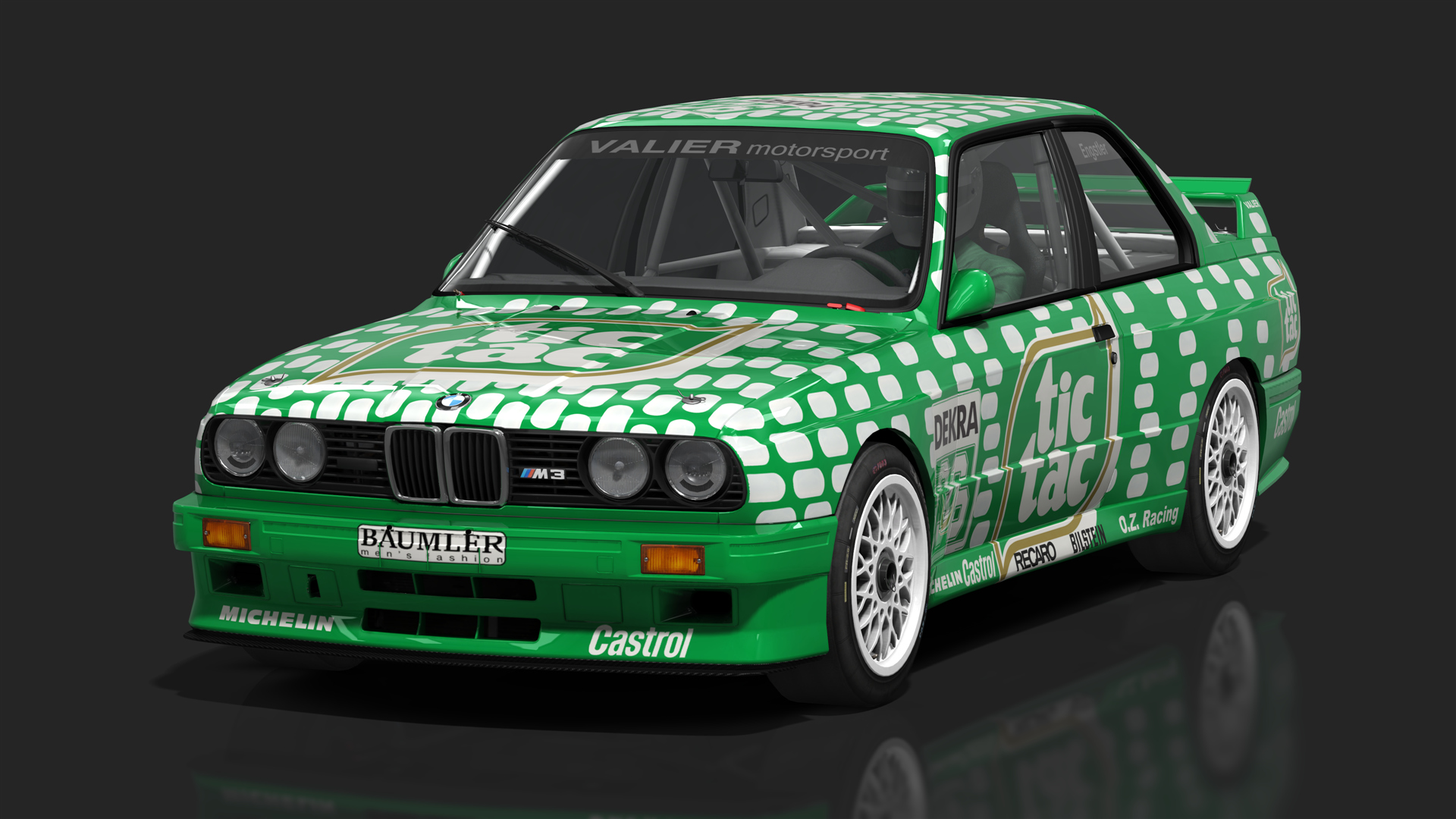
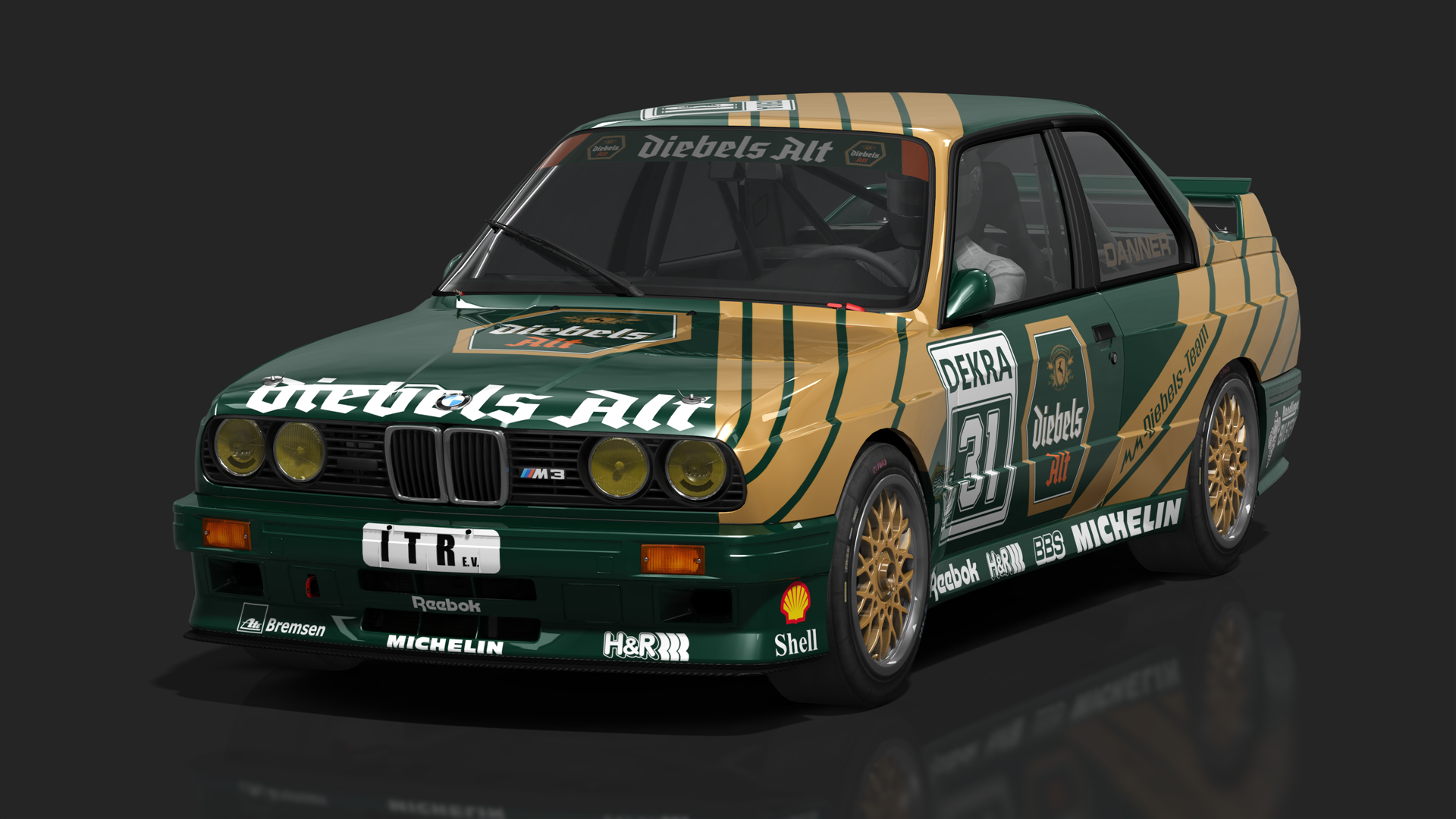
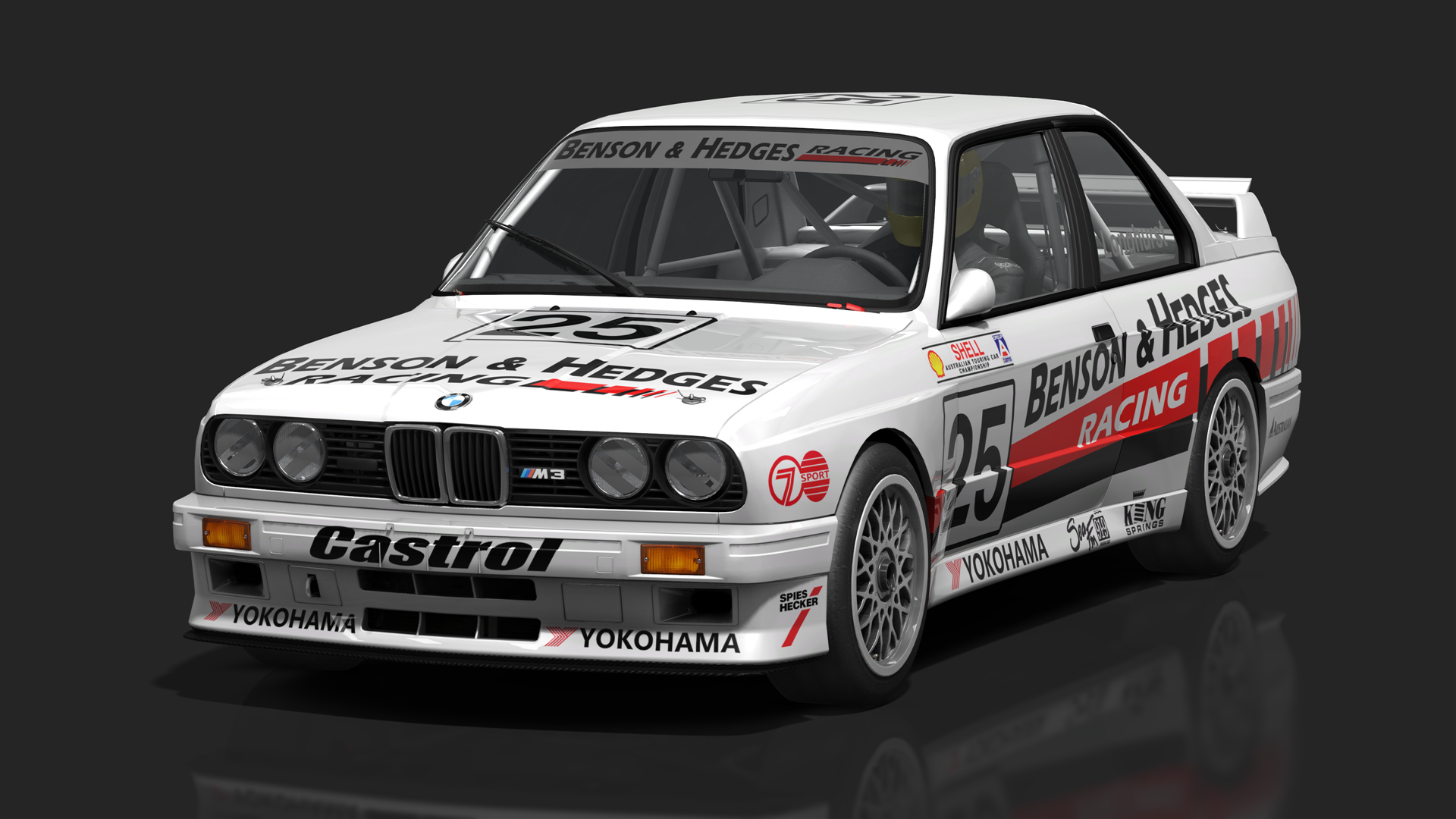
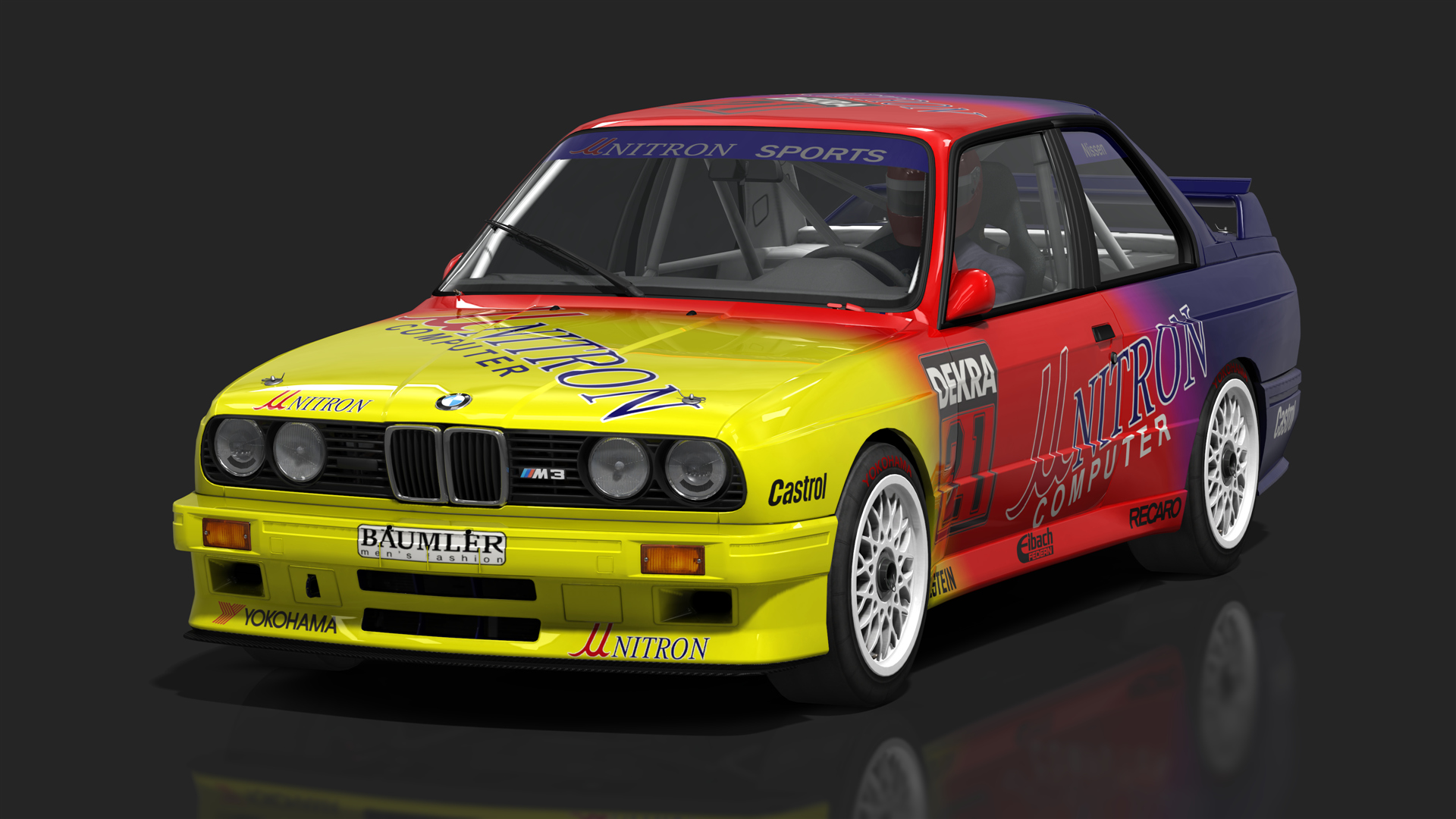
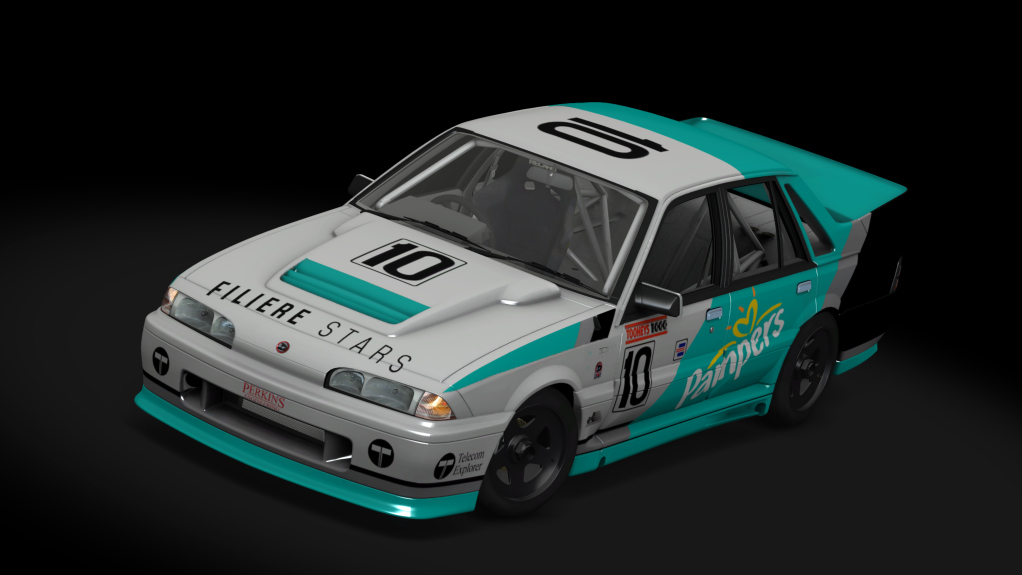
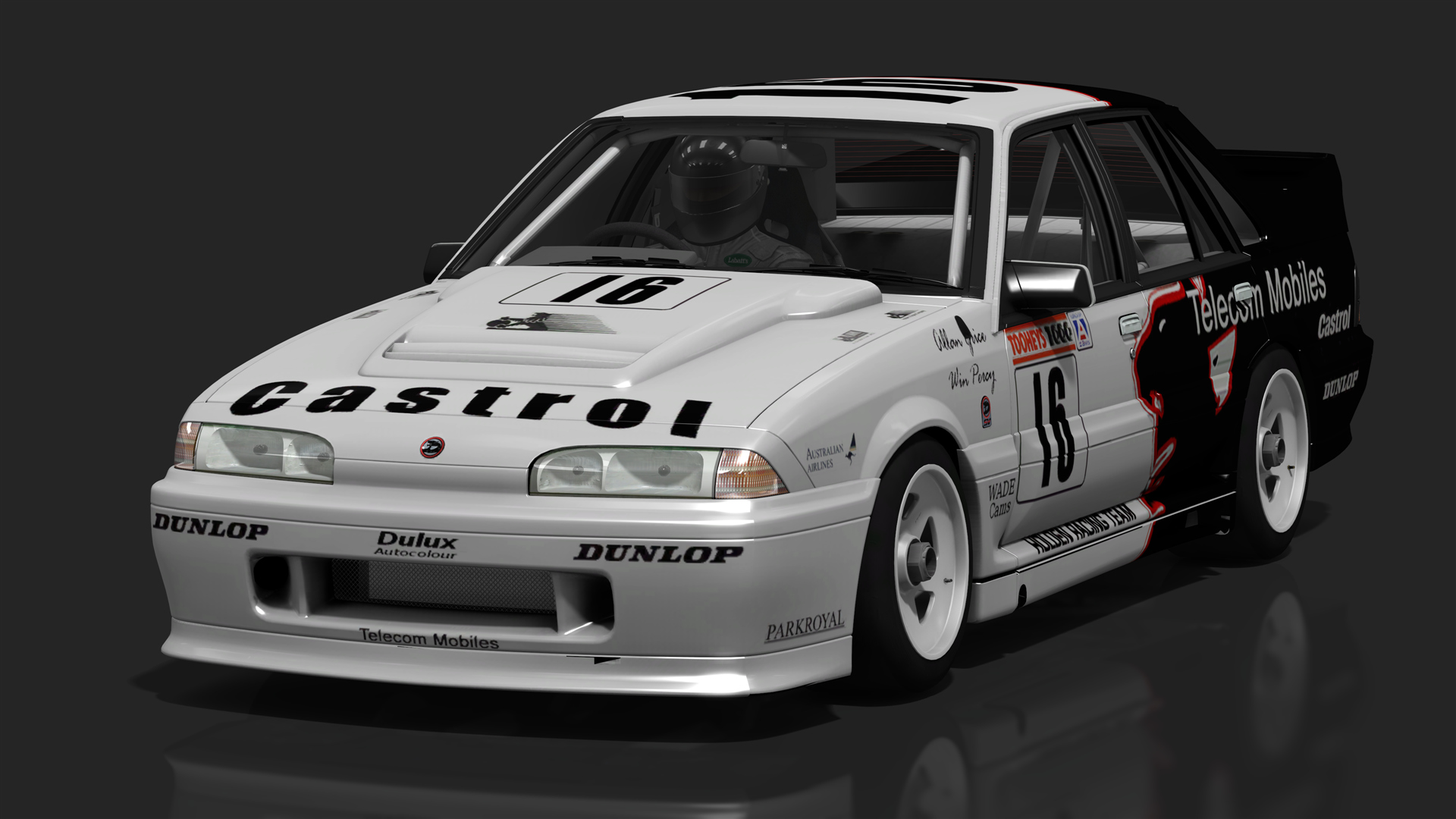
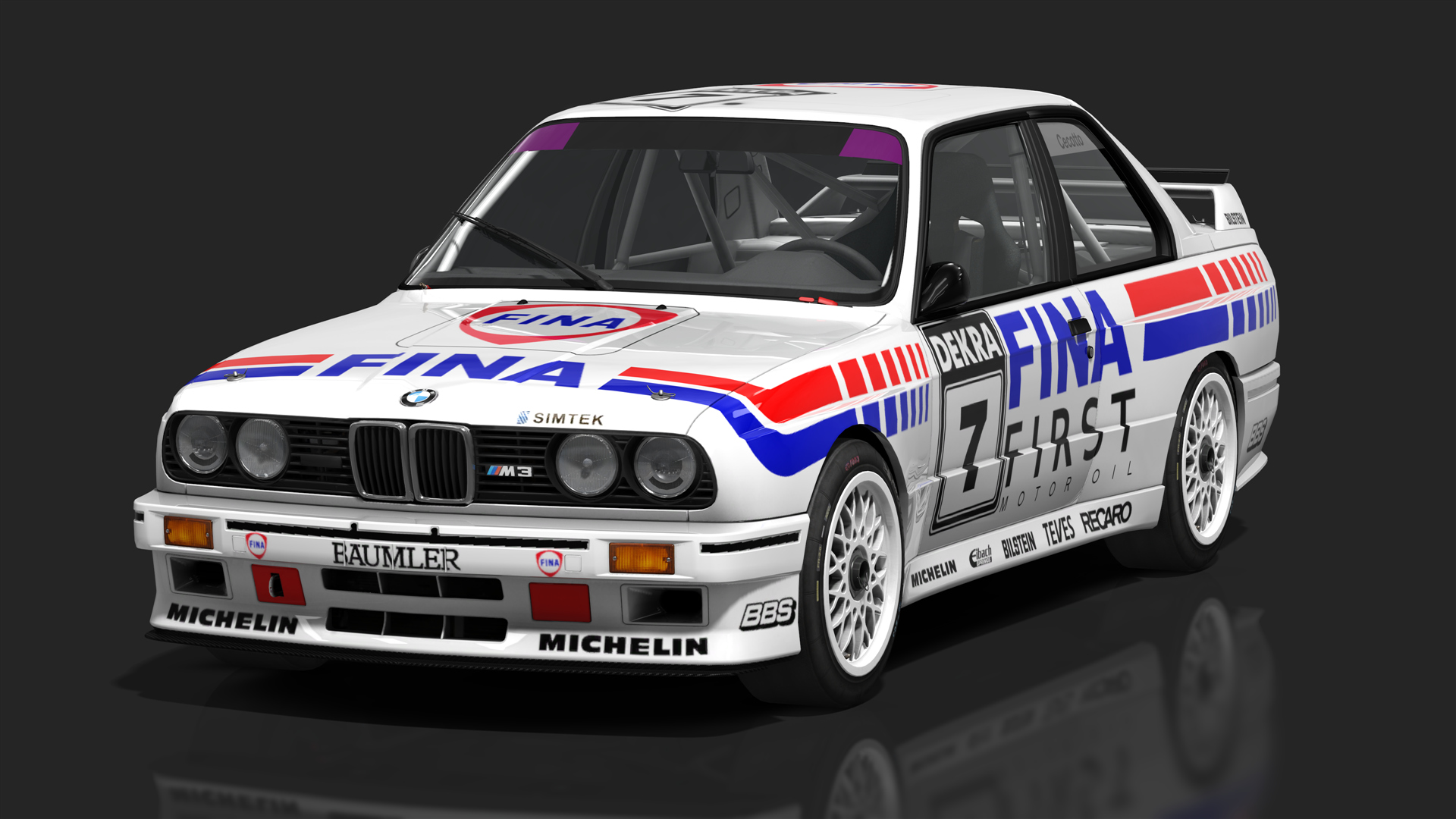
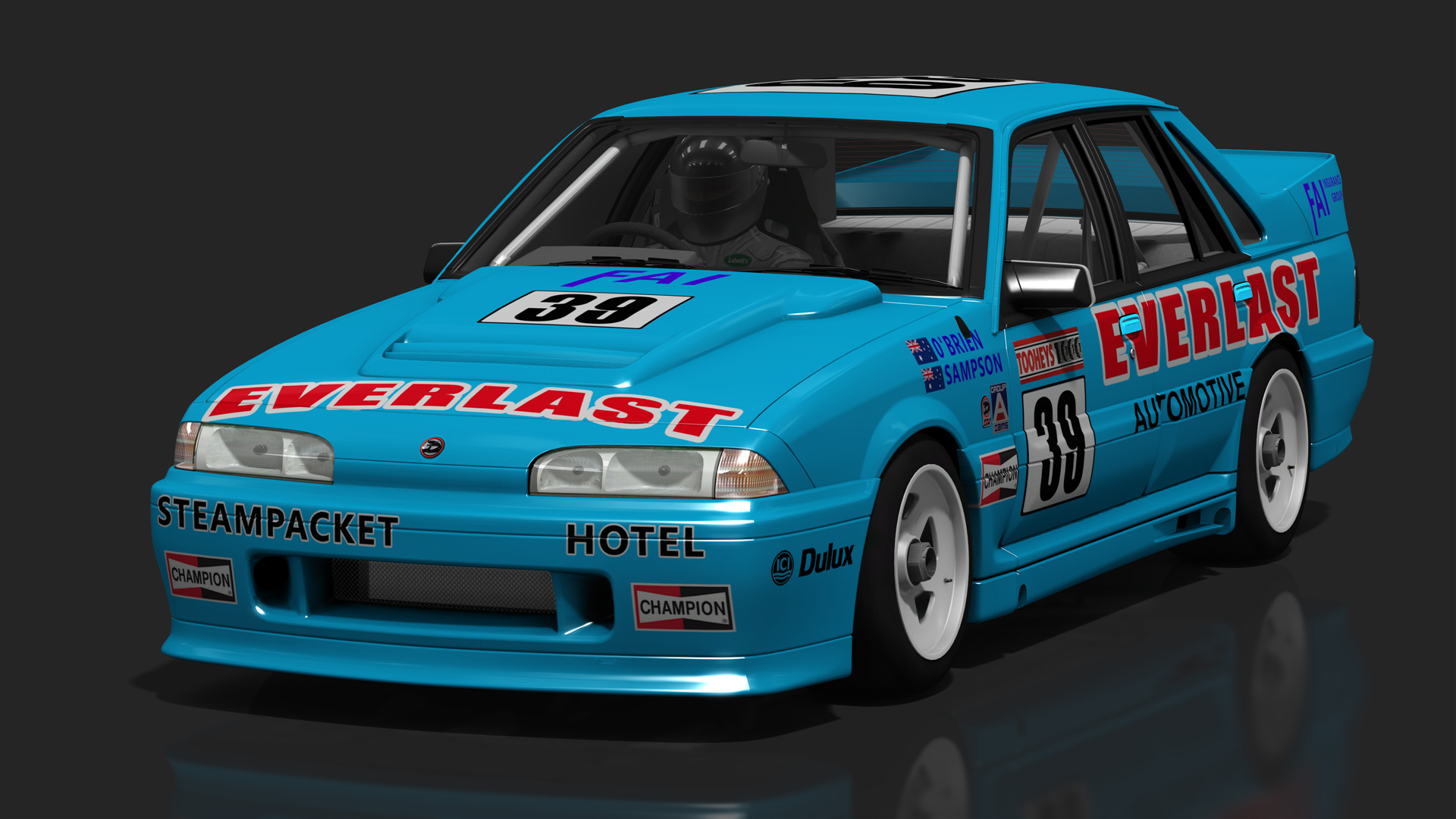
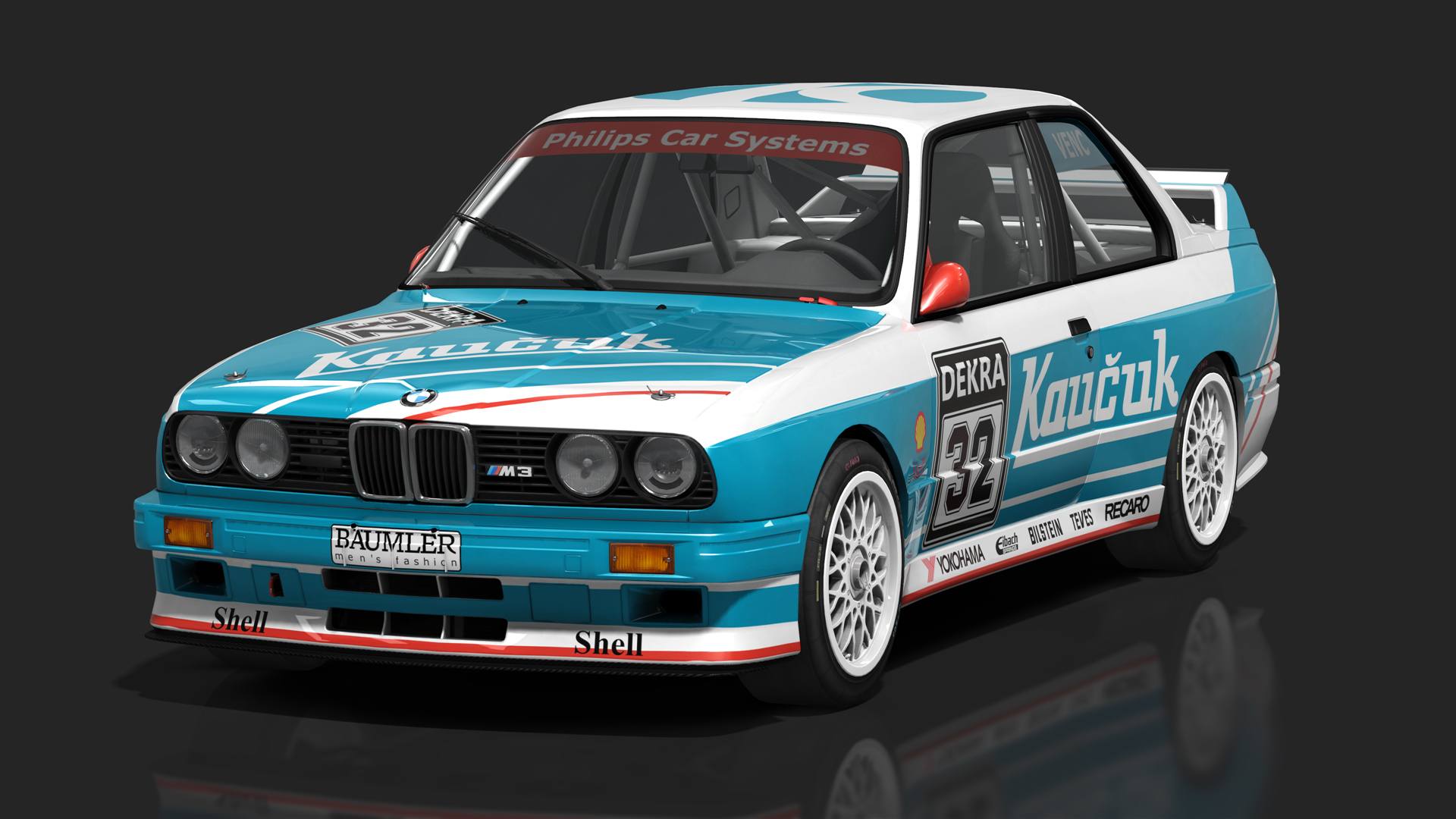
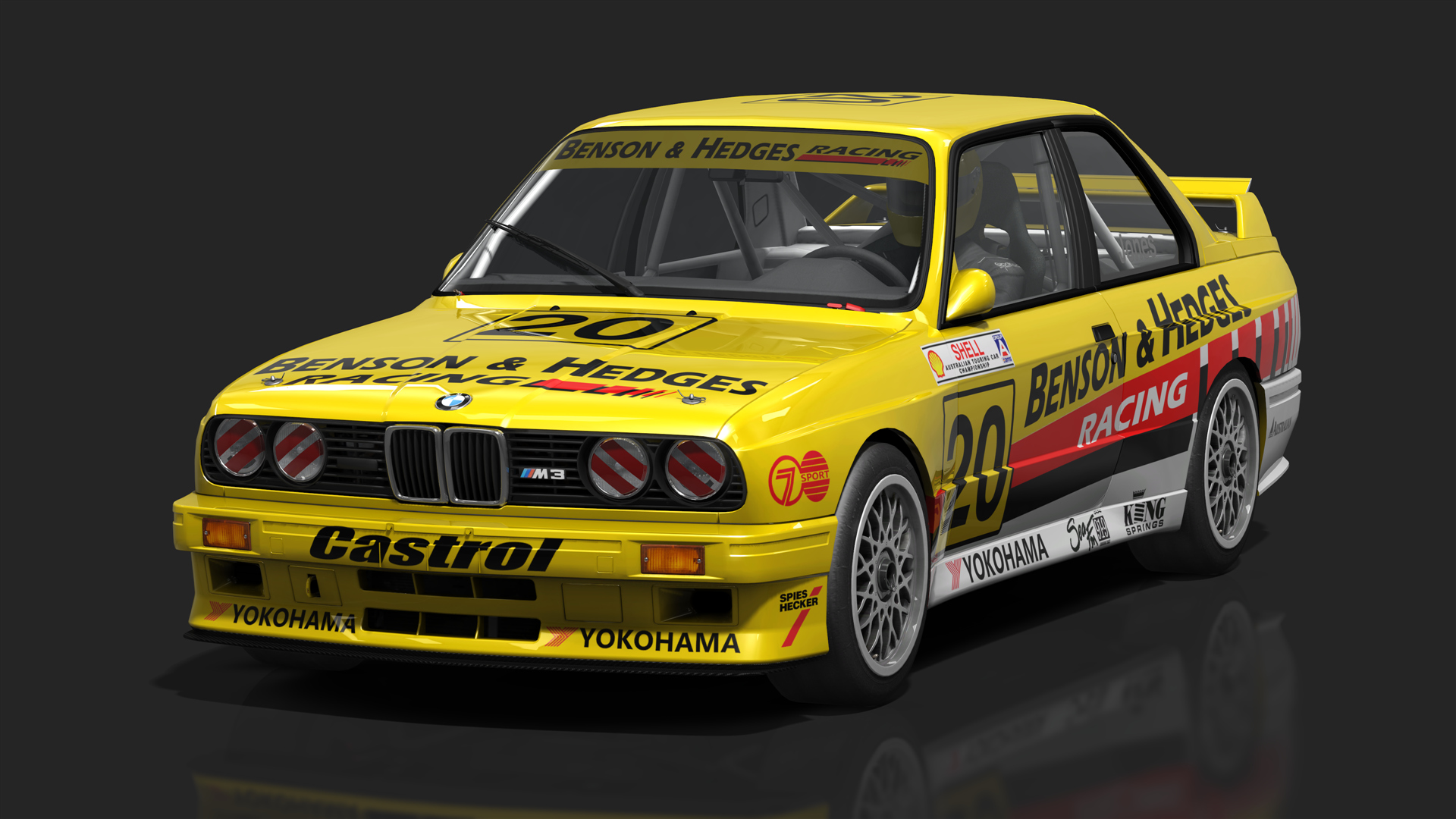
There was nothing extravagant about Jaroslav Cerny's championship. His BMW M3 E30 Sport Evolution won twice, but so did Stijn Scheffers' Mercedes. Adam Celárek's Holden visited the podium more frequently than either. Cerny's particular strength was that the intervals between victories contained no serious collapse. His least rewarding race position was fourth, and in a championship ultimately settled by one point, those less conspicuous results acquired considerable weight.
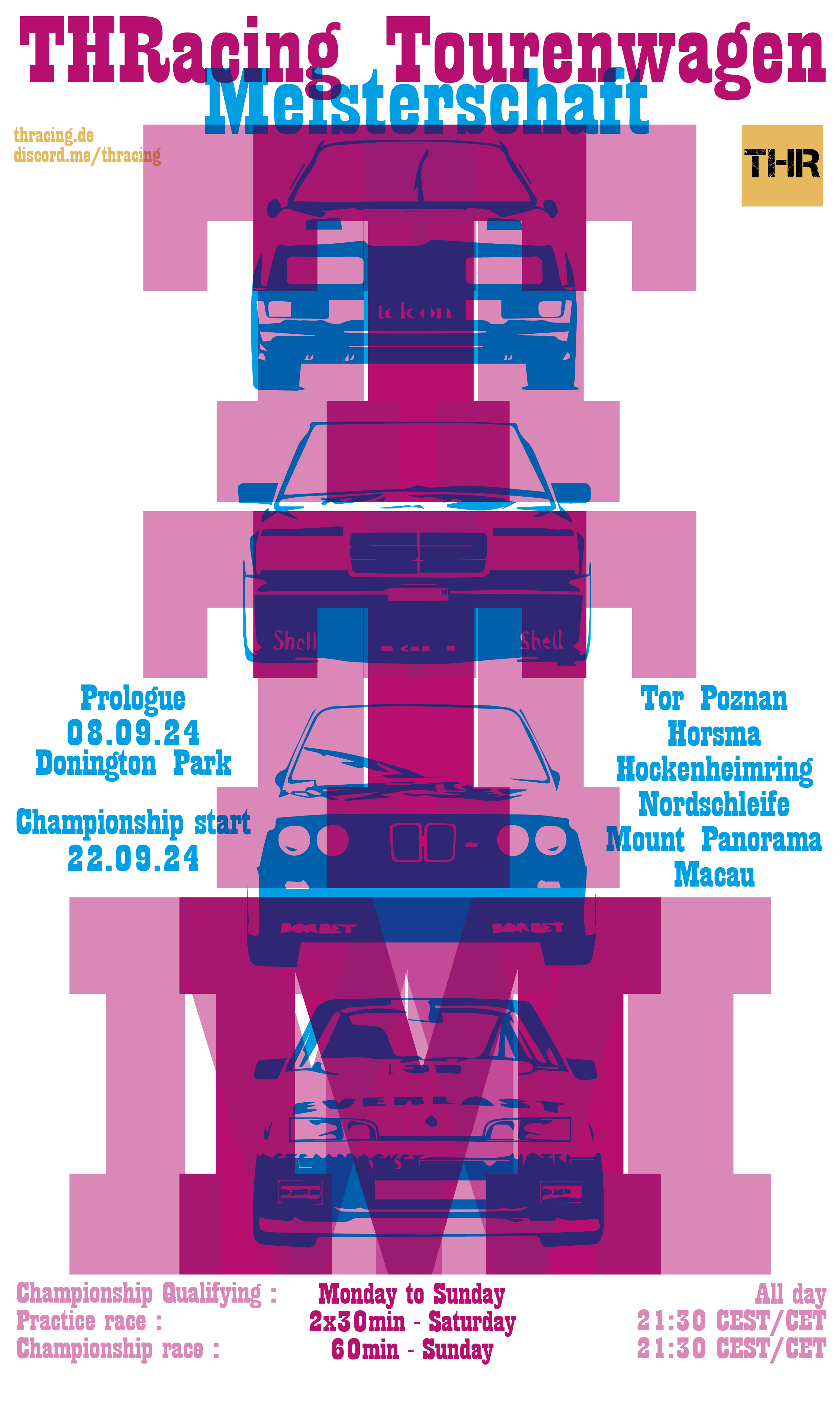
The six-round programme ran from Tor Poznan in September to Macau in December, with Horsma, Hockenheim, the Nürburgring and Mount Panorama between them. It was a sufficiently varied itinerary to prevent an early verdict on the relative merits of BMW, Mercedes-Benz and Holden. Each would have its turn at the front. The regulation allowing one result to be discarded also meant that the order depended not simply on points earned, but on which performances remained in the reckoning as the season developed.
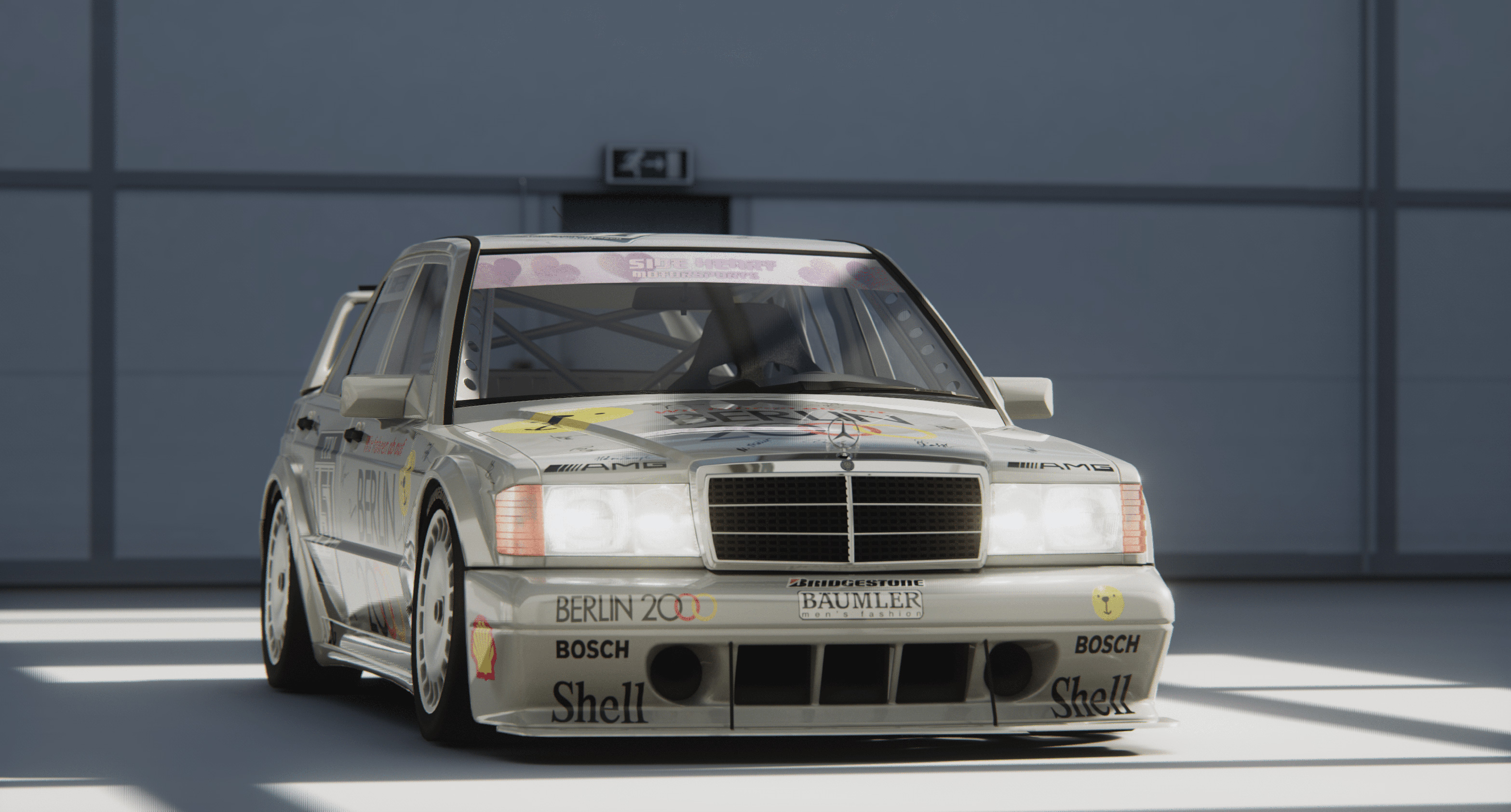
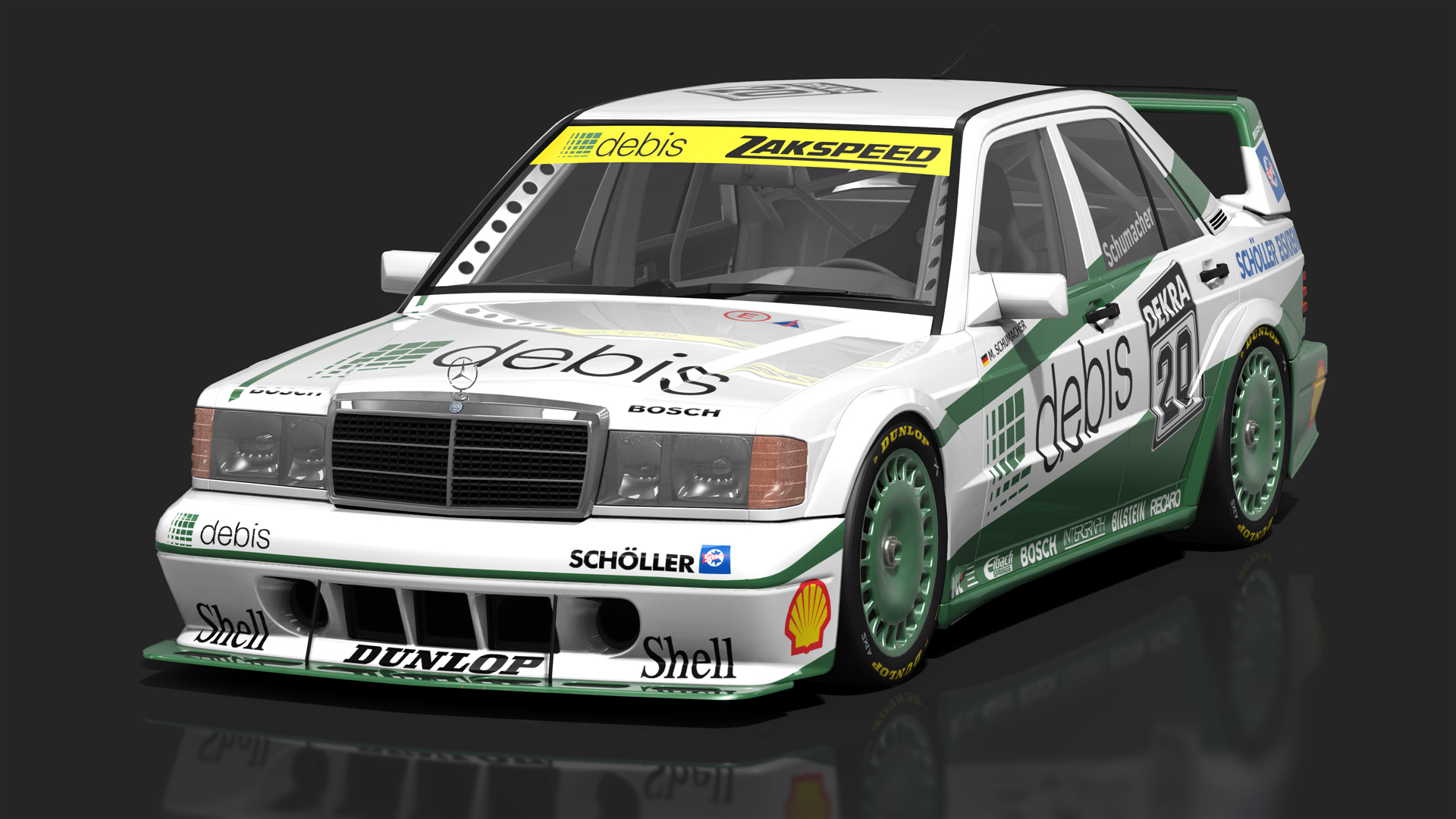
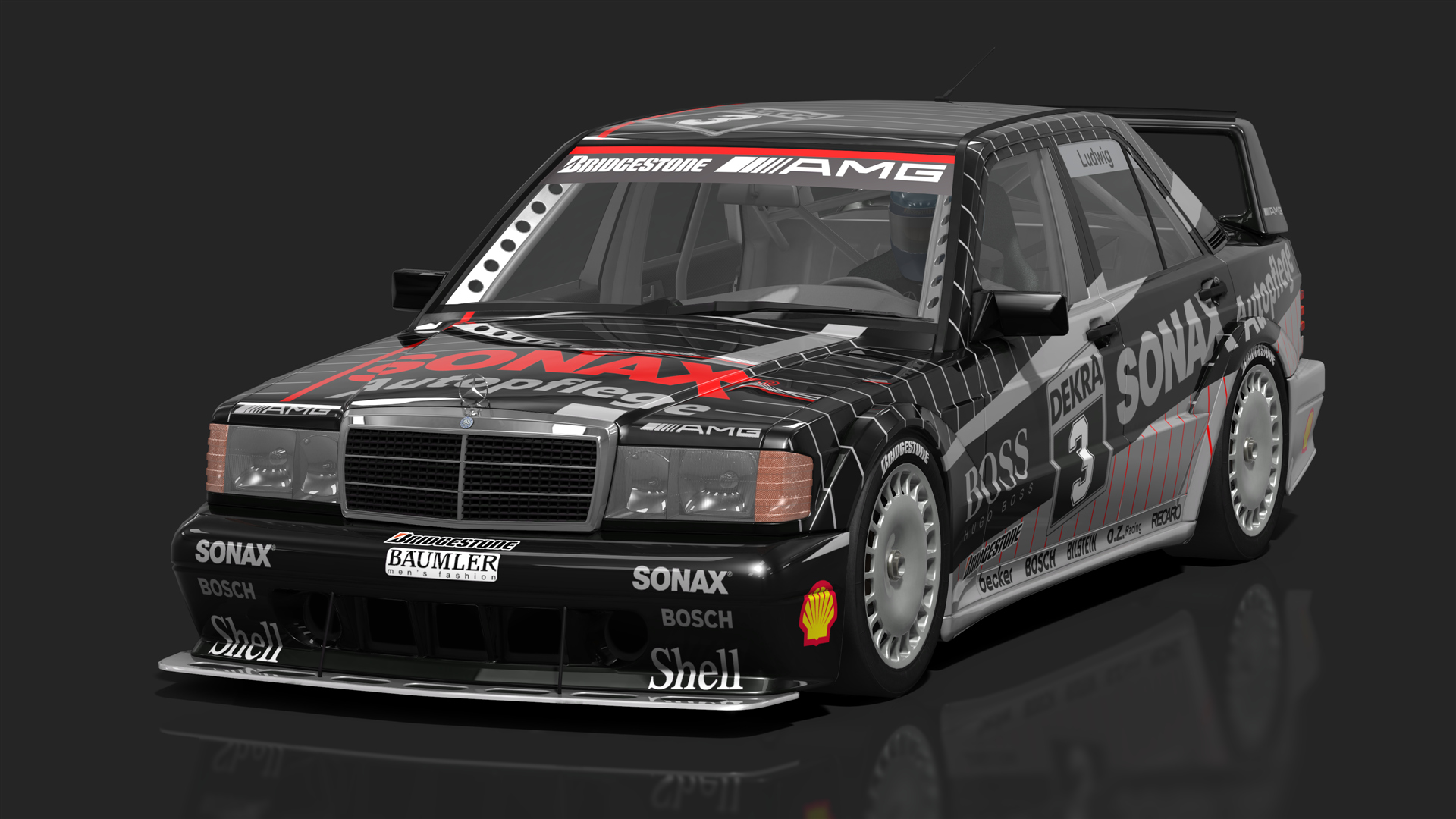
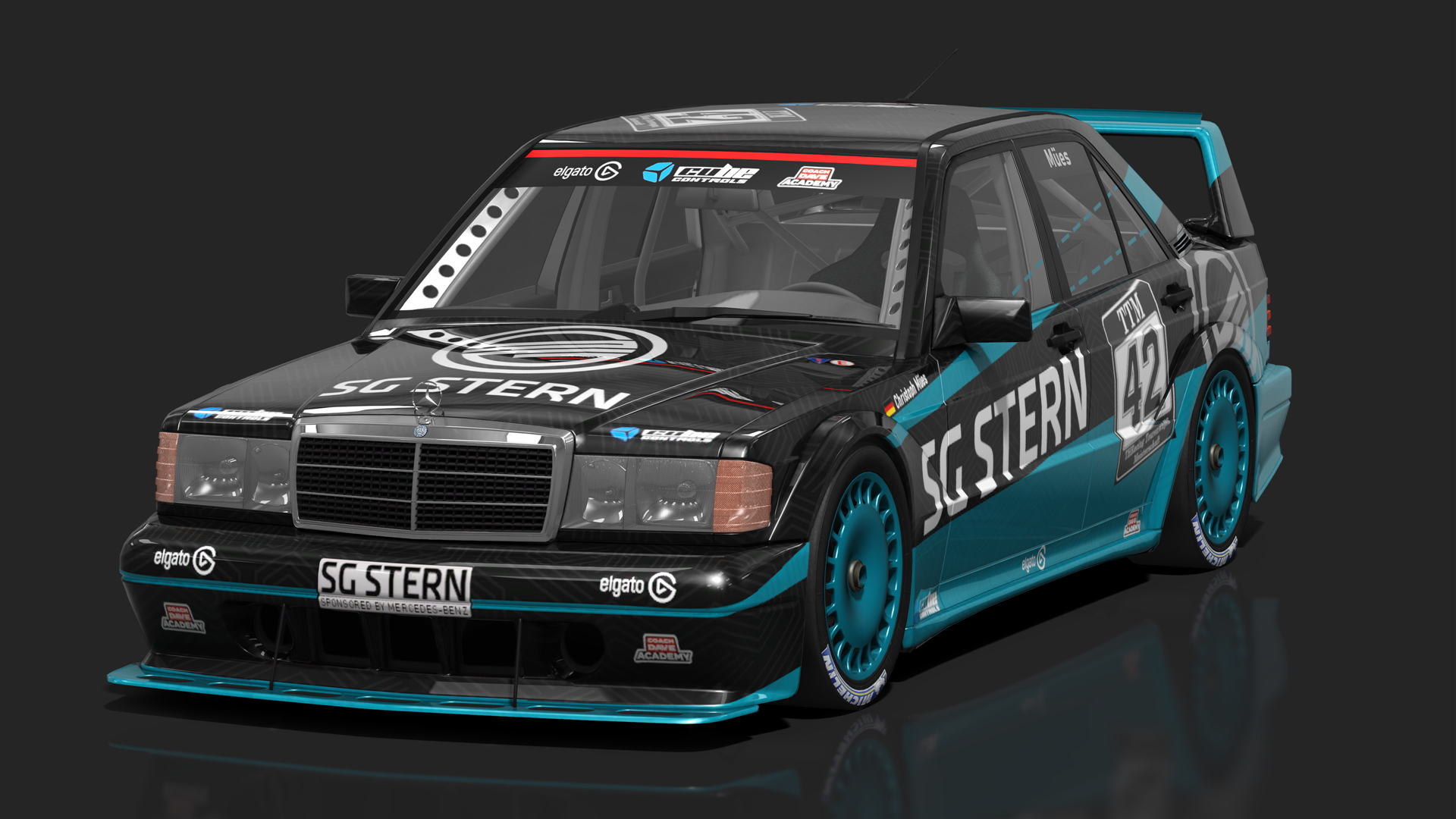
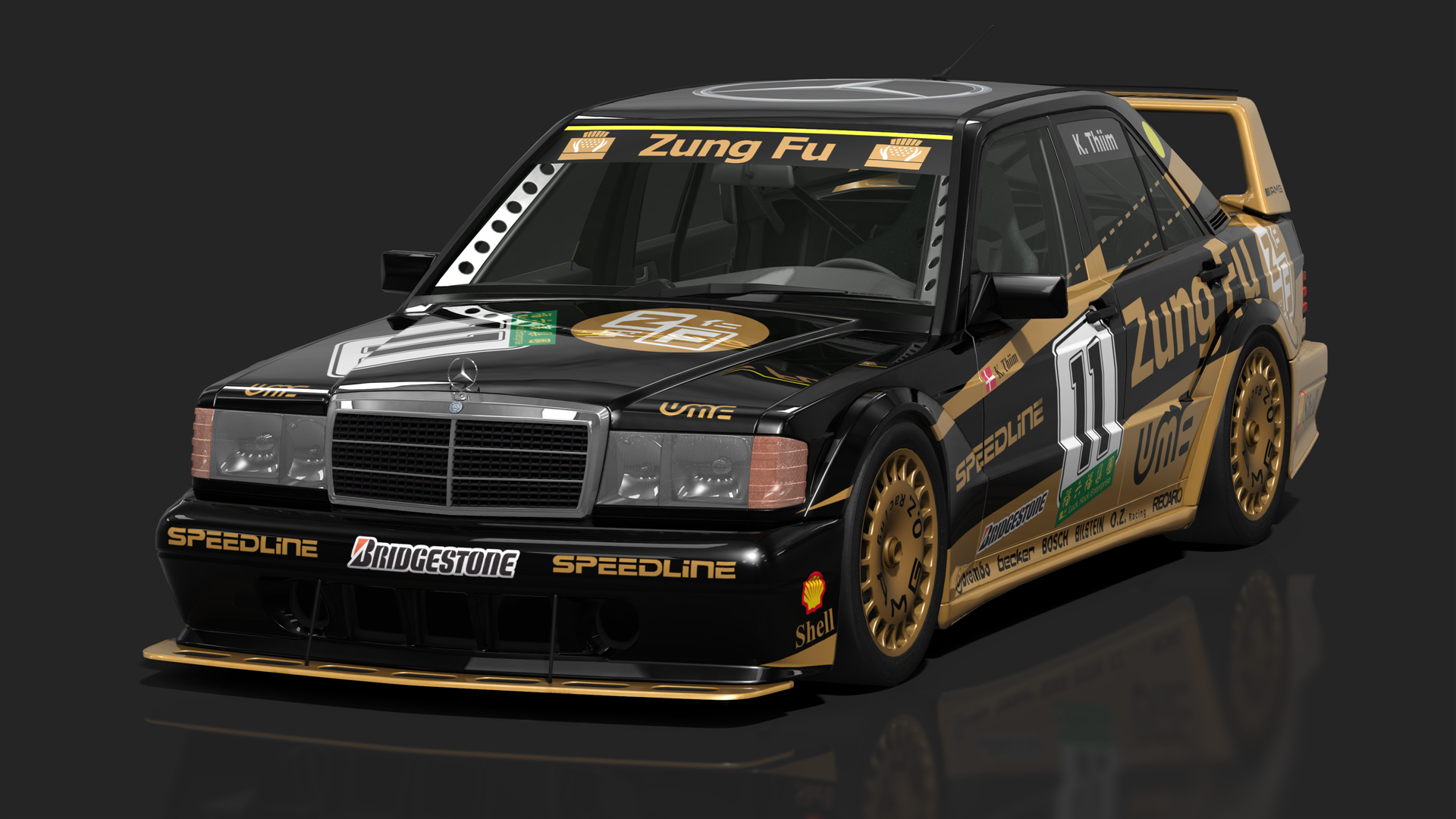
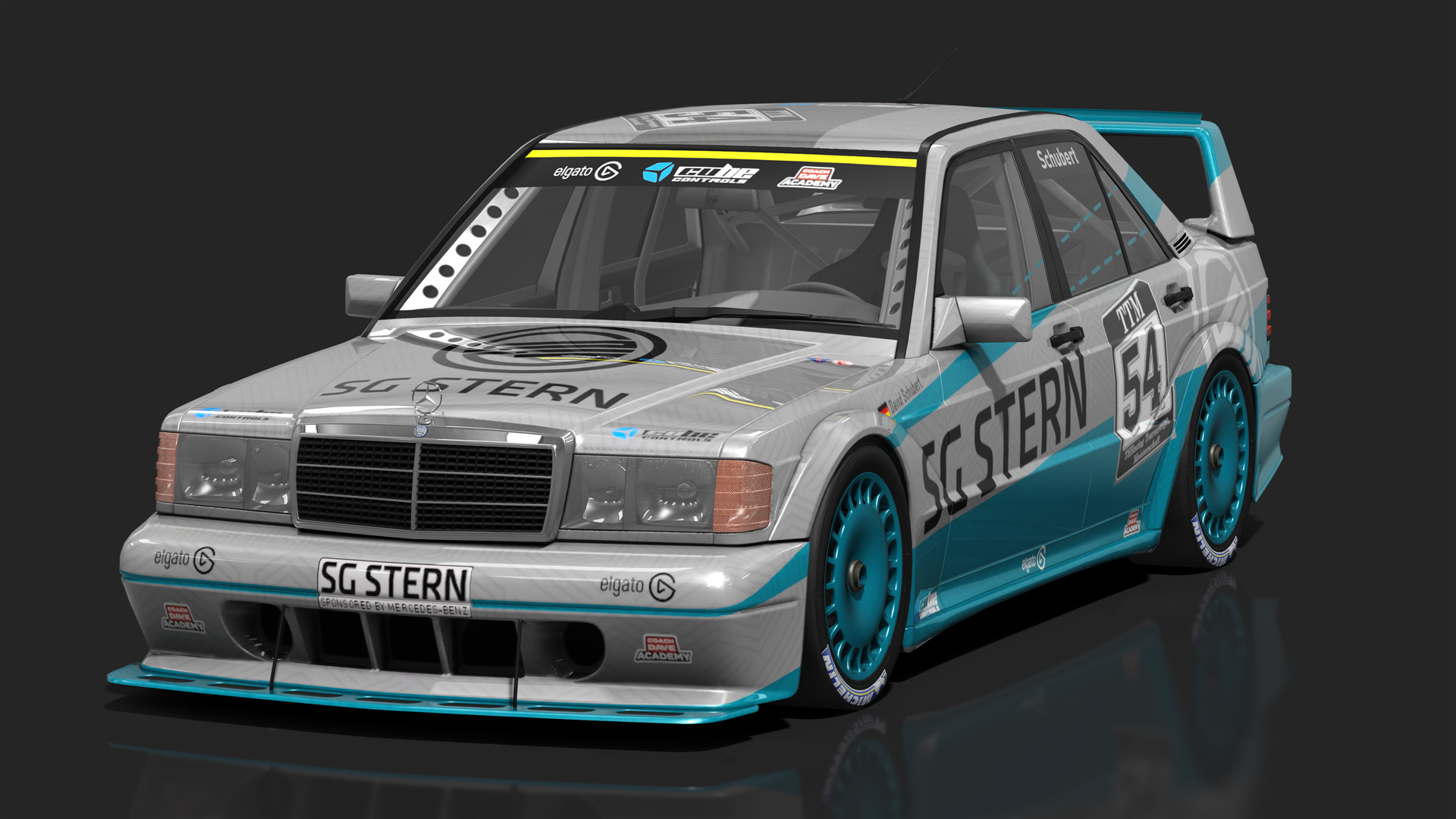
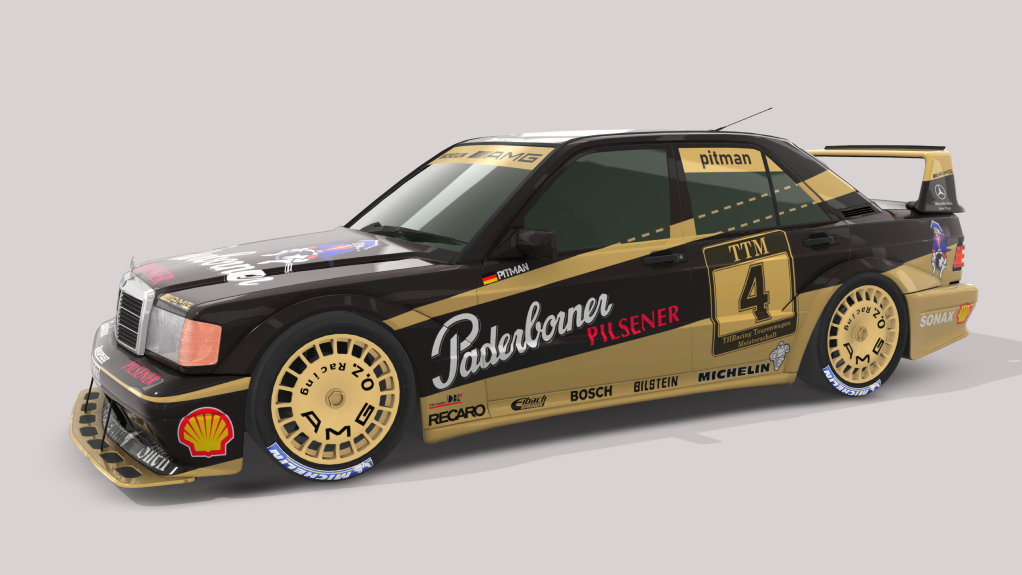
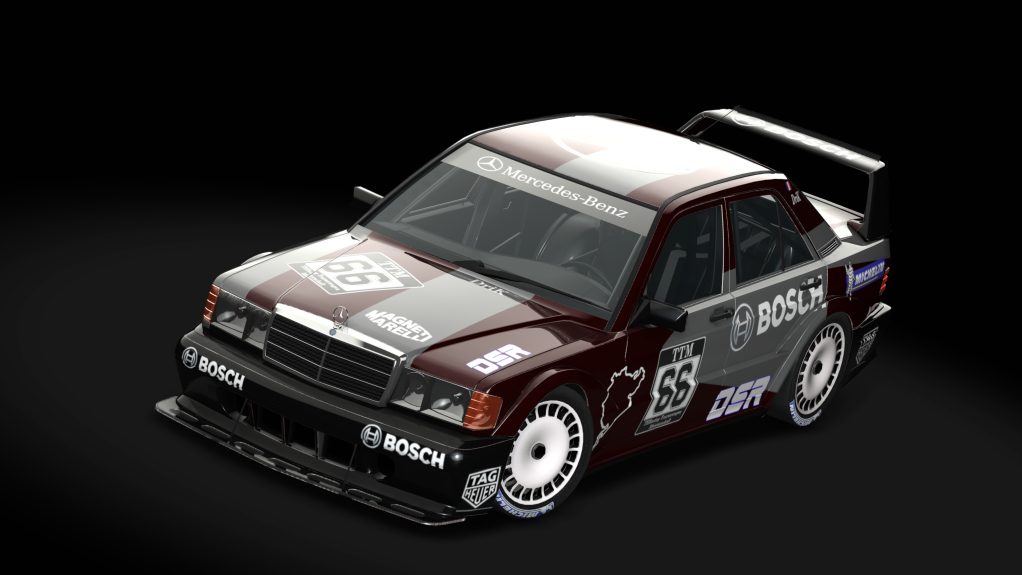
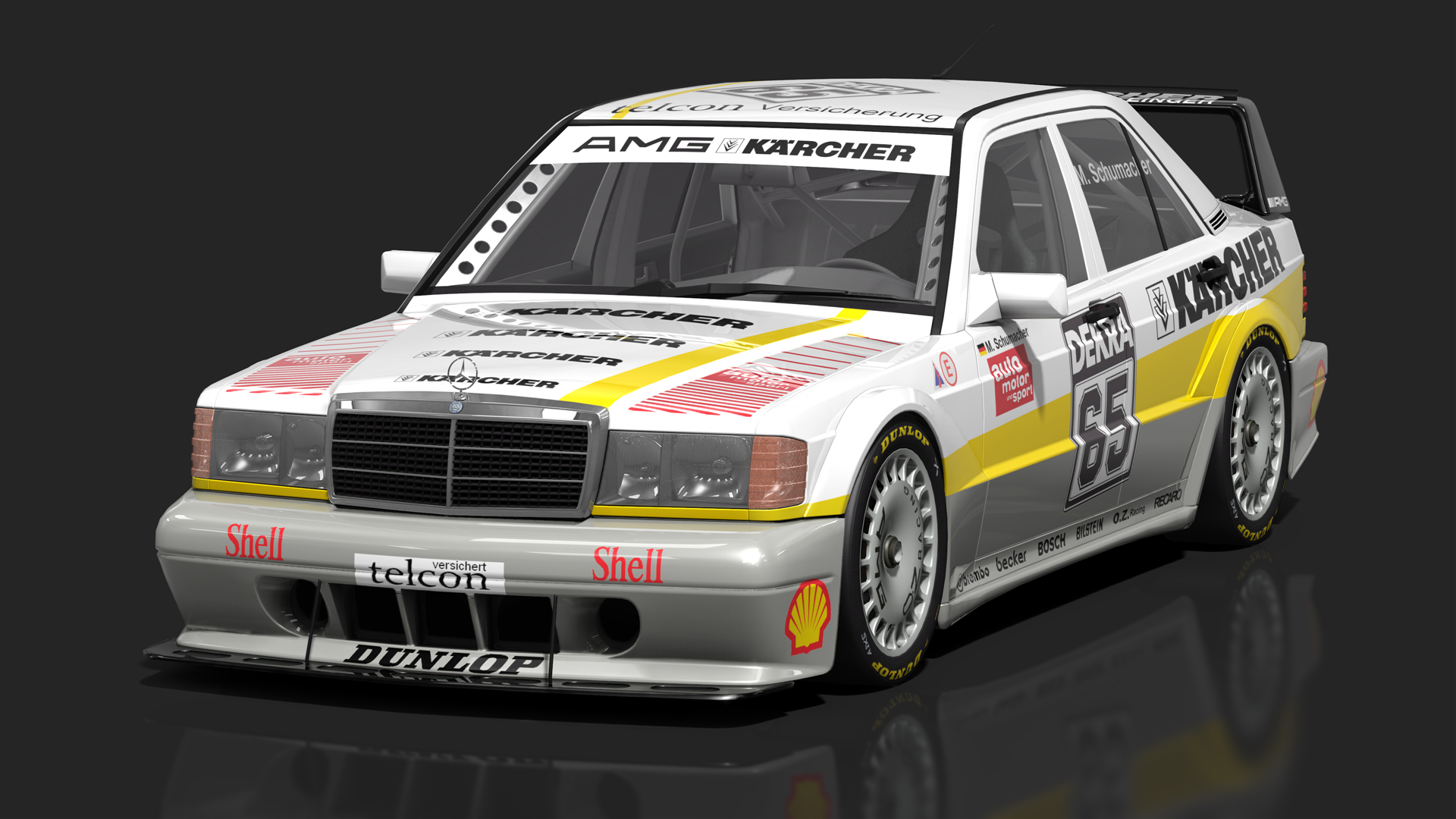
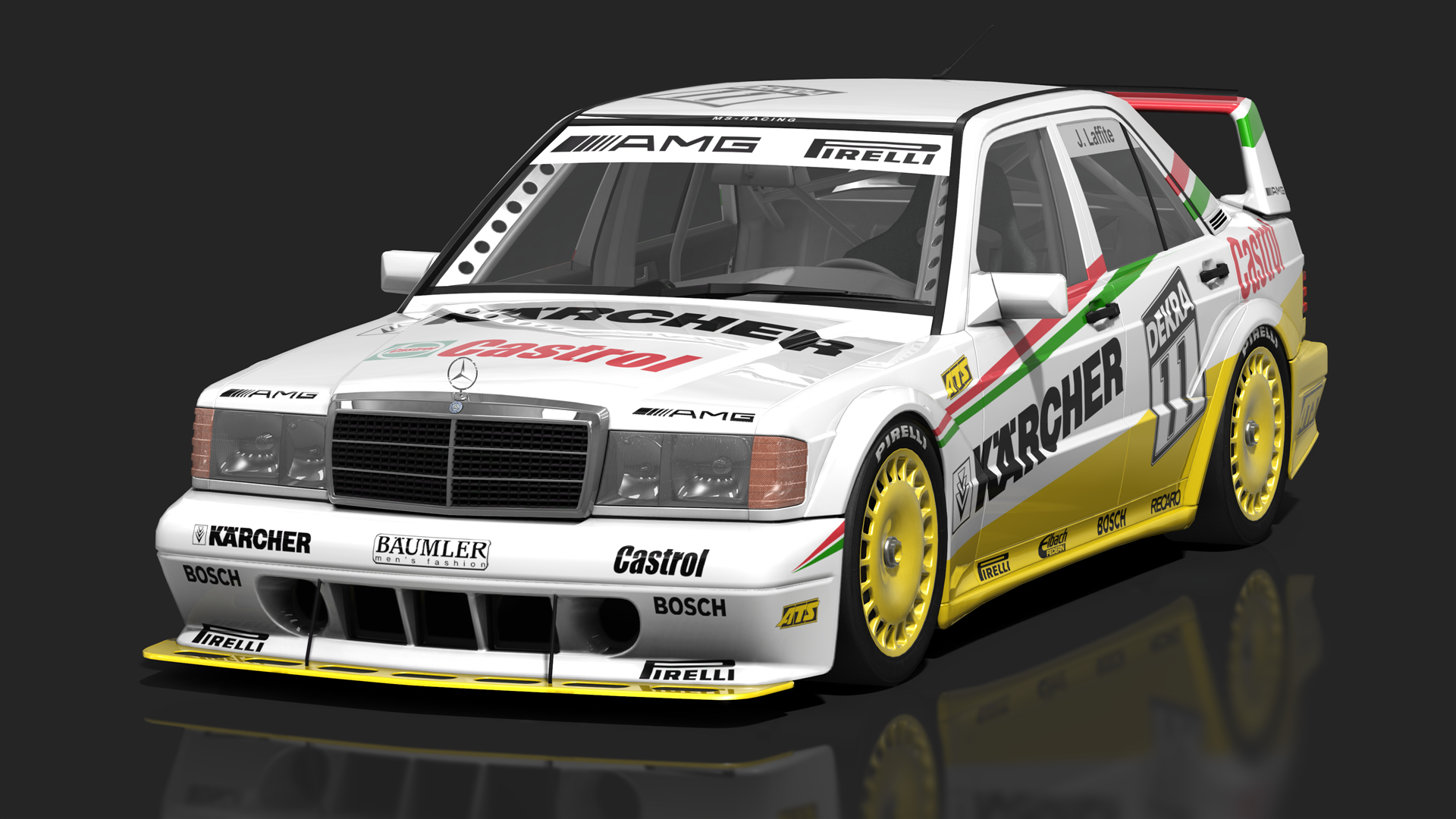
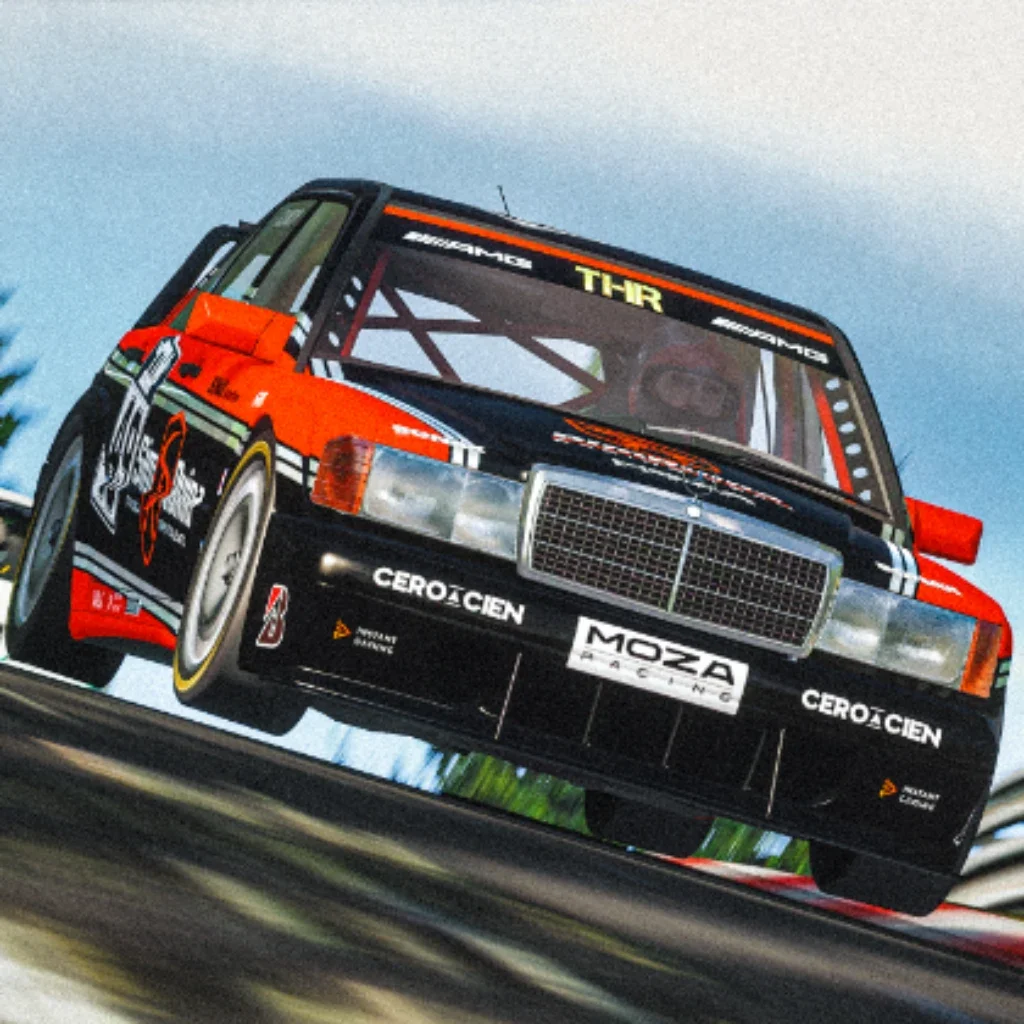
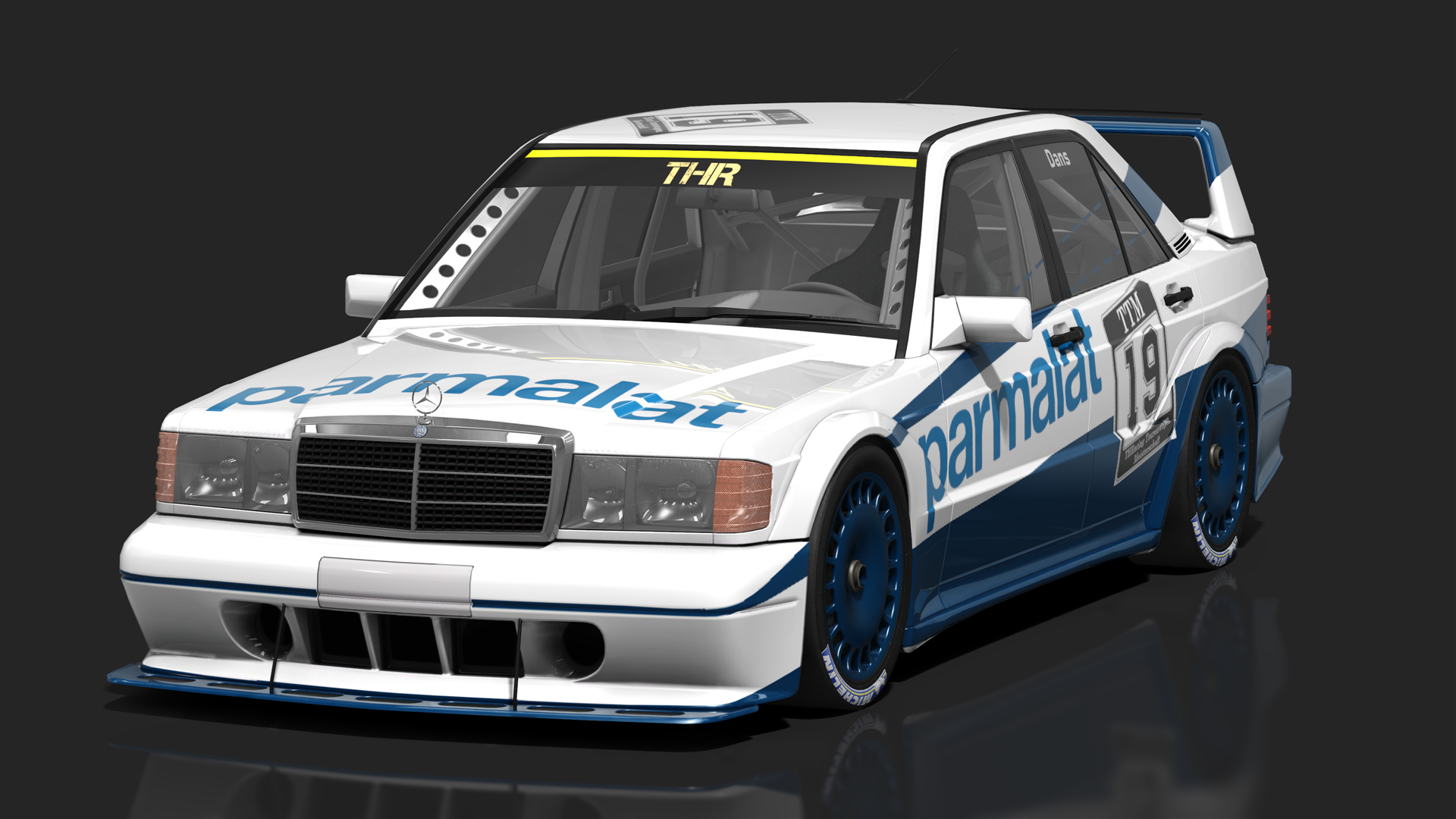
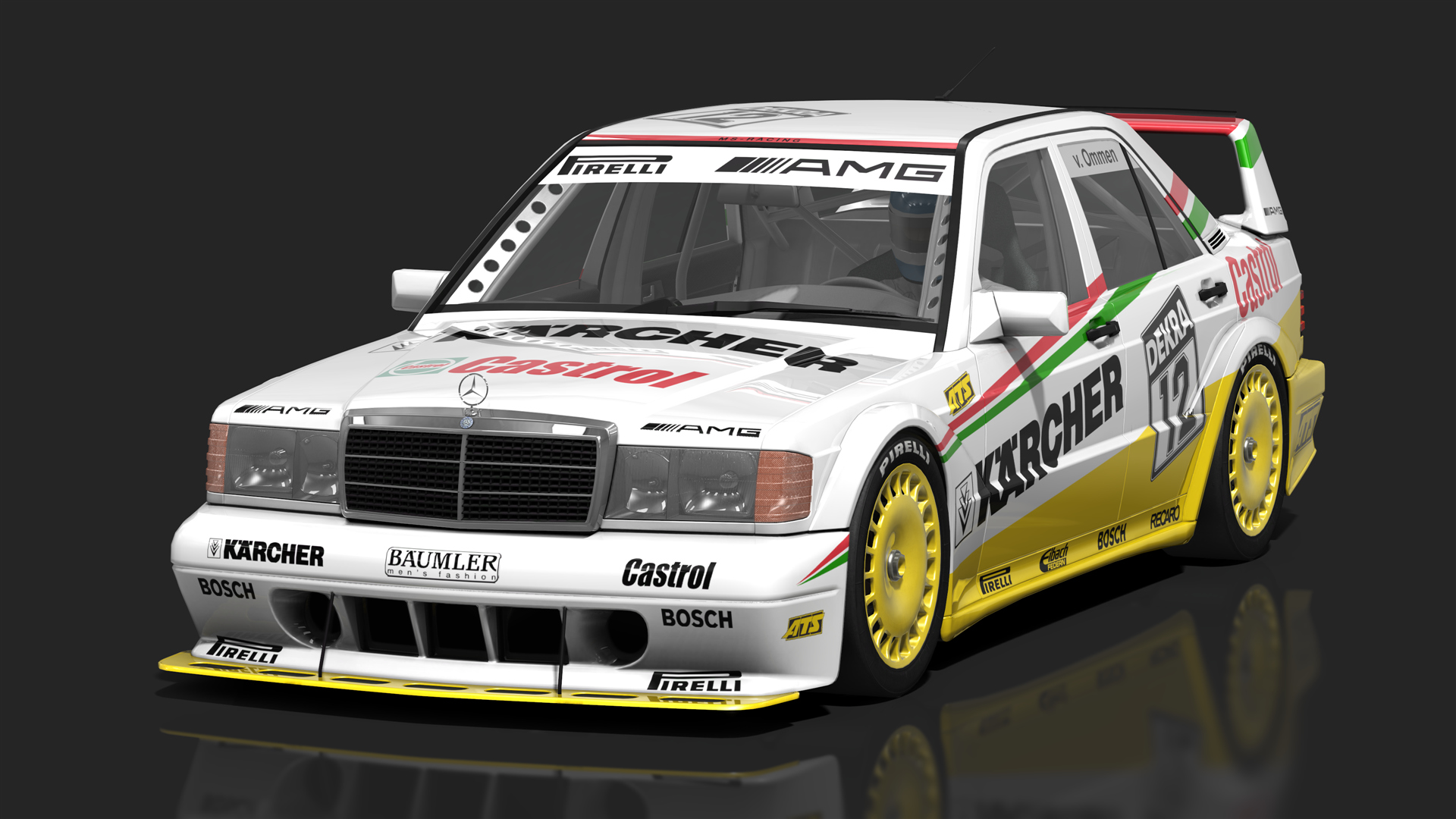
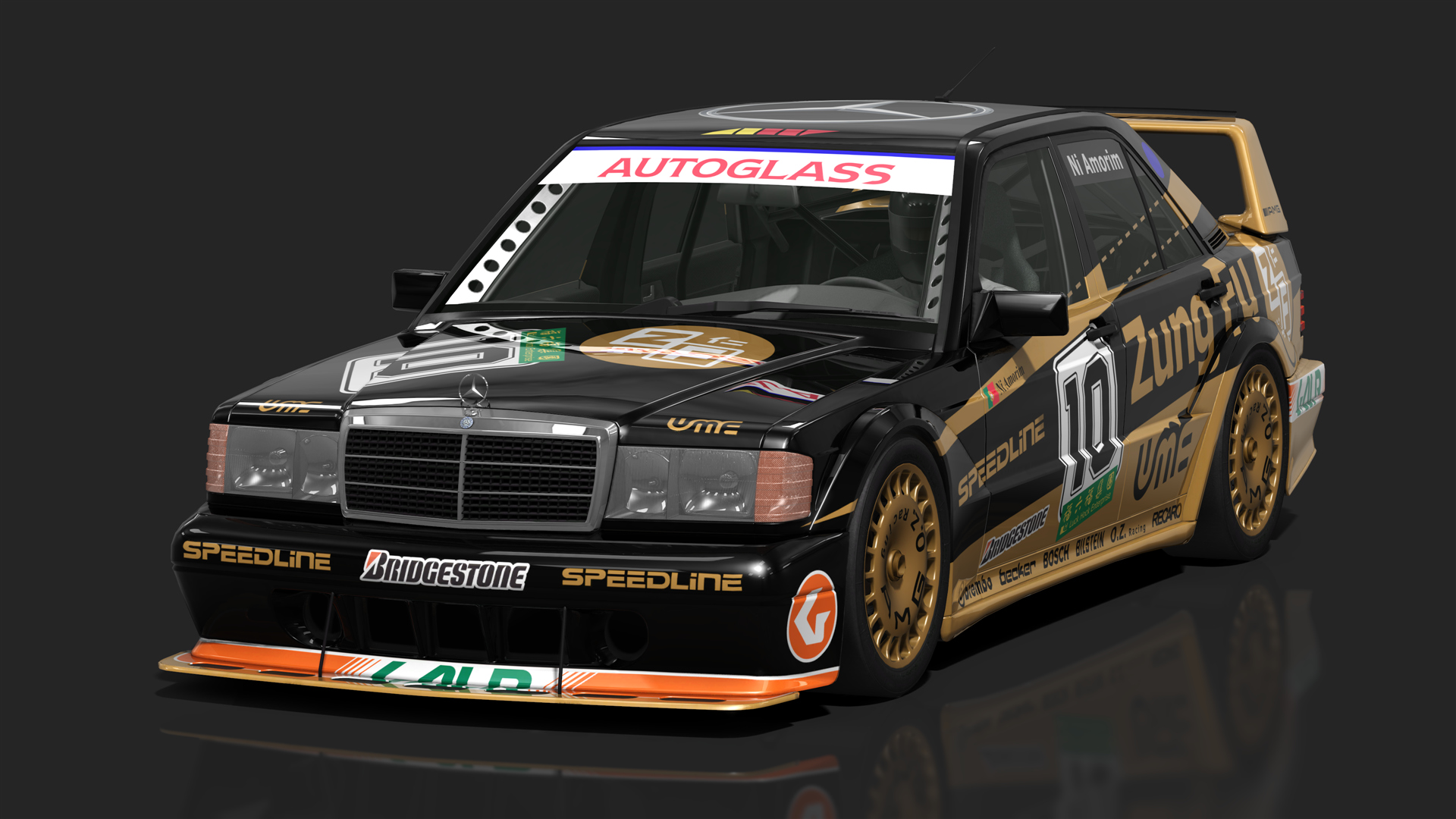
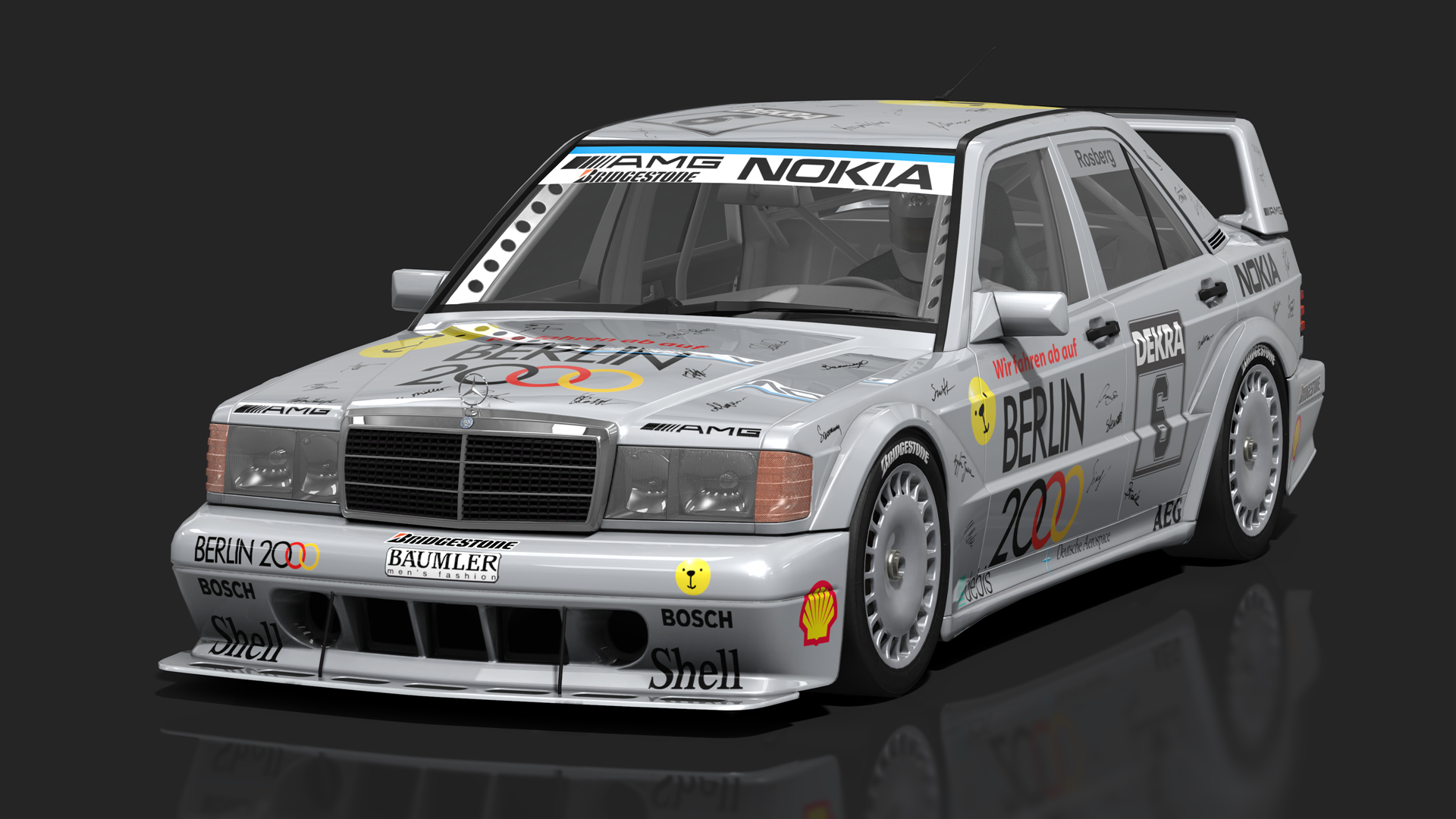
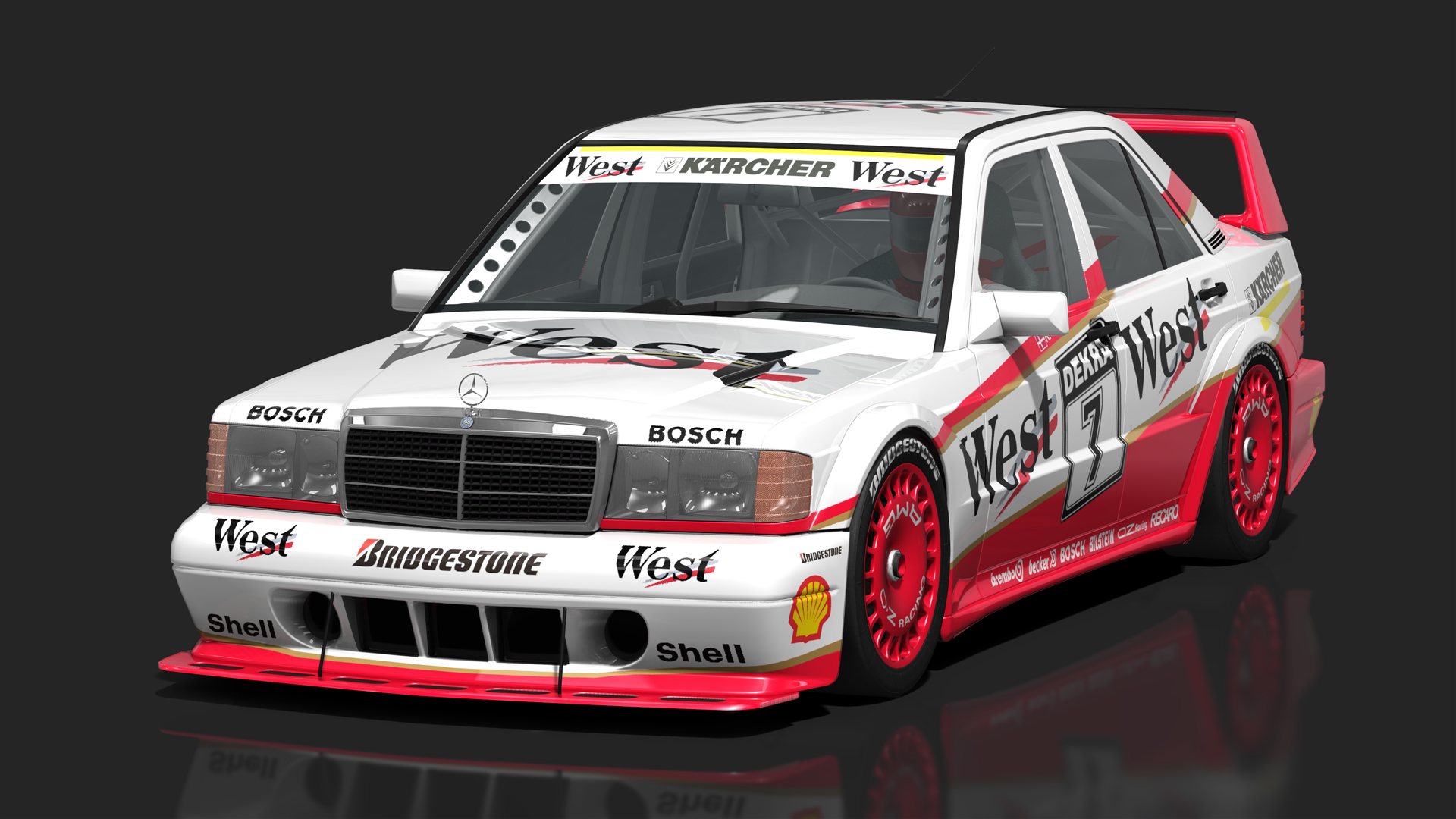
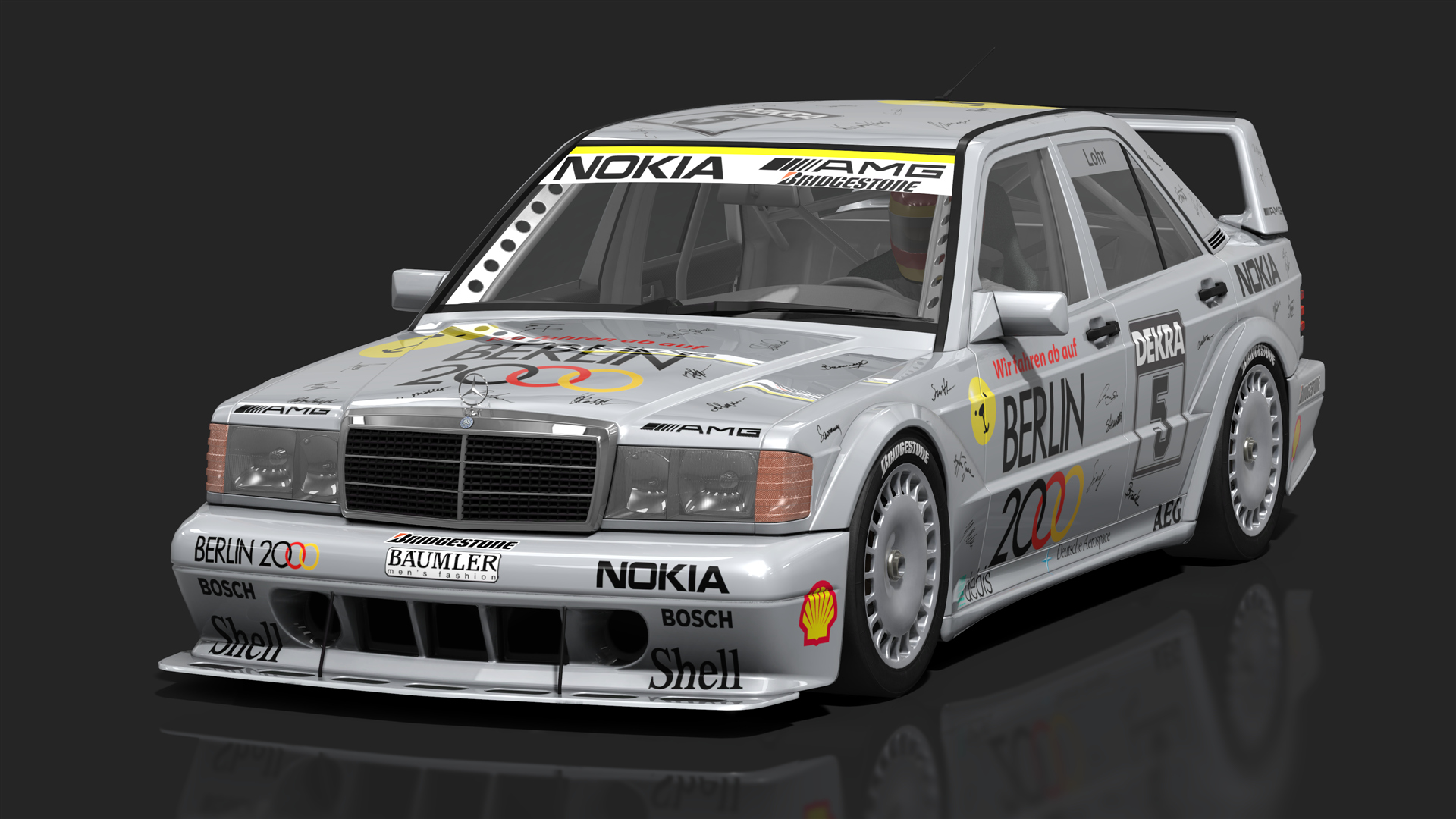
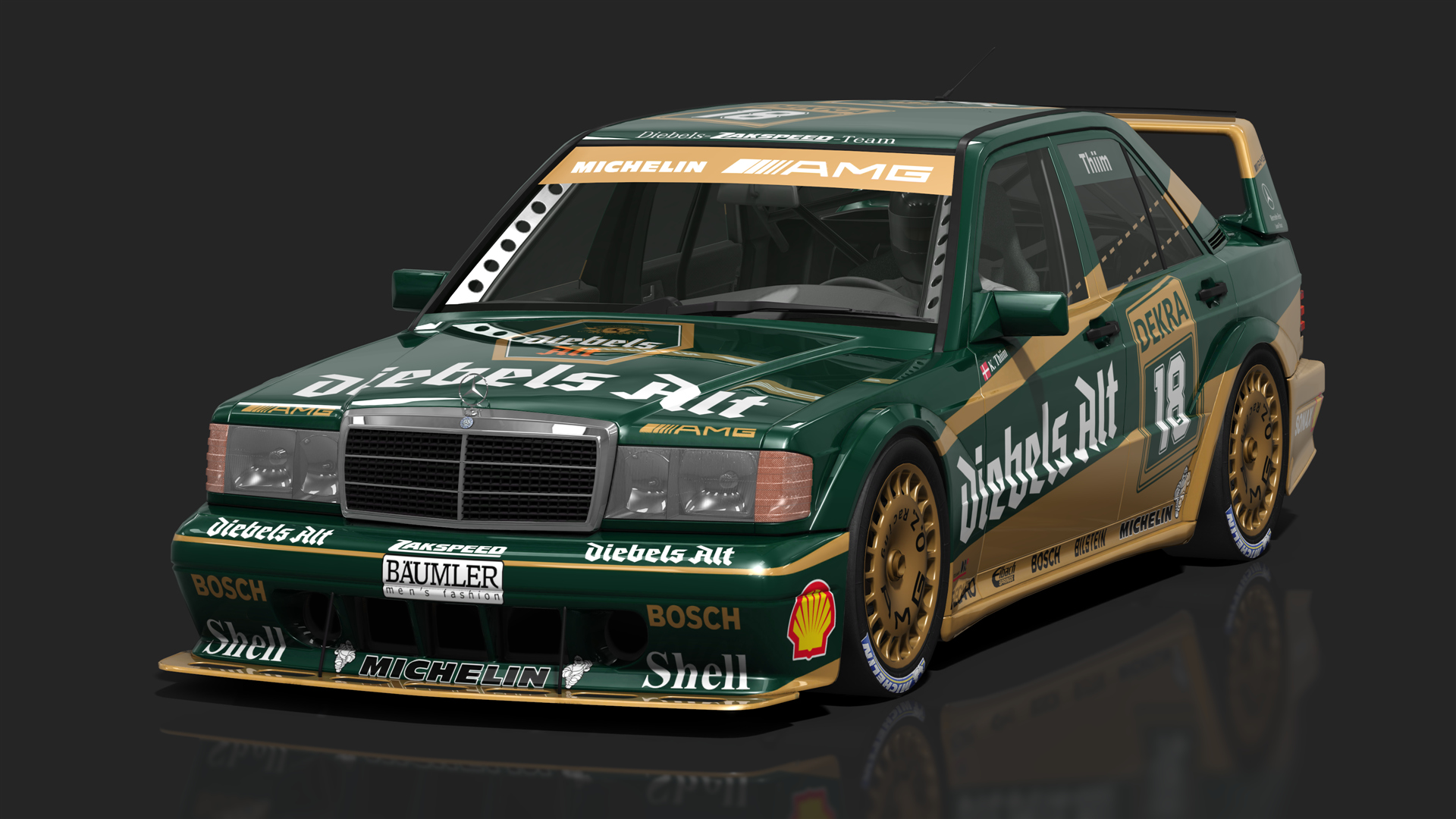
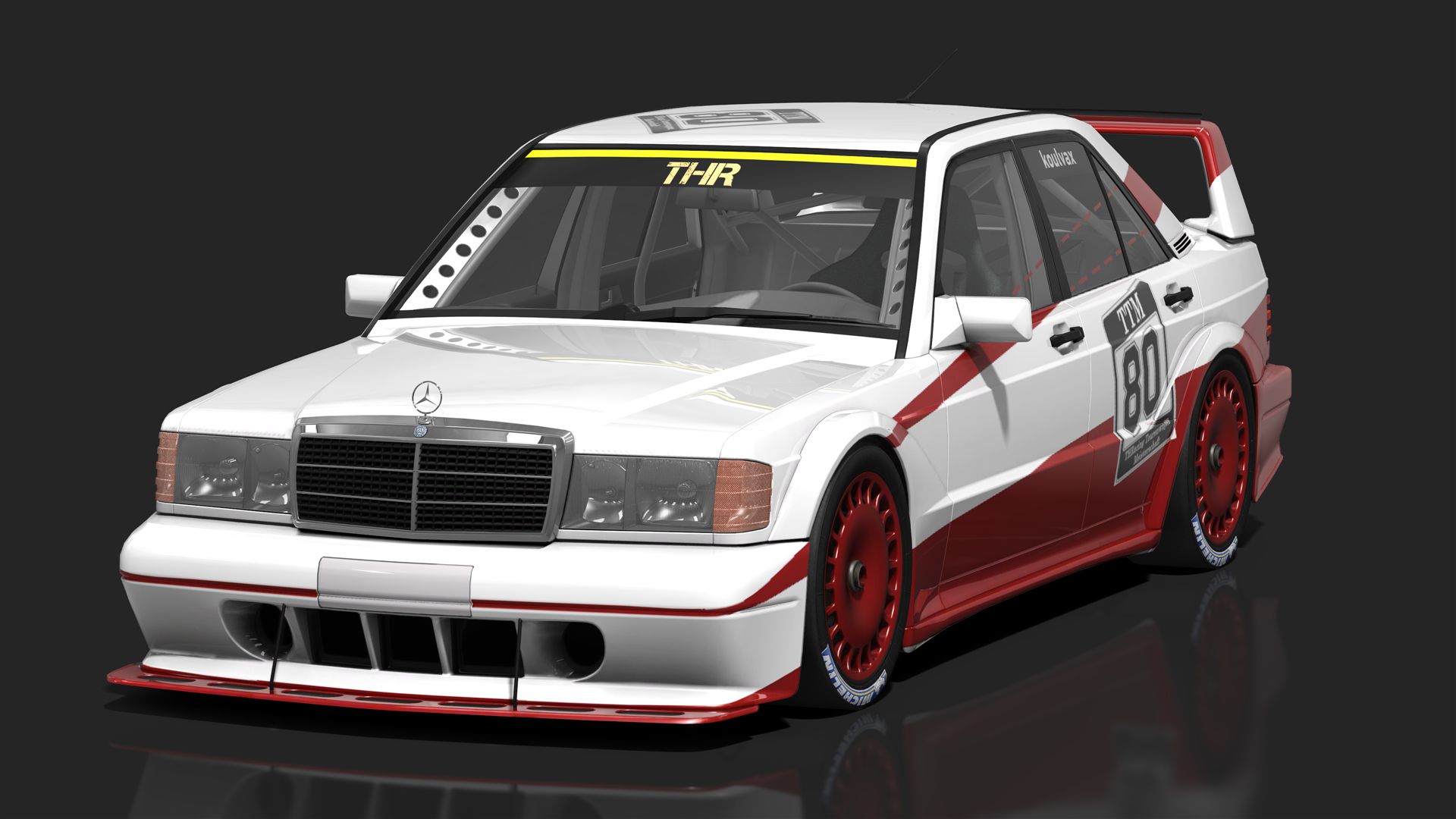
Cerny supplied the opening argument at Tor Poznan, winning ahead of Scheffers and Valentin Knechtel. The Mercedes-Benz 190E 2.5-16 Evolution II was plainly a serious opponent: Scheffers set the fastest lap, and Mercedes occupied the remaining podium places. Yet the BMW had secured the result that mattered, and Cerny began with the Championship lead and 40 points.
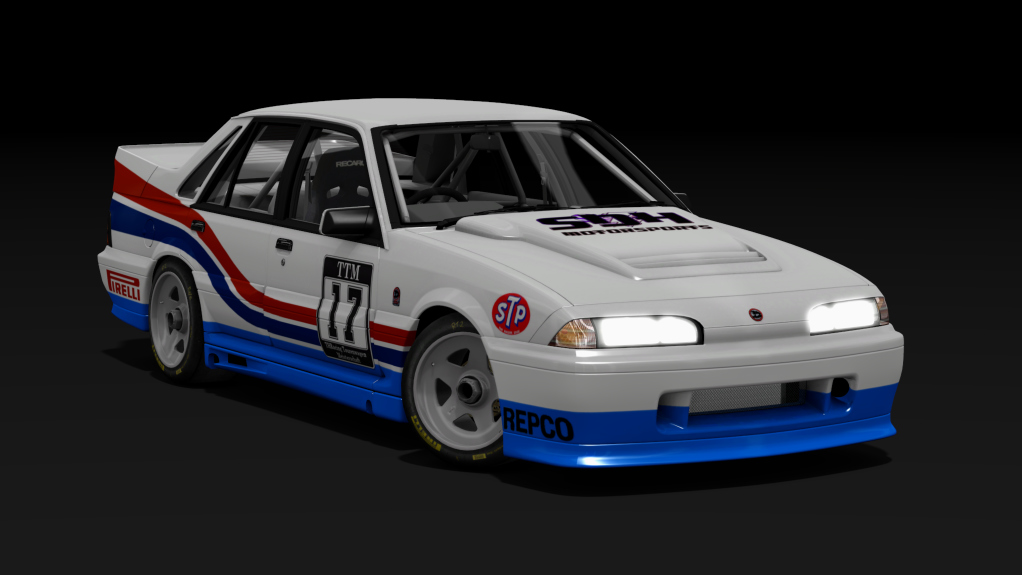
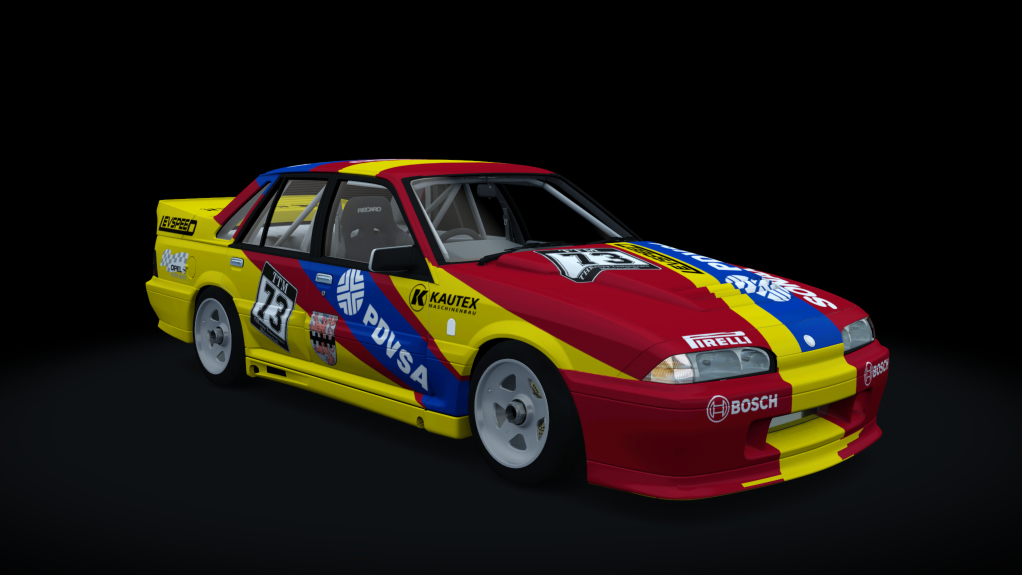
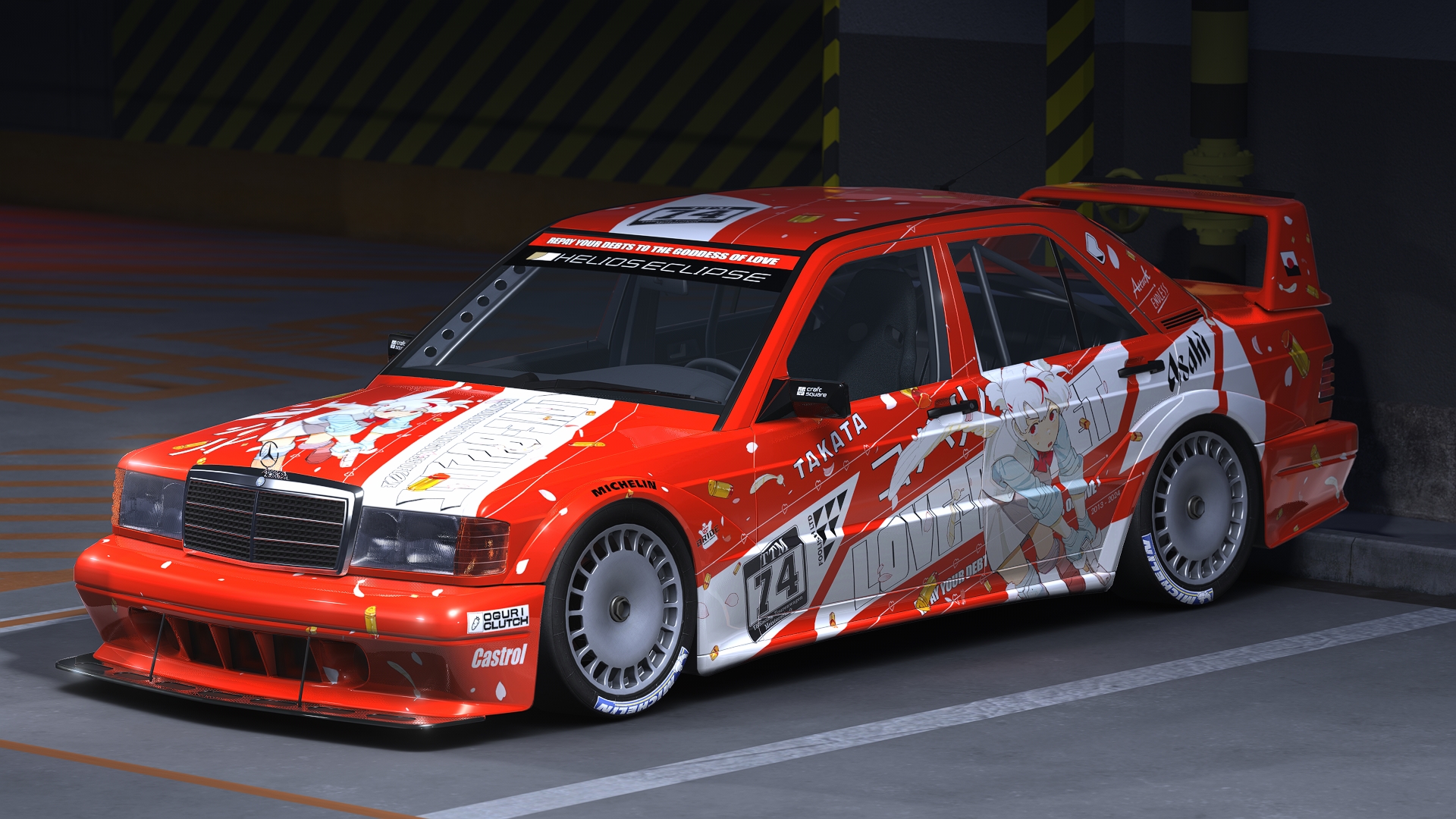
Horsma established that this was not to become a straightforward BMW procession. Scheffers won, Double brought another BMW home second, and Celárek finished third in the Holden VL Commodore SS Group A SV. Cerny's fourth place was useful rather than commanding. With Horsma then his discarded result, his counted total remained 40 points. The distinction between a sound race and an immediate improvement in the table had already become apparent.
Holden changes the terms
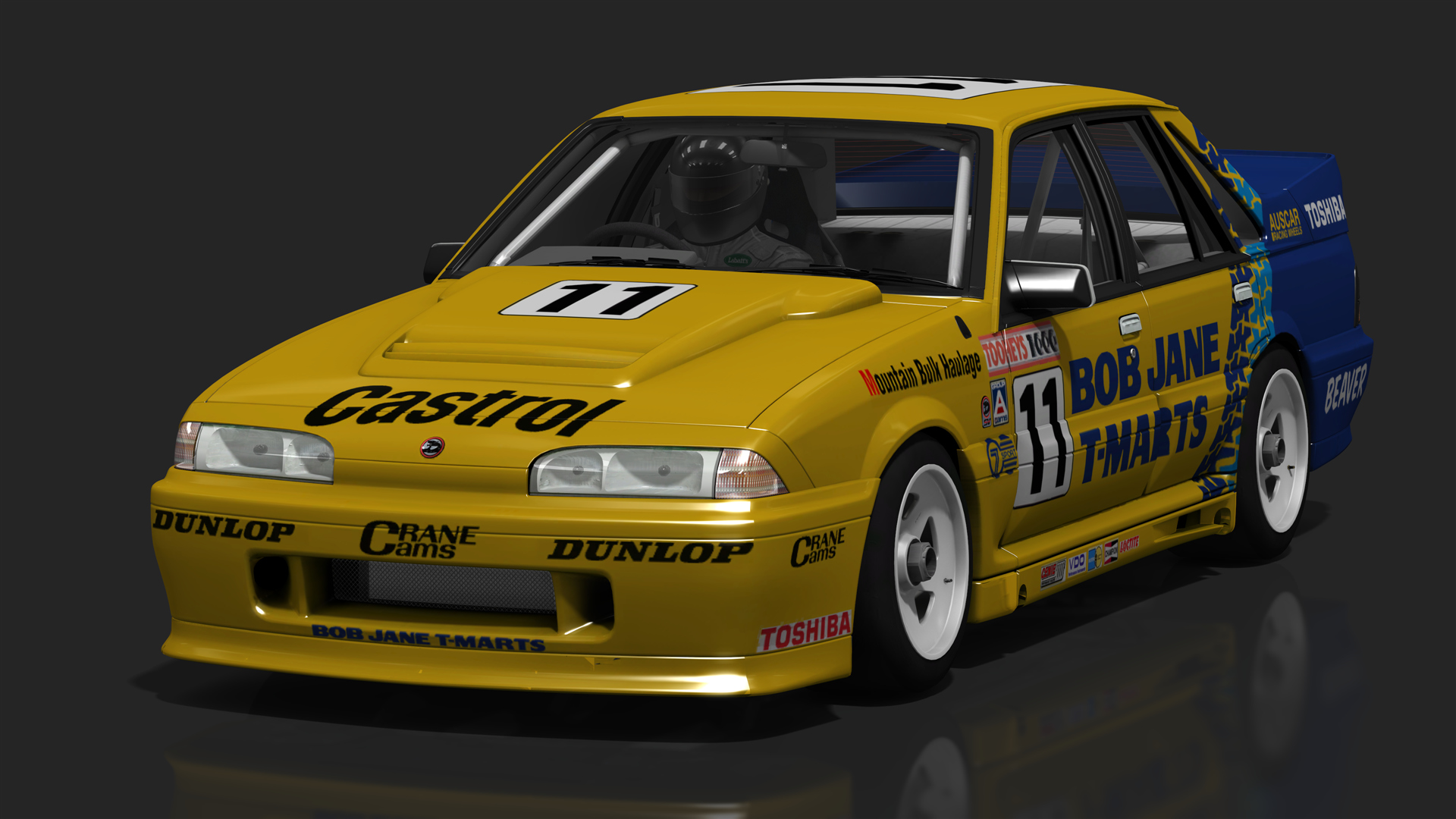
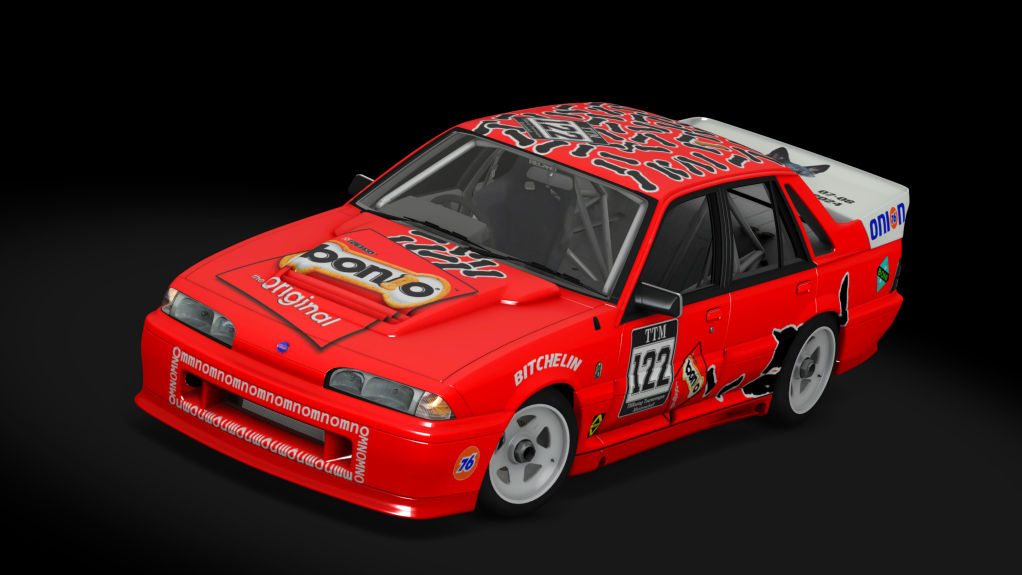
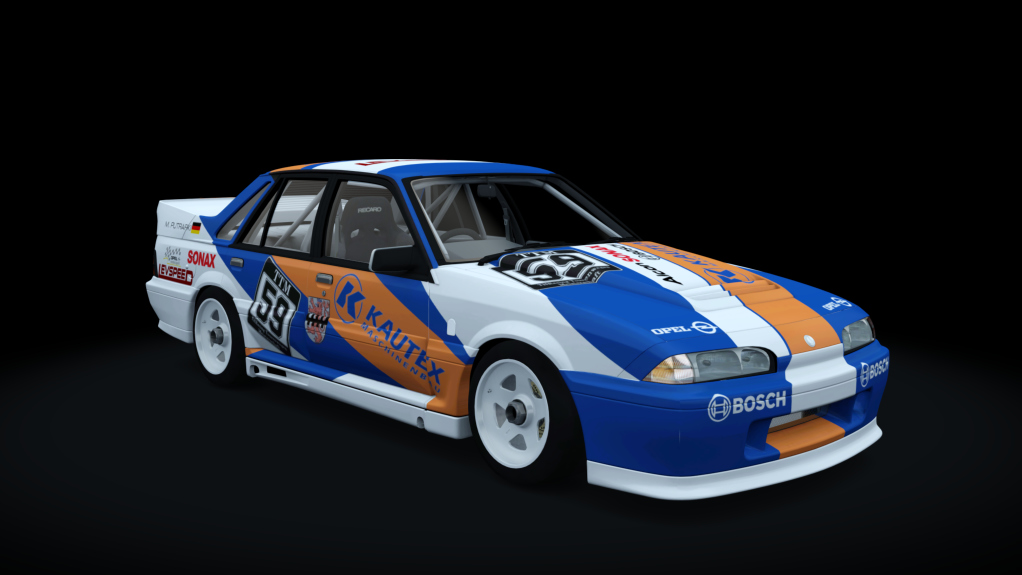
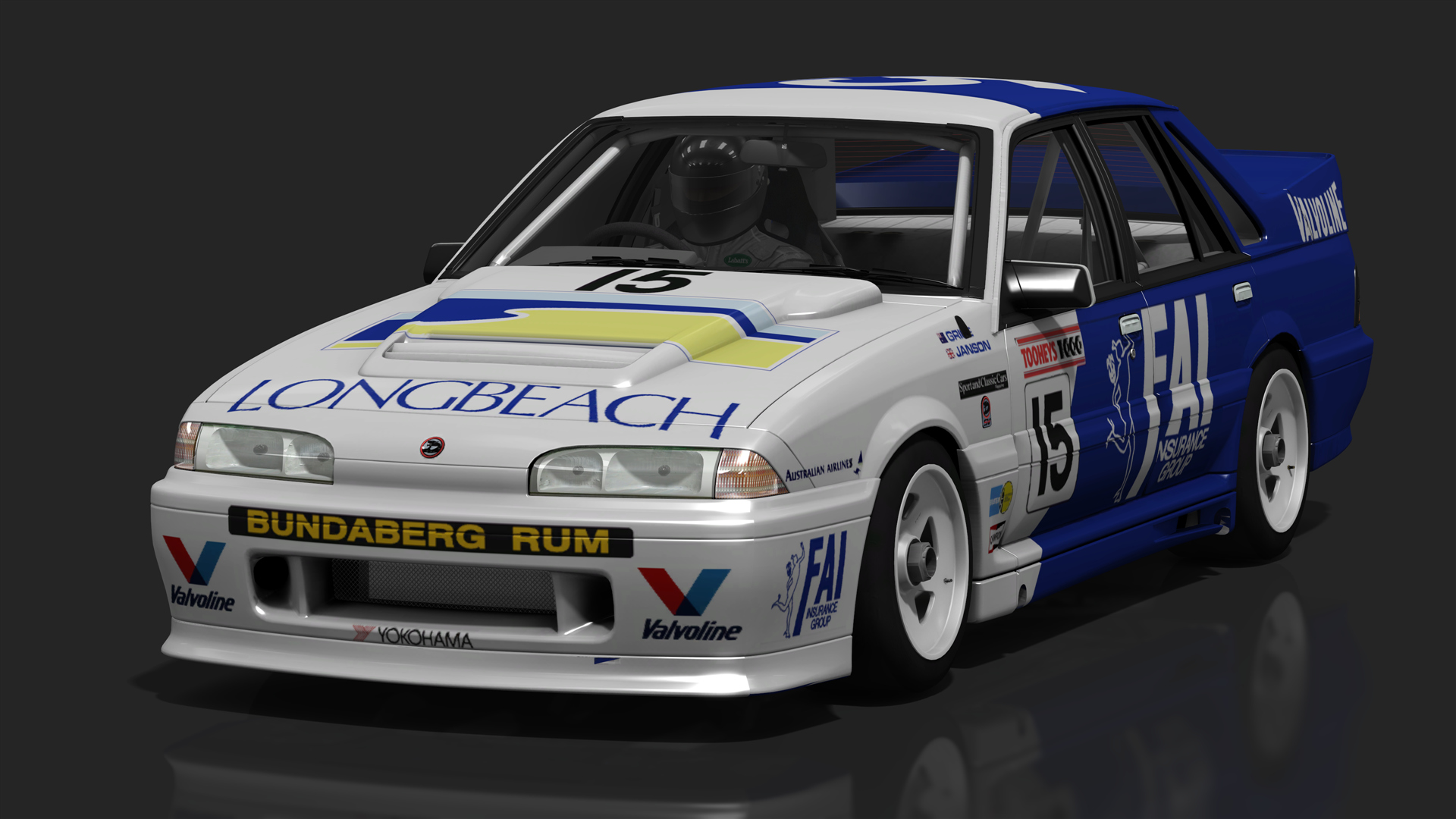
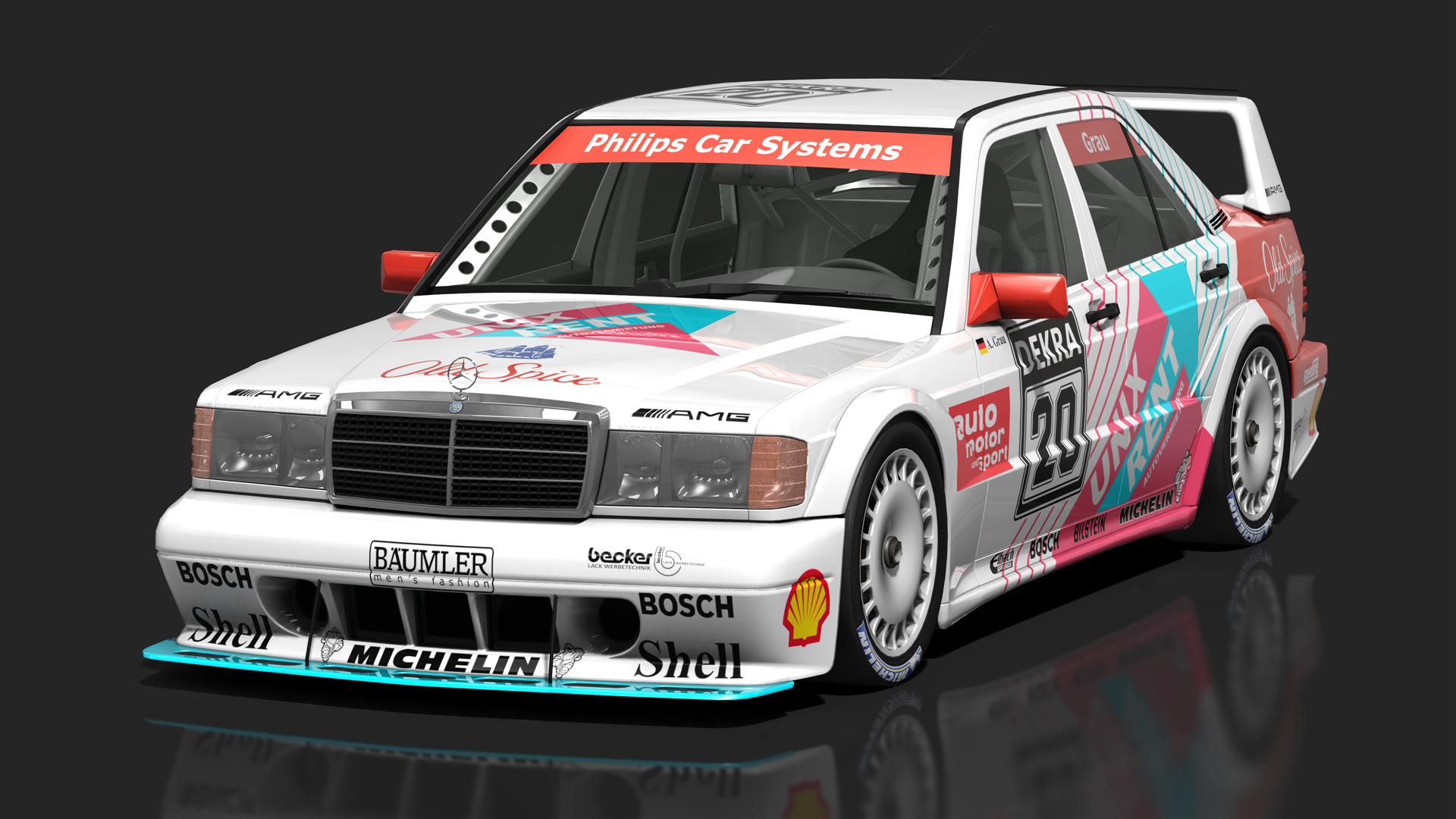
The opening phase had made Scheffers an obvious reference for pace and results, but Celárek was moving into the contest by a different route. Seventh place at Tor Poznan had been followed by the Horsma podium. Hockenheim completed that improvement with a victory, and did so in company: Attila Diner finished second and FMG third, giving Holden all three places on the rostrum.
It was the most emphatic statement by any marque in an individual race. Celárek also recorded the fastest lap, reinforcing the significance of the win without requiring any embellishment. BMW, Mercedes and Holden now had one victory apiece. Whatever conclusions might have been drawn from the first meeting needed revision.
For Cerny, Hockenheim brought a second consecutive fourth place. It kept him close, but it did not keep him in command. He stood third in the Championship on 71 points, while Celárek had moved to second on 74. Their accumulated points before discards were equal at 102; their counted totals differed because Cerny's Horsma score and Celárek's Tor Poznan score were the results being left aside. The rule was already affecting the shape of the contest, not merely tidying its final arithmetic.
Scheffers' fifth place at Hockenheim was a more modest return after his opening second and first. His next result, seventh at the Nürburgring, would extend that interruption in his early form. Celárek, meanwhile, had converted an unremarkable opening into a substantial challenge. The season had ceased to be defined by its first two winners.
The Nürburgring restores the BMW
Cerny's answer came over the seven laps of the Nürburgring round. He won again and set the fastest lap, restoring the BMW to the centre of the Championship rather than merely keeping it within reach. SDH-M ~ HappyKojot finished second for Mercedes, with FMG third in the Holden.
This was the decisive recovery in Cerny's campaign. His counted total rose to 111 points and he regained the Championship lead. Celárek, sixth in the race, was third in the Championship on 103 points, eight behind Cerny. Horsma remained Cerny's discarded score; for Celárek, Tor Poznan was still the result excluded. The BMW driver's second victory had therefore produced a clear, if by no means comfortable, change in the balance.
There were other performances here which deserve to survive apart from their bearing on the title. HappyKojot's second place was the high point of a compact and effective campaign. Having missed Horsma, he had little room for an unproductive appearance elsewhere. At the Nürburgring he supplied a major result, rather than simply another respectable placing.
FMG's third was his second consecutive result in that position, following Hockenheim. Those two races formed the strongest passage of his season and helped explain Holden's recurring presence near the front even when Celárek was not its leading representative. Diner's fourth place added further substance to that picture. Cerny had won the round, but the opposition was not confined to a single driver or car.
Bathurst reopens the account
Mount Panorama overturned the advantage Cerny had recovered. Scheffers returned to winning form, Celárek finished second and Knechtel third. Cerny's fourth place was entirely in keeping with his season, but on this occasion steadiness surrendered ground to the men ahead.
After Bathurst, Cerny was second in the Championship on 142 points, five behind the leader. Celárek was third on 140, only two points behind Cerny. The Nürburgring had restored the BMW driver's lead; the following round had taken it away again. No long spell of authority had survived the changing order at the front.
Scheffers had now amassed two wins and a second place from five starts. His Bathurst success was more than a repetition of Horsma: it arrested the middle-season decline represented by fifth at Hockenheim and seventh at the Nürburgring. He would make no start at Macau, leaving that Australian victory as his final contribution on the circuit.
Celárek's second place was equally important to the shape of the closing contest. He had answered sixth at the Nürburgring with a return to the podium and also set the fastest lap. His campaign had acquired a recurring quality: after the opening disappointment, and again after the Nürburgring, he recovered with a result of consequence.
Knechtel's third place echoed his opening podium at Tor Poznan. Although victory eluded him, these performances gave his season a substance beyond the final points column. HappyKojot, fifth in the race, continued the accumulation which would eventually put him just ahead of Knechtel in the completed Championship.
Macau and the final distinction
The last race belonged to Attila Diner. His Macau victory put a proper conclusion to a season which had already included second place at Hockenheim. Celárek finished second, completing consecutive runner-up results, while Cerny reached the flag third. The final podium thus contained the race winner, the most frequent podium visitor of the season and the eventual champion.
The official Championship order placed Cerny first on 176 points, Scheffers second on 175 and Celárek third, also on 175. The final top three represented BMW, Mercedes-Benz and Holden respectively, a fitting distribution for a season in which no marque had retained a monopoly on success.
For Cerny, the discarded result was his fourth place at Horsma, worth 31 points. That is a revealing detail. His allowance was not used to remove a non-start or a scoreless race, but a respectable performance near the front. Two victories and third place at Macau supplied the distinction; the fourth places supplied the continuity. His championship was built from both, and cannot adequately be described by either alone.
Celárek ended with four podium appearances: one victory, two second places and a third. That was the highest individual podium total, but it brought third place in the official Championship rather than the title. Scheffers' three podiums comprised two victories and a second. Cerny also had three, though his came from two wins and the closing third place. The figures illustrate how closely matched the principal campaigns were, while their different patterns explain why the contest remained unsettled in character until its conclusion.
Diner took fourth in the final Championship with 164 points. Behind him, HappyKojot secured fifth on 157, one point ahead of Knechtel. FMG's paired middle-season podiums helped him to seventh. These were not interchangeable supporting campaigns: each had a distinct passage in which it affected the order at the front.
Honours beyond the drivers' crown
Florian Masse provided a worthwhile closing performance for Ford, finishing fourth at Macau and setting the fastest lap. His Nürburgring result had been a classification of 33rd after completing two laps, and was his discarded score. Sixth place at Bathurst followed by the Macau result gave the latter part of his season a more satisfactory direction, ending with eighth in the Championship on 144 points.
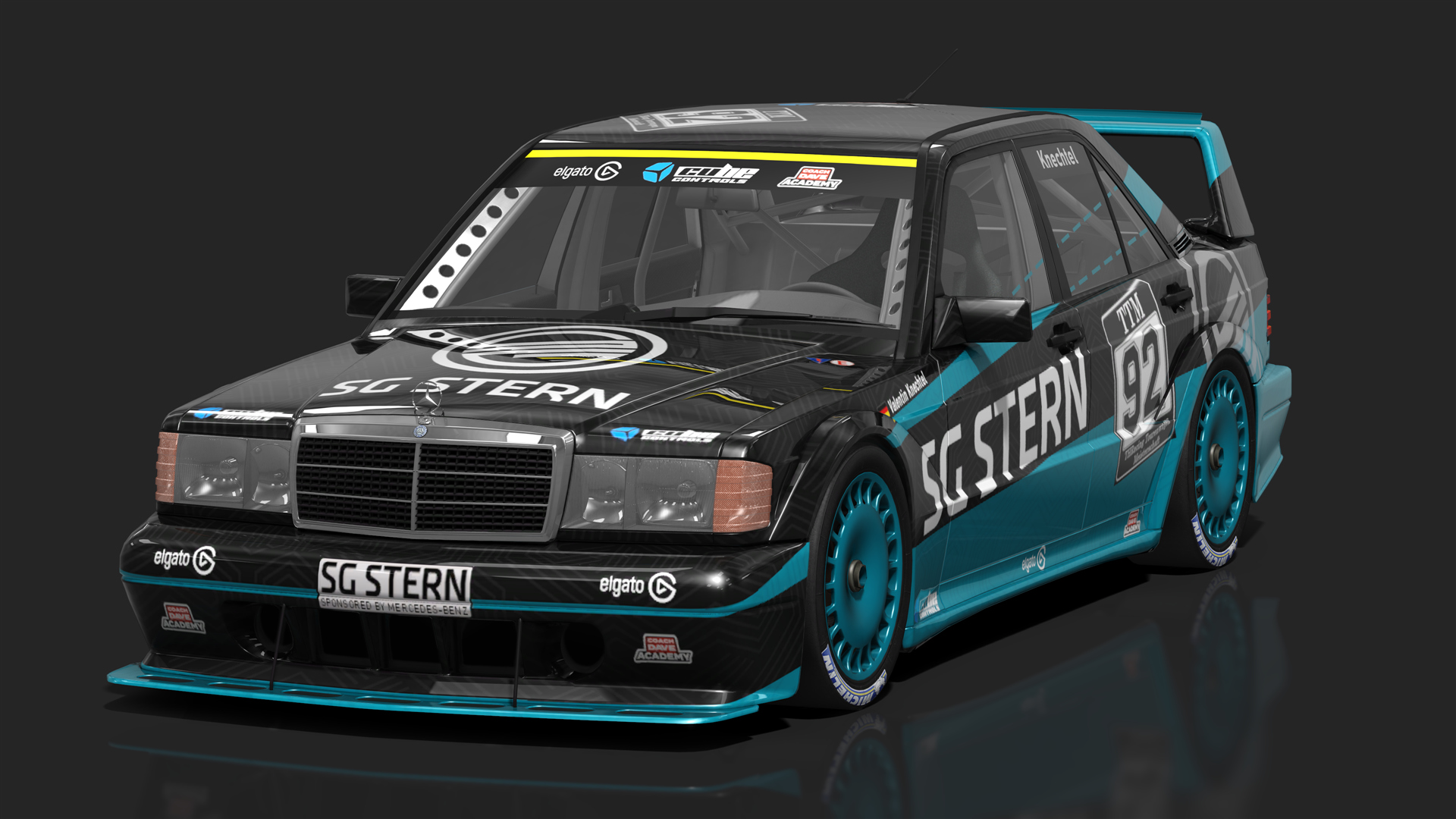
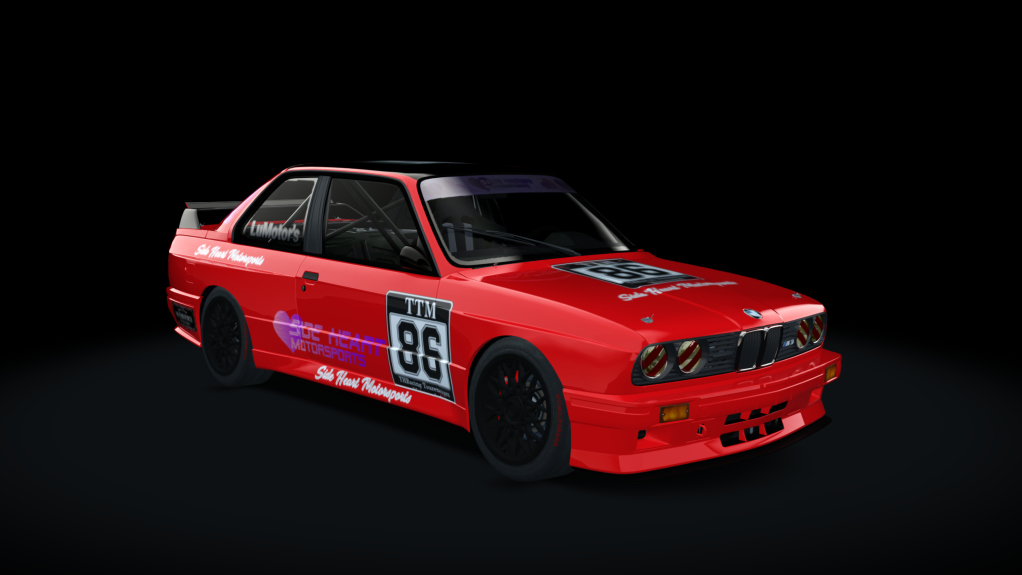
The teams' title went to Side Heart Motorsports with 334 points, ahead of SG Stern on 226 and MK-Motorsport on 213. Celárek and HappyKojot thus shared a collective success even though the drivers' crown went elsewhere. Scheffers' runner-up placing belonged to the separately listed Side Heart Motorsports III entry.
Across the completed season, Holden collected eight podium appearances, Mercedes six and BMW four. Yet the six victories were divided equally, two to each marque. The BMW's smaller share of podium places did not prevent it from carrying the champion. It was a useful reminder that breadth of success and the precise demands of a drivers' championship are related, but not identical, things.
Cerny's title rested on a narrow margin, not a narrow achievement. He won when the opportunity presented itself and remained close when others had the better result. Stijn Scheffers ended as runner-up, with Adam Celárek completing the Championship podium in third. In a season of changing leaders and shared honours, Cerny's combination proved just sufficient.