Falling Falcon Takes the Long View
Torsten Behle supplied the victories, but Falling Falcon secured the GTR 70s - Casual Cup through sustained attendance and a steady accumulation of good results. Across six rounds, an apparently settled order remained open to revision until Bathurst gave the season a different champion from its most successful race winner.
The distinction between speed and a season
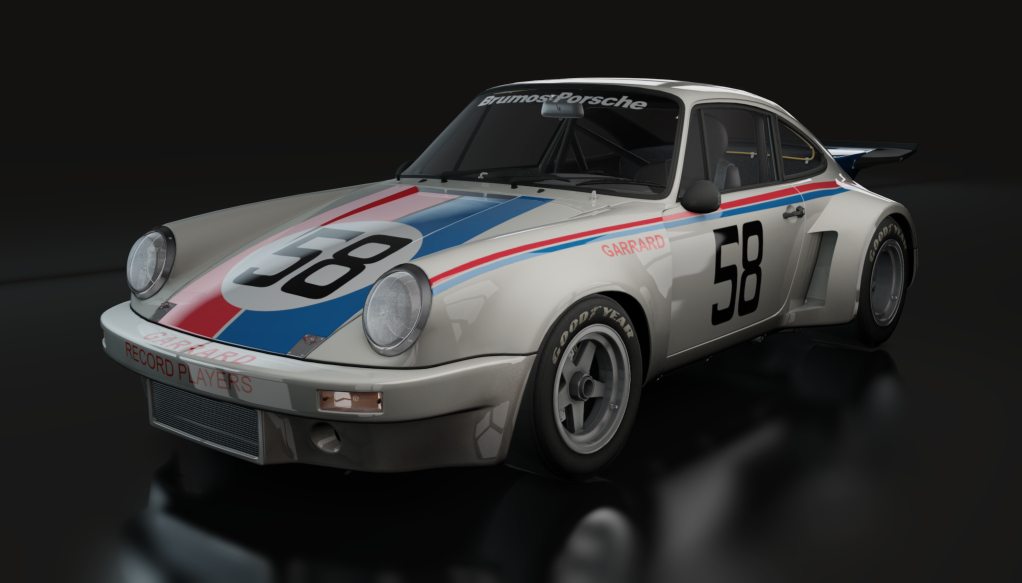
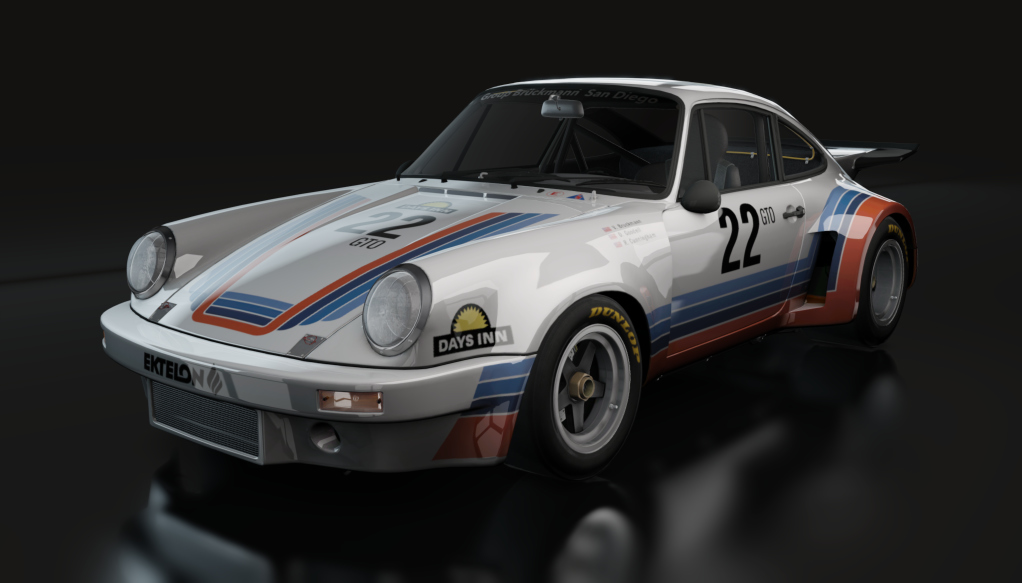
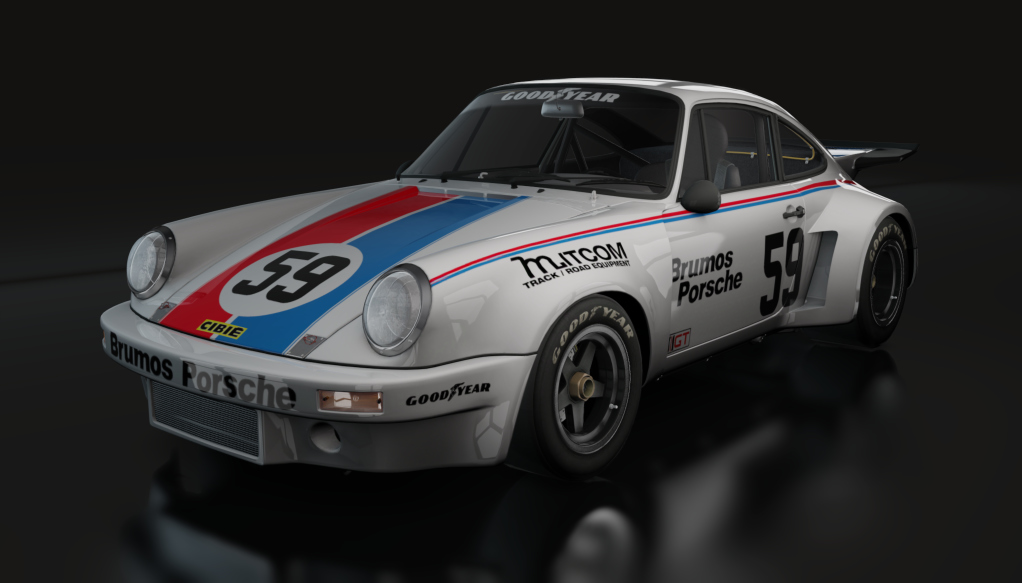
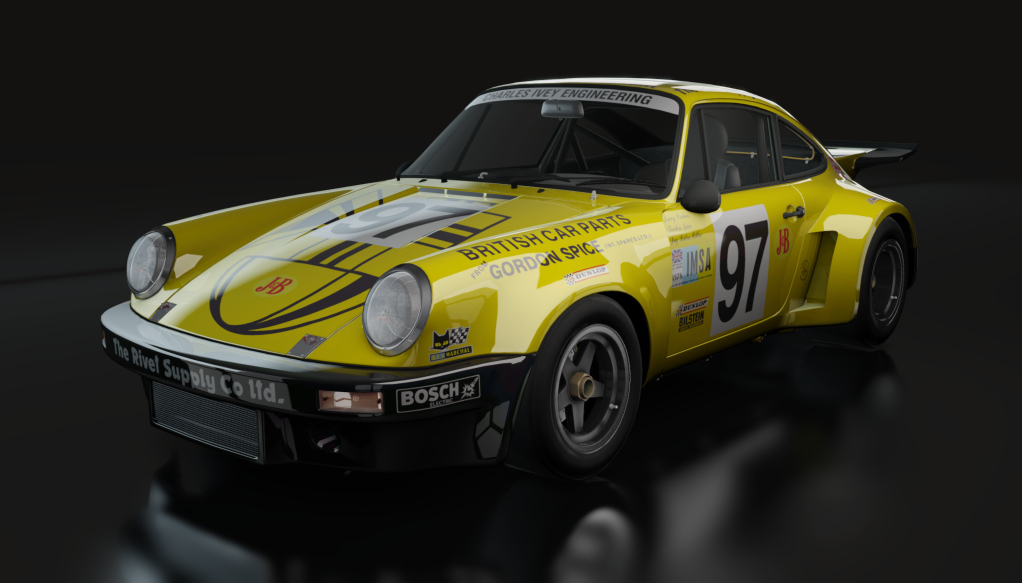
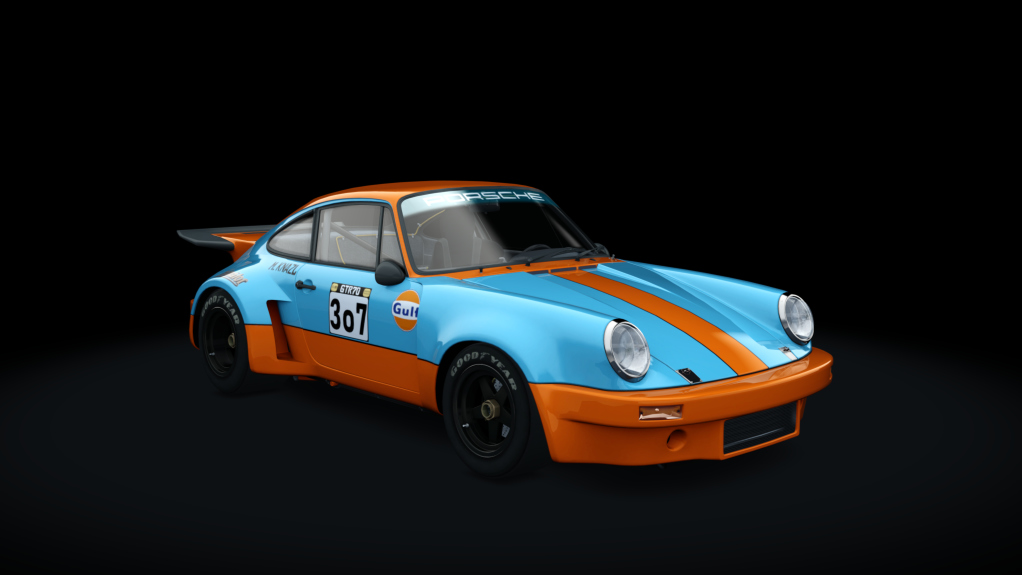
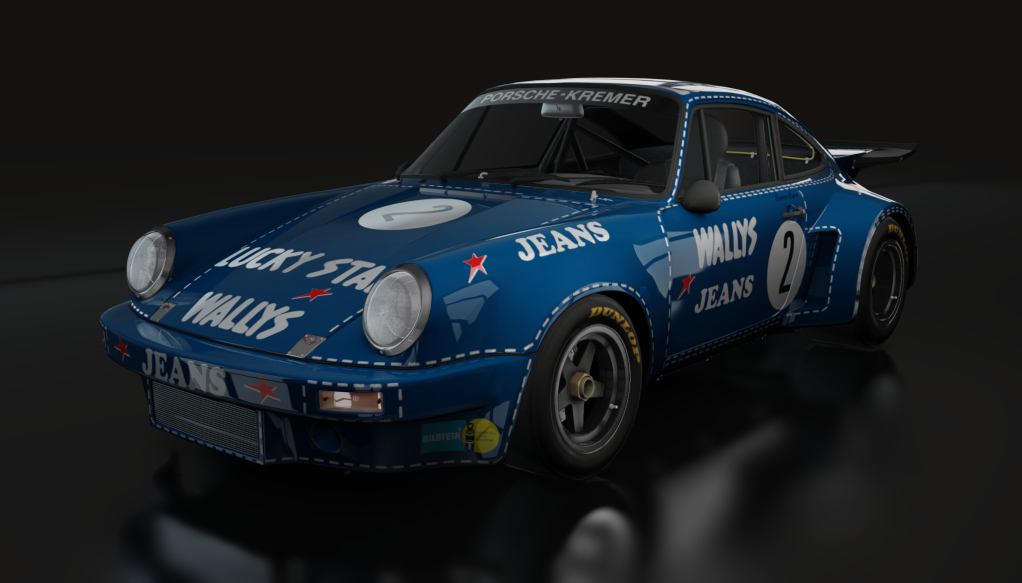
There was a persuasive simplicity about Torsten Behle's racing in this championship. His Porsche 911 RSR '74 won the opening four races, and when that sequence was finally interrupted he still finished second. On individual Sundays, he established the standard against which the opposition had to measure itself. Yet the championship was not decided by that standard alone. Falling Falcon remained sufficiently close, sufficiently often, to turn a season without a victory into a title.
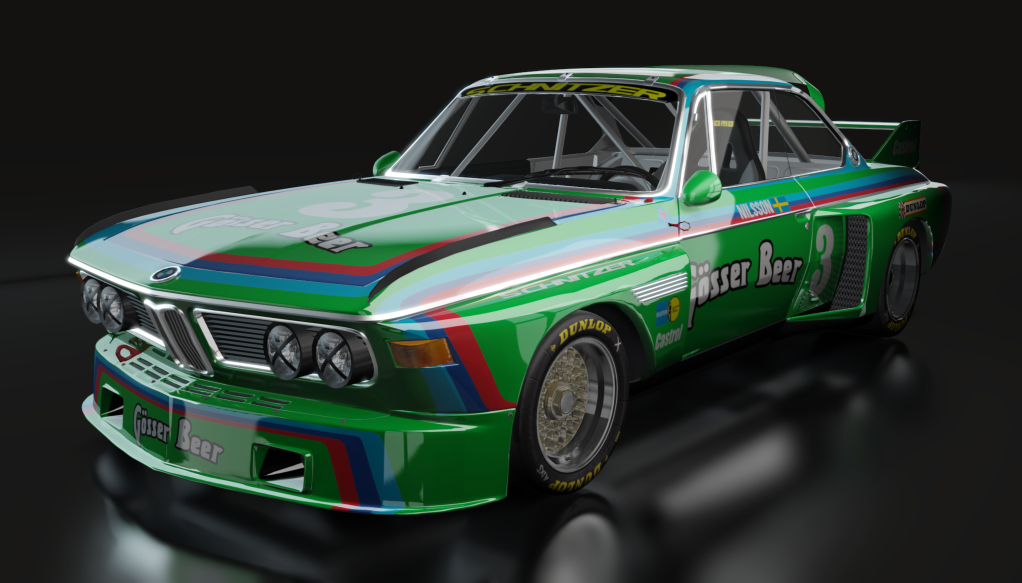
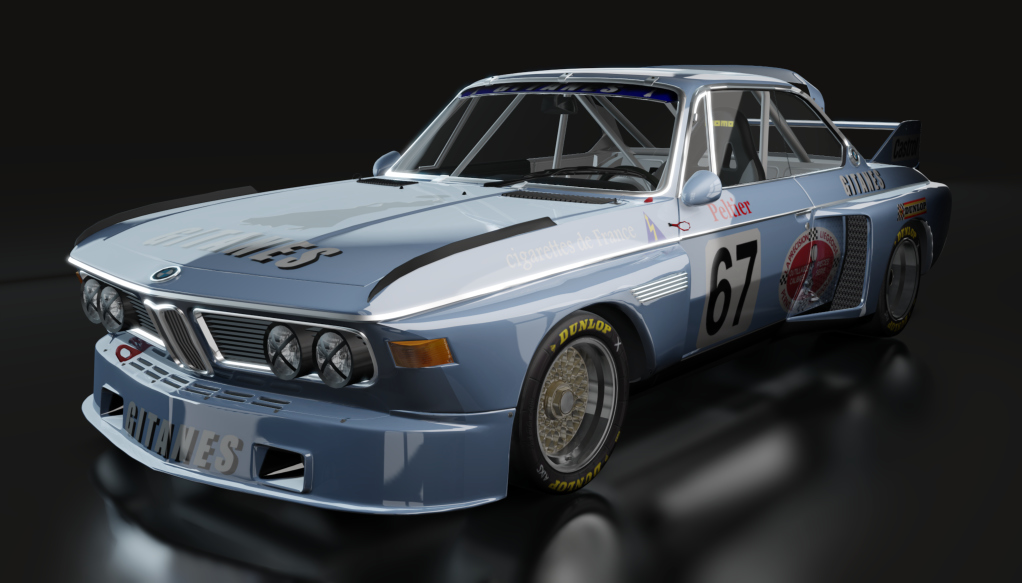
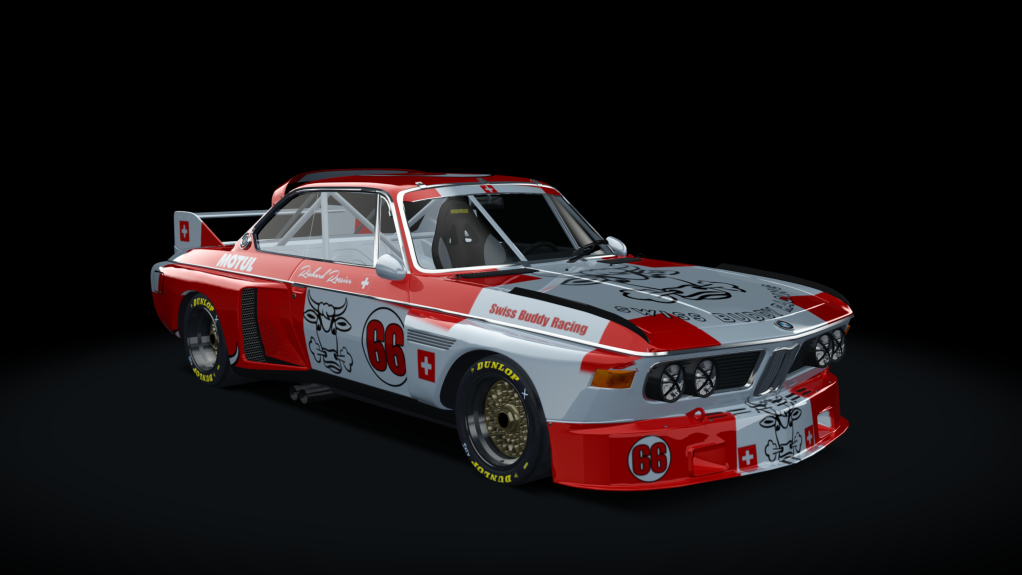
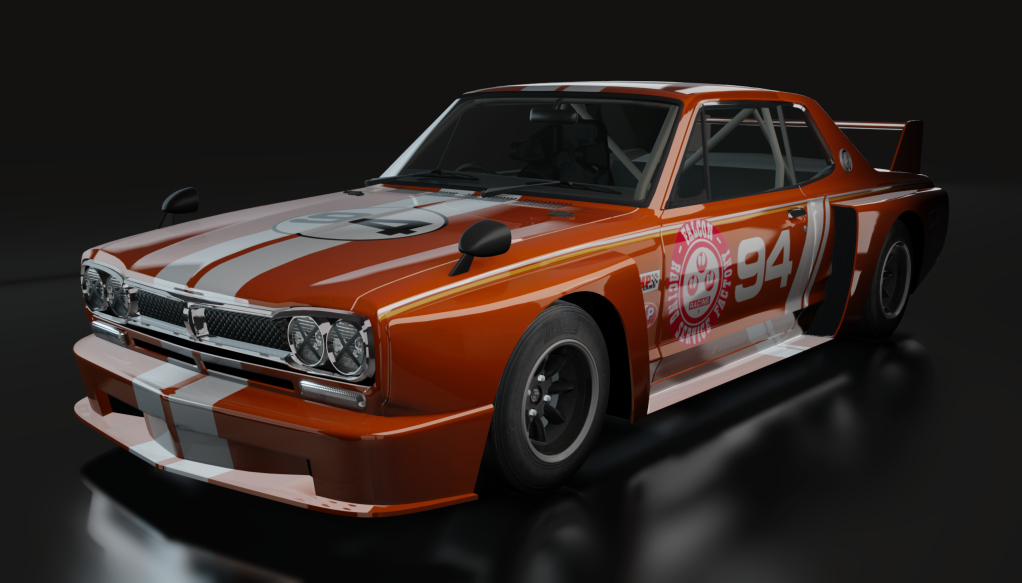
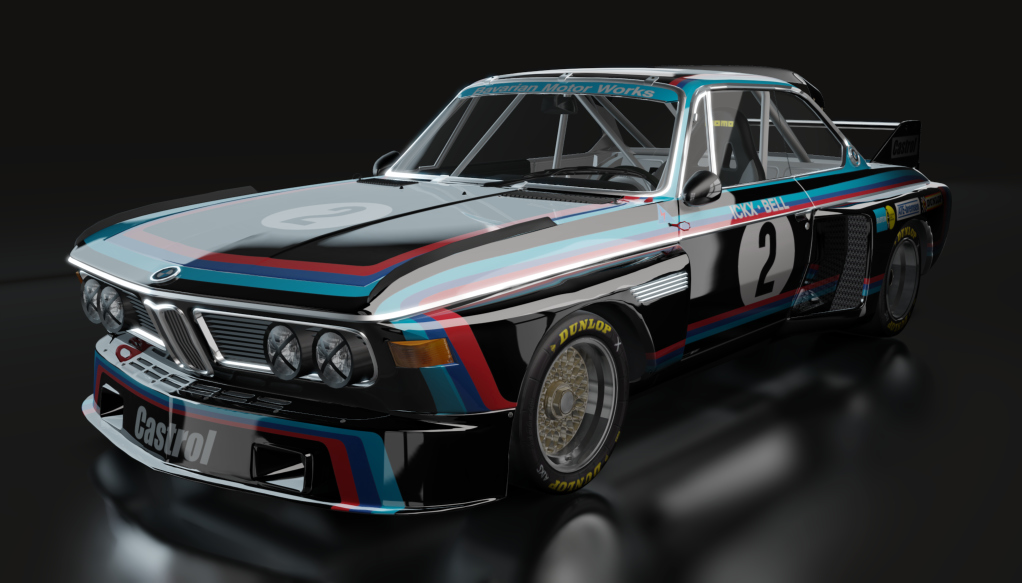
The distinction was apparent from the opening phase, although its eventual importance was less obvious. At Fuji, Behle won and set the fastest lap, with Falling Falcon second and richard rossier third in the BMW CSL 3.0. It was an orderly beginning for the two Porsche drivers who would ultimately head the Championship, but not a declaration that the rest of the field would remain unchanged behind them. The supporting cast varied considerably; the contest at the head of the points table depended upon who could maintain a campaign rather than merely make a strong appearance.
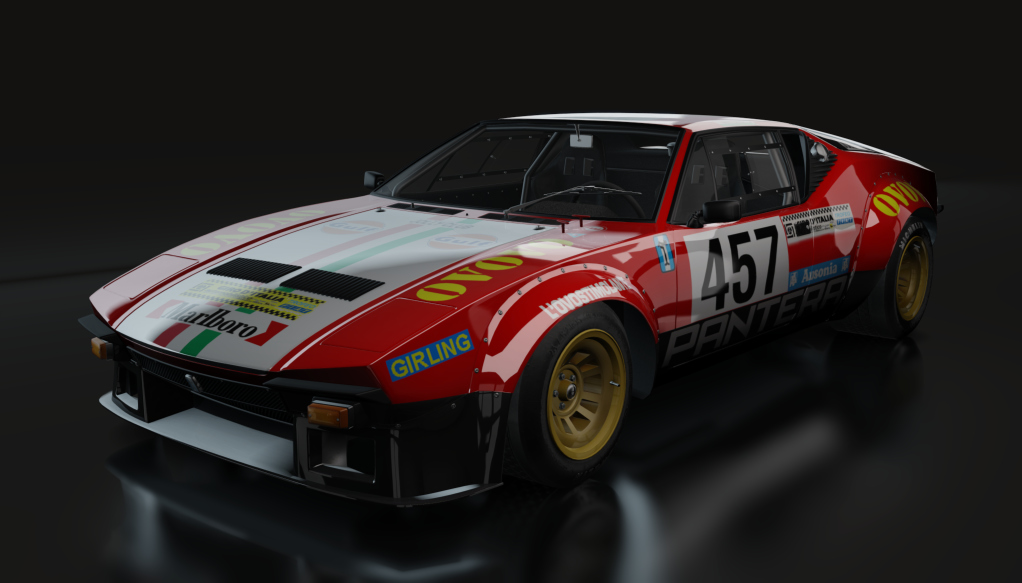
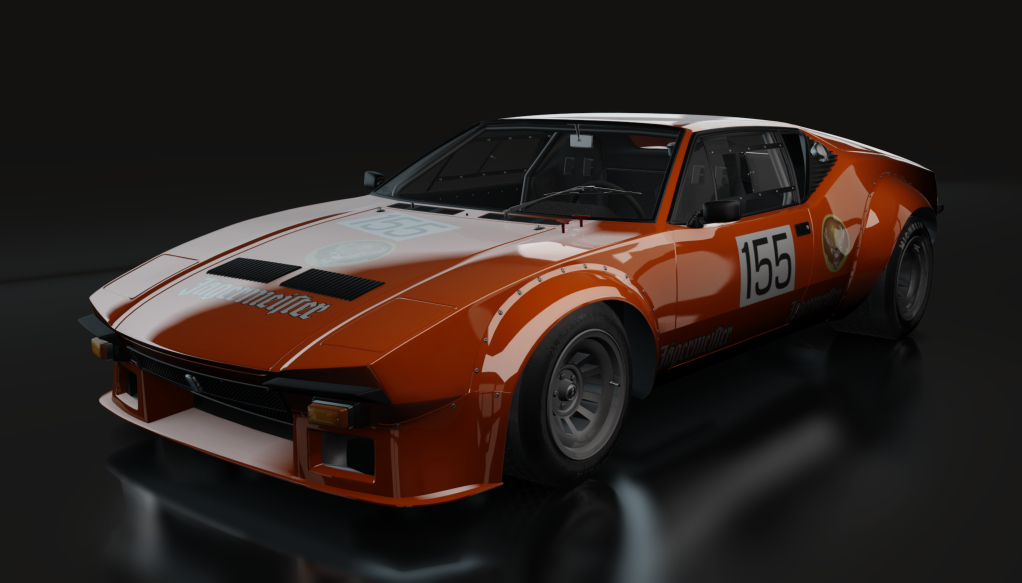
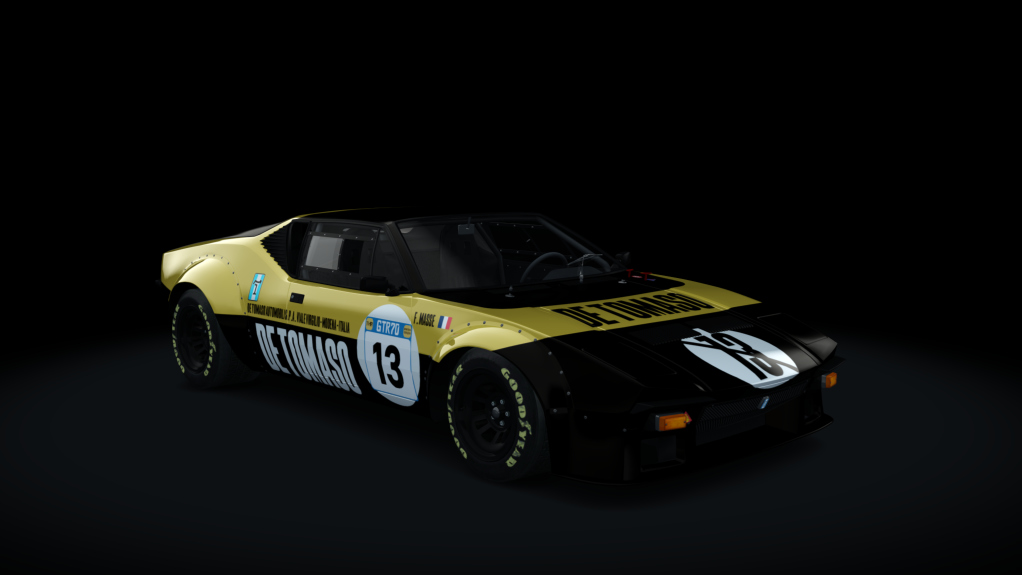
Interlagos demonstrated both sides of that argument. Behle won again, while Connor Wundes brought his BMW into second place and Luigi Bingo finished third in the Detomaso Pantera Gr4. Falling Falcon was fourth in the race classification. Wundes had made an immediate impression, and Bingo had established a useful foundation for a longer campaign, but Behle remained the man setting the pace.
The points table required a little more care than the results sheet. With one poorest scoring entry discarded, Behle's Fuji victory was then omitted from his counted score, while Falling Falcon's Interlagos result was discarded. Thus Behle led with 40 counted points, and Falling Falcon and Wundes shared second in the Championship on 37. Two victories had not produced a large advantage. The rule's effect was already to make the visible margin much narrower than Behle's racing record might have suggested.
A leader who could not quite get away
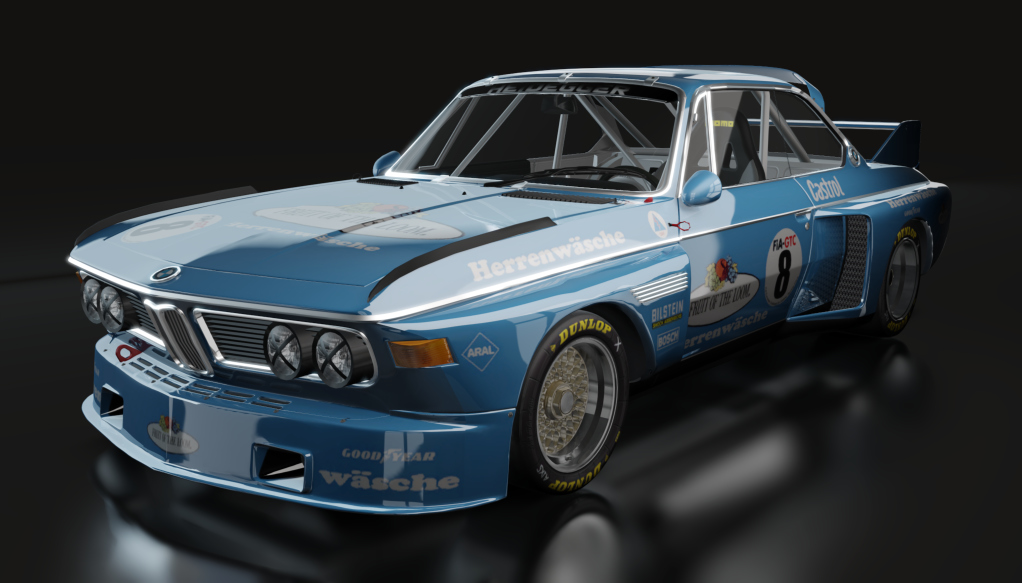
The middle of the season brought no reversal on the road. Instead, it gave the contest its recurring shape: Behle winning, Falling Falcon taking the next-best reward, and the Championship lead increasing by modest steps. At VIR, Behle secured his third consecutive victory and Falling Falcon finished second, with Telmo Amaral third in a BMW. Behle's counted total stood at 80 points, six ahead of Falling Falcon's 74. The challenger had answered the less productive Interlagos appearance without yet finding a means of beating the leader.
Norisring extended the same argument. Behle won for the fourth consecutive time, while Falling Falcon finished second for the second race in succession. The leader now had 120 counted points against 111, a nine-point advantage. Falling Falcon's three second places by this stage were not victories in disguise, but they were keeping the contest within reach. Behle's success was unmistakable; the size of his cushion was another matter.
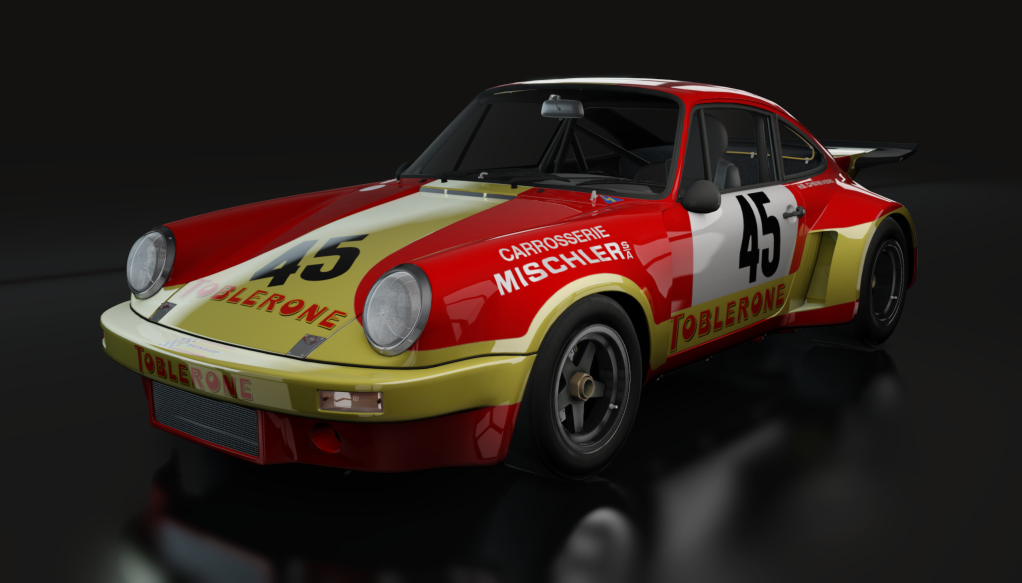
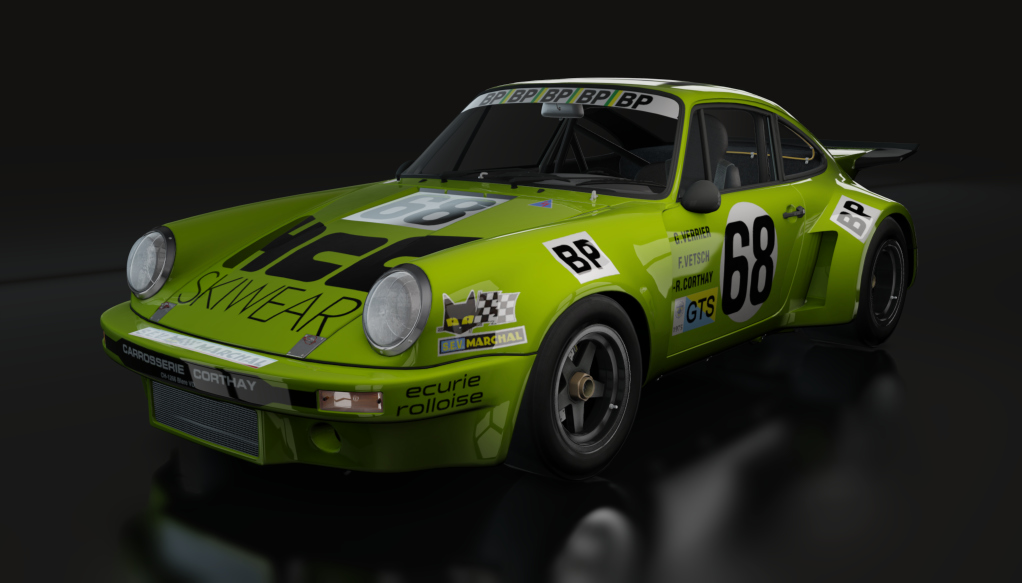
There was also a warning against treating a podium classification as a complete account of a race. Jack Ihix was classified third at Norisring after completing 60 of the scheduled 62 laps. His Porsche nevertheless joined those of Behle and Falling Falcon in the first three places. For the marque it was another conspicuous afternoon, but for the Championship the greater significance lay in the persistence of the same leading pair.
By the December pause, the season had acquired a curious balance. Behle had made no concession in the winning column, yet Falling Falcon had avoided the sort of barren interval that would have allowed those victories to settle the matter. The pressure was less a succession of direct defeats than a refusal to disappear from the arithmetic.
The Pantera's separate contest
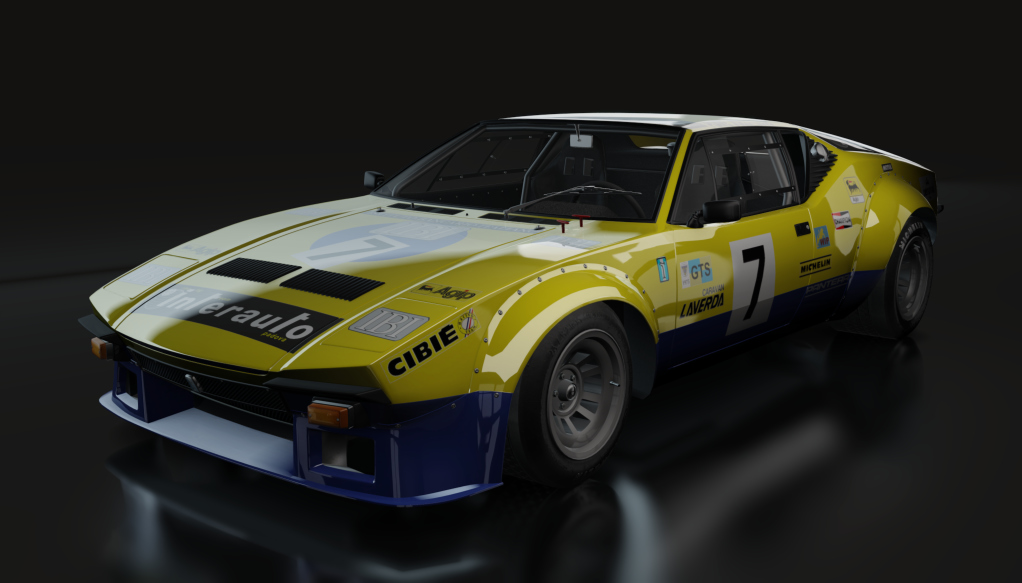
Behind the leading Porsches, Bingo's campaign had a different character. His Interlagos podium was its high point, but its lasting value came from being supported by other scoring appearances. The Pantera did not have to win races to give Team Nissena Corse a substantial place in the final reckoning. It did, however, need its driver to preserve the advantage over competitors whose strongest afternoons came less regularly.
After VIR, Bingo occupied third in the Championship on 65 points. His absence from Norisring then altered the discarded-score calculation: that zero replaced Fuji as his dropped event, leaving all his earlier race points counted. He consequently remained third in the Championship on 96 points. It was a useful illustration of why a table under this rule could not be read simply by adding the latest race score to the previous counted total.
Ihix's Norisring podium brought his own counted score to 94 points and made the contest behind the leading pair a matter of substance. Neither driver's season depended upon challenging Behle's winning sequence. Their rivalry concerned the more patient business of retaining a place near the front of the Championship while the personnel around them changed.
Bingo would eventually secure third overall with 155 points to Ihix's 147. That distinction gave the final Championship podium a Pantera alongside the two Porsches. It was a fitting return for a campaign whose importance lay less in repeated visits to the rostrum than in the value of the results surrounding its single third place.
Silverstone changes the winner, not the leader
When racing resumed in February, Silverstone brought a larger classified field and a new answer at the front. Kasperi Sirén won in a Porsche, ending Behle's unbeaten run. Behle finished second and Falling Falcon third, so the interruption did not immediately weaken the Championship leader's position relative to his principal pursuer. Both men still occupied the podium, but Behle had once more taken the better race result.
The scoring calculation made this a particularly important stage. Behle's 37 points for second at Silverstone became his discarded result, releasing the previously omitted Fuji victory into his counted total. He therefore left with 160 counted points. Falling Falcon, whose Interlagos score remained discarded, had 145 and stood 15 points behind the Championship leader. Behle had lost a race but increased his counted advantage.
That was the strongest numerical position the leader carried out of a round. It was also a reminder that a discarded score was provisional rather than permanently erased. Behle's campaign now comprised four wins and one second place from five starts, all five results in the top two. Falling Falcon had three second places and a third, making four podium appearances from the five rounds. The contrast was clear without diminishing either achievement: Behle had the superior race record, while Falling Falcon had kept a productive campaign intact.
Silverstone also supplied a useful indication of late-season strength elsewhere. Beneharo Dorta méndez finished fourth in a BMW and set the fastest lap. His championship involvement was brief, but his pace would give the closing phase a significance beyond the established title order.
Bathurst and the final account
Bathurst settled the distinction between the best sequence of race results and the largest completed-season score. Behle did not start the final race. Falling Falcon did, and was fifth in the race classification. It was his lowest placing of the campaign, but an appearance of greater Championship consequence than several more conspicuous results earlier in the season.
The final accounting also changed the treatment of discarded scores. The zero-point Weekday Qualifying entry available before Bathurst absorbed the permitted discard; it was not an additional Championship race. No race score remained discarded in the completed standings. Behle's Silverstone points and Falling Falcon's Interlagos points therefore both counted in the final reckoning. Falling Falcon ended on 206 points, Behle on 197, and the Championship lead changed hands at the last round.
There was no need for Falling Falcon to disguise the nature of the achievement. His season contained three second places, one third place and no victories, but it also contained six starts and a classification inside the first five at every round. Behle's four wins and one second place were a finer collection of individual results; they were not a larger final score. Attendance and sustained returns had proved decisive, rather than a late transformation in outright speed.
The race itself belonged to al, whose BMW victory was accompanied by fastest lap. Jack Schnaufer finished second in the Pantera and Beneharo Dorta méndez third in another BMW. After Porsche had won the first five rounds, the closing victory went elsewhere, and none of the final race podium places belonged to the eventual Championship top three. Bingo was fourth in the Bathurst classification, completing his campaign with the result that secured third overall. Thus the finale had two distinct stories: a fresh group at the head of the race and a season-long investment finally paying its dividend further back.
Falling Falcon was champion on 206 points, rewarded for a complete campaign and the steady scoring that kept Behle within reach. Runner-up Torsten Behle, on 197, supplied the season's strongest winning record with four victories, while Luigi Bingo earned third on 155 through a durable Pantera campaign distinguished by his Interlagos podium. It was a championship in which the fastest succession of afternoons and the most profitable season proved to be different things.