Andersson Takes the Measure
Philip Kraus established the early standard, Valentin Knechtel scarcely left the rostrum, and Maddie Shepherd recovered to become a substantial force. Yet the AC GT Legends Championship belonged to Emil Andersson, whose late-season Porsche campaign brought a two-point verdict at Gilles Villeneuve.
An advantage, but not a settlement
The AC GT Legends Championship was short enough for every change of form to matter, but long enough to overturn its opening impression. Across six rounds between May and July, the balance moved from Kraus's assured beginning to Andersson's much stronger second half. Knechtel supplied the constant reference between them. The BMW driver's regular presence among the leading three kept the contest from becoming merely a succession between two men.
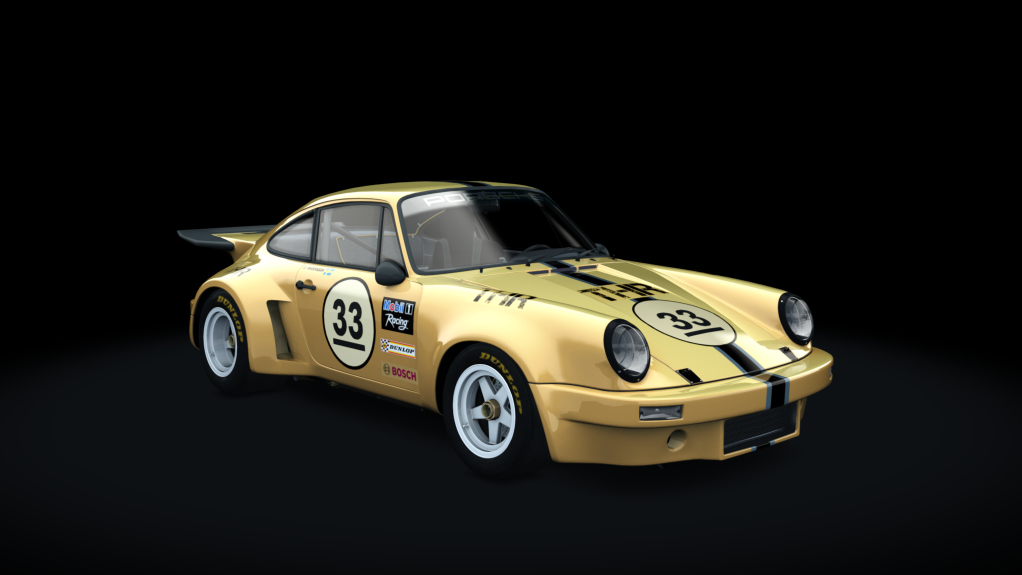
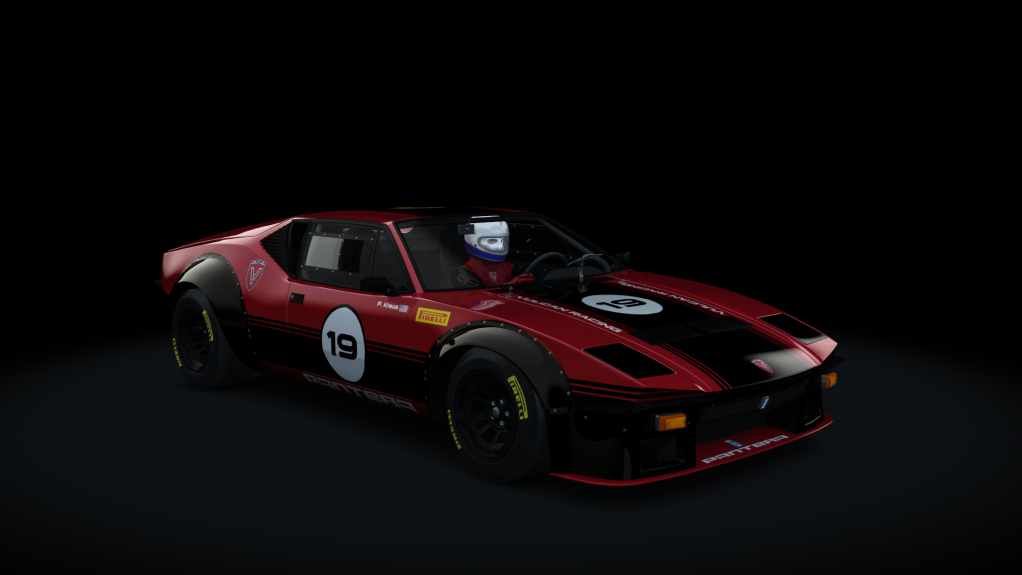
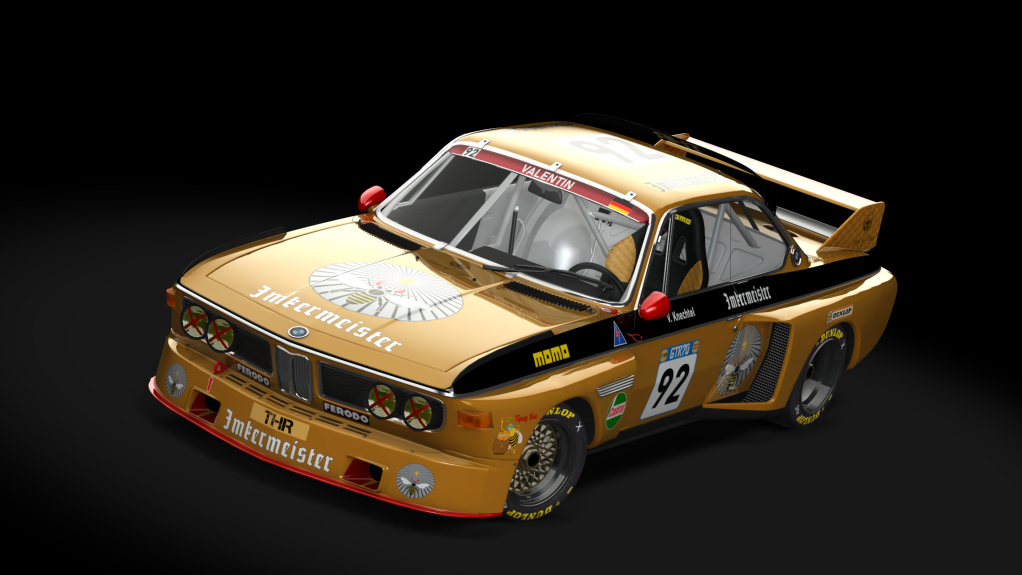
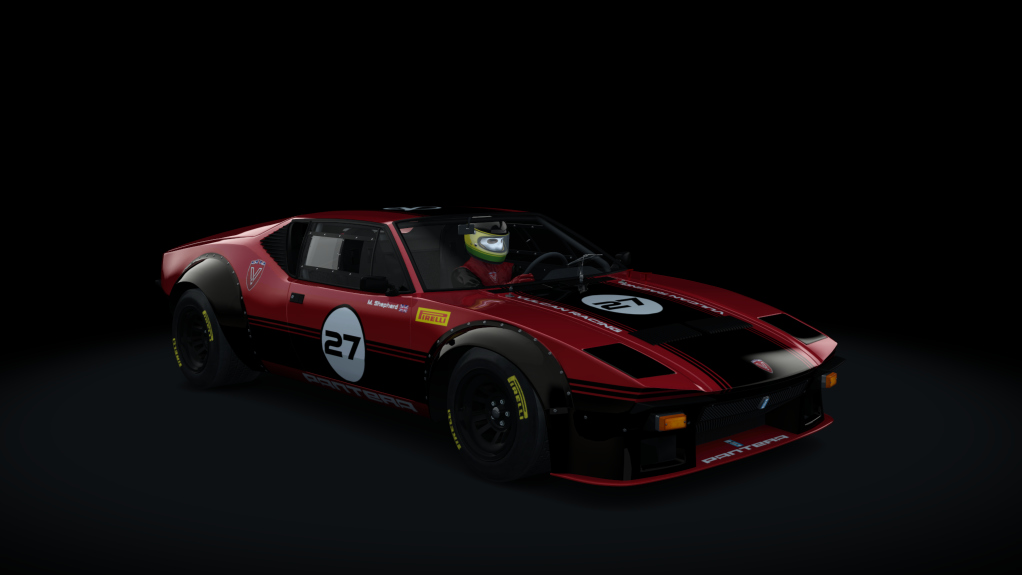
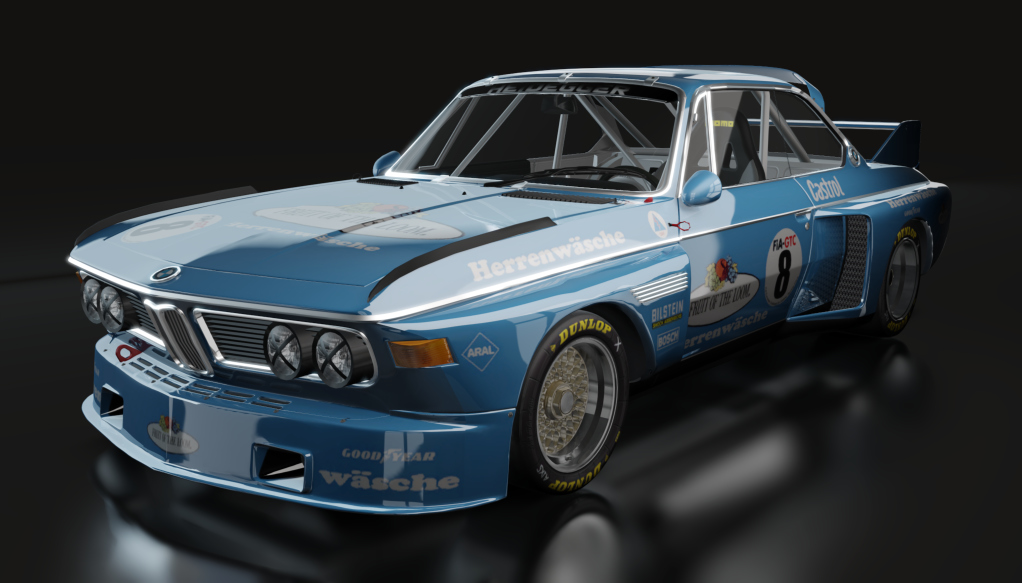
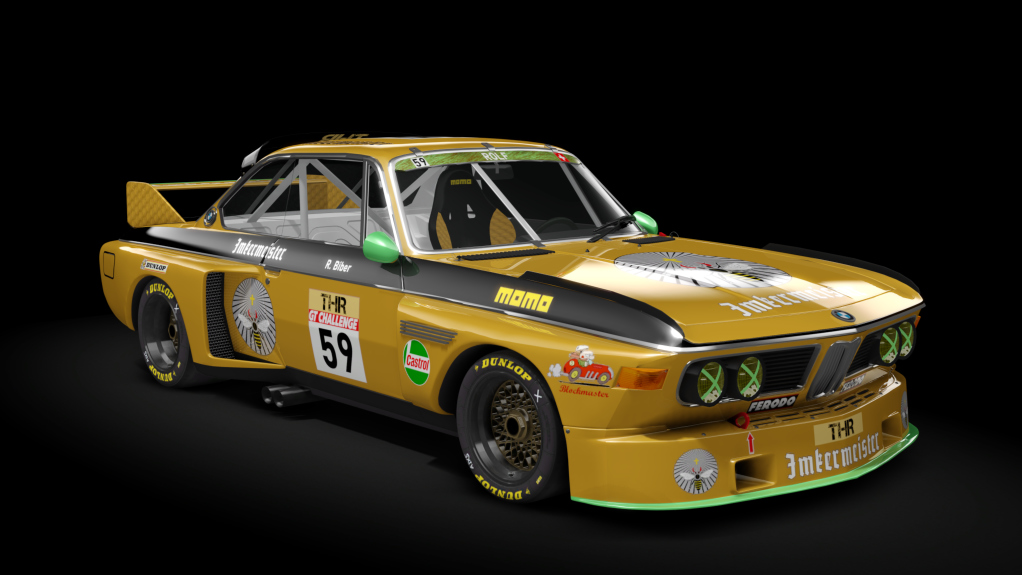
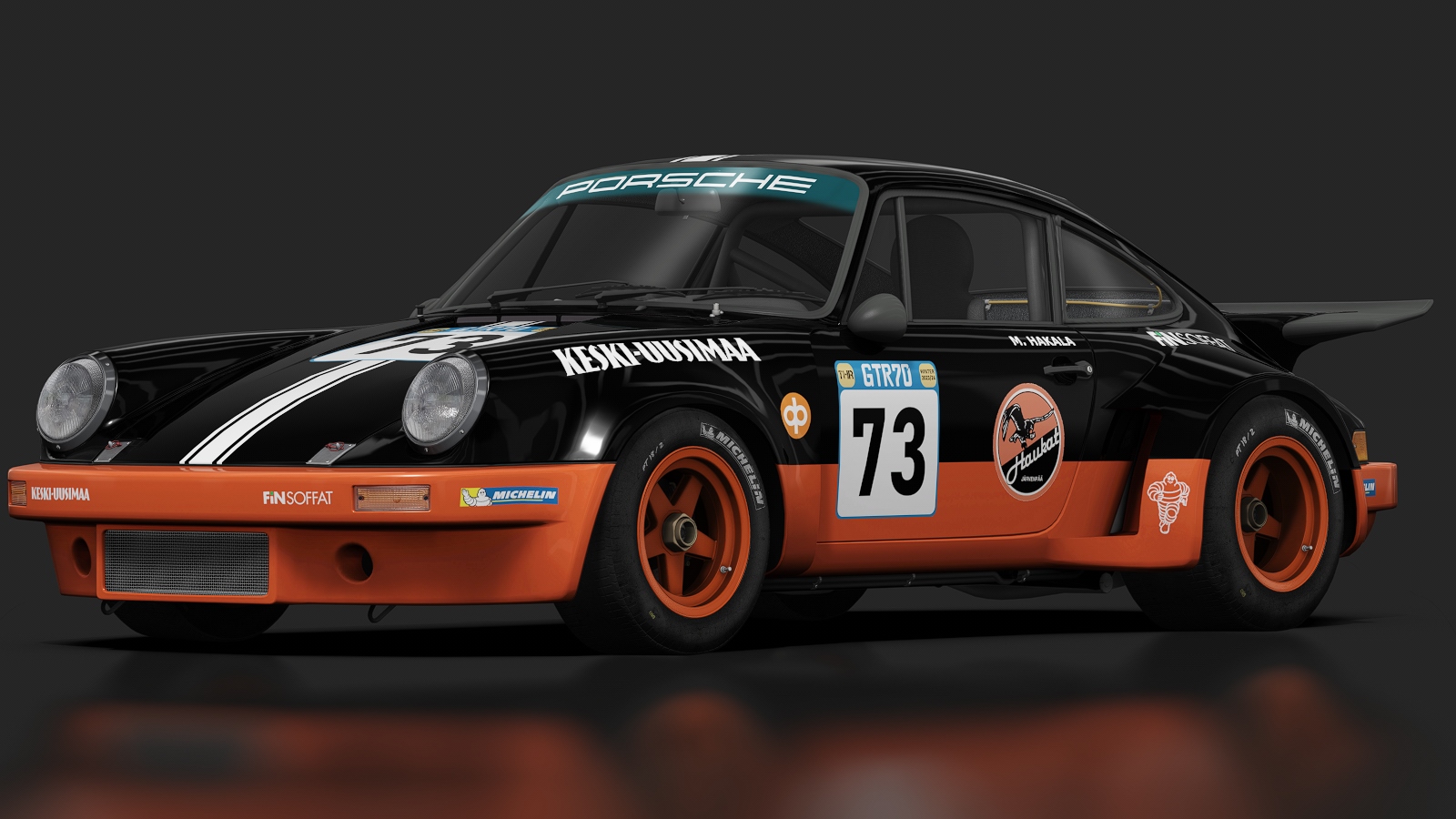
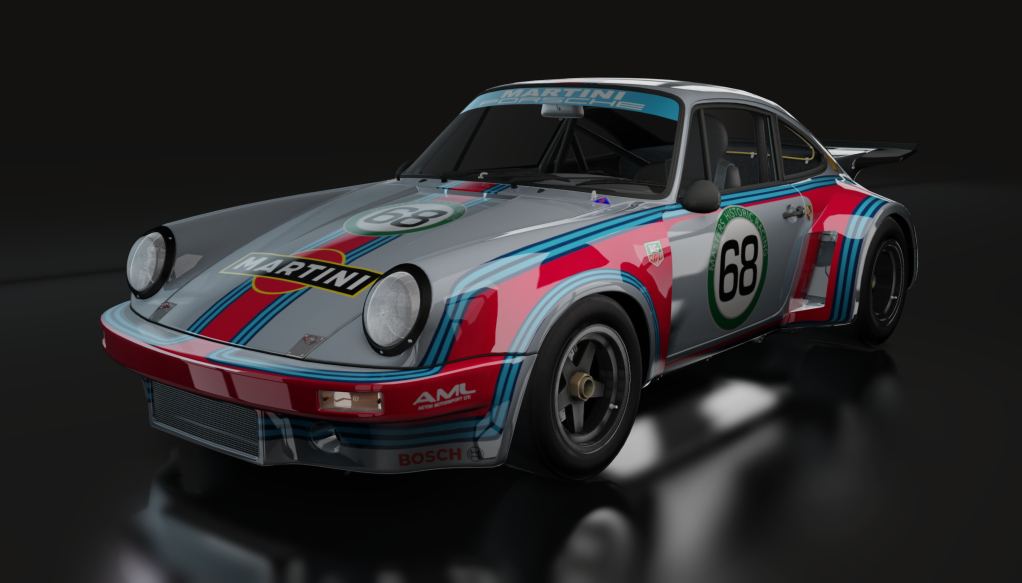
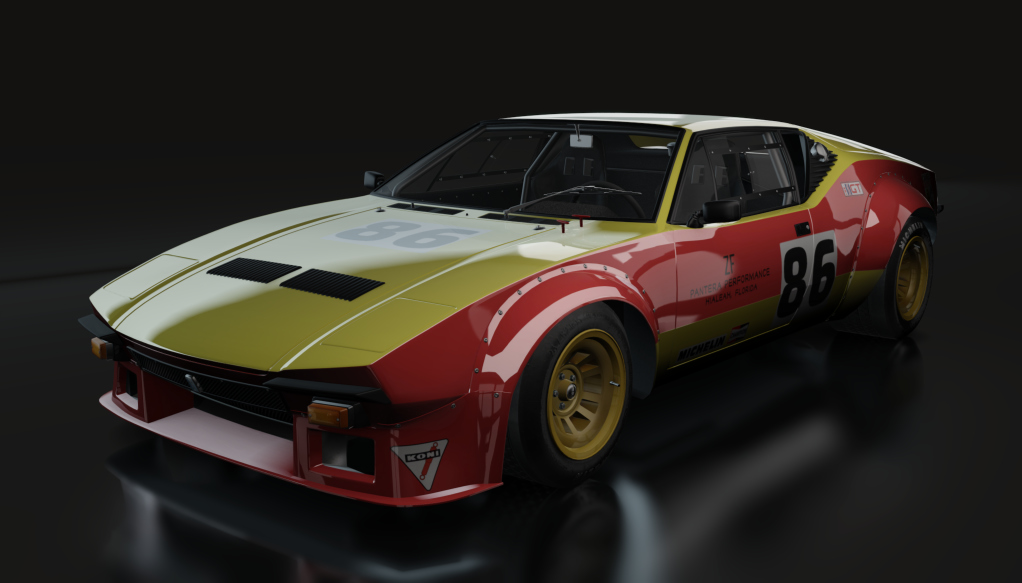
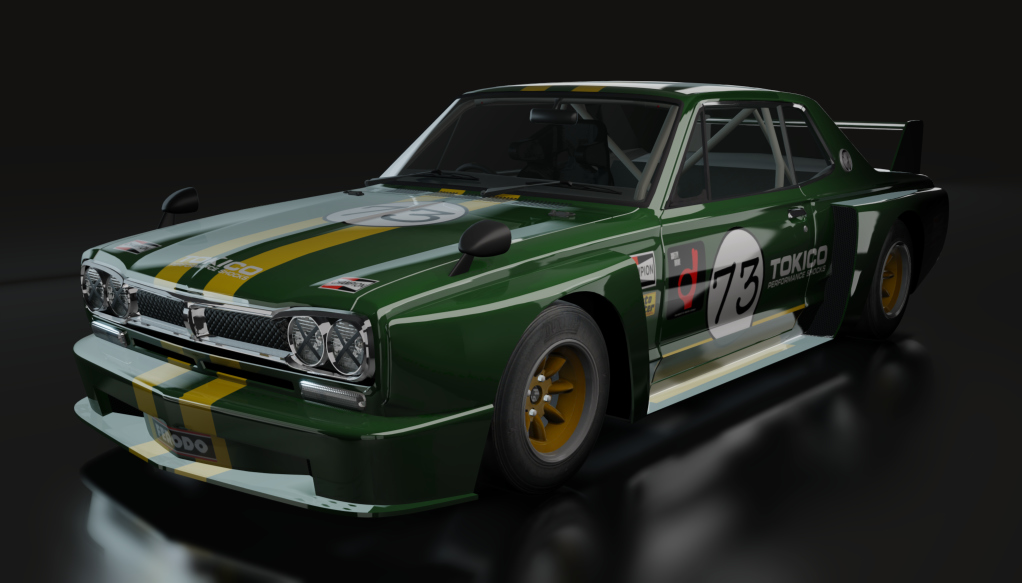
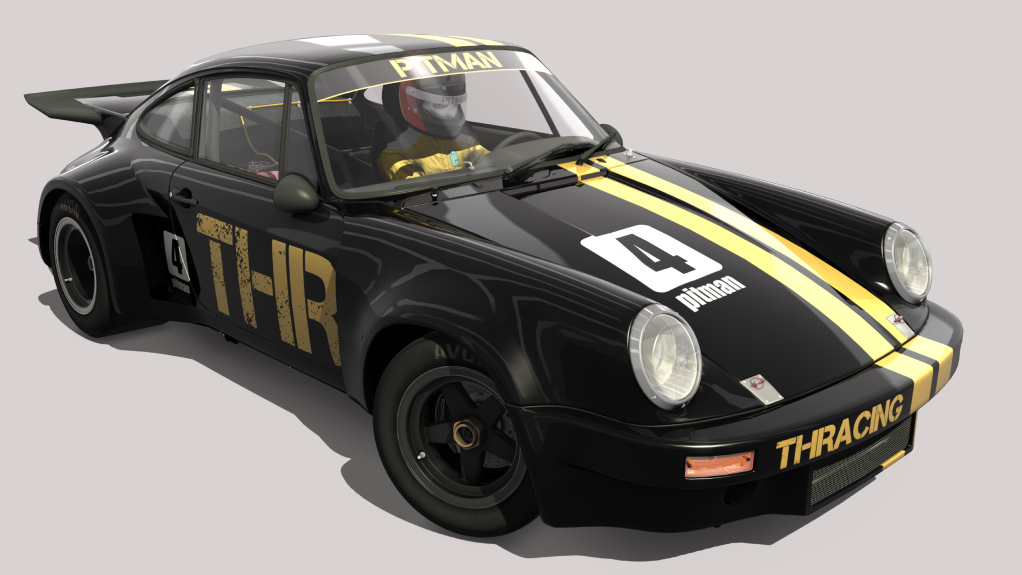
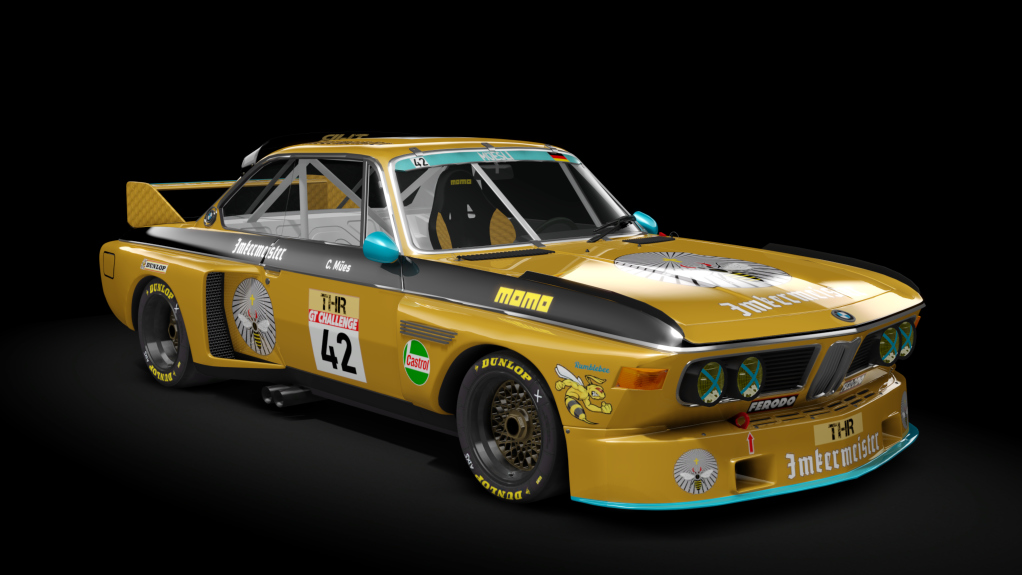
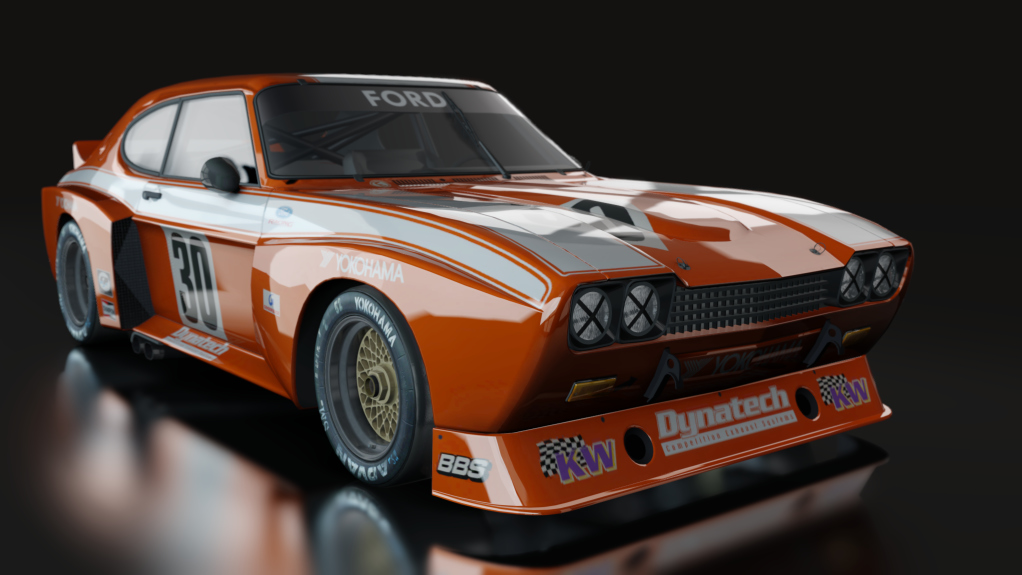
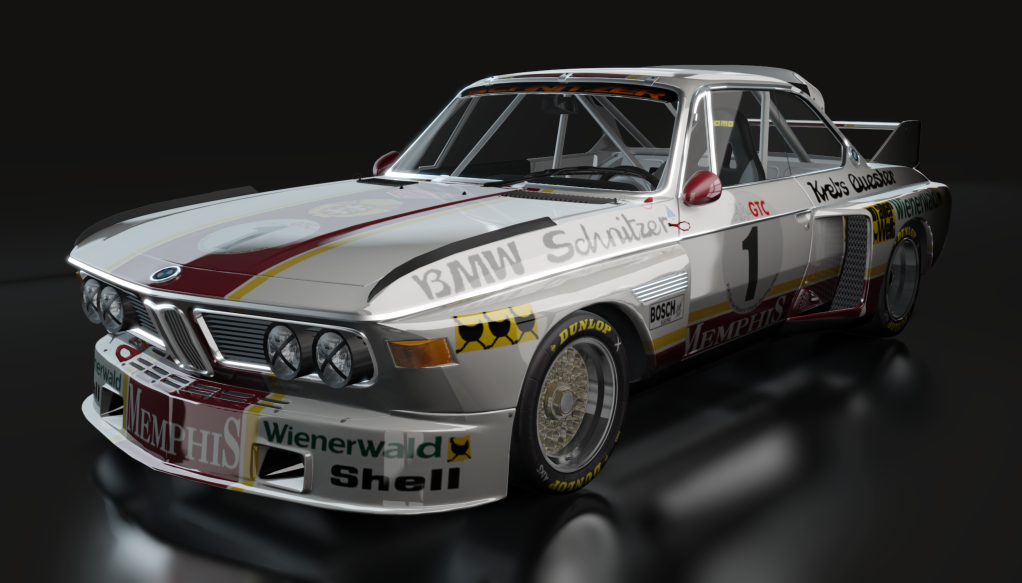
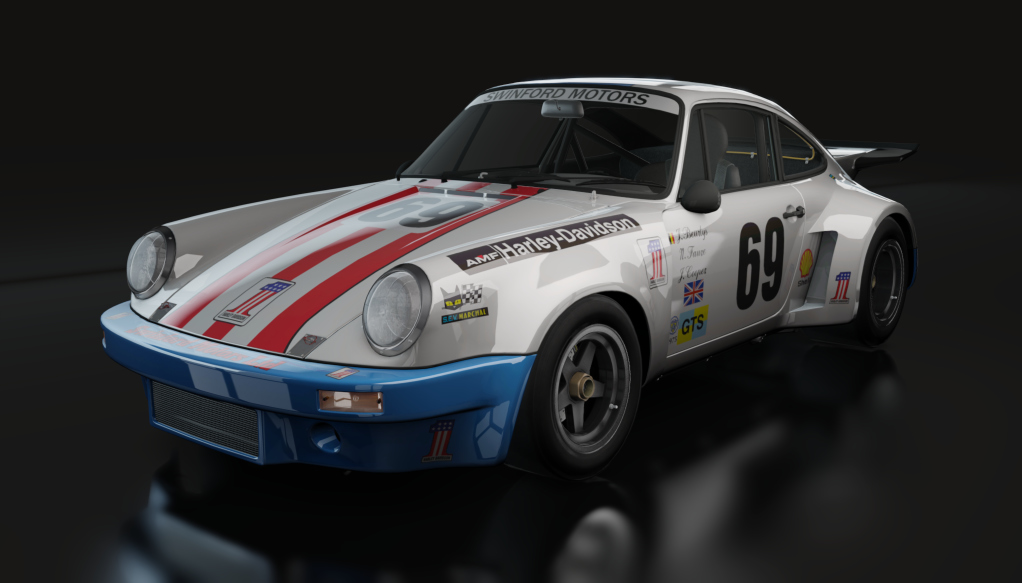
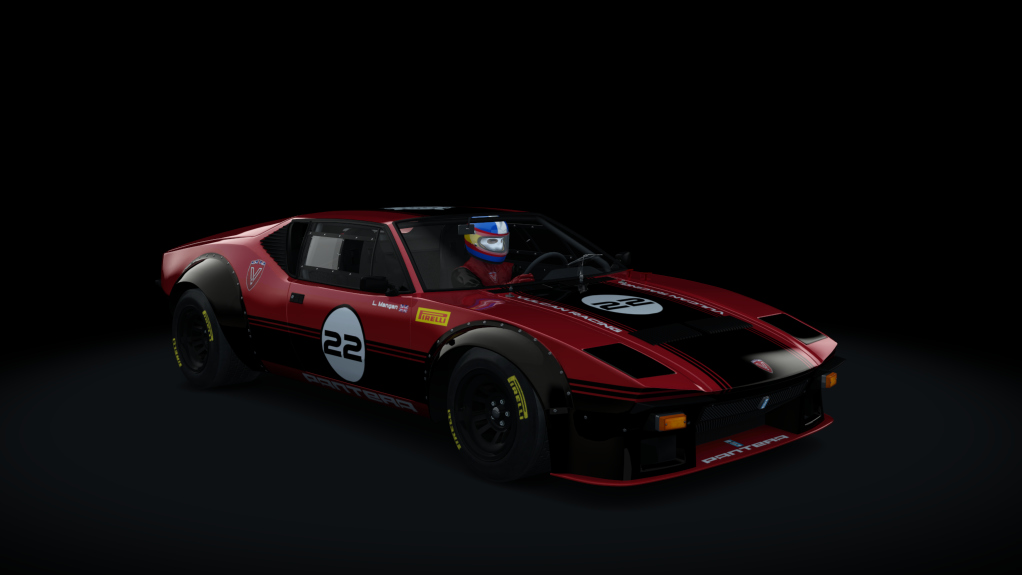
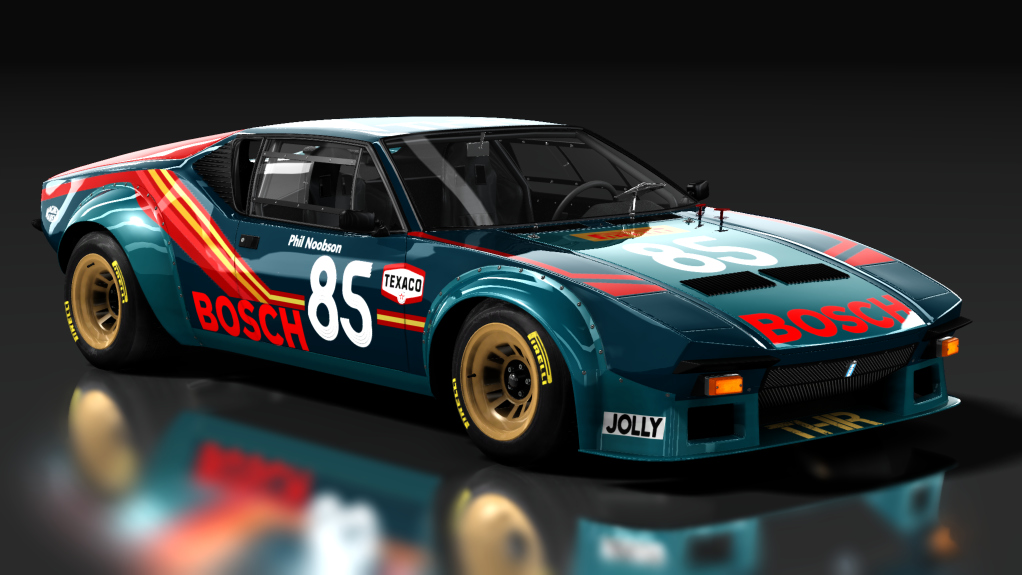
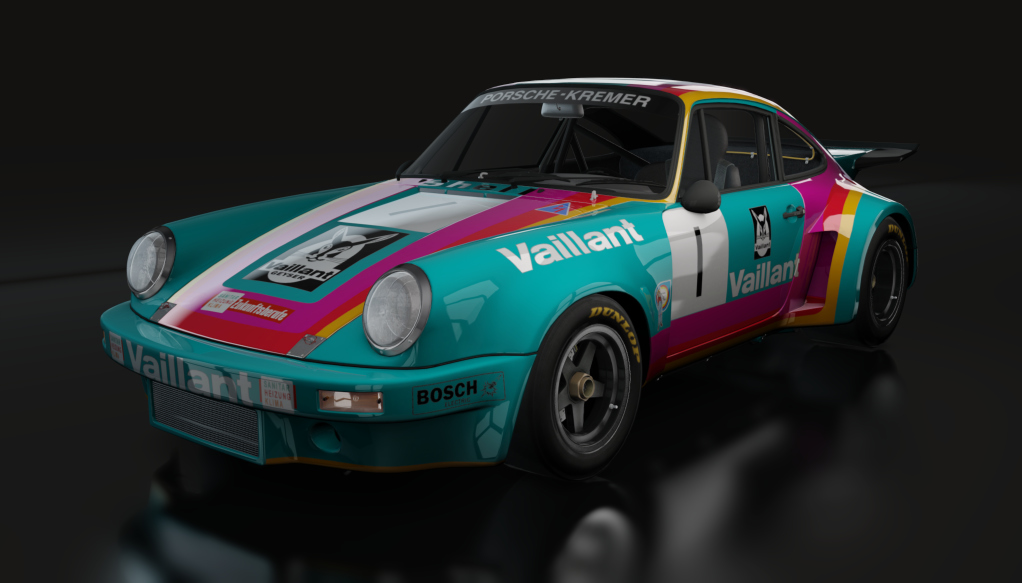
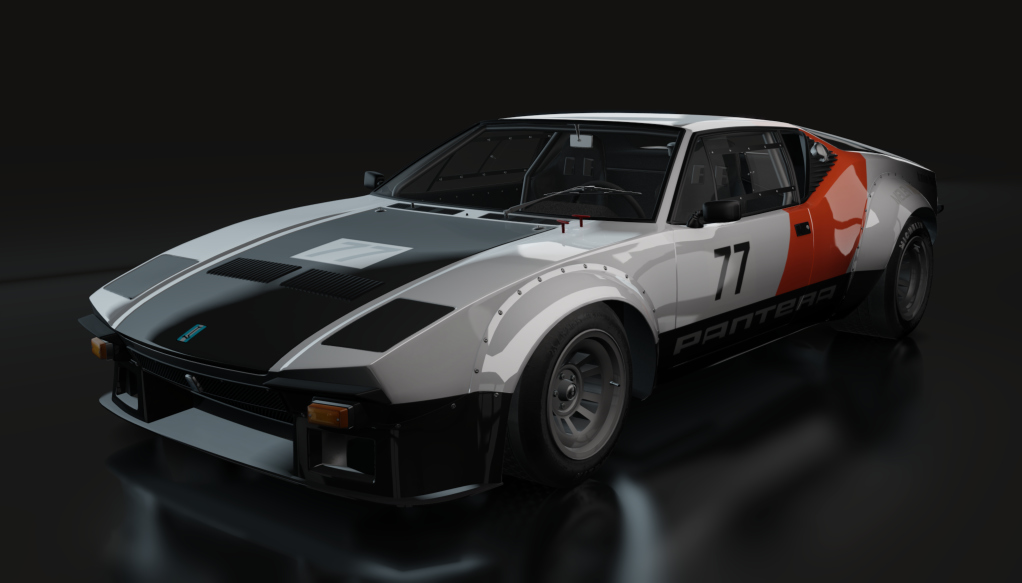
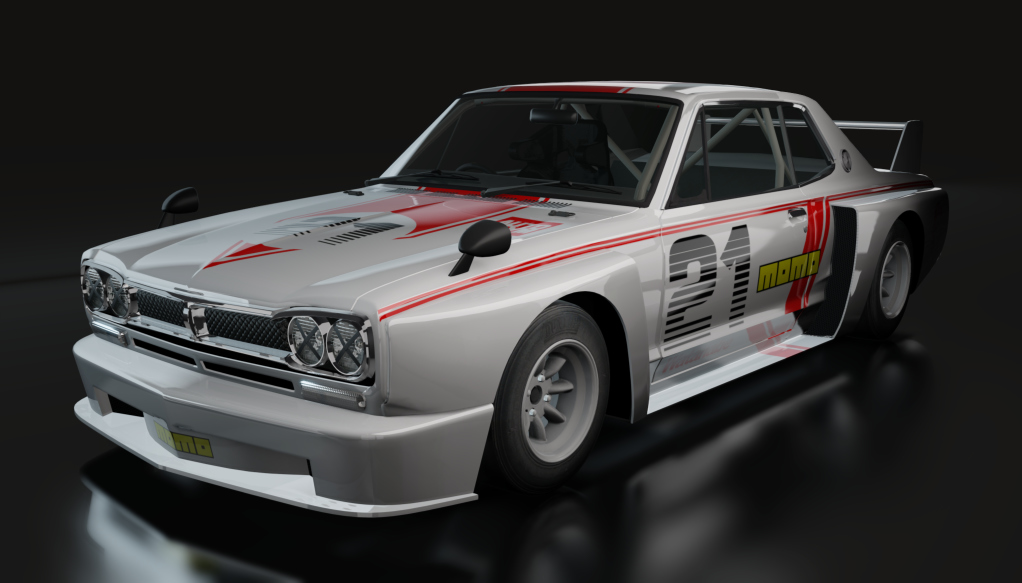
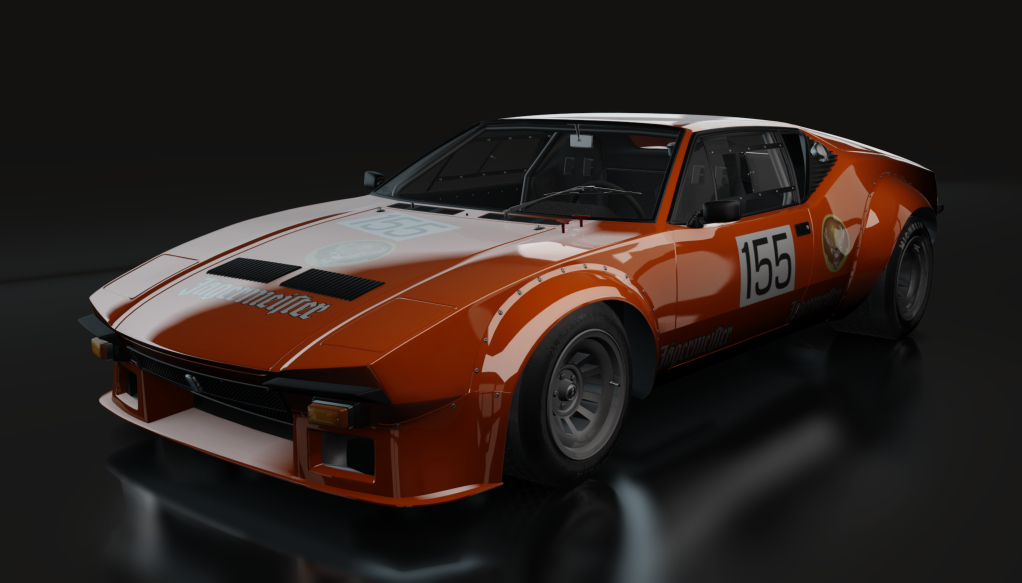
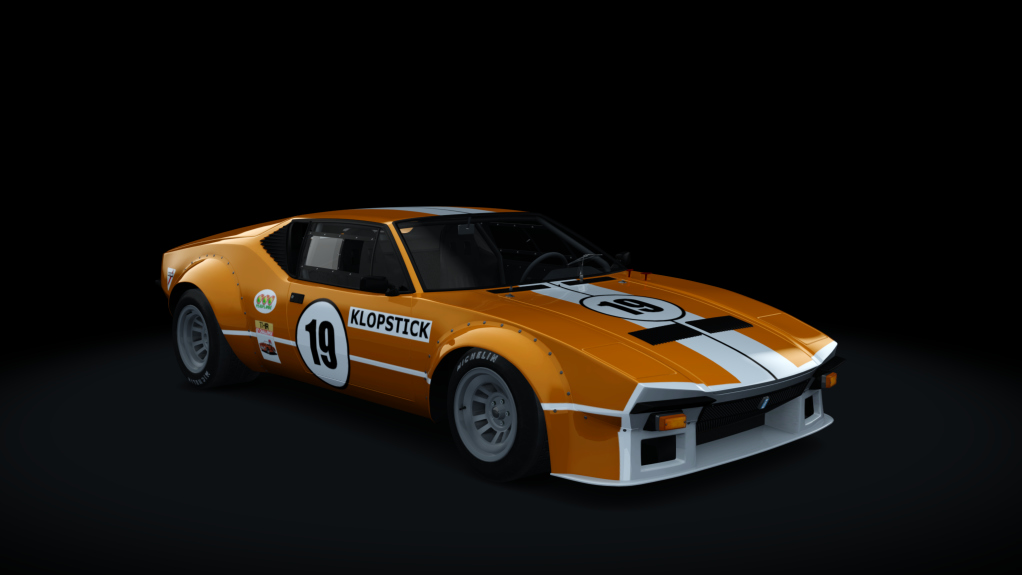
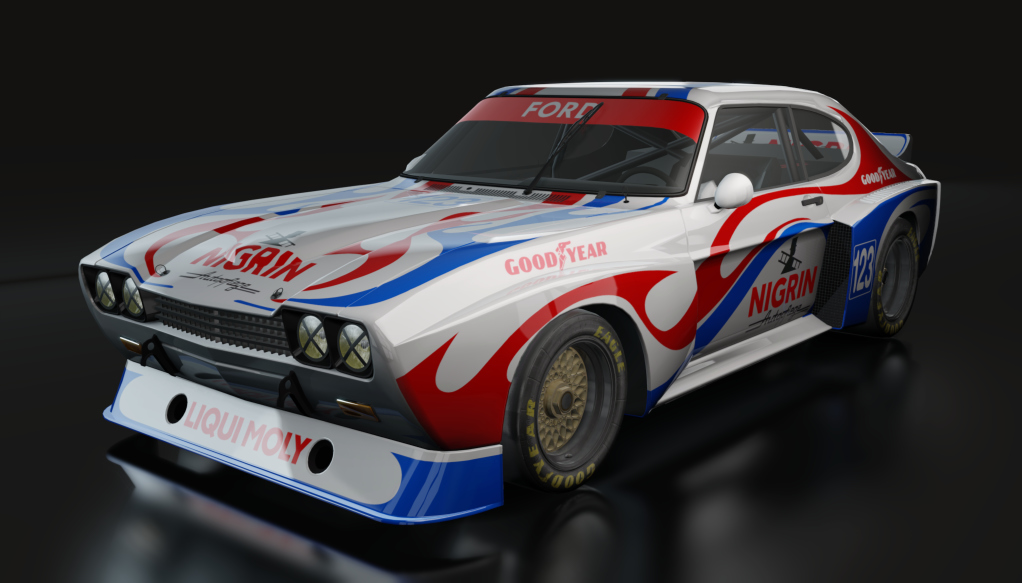
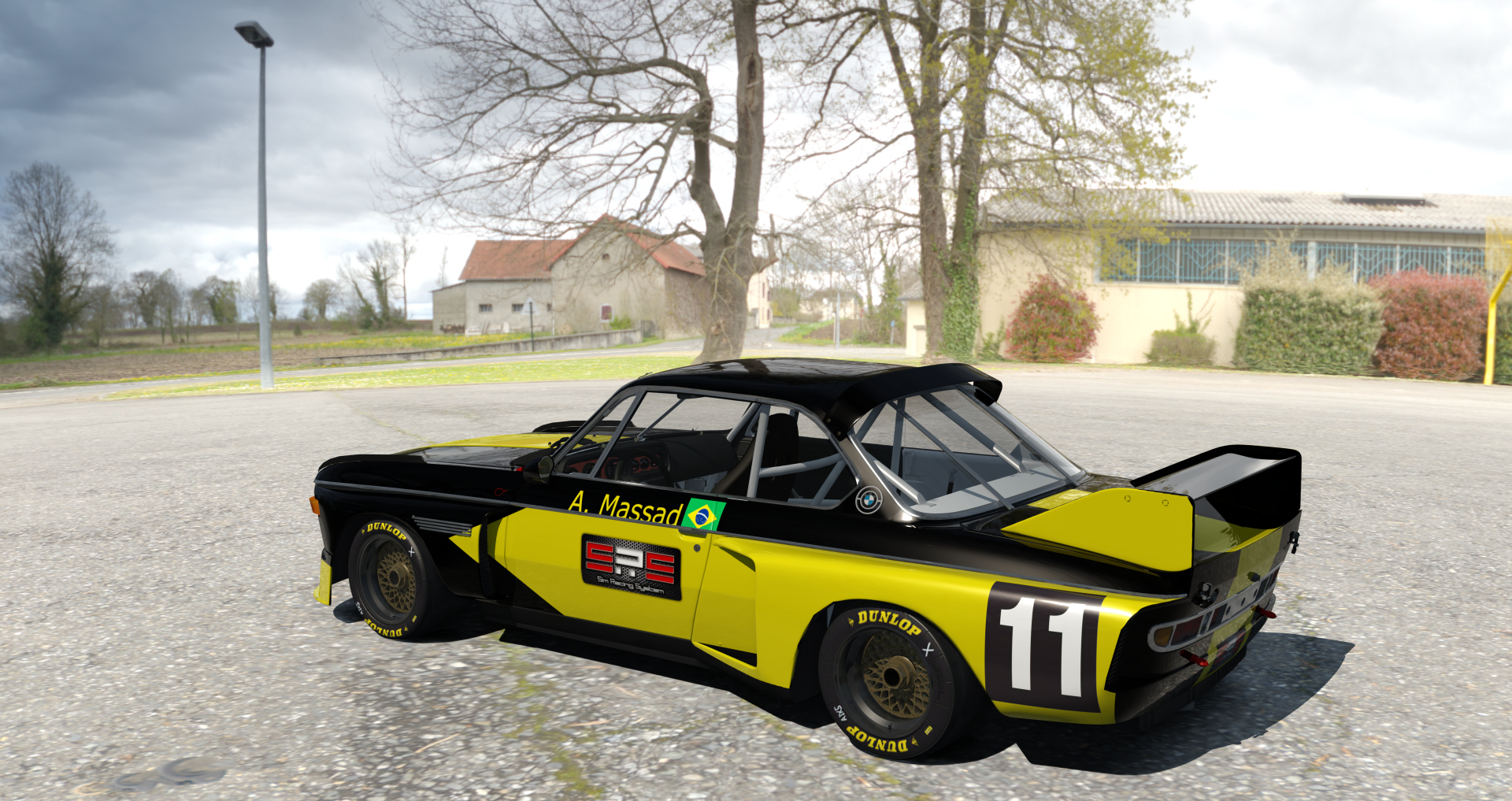
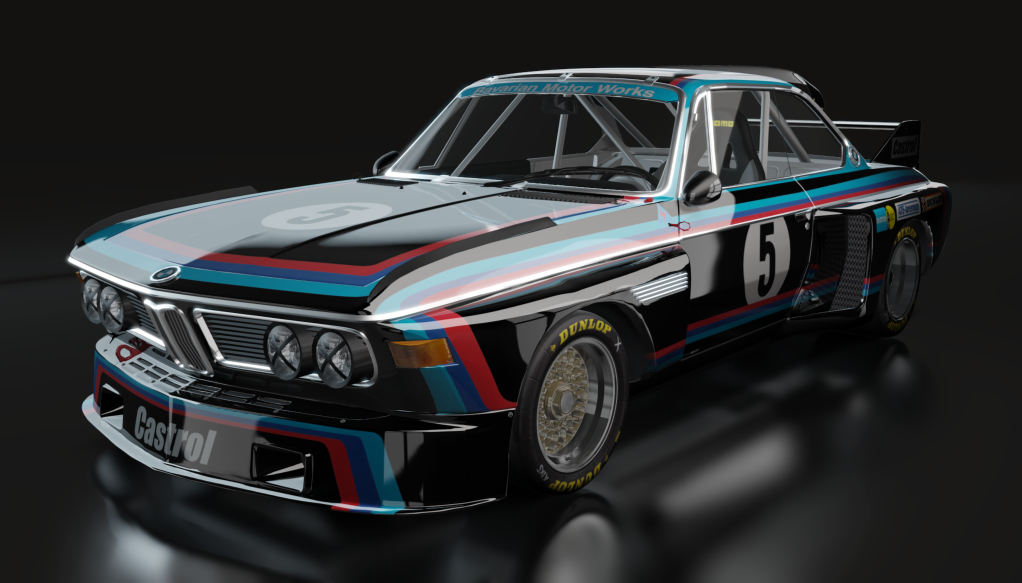
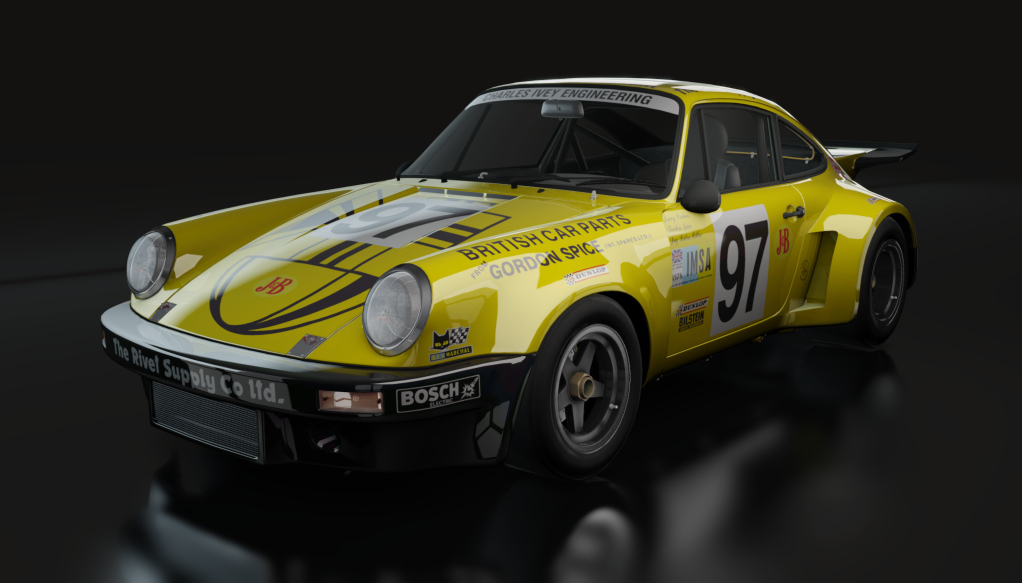
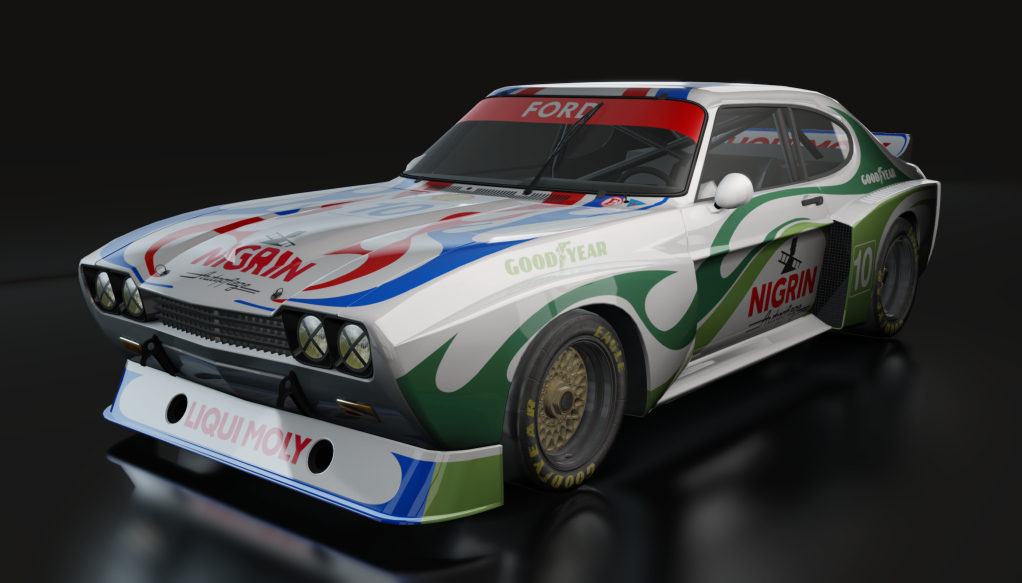
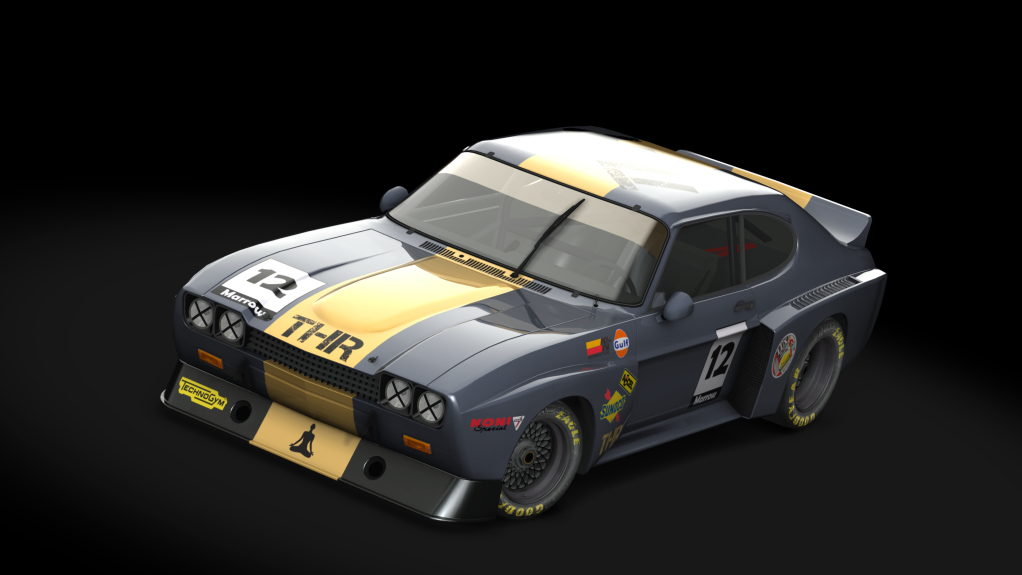
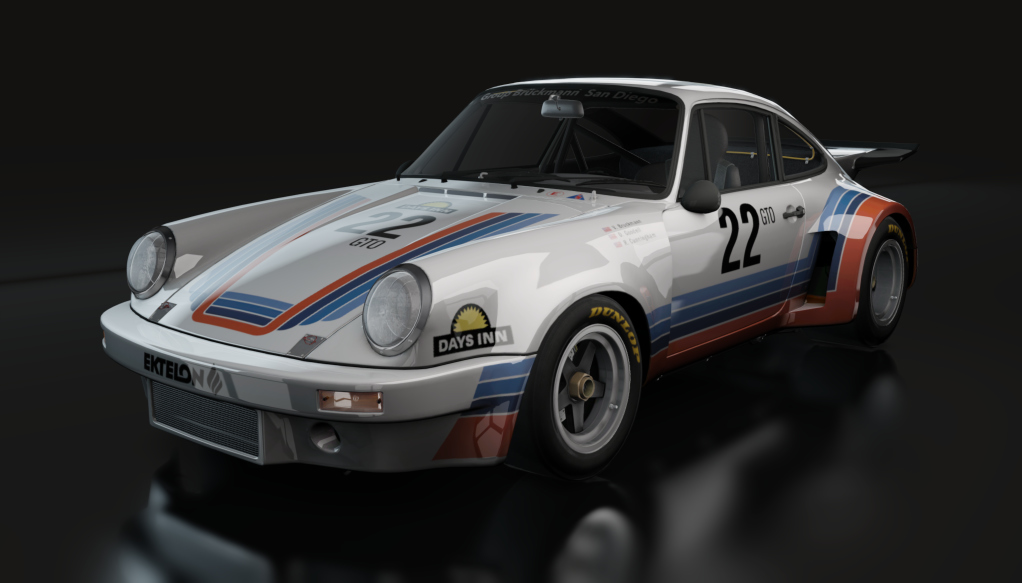
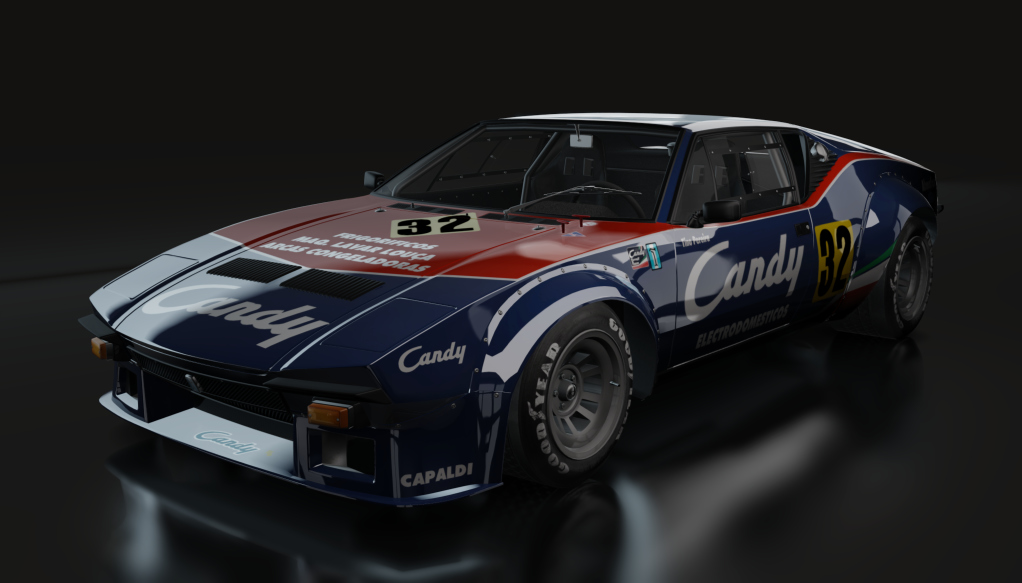
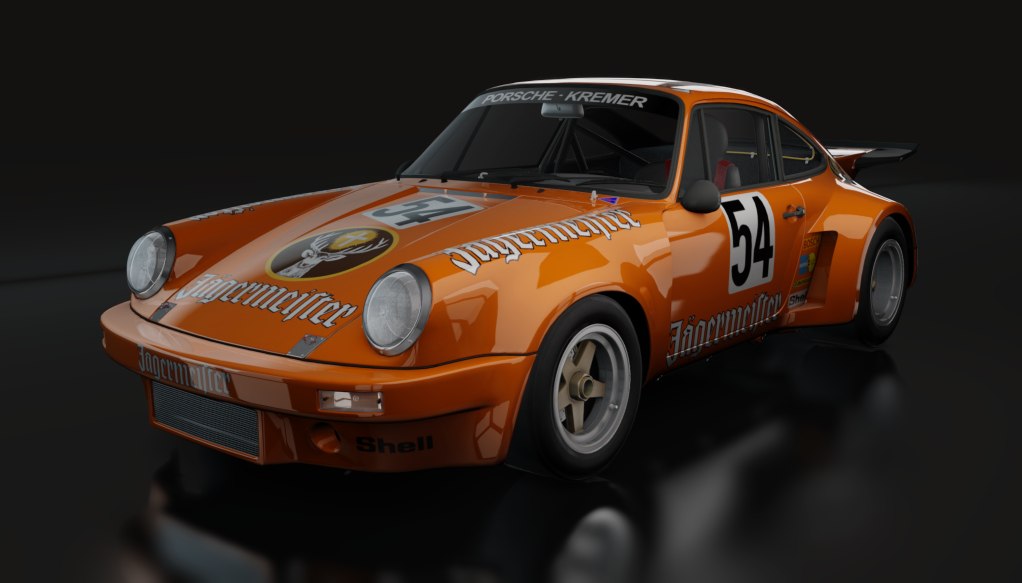
Kraus made the clearest opening statement. His GTR70 Detomaso Pantera Gr4 won at Imola and again at Sandev F 3ct, establishing a standard which the others could not immediately match. Andersson finished second at Imola in the GTR70 Porsche 911 RSR '74, with Knechtel third in the GTR70 BMW CSL 3.0. These were to become the principal cars of the Championship, although their eventual order was still some distance from being established.
The scoring system gave the early table a particular character. Each driver could discard one result, leaving five to count over the completed season. After Sandev, Kraus therefore led on 39 counted points despite having won both races. Andersson and margar17 shared second in the Championship on 36. Kraus's Imola victory was then his discarded result; Andersson was setting aside Sandev. The distinction between performance on the road and counted advantage was already material. Two victories had established Kraus as the man to beat, but they had not given him an extensive points reserve.
The opposition acquires shape
There were several reasons not to regard the opening Pantera successes as a settled pattern. Andersson recorded the fastest lap in each of the first two races, although fifth place in the Sandev classification made the second of those demonstrations less profitable than the first. His pace was evident before his winning form arrived. Knechtel, meanwhile, finished third in both opening races, accumulating results without yet threatening Kraus's command of the victories.
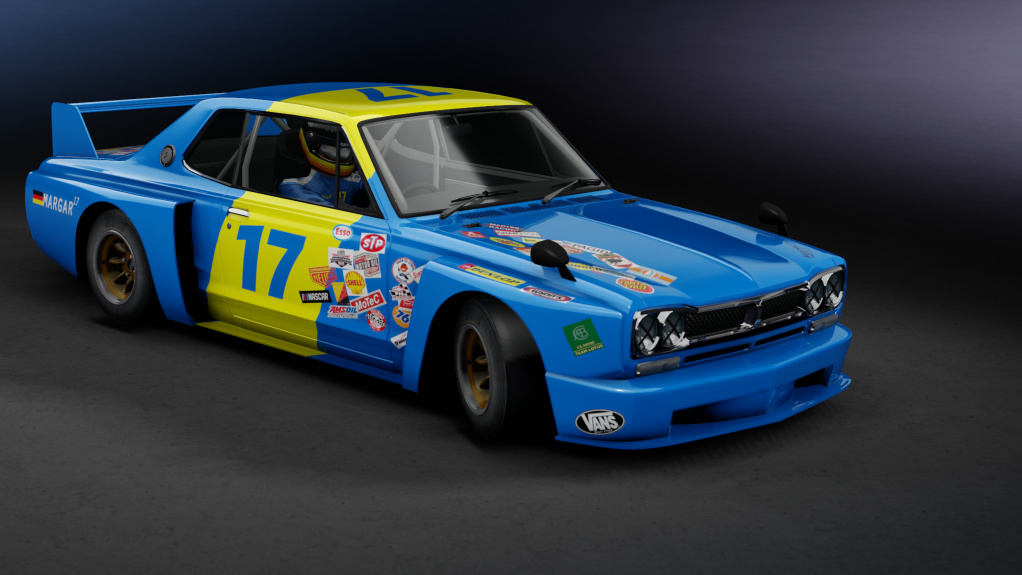
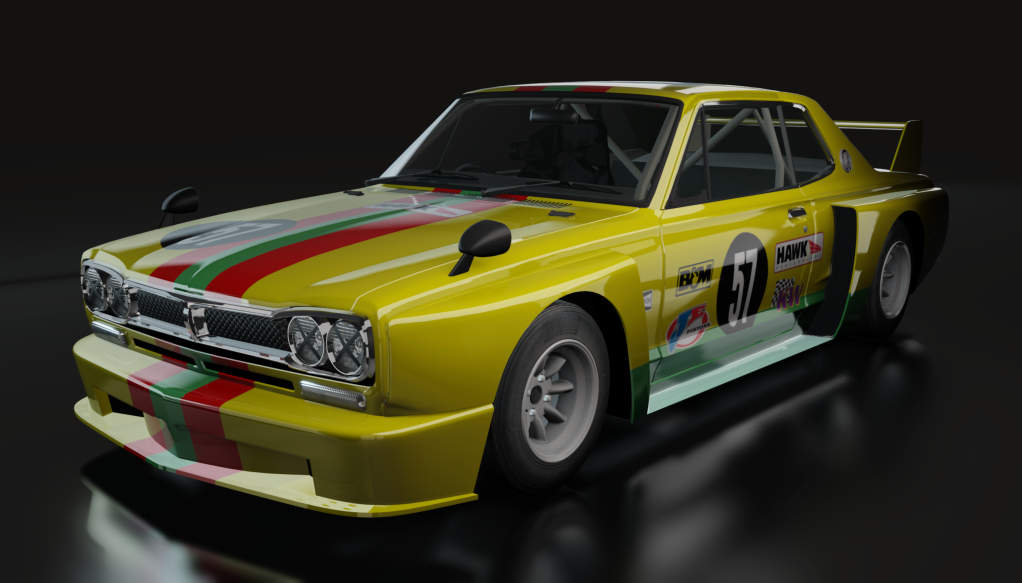
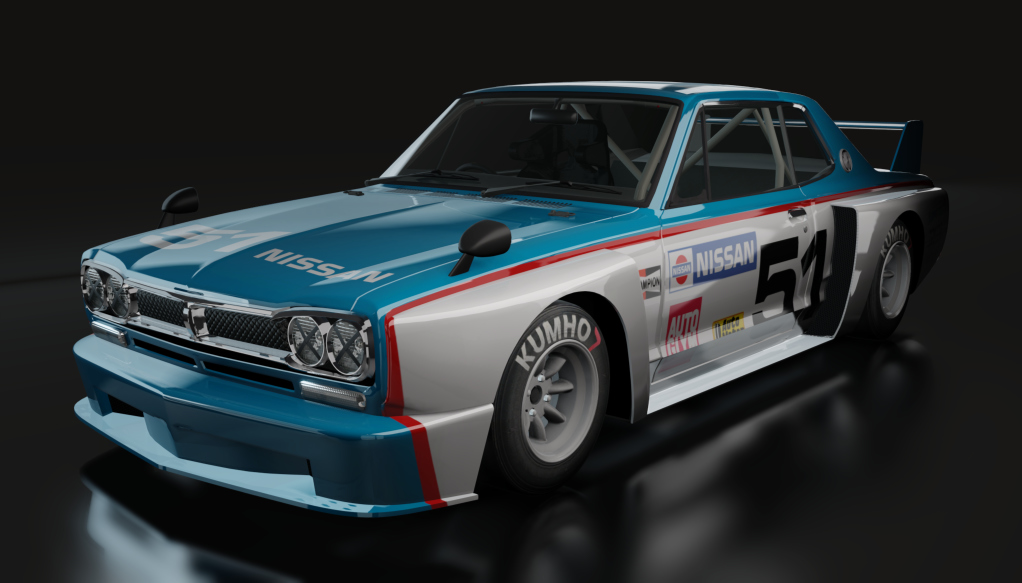
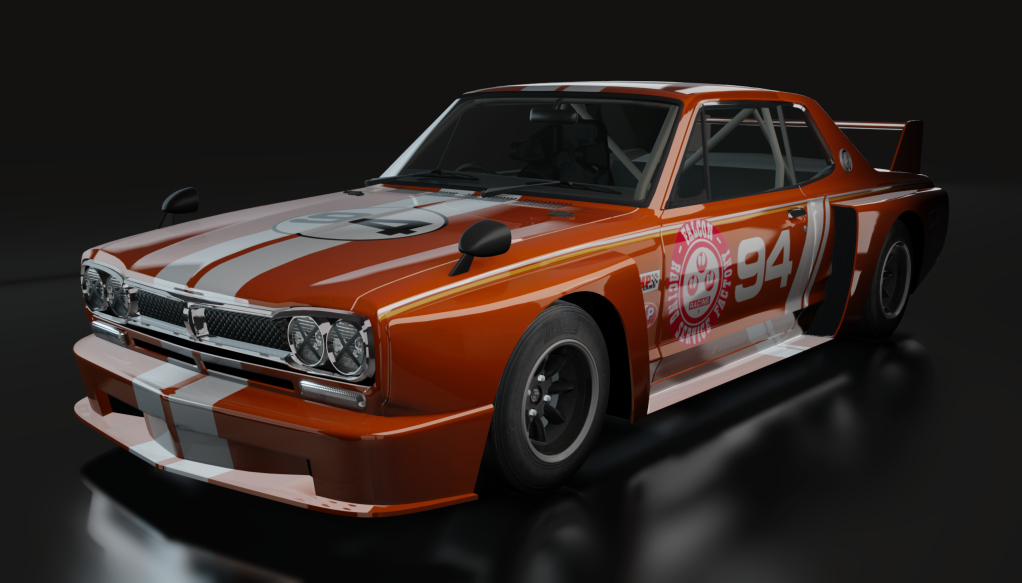
Sandev also brought margar17 to the fore. Second place in the GTR70 Nissan GT-R 2000 gave the Championship another credible presence near its head. That performance would remain Nissan's sole podium appearance of the season, but margar17's wider contribution was more sustained than that isolated distinction might suggest. A campaign conducted within the leading six in every race eventually earned fifth in the Championship, on 155 points.
Shepherd's progress was more abrupt. At Imola, Shepherd was classified 24th after completing only two laps. Fourth place in the Sandev race classification then gave the Pantera driver a much firmer footing. With the opening result set aside under the dropped-score rule, the recovery could acquire immediate Championship substance rather than remain a matter of improving race positions.
The Oesterreichring converted that promise into a victory. Shepherd won, with fastest lap, ahead of Kraus and Knechtel. For Kraus, second place preserved a highly effective opening sequence: two wins and a second from the first three rounds. For the Championship, however, the result introduced a different emphasis. The Pantera was still winning, but Kraus was no longer its only winning exponent.
The hinge of the season
At the Oesterreichring, Kraus retained the Championship lead on 78 counted points. Shepherd moved into second on 69, while Knechtel and margar17 shared third on 66. Knechtel's third place in the race was his third in succession, a remarkably even opening passage. Andersson, classified seventh in the race, had 65 counted points, with the Austrian result now replacing Sandev as his discard.
This was the season's hinge. Kraus had made excellent use of the opening half, Shepherd had recovered from a meagre beginning, and Knechtel had established a dependable podium habit. Andersson had shown speed, but his results had moved away from the front since Imola. The eventual champion's case still rested more upon what the Porsche might do than upon what it had recently delivered.
Donington Park changed that. Andersson won and recorded fastest lap, while Knechtel finished second and Shepherd third. Kraus was fourth in the race classification. It was not a collapse by the leader, but it was a decisive alteration in the distribution of the better results: all three of these important opponents were ahead of him.
The counted table nevertheless remained in Kraus's favour. After Donington, he led with 114 points to Andersson's 104; Knechtel and Shepherd shared third in the Championship on 102. Kraus's Donington score had become his discard, while Andersson continued to exclude the Oesterreichring. Thus the Porsche victory announced a change of direction without yet removing the Pantera driver's useful advantage. The significance of Donington would become clearer when Andersson repeated the performance.
A lead reduced to one
Suzuka confirmed that Andersson's improvement was more than a single successful afternoon. Another victory, again accompanied by fastest lap, gave him consecutive wins at precisely the stage when Kraus could least afford to surrender the larger scores. Shepherd finished second and Knechtel third. Kraus was again fourth in the race classification, repeating his Donington position while the Porsche repeated its victory.
That pairing of results was the central movement of the Championship's second half. Kraus remained consistently close to the front, but proximity was no longer enough to preserve the margin built earlier. Andersson was now collecting the victories which had distinguished Kraus's opening campaign. The contrast was not between reliability and disaster; it was between respectable scores and the more valuable business of winning.
After Suzuka, Kraus still led the Championship, but only by 144 points to 143. Shepherd stood third on 138, six points behind the leader. Knechtel had 135 counted points and five podium results from five rounds, yet his repeated thirds had not kept him as close to Kraus as Andersson's two victories had done.
The discarded results also remained important to the shape of this final approach. Kraus was excluding Donington, Andersson the Oesterreichring, Shepherd Imola and Knechtel Imola. These were individual selections, not a common round removed from the Championship. Each driver arrived at the last meeting with a different balance of results behind the counted total. Andersson had the strongest recent form; Kraus retained the lead. Those two facts gave the concluding race its weight.
The last reversal
Gilles Villeneuve supplied both a new race winner and the season's decisive change of Championship leader. Knechtel won, Andersson finished second and Kraus third. The three principal marques thus occupied the rostrum together, but in an order which rewarded the BMW driver on the day and the Porsche driver over the season.
Andersson's second place carried him to 179 points, two ahead of Kraus on 177. Knechtel ended third in the Championship on 174, only five points from the title. Kraus had held the lead through the opening five rounds; Andersson took it when there were no rounds left in which to answer. The final top three represented Porsche, Detomaso and BMW respectively, a suitably varied conclusion to a contest whose competitive character had never belonged to one car alone.
Kraus also recorded the final race's fastest lap. It was a useful reminder that his defeat did not amount to a disappearance of speed. His season remained a strong one: two victories, a second place and a third, with no race classification lower than fourth. Andersson's advantage lay in the value and timing of his better results. Two wins and two second places gave him four top-two finishes in total, and the closing sequence of victory, victory and second supplied the substance of his recovery.
Shepherd was fifth in the final race classification and fourth in the official Championship on 166 points. The Austrian victory and the subsequent podium results had made the recovery a substantial part of the title story, even though the last meeting did not extend it.
What the reckoning revealed
The dropped-score rule was not a footnote to this outcome. Andersson's final discard was the 27-point Oesterreichring result, leaving 179 from a raw total of 206. Kraus excluded 30 points from Donington, leaving 177 from 207; Knechtel excluded 33 from Imola, leaving 174 from 207. Andersson therefore won the counted Championship despite having accumulated slightly fewer points before deductions than either of those rivals. The rule's demonstrated effect was small in scale and decisive in the final order.
Knechtel's season deserves its own measure. One victory, one second place and four thirds amounted to six podiums from six starts. Neither Andersson nor Kraus matched that total. Yet the BMW driver's extraordinary regularity was weighted towards third places, and the final victory could not erase the advantage his opponents had established with their earlier wins. Third in the Championship was a narrow defeat, not a distant one.
The broader podium pattern tells something of the field's strength without settling the driver's contest. Panteras accounted for seven appearances, BMW for six, Porsche for four and Nissan for one. The champion did not drive the most frequently represented car on the rostrum. He made his Porsche's appearances count, particularly once the season had passed its midpoint.
Kraus gave the Championship its opening standard, Shepherd widened the challenge, and Knechtel sustained it with exceptional regularity. Andersson's distinction was to turn evident pace into the right results before the opportunity closed. In a season decided by two counted points, that was a sufficient and convincing claim.