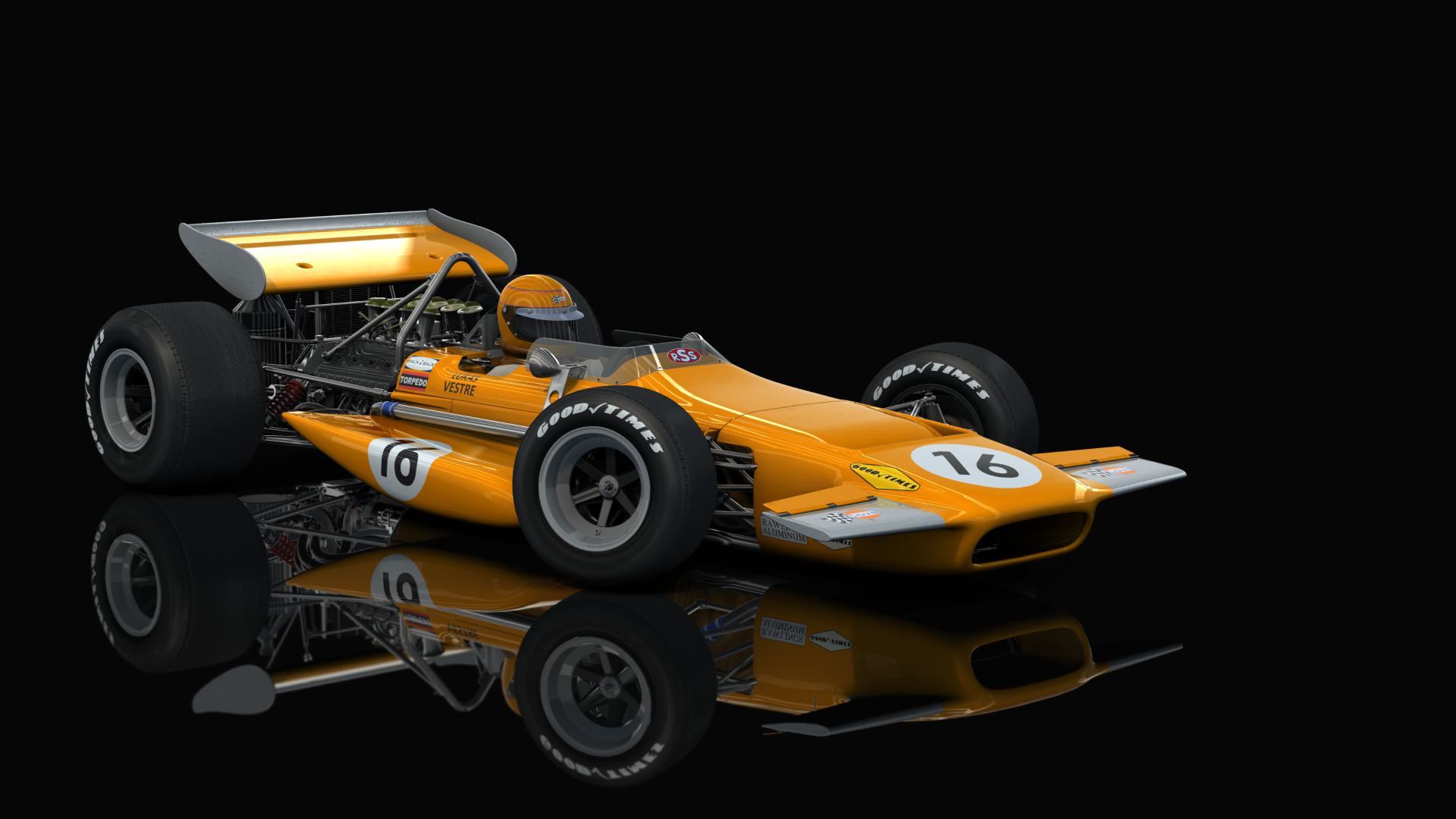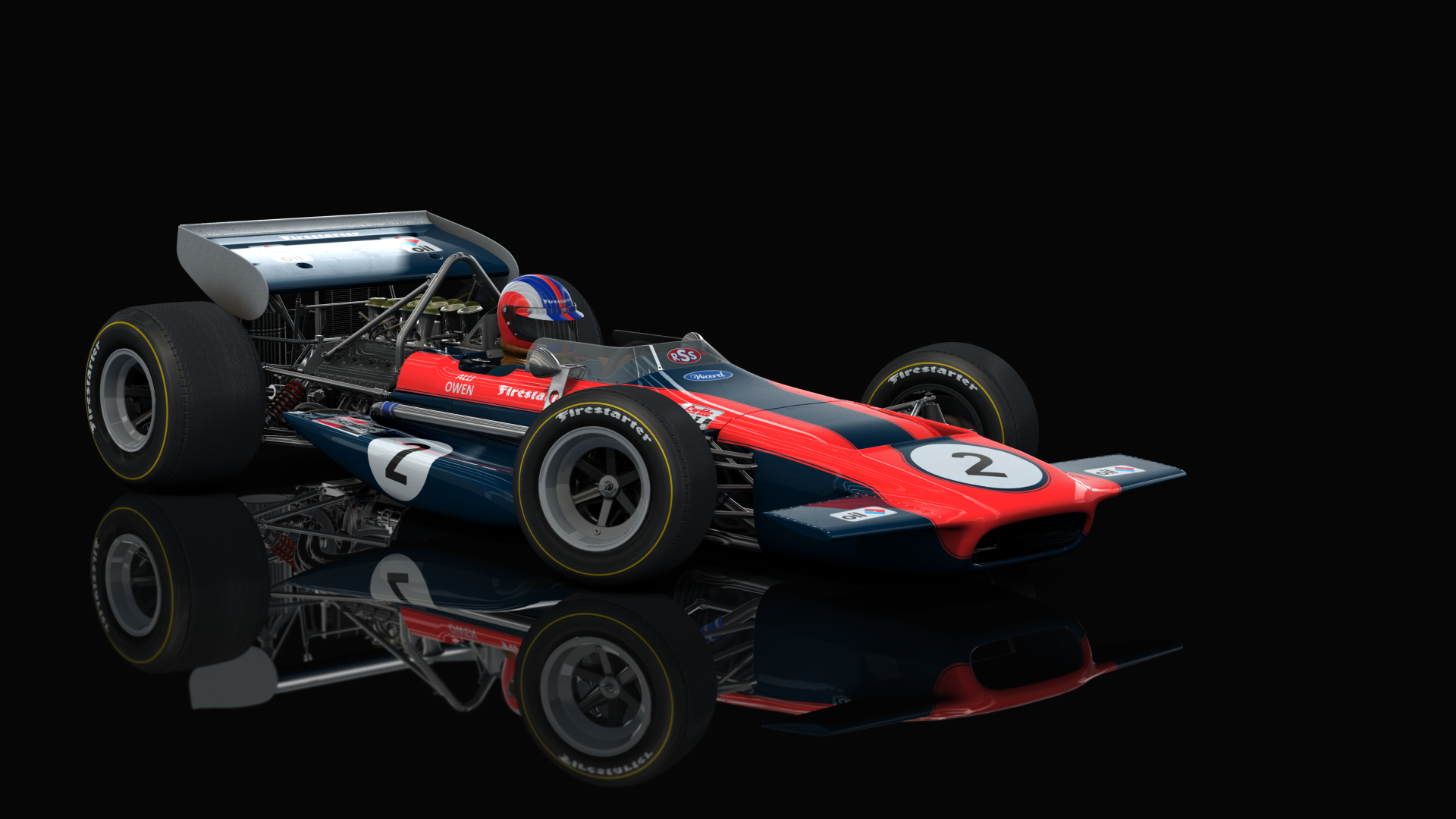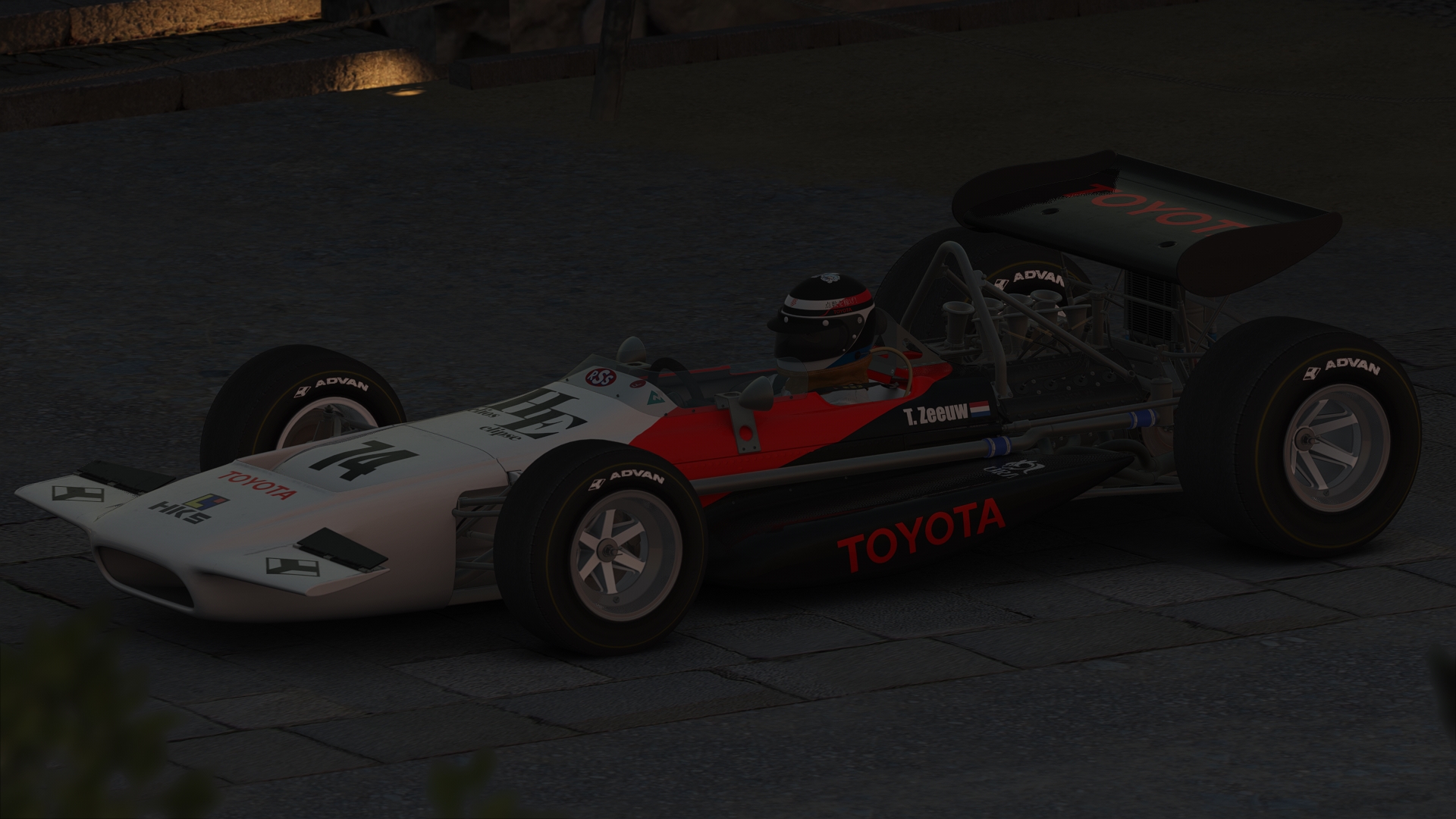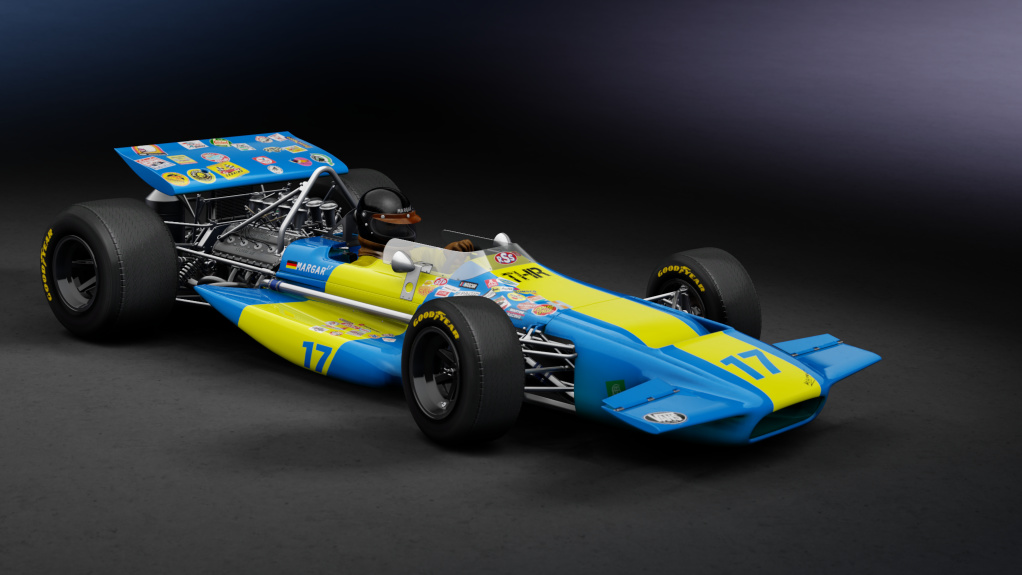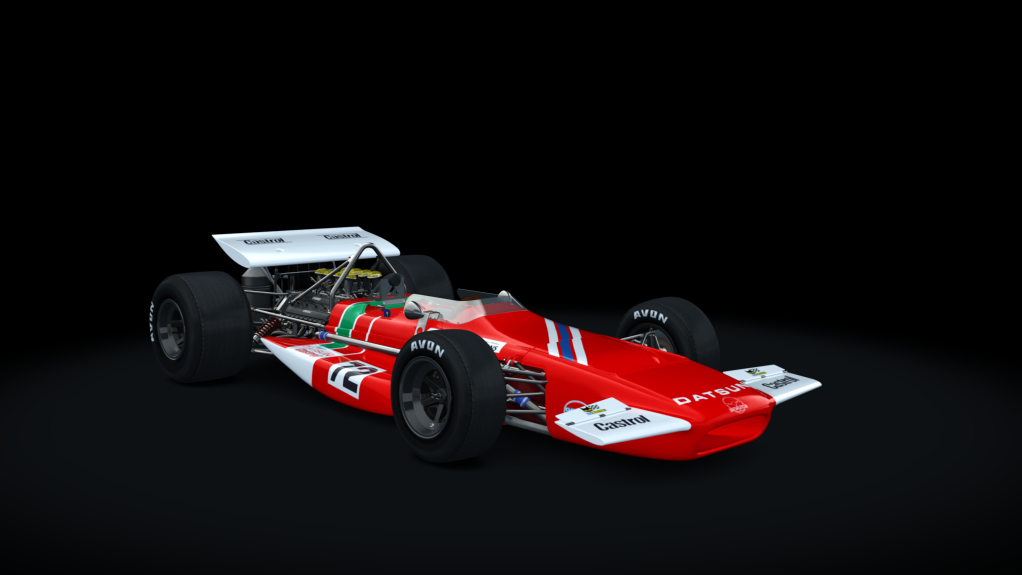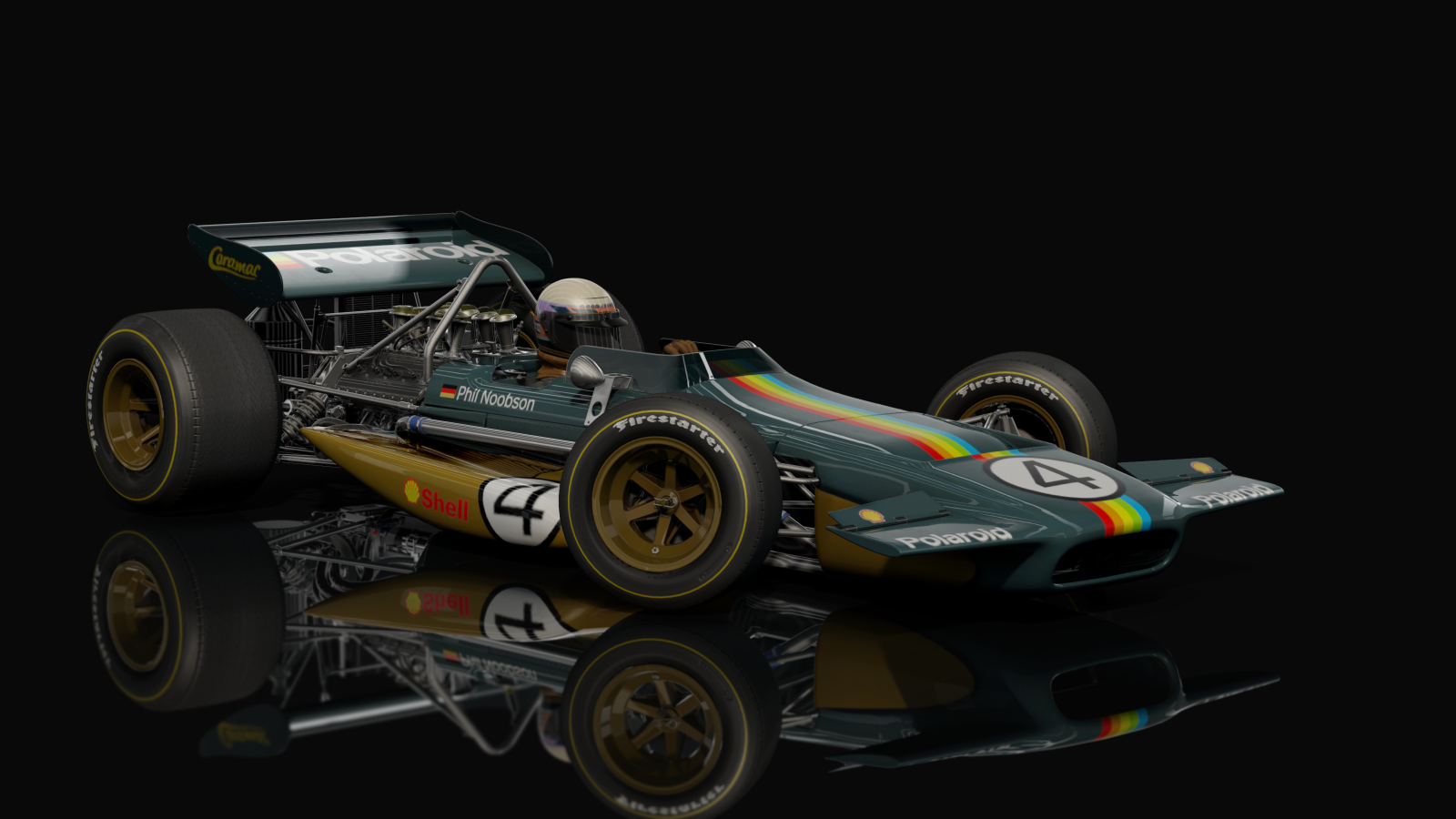
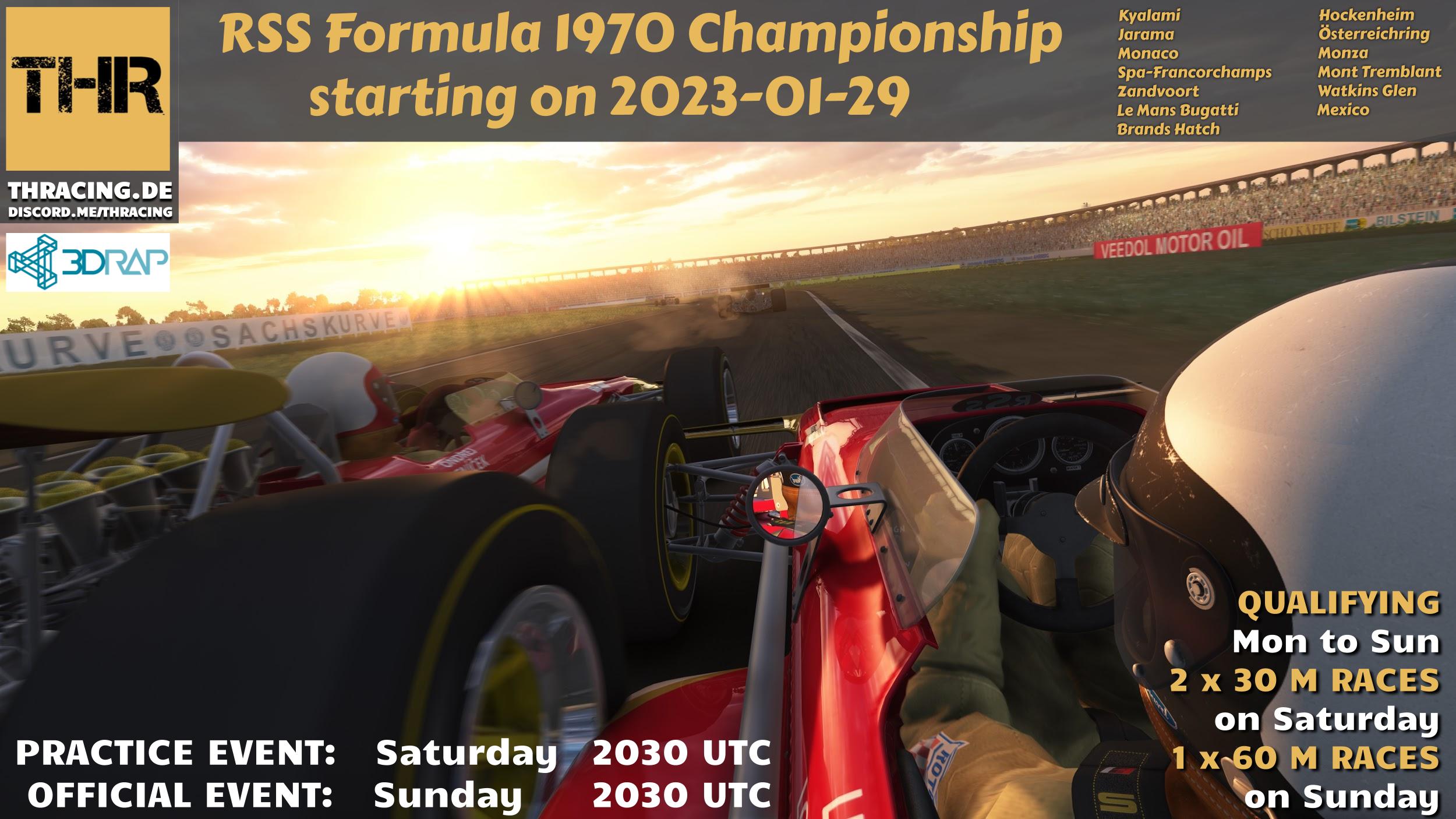
Muttram's Championship, Masse's Unfinished Pursuit
An early command of the Formula 1970 Championship gave T Muttram the substance of his title. Florian Masse supplied the late challenge, winning across the closing meetings, but the advantage accumulated before the summer proved sufficient - with discarded scores an important part of the reckoning.
A championship won before its conclusion
The final impression was of Florian Masse winning races and T Muttram retaining a Championship. There was no contradiction in it. The Formula 1970 season rewarded work done over a long campaign, and Muttram had established his position while the opposition was still finding a settled order. Masse's closing form gave the contest a different complexion, but could not quite undo that earlier accumulation.
The official verdict was Muttram on 401 points, Masse on 386 and Jake Feimster third on 339. Those figures describe a reasonably close conclusion, though not the course by which it was reached. Muttram's most productive period came in the spring; Feimster became a winner as the European programme drew towards its close; Masse reserved his strongest sustained answer for the final portion of the calendar.
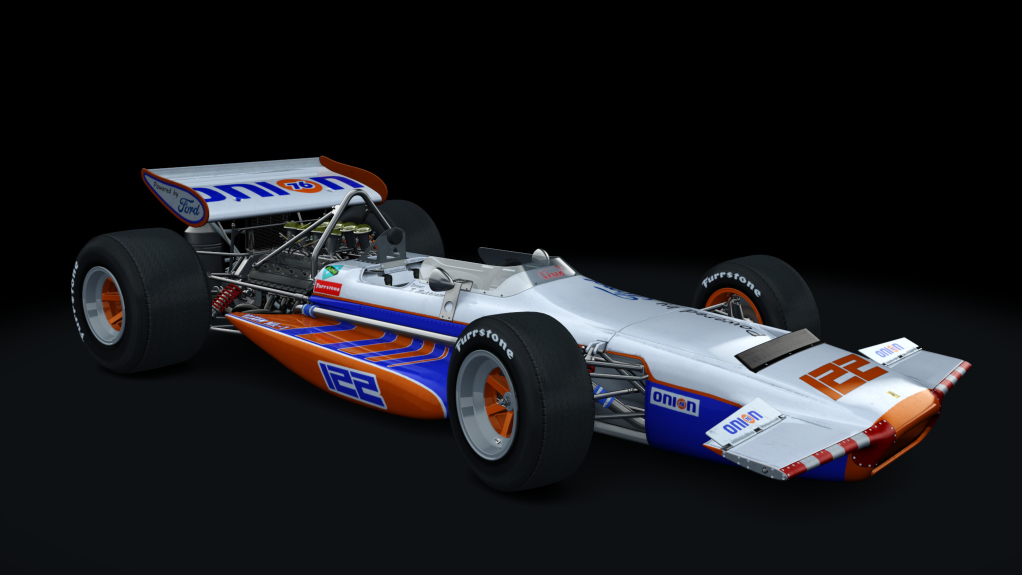
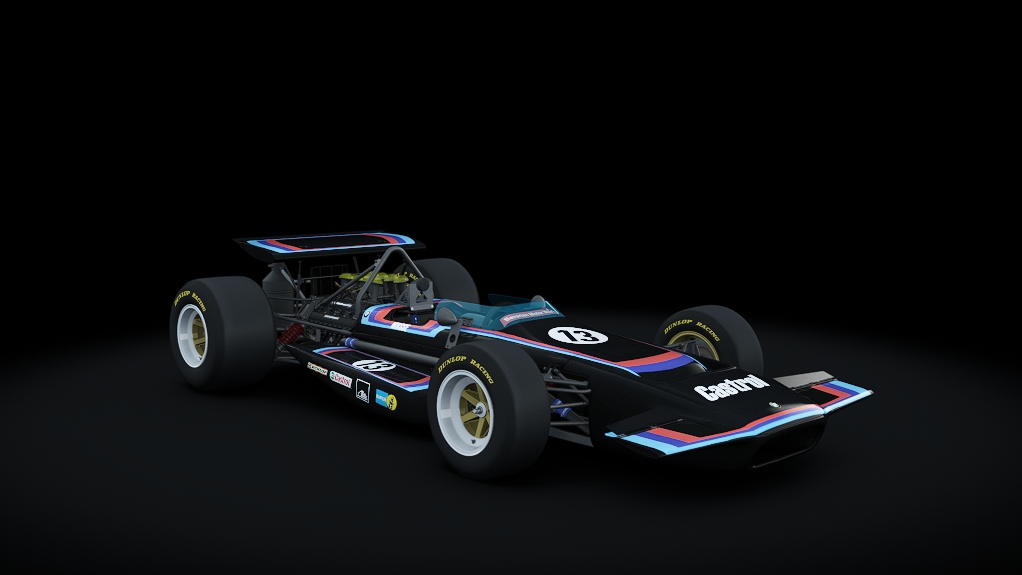
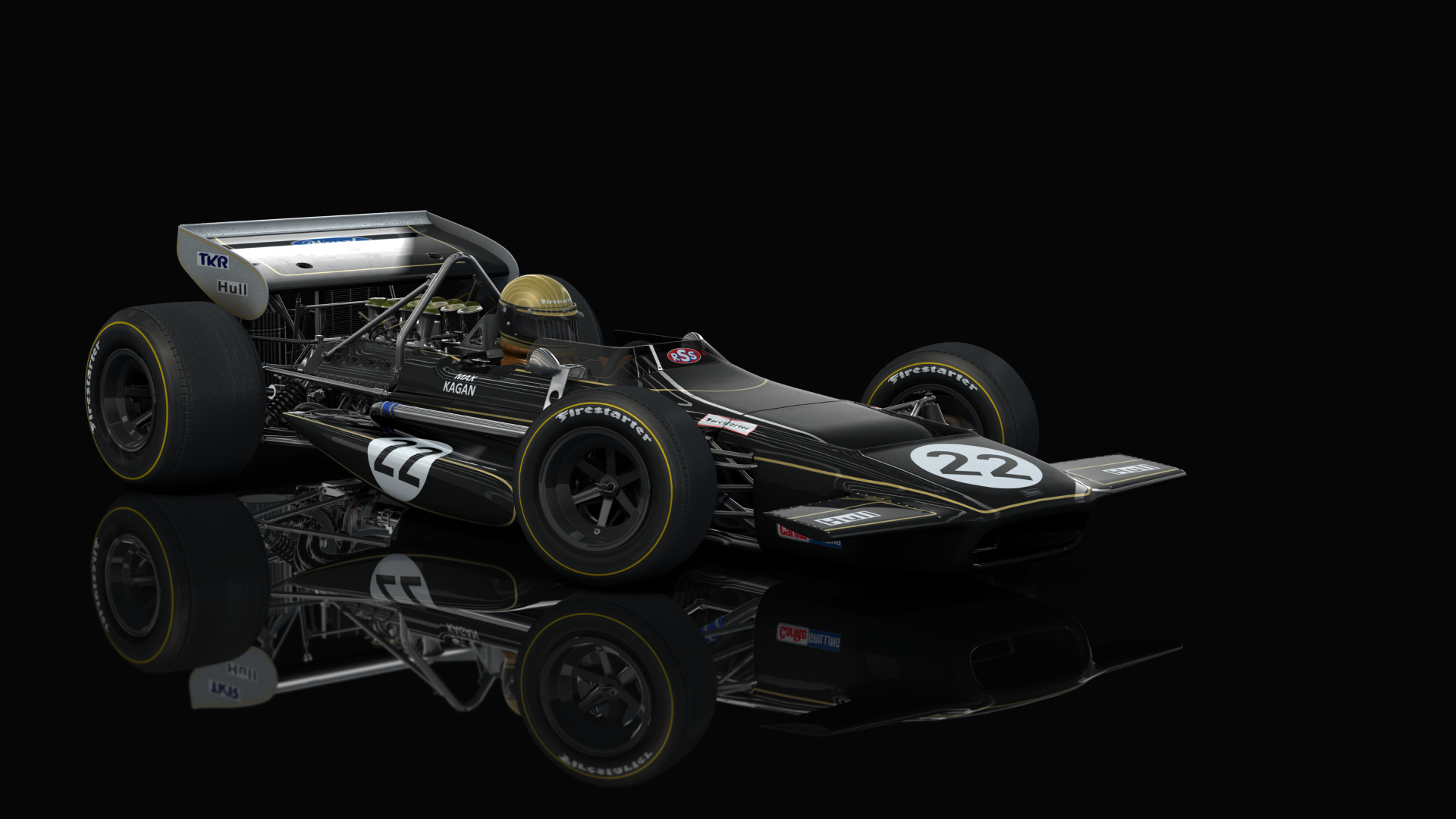
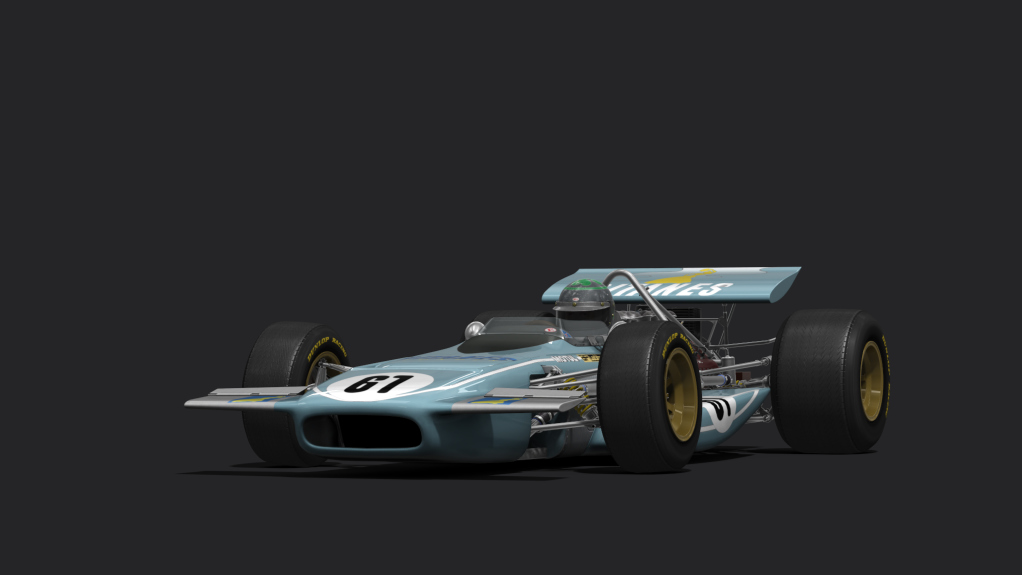
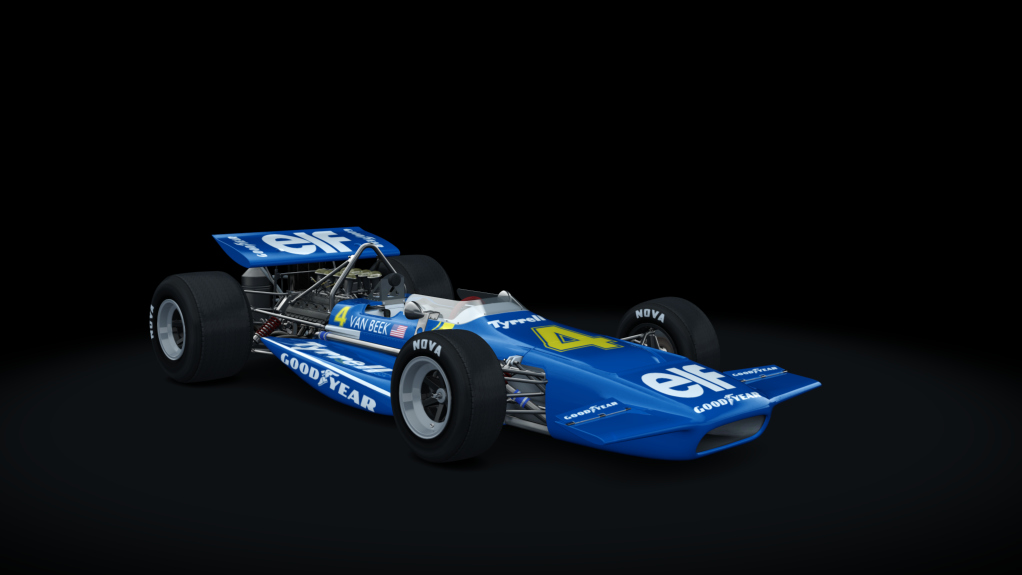
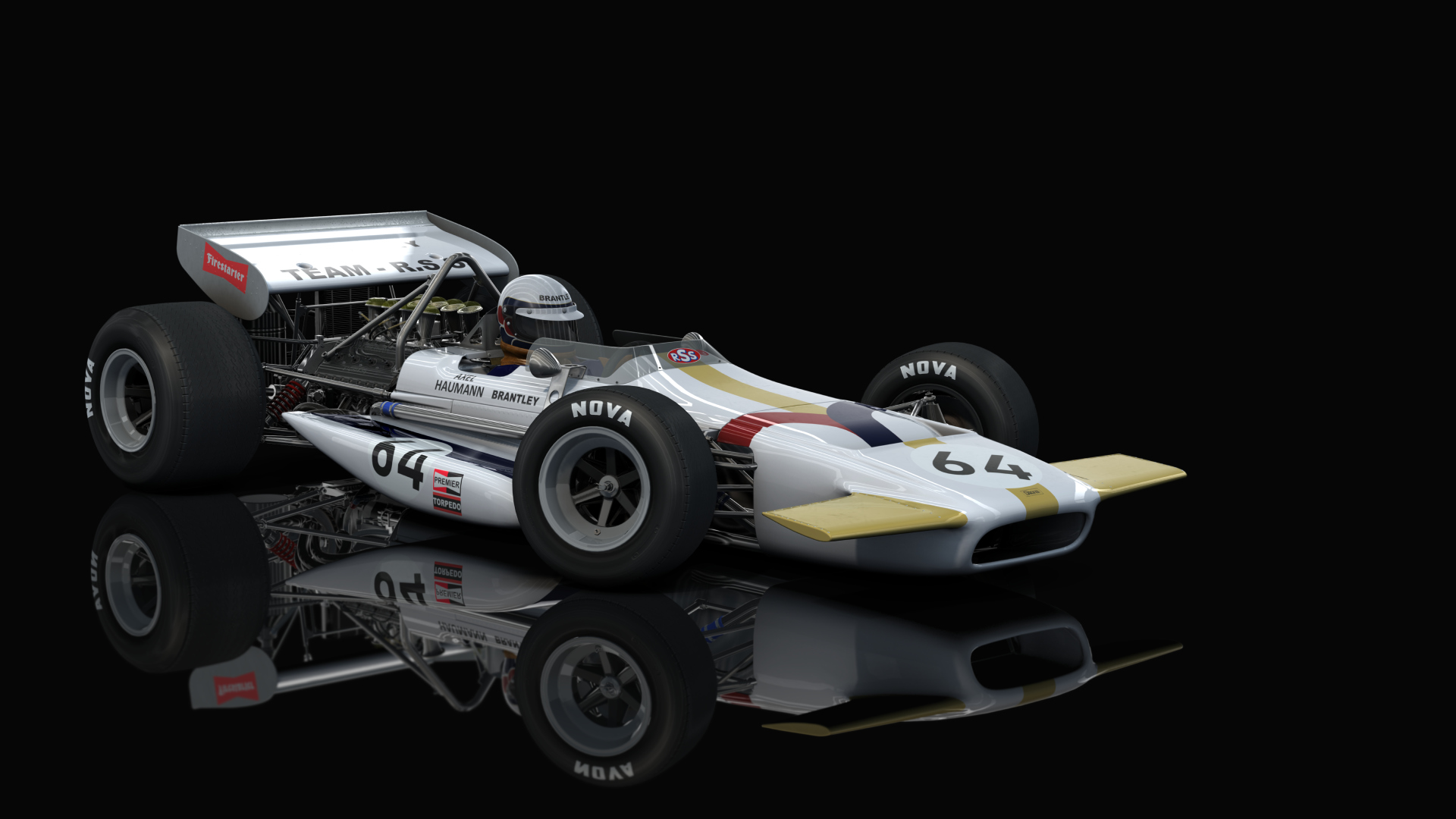
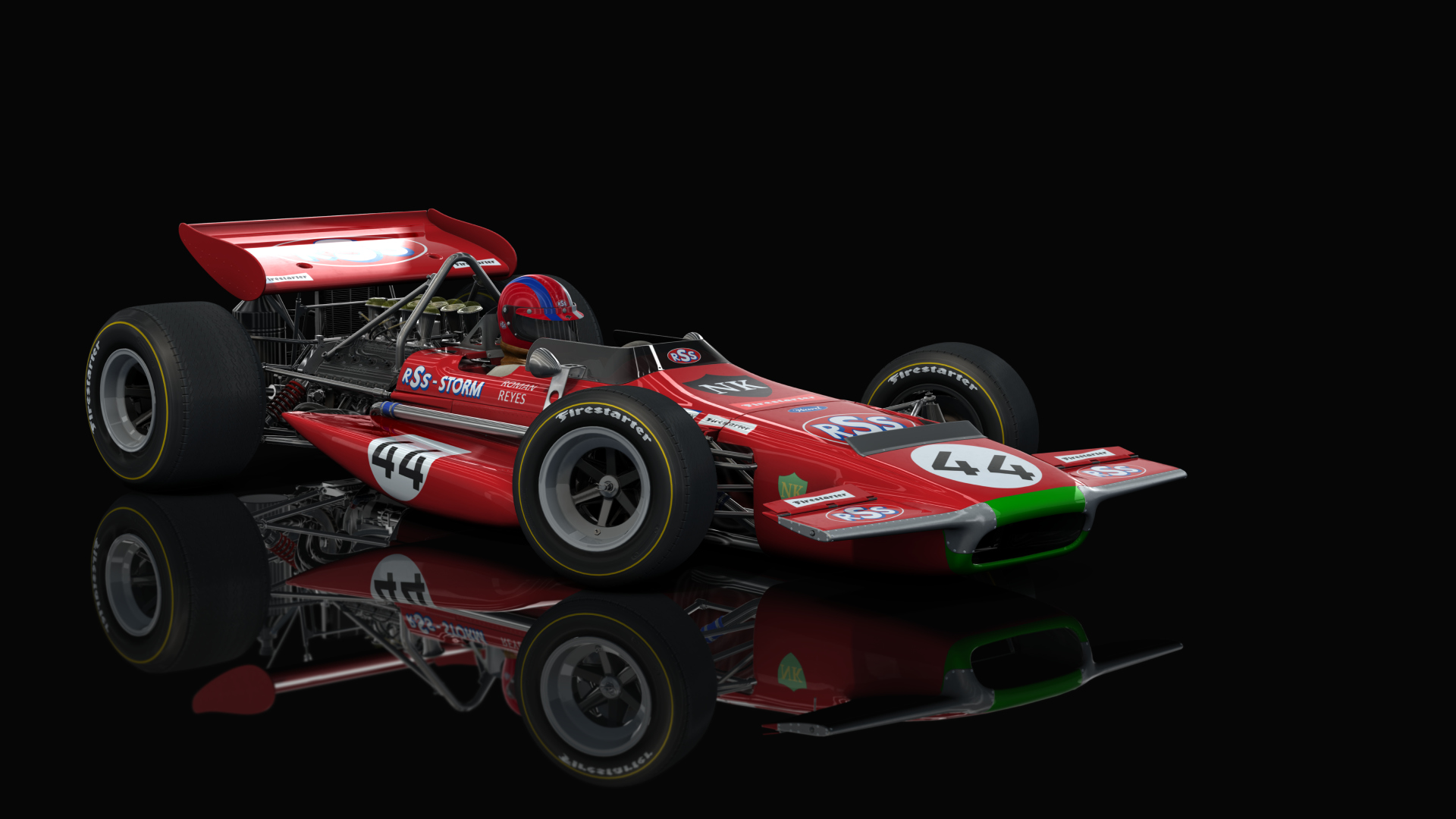
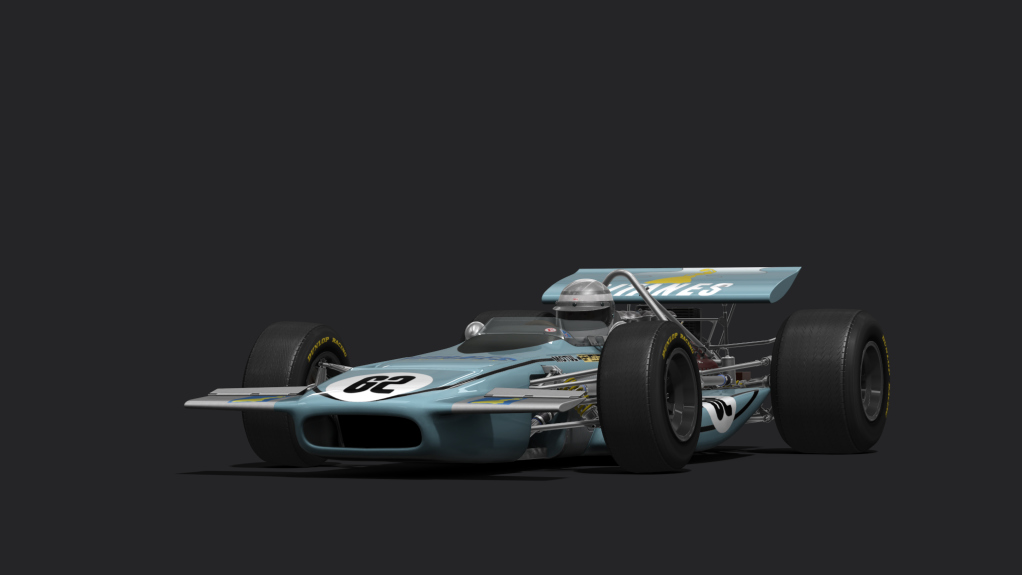
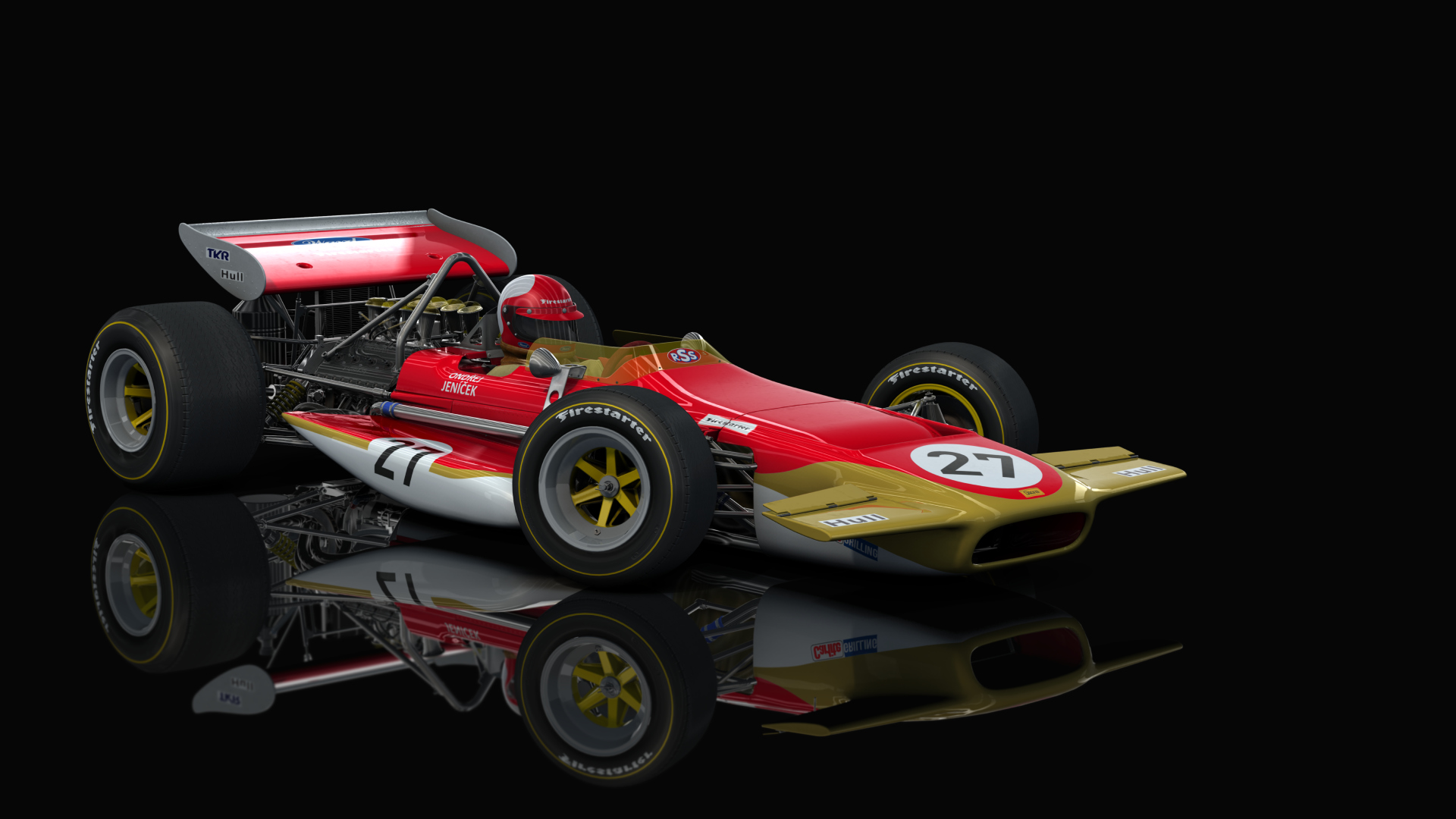
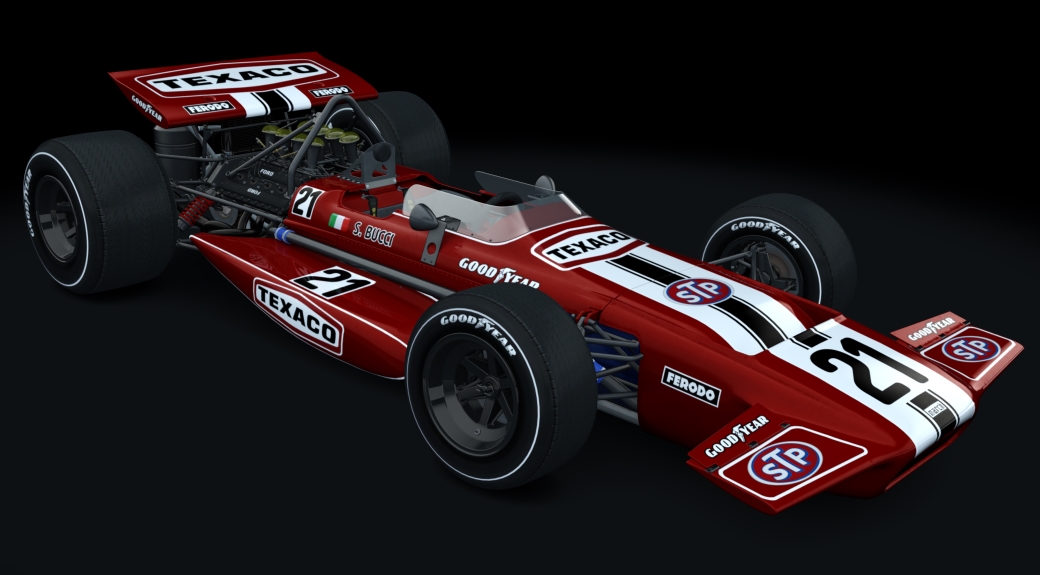
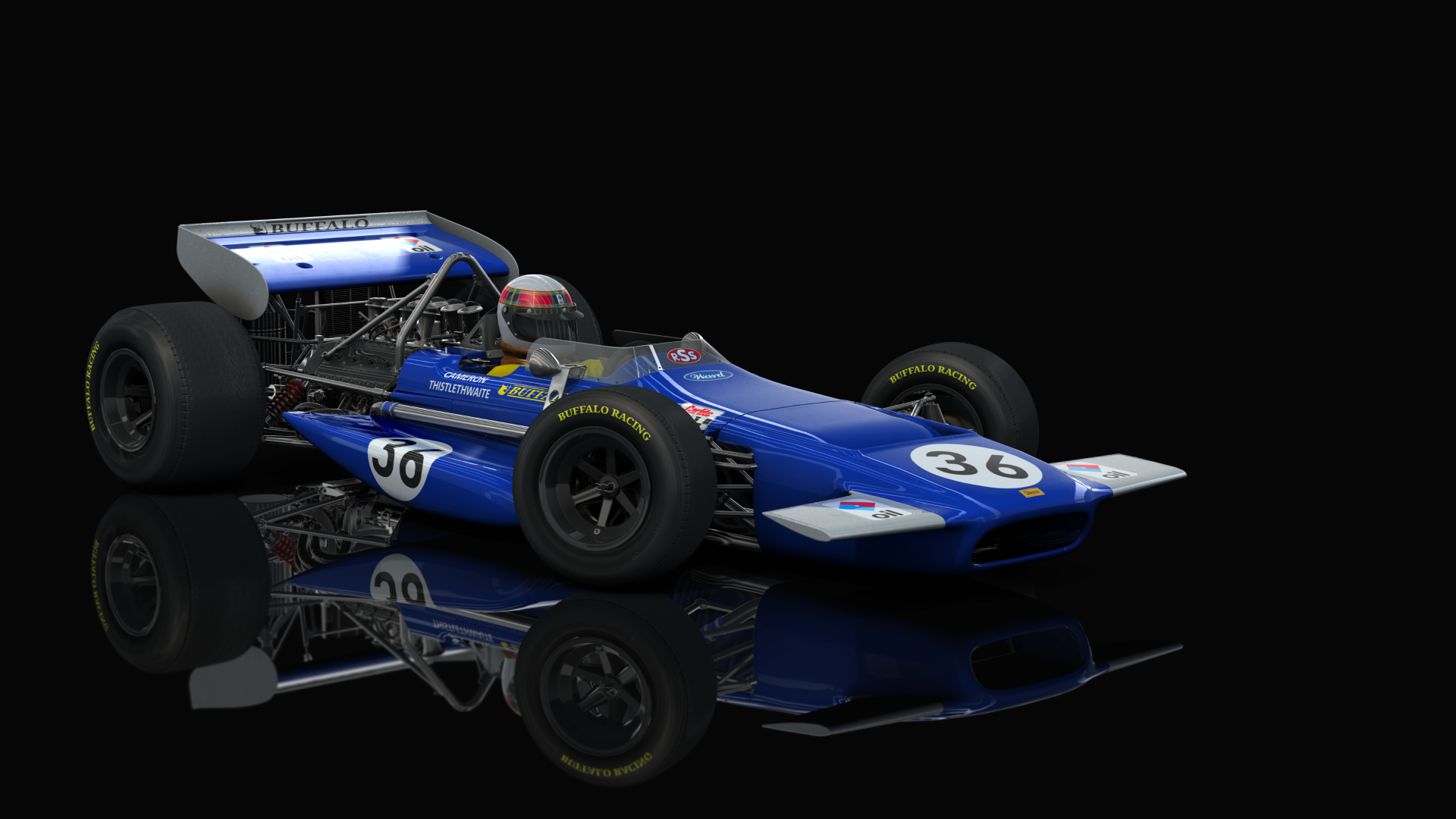
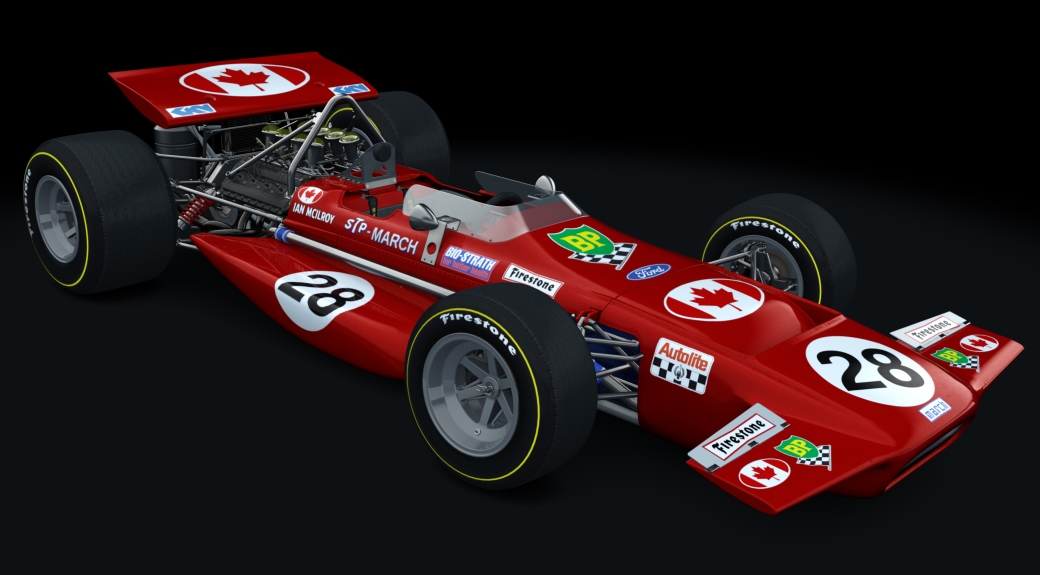
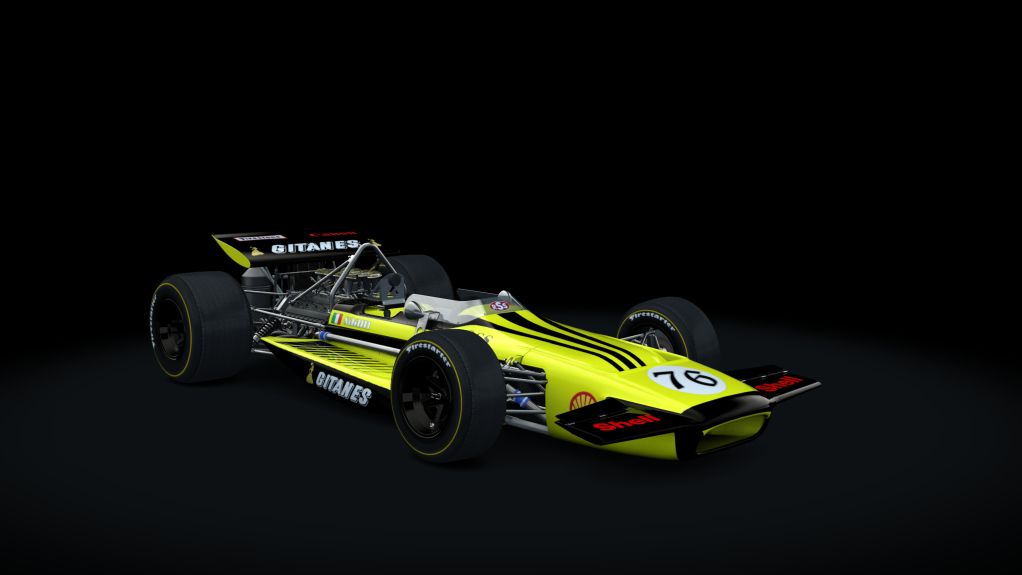
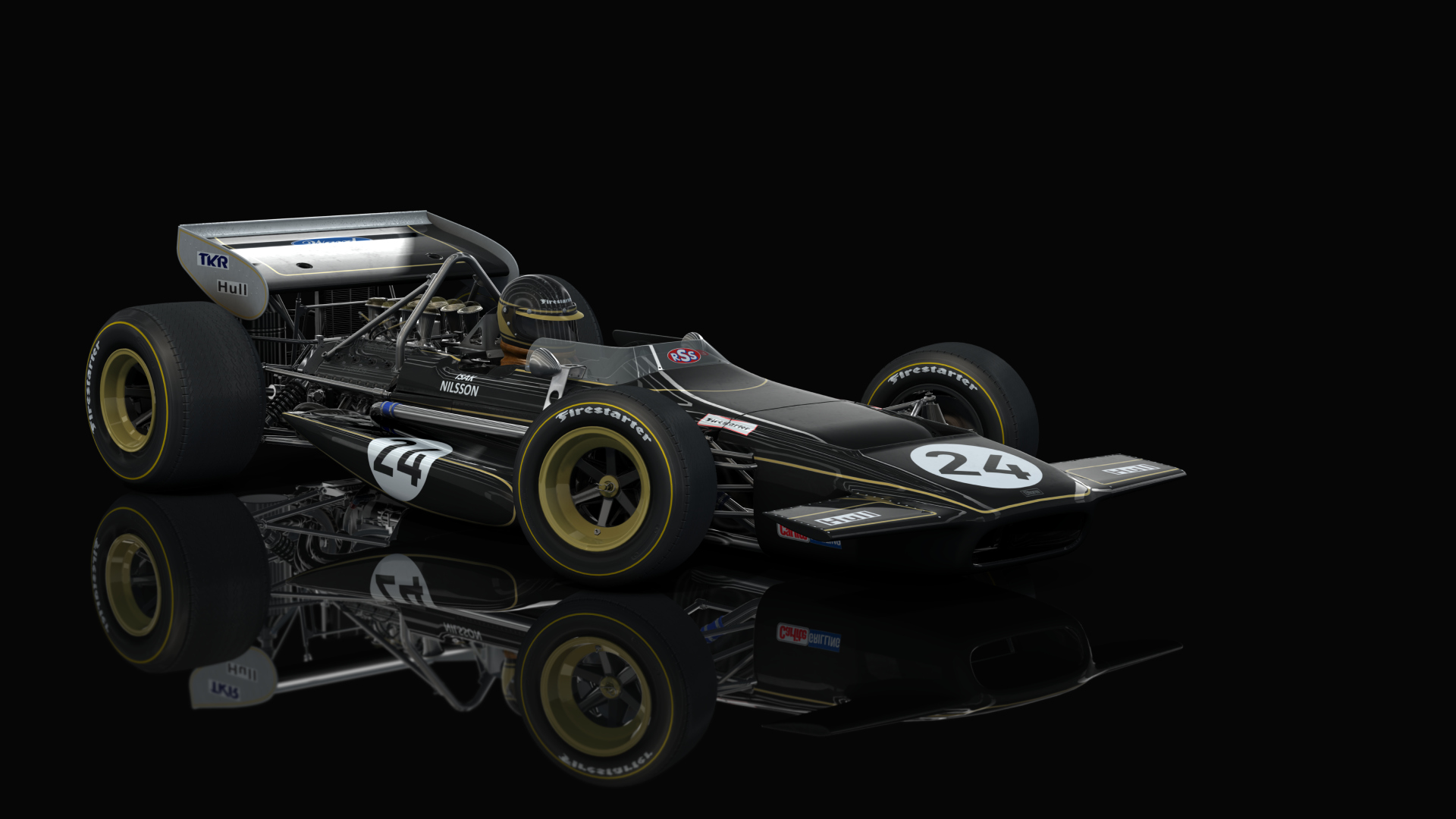
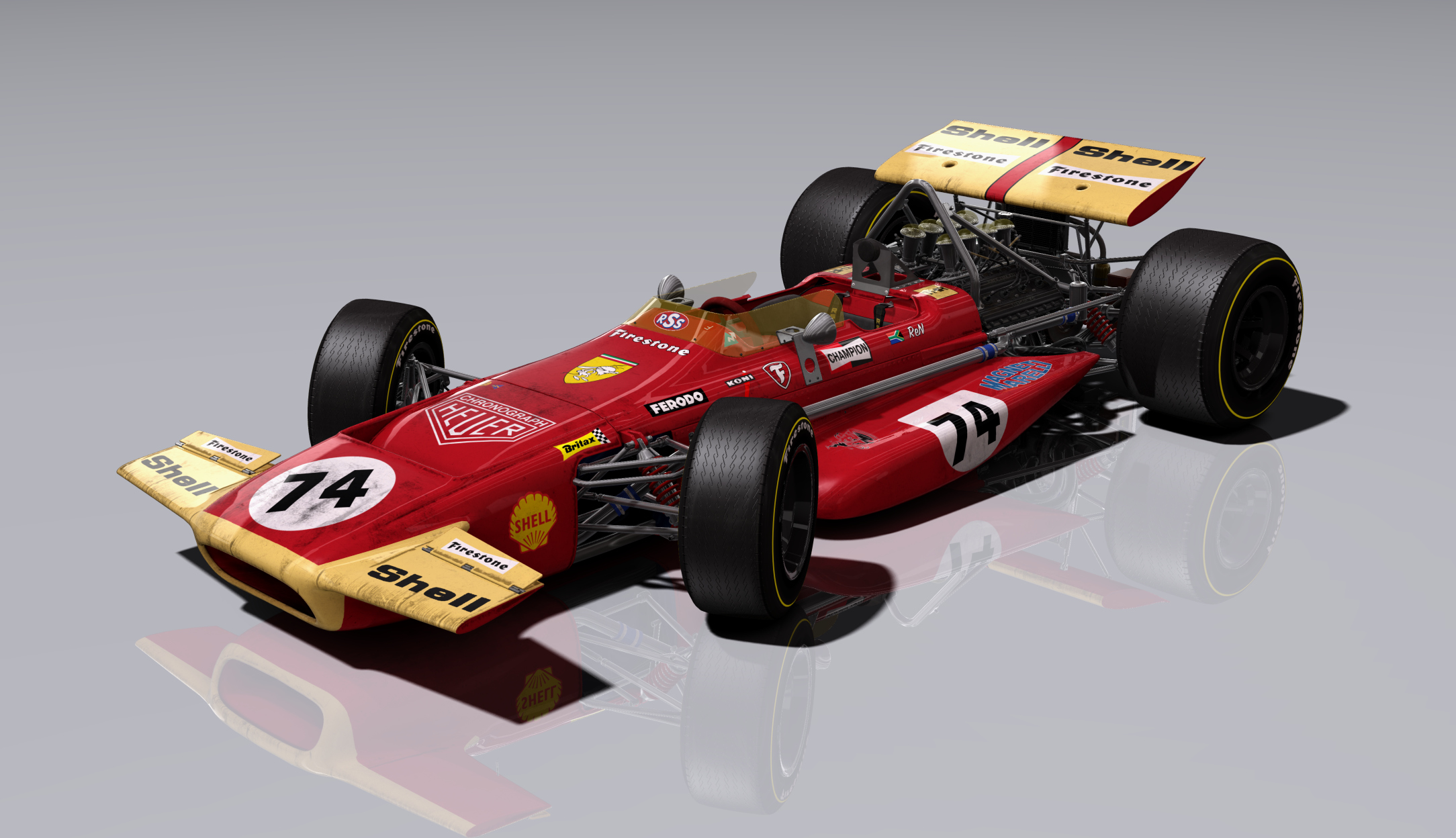
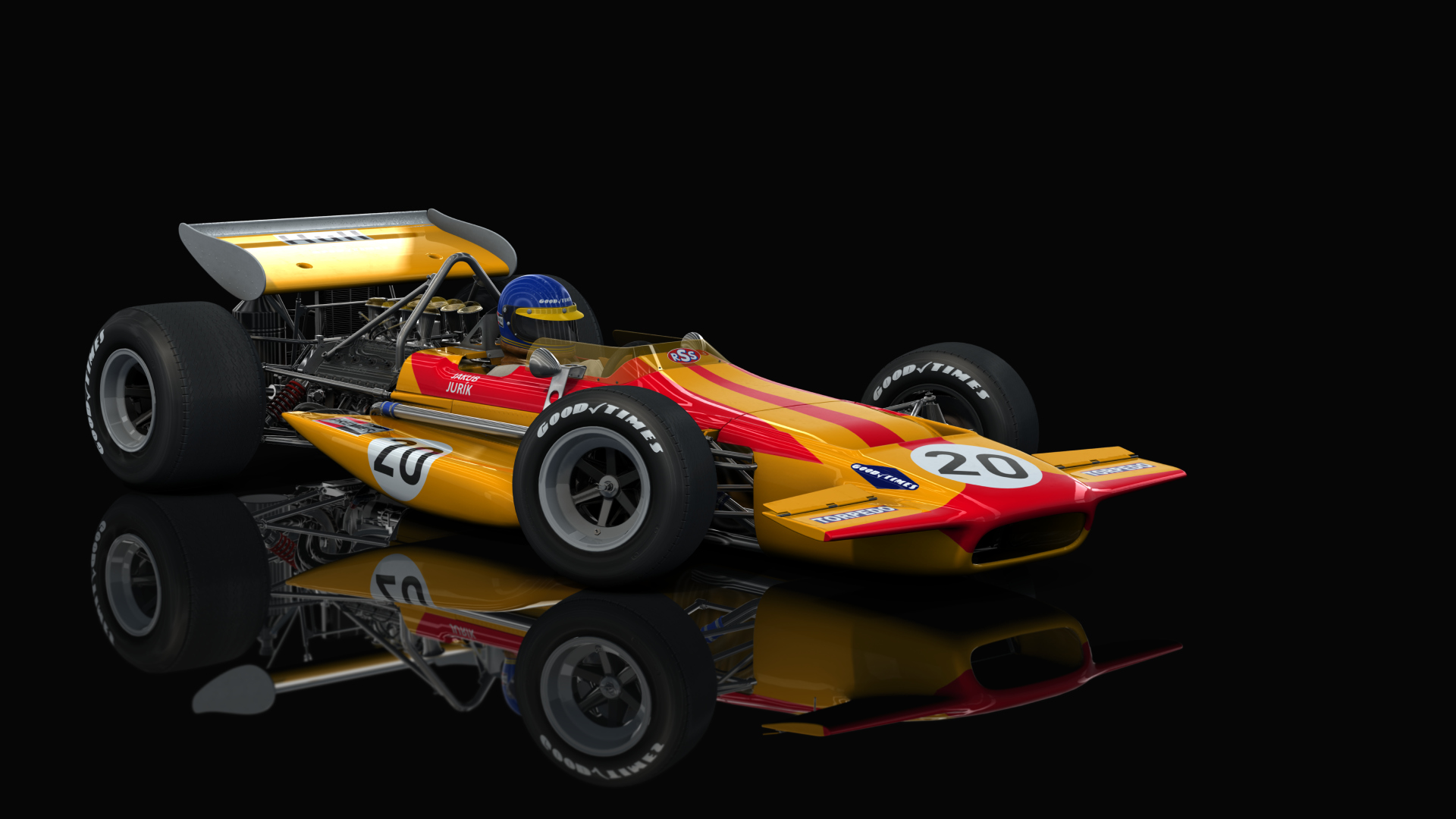
The Formula RSS 1970 V8 provided the common instrument for these contrasting campaigns. The distinction lay in how often its promise was converted into a useful result. Outright speed was spread more widely than the final table might suggest, and several drivers could interrupt the principal contest without sustaining a challenge of their own. Moreover, with each driver's two poorest events excluded, the Championship arithmetic was never simply a running addition of the latest race scores.
The early opposition takes shape
Kyalami established Muttram as a reference. Entered there as Tim Muttram, he won Grid A ahead of Adamike99 and Carlo Pedersoli. Masse's eighth place was a quieter beginning, offering little indication of the pressure he would eventually apply. The opening meeting also showed the breadth of participation: KMKZ - Flow won Grid B, with Ian McIlroy and richard rossier completing its podium.
Yet the next phase did not belong unreservedly to the eventual champion. At Jarama, meisterJäger won ahead of gilvil77, while T Muttram finished third. Monaco then brought Simone Porcu to the front, with Masse second and meisterJäger third. Porcu's victory put him into a share of the Championship lead on 40 points. The opening was sufficiently unsettled for success at a single meeting to carry considerable weight in the counted standings.
Masse's Monaco result mattered beyond its immediate reward. It established him near the front against opposition capable of winning, rather than merely collecting useful places behind Muttram. But it was not yet the beginning of an uninterrupted advance. At Spa he finished eleventh, despite setting the fastest lap, while Muttram won Grid A. That contrast between demonstrated pace and the result obtained would recur often enough to become an important distinction between their seasons.
The spring foundation
Spa began the passage that gave Muttram's campaign its lasting strength. He followed that victory with another at Zandvoort, then won again at Bugatti. By the latter meeting he had three consecutive victories under the T Muttram entry. Different pursuers occupied the places behind him, but the leading position remained unchanged.
At Zandvoort, Feimster finished second and Tyler Van Beek third. It was a substantial change in Feimster's fortunes after a difficult opening to the season, and the beginning of the recovery that would eventually carry him into the Championship's leading three. For Masse the same meeting was less satisfactory: he was classified sixth after completing 45 of the race's 46 laps, although his fastest lap again demonstrated the speed available to him.
Bugatti brought Masse back into direct contention with Muttram. He finished second, with gilvil77 third, and moved into second place in the Championship on 133 points, 27 behind the leader. It was a useful recovery, but Muttram had once more taken the larger reward.
This was the essential work of the champion's season. His advantage was not built merely by avoiding poor results. He repeatedly won while his rivals divided the other substantial scores between them. The opposition was credible, but its challenge was not yet concentrated. Masse had emerged as the nearest pursuer; he had still to turn that position into a victory.
An answer, and a new winner
Brands Hatch supplied Masse's answer. He won ahead of Feimster and Nat_Stevenson, while Muttram finished fourth in the race. Masse remained second in the Championship, now on 173 points and 21 behind the leader. The result checked the spring pattern and gave his pursuit a firmer basis: he had beaten the field rather than merely limited the damage.
Muttram's response at Hockenheim was important. He won, Masse finished second and gilvil77 third. Masse's Championship deficit stood at 24 points afterwards. His challenge had become more regular, but Muttram had prevented the Brands Hatch success from developing immediately into a sustained reduction of the lead. Meanwhile, gilvil77 occupied third place in the Championship on 182 points, a reminder that the order behind the leading pair was still open to change.
Feimster then altered that order. Victory at the Österreichring, ahead of Porcu and Muttram, was followed by another at Monza. These were not isolated good afternoons attached to an otherwise anonymous campaign. His second places at Zandvoort and Brands Hatch had already announced the recovery; the victories gave it substance.
Muttram, however, finished second at Monza and continued to extract substantial value from races he did not win. Masse was absent. After the Italian meeting, Masse remained second in the Championship on 266 points, 39 behind the leader, while Feimster had risen to third on 244. The discarded-score rule softened the immediate effect of Masse's absence by bringing an earlier score back into his counted total, but it could not provide a new race result.
Masse changes the closing argument
When the Championship resumed at Mont Tremblant, Masse began the strongest passage of his season. He won, but Muttram finished second. The pursuer had done all that could be asked of him in the race; the leader had answered with the next-best result. Masse's Championship total rose to 306 points, yet he remained 36 behind.
Watkins Glen produced a more consequential separation. Masse won again, Feimster finished second and Porcu third. Muttram was classified tenth after completing 31 of the scheduled 57 laps. It was a markedly different result from the substantial returns that had sustained his position through the preceding meetings.
Even so, the points movement was less abrupt than the race order suggested. The exclusion of poor results meant that a zero-point event did not necessarily impose its full apparent cost upon a driver who had earlier scores available to count. Masse left Watkins Glen second in the Championship on 346 points, 27 behind the leader. Feimster remained third on 312.
Masse had now won at successive meetings, but the season's earlier work still stood between him and the title. That was the particular tension of the closing phase. His form was improving at precisely the time when the Championship was measuring not just the latest performance, but the value of results accumulated months before. Muttram's spring victories and subsequent high placings retained their importance even when he was no longer supplying the winning result.
The final reckoning
Mexico completed Masse's late run. He won ahead of Pete Bondurant and Maarten Steverink, making three consecutive victories to close the calendar. Muttram did not take part. The last race therefore reinforced the impression of Masse as the man in form, without changing the identity of the champion.
The final discarded results are important to a fair reading of the outcome. Masse excluded his non-start at Monza and his Spa score; Muttram's zero-point closing events at Watkins Glen and Mexico were excluded. The rule thus preserved the value of the champion's earlier productive meetings, while Masse still had a scoring result removed from his own account. The official final margin was 15 points. It was a Championship decided by the completed campaign, not by the direction of travel at its end.
Behind them, Feimster's third place was a considerable recovery from his opening difficulties. Mexico was a less rewarding conclusion - he was classified ninth after completing 33 of 35 laps - but his European victories had already transformed his season.
Bondurant's progress was quieter and notably sustained. Third places at Monza and Mont Tremblant, fourth at Watkins Glen and second in Mexico carried him to fourth in the Championship on 328 points, ahead of Pedersoli on 323. Pedersoli's campaign, in turn, drew much of its strength from repeated useful placings rather than headline results. These were worthwhile achievements in a season whose leading story otherwise tended to draw the eye towards Muttram's early authority and Masse's late pursuit.
Runner-up Florian Masse gave the season its emphatic final movement; T Muttram had supplied its foundation. Jake Feimster completed the Championship podium in third. Muttram's distinction was to win repeatedly when the contest was taking shape, then remain close enough when others found their best form. The closing races made his advantage look vulnerable, but did not diminish the work that had created it.