Väänänen Makes the Season Count
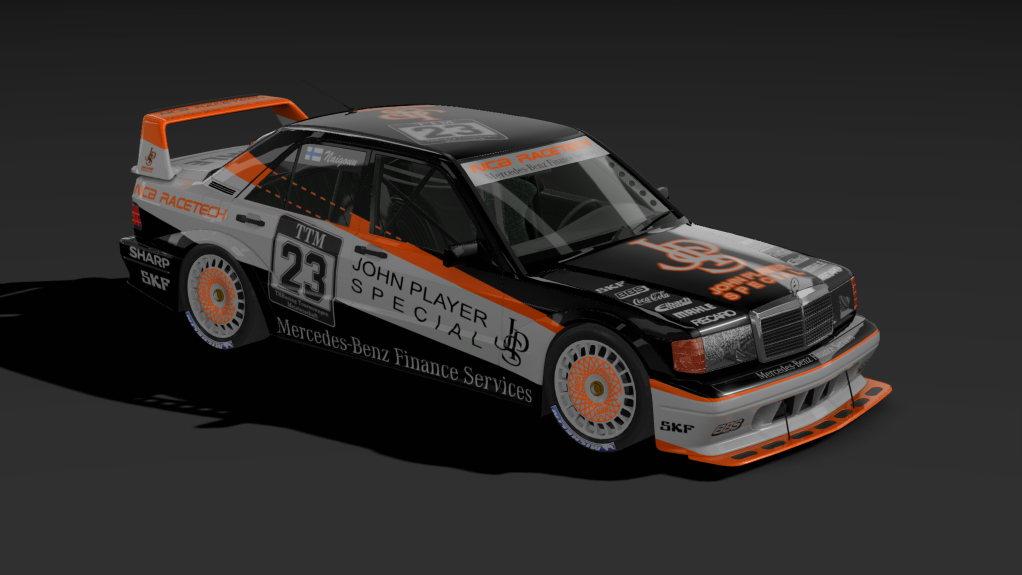
The TCTM 2025 Casual Championship offered ample room for visiting winners and changing fortunes. Across six double-race meetings, however, Tomi Väänänen supplied the sustained speed that mattered, taking the title for NCB RaceTech ahead of team-mate Naigouu (Niko Barnes).
The distinction between winning and campaigning
There were several convincing answers to the question of who could win a TCTM race. The more demanding question was who could make a Championship of it. Boby Vakuinof and Alfie Bevan each swept a meeting, Jake Black made an accomplished appearance at Wellington, and Max Scheidter gave the Holden its reward at Mount Panorama. Väänänen's achievement was to remain a substantial presence while the identity of his strongest opposition changed.
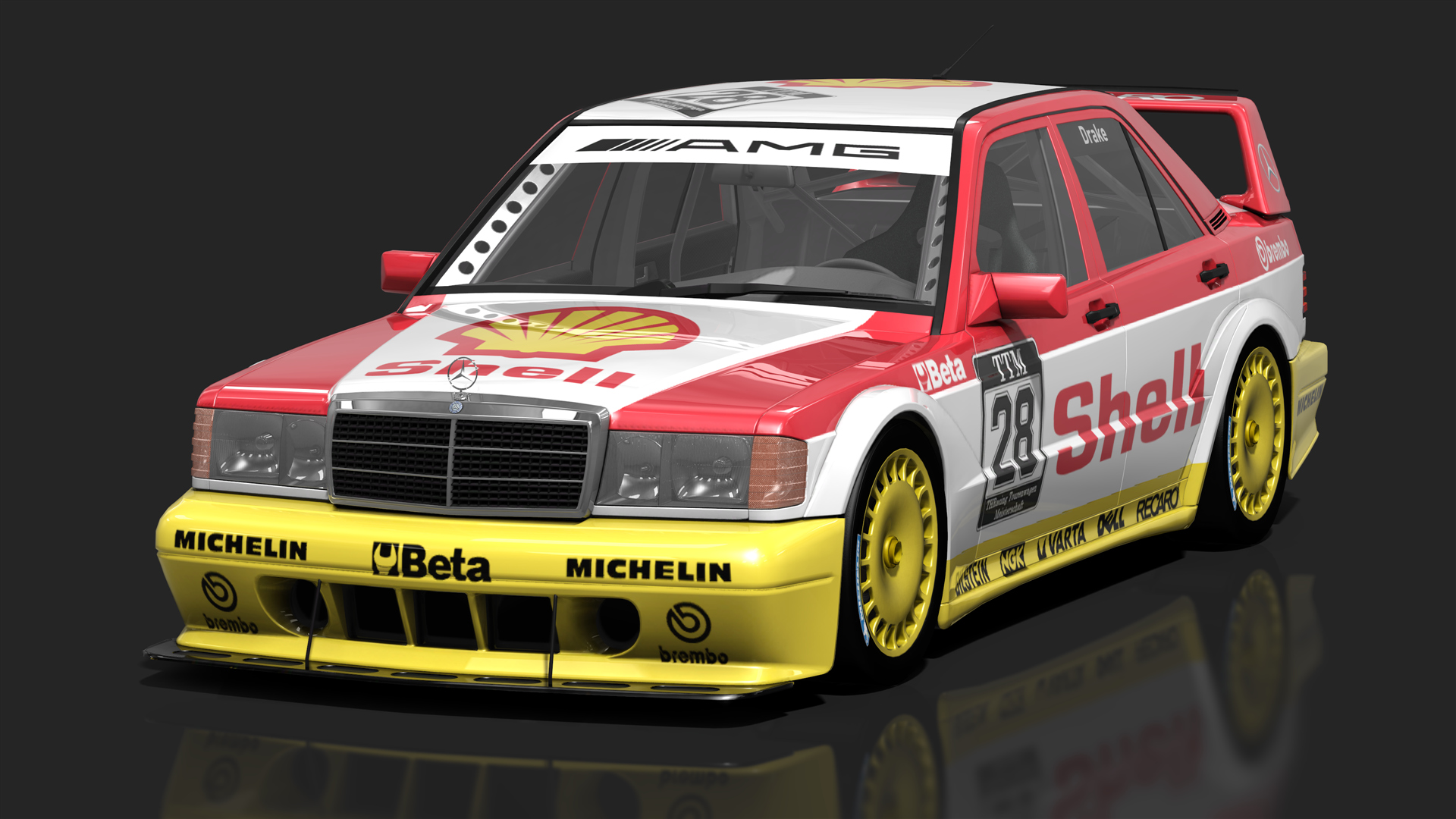
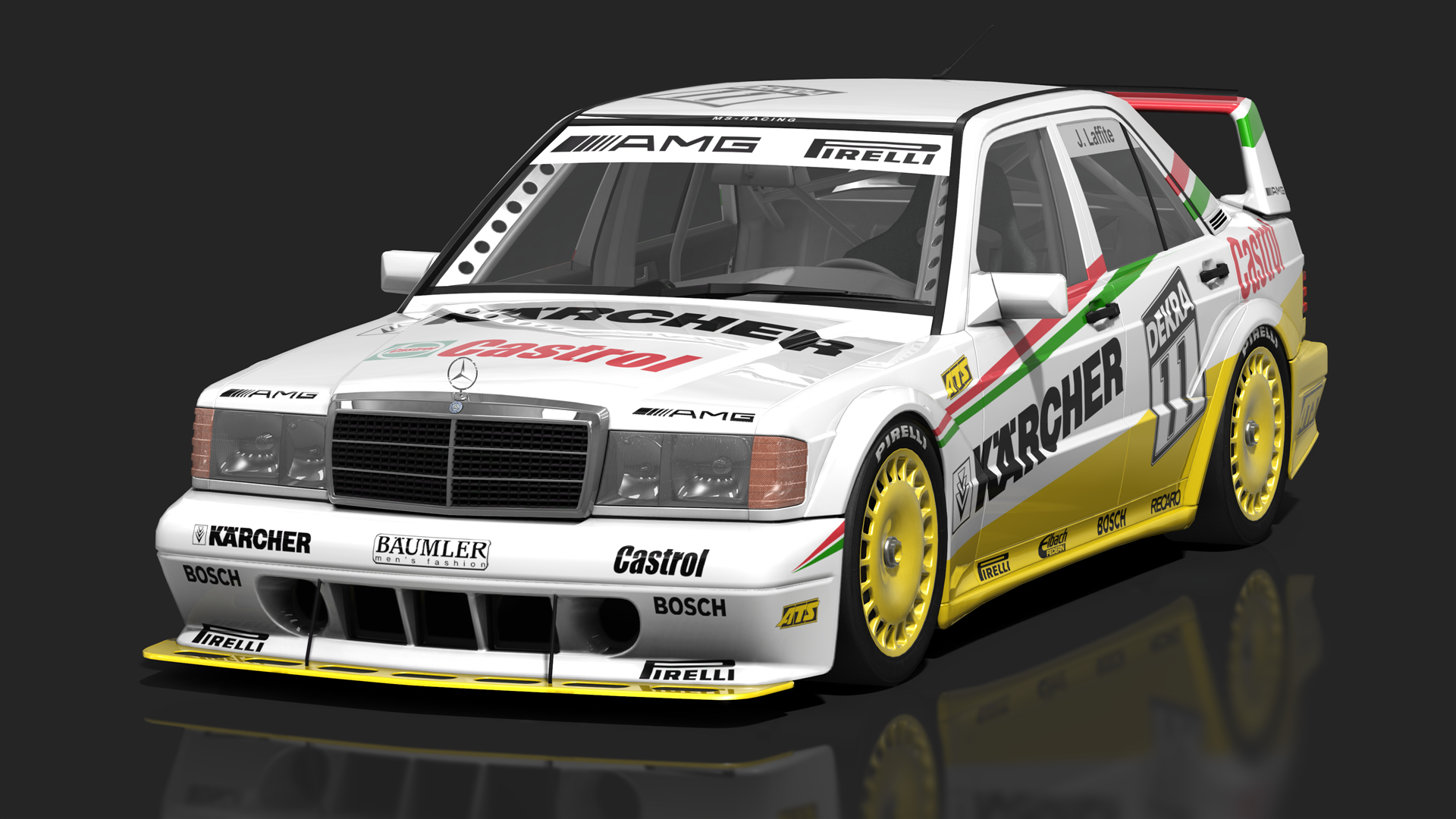
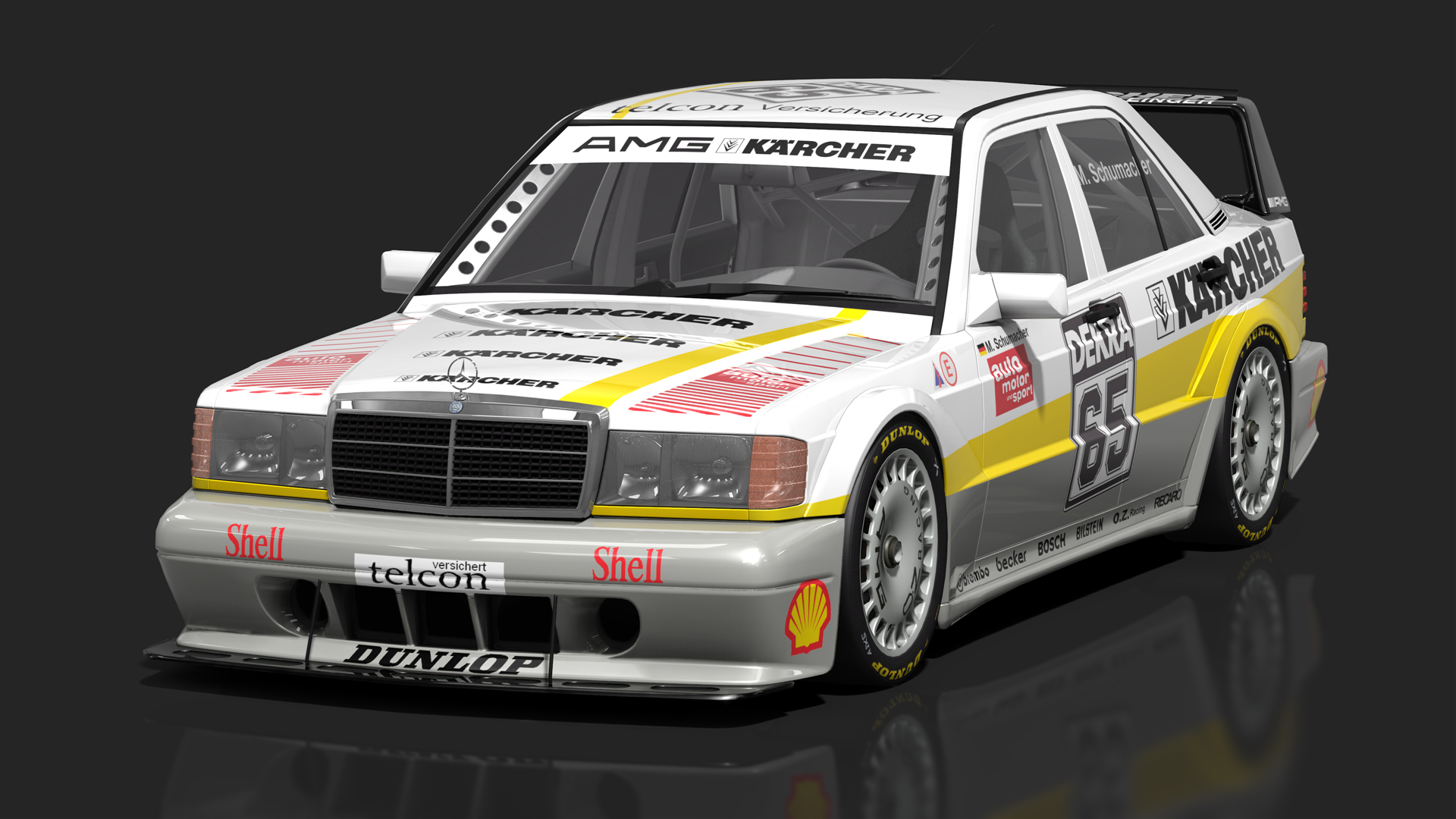
His Mercedes-Benz 190E 2.5-16 Evolution II - THR TTM was not victorious at either of the opening meetings. Nevertheless, those early races established the habit upon which his title would rest: when another driver had the better of the field, Väänänen was increasingly likely to be next. Later, when the opportunity was his, he converted it into victories rather than merely preserving a respectable position.
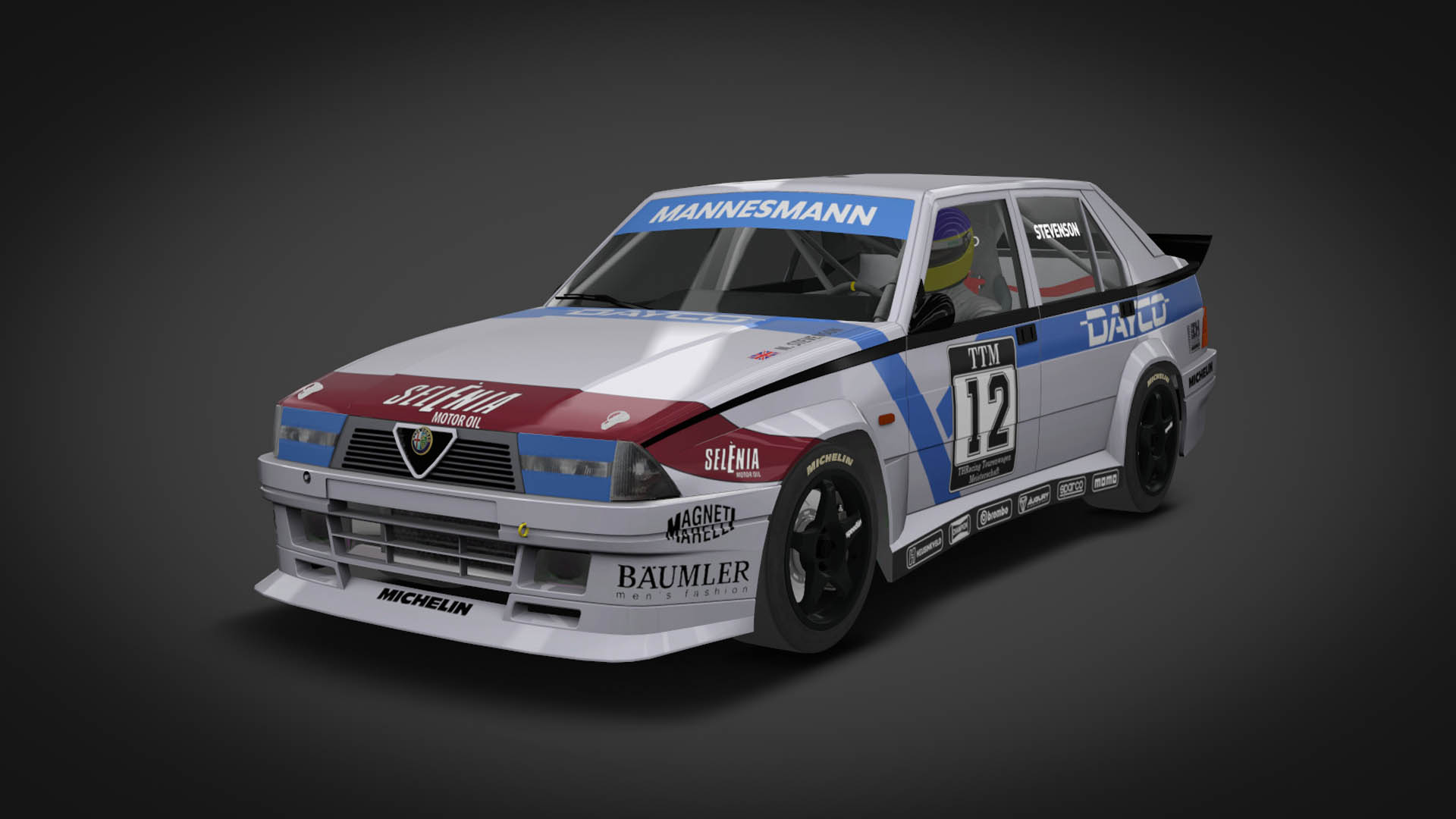
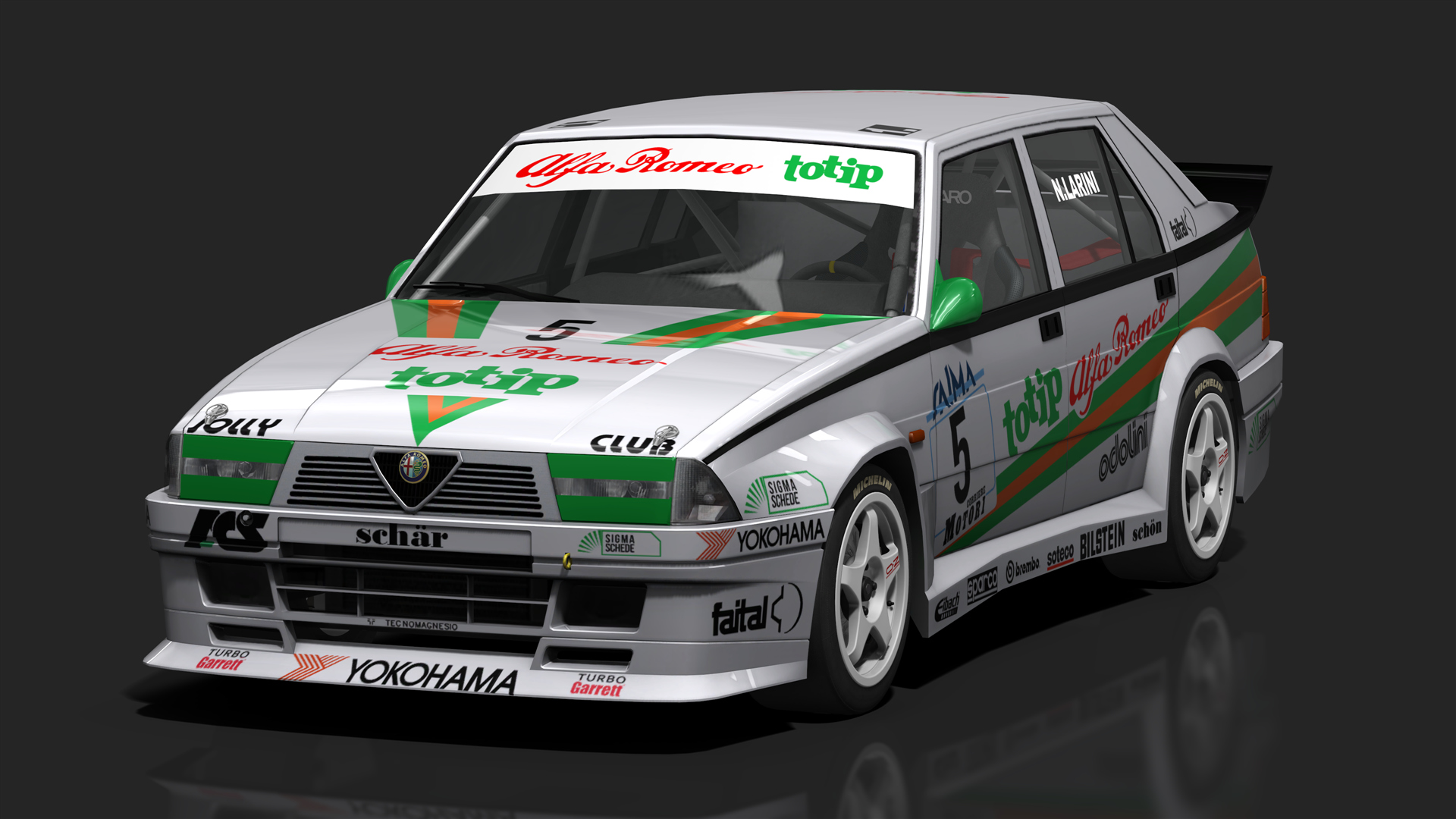
Imola initially belonged to Vakuinof. His Alfa Romeo 75 Turbo Evoluzione S1 - THR TTM won both races, and he left with the Championship lead on 80 points. The supporting places were more widely distributed. gilvil77's BMW contribution helped put him second in the table on 68, while Väänänen's second place in the later race brought the Mercedes driver to 66 points and third in the Championship. It was a useful beginning rather than a declaration of superiority.
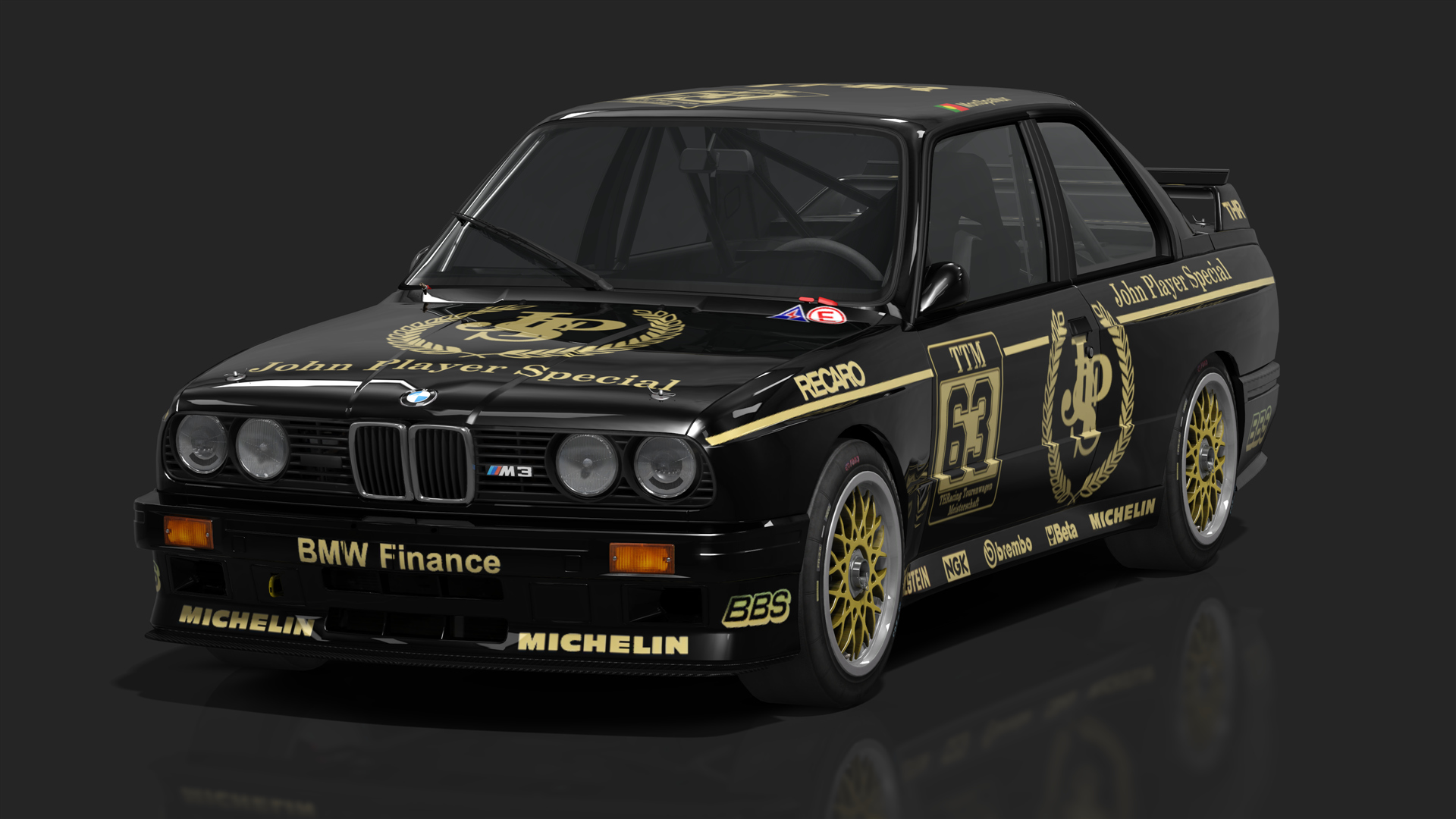
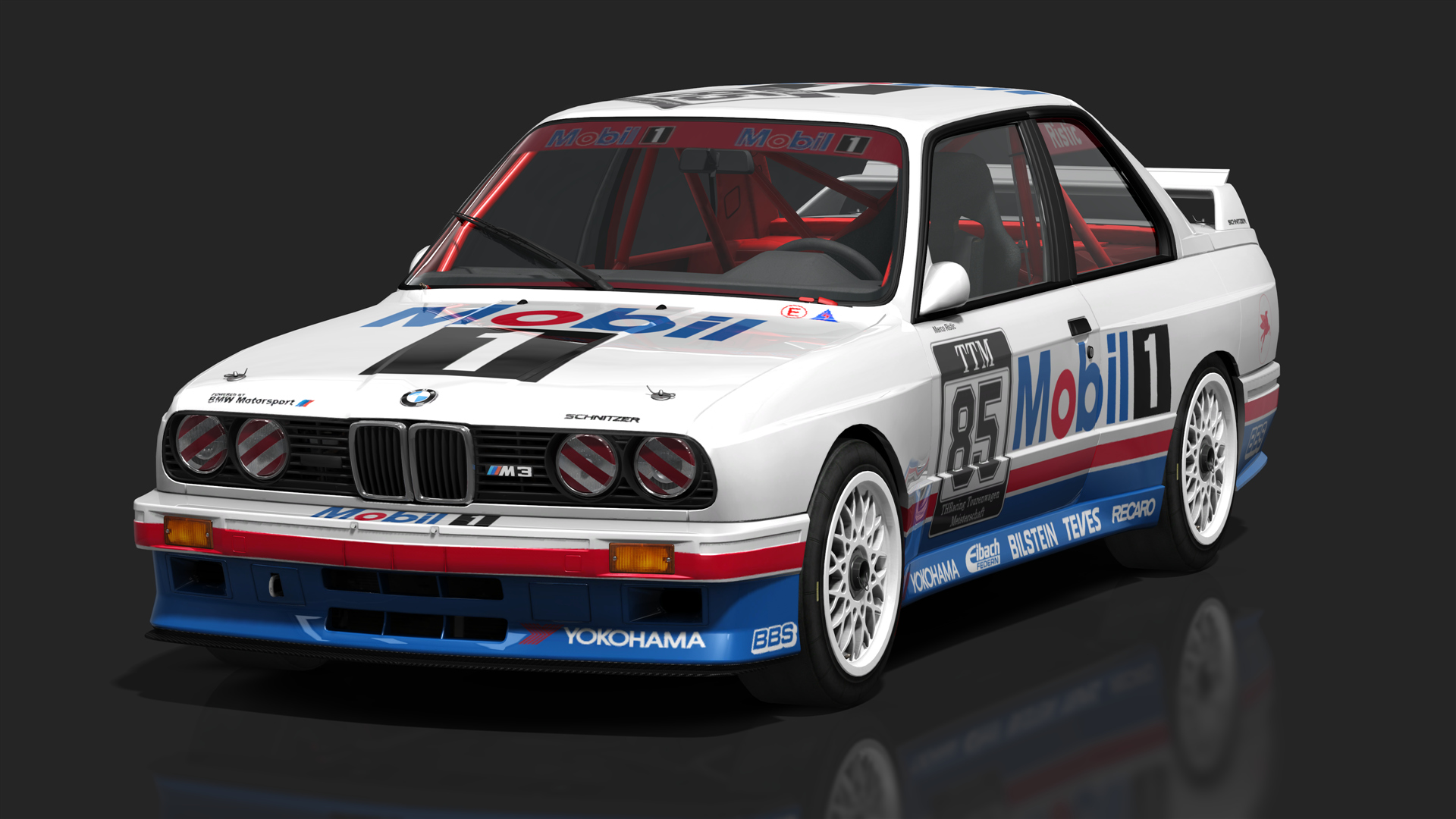
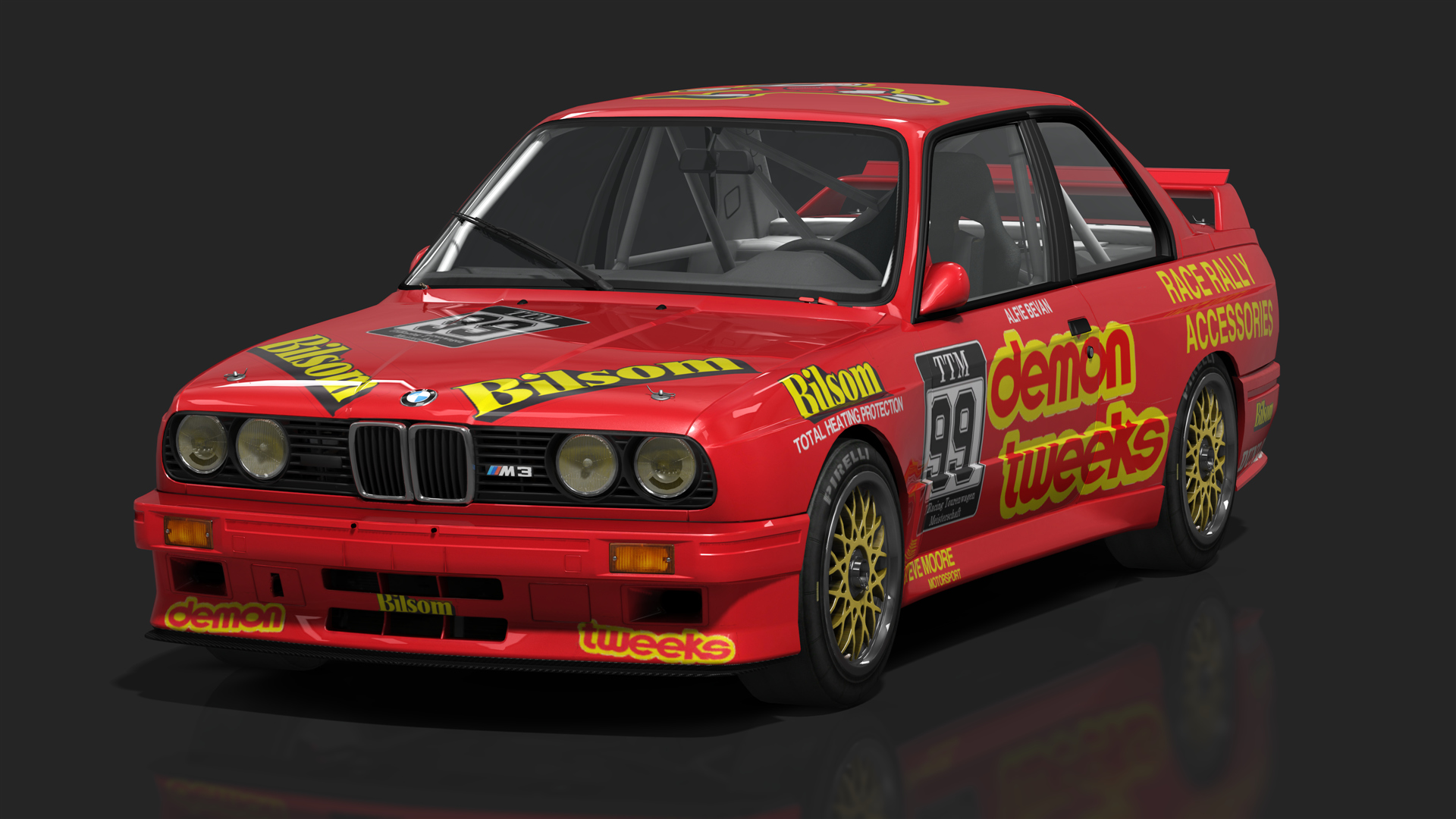
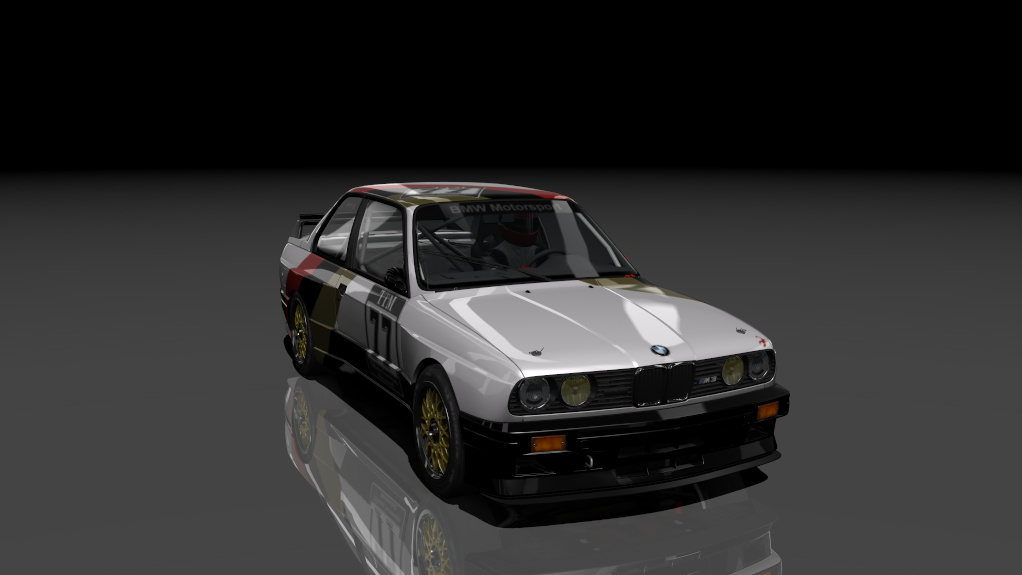
Horsma supplied another double winner, this time Bevan in the BMW M3 E30 Sport Evolution - THR TTM. He also set the fastest lap in each race, giving his brief campaign a particularly complete appearance. Väänänen finished second on both occasions. By the end of the meeting he had three successive second places, although the Championship arithmetic left him third on 74 counted points, six behind the joint leaders, Bevan and Vakuinof, on 80.
The distinction between accumulated and counted points already mattered. Each driver's poorest meeting could be discarded, and Väänänen's 66-point Imola score was then omitted. His raw total of 140 therefore became 74 in the table. The rule made the early order less straightforward than a simple addition of results, but it did not obscure the emerging sporting pattern. The opening winners had each excelled at one meeting; Väänänen was building a campaign.
The long circuit changes the order
The Nürburgring meeting was the season's principal change of direction. On the long circuit, with each race extending over three laps, Väänänen won twice and recorded the fastest lap in both races. Having spent the previous phase following the winner, he now supplied the pace himself. It was the point at which the Championship acquired a more durable leader.
He left the Nürburgring on 154 counted points, with Imola still his discarded meeting. His record through that third round comprised two victories and three second places, five top-two results from six starts. Those figures described something more substantial than a favourable afternoon. The Mercedes had become the reference against which the intermittent challenges of the other cars would be measured.
Marko Ristic remained prominent in the Championship's early development. Third in the second Horsma race, he took another third place in the later Nürburgring race and stood third in the Championship on 127 points. That was a worthwhile recovery from a modest opening meeting, although his campaign would not continue to gather results through the closing phase.
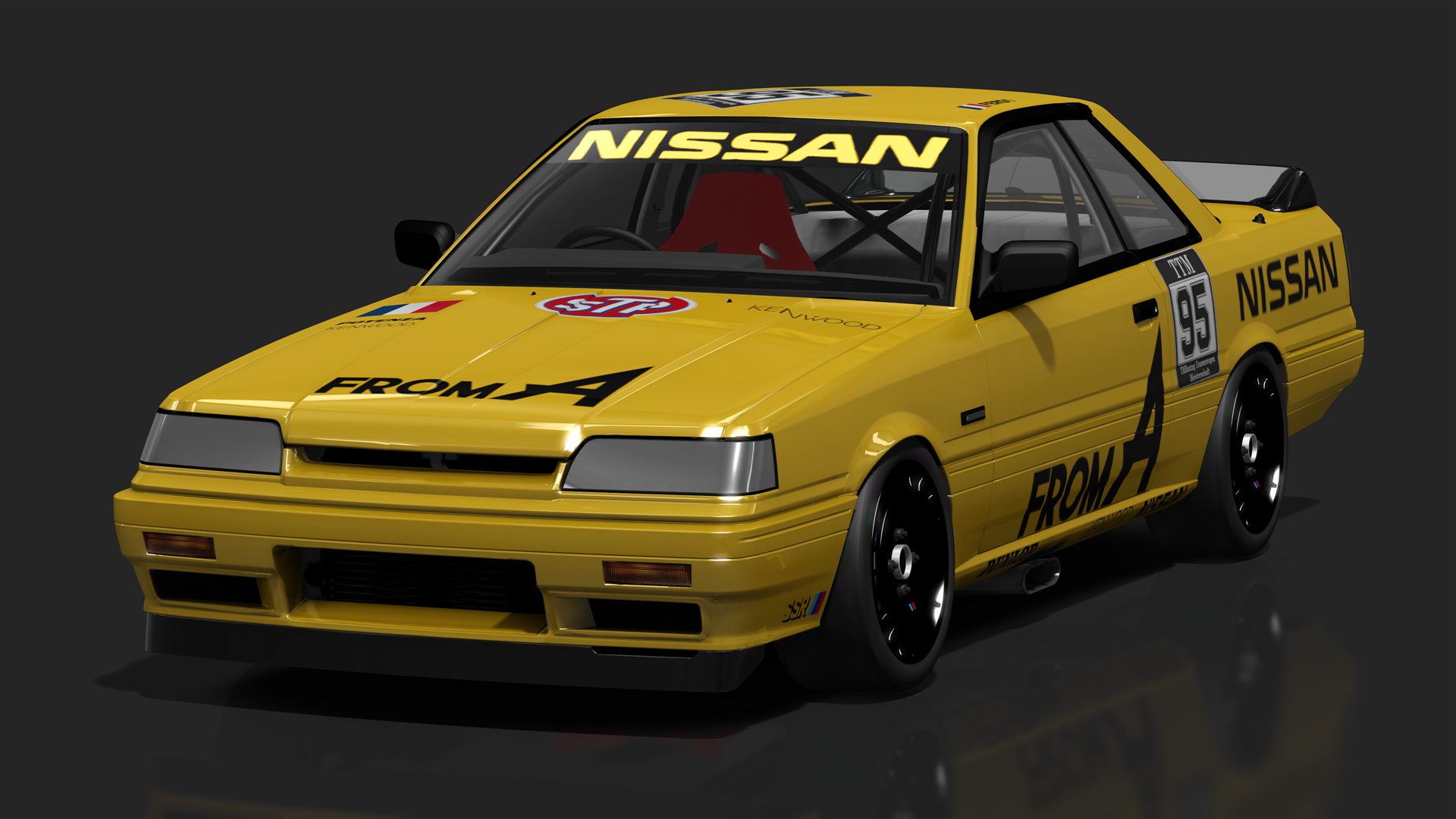
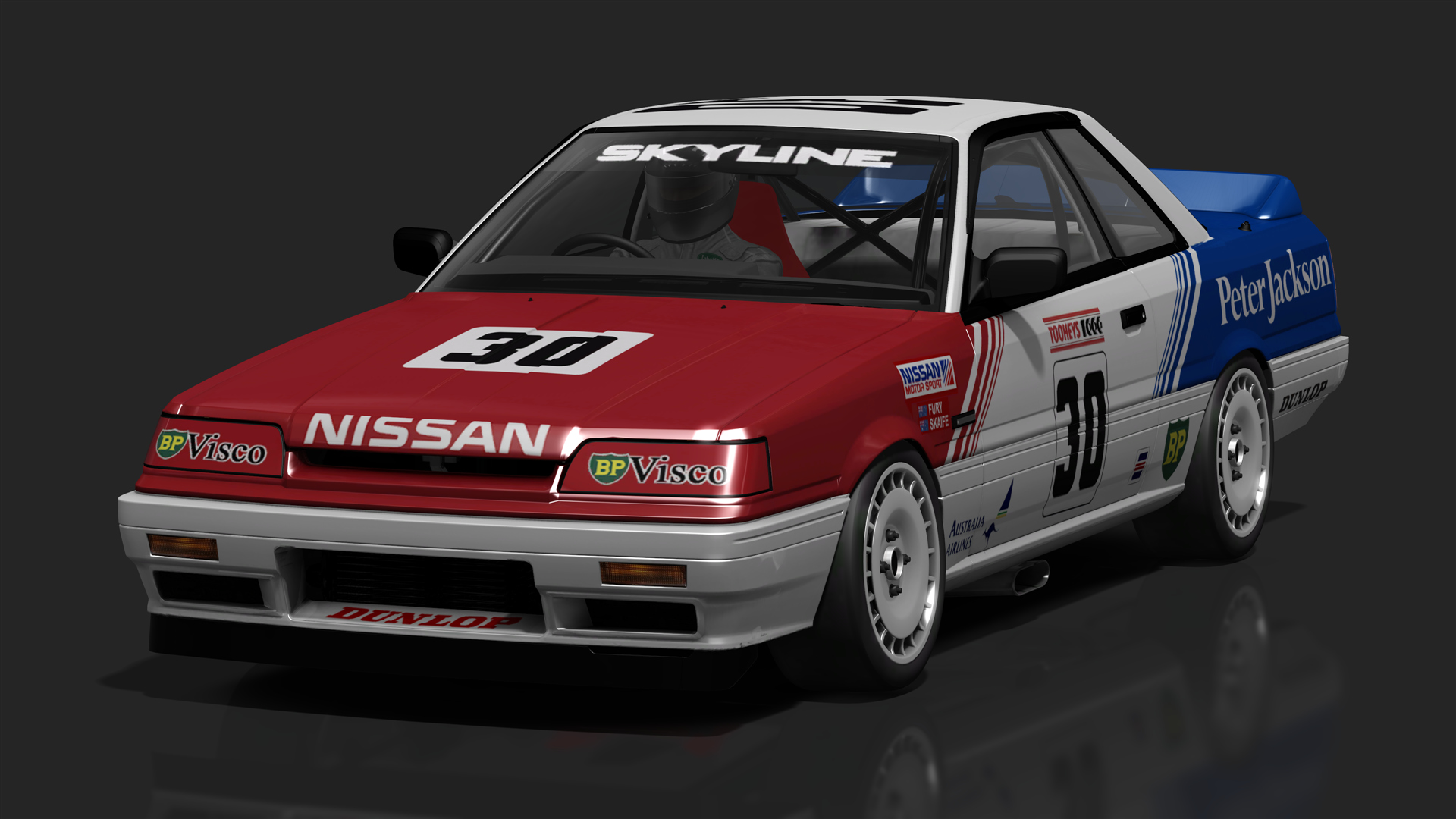
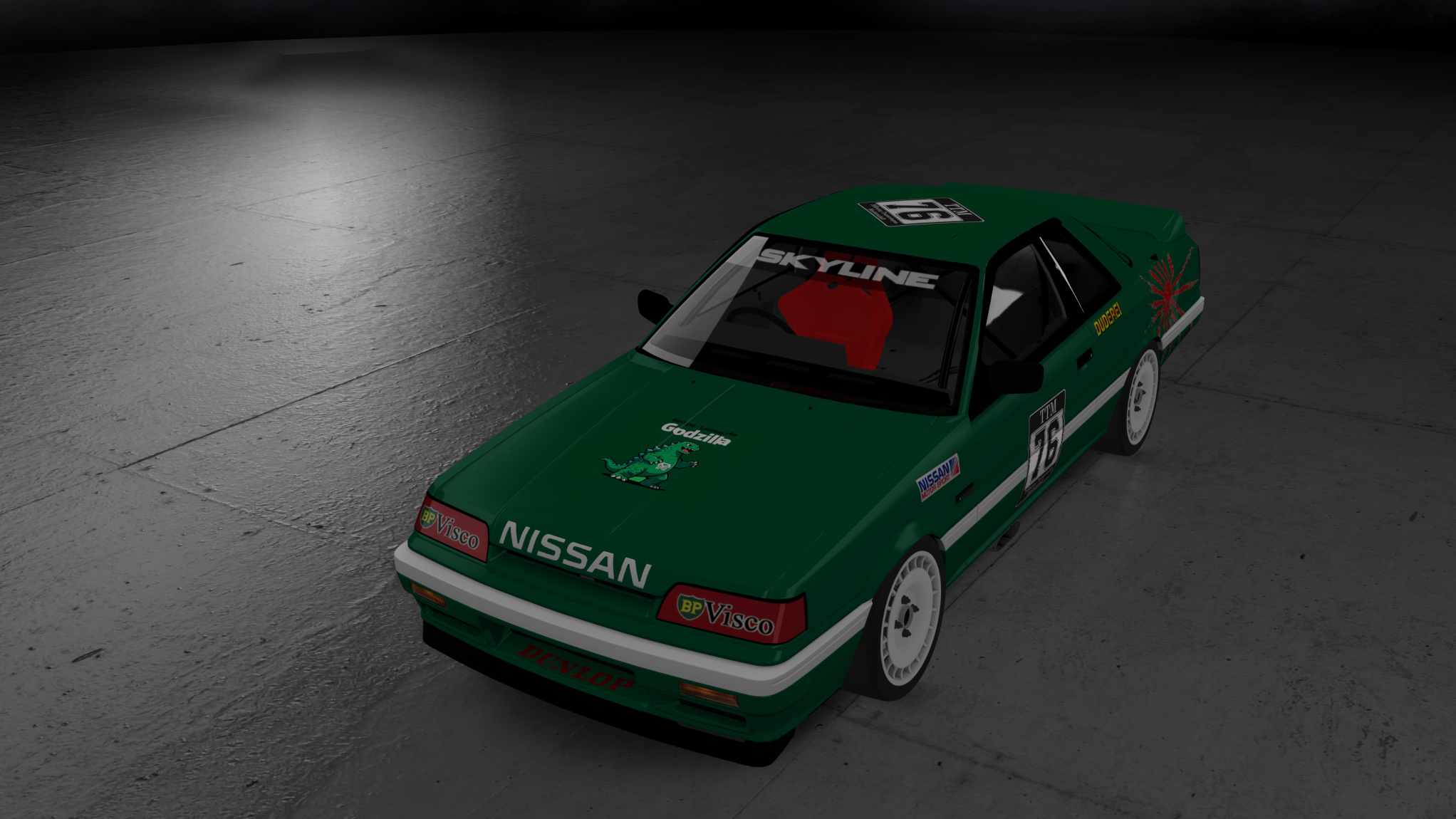
The Nürburgring also introduced two themes which would outlast the immediate result. Naigouu finished second in the opening race, a marked improvement upon an unpromising Imola meeting. The Nissan runners, meanwhile, showed that the podium was not the preserve of the cars already winning races: Marcel Schuemmer took third in the opener, and Ferd1 (Ferdinand Saillard) finished second in the later race. Neither performance displaced Väänänen's central achievement, but both gave the meeting a broader significance. As the leader became more clearly established, the opposition was becoming more varied.
Wellington: a setback contained
A Championship campaign is often most revealing when its established pattern breaks. At Wellington, Väänänen was classified ninth in the first race after completing 15 of the scheduled 21 laps. It was a conspicuous interruption to the sequence of results which had carried him into the lead.
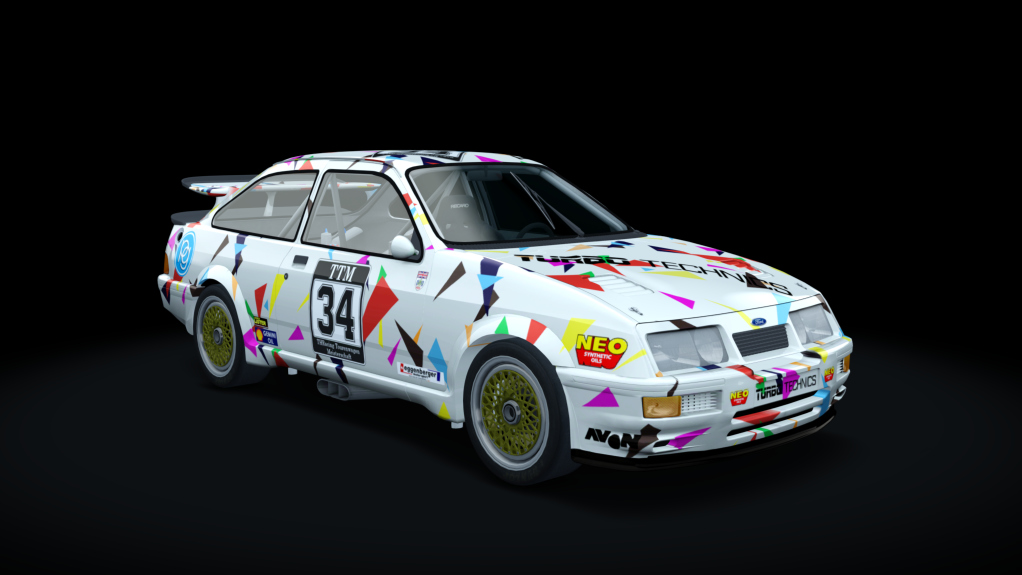
The opportunity was taken by Jake Black in the Ford Sierra RS500 Cosworth - THR TTM. Black won the opening race, with Scheidter's Holden second and Naigouu third. His subsequent second place, together with the fastest lap in that later race, made Wellington a persuasive demonstration of the Ford's competitiveness. It was also another reminder that Väänänen could not expect the same opponent from one meeting to the next.
The leader's answer came immediately. He won the second race, ahead of Black, turning a poor opening result into a meeting which still contained a victory. There is no need to embellish that recovery with an account of how it was achieved. Its importance lay in the result itself: Väänänen had not allowed one unsuccessful race to dictate the character of the next.
The discarded-score provision now changed its practical effect. Wellington's 40-point return replaced Imola as Väänänen's omitted meeting, bringing the earlier 66 points back into his counted score. He remained Championship leader on 220 points. The rule softened the points consequence of Wellington, but the recovery on the circuit was independently valuable, adding his third victory of the season.
Naigouu, by contrast, made Wellington a model of repetition, finishing third in both races. While Black and Väänänen divided the victories, the other NCB Mercedes occupied the same podium step throughout. MonSpaNur's BMW was also becoming important in the wider Championship order: after Wellington, MonSpaNur shared third in the table with Ristic on 175 points. The contest behind the leader was rewarding very different kinds of campaign.
The Holden challenge and the Adelaide answer
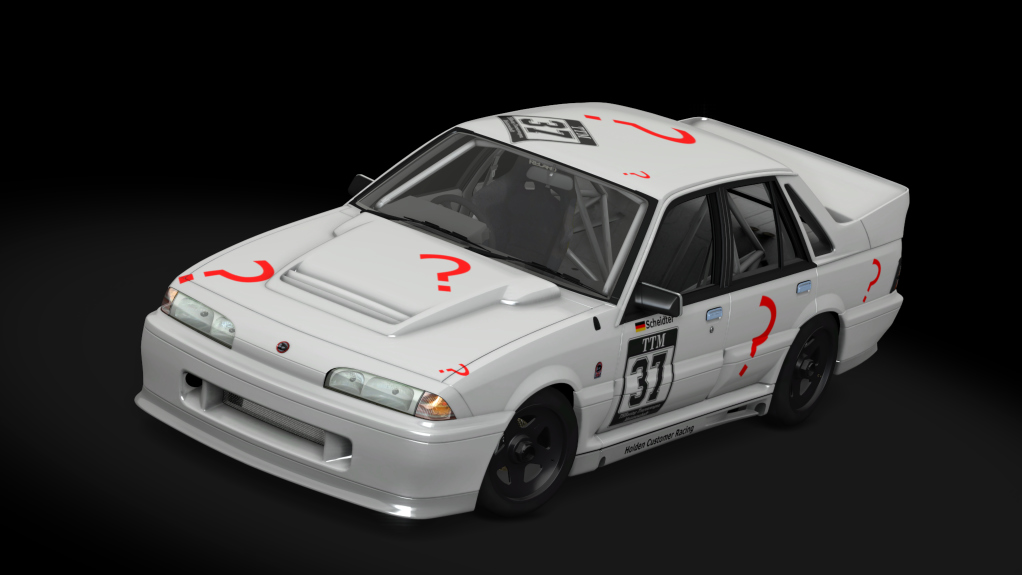
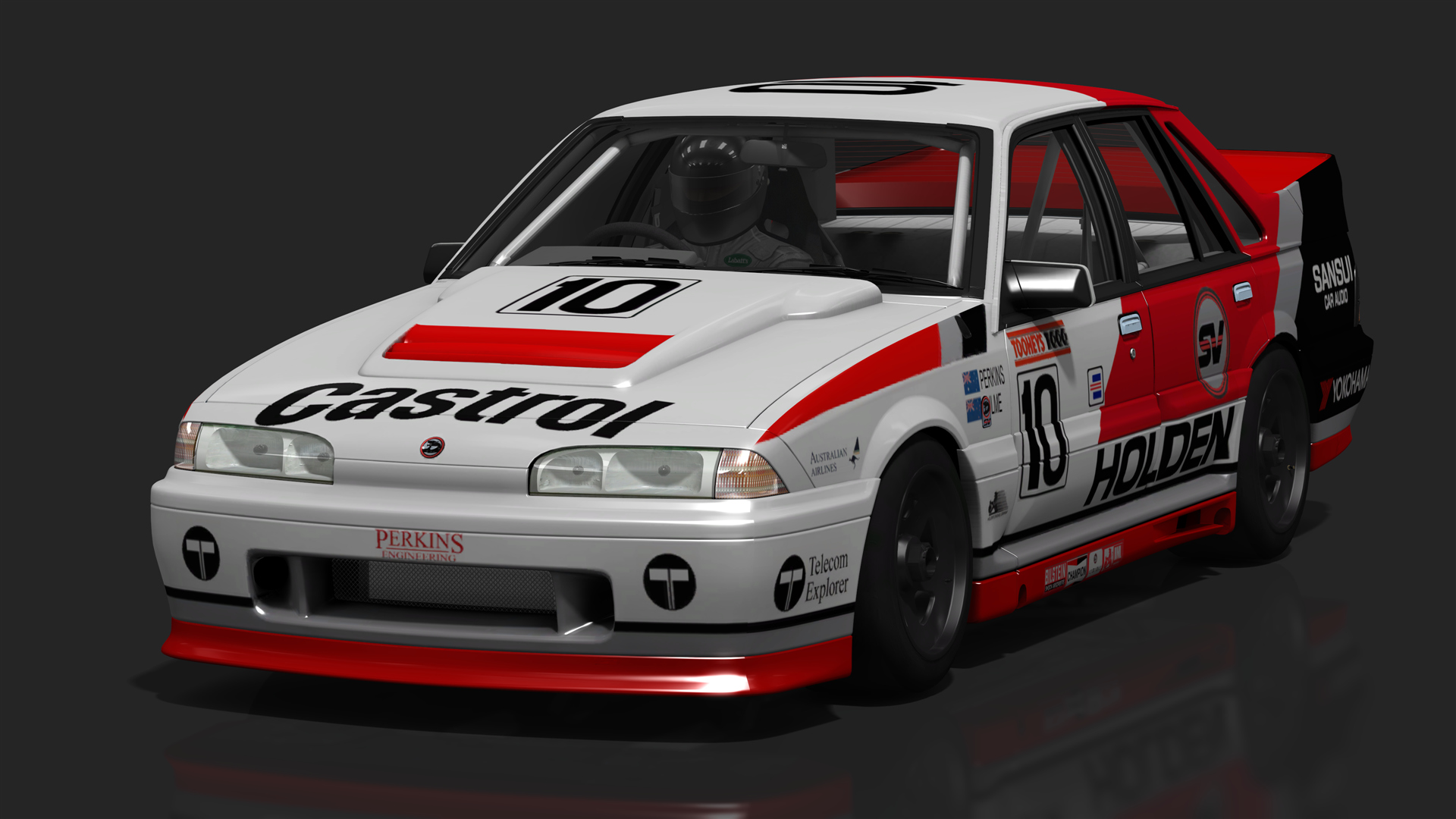
Mount Panorama gave Scheidter the meeting which his earlier podium appearances had promised. The Holden VL Commodore SS Group A SV - THR TTM won both races, with Väänänen second and Naigouu third each time. The repeated order made the competitive balance unusually plain. Scheidter had the victories; NCB RaceTech had the weight of results immediately behind him.
Väänänen's fastest laps in both races added an interesting qualification to the Holden's success. The Mercedes driver had not become a distant collector of points, even when he was beaten. Equally, fastest laps were no substitute for Scheidter's two wins. Bathurst belonged to the Holden driver, whose late-season strength would give the closing meetings a recognisable sporting rivalry.
For the Championship leader, two second places were a substantial return. After Mount Panorama, Väänänen had 294 counted points, with Wellington still discarded. His cumulative record then stood at three victories and five second places, eight top-two results in all. Naigouu's pair of thirds extended that driver's run to four consecutive third places and brought the podium total to five through the penultimate meeting. These were distinct patterns of consistency: one Mercedes regularly occupying the leading pair, the other establishing a firm place just behind.
Adelaide, held in January, resolved the season with a direct reversal of the Bathurst order at the front. Väänänen won both races and Scheidter finished second in each. The Mercedes driver also set both fastest laps. Rather than allowing the title to be remembered chiefly for careful accumulation, he closed with a clear assertion of pace.
Ferd1 finished third in the opening Adelaide race, adding another useful Nissan result, while Naigouu took third in the second. The final meeting thus accommodated both the leader's decisive success and the supporting performances which had given the Championship its variety. Scheidter remained a strong opponent to the end, but the last word belonged to Väänänen.
What the final table rewarded
Väänänen's final total was 374 points, with Wellington's 40 points discarded from a raw score of 414. His completed-season record comprised five victories and five second places, ten top-two finishes altogether. That combination explains the title more effectively than any isolated result. He could win repeatedly, recover promptly and collect heavily when another driver was quicker.
Naigouu secured second in the official Championship on 332 points, completing an NCB RaceTech one-two with the Mercedes. Six podium appearances, consisting of one second place and five thirds, gave the runner-up's season its character. There was no victory to rival Väänänen's winning record, but there was a sustained recovery into competitive relevance and a dependable presence near the front in the latter part of the campaign.
Third went to MonSpaNur on 263 points in the BMW, not to one of the season's more conspicuous winners. Without a podium, MonSpaNur nevertheless assembled enough useful results to remain ahead of Scheidter's 255 and Ferd1's 253. It was a sound illustration of the difference between a season's most memorable performances and its most productive campaigns. Scheidter's two victories and six podiums were substantial achievements, but his seven starts gave his campaign a different shape from that of the champion.
The team award belonged to NCB RaceTech on 706 points, the combined final totals of its leading drivers. Mercedes also supplied the most frequent podium car, with 17 appearances, ahead of Holden's six. Yet the season was far from a single-marque procession. Alfa Romeo, BMW, Ford and Holden all won races, and the Nissan and Audi added further podium representation. Väänänen's distinction was not that opposition was absent, but that he answered its changing forms more consistently than anyone else.
The title was earned in the space between the exceptional meeting and the complete season. Tomi Väänänen linked his afternoons together and ended the argument at Adelaide with victories rather than arithmetic. Naigouu took the runner-up place, with MonSpaNur completing the podium in third. Others could command an afternoon; Väänänen had made the season his own.