The Long Pursuit: meisterJäger and Gasklep Take the Honours
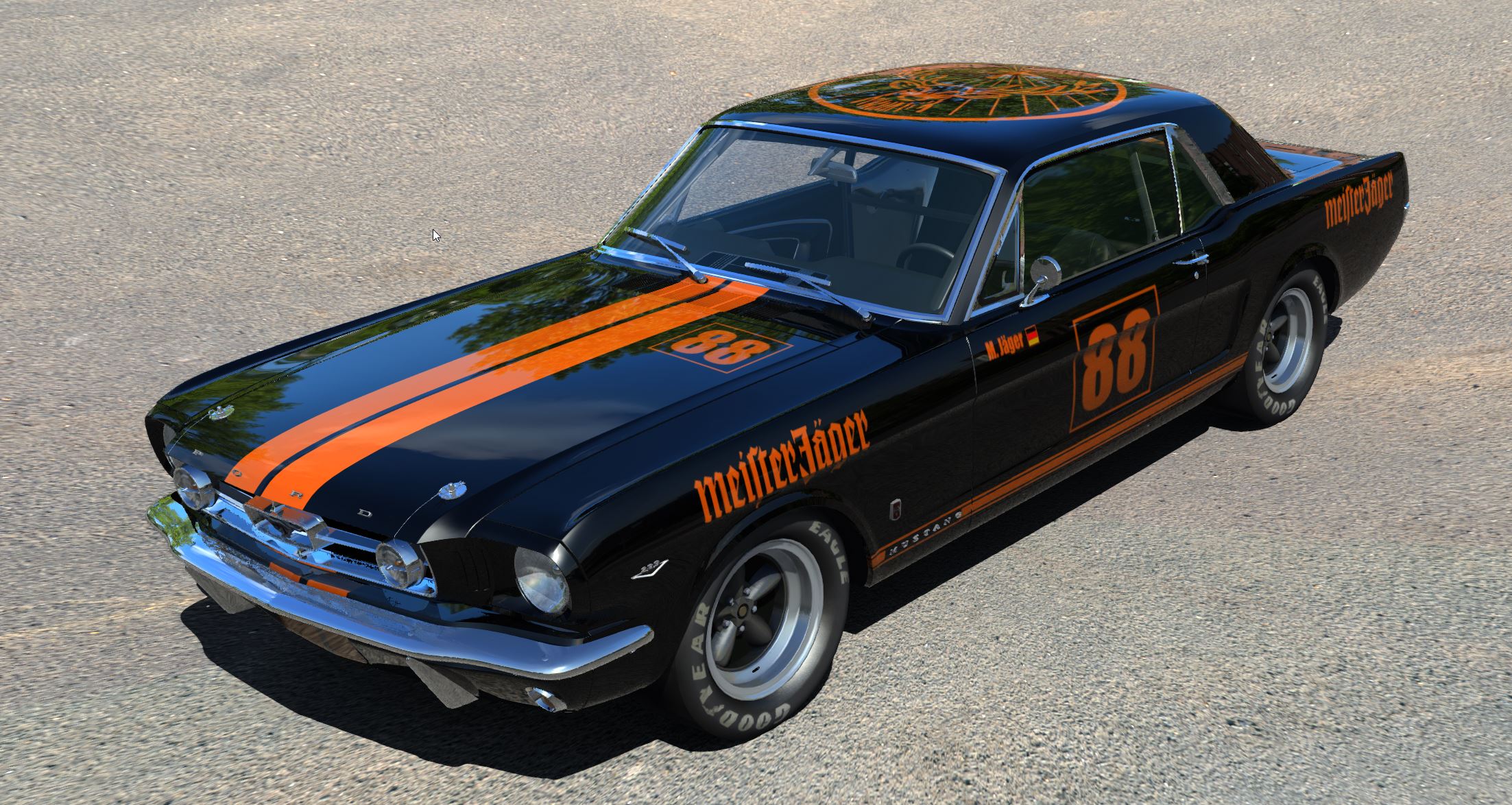
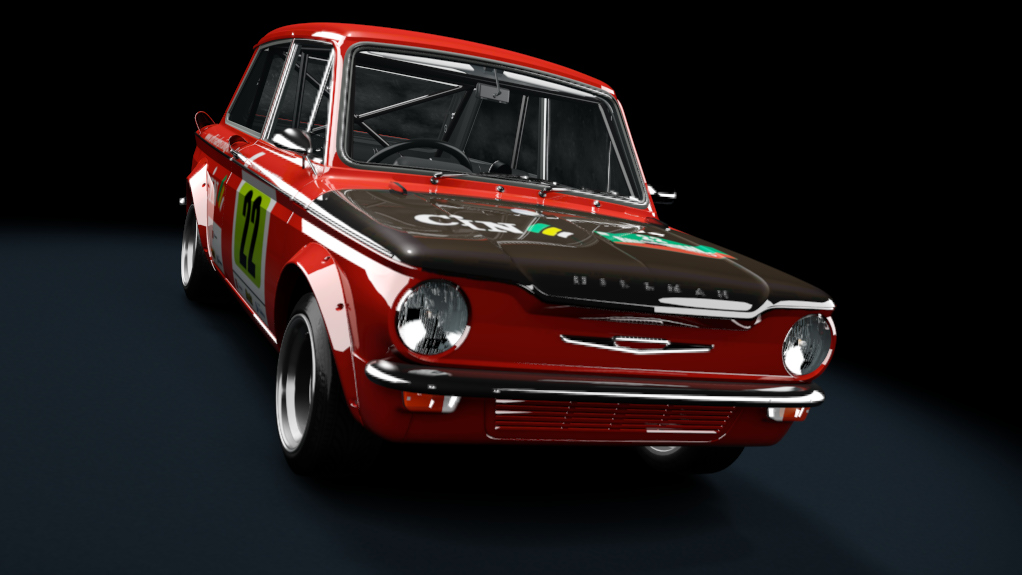
The TCL 60s Championship II rewarded more than the ability to win. Flashor established the early measure, Valentin Knechtel repeatedly challenged it, and meisterJäger turned a late start into the Class A title. In Class B, Gasklep's Hillman Imp combined conspicuous speed with the substance of a championship campaign.
An opening advantage, not a settlement
Across eight meetings and sixteen races, the Championship developed two distinct arguments. In Class A, the principal contest became a struggle between Mustang drivers whose winning records would eventually be identical, but whose less celebrated results differed appreciably. Class B offered another kind of comparison: Gasklep's ability to take the Hillman Imp among the outright leaders against the persistent accumulation of Alessandro Bezzi and the later advance of Nat Stevenson.
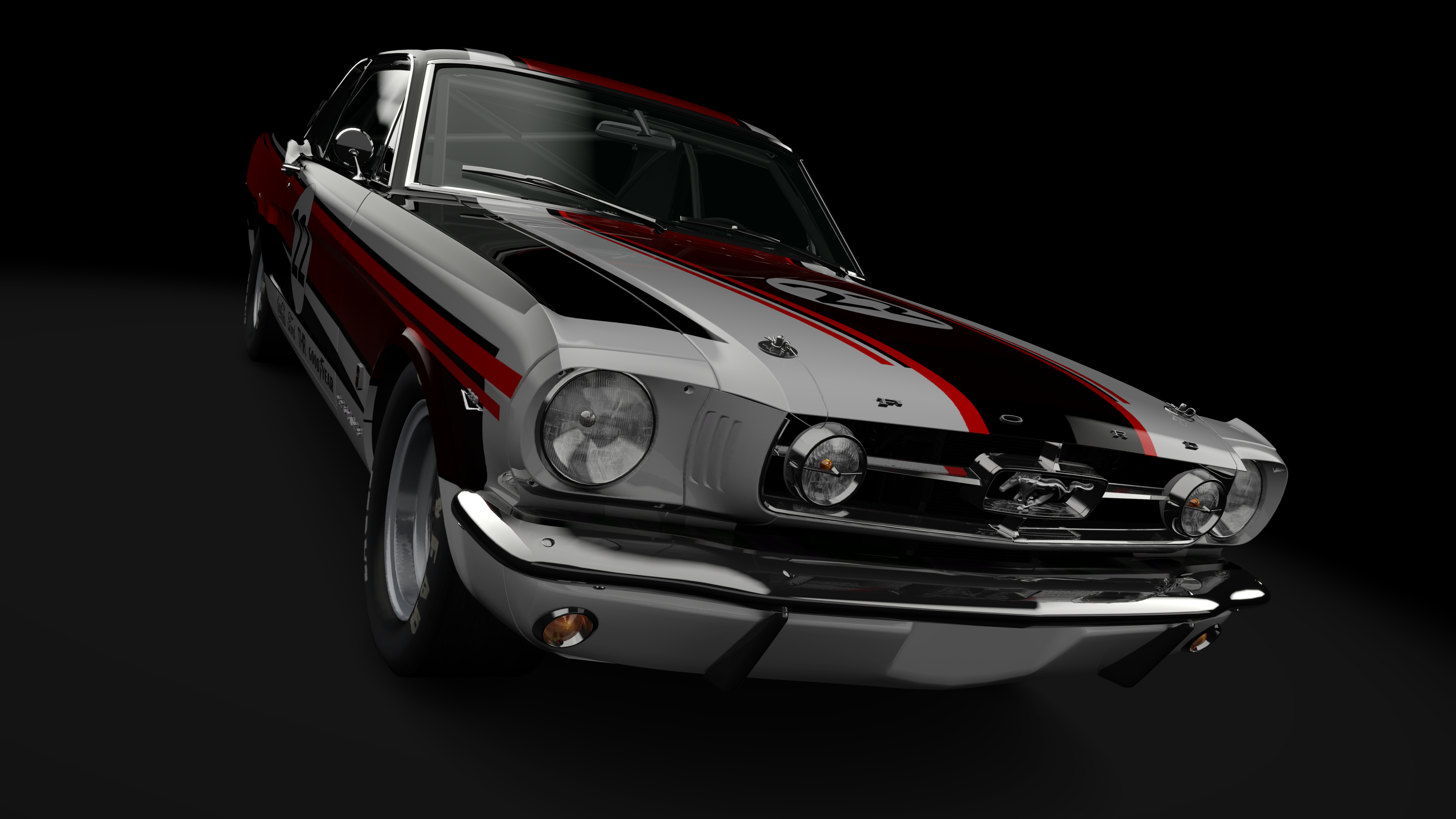
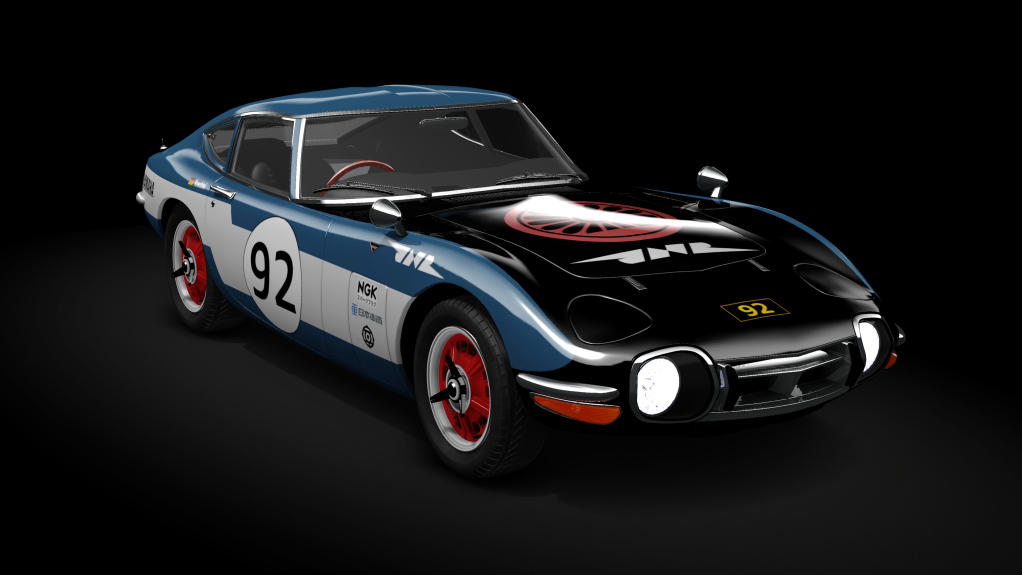
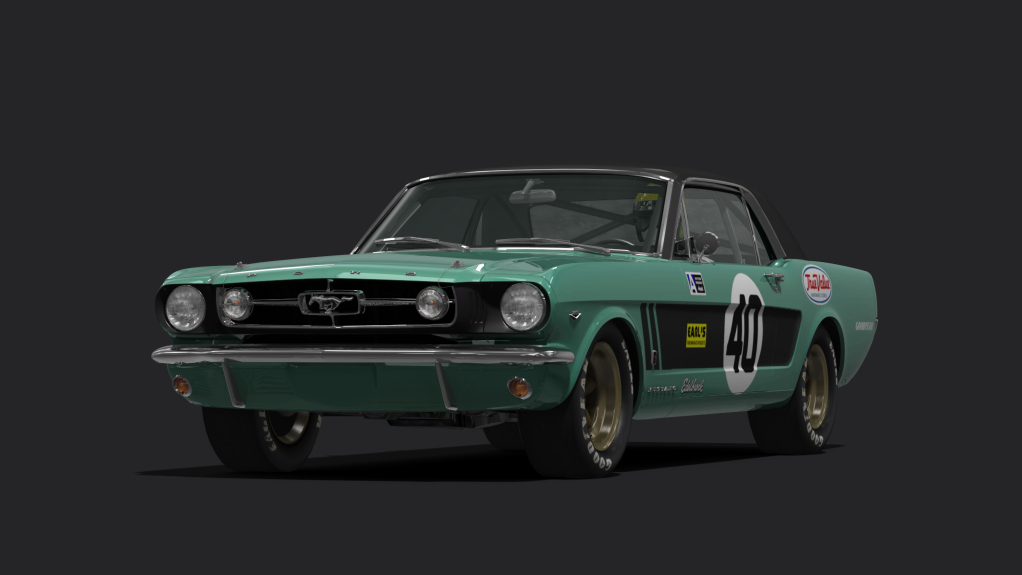
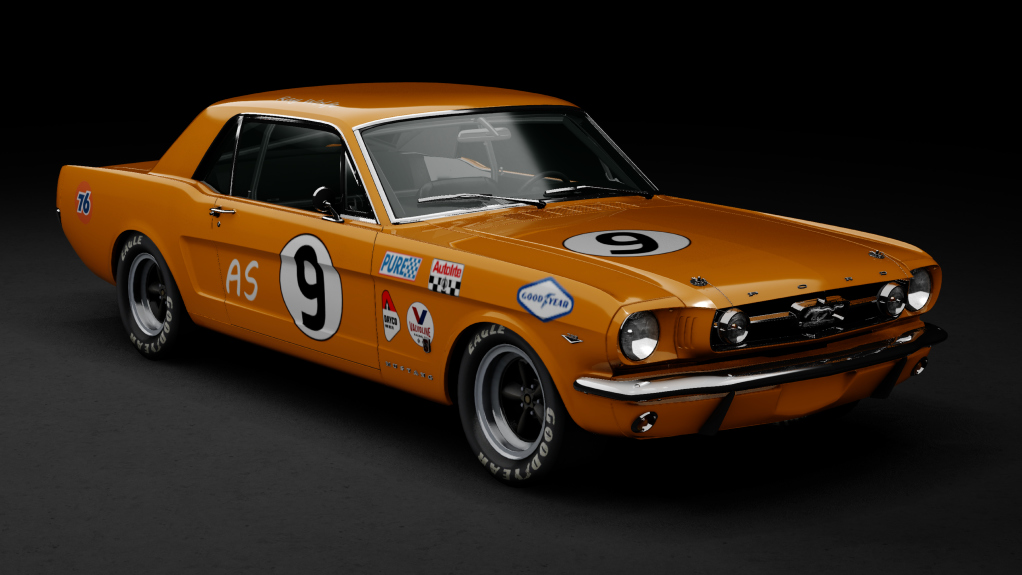
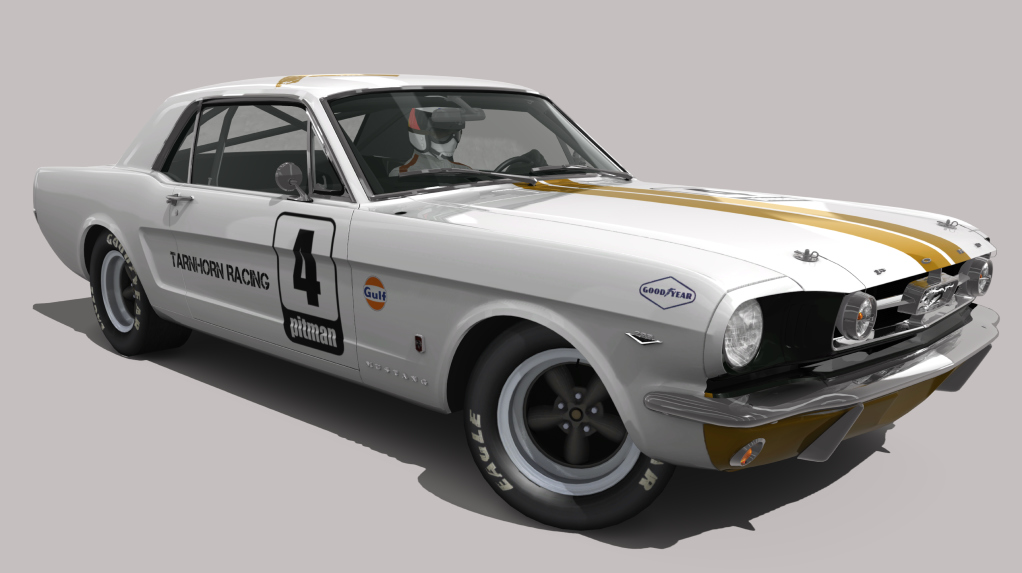
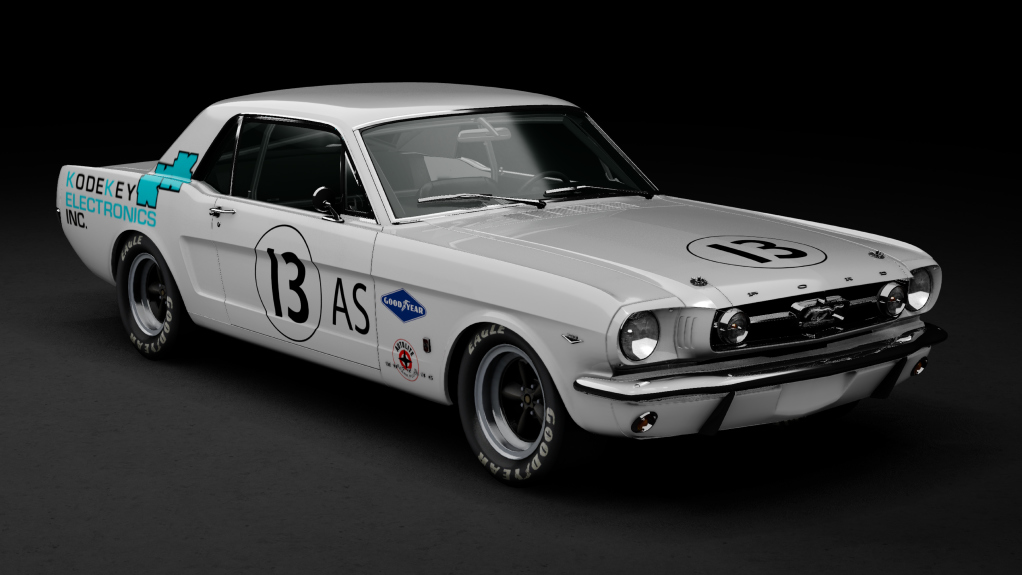
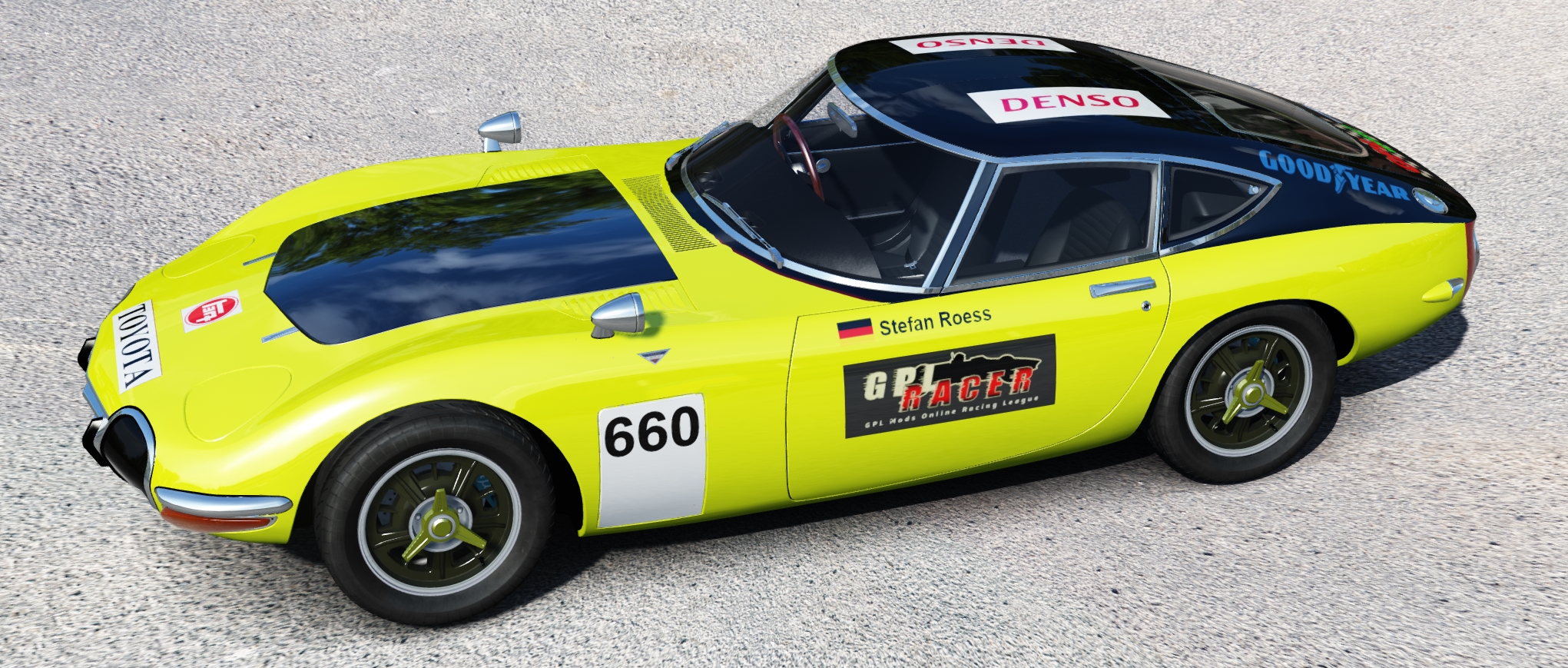
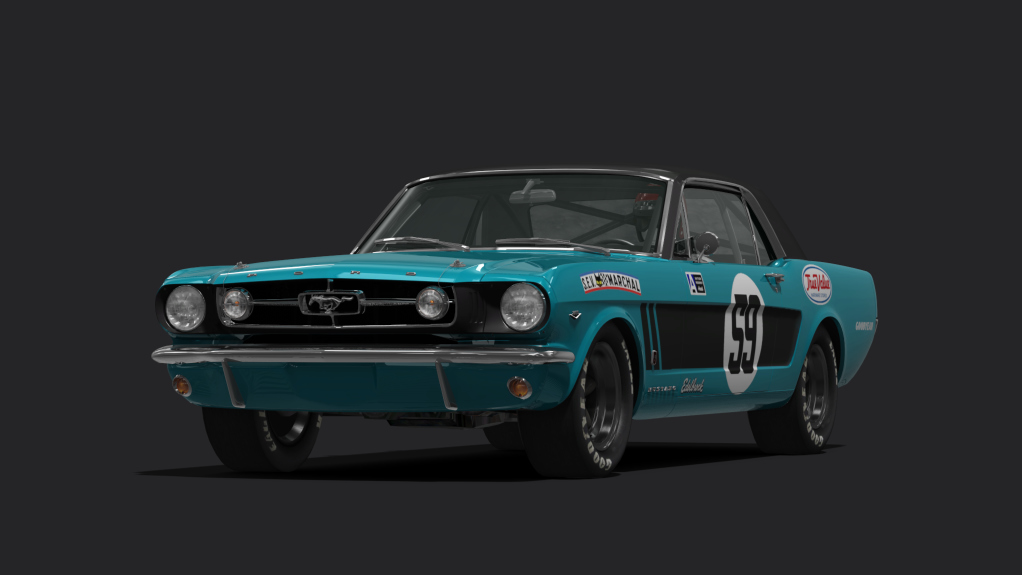
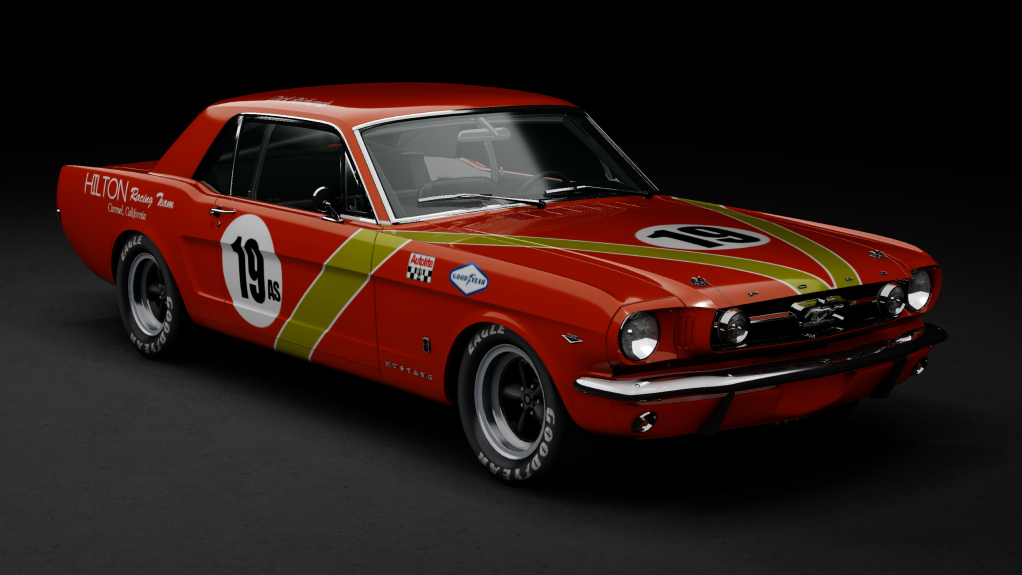
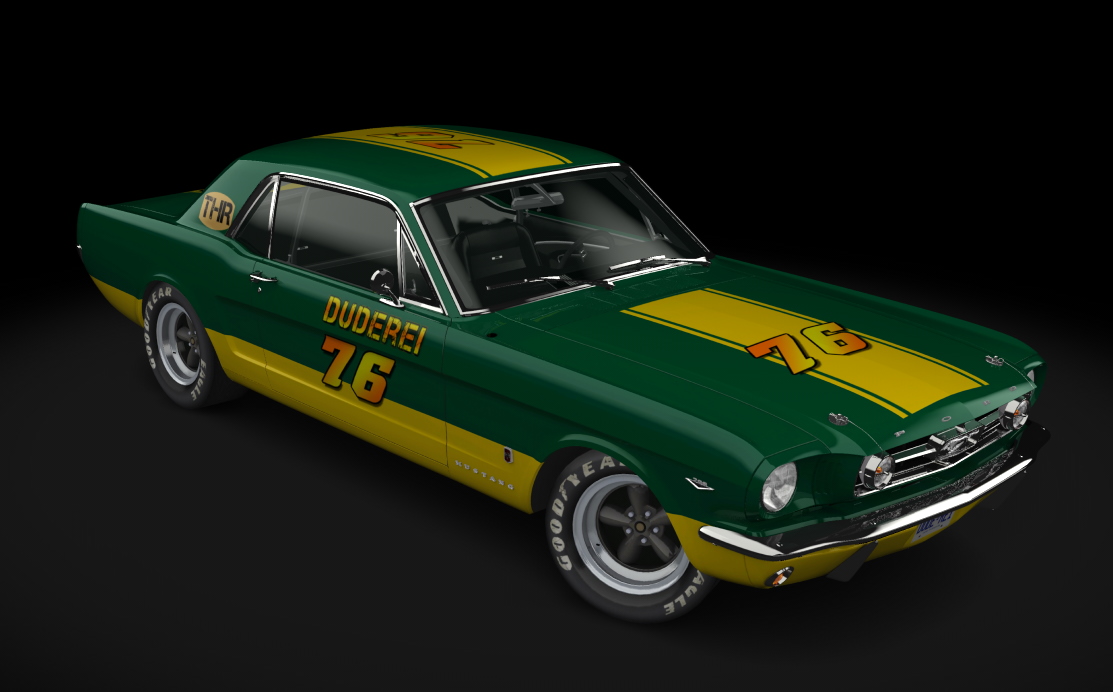
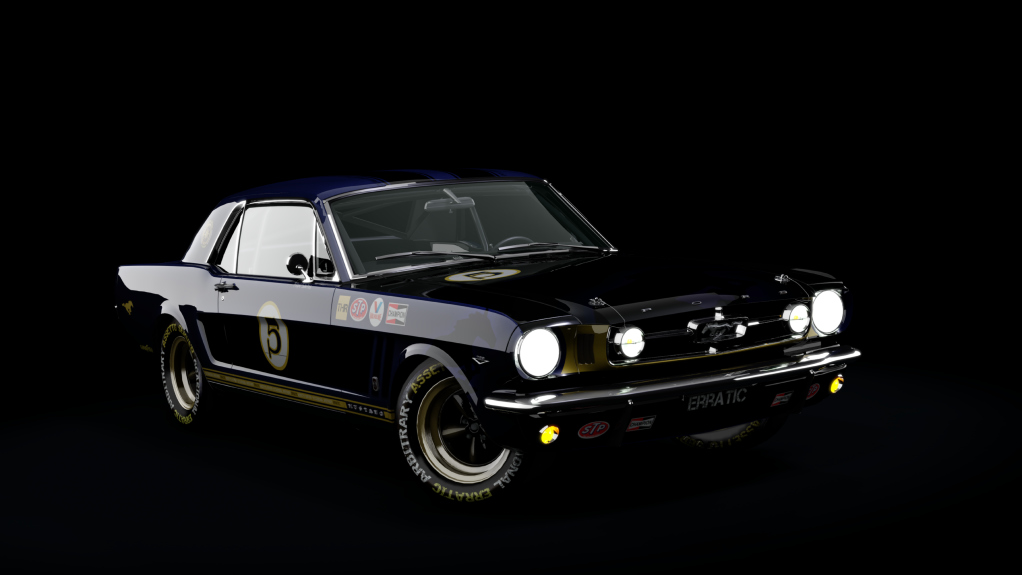
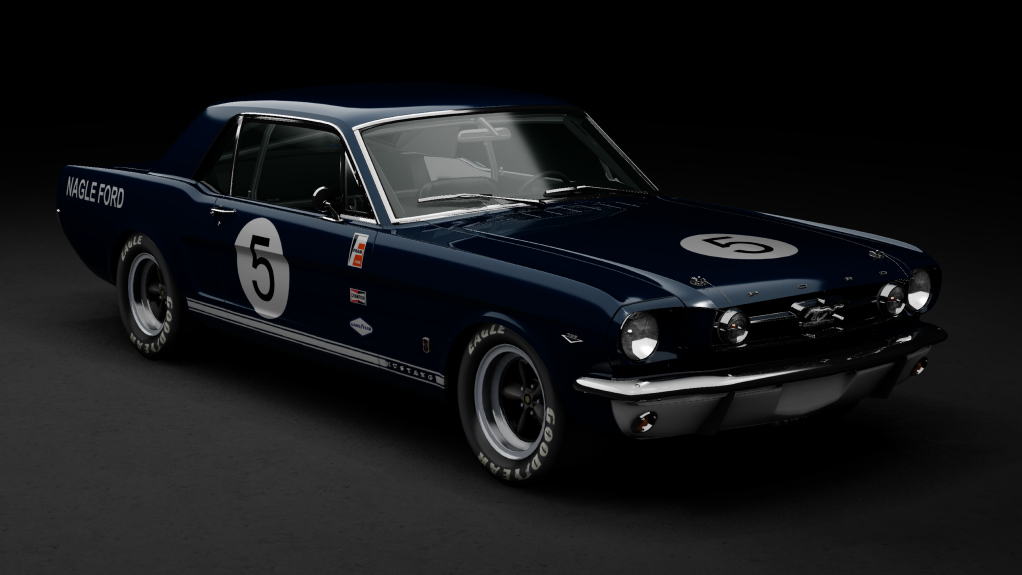
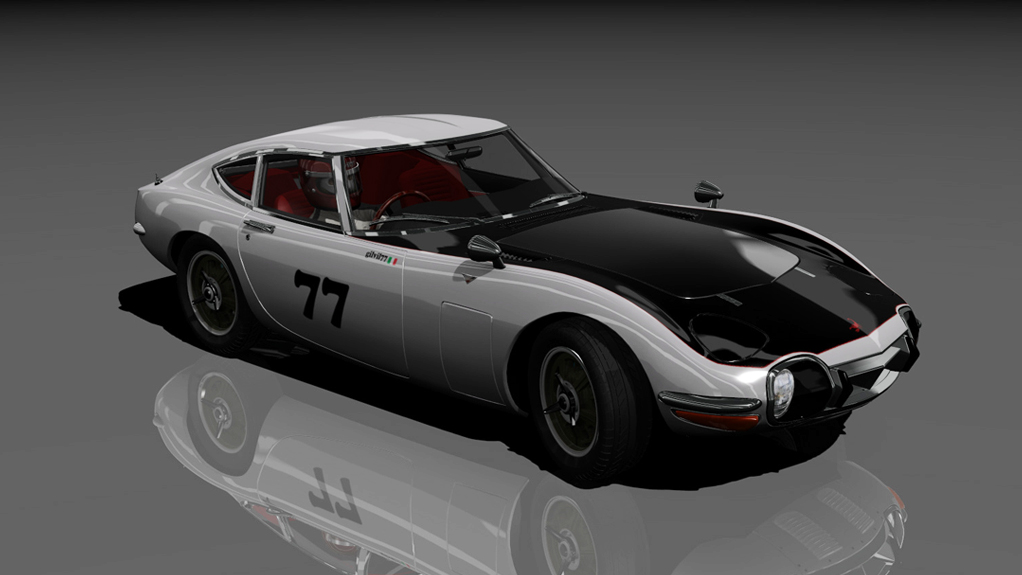
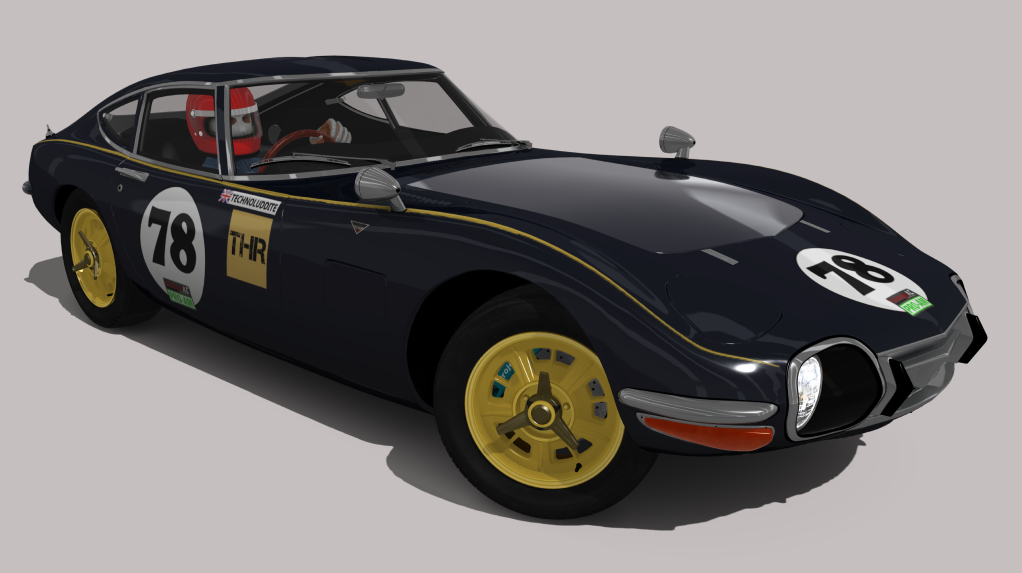
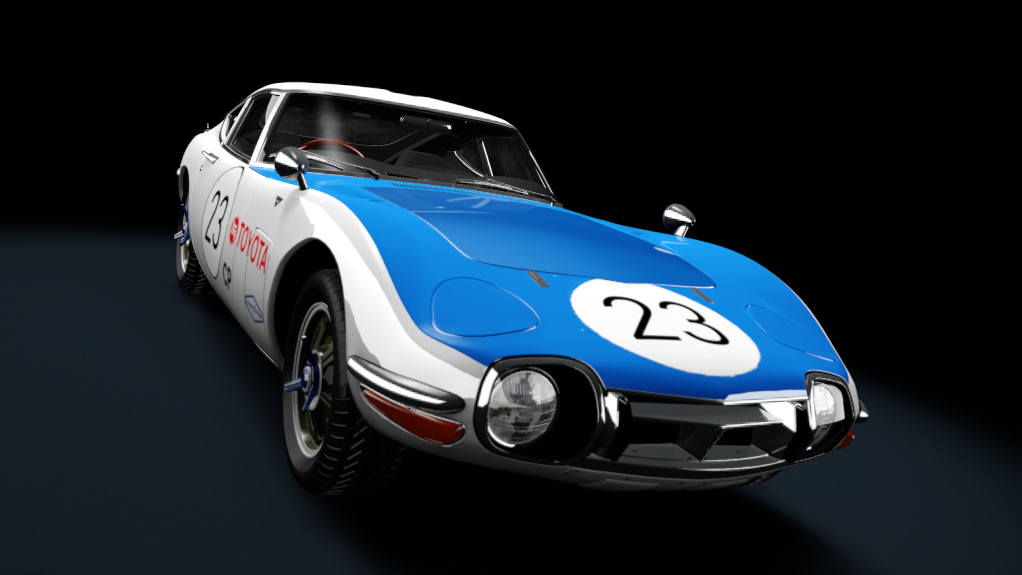
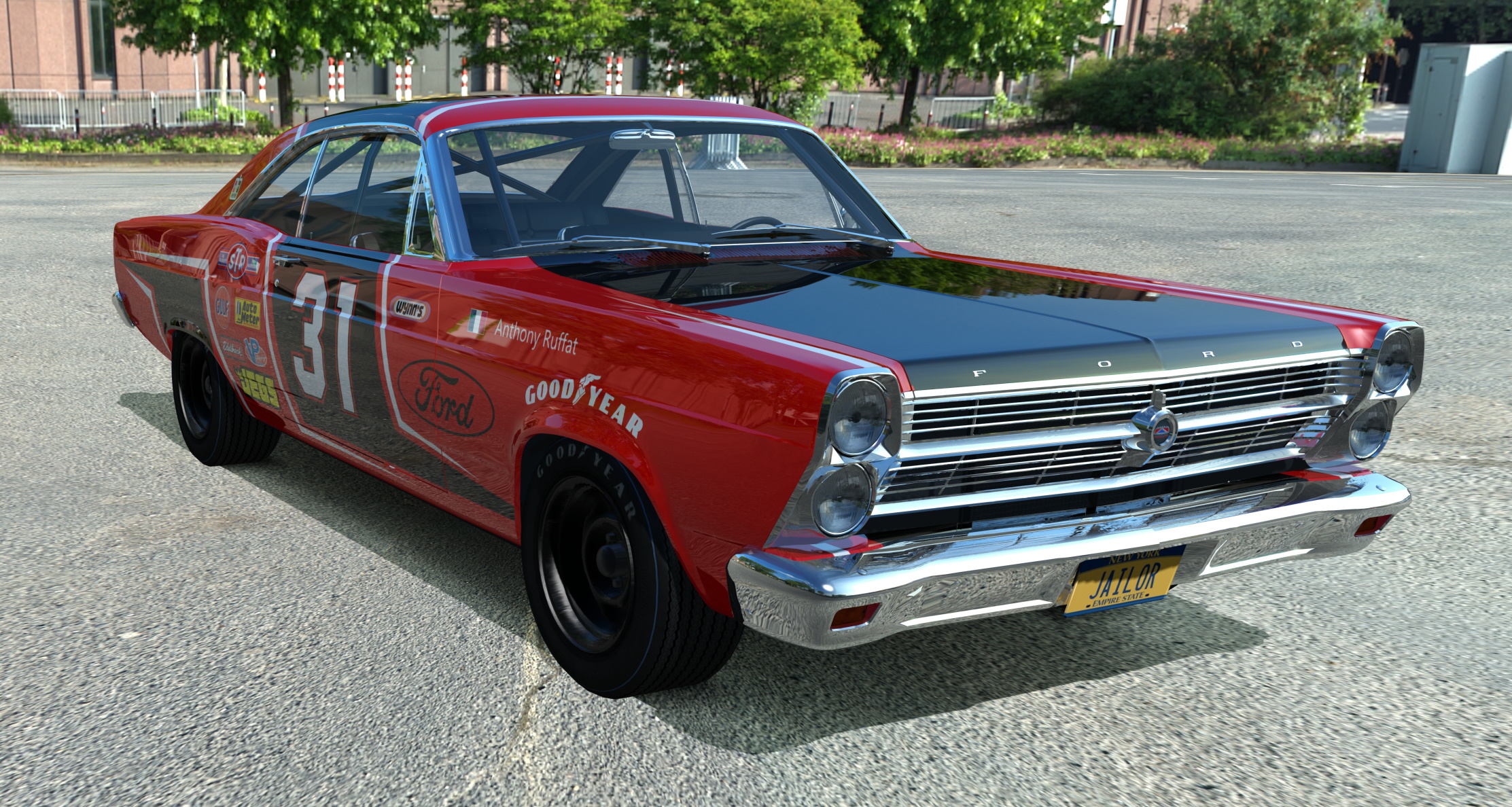
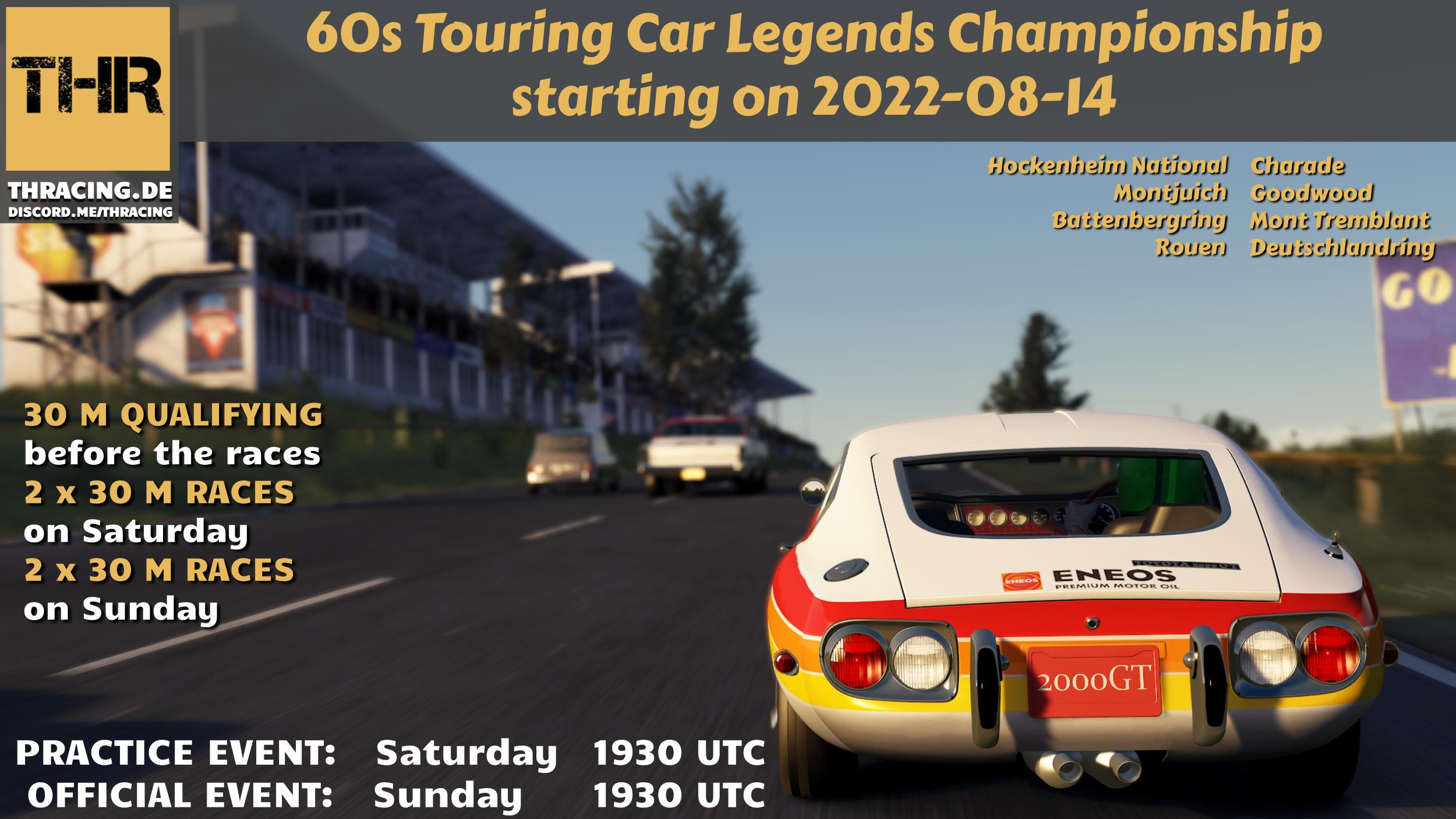
The opening at Hockenheim suggested that the Class A season might belong to Flashor and Valentin Knechtel. Flashor's TCL60 Ford Mustang 289 won the first race ahead of Knechtel's TCL 60s Toyota 2000GT; their order was reversed in the second. Knechtel left with the Championship lead, 56 points to Flashor's 55. Neither had conceded much on the road, and the narrow distinction in the table suited the evidence of the racing.
There was, however, an important qualification to any early judgement. Each driver's poorest meeting could be discarded, leaving seven counting events over the completed season. Absence and a poor afternoon therefore did not carry quite the same consequences as they would in a simple running total. The changing identity of that discarded meeting would become part of the Class A story.
Montjuïc gave Flashor the initiative. He won both races, with meisterJäger second in each on his first appearance of the season. Knechtel was absent, and Flashor moved into the Championship lead on 58 counted points, two ahead of the Toyota driver. The new arrival had not yet beaten Flashor, but two second places immediately established him as something more substantial than an occasional visitor to the leading group.
The pursuit takes shape
Mont-Tremblant changed the character of the contest. meisterJäger won both races, while Flashor finished ninth and seventh. The difference was considerable on the road, although the dropped-score rule softened its immediate expression in the Championship: Flashor's 24-point meeting became his discarded result, and he retained the lead on 113 counted points.
This was the season's first clear demonstration that the table required more careful reading than the latest race order. Flashor's earlier successes continued to serve him, while meisterJäger had supplied the answer to his Montjuïc defeats. The challenge now rested on victories rather than promise.
Rouen supplied a useful test of both men. meisterJäger won the opening race, extending his winning sequence from Canada, but Flashor answered with victory in the second. Flashor's second place in the first race made his the more productive pair of results; meisterJäger was fifth in the return. With Mont-Tremblant still discarded, Flashor's counted total stood at 168.
Nor were the leading Mustangs operating in isolation. Andi Stangl finished third and second at Rouen, while Tyler Van Beek took third in the second race. Their presence mattered because a title challenger could not assume that a race without victory would automatically yield second place. Pete Bondurant, fifth and fourth in the races, moved into third in the Championship on 112 points. Knechtel's ninth and tenth places left the Toyota's early authority looking less secure.
The essential balance had nevertheless survived. Flashor could recover from a poor meeting and answer a rival's winning run. meisterJäger could win repeatedly, but had still to turn that pace into command of the Championship.
A different order, then the decisive reversal
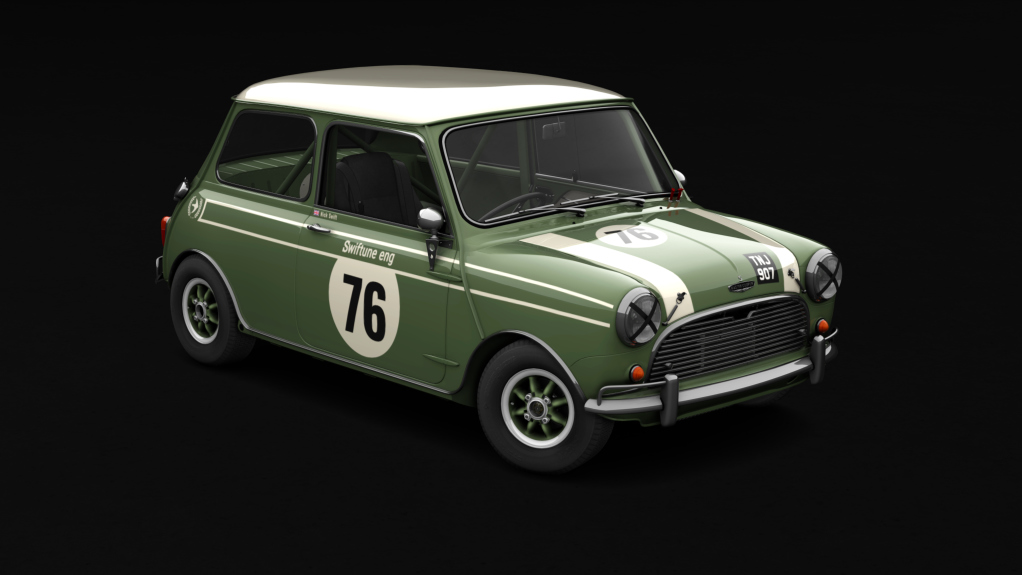
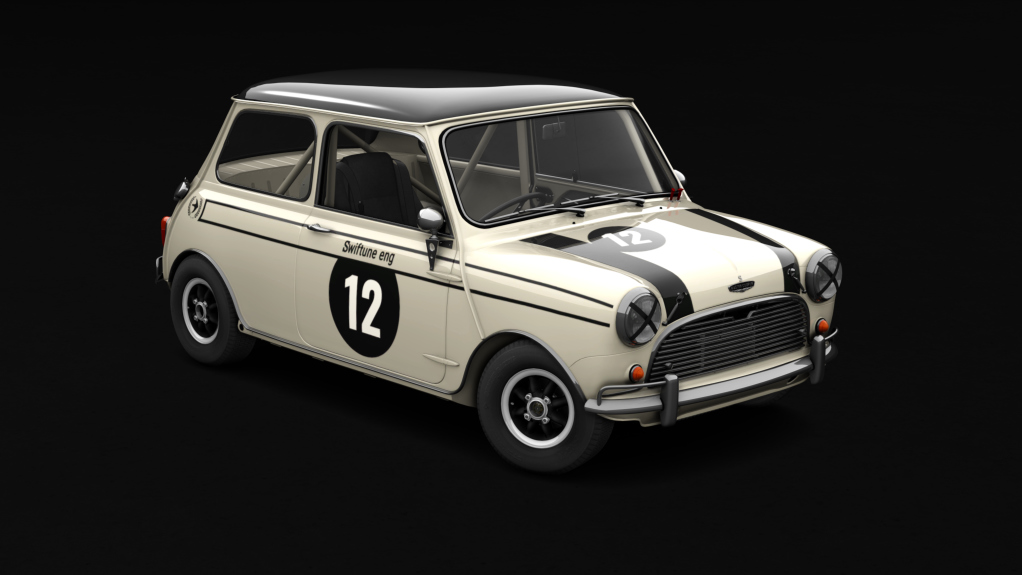
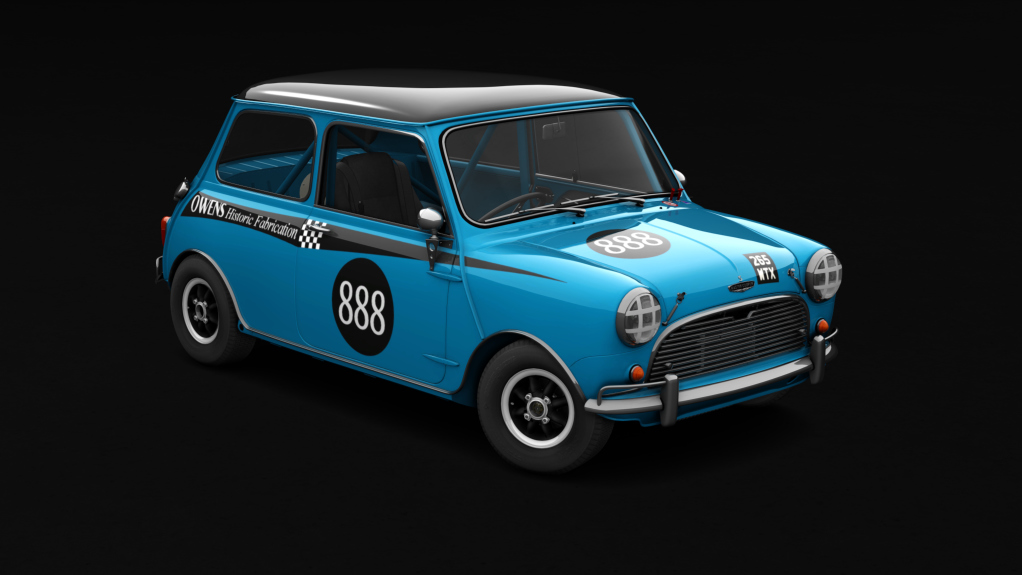
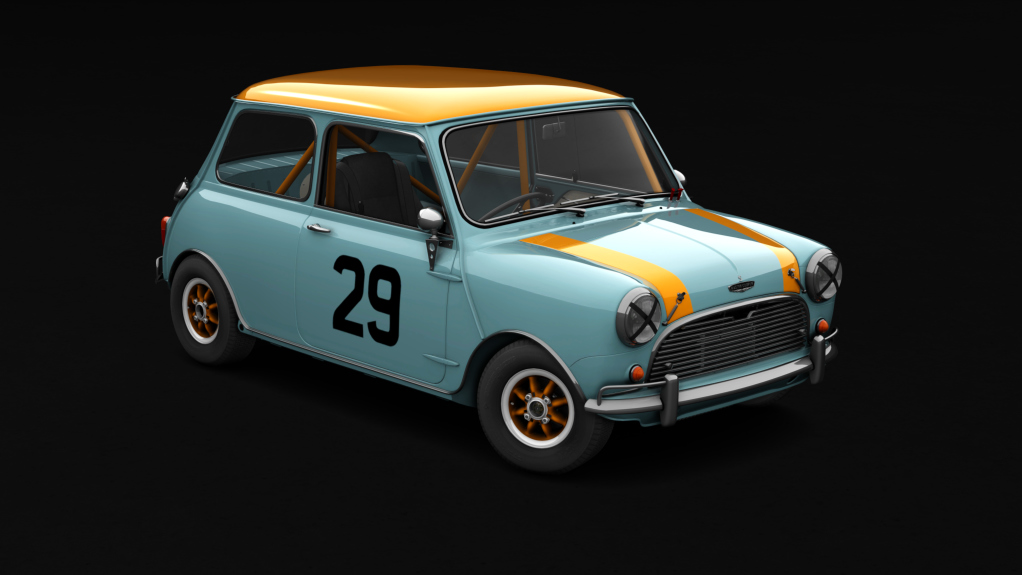
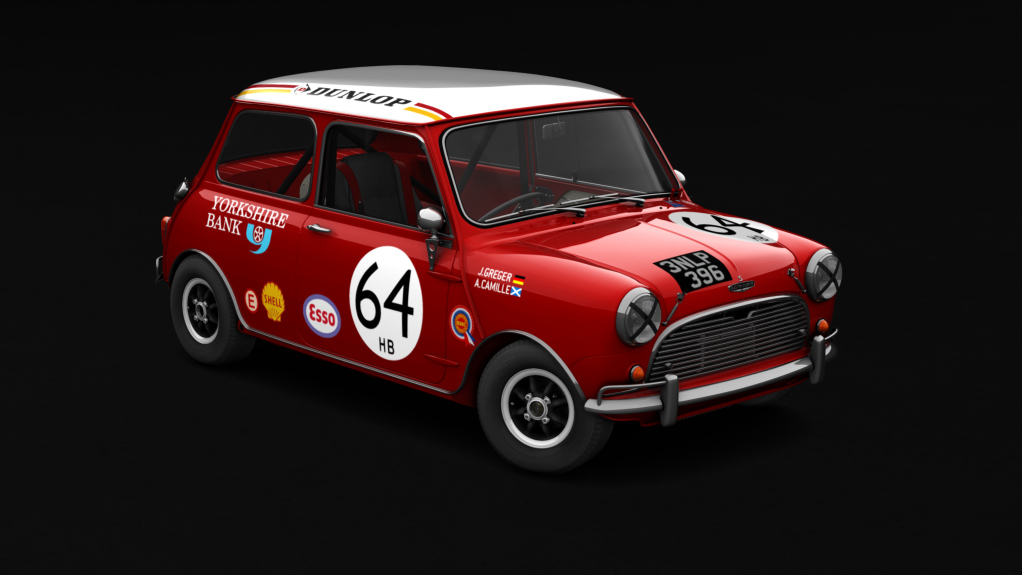
Auverhat interrupted the Mustang argument without resolving it. Knechtel won the opening race, Gasklep brought the Imp home second, and Van Beek finished third. The second race went to George in the Austin Mini Cooper S FIA App.K Historic Racing, ahead of Florian Masse's Toyota and meisterJäger's Mustang. For a meeting, the larger cars' usual numerical strength at the front was no guarantee of possession.
George's victory was a particularly agreeable departure from the established order. His Mini had finished fourth in the opening race, so the success was supported by a strong afternoon rather than standing alone. Masse, too, had a result of real consequence to show for his season. Neither achievement needed a place in the title contest to deserve notice.
For Flashor, two fifth places at Auverhat preserved the Championship lead on 211 counted points. meisterJäger's sixth and third places kept his campaign moving, while Knechtel returned to third in the Championship on 152 points, 59 behind the leader. The Toyota had recovered its winning form, but the contrast between its first and second races remained costly.
Goodwood was the decisive reversal. meisterJäger won both races, Knechtel finished second in both, and Flashor finished sixth in each. Unlike the earlier setback at Mont-Tremblant, this meeting remained in Flashor's counted score: the Canadian result was still his discard. He left Goodwood second in the Championship on 243 points, 22 behind the new leader, meisterJäger.
The significance lay in the combination of results. meisterJäger had taken the fullest advantage of his pace, Knechtel had occupied the next place on both occasions, and Flashor had been unable to limit the loss with a podium. Goodwood did not conclude the contest, but it transferred the burden of pursuit. The driver who had spent much of the season answering Flashor was now the man to catch.
The reply and the reckoning
Flashor's response at Battenbergring was properly forceful: victory in the first race and second place in the next. Yet meisterJäger retained valuable classifications of his own. In the opening race he was officially classified second after completing four of the seven laps; in the second he completed the full distance in third place. The distinction in distance is important, but so was the official reward of the classification.
Bondurant won the second race, giving a season of frequent appearances near the front a victory to set beside them. For Flashor, being second rather than first in that race limited the gain available from an otherwise excellent meeting. His Championship deficit was reduced to 16 points, with 298 counted points, but the lead had not changed hands.
Deutschlandring then distributed the principal honours beyond the central Mustang rivalry. pitman won the opening race ahead of Knechtel and meisterJäger, while Knechtel won the return ahead of pitman and Flashor. meisterJäger finished fourth in that second race, following his third place in the first; Flashor's corresponding results were fifth and third. Neither title protagonist won, and the challenger's final podium did not overturn the order.
The official final classification gave meisterJäger the Class A Championship with 355 points, Flashor second with 335, and Knechtel third with 288. The leading pair both recorded five victories and three second places over the season. The champion's eleven overall podium classifications, against Flashor's nine, better describe the difference than the victory column alone. His campaign was not merely a collection of successful afternoons: it contained fewer departures from the leading positions when victory was unavailable.
Knechtel's three wins and five second places made eight top-two results in total, matching that particular total of both Mustang principals. His difficulty was the uneven return elsewhere. The Toyota could dispute the best places convincingly, but its strong days did not form a sufficiently continuous championship challenge.
The Imp's championship
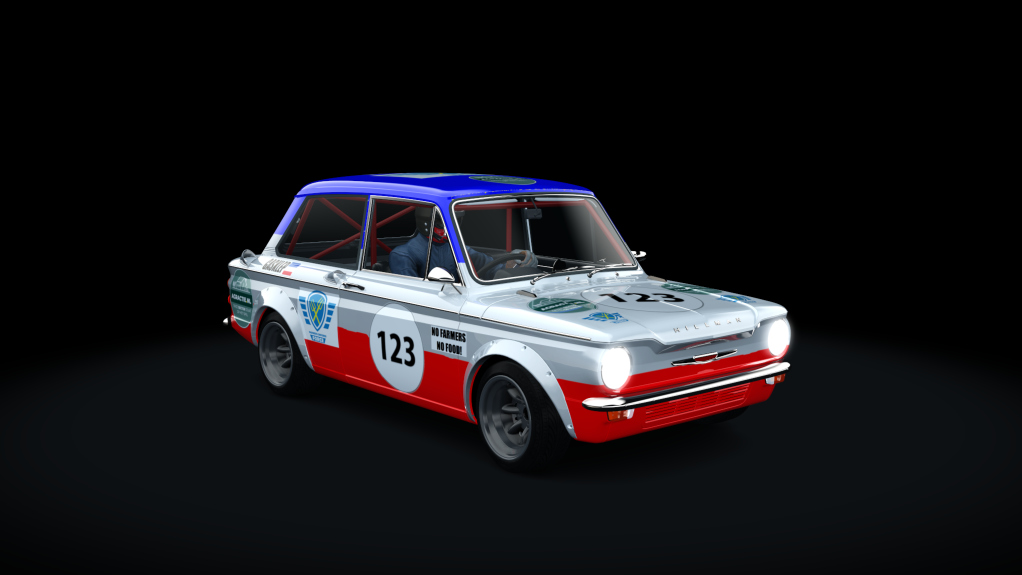
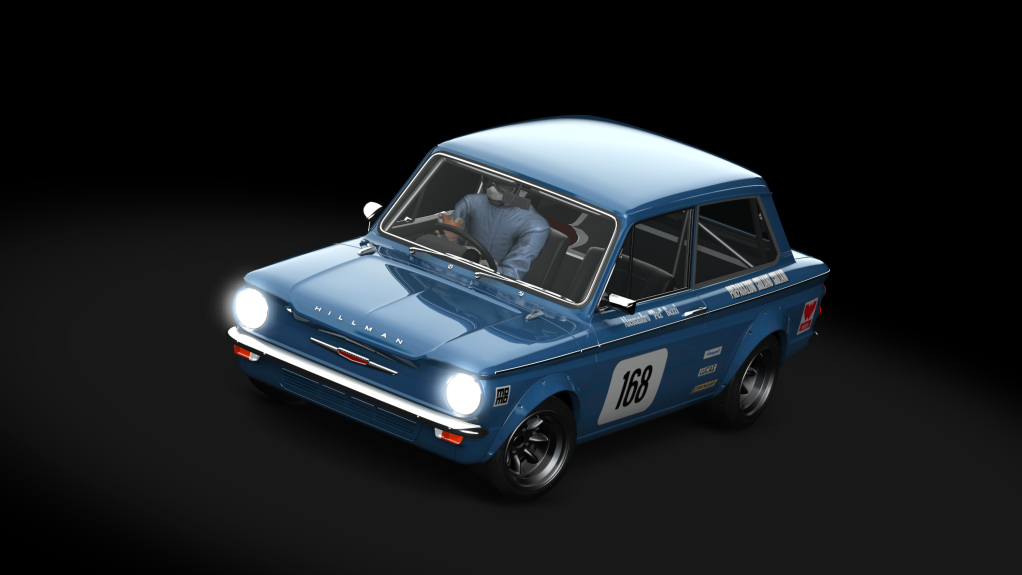
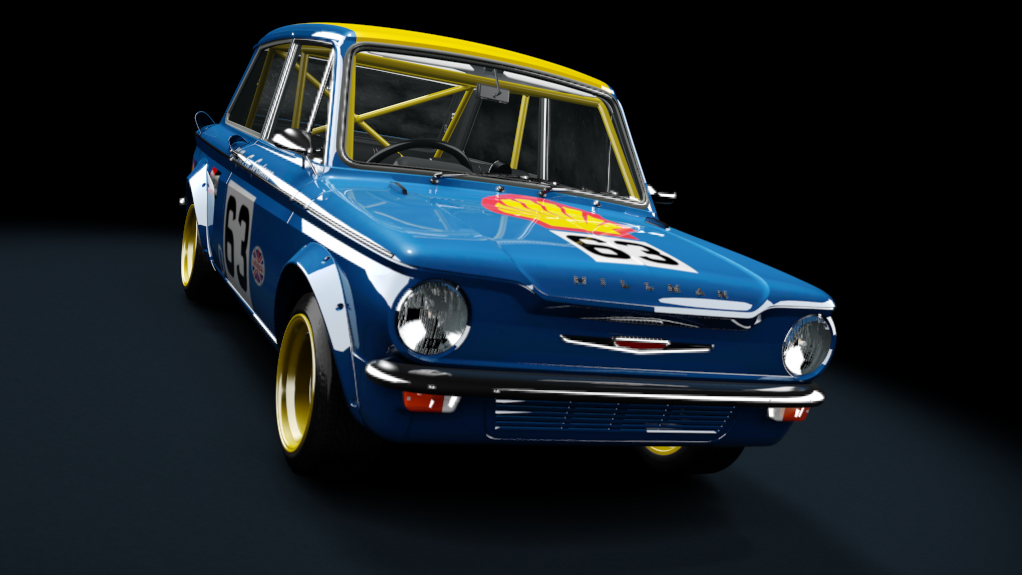
Class B deserved to be considered on its own terms, even when its leading car intruded upon the outright contest. Gasklep opened with two third places overall at Hockenheim and added another at Montjuïc. These were unusually visible foundations for a class campaign, and Auverhat's second place later confirmed that the Imp's early speed was no passing circumstance.
Bezzi's challenge was less conspicuous in the overall order, but persistent. After Mont-Tremblant he stood second in Class B on 98 counted points, 20 behind the leader. After Rouen that deficit was 23 points. Gasklep's absence from the Canadian meeting had not dismantled the advantage established earlier, while Bezzi continued to make himself the regular reference behind him.
Goodwood widened Bezzi's deficit to 41 points, but Battenbergring brought it back to 29. There, Gasklep was classified eighteenth in the second race after completing four of seven laps. Bezzi's second-race tenth place overall helped sustain his pursuit, while Stevenson finished eighth overall in the same race and moved into third in Class B on 237 points.
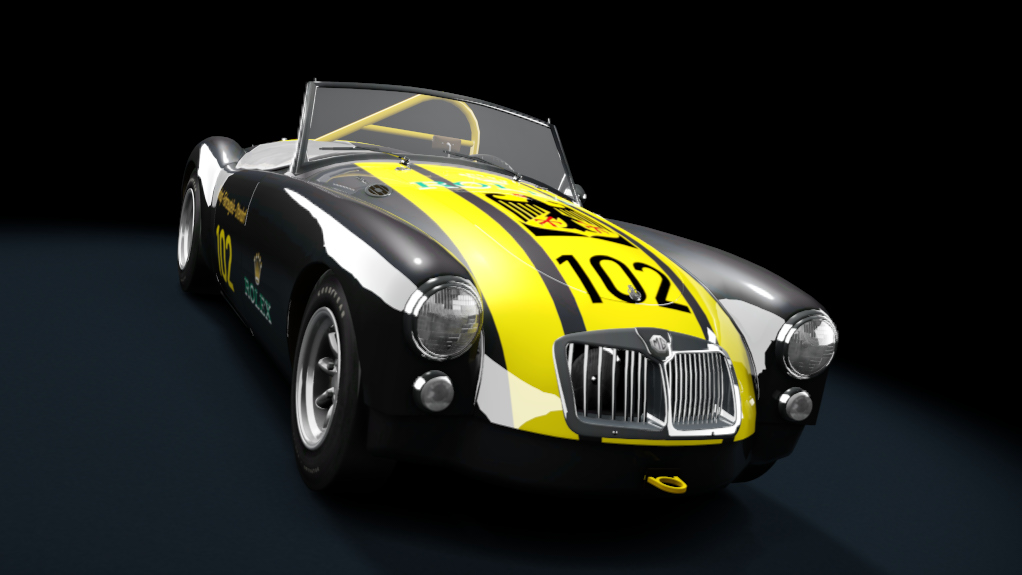
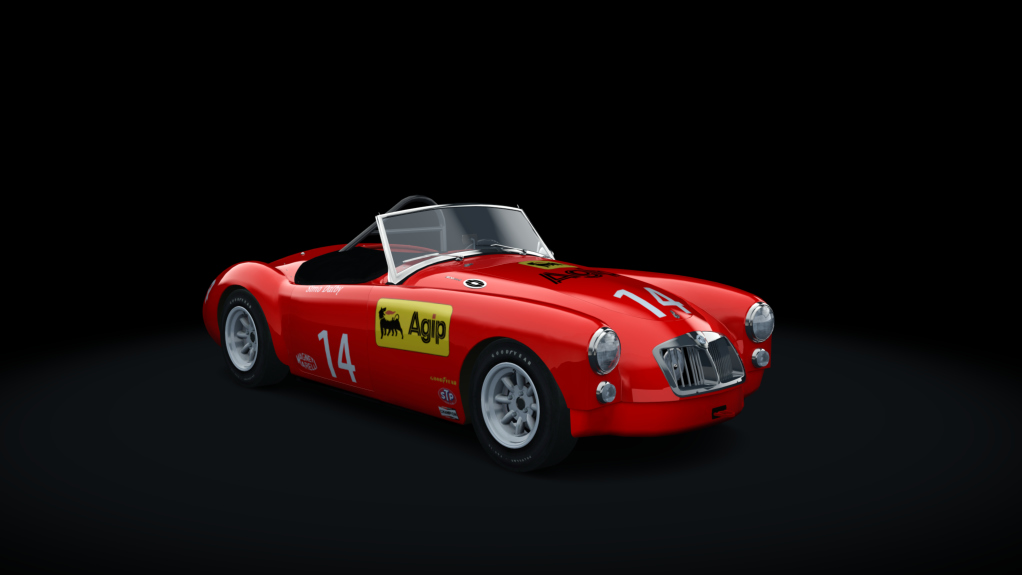
The completed Championship belonged to Gasklep on 324 points, ahead of Bezzi on 293 and Stevenson on 281. Hillman thus supplied the first two cars in the class standings, with Stevenson's TCL 60s MG-MGA (Race) THR22 completing the leading three. Bezzi's regular participation had kept the contest alive; Stevenson's late progress carried him ahead of lucent, whose Mini campaign ended fourth in the class on 264 points.
There was a pleasing breadth to the smaller cars' contribution. Outside the Mustang and Toyota, the season's five overall podium appearances consisted of Gasklep's four and George's Mini victory. The Imp supplied the sustained class achievement; the Mini supplied the outright success. They were different distinctions, and the Championship was richer for both.
meisterJäger and Gasklep arrived at their titles by different routes, but neither depended upon a final flourish. In Class A, meisterJäger's repeated victories and valuable places secured the title ahead of Flashor and Valentin Knechtel. In Class B, Gasklep's early authority endured, with Alessandro Bezzi second and Nat Stevenson third. Across markedly different cars, both podiums reflected how much each driver made of the meetings that counted.