JackCY Takes the Longer View
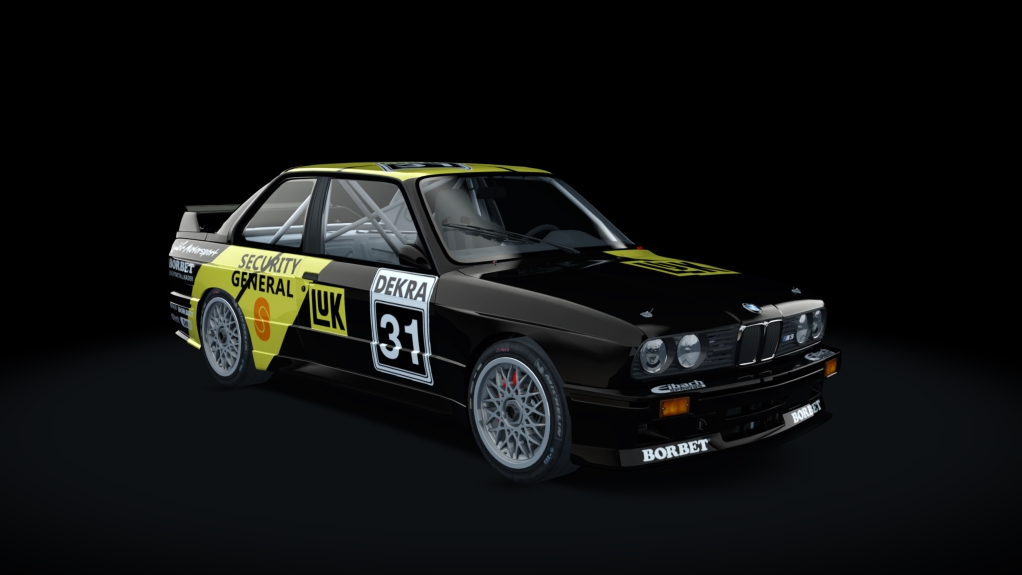
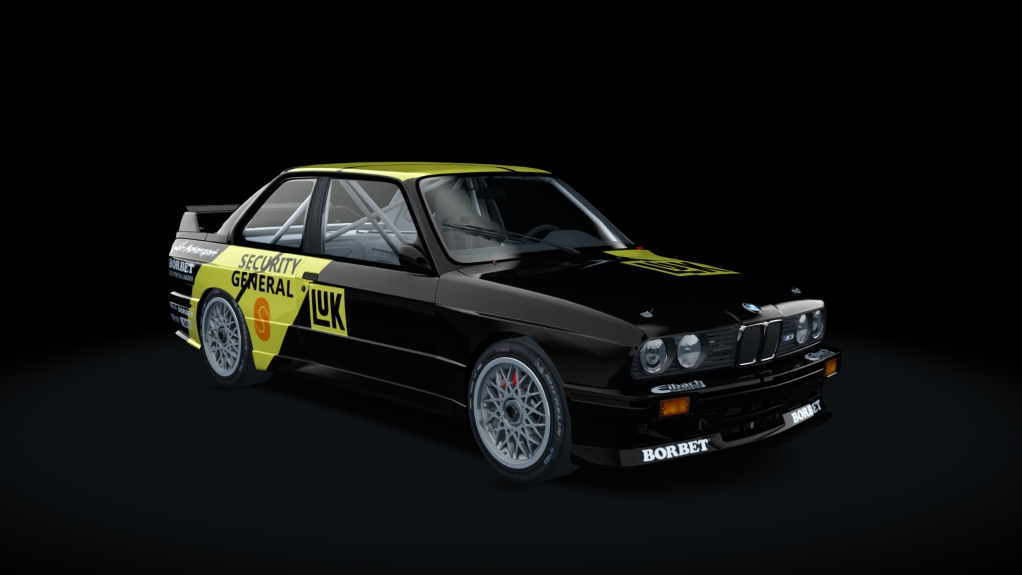
Philip Kraus set the pace through the middle of the DTM 90s Championship, and Maddie Shepherd won its concluding race. The title nevertheless belonged to JackCY, whose BMW was never absent from the podium during a compact season in which attendance, discarded scores and sustained competitive form mattered as much as the number of victories.
A championship of contrasting strengths
There was no shortage of speed among the leading Ford Sierras, nor any doubt about their capacity to win. What distinguished JackCY's campaign was the absence of a weak race. Across six Championship rounds, the BMW driver combined enough victories to remain a direct threat with the repeated high placings that kept the account in good order when others were winning. It was not a championship secured by waiting upon the opposition. It was secured by remaining close enough to answer them.
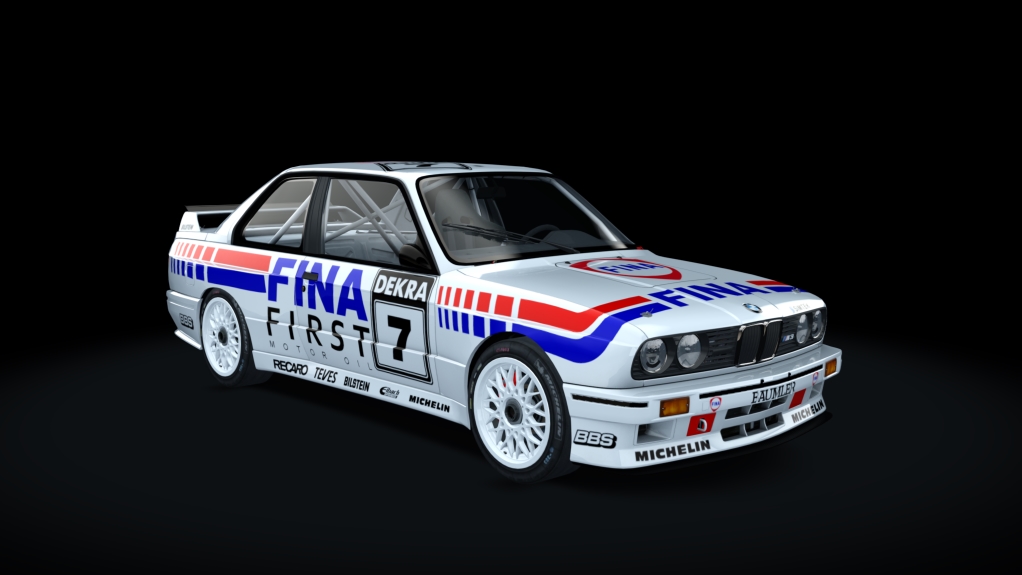
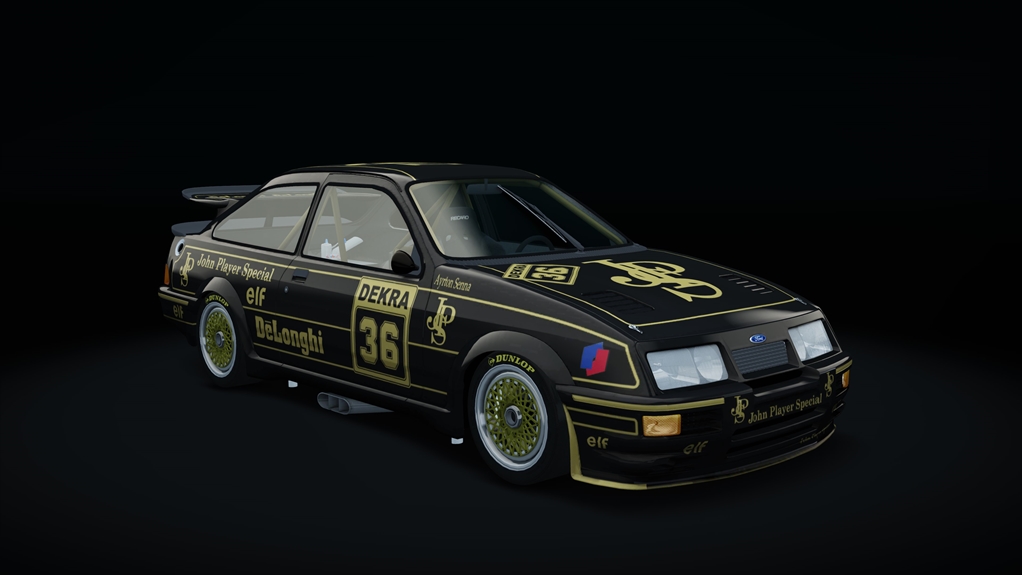
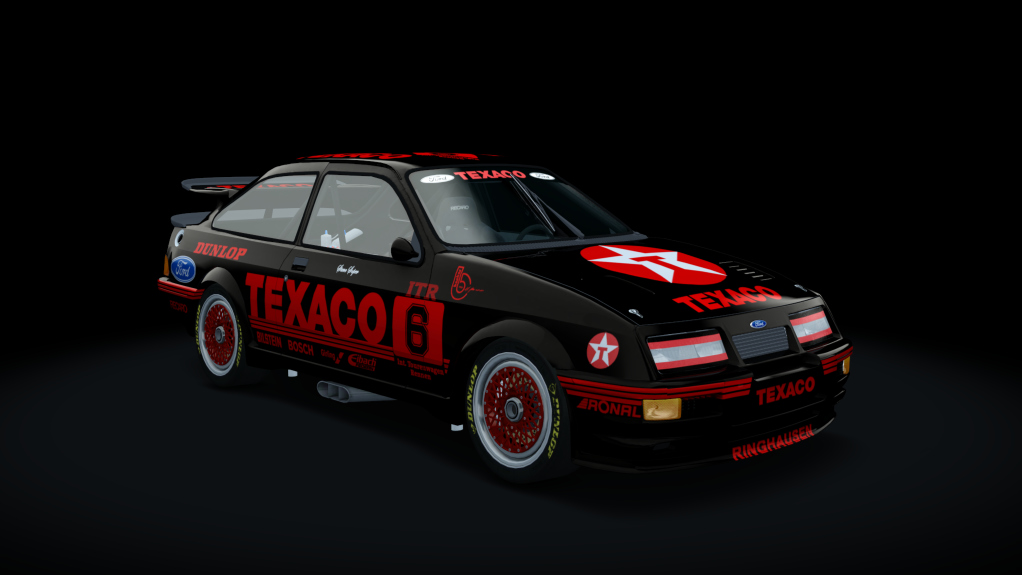
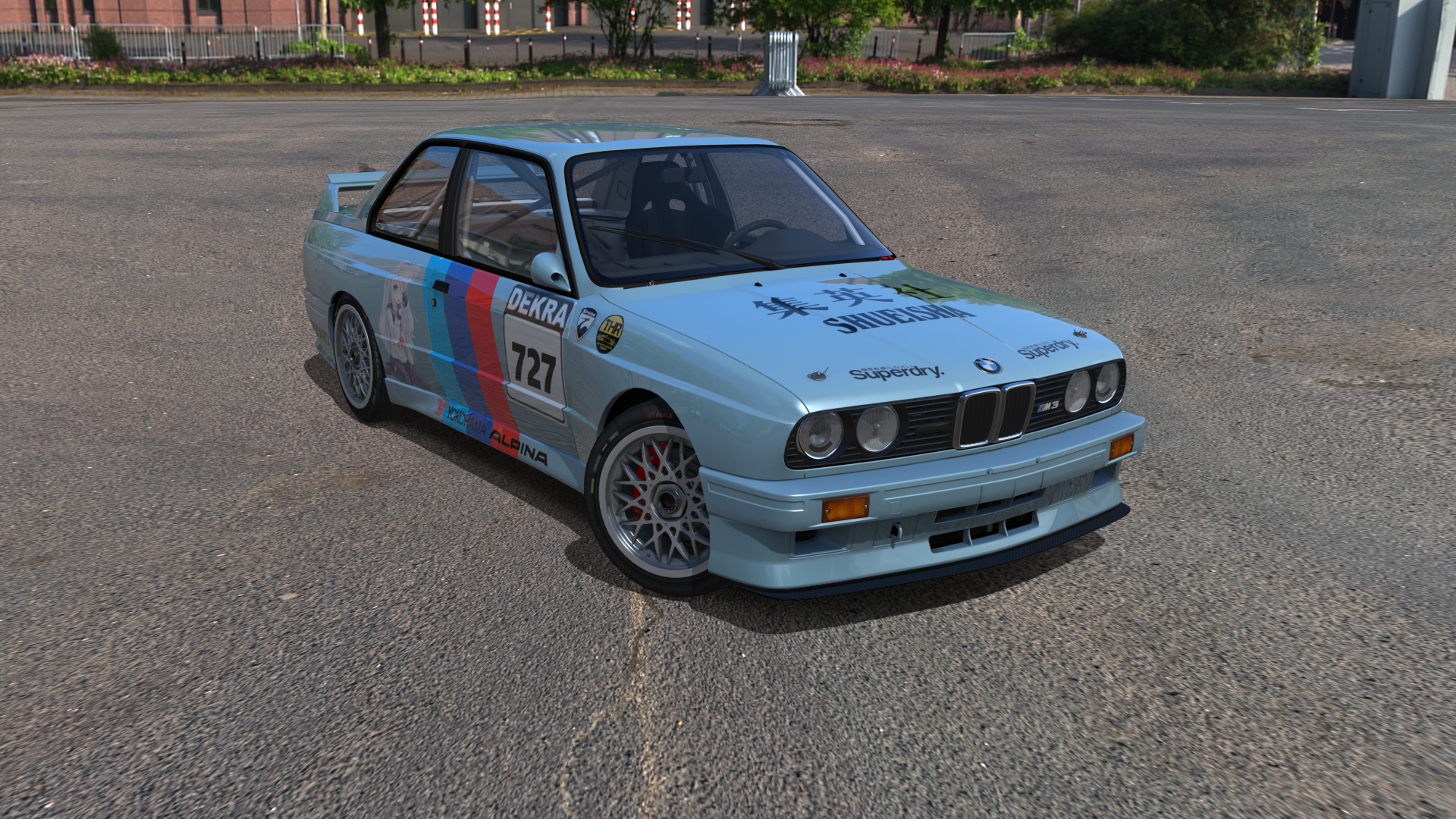
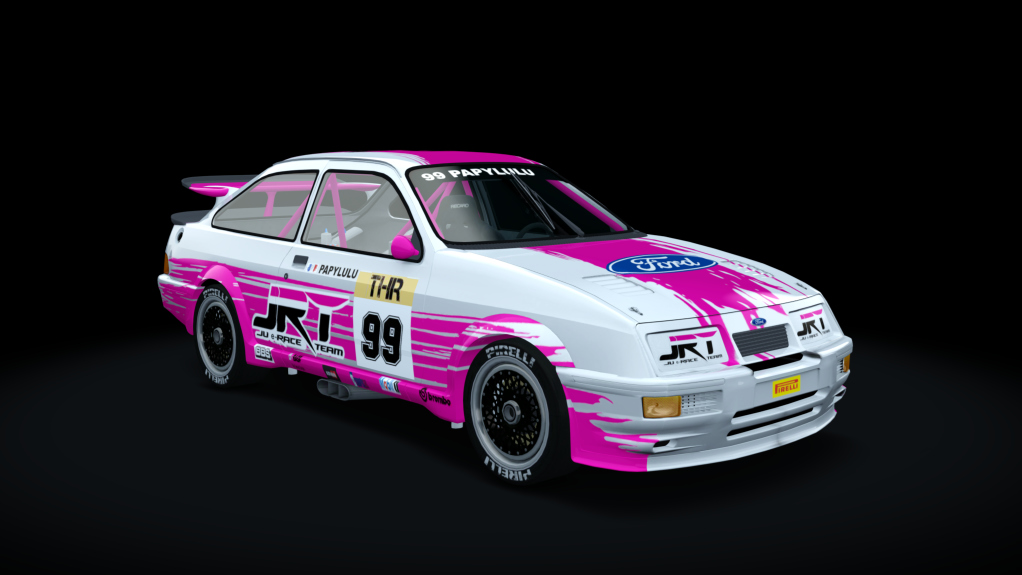
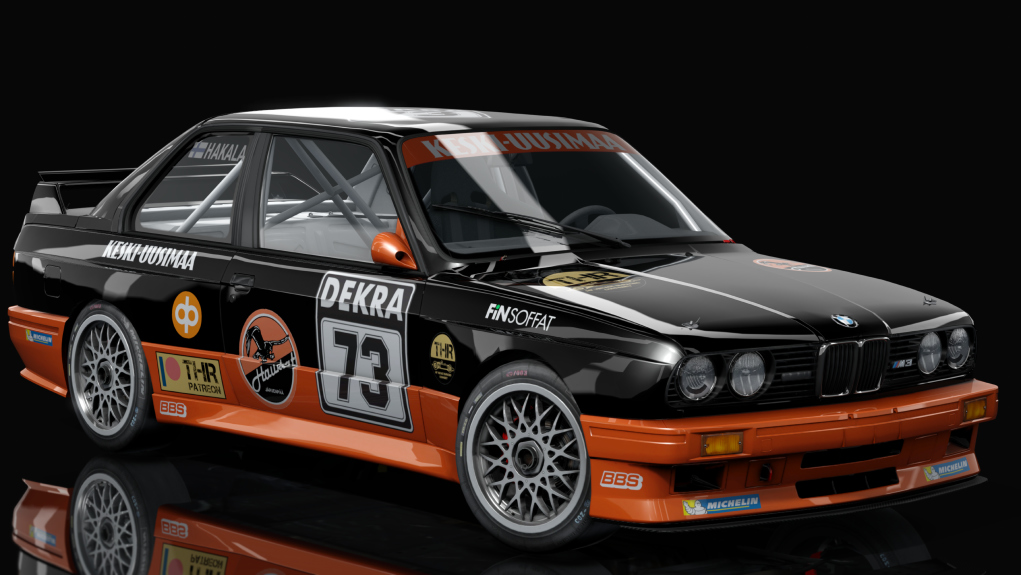
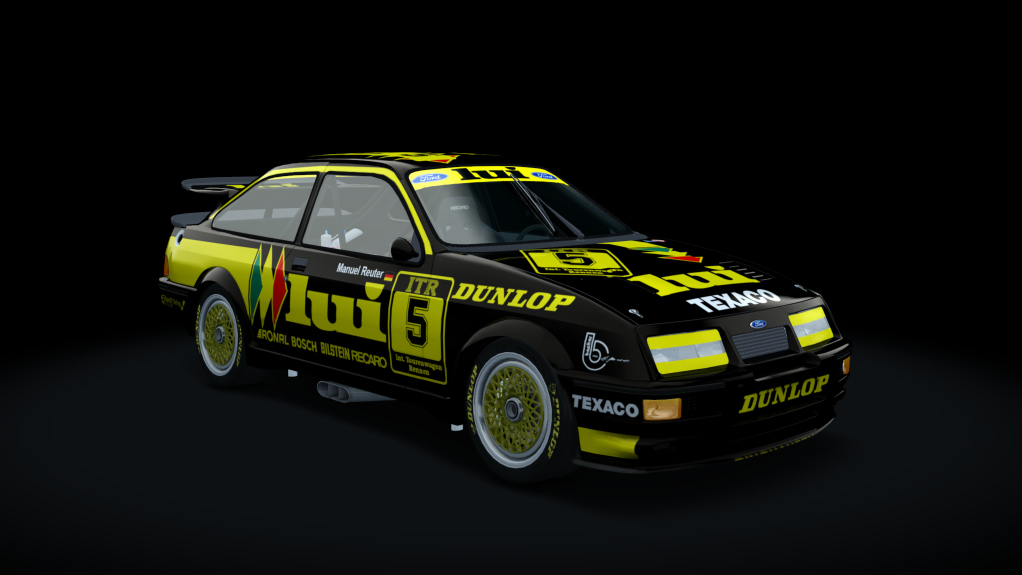
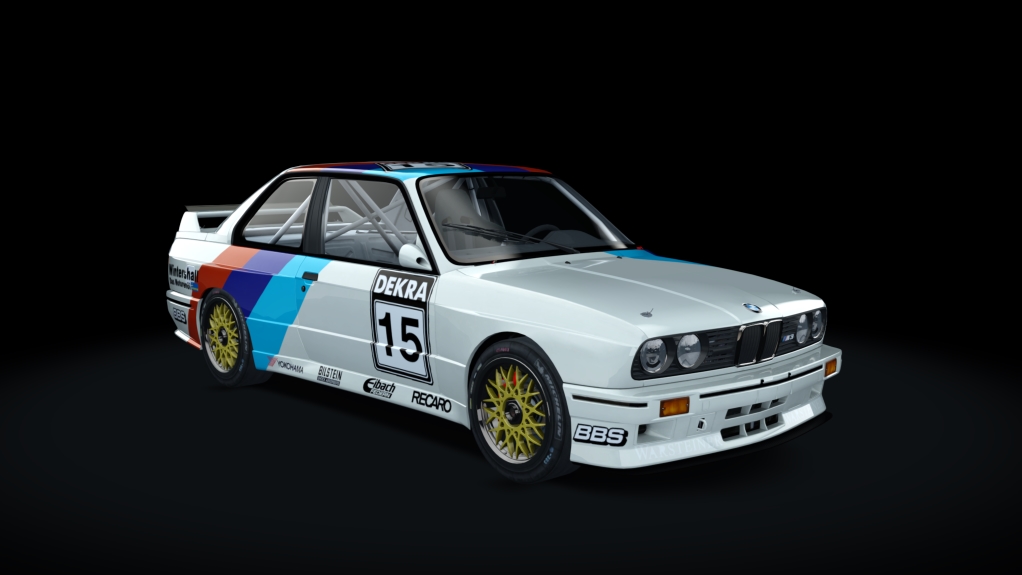
The final figures gave JackCY 163 points, Maddie Shepherd 157 and Philip Kraus 134. Thus a BMW M3 E30 Gr.A 92 stood ahead of two Ford Sierra RS500 DTM 90s entries in the Championship, although the Sierras had supplied much of the season's winning form. Kraus's concentrated run of success and Shepherd's persistent challenge made the eventual margin a modest one.
The scoring rule was an important part of this balance. Each driver could discard one result, leaving five counting events from the six-round programme. Consequently, a missed meeting did not immediately remove an established score from contention, while a driver who appeared throughout could lose the value of a substantial placing. The distinction became particularly important late in the season. The table did not always move in the same way as the race results, and a correct reading of the contest required both to be kept in view.
The opening exchange
JackCY established the BMW's credentials at the Norisring, winning ahead of Shepherd and Kraus. The winner also recorded the fastest lap, though the best laps of the leading Sierras were close enough to discourage any assumption that the opening order would become a permanent arrangement. BMW had taken the race; Ford had placed two cars immediately behind it. The principal rivalry was already recognisable.
At Salzburgring Legion, Kraus supplied the answer. He won with JackCY finishing second, reversing their relative order from the opening meeting and beginning the passage of the season in which the Sierra driver would exert the strongest influence. Shepherd was classified fourth after completing 41 of the race's 42 laps. It was a less productive result than the Norisring second place, but not one that broke the continuity of the challenge.
The discarded-score calculation now had a visible effect. Kraus shared the Championship lead on 35 counted points, his Norisring score being set aside at that stage. Shepherd stood third in the Championship on 32 points, three behind the lead, with the Salzburgring result currently discarded. Those were provisional selections, liable to change as further results became available, rather than permanent judgements on the value of either race.
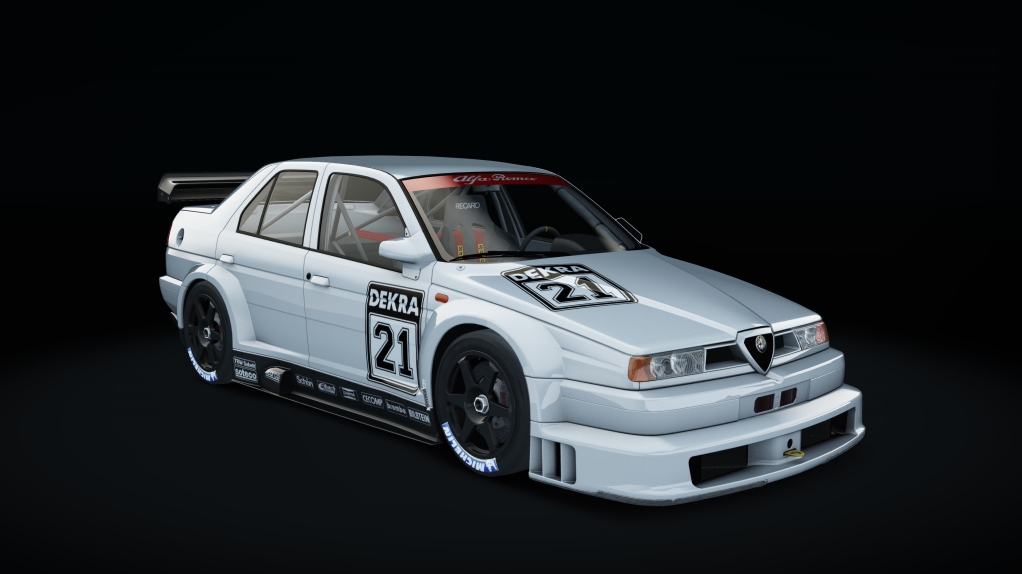
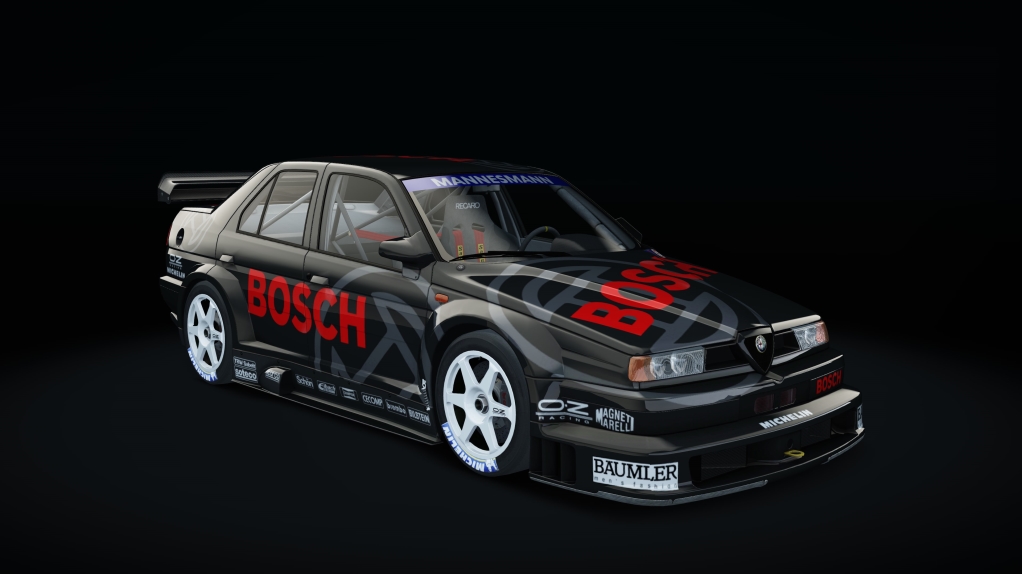
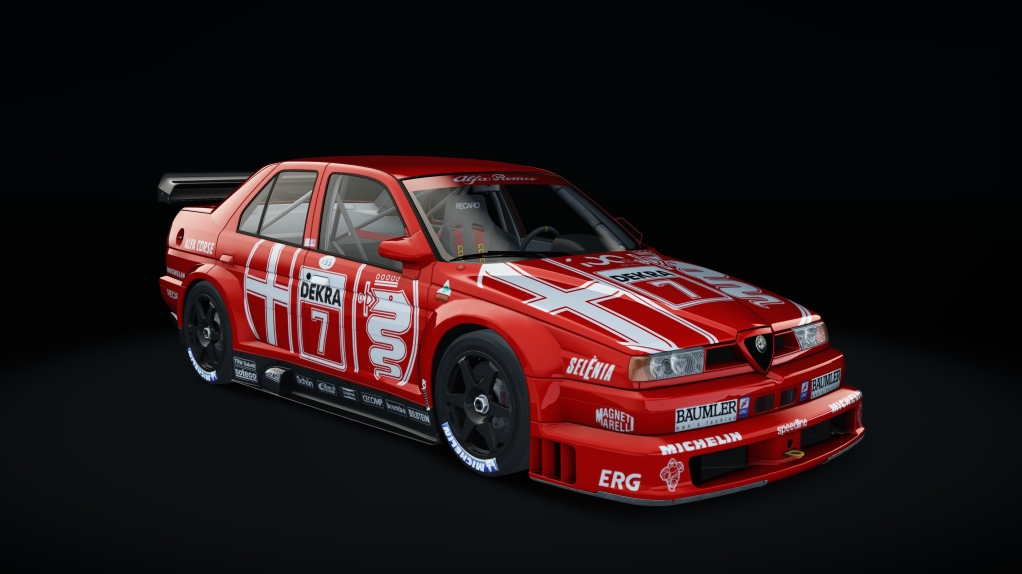
There was also a noteworthy recovery away from the leading contest. Davide Bolognesi had been classified 24th at the Norisring after completing 34 laps. At Salzburgring he was classified third after completing 41 laps, bringing the Alfa Romeo 155 TI V6 into the podium order. That result gave the opening phase a broader interest than a simple BMW-Ford exchange. For Bolognesi, the difference between the two classifications was considerable; for Alfa Romeo, it proved to be the season's sole podium appearance.
Kraus makes the running
The central phase belonged to Kraus. Victories at the Nurburgring and Zolder extended his winning run to three successive races, and on both occasions Shepherd finished second with JackCY third. The repetition was significant. The same two rivals continued to collect strong results, but neither was interrupting the accumulation of victories at the front.
The Nurburgring gave Kraus the outright Championship lead on 70 counted points. Shepherd was third in the Championship on 64 points, six behind the leader. Kraus's Norisring third place remained his discarded result, so his counted total at that moment rested on the two victories. His position was being built by winning rather than merely by benefiting from an opponent's poor meeting.
Zolder strengthened that impression. Kraus left with 105 counted points and a third consecutive victory. Shepherd's second place in the race brought a third second place of the campaign and a share of second in the Championship on 96 points, nine behind Kraus. JackCY's third place in the race maintained a podium record across all four rounds contested to that point, but the BMW was no longer setting the winning standard.
This was the season's clearest period of settled form. Kraus won, Shepherd followed, and JackCY remained close without reversing the order. Yet the margins in the Championship were not sufficient to make those repeated results conclusive. Shepherd's seconds kept the Ford challenge broad, while JackCY's regular podium appearances meant that the opening victory had not become an isolated achievement. The BMW driver had yielded the initiative without losing contact with the contest.
Kraus also recorded the fastest lap in each race of his winning sequence. Used sparingly, such a statistic says something useful here: his successes were accompanied by the underlying pace to support them. There was no need to explain away his position at the head of the Championship. The unanswered question was whether that form would be carried through the remaining meetings.
The long circuit changes the balance
The Nordschleife altered the character of the closing contest. Neither Kraus nor Shepherd took part, while JackCY won and recorded the fastest lap. After the repeated Sierra victories, the BMW had returned to first place at a meeting where its principal opponents added no race score.
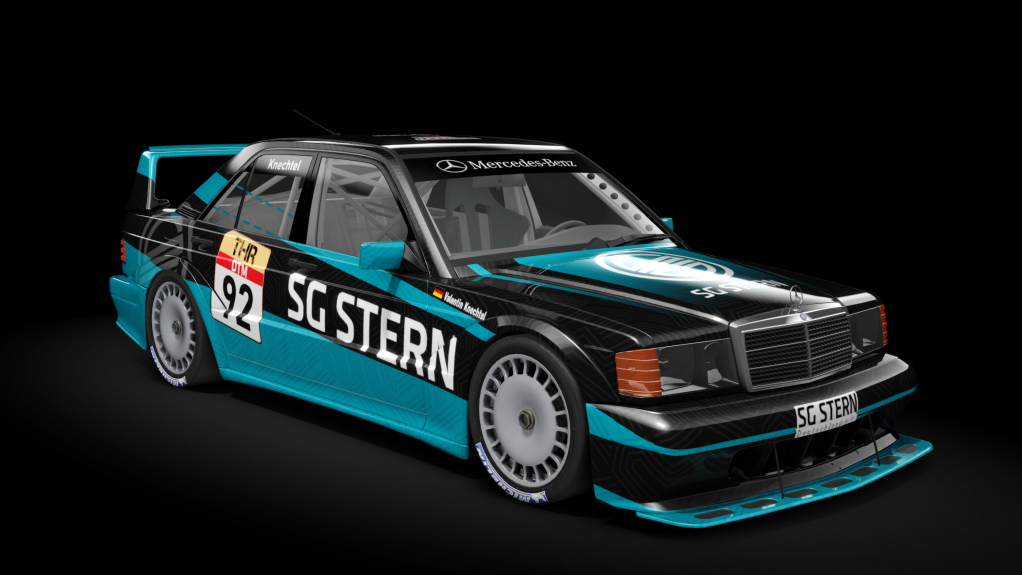
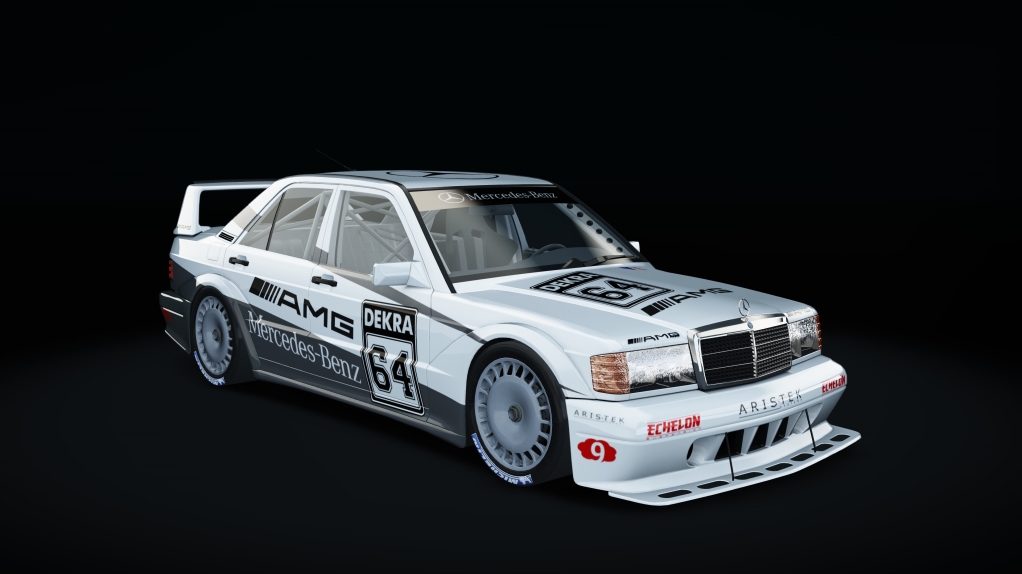
It was a different podium as well. Lukas Mueller finished second in a Mercedes-Benz 190E EVO II, with Valentin Knechtel third in another Mercedes. Their results supplied both of the marque's podium appearances for the completed Championship. Together with Bolognesi's Salzburgring classification, they formed the three podium appearances outside the season's two most frequent podium cars, the Sierra and the M3. The leading struggle had been remarkably concentrated, but the Nordschleife allowed another part of the field its distinction.
For the Championship, the important consequence was less straightforward than the absence of the two Ford contenders might suggest. Kraus still led on 134 points. His zero from the Nordschleife became the discarded result, bringing the previously excluded Norisring score back into his counted total. Shepherd's absence worked in the same fashion: the Nordschleife zero was discarded and the Salzburgring score returned to the calculation. Shepherd therefore stood third in the Championship on 122 points, twelve behind Kraus.
The rule had the effect that both absent drivers increased their counted totals without racing. It did not diminish the importance of JackCY's victory, but it did preserve Kraus's place at the head of the table for the journey to the final meeting. What had changed was the competitive direction. The BMW was winning again, and the title would now be resolved beyond the phase in which Kraus had established his authority.
A Ford victory, a BMW title
At Hockenheimring, Shepherd finally converted the season's repeated second places into a victory. Fastest lap accompanied the win, giving the final performance a completeness that the earlier near-misses had lacked. JackCY finished second, however, and that result settled the Championship in the BMW driver's favour. Kraus was absent again and remained on 134 points, dropping to third in the final classification as both rivals moved ahead.
Shepherd's victory reduced the final difference to six points. It was a strong conclusion to a campaign comprising one win and three second places, four top-two results in total from five starts. The Sierra had been a persistent presence near the front, and the last race supplied the success that had previously escaped it. The title was lost by a narrow margin, not through a general lack of competitive results.
JackCY's completed record was more evenly balanced: two wins, two second places and two thirds, making six podiums from six starts. Even with one result excluded from the points calculation, there was depth enough in that record to withstand Shepherd's final victory. The champion had answered the middle-season pressure with a win at the Nordschleife and then placed directly behind the winner at the concluding round.
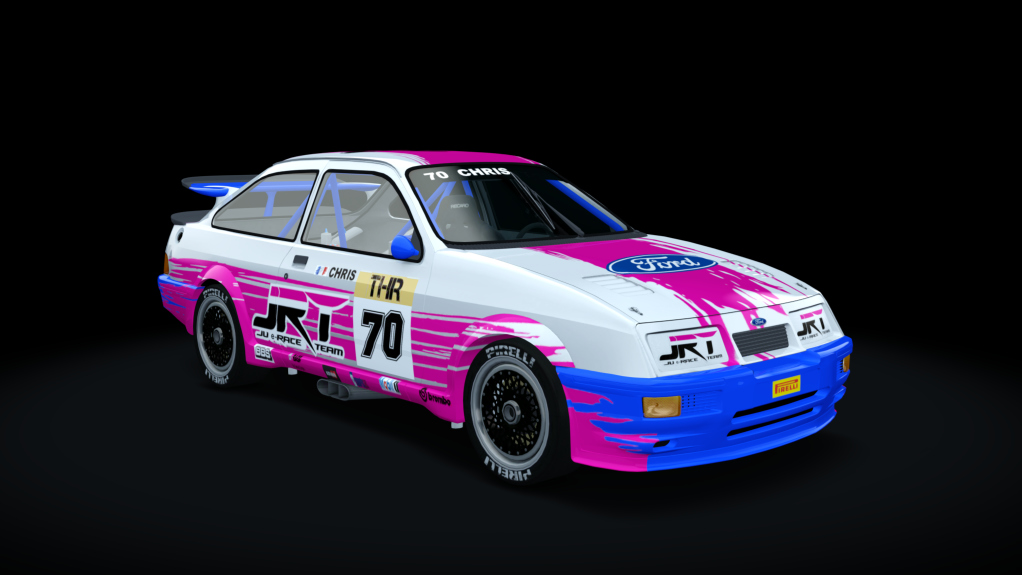
Chris finished third at Hockenheimring, a fitting reward for a campaign that had included fourth-place classifications at both the Nurburgring and Zolder. Fourth in the final Championship on 127 points, Chris gave Ford a substantial presence immediately behind the title protagonists. HappyKojot's fifth place in the final standings offered a different example of useful season-long work, achieved without a podium result.
Kraus remained the campaign's most frequent winner, with three victories and a third place from four starts. His failure to appear in the last two rounds left that impressive record without a closing answer. The discarded-score allowance absorbed one absence, but the completed Championship still contained too little scoring beyond his excellent opening phase.
The title went neither to the driver with the most victories nor to the winner of the final race. JackCY's BMW was fast enough to win and dependable enough to survive the Sierras' strongest spell. Maddie Shepherd ended as runner-up, with Philip Kraus completing the final podium in third. In a short Championship, JackCY's combination left very little room for waste.