Castagneti Sets the Measure
Seven victories gave Manu Castagneti the sixth GPL Casual Cup, but the Championship was not settled by speed alone. Ingroover's Honda supplied the strongest winning challenge, Ian McIlroy's Ferrari made regularity count, and the discarded-result rule kept the reckoning close long after the Lotus had established its authority.
An advantage earned, not inherited
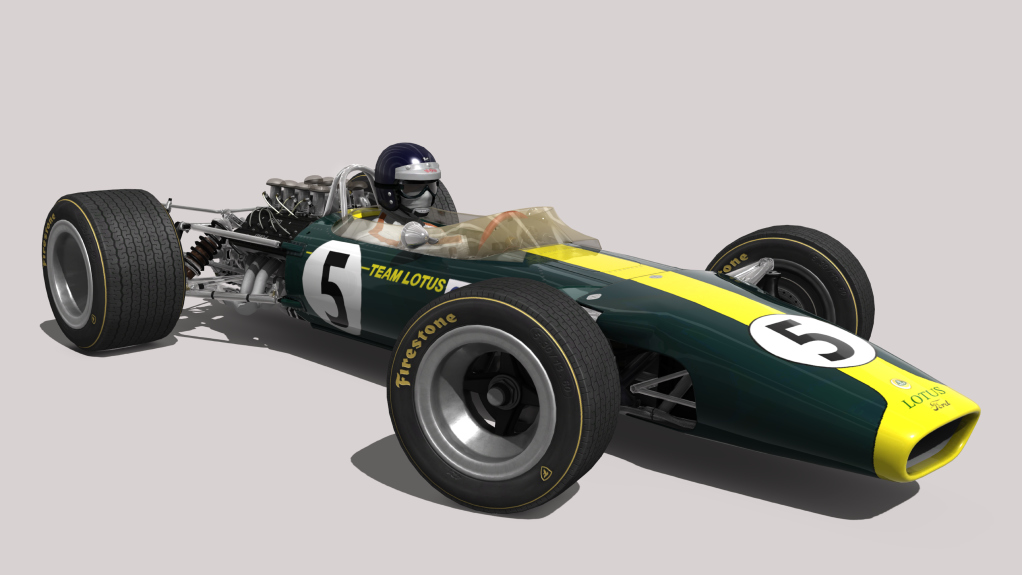
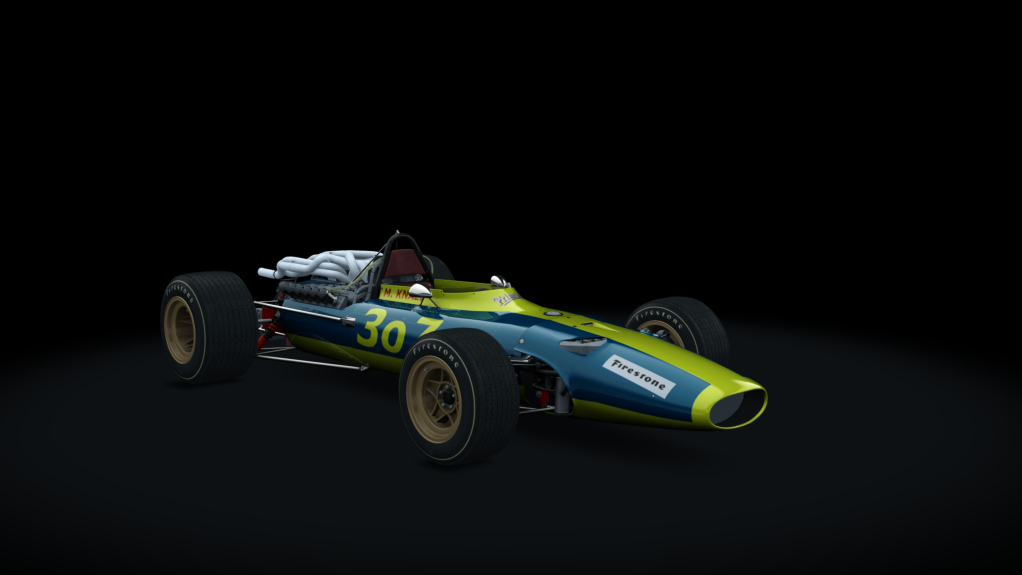
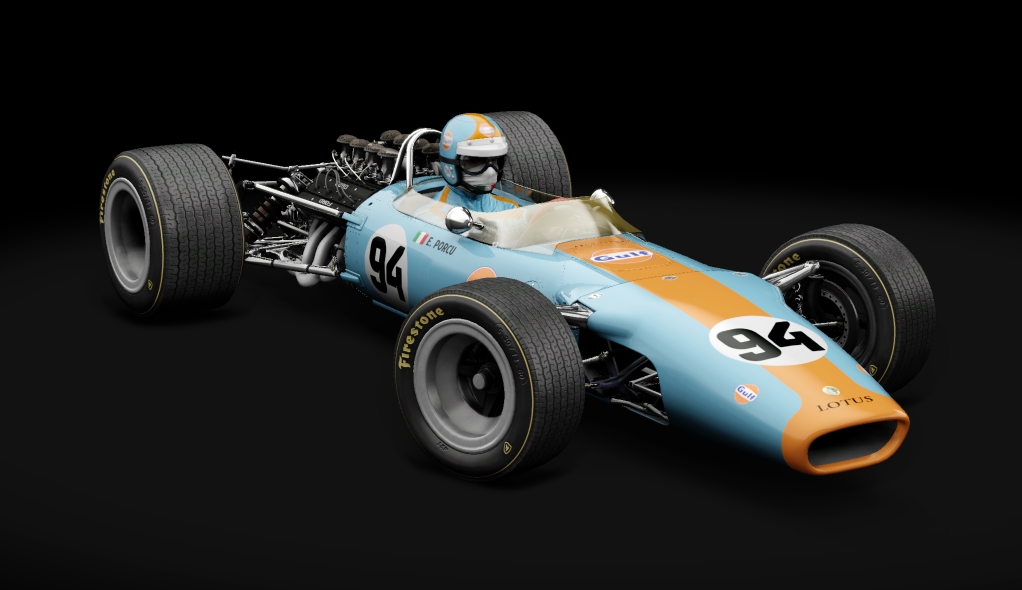
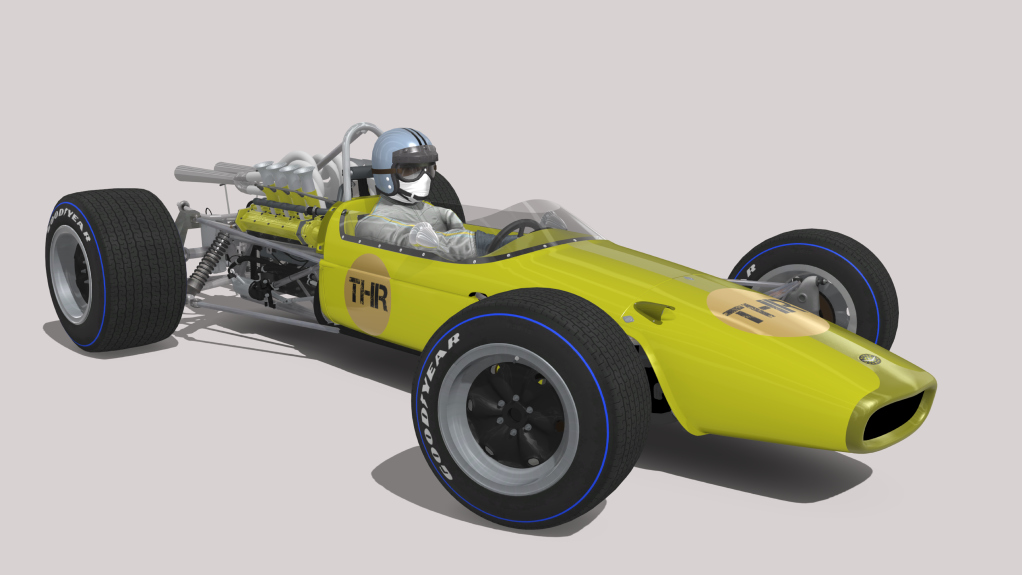
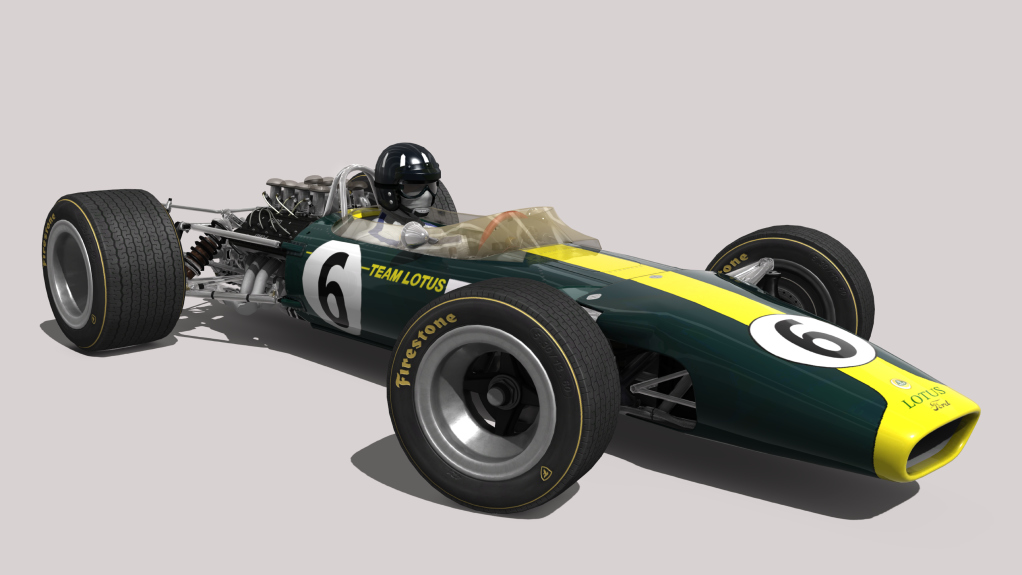
There was no change of Championship leader in the sixth GPL Casual Cup. That simple fact might suggest a season without much argument, yet it would be an inadequate account of the nine rounds between Monza in October and Mexico in March. Manu Castagneti remained at the head of the table because he repeatedly answered the occasions on which his rivals drew nearer. His Lotus 49 was the season's most successful combination, but its advantage had to be renewed rather than merely preserved.
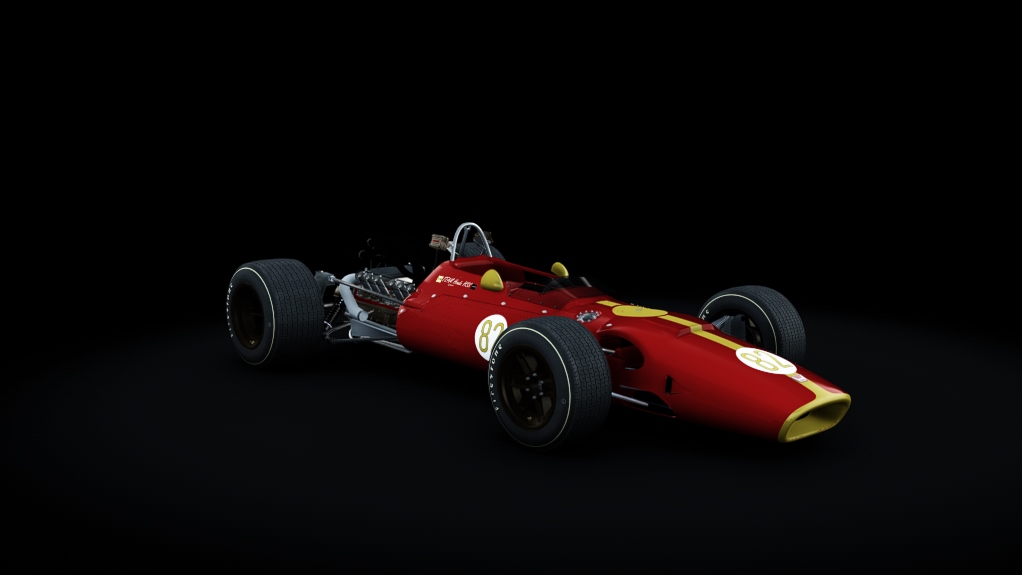
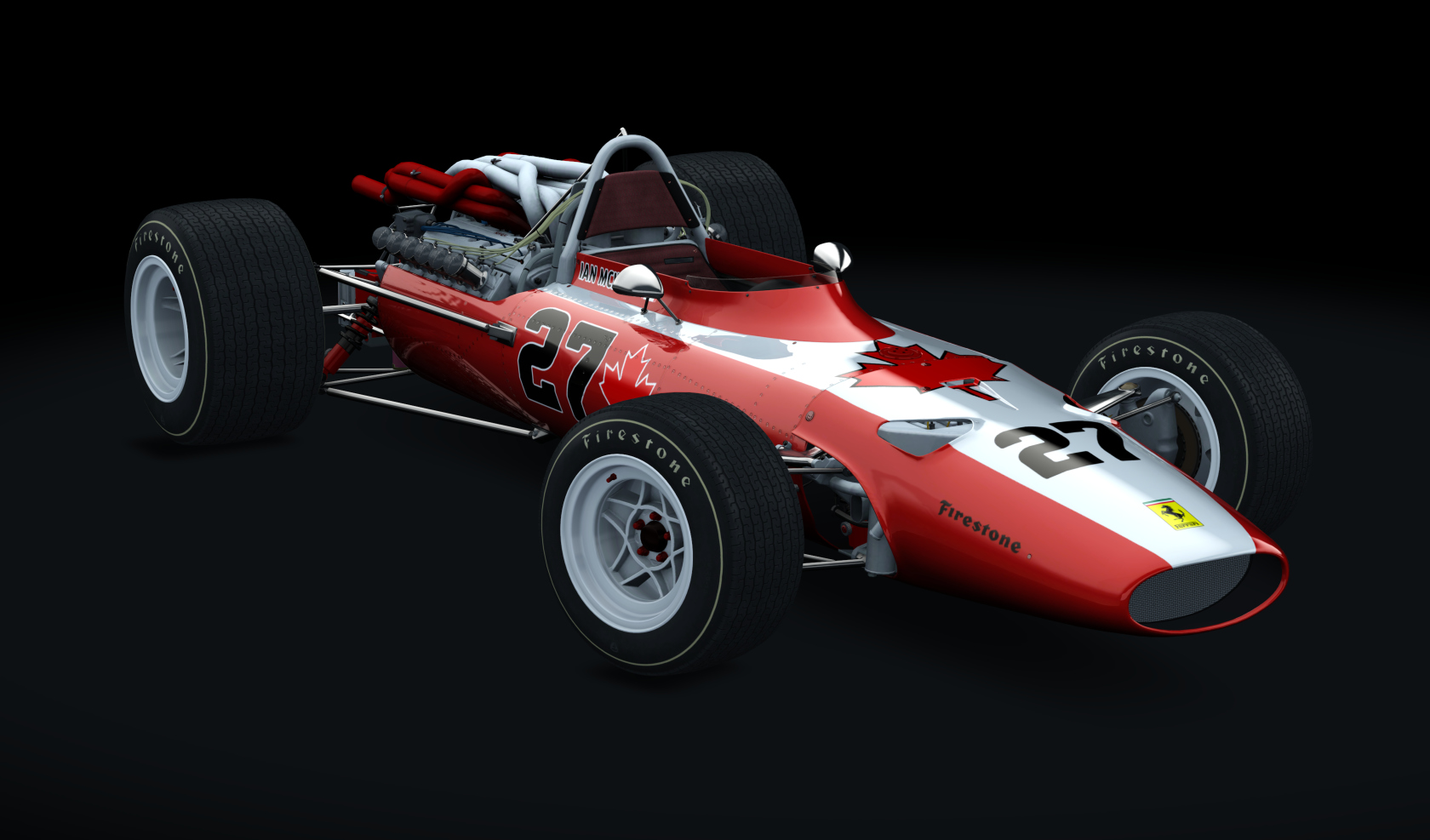
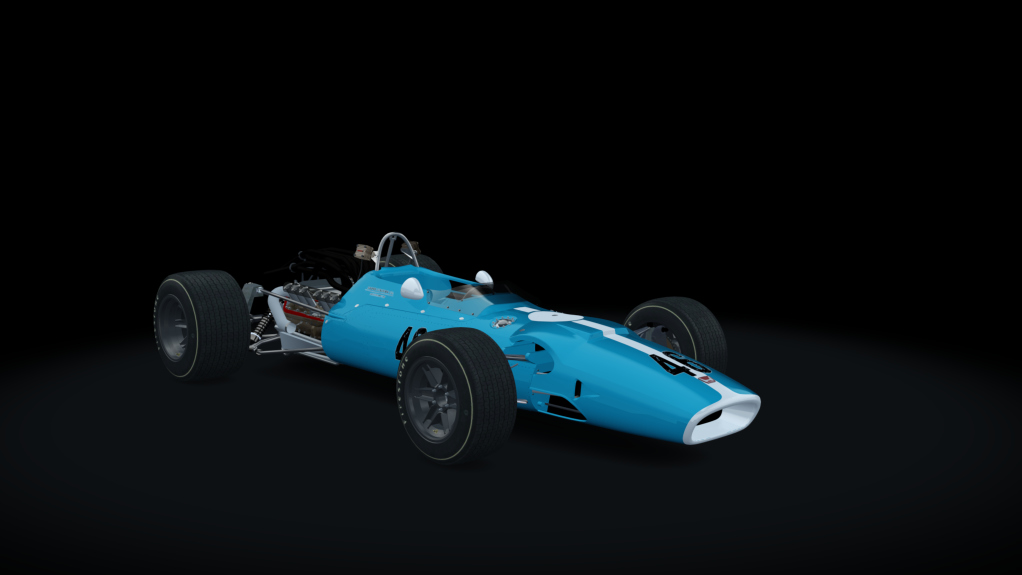
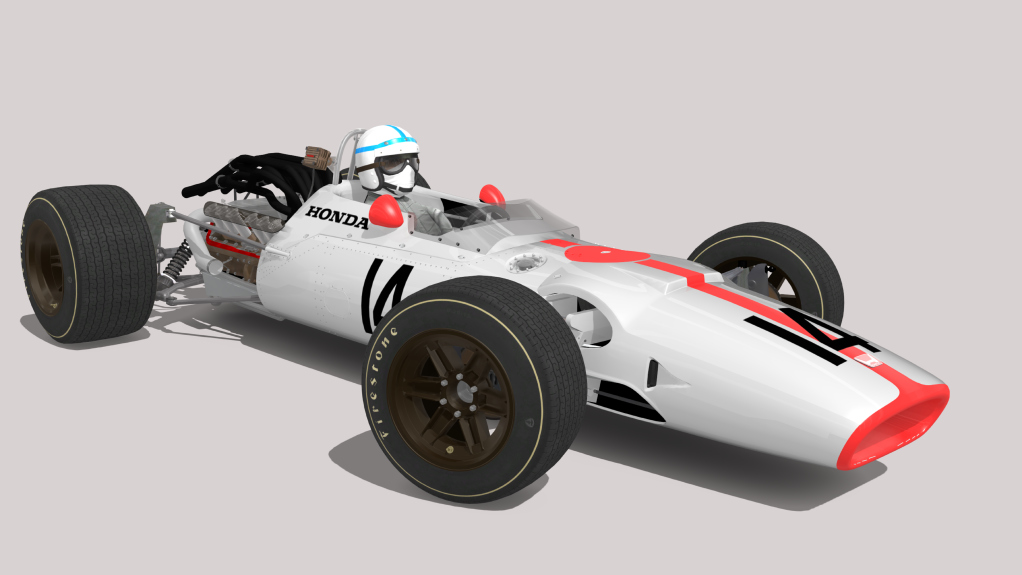
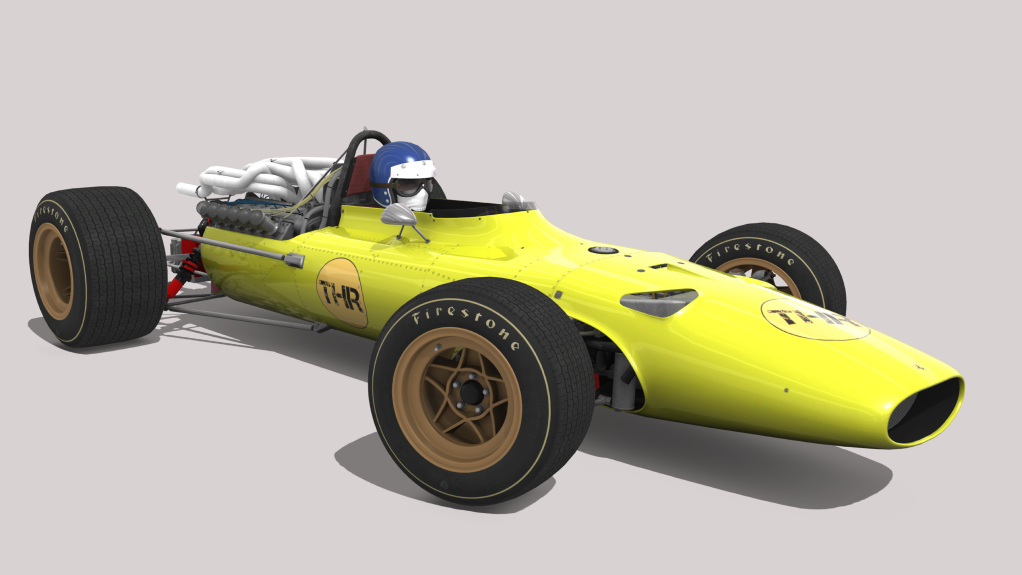
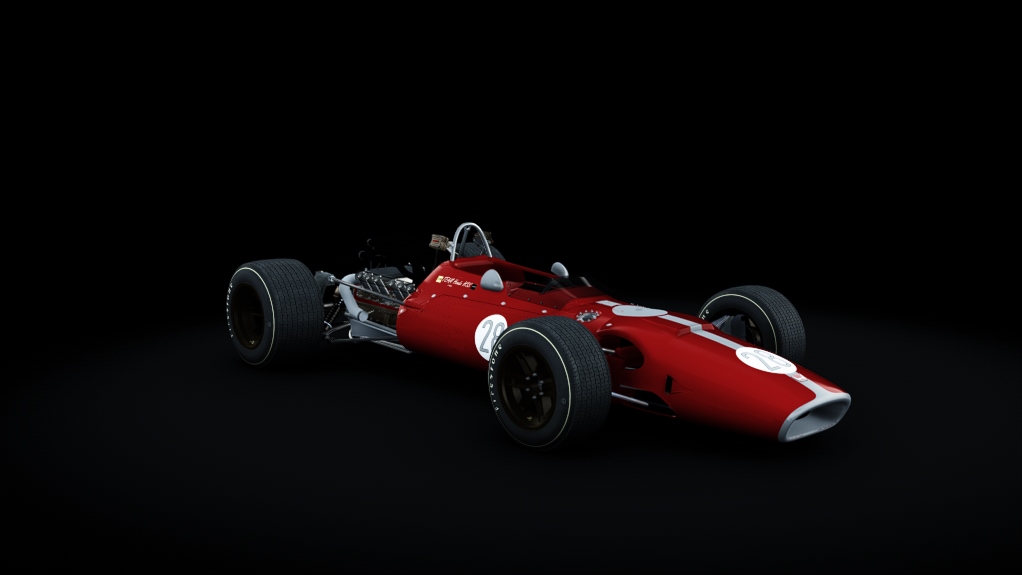
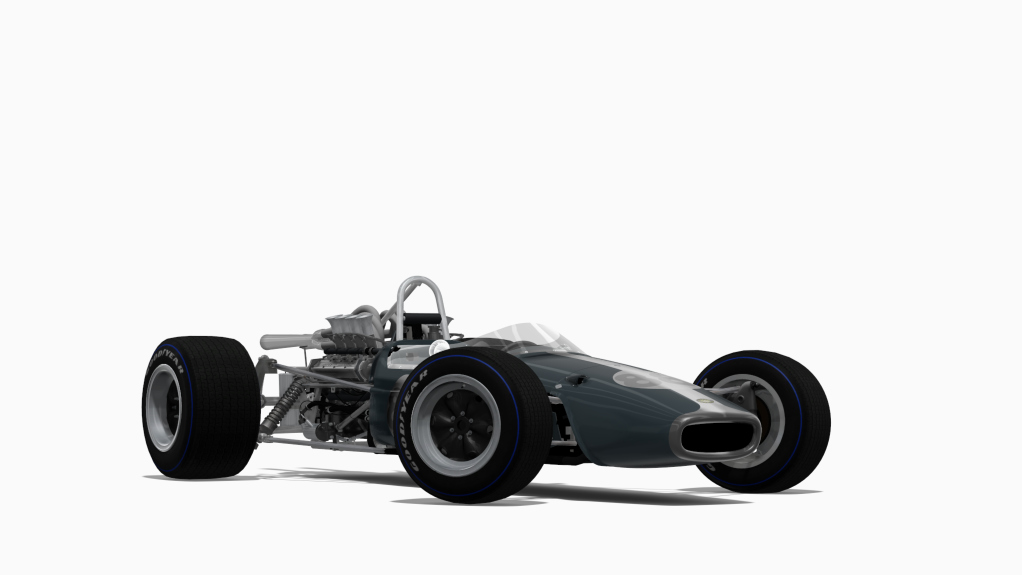
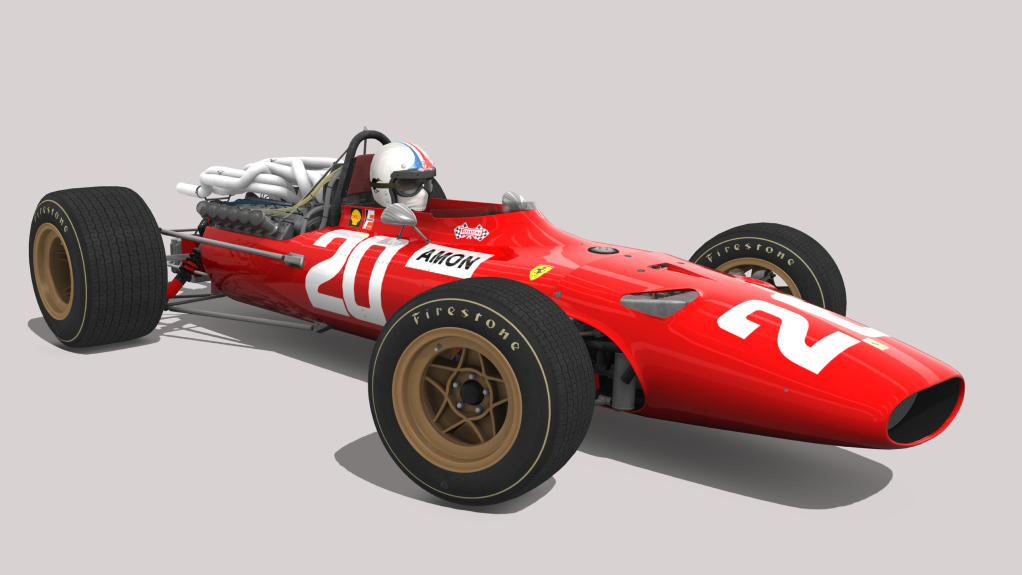
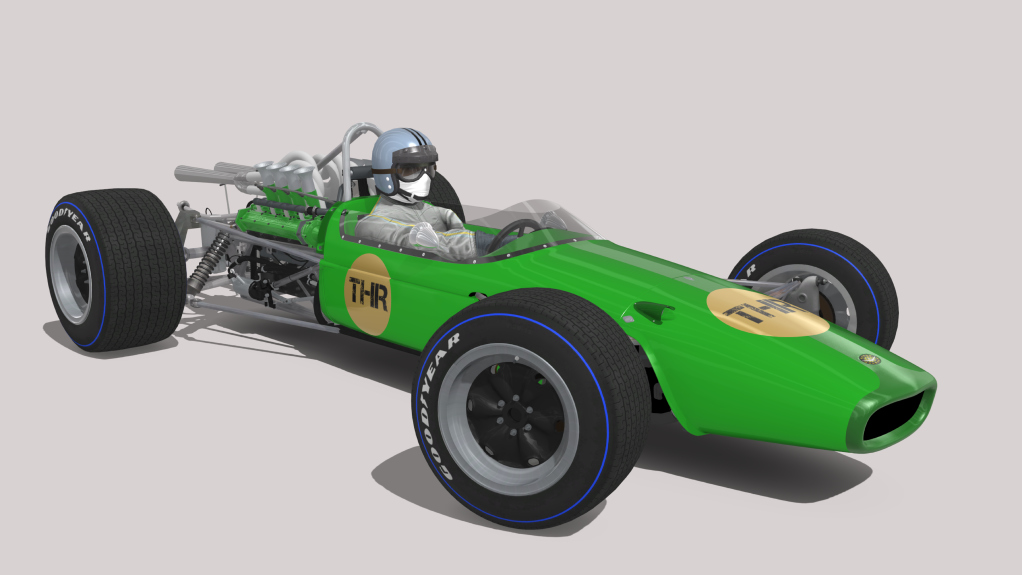
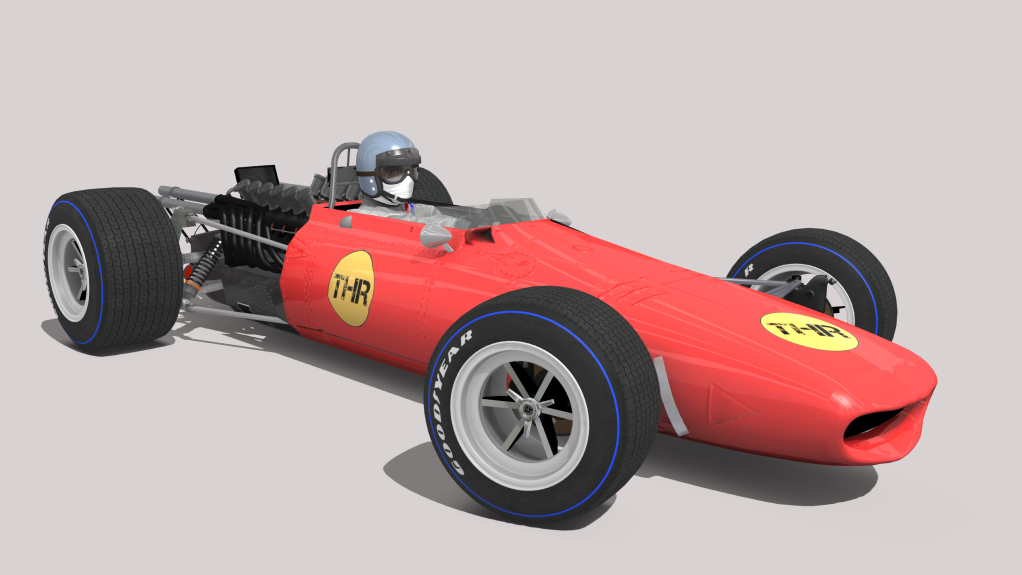
Ingroover, with the Honda RA300, offered the most substantial challenge in outright results. Ian McIlroy's Ferrari 312 followed a different course, accumulating the sort of placings which can make a Championship uncomfortable for a faster rival. The distinction between those two pursuits became one of the season's central features: the Honda could beat Castagneti, while McIlroy was often better placed to profit when it did not.
There was also the matter of the reckoning. Each driver discarded one poorest result, leaving eight counting events over the completed season. This was not an adjustment to be considered only at the end. Its effect changed as the calendar advanced, and the identity of a driver's discarded result could change with it. Thus the early points table told a rather closer story than Castagneti's opening successes alone would have suggested.
The opening promise and the German answer
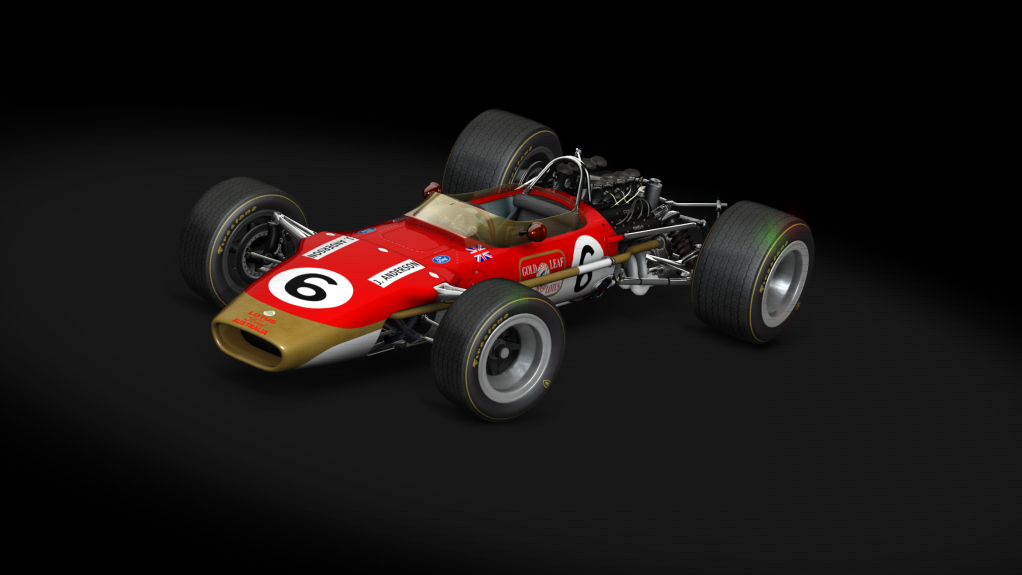
Castagneti began by winning at Monza and Le Mans Bugatti, setting fastest lap on both occasions. At Monza, Jacob Anderson brought another Lotus home second, with McIlroy third. It was a persuasive opening for the 49, and Anderson initially appeared well placed to share in its success. His subsequent difficulties prevented that promise from becoming a sustained Championship challenge.
Bugatti introduced the more durable opposition. Ingroover finished second to Castagneti, while Stefan Roess took third for Ferrari. Anderson was classified ninth after completing seven laps, a sharp contrast with his full-distance second place in Italy. Castagneti now had two victories, but only 40 counted points: at that moment his Monza win was the discarded result. Ingroover stood second in the Championship on 37 points, just three behind the leader. The distinction between victories earned and points retained was already important.
The Nordschleife then supplied the first clear answer to the Lotus. Ingroover won, sebastian fariña finished second in a Ferrari, and McIlroy took third. Castagneti was classified fourth. This became his discarded result, bringing the Monza victory back into his counted score. He therefore remained Championship leader on 80 points, with Ingroover on 77 and McIlroy on 68.
The Honda victory mattered beyond its immediate reward. It established Ingroover as a rival who could do more than collect the next place behind Castagneti. For the leader, Germany provided a useful measure of resilience: a race outside the podium had not cost him command of the Championship, though the margin remained narrow.
The pursuit takes two forms
Mosport restored Castagneti to the winning position and began the most productive passage of McIlroy's season. The Ferrari finished second, ahead of Anderson, whose third place was a sound recovery from his shortened German race. Ingroover was classified fifth after completing 44 of the 45 laps. The Honda had lost ground, and Castagneti's counted advantage over it grew to 13 points.
The long interval before Bremgarten did not settle the contest into a predictable order. When racing resumed in January, Ingroover won again, this time with fastest lap as well. McIlroy finished second and Castagneti third. It was an important reversal because both principal pursuers placed ahead of the Championship leader, rather than merely exchanging points behind him.
After Bremgarten, Castagneti led with 154 points. Ingroover had 147, seven behind, and McIlroy 142. The Championship had passed its middle round with the leading trio still closely grouped. Castagneti retained the stronger winning record, but the Honda had now interrupted it twice, while McIlroy's Ferrari remained within reach through repeated podium appearances.
Bremgarten was the high point of the challenge to Castagneti's control. It was not a change of leader, nor a collapse of the Lotus campaign. Rather, it was the moment when the opposition's different strengths came together most effectively: Ingroover supplied the victory, McIlroy the sustained pressure, and Castagneti had to accept the smallest share of the podium.
Zandvoort and Spa separate the rivals
Castagneti's reply at Zandvoort was decisive in the direction it gave the remaining season. He won and set fastest lap, while McIlroy finished second for the third consecutive round. That run, beginning at Mosport and continuing through Bremgarten, had brought the Ferrari driver five podiums from six starts. It also moved him into second place in the Championship, on 179 points against Castagneti's 194.
Ingroover was classified fifth after completing 43 of the 45 laps and slipped to third in the Championship on 177 points. Only two points separated the pursuers, but the difference in their recent fortunes was plain. McIlroy's sequence had been steadily profitable; Ingroover's victories had been separated by results which surrendered some of their benefit. The Lotus, meanwhile, had resumed adding the largest available race award to its counted total.
Spa reversed the order behind Castagneti without interrupting his progress. He won again, with Ingroover second and sebastian fariña veira third. McIlroy finished eighth in the race, ending his run of second places. His Spa score became his discarded result, replacing Bugatti, so the earlier French points returned to the calculation.
The resulting table showed Castagneti on 234 points, Ingroover second in the Championship on 214, and McIlroy third on 210. The discarded-result rule softened the immediate effect of McIlroy's poorer placing, but it did not prevent the Honda from moving ahead. More significantly for the title, Castagneti had answered the close position after Bremgarten with successive victories. The burden of recovery now rested increasingly with those behind him.
Fresh opposition, familiar winner
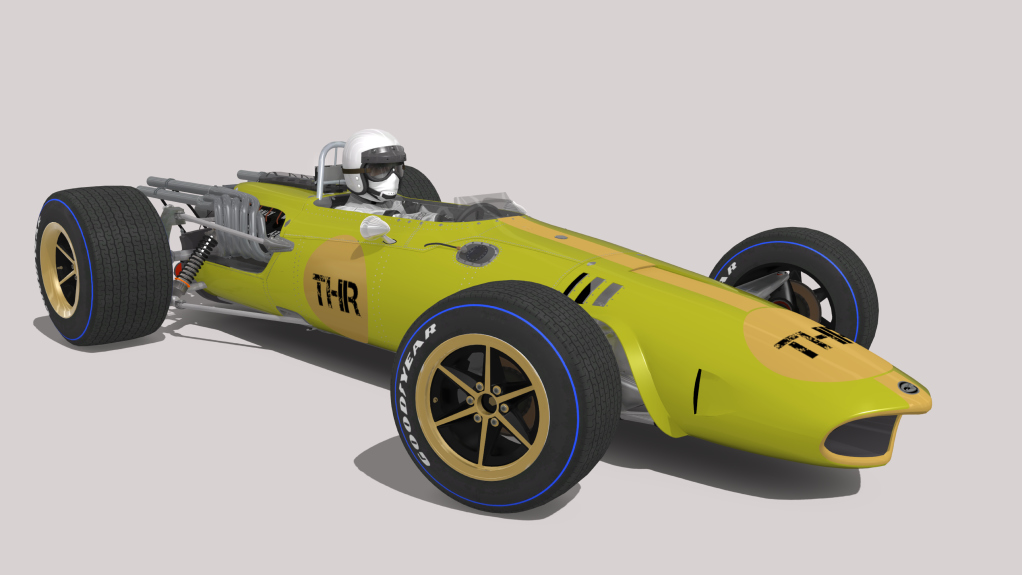
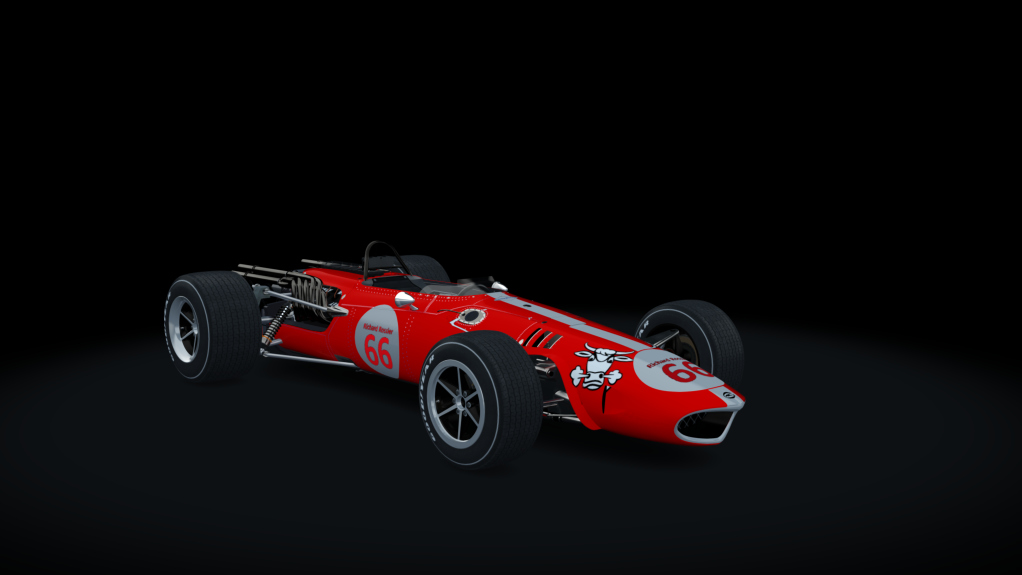
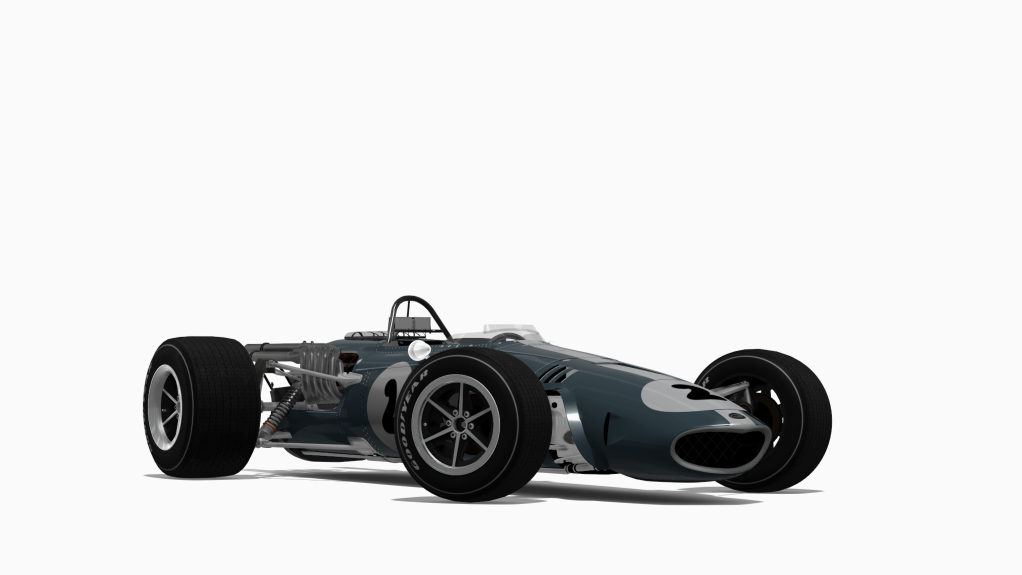
Oulton Park brought a change in the company around the winner. Castagneti again took victory and fastest lap, but the Eagle T1Gs of champinotor and richard rossier finished second and third. Their appearance near the front was more than a pleasing variation in the results. It placed two cars between the leader and the men pursuing him in the Championship.
McIlroy finished fourth in the race, with Ingroover fifth. The Ferrari reduced its deficit to the Honda to three points, but both lost further ground to Castagneti. Before Mexico, the Lotus driver had 274 points, Ingroover 244 and McIlroy 241. Castagneti had now won three successive races. The challengers remained close to one another, while the leader had opened a substantially broader interval.
Mexico completed the same late-season pattern. Castagneti won and set fastest lap; Ingroover finished second, and champinotor took third. McIlroy was classified seventh after completing 33 of the 34 laps. The Honda driver's final podium secured second place in the Championship, while the Eagle's return to the first three confirmed that Oulton had not been an isolated achievement.
Castagneti ended with 314 counted points, 33 ahead of Ingroover's 281. McIlroy was third on 269. The final Championship order thus represented three distinct cars: Lotus, Honda and Ferrari. Castagneti's fourth consecutive victory closed a campaign in which his response to pressure had become progressively more difficult to answer.
What the season rewarded
The champion's completed record was seven wins and one third place, giving him eight podiums from nine starts. His fourth place at the Nordschleife was discarded. There was no need to explain the title principally through arithmetic: Castagneti had won far more often than his rivals and, when beaten, had still avoided a truly poor classification. The scoring rule removed 31 points from his final reckoning, yet his superiority remained clear.
Ingroover's two victories and three second places amounted to five top-two results in total. His zero-point Monza result was discarded, allowing the recovery from that opening setback to stand in full. The Honda campaign supplied the season's strongest direct resistance to Castagneti, but lacked the sustained winning momentum of the Lotus in the closing rounds. Team Honda HSS nevertheless took the teams' Championship with 340 points.
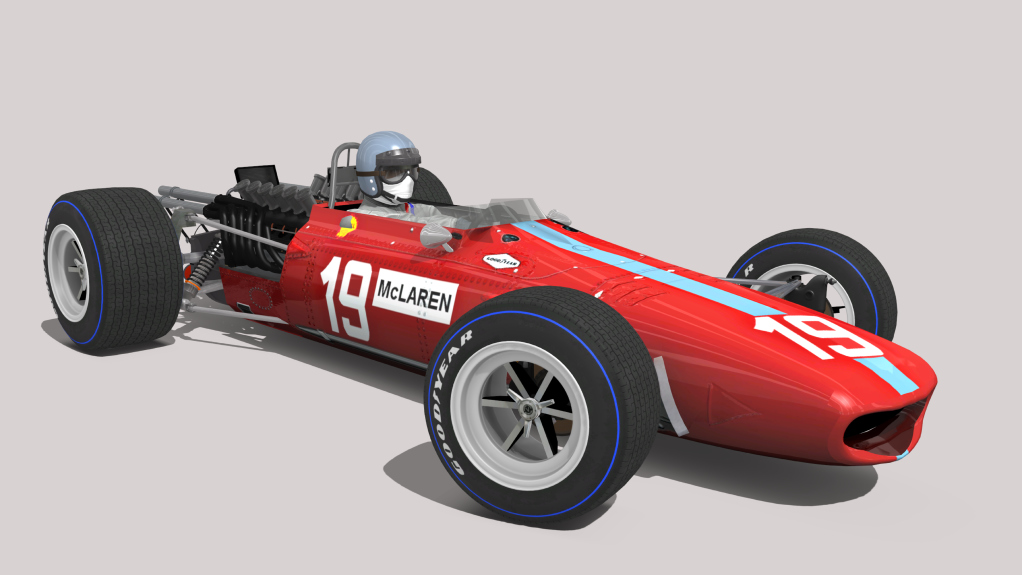
McIlroy's three second places and two thirds also gave him five podiums. His middle-season sequence made him a serious presence in the points contest, although no victory followed. Spa remained his final discarded event. Behind the leading trio, sebastian fariña took fourth in the Championship with 165 points, while Telmo Amaral's Mclaren M5A campaign earned fifth on 150. Amaral's full-distance fourth place at Bremgarten was a useful expression of a season built away from the podium.
The late Eagles supplied a different distinction. Champinotor's second and third places gave substance to a brief campaign and helped alter the distribution of points at the front. Yet even as the supporting cast changed, Castagneti continued to win. That was ultimately the season's most telling measure.
The Casual Cup rewarded Manu Castagneti for joining winning speed to dependable results. Ingroover ended as runner-up, with Ian McIlroy third in the Championship. Rivals could interrupt Castagneti and keep him within sight, but they could not match his closing rate of progress. The title was established by a succession of answers, each more conclusive than the last.